

Filipinos will find any excuse to celebrate, from the customary like birthdays and fiestas to the most random things such as a promotion and monthsaries. And usually, whatever the occasion, food and alcohol are involved. For the latter, that might mean beer, wine, or other popular commercial spirits.
But long before those bottles filled convenience store shelves and bar counters, communities across the Philippines already had their own set of drinks, often made from what was available like rice, sugarcane, and other native crops or fruits.
Among these is tapuey, a traditional Filipino rice wine commonly produced and enjoyed in provinces up north. Made from glutinous rice and a natural yeast starter called bubod, Tapuey has long been part of life in the mountains. It appears at weddings, rituals, harvest festivals, and other gatherings where people come together to celebrate life’s most meaningful moments. But despite its deep cultural roots, tapuey remains foreign to many Filipinos, especially those living in highly urbanized cities.
How Ken Alonso Founded Proudly Promdi to Champion Filipino Heritage Spirits
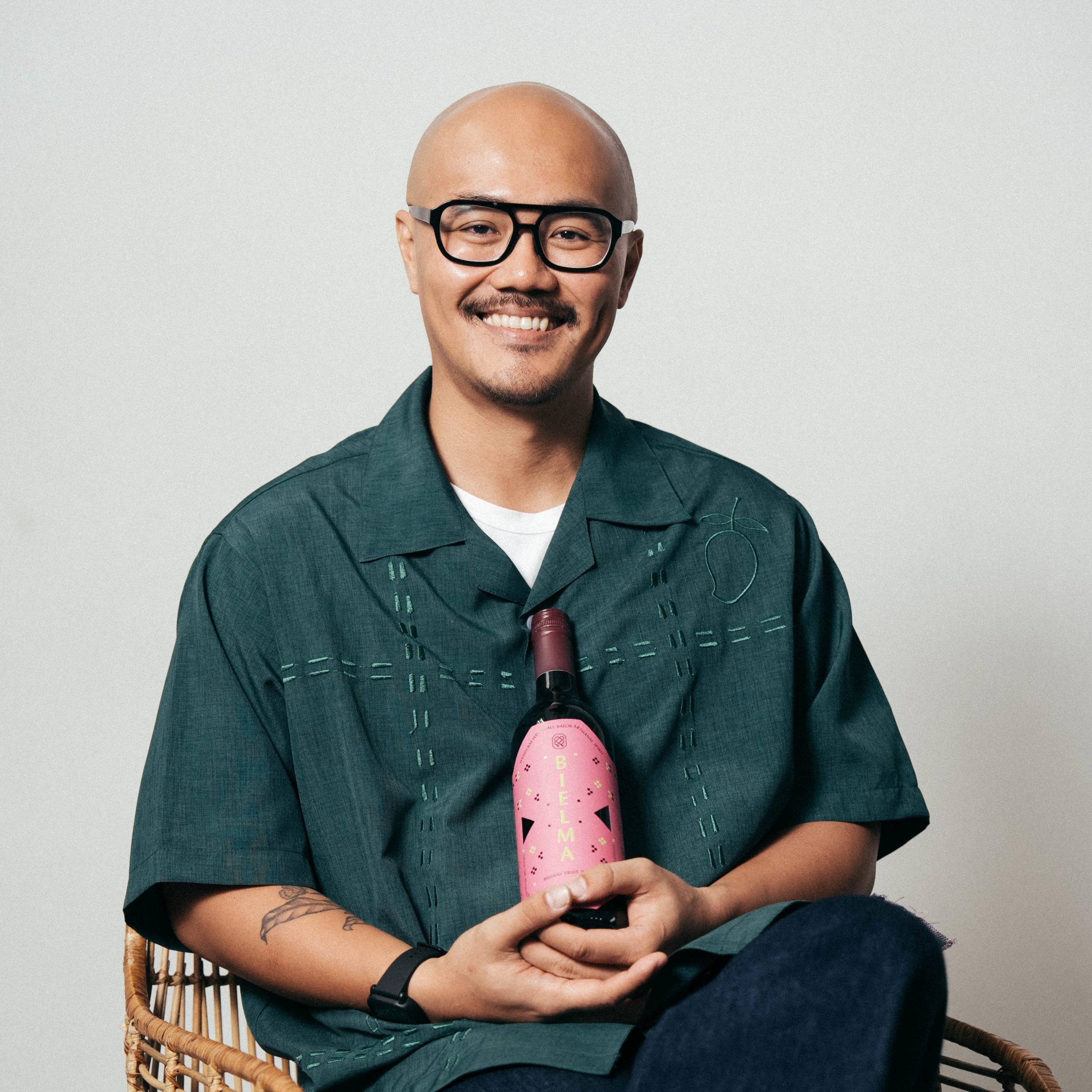
This is where Ken Alonso fills in that gap. “Proudly Promdi is a Filipino beverage company and platform that rediscovers and celebrates Filipino heritage spirits,” he explains.
The name itself, Promdi, short for “from the province,” reflects the company’s straightforward, but significant mission: to highlight drinks that originate from rural communities and bring them to younger, more modern audiences.

Funnily enough, Alonso’s introduction to these drinks began in a very poetic way. “I actually learned about Filipino spirits by getting drunk,” he joked. Years ago, Alonso attended his tita’s 50th wedding anniversary in the Mountain Province. The celebration was typical of many provincial gatherings – open houses, neighbors dropping by, and plenty of food and drinks shared amongst the community. Hailing from Manila, Alonso was looking for his typical bottle of beer. Instead, he was handed a bottle of tapuey.
“I drank about three bottles,” he recalled. The next morning, his curiosity had already been sparked. Instead of swearing off the drink after the previous night’s indulgence, Alonso found himself asking a simple question: where could he get more?
How Proudly Promdi Is Bringing Tapuey to Restaurants and Bars
That moment eventually led him to local tapuey makers and other small-scale producers. At first, the venture was small. Alonso started selling this local spirit at bazaars and trade fairs, working directly with artisanal winemakers and small-batch producers from different provinces to offer bottles that many had never seen before.
Eventually, restaurants began to take notice. Proudly Promdi started distributing their products to establishments around Metro Manila. They later launched a mobile bar service, aptly named the Traveling Filipino Cocktail Bar, which allowed people to experience these drinks through cocktails and tasting events.
“It was really just a way for us to market the spirits that we had.” Alonso said.
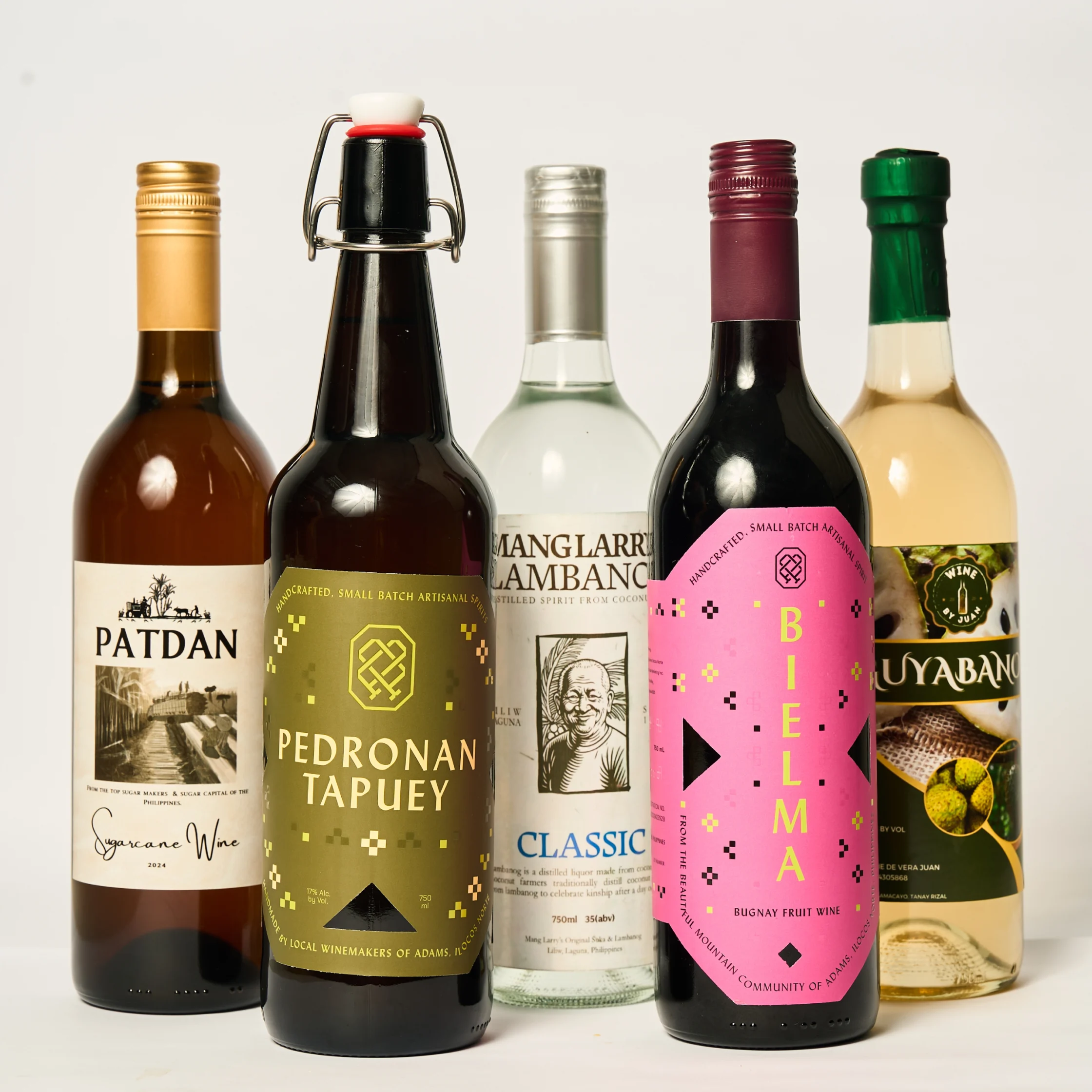
Today, Proudly Promdi works with multiple producers and distributes Filipino heritage spirits to restaurants and bars across the country, including internationally recognized establishments. Despite that growth, Alonso insists that their role hasn’t changed. “We’re storytellers,” he said. “We just change how the story is told.”
Tapuey, for instance, may sound simple–just rice and yeast–but its character varies depending on the rice used and the family making it. Many tapuey makers have their own versions of bubod, the fermentation starter, which is passed down through generations.
“Each tapuey maker will have a different version,” Alonso explains while emphasizing that no two batches taste exactly the same. As a result, each bottle carries not just flavor, but also the weight of tradition.
Why Filipino Heritage Spirits Deserve More Recognition
For Alonso, part of the challenge has always been overcoming the mindset that imported products are automatically better. Many Filipinos are more familiar with foreign wines or spirits than with the drinks made by their own kababayan.
“That’s part of the colonial mentality,” he explains. “Sometimes people think that anything from abroad is superior.”
Through Proudly Promdi, Alonso hopes to shift that perception, not only among consumers, but also the producers themselves.
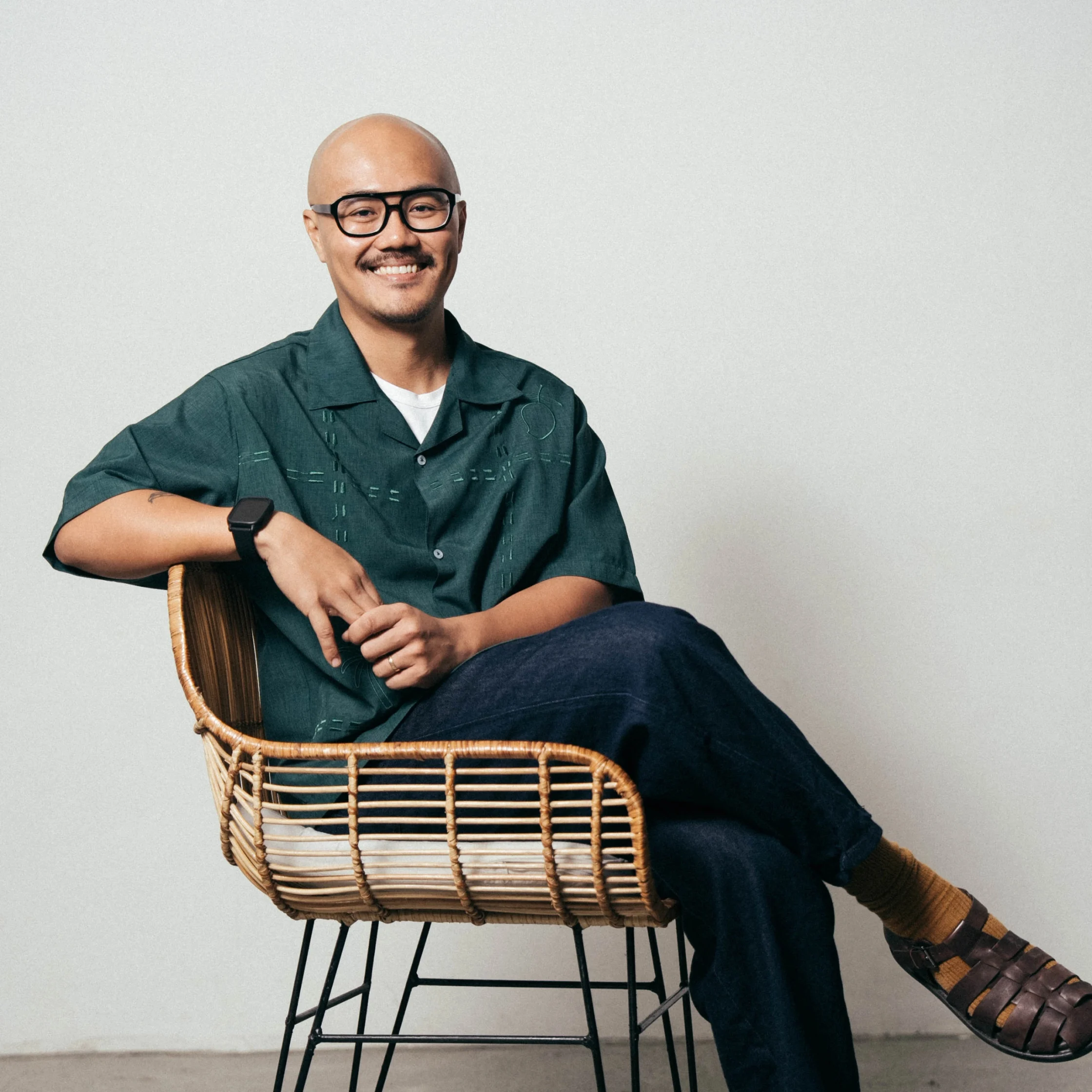
Many of the farmers and winemakers behind these drinks are aging, and younger generations are not always keen on continuing the tradition. Without support or recognition, some of these heritage practices are at risk of extinction.
By introducing tapuey and other heritage spirits to new audiences, Alonso believes people can begin to appreciate them not just as alcohol, but as pieces of culture. After all, Filipino spirits were never originally created for commercial markets. They were made to be shared among families, neighbors, and communities as they come together and celebrate.
“At its core, it’s really about celebrations.”
Ultimately, the act of raising a glass has always been less about the alcohol, and more about the people present. And for many communities in the Philippines, that celebration has long been accompanied by a humble mug of tapuey.

Frequently Asked Questions
Tapuey is a traditional Filipino rice wine made from glutinous rice and bubod (a natural fermentation starter). It’s especially associated with the Cordillera region and is commonly served during celebrations and rituals.
Tapuey originates from the Cordillera region of Northern Luzon, particularly among Indigenous communities in provinces such as Ifugao, Mountain Province, Benguet, and Kalinga.
Proudly Promdi was founded by Ken Alonso to promote Filipino heritage spirits and connect traditional producers with modern consumers.
Proudly Promdi is a Filipino beverage company and cultural platform that sources, distributes, and promotes heritage spirits from local producers across the Philippines.
Aside from tapuey, Proudly Promdi works with producers of other traditional Filipino spirits and fruit wines from different regions, introducing them through restaurants, bars, and cocktail experiences.