

Think of chocolate and what comes to mind is most likely along the lines of pleasure and indulgence.
In the case of local purveyor Nico Cacao, chocolate also functions as a catalyst of sorts transforming the lives of cacao farmers in Negros Oriental.
Who Is Nicolas Astarie and How Did Nico Cacao Begin?
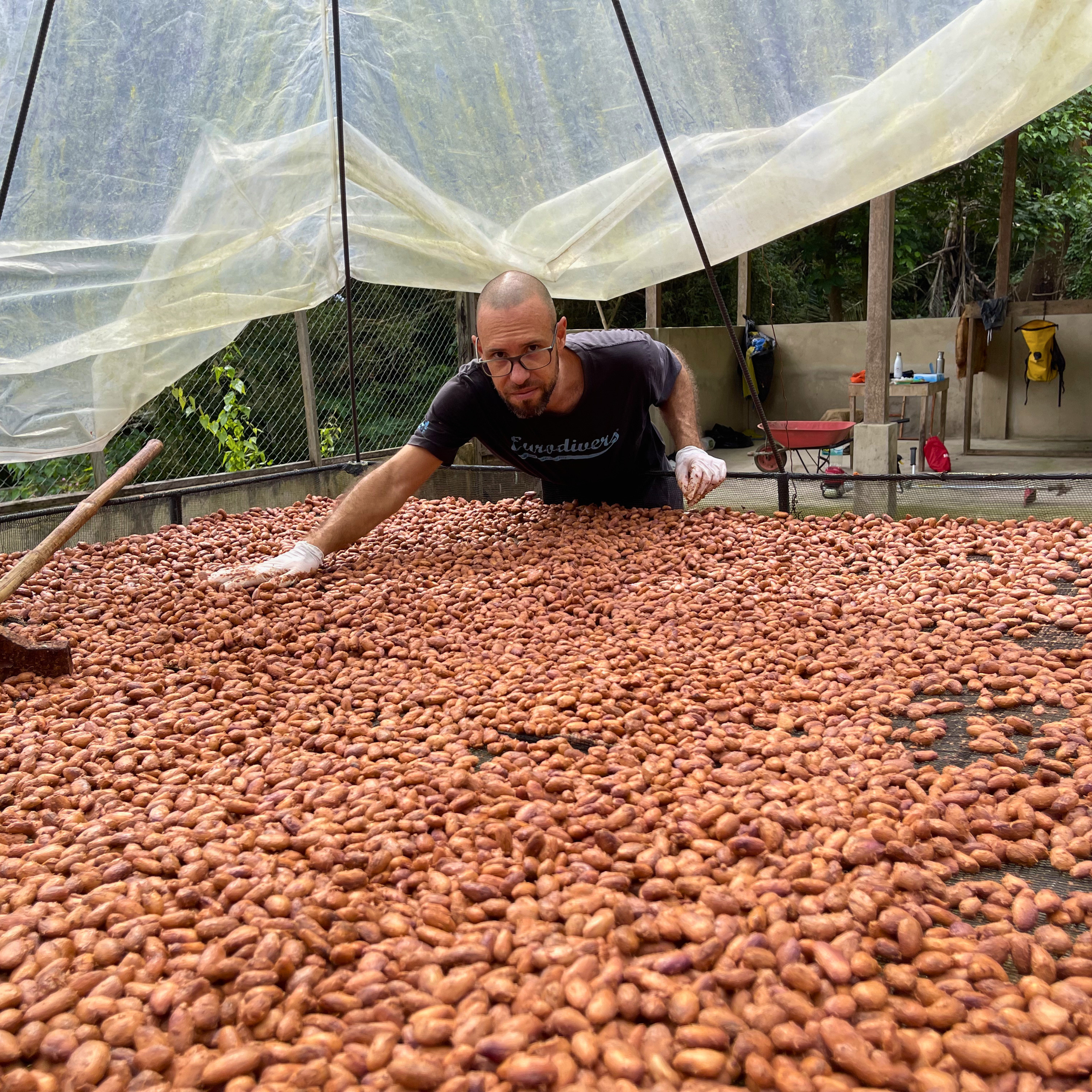
Behind the venture is Nicolas Astarie, a Frenchman who had been working as a professional scuba diver for over 15 years. He came to the Philippines in late 2018 after being given the opportunity to manage a dive shop in Dauin. But as the pandemic set in, tourism took a hit and Nicolas and his Filipina wife Catherine Macatigue were stuck in the lockdown, prompting them to explore other business opportunities.
Nicolas’ parents mentioned a documentary they had seen, about a person who was working with cacao in South America. Knowing Catherine’s aunt had cacao trees, they were struck with a lightbulb moment. Together with Catherine, he obtained a few pods and exploring the ways they could make their own bean-to-bar chocolate.

The objective with Nico Cacao was to “add value to an existing product,” he tells Delish Philippines. “[We wanted to] uplift something that was existing, and try to bring premium [value] to it—to make something that is [high] quality and sustainable, working hand-in-hand with locals.” This mission led Nicolas deep down into the rabbit hole of cacao, and introduced him to the local community of farmers growing and harvesting it.
“Cacao is actually one of the most complex flavors in the world,” he says. “But it’s also one of the most underrated flavors in the world.” Sadly, he laments, cacao is undervalued in the Philippines as it’s often sold and traded as a commodity product when it’s capable of much more.
How Wine Inspired Nico Cacao’s Approach to Philippine Chocolate
He realized the many parallels between cacao and another topic he was passionate about: wine. Nicolas, whose hometown is located near Saint-Émilion in Bordeaux (France’s “wine capital”), and whose brother also works as a sommelier, saw similarities in the craftsmanship involved in making wine and chocolate—how attention needs to be given every step of the way, from growing and harvesting the raw materials (grapes and cacao in this case) to turning it into the finished product (wine and chocolate, respectively).
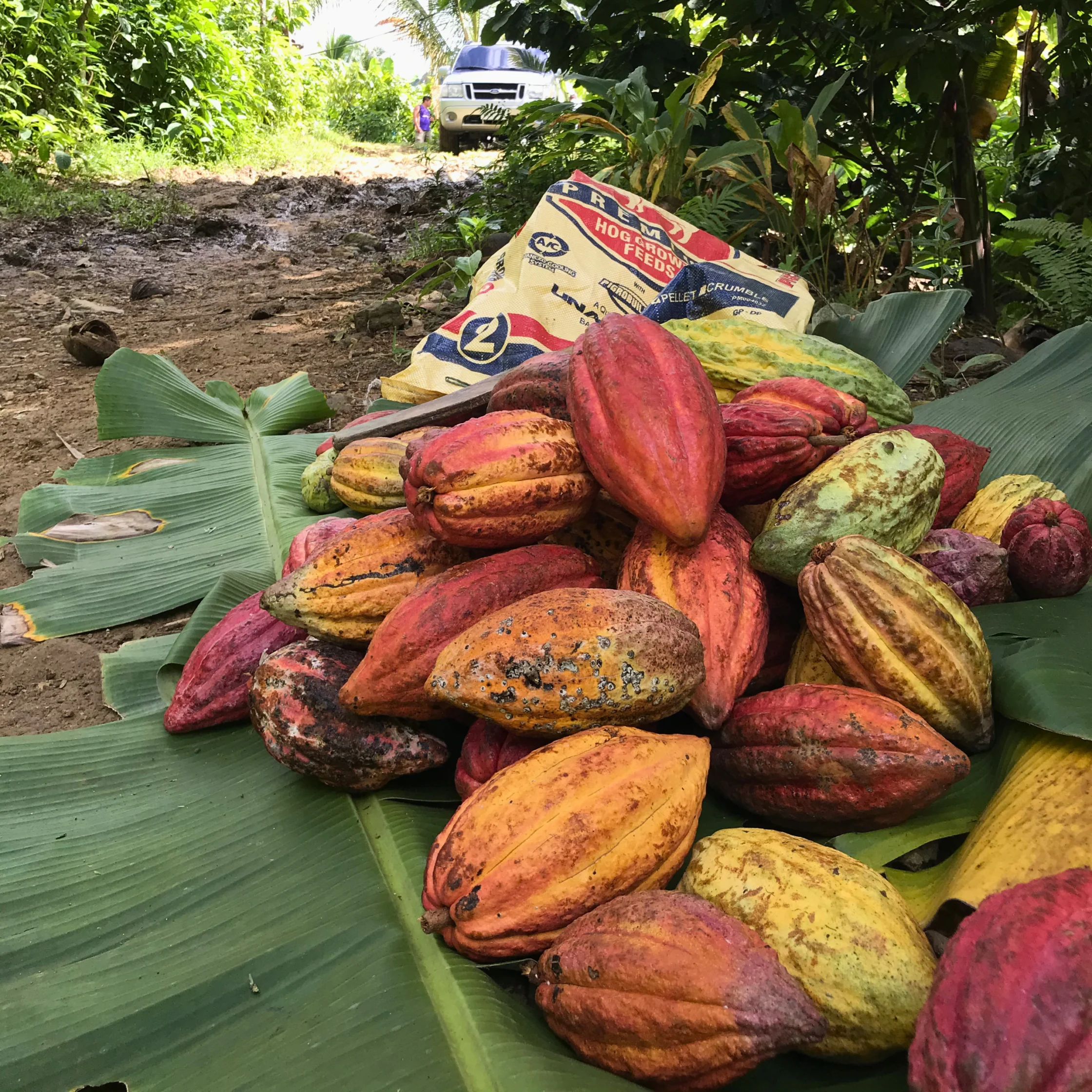
“My objective was to transmit a bit of the craftsmanship and idea [of wine-making] to the process of growing cacao, harvesting cacao, processing cacao into a finished chocolate bar or tablea,” he says.
In the process, Nicolas got to connect with different people in Valencia, including Florente Vicuña—the owner of Forest Camp Mountain Resort in Dumaguete who owns a farm with cacao trees, and who Nicolas fondly calls “Tatay.” Nicolas considers Tatay to be a mentor as he helped get things going for his chocolate business.
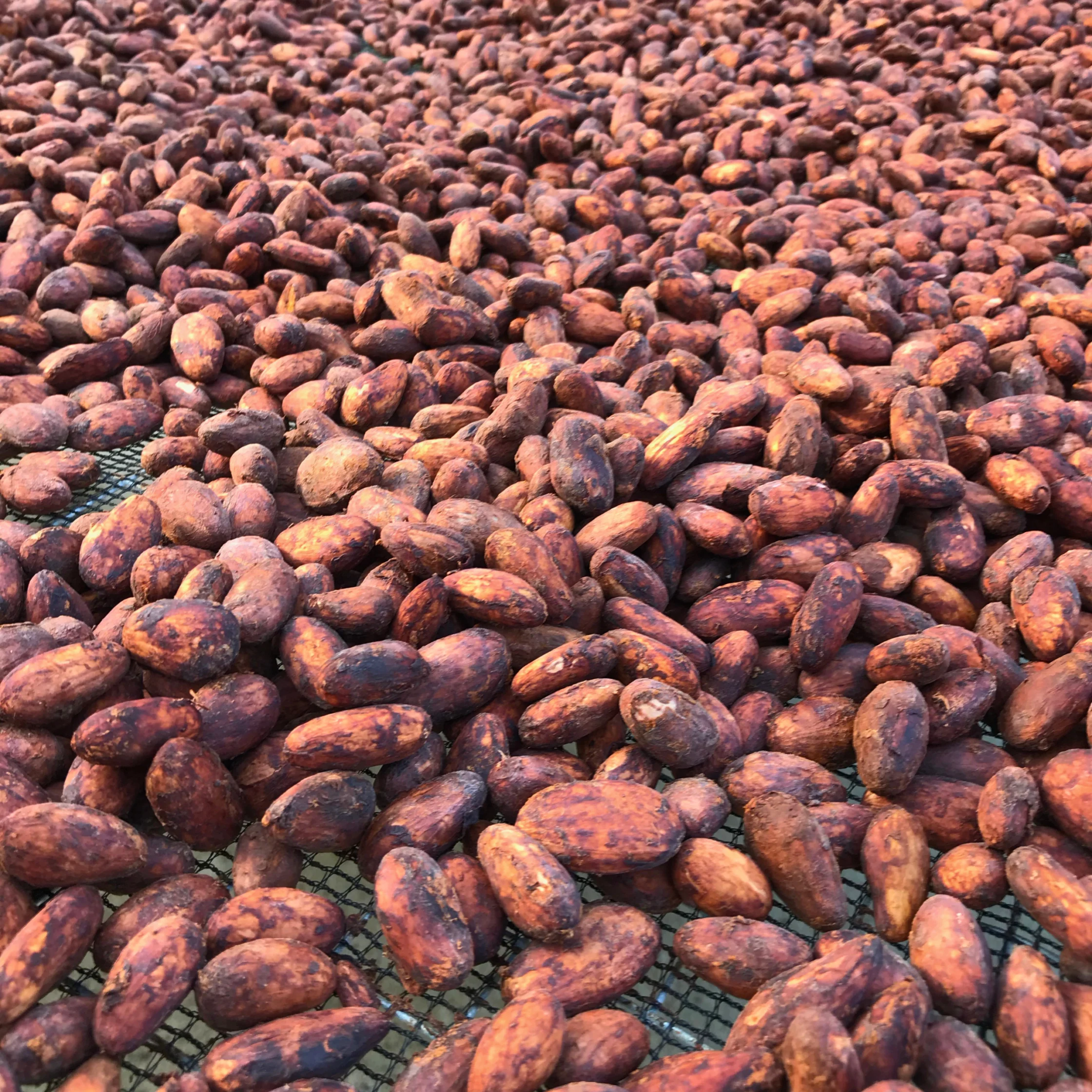
Nicolas and Catherine was able to get in touch with a community of cacao farmers that was stationed about two hours away from their place in Valencia. These farmers were given cacao trees by the Department of Agriculture, and promised training sessions as well as a market for their products. “But the training were not really good, the market was very limited, and [the price the cacao was being sold for was] not very good,” Nicolas laments. Given this, the farmers were on the verge of cutting down these cacao trees to replace them with something else—and Nicolas had to step in. “We told them, ‘Guys, please don’t do that. We’re going to buy from you.’
Why Fair Prices Matter for Cacao Farmers
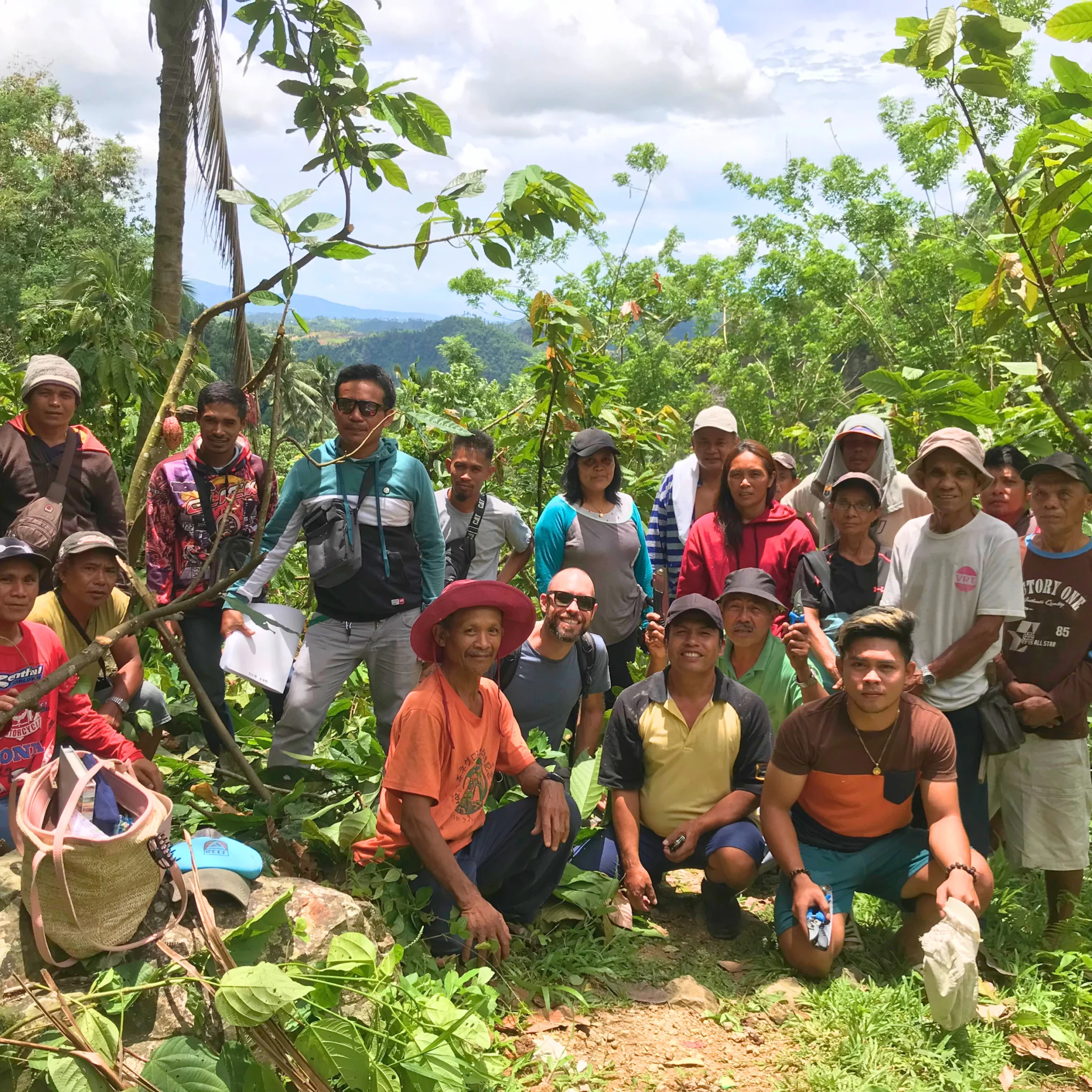
Through Nico Cacao, Nicolas has set up a farmers’ cooperative and provided a sustainable market for the farmers by buying from them at 80 to 90 pesos per kilo—double the usual price point of 40 to 50 pesos per kilo for cacao locally. “Because our objective is to support them and motivate them,” Nicolas shares. They also provide free training and resources on planting and growing cacao, teaching them core principles on pruning the trees, growing the cacao fruits, protecting the trees for good yields, harvesting, and more.
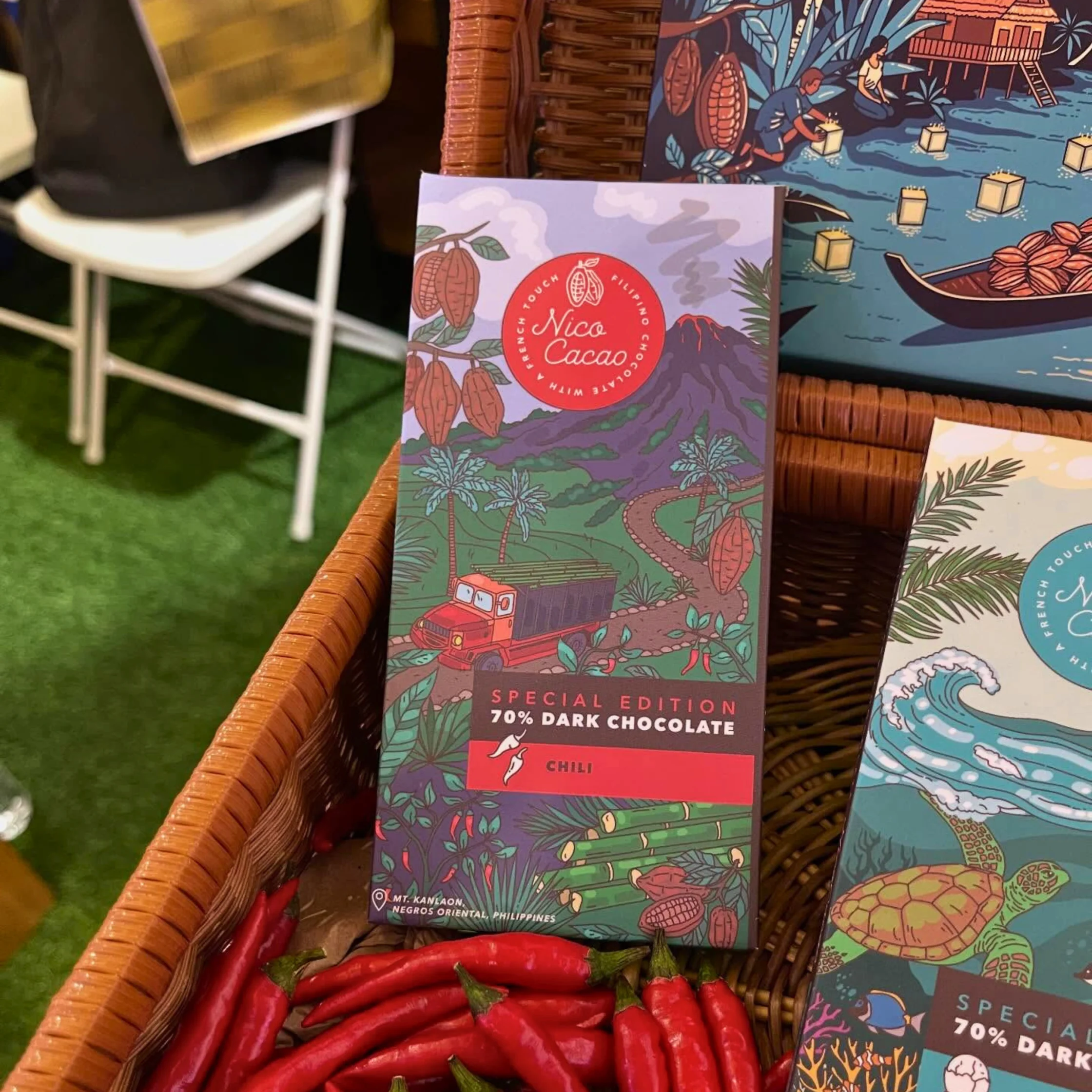
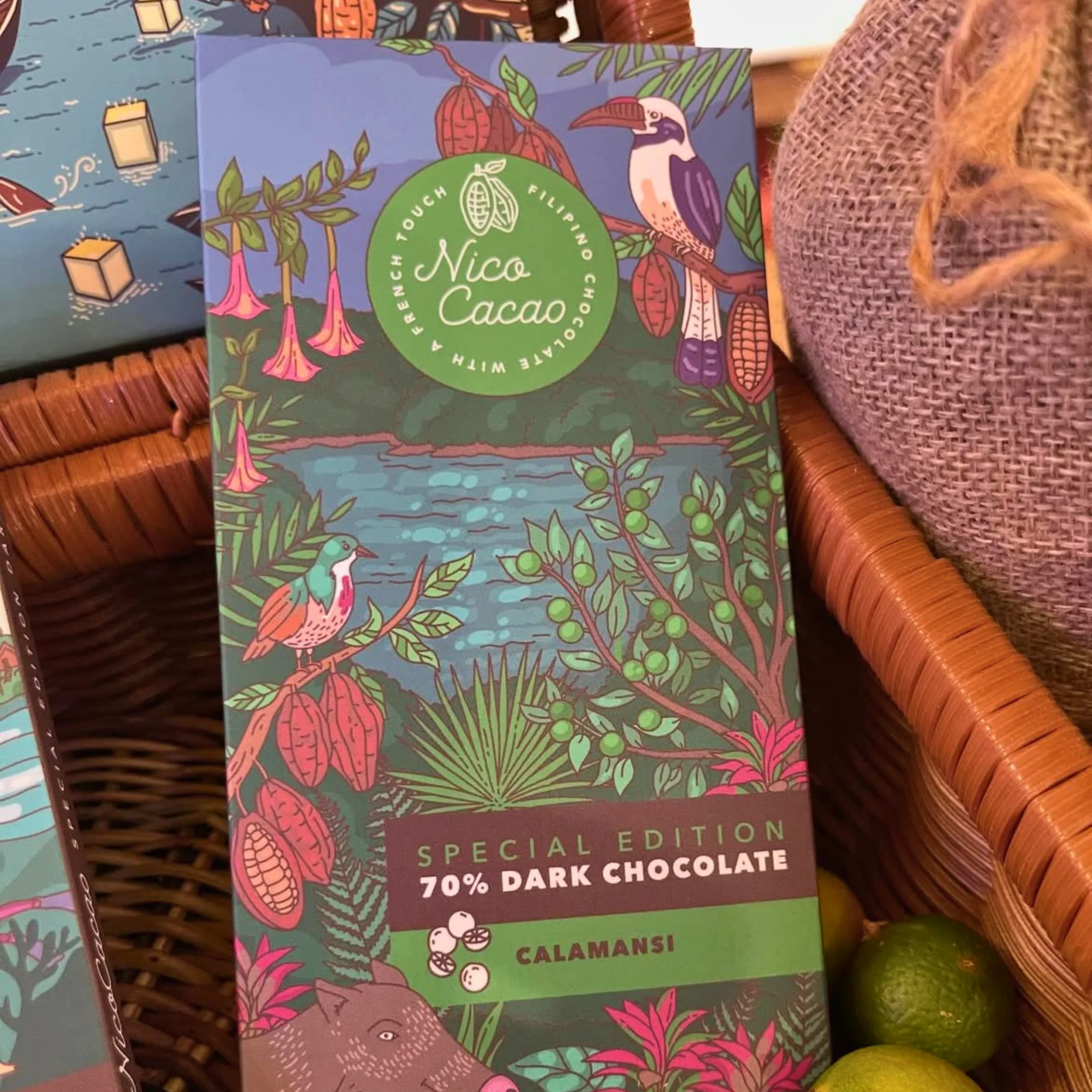
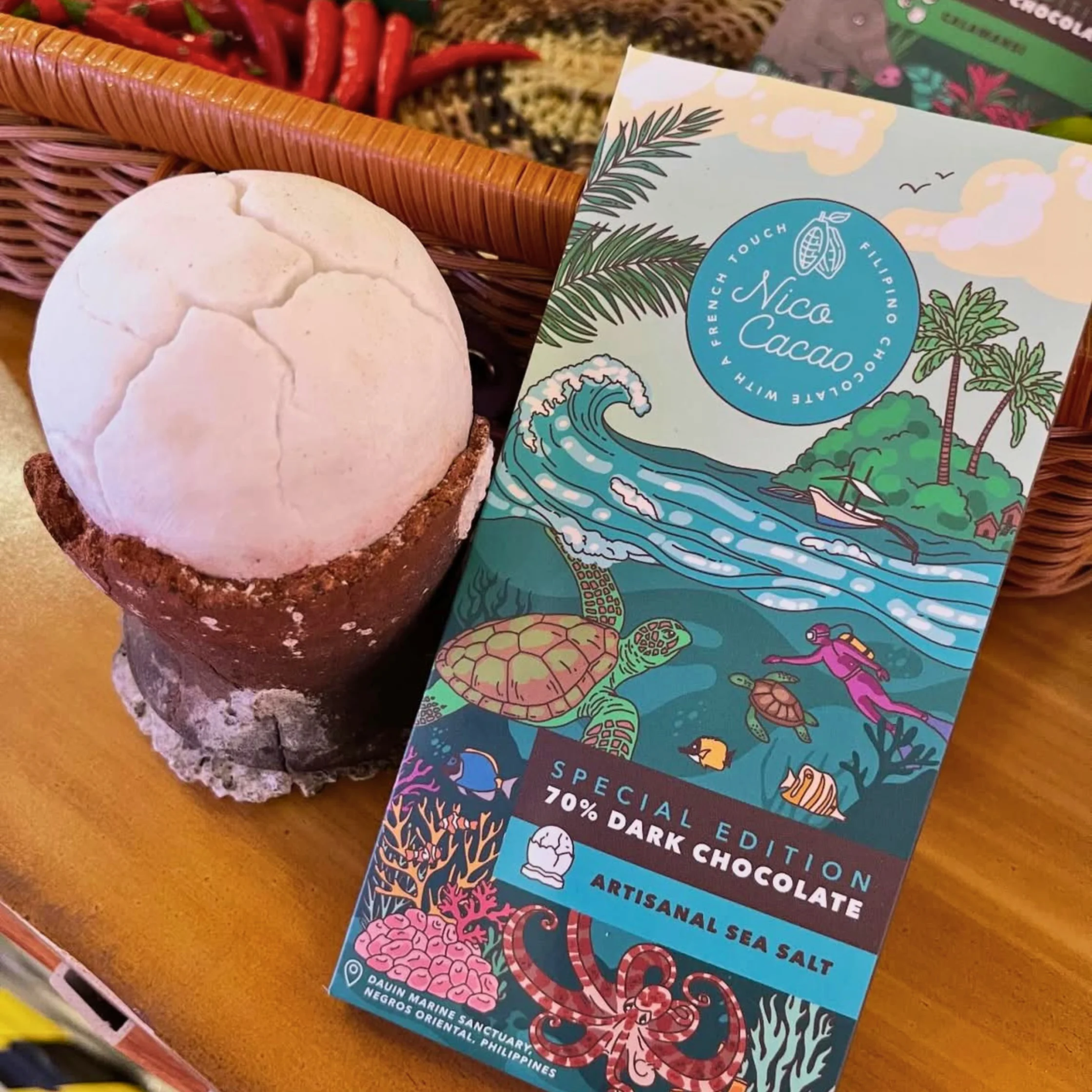
After they get the beans fresh from the farmers, Nicolas takes care of the chocolate-making side of things—from fermentation to drying, roasting, winnowing, grinding, and so on until the finished chocolate bar is completed. The entire process takes place in Negros Oriental, powered by geothermal and solar-powered dryers and roasters. Their current lineup consists of chocolate bars in 60%, 70%, and 80% cacao percentages, plus variations with chili, calamansi, and asin tibuok.
Though he’s always loved dark chocolate, Nicolas admits he wasn’t particularly well-versed in cacao matters or trained in chocolate-making before coming to the Philippines. A lot of what he knows now is from online videos, books, and “a lot of trial and error,” plus the many learnings he’s gained working with others in his cacao journey.
“For chocolate-making, we take pride and attention in the details,” says Nico. “It’s those little details that are multiplied along a long process, from harvesting a cacao pod and growing it until you get a finished chocolate bar… in the end, the chocolate becomes exceptional.”
How Nico Cacao Helped Farmers Recover After Typhoon Odette
As Typhoon Odette hit, the houses and cacao trees of some of the farmers were damaged. To help out, Nicolas organized the distribution of relief goods, getting help from friends working in the Red Cross to get food packs. They were able to send these out to families of farmers in need, and raise funds to help those whose roofs were destroyed.
Following that, they worked with a community leader to help identify families that needed help and were able to help rehabilitate their farms, as well as provide free equipment and even training. “We went directly with our farmers doing what we call bayanihan,” he shares. Nicolas spent about four days with the farmers, provided food, and visited farms directly to teach the craft of chocolate-making by demonstration. They also worked to help the farmers launch a new farmers’ association that makes furniture to sell for additional earnings.
Nicolas was—and still is—mindful to go about the venture in a way that “really contributes to the Philippines.” By providing resources, training, and other forms of support, Nico Cacao empowers the Philippines’ hardworking cacao farmers, one chocolate bar at a time.

Frequently Asked Questions
Nicolas Astarie is the founder of Nico Cacao, a bean-to-bar chocolate company based in Negros Oriental. Originally from France, he moved to the Philippines in 2018 and now works closely with local cacao farmers to produce premium chocolate while promoting sustainable livelihoods.
Nico Cacao is a Philippine bean-to-bar chocolate brand that sources cacao directly from farmers in Negros Oriental. The company oversees every step of the chocolate-making process, from fermentation and roasting to crafting finished chocolate bars.
Bean-to-bar chocolate refers to chocolate made by a single producer who controls the entire process—from sourcing cacao beans to fermenting, roasting, grinding, and molding the finished chocolate bar. This approach allows for greater quality control and highlights the unique flavors of the cacao.
Nico Cacao supports cacao farmers by purchasing their beans at nearly double the typical market price, providing free training on cacao cultivation, and creating a reliable, long-term market for their harvests.
The company believes that paying fair prices motivates farmers to continue growing high-quality cacao while helping improve their livelihoods. By investing in farmers, Nico Cacao also helps ensure a sustainable future for Philippine cacao.
Nico Cacao is based in Valencia, Negros Oriental, where the company produces its bean-to-bar chocolate using locally grown cacao from nearby farming communities.
Nico Cacao offers dark chocolate bars in different cacao percentages, including 60%, 70%, and 80%, along with flavored varieties featuring ingredients such as calamansi, chili, and asin tibuok.