

Whether we realize it or not, every fast food restaurant follows a carefully choreographed script wherein you line up, you place an order, collect your tray, find a table, unwrap your meal, eat, clear your table, and then leave.
It’s a routine so ingrained that we rarely stop to think about it—until Now Now.
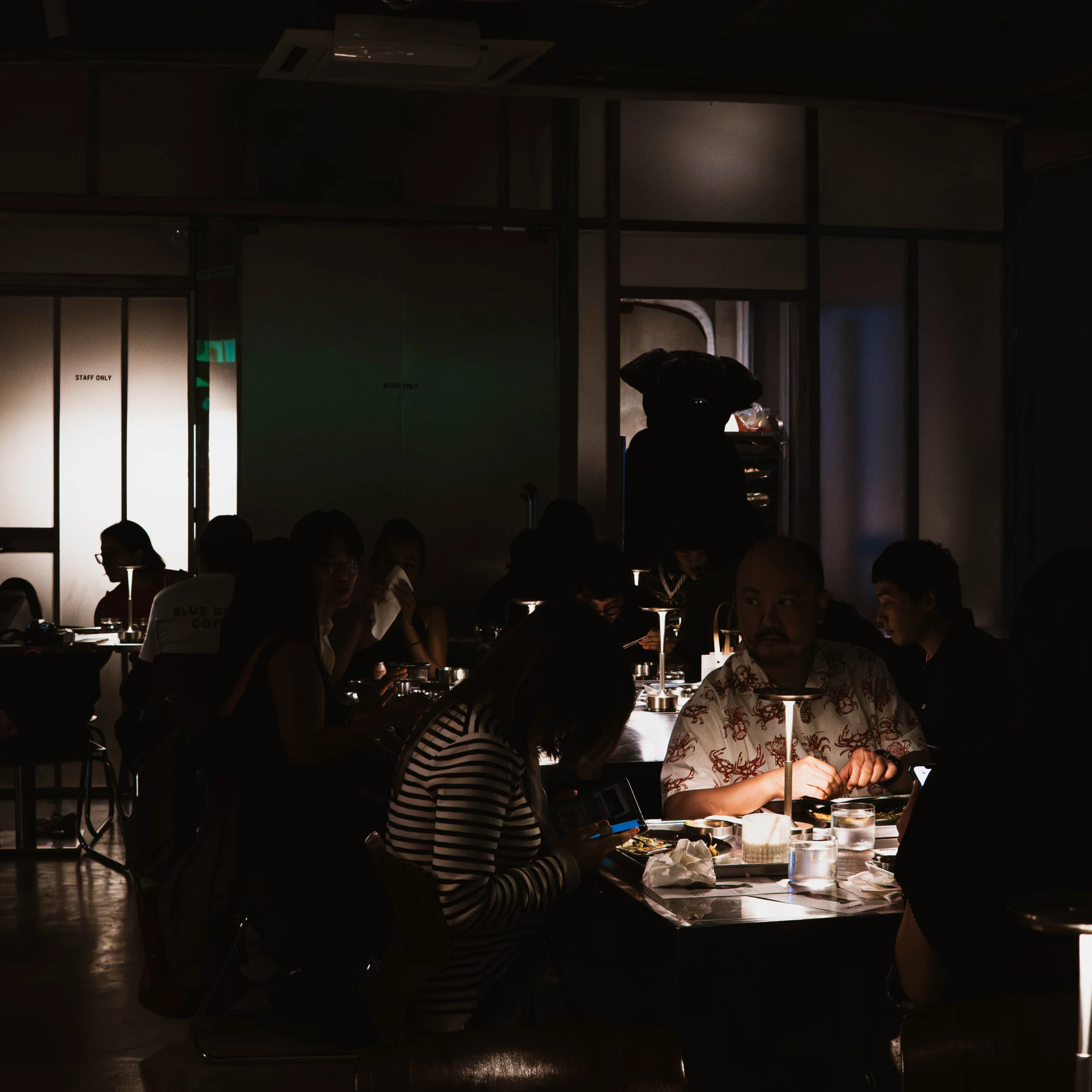
With The Black Dog, the third edition of the Michelin-recognized restaurant’s artist residency reNOWn, that pattern is slowed down just enough for diners to notice every minute detail. And suddenly, everything, even the act of carrying your own food through the dimly-lit dining area, begins to feel strangely performative.
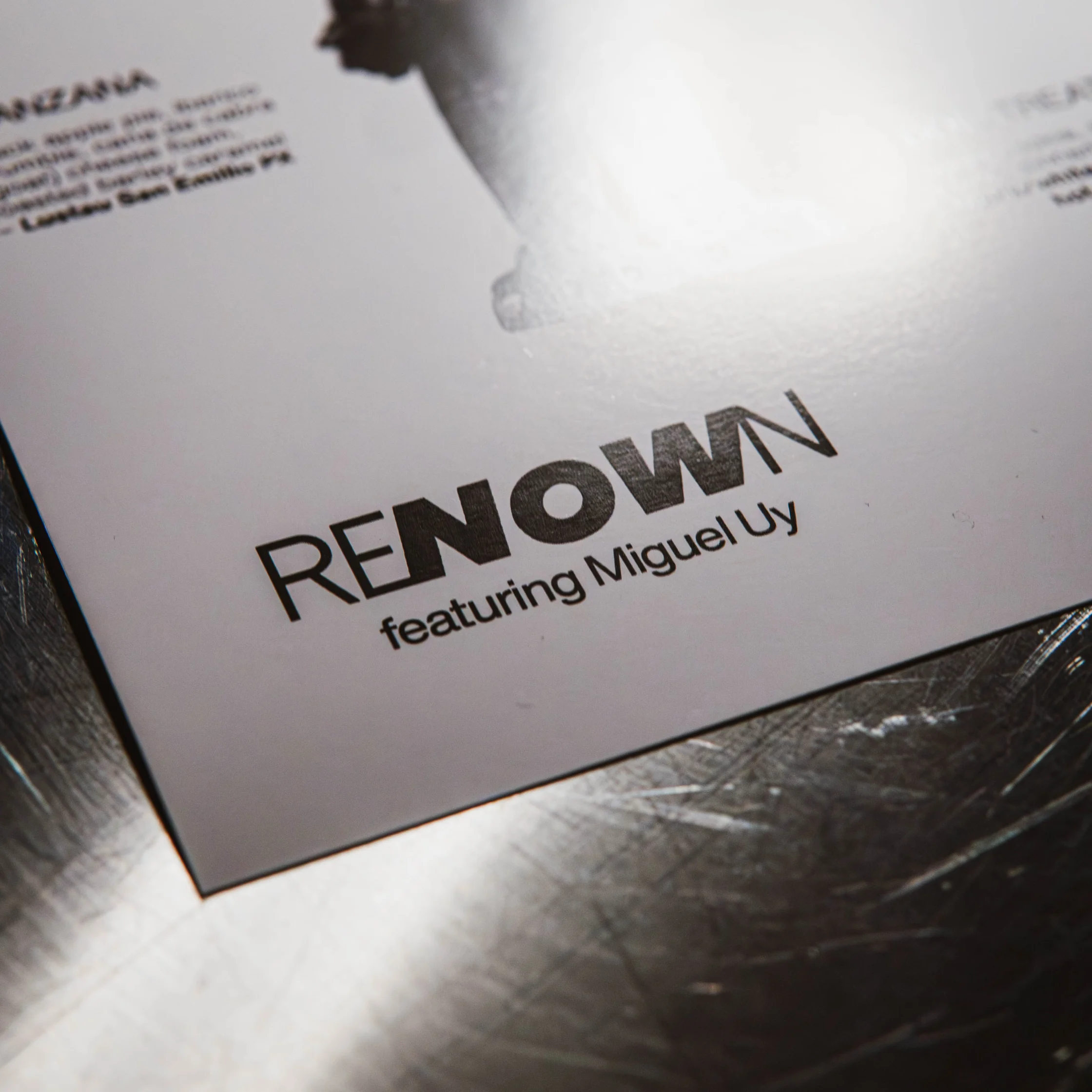
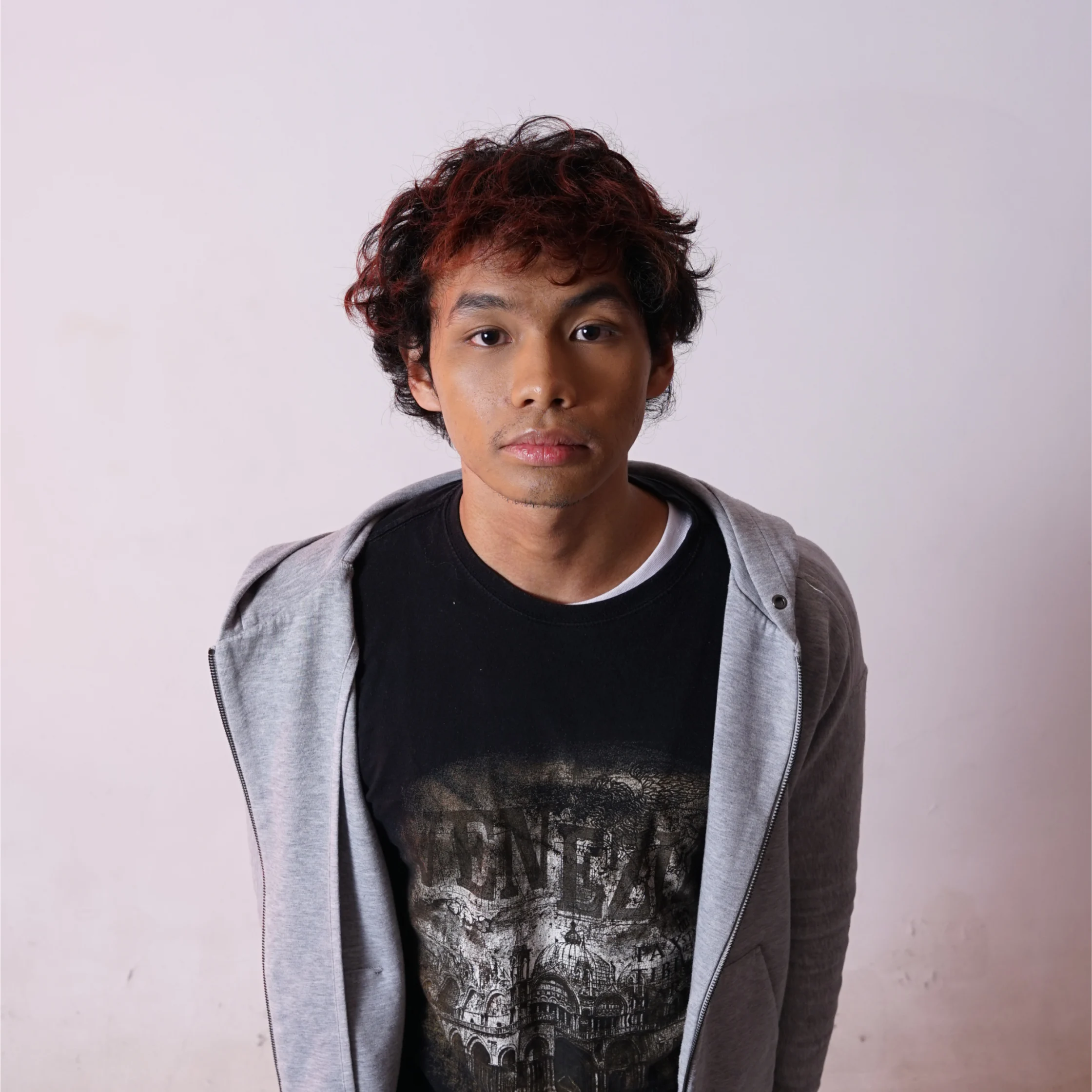
That’s exactly what multimedia artist Miguel Uy intended.
“I wanted to create an alternate reality through a dining experience,” Uy shared. “The whole experience is the artwork—not just the food.”
By borrowing the visual language of fast food, The Black Dog uses a playful tasting menu built around consumption and identity to expose the systems that quietly shape the way we eat.
The Story Behind Now Now’s Latest Artist Residency
For an artist whose work often examines opposing ideas, a restaurant offered an unexpected but fitting medium.
“My practice is conceptual,” Uy explained. “The idea is the artwork itself.” So instead of asking diners to simply admire artwork pinned to a wall, he asks them to participate in one by queuing in a line for trays instead of individually plated courses. Even the opening dish inspired by instant ramen is served as separate components that diners have to assemble themselves.
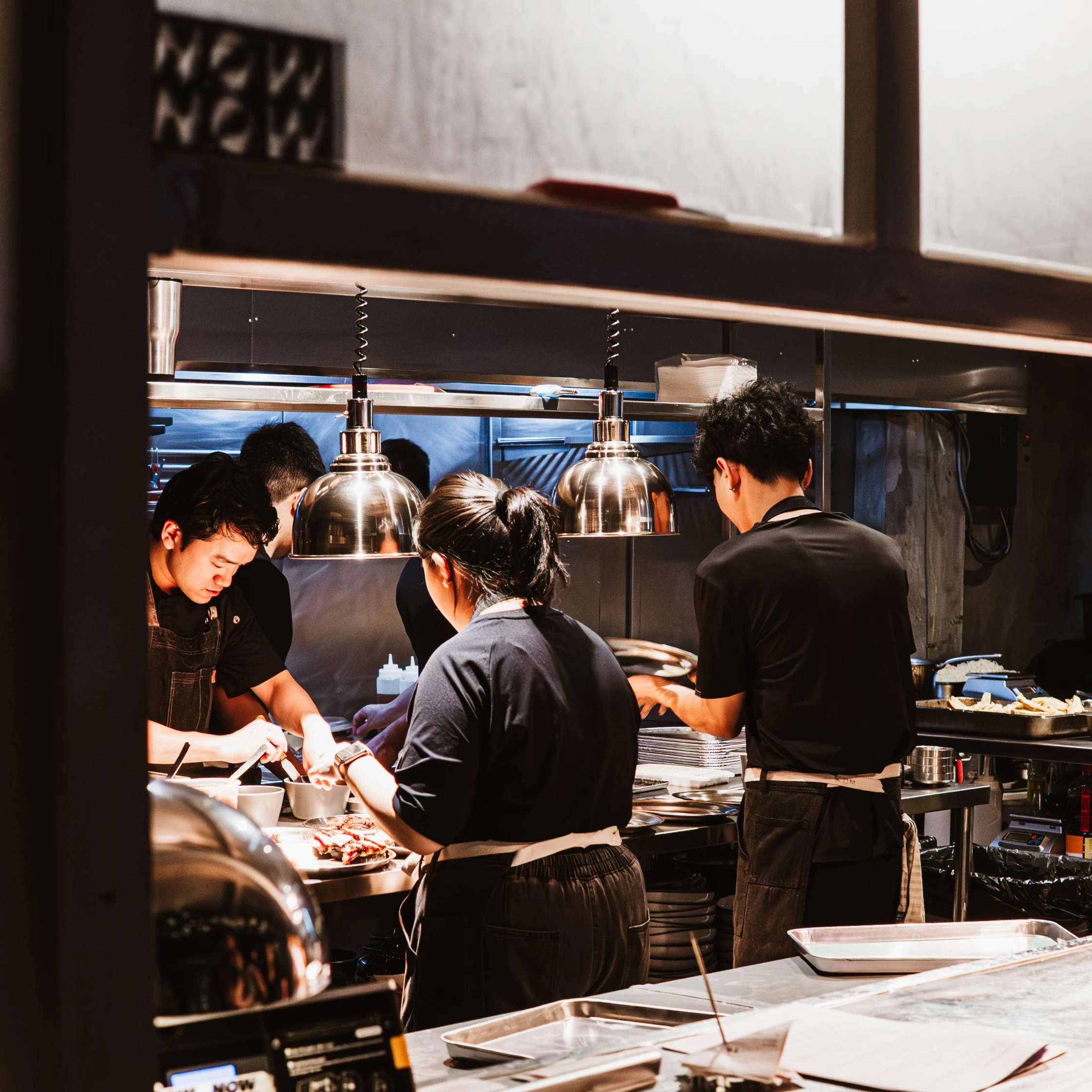
Since fast food has always been designed around efficiency, those familiar rituals are interrupted—not enough to become inconvenient, but enough to make them visible.
How The Black Dog Reimagines Fast Food Classics
Those contradictions are most evident in the four-course menu that reads like fast food’s greatest hits at first glance. The difference, however, is that each course arrives transformed and elevated.
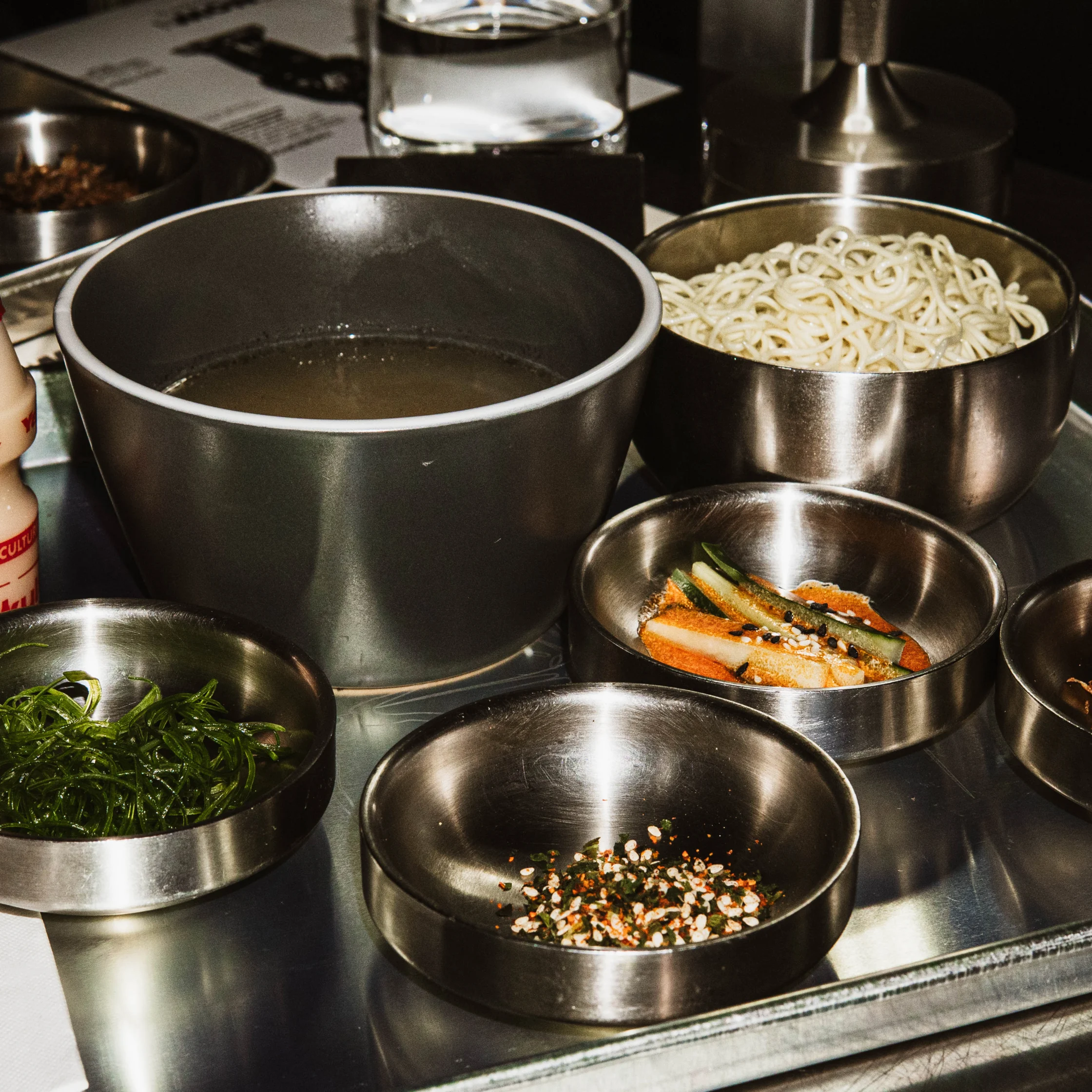
The aforementioned instant noodles, much like the accessible packs you’d find on grocery store shelves, arrive as components: chicken paitan, black garlic oil, dashi, vinegar jelly, sap sap garum, and of course, bouncy noodles. When combined all together, it’s warm, comforting, and deeply savory while still being sour enough to keep your taste buds on their toes. Interestingly enough, this was paired with Yakult, a probiotic drink that many of us grew up drinking.
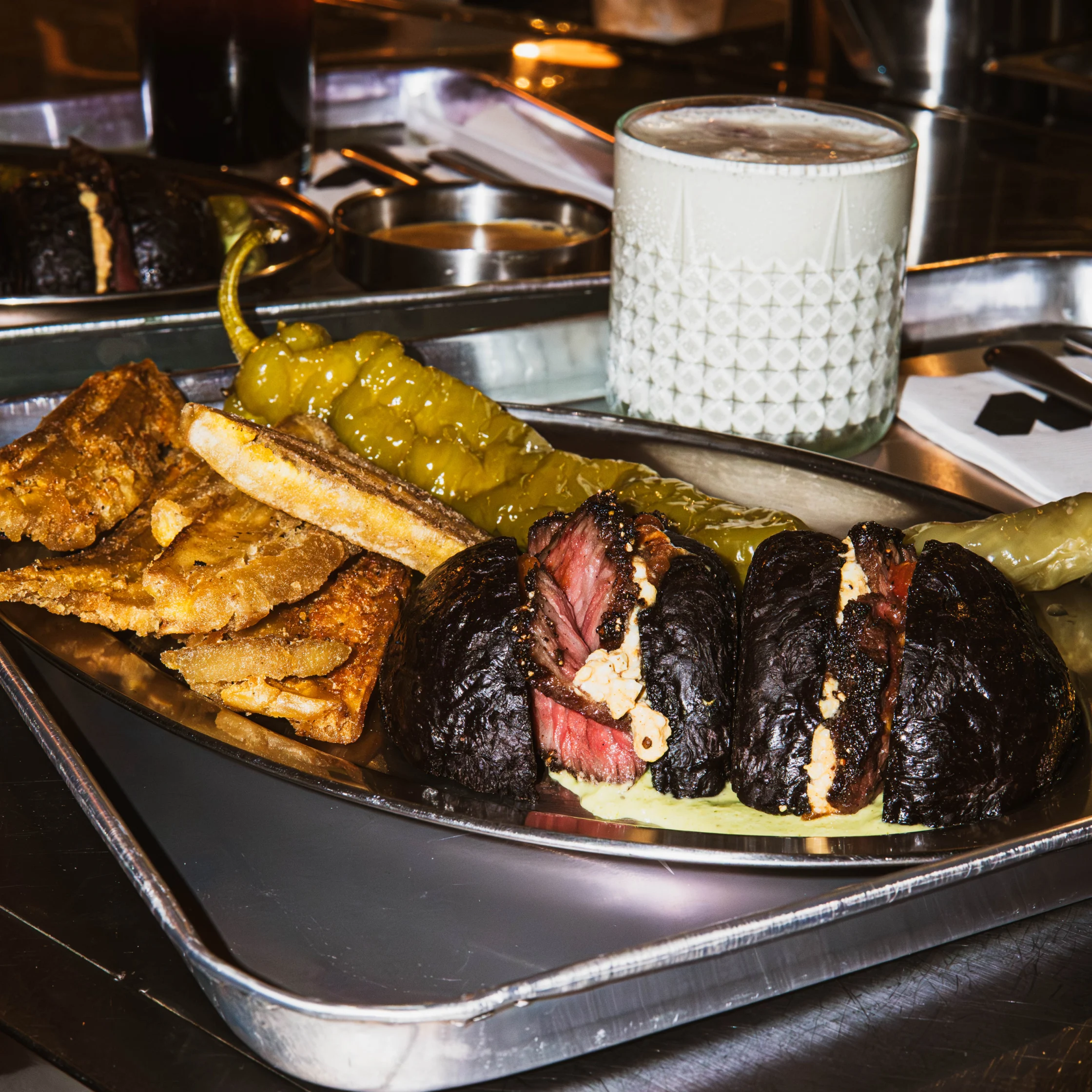
The hamburger that follows is striking. With a deep, black shiopan bun and zabuton koji steak instead of the traditional ground beef patty, it’s a simple, but premium foundation that’s made even more memorable thanks to the depth of both the gazpacho ketchup and fermented tomato jam. Diners are also given the option between a light and refreshing fermented cherry ‘coke’ or a thick and creamy genmaicha horchata milkshake to wash things down. And when the flavors start punching a bit too hard, the slightly sweet saba banana fries help cleanse the palate just in time for dessert.
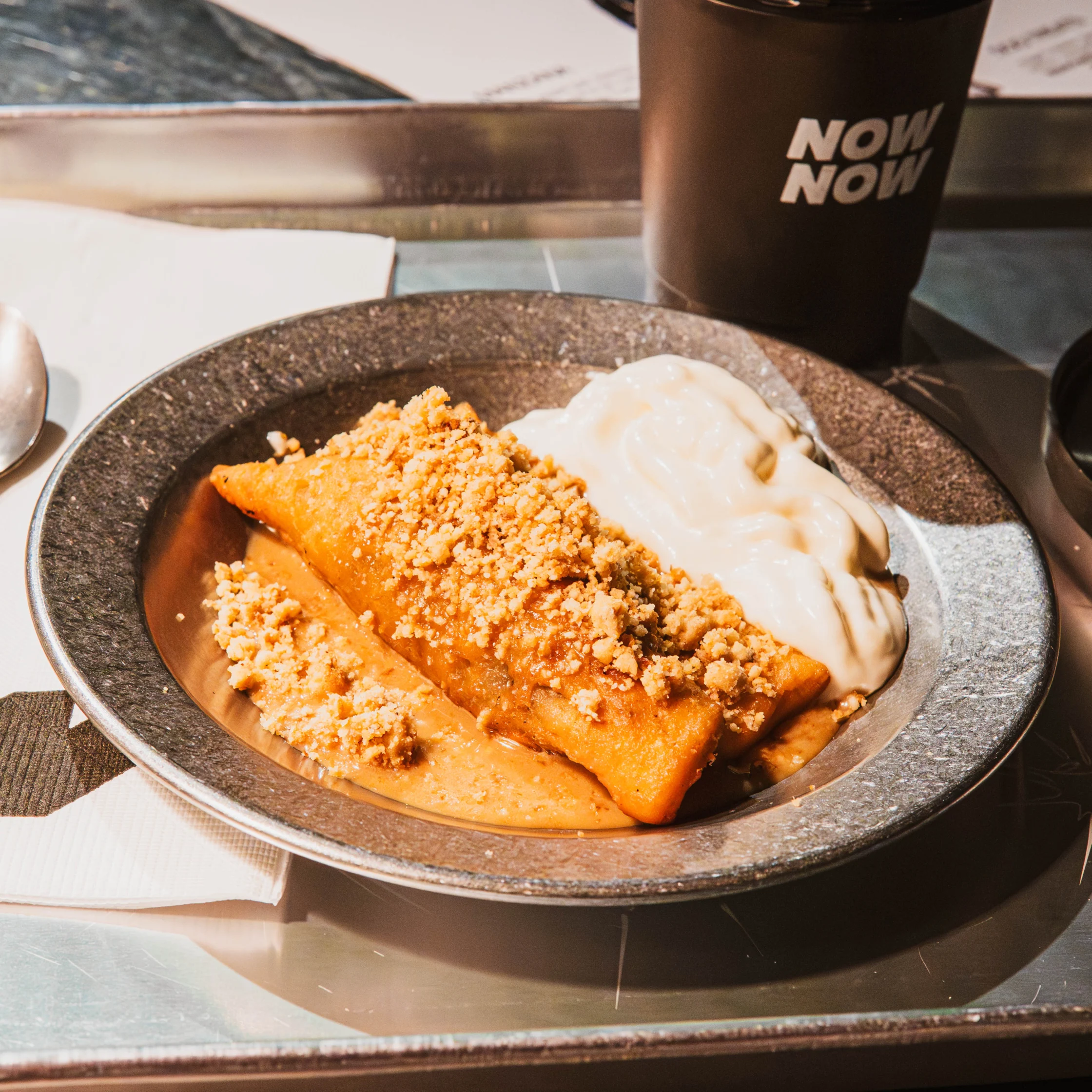
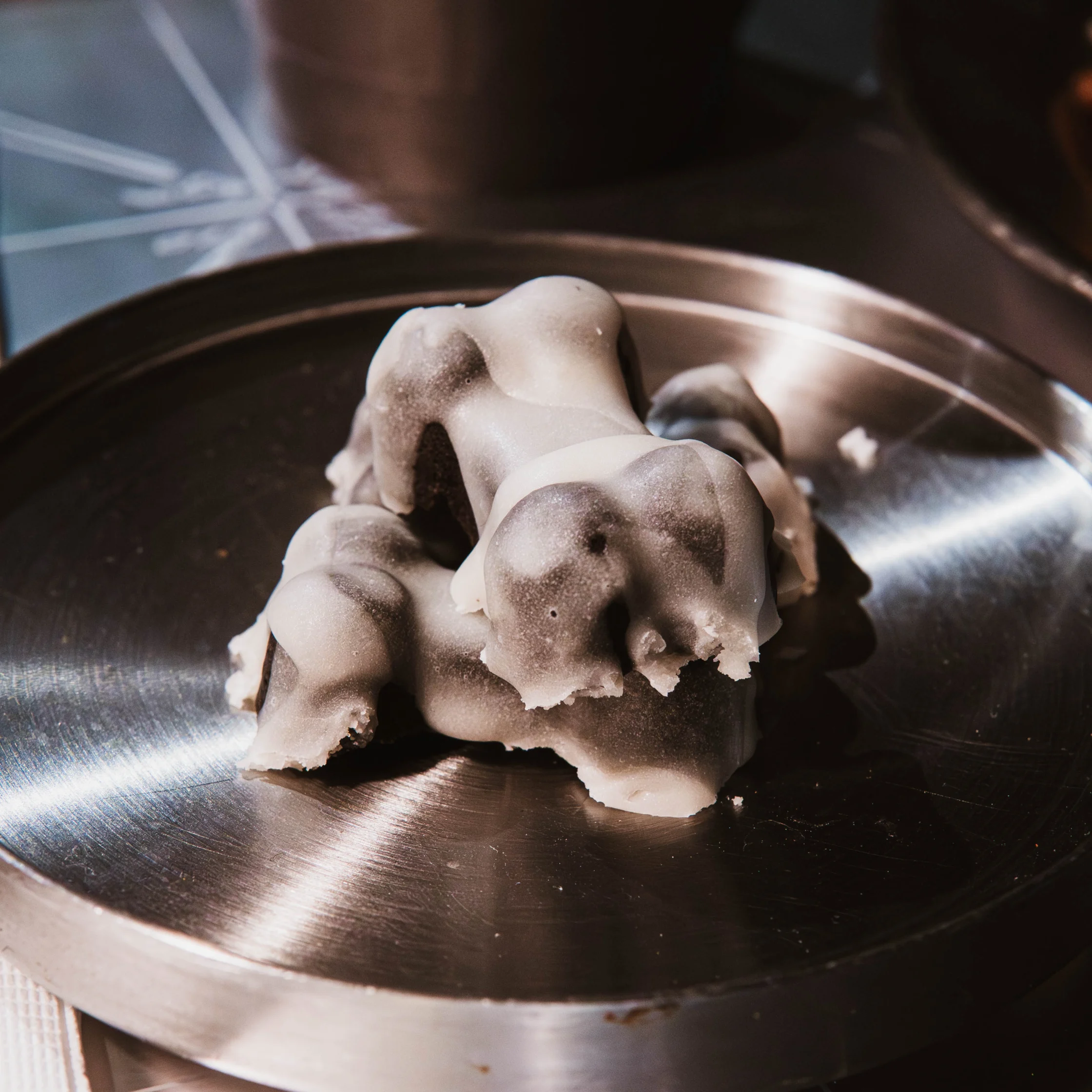
Dessert is a reimagined apple pie called Manzana. It’s a golden brown pocket filled to the seams with a black apple filling, topped with Iberico crumble, and served alongside a rich goat cheese foam. There’s also the ‘dog treat,’ bone-shaped gingerbread cookies coated in a light glaze. The former is heavier and more substantial, somewhat reminiscent of cheesecake because of the richness of the cheese foam and the iberico crumble. The latter, on the other hand, is lighter and more snack-like with subtle sweetness and a very prominent ginger thread tying everything together.
Rather than simply elevating fast food into something worthy of Michelin citations, The Black Dog asks diners to confront its familiarity. By reconstructing dishes that are usually consumed quickly and almost absentmindedly, the menu exposes how embedded they are in everyday life.
“So much of the experience is built on contradictions,” Uy said. “I want diners to question those contradictory ideas and paradoxes.”
Those contradictions extend beyond just pace. They also surface in the menu’s progression, which traces the Japanese, American, and Spanish influences woven into Filipino food culture—quickly turning what feels like a playful collection of fast food staples into a reflection of the histories and systems that continue to shape what ends up on our plates.
Who—or What—Is The Black Dog?
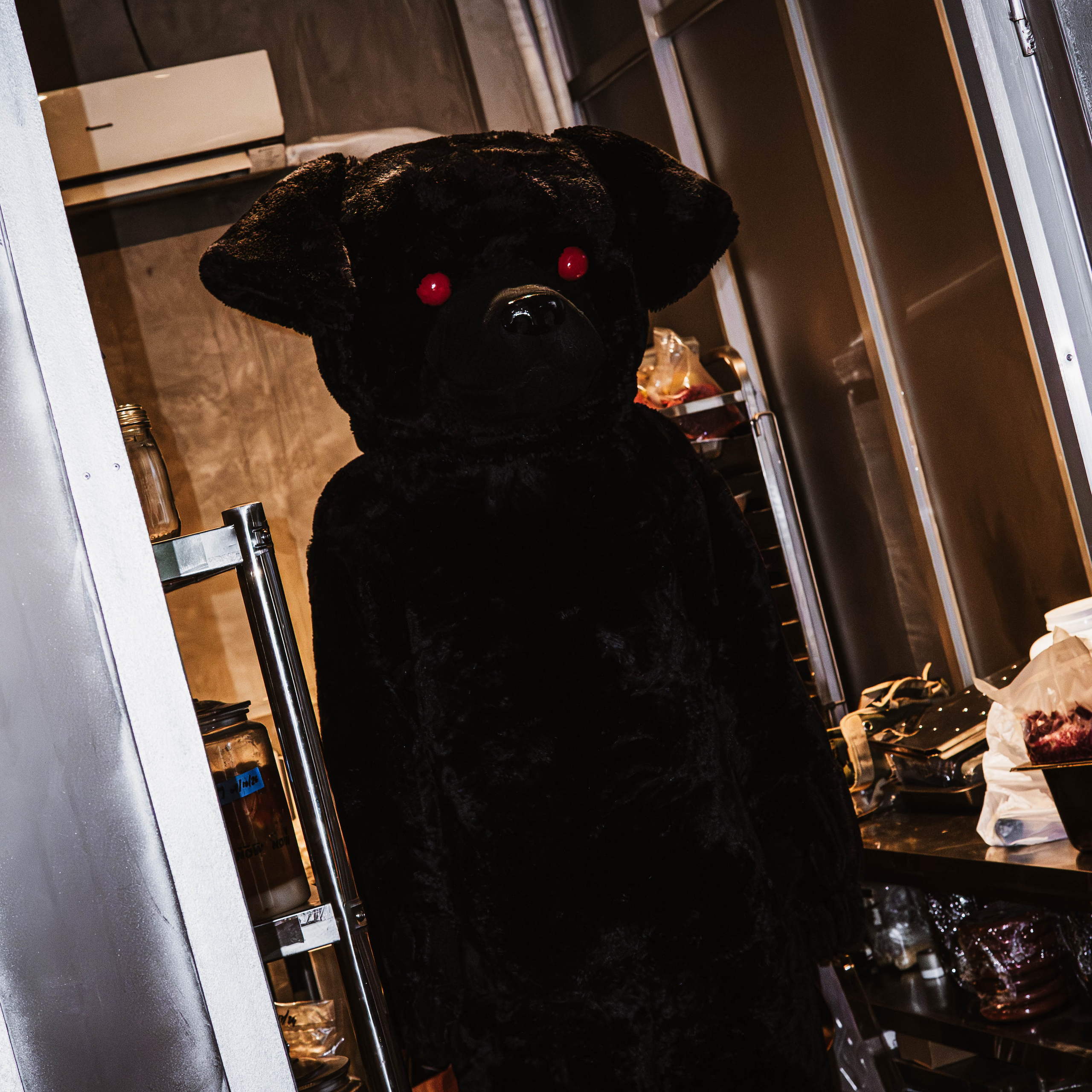
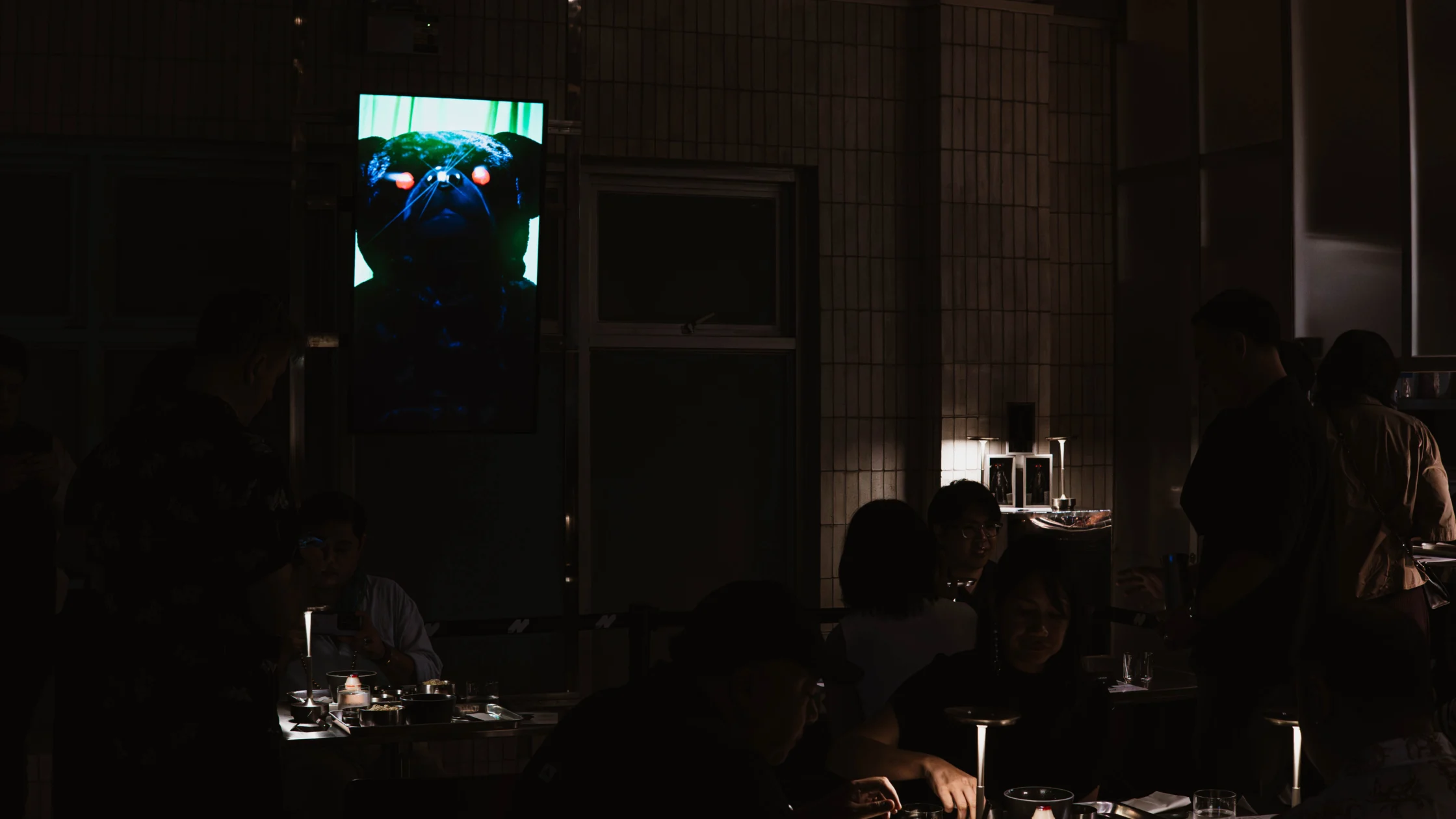
And as you make your way through the dinner, its courses, and contradictions, the Black Dog watches from Now Now’s fermentation room, with big, glowing red eyes pointed towards the tables.
It feels like a scene straight out of Five Nights at Freddy’s, a popular indie survival horror media franchise where the main antagonists are possessed restaurant animatronics. And like the famous franchise’s Freddy Fazbear, the Black Dog is large, unsettling, and impossible to miss. But most importantly, it embodies the contradictions at the heart of the project.
“Loyal and obedient, yet capable of becoming feral,” Uy expressed.
It’s a fitting symbol for a society built around convenience and constant consumption—one where familiarity can quickly turn into automation as if everyone were following a script designed for efficiency.
How Art and Fine Dining Came Together at Now Now
Of course, turning this idea into a four-course tasting menu required more than simply handing a brief to the kitchen—it demanded a collaboration that blurred the lines between artist, chef, and host.
For Now Now co-founder Maxine Kong, The Black Dog was never just about creating dishes inspired by the artwork. It was about translating Miguel Uy’s conceptual world into something diners could physically experience, from the service to the food itself.
“He really wanted to create a dystopian reality,” Kong said. “The diner is also part of the experience through the consumption of the artwork.”
That philosophy shaped everything from the service to the plating, because guests aren’t simply seated and served; they’re encouraged to queue for trays, assemble elements of their meal, and move through the restaurant in ways that mirror a fast food chain.
That immersive and collaborative spirit is perhaps what makes The Black Dog feel different from both a gallery exhibition and a conventional tasting menu. Uy may have conceived the world, and Now Now may have translated it into a meal, but it isn’t complete until diners step into it.
As Kong puts it, “The diner is also part of the experience through the consumption of the artwork.”
Why The Black Dog Is Worth Experiencing
Perhaps that’s The Black Dog’s greatest success. It doesn’t ask us to reject fast food or romanticize fine dining. Instead, it slows down a routine we’ve performed numerous times—the queue, the tray, the familiar comfort of instant noodles, burgers, and apple pie—long enough for us to notice.
So the next time I find myself waiting in line at a fast-food counter, collecting my order, and carrying a tray to an empty table, these gestures won’t feel as automatic. Not because the ritual has changed, but because this rendition of reNOWn has pulled back the curtains to reveal the script we’ve been following all along.
Now Now is located at the ground Floor, 497-C Rosa Building, Calbayog St. cor. L. Esteban St., Highway Hills, Mandaluyong.
Frequently Asked Questions
The Black Dog is the third edition of Now Now’s reNOWn artist residency, created in collaboration with artist Miguel Uy.
The experience is hosted at Now Now (Ground Floor, 497-C Rosa Building, Calbayog corner L. Esteban Streets, Barangay Highway Hills, Mandaluyong City).
reNOWn is Now Now’s ongoing residency program that brings contemporary artists and chefs together to create immersive dining experiences.
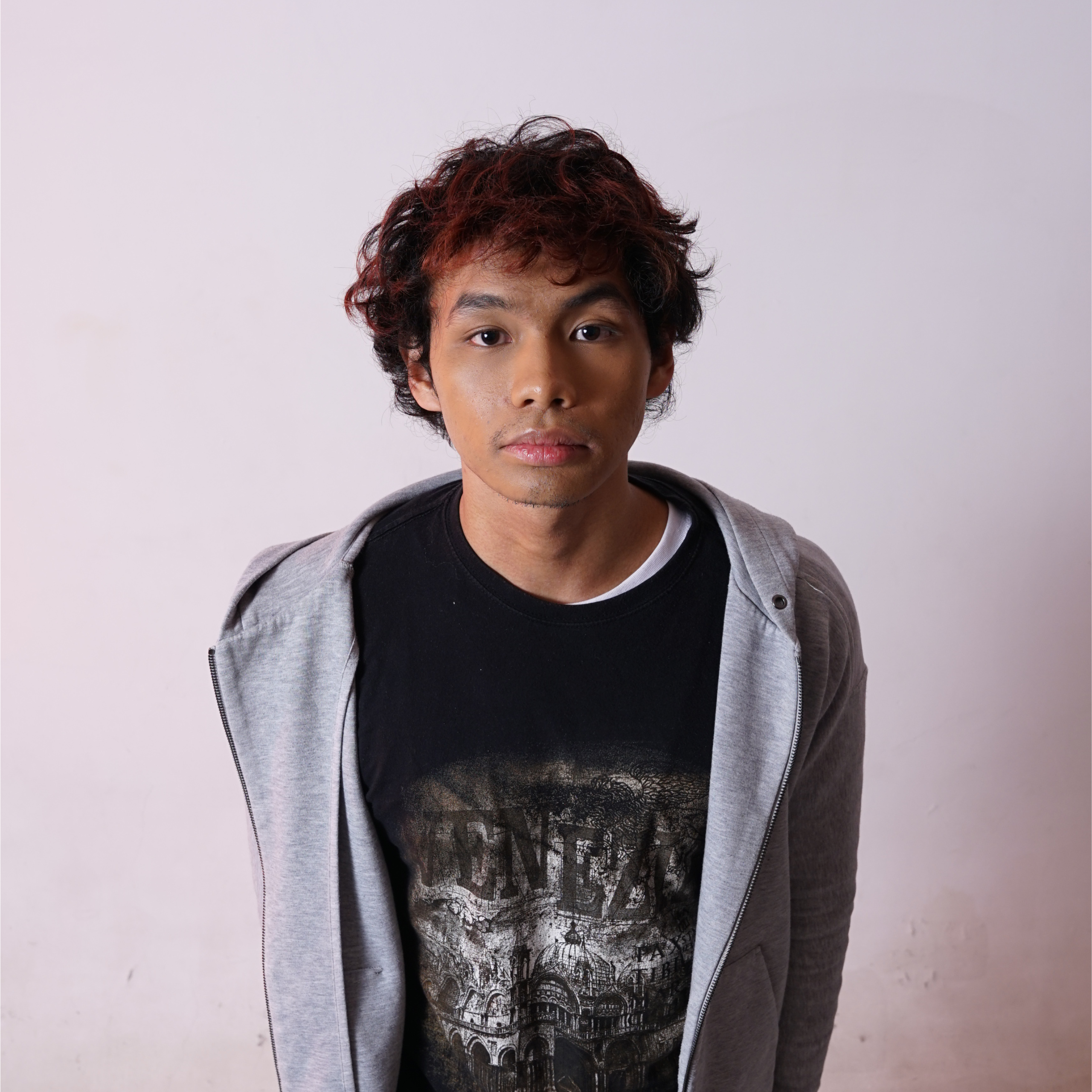
Miguel Uy is a Filipino artist known for conceptual works exploring identity, systems, and contradictions.
The four-course tasting menu reimagines familiar fast-food staples like instant noodles, burgers, fries, and apple pie using contemporary techniques and premium ingredients.
No. It is a limited collaborative dining experience as part of Now Now’s reNOWn residency series.