


For some bars, success comes in the form of awards and recognitions. For others, by how many bottles they sell and open. The past few years, there’s another way in which bars gauge it—by how little they waste.
Sustainability has become one of the food and beverage industry’s favorite buzzwords, but for many years, the philosophy and practice revolved mostly around restaurants. Today, a lot more bars are joining the movement, proving they have just as much potential to reduce waste, support local communities, and rethink the way we consume.
How One Bartender’s Curiosity Sparked a Creative Mindset
The challenge, of course, is not the same. Cocktails may not produce the same volume of food scraps as restaurants, but they still generate their own waste—through citrus peels, used coffee grounds, and imported ingredients, for example. While some may see these as byproducts, a growing number of bartenders are treating them as opportunities. Among them is Alif Abru of Sipping Tiger in Phuket, Thailand.
Seventeen years ago, he arrived on the island of Phuket as a hotel management trainee expecting to do the usual restaurant service. Instead, on his very first day, the hotel found itself short of a bartender.

“They asked if anyone was interested in bartending. So I raised my hand straight away,” he recalls. “I couldn’t speak English. And I was just clearing tables and serving food—not too exciting for me. But with bartending, I knew I’d learn something.”
That desire to learn stayed with him long after the initial curiosity. After completing his internship, he stayed on at the hotel, but there was another significant instance that changed the way he thought about bartending altogether.
“I went into the kitchen and saw the executive chef surrounded by ingredients and equipment,” he says. “I told myself, why not surround myself with the same things—but as a bartender?”
At the time, his kitchen consisted of little more than apple, orange, and pineapple juice. Everything felt basic. Watching the chefs experiment with endless ingredients made him realize that cocktails could be just as creative as food.
Inside Sipping Tiger’s Zero-Waste Cocktail Philosophy
Alif brings with him 13 years of international mixology and luxury hospitality experience. He is also part of the founding team behind Sipping Tiger, a bar where he explores sustainability-driven techniques, local ingredients, and contemporary cocktail storytelling in a more personal and experimental setting.
“It’s either you do it now or one day in the future, you’ll be forced to do it,” he says about the practice of sustainability. “It’s about a healthy give and take with the environment. This kind of thing has a long term benefit. We will make our communities strong.”
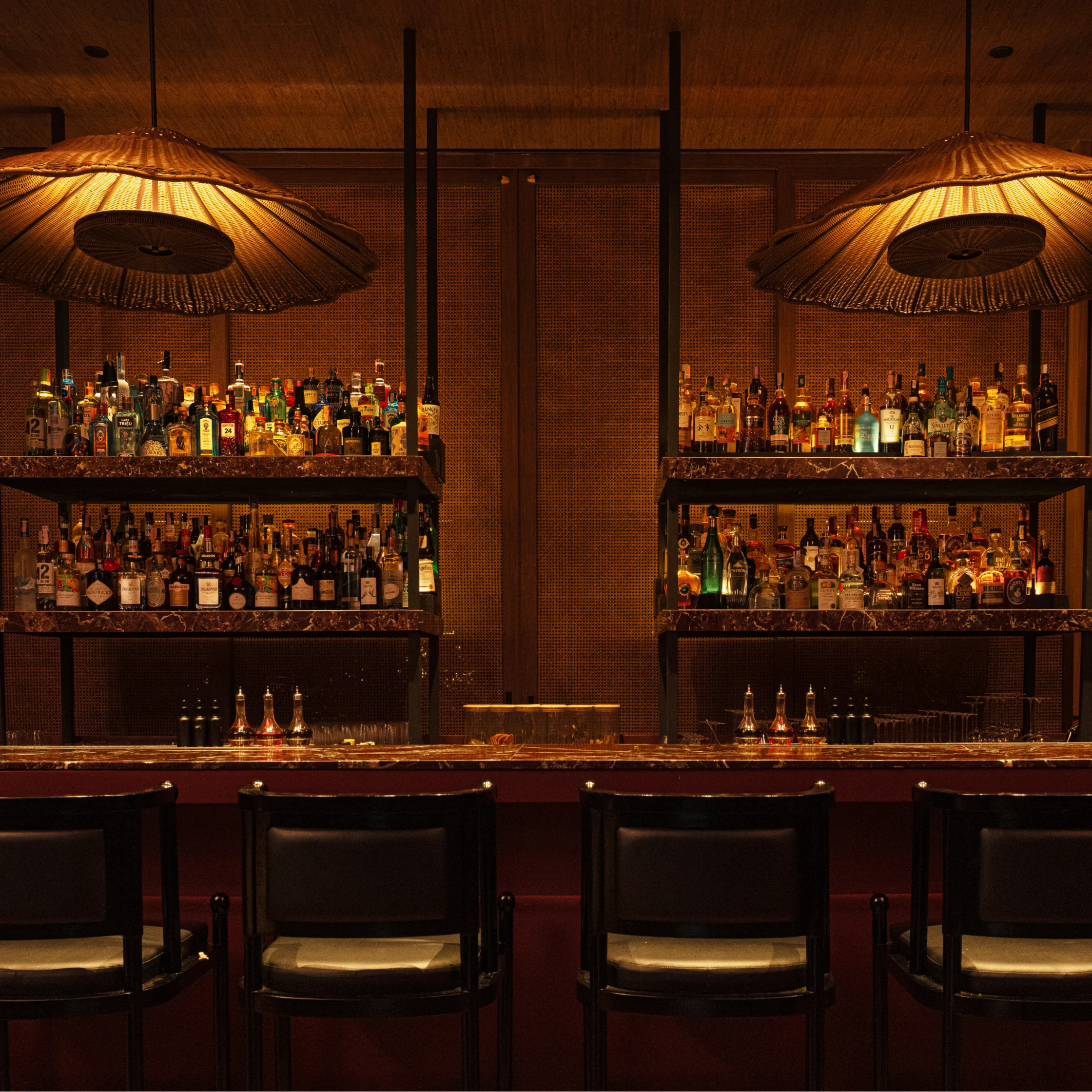
He believes in the movement so passionately that he is able to turn Sipping Bar into one of Asia’s leaders in sustainable bartending by rethinking nearly every step of the drinking process—from sourcing local Thai ingredients and growing his botanicals on the hotel grounds to repurposing kitchen scraps that would otherwise be discarded. Citrus peels become garnishes, leftover fruit is transformed into ferments and syrups, and ingredients are used from root to stem whenever possible.
“60% of our bar ingredients come from the south and the rest from all around the country. We are lucky because Thailand is home to some of the best fruits and herbs,” he says. His inventory includes the velvet tamarind from Pattani, which has a sweet and sour taste mixed with a dried fruit undertone, as well as house-made oyster gin using oyster shells, which are discards from the resort’s restaurant hom.

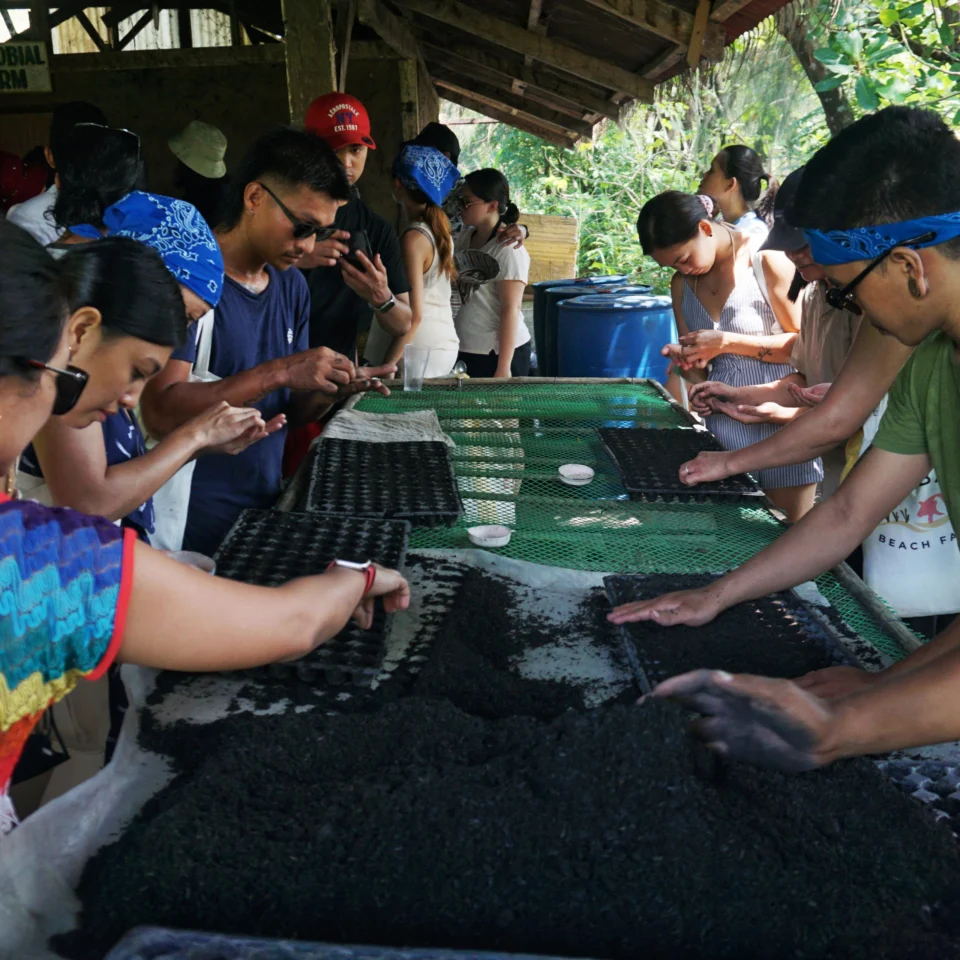
Every part of the pineapple—the top, the peel, the flesh, the juice—is used for something, much like the roselle, which is first distilled in vodka, then used to color their grenadine, and finally candied to be a garnish for a signature drink. And then whatever little waste they have left gets thrown into the hotel’s fertilizer machine.
Good for the Planet, Better in the Glass
What’s actually interesting is that many of these practices actually make drinks better, not just greener. Fermentation adds complexity. House-made syrups create fresher flavors. Local ingredients introduce guests to tastes they can’t find elsewhere.


Perhaps that’s the reason why sustainability is more present behind the bar these days. It isn’t simply about reducing waste anymore. It’s becoming another tool for storytelling—one that allows bartenders to showcase where they are, acknowledge the communities they work with, and prove how a cocktail can reflect its surroundings much like any dish from a restaurant kitchen.

Frequently Asked Questions
Sustainable bartending involves practices that reduce waste, use local ingredients, and rethink how ingredients and byproducts are used behind the bar.
Zero-waste bartending aims to use ingredients as fully as possible, repurposing parts that might otherwise be discarded into drinks, syrups, ferments, garnishes, or other preparations.
Techniques such as fermentation can add complexity, while house-made syrups and local ingredients can introduce fresher and more distinctive flavors.
The story highlights citrus peels, coffee grounds, leftover fruit, pineapple parts, roselle, and other ingredients that can be repurposed.
Sipping Tiger is a bar in Phuket, Thailand, where Alif Abru and the founding team explore sustainability-driven techniques, local ingredients, and contemporary cocktail storytelling.
Alif Abru is a bartender with 13 years of international mixology and luxury hospitality experience and a member of Sipping Tiger’s founding team.
About 60% of Sipping Tiger’s bar ingredients come from southern Thailand, with the rest sourced from around the country.