

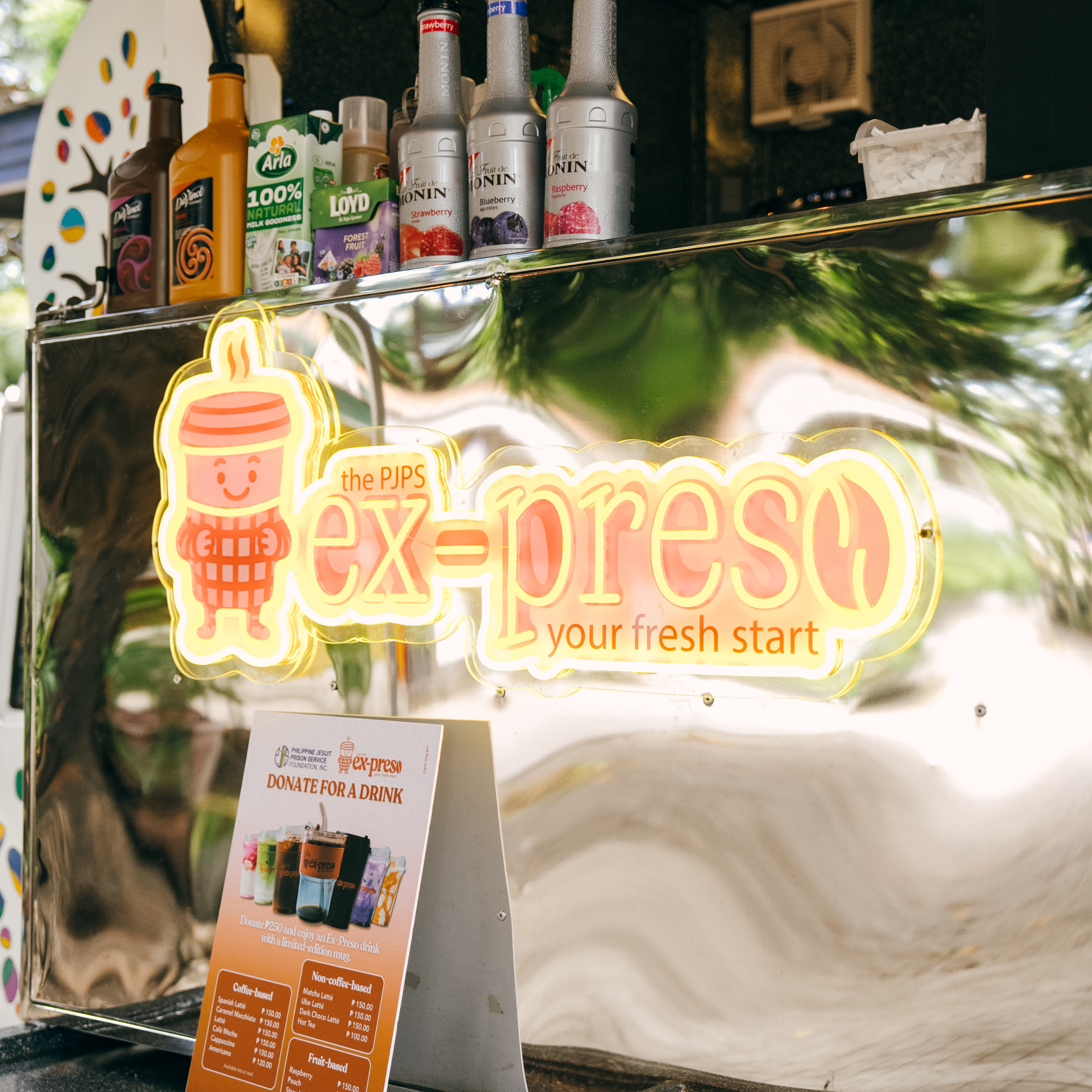
The line doesn’t stop moving. An iced latte here, a matcha there—the espresso machine hums, milk steams, and cups slide across the counter one after another.
At first glance, Ex-Preso looks like any other specialty coffee cart. But behind the counter are people who have spent time in prison—and are now building lives beyond it. Every cup they serve is a reminder that life after incarceration can be more about a past to overcome.
How Ex-Preso Uses Coffee to Create Jobs and Second Chances
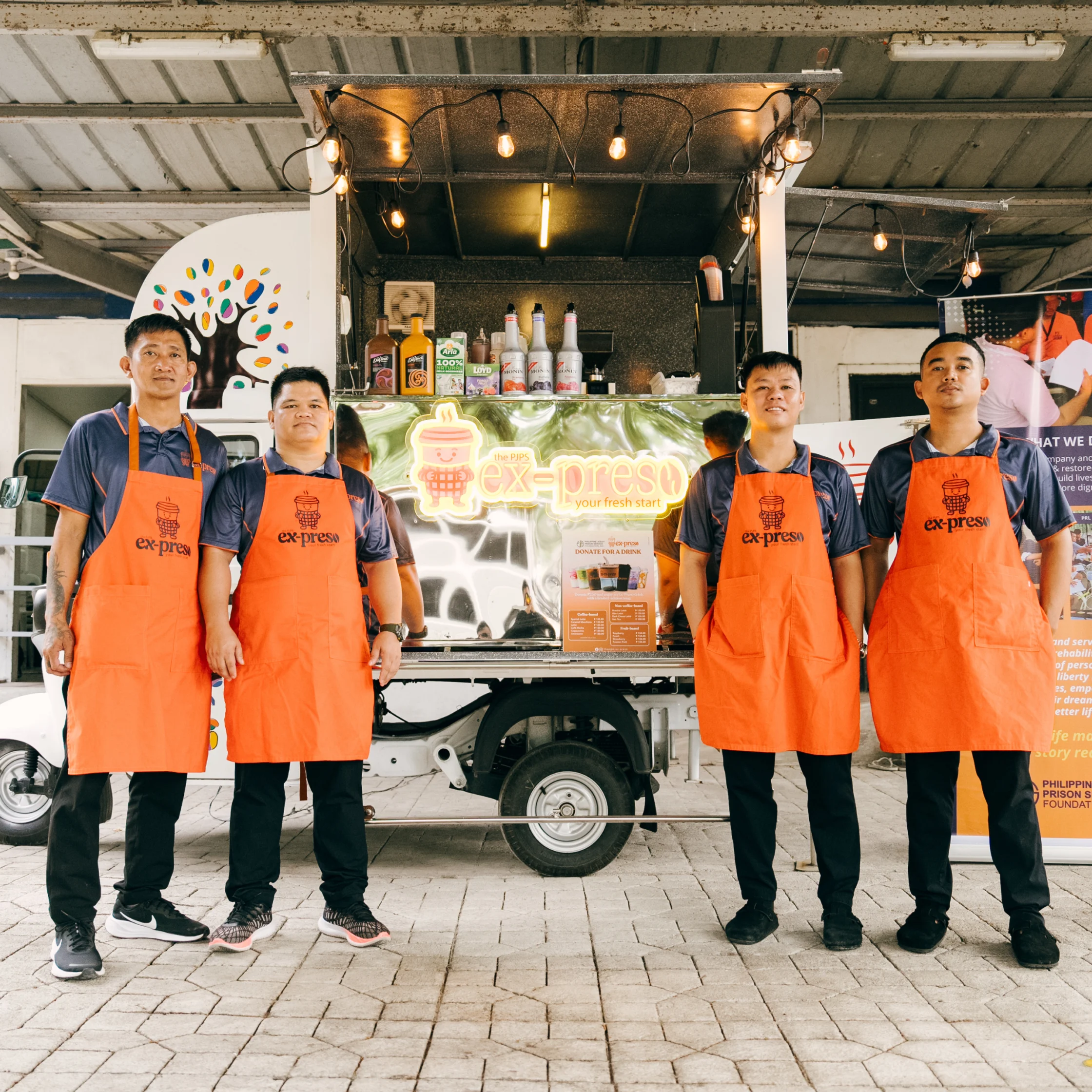
Ex-Preso is a coffee cart livelihood program of the Philippine Jesuit Prison Service (PJPS) Foundation, Inc., run by Persons Restored of Liberty (PRLs). Its baristas are participants and graduates of BaLAYA ni Lolo Kiko, PJPS’s rehabilitation and reintegration program.
The program combines coffee and business training with the broader goal of helping people transition from incarceration into independent, sustainable livelihoods.
For Mark Anthony Domingo, Melecio “Chang” Recolcolin Jr., Daniel “Archie” Botda Jr., and Jhon Glen Wile, Ex-Preso was an opportunity they didn’t expect.
“Pumasok ’tong BaLAYA at coffee cart nang hindi namin ine-expect,” says Mark. “Kaming apat ‘yung nagpapatakbo ngayon.”
Since 1994, PJPS has supported Persons Deprived of Liberty (PDLs), PRLs, and their families affected by incarceration through scholarships and educational assistance, socio-pastoral care, and judicial reform and advocacy.
But according to PJPS Chaplain and Head Fr. Erwin “Bok” Arandia, S.J., rehabilitation doesn’t end when someone walks out of prison. For many newly released persons, that is when another difficult chapter begins: finding work, rebuilding confidence, reconnecting with family, and navigating a society that may still define them by their past.
Many PRLs leave incarceration carrying trauma, fractured family relationships, fear of rejection, and a loss of confidence, explains Mariel Tolentino, Ex-Preso General Manager and PJPS volunteer. Through BaLAYA ni Lolo Kiko’s 18-month formation program, PJPS provides emotional, spiritual, social, and practical support, helping participants prepare for stable employment, entrepreneurship, or independent living.
Why Employment Can Be a Major Hurdle for Filipinos After Incarceration
For Chang, starting over came with plenty of uncertainty. He had earned a BS in Entrepreneurship and became a teacher to fellow inmates while incarcerated. But as he prepared to leave Bilibid, he still worried about whether society would accept him.
“Gusto ko din makapaghanap ng trabaho, pero hindi ko alam kung paano mag-umpisa. Mahirap mag-umpisa kung walang mag-aalalay at walang gagabay,” he shares. “Natatakot din kami na baka hindi kami tanggapin dahil ex-con nga.”
Jhon Glen knows that fear well. Incarcerated at 17, he spent nearly two decades behind bars before being released on May 2025. While inside, he earned a BS in Marketing Management, but having the education and wanting to work did not necessarily make finding a job after prison any easier.
“Nawala ’yung pagkabinata ko sa loob. Akala ko ’yun na ang katapusan ko,” he says.
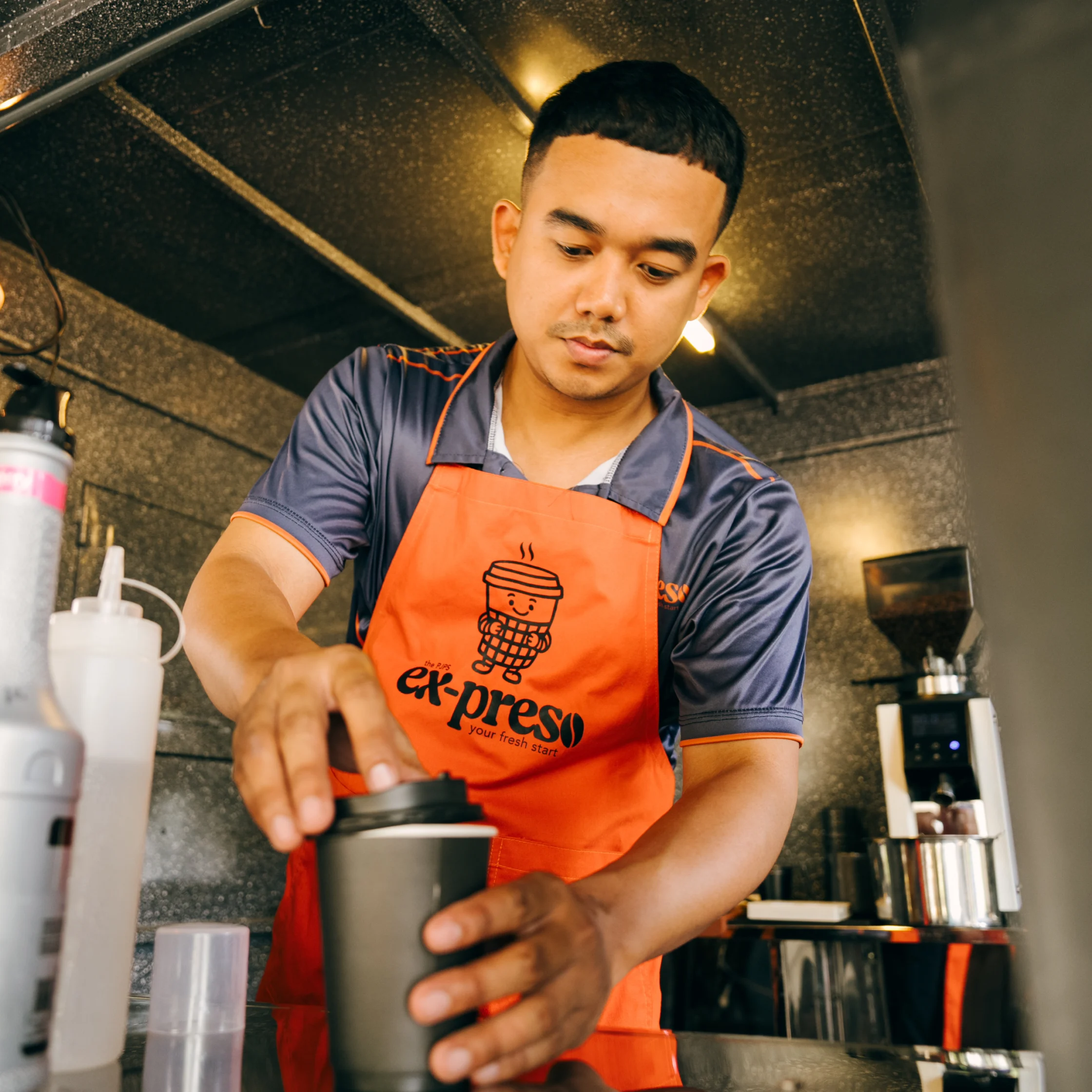
He wanted to work and provide for his family, but when he began looking for a job, he found himself unsure of where to start. “Tinry ko maghanap ng trabaho pero ang hirap kasi walang gumagabay sa gagawin ko,” he says.
People from his past eventually offered him an easier way to make money. Jhon Glen turned them down. “Gusto ko ng marangal at maayos na trabaho. Ayoko na bumalik sa loob dahil alam ko na ’yung dinaranas dun sa loob,” he says.
For Archie, teaching became a source of purpose while he was incarcerated. He taught fellow inmates mathematics and science, helped others learn to read and write, and earned his BS in Entrepreneurship in 2015. “Hindi madali magturo, pero nakakatuwa sa pakiramdam na ang mga kasamahan ko ay nakapag-aral at natuto,” he says.
But even after leaving prison, Archie says the stigma remains. “[Pero] ’yung stigma ng kulungan, nandun pa din.”
This is where Ex-Preso comes in.
How Ex-Preso helps PRLs rebuild their livelihoods
Ex-Preso isn’t simply about giving someone a job. As Mark explains, the program considers each person’s skills and circumstances to help them find a livelihood opportunity that’s right for them. The aim is to build skills and confidence that can eventually help participants pursue livelihoods more independently.
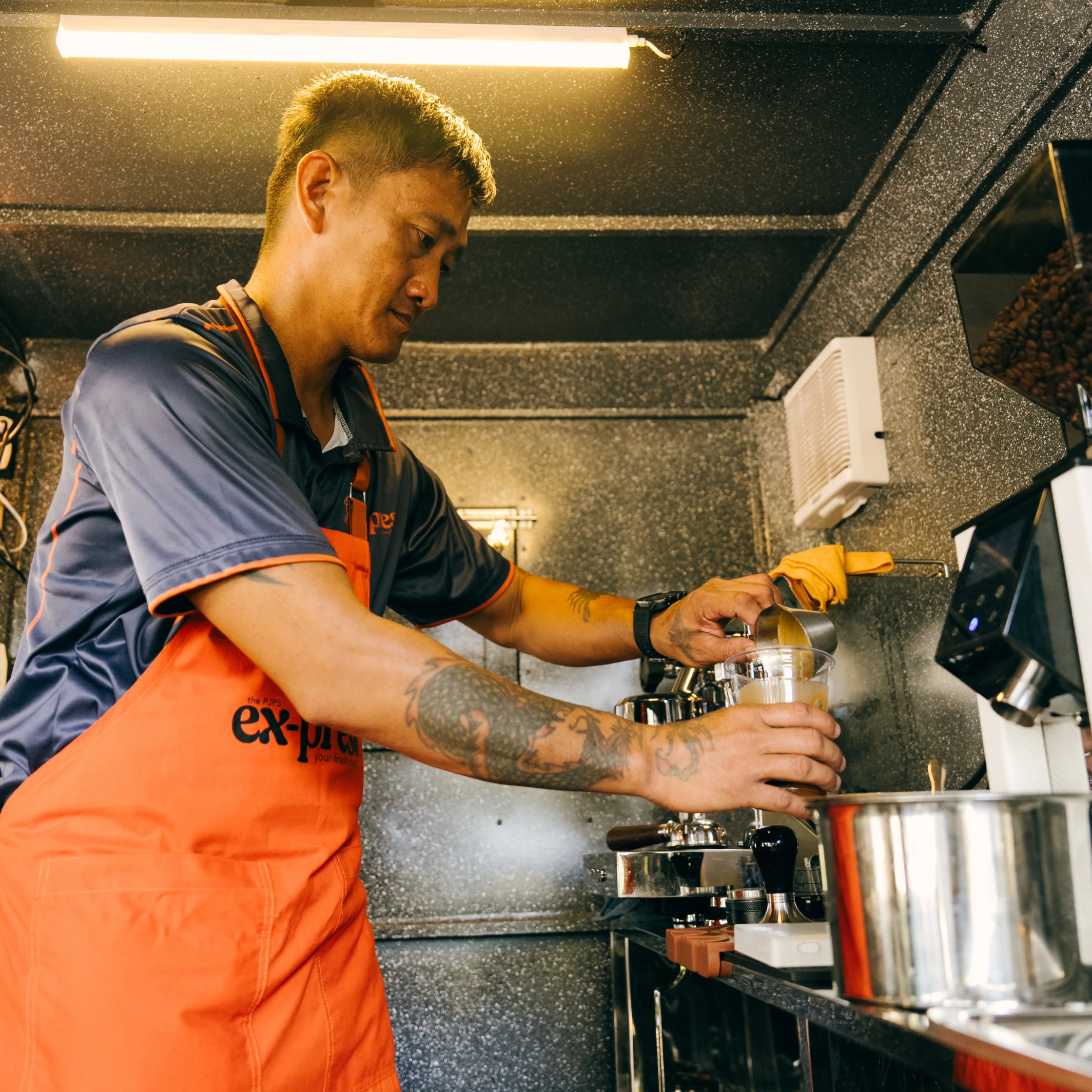
“The intention is rehabilitation and reformation,” says Fr. Bok. The goal, he adds, is to help PRLs restart their lives, become independent, and be able to provide for themselves and their families. “We do not simply give them work and leave them on their own,” adds Tolentino. “We walk with them.” That continued support is central to Ex-Preso’s approach.
Ex-Preso Is Brewing Coffee—and a Different Kind of Second Chance
The cart wasn’t originally supposed to become a coffee business. Someone donated a food cart to the foundation, and during a brainstorming session about what they could do with it, someone jokingly suggested turning it into a coffee enterprise called “Ex-Preso.” What started as a playful idea eventually became a livelihood program—and a way for PRLs to gain practical work experience while rebuilding their lives.
The name itself became part of the story. Rather than allowing “ex-preso” to remain a label associated only with a person’s past, they began to reclaim the word and give it a different meaning—one that could change how people see PRLs: not simply as people defined by their past, but as workers, entrepreneurs, colleagues, and members of the community.
“Reflecting on it, in hindsight, coffee is the very metaphor of what is happening [and what we are doing],” Fr. Bok shares.
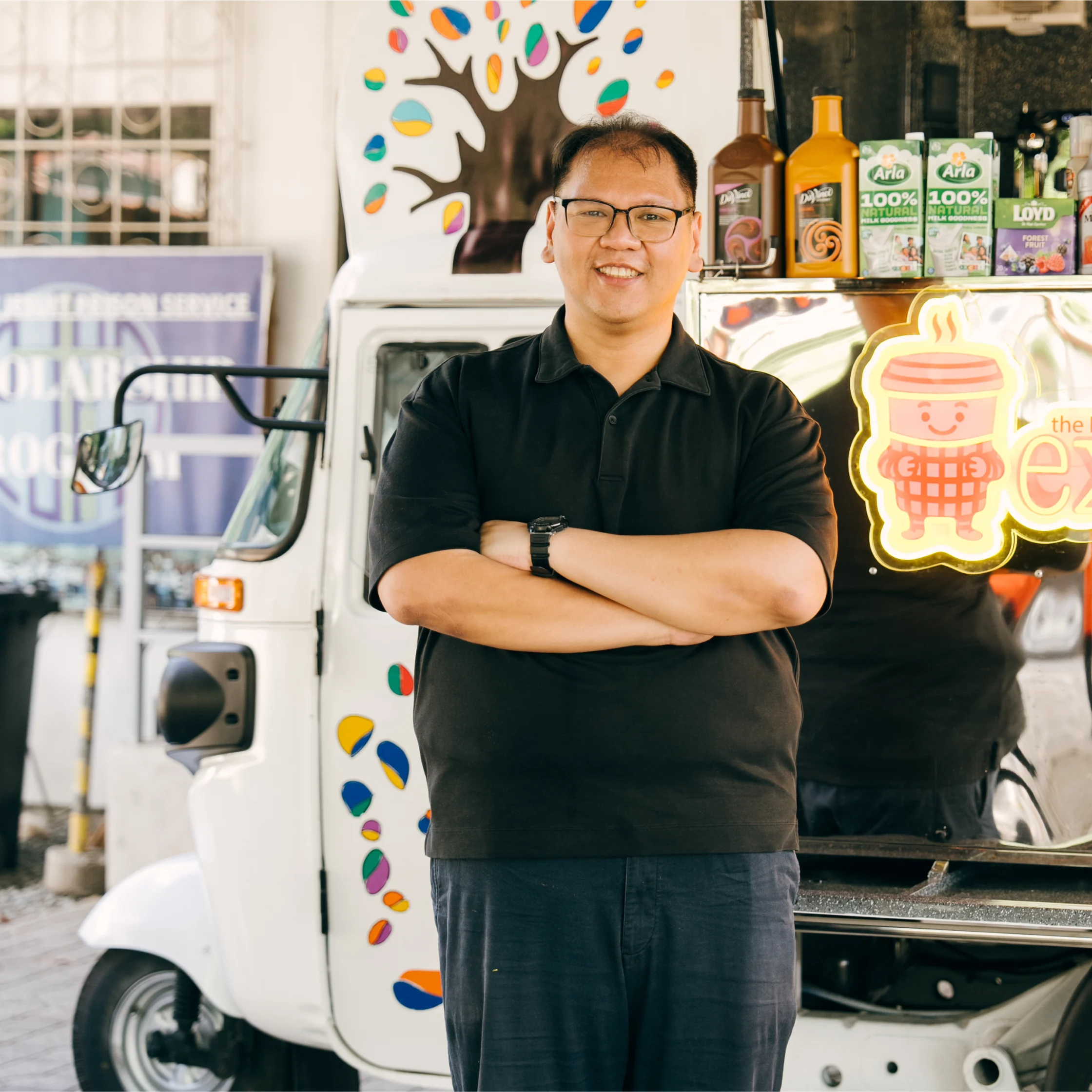
Coffee beans are harvested, roasted with heat, and ground before becoming something that can be brewed and enjoyed. For Fr. Bok, the process mirrors human formation.
“They’ve been broken,” he says. “But they are also transformed into something more. It is all about brewing something beautiful and fresh.”
Barista training is only one part of the broader formation process. Beyond learning to make coffee, Ex-Preso’s first batch developed skills in customer service, business operations, inventory management, teamwork, responsibility, and accountability—skills that can help them pursue livelihood opportunities more independently and sustainably.
“The goal is not just to teach them how to make drinks, but to prepare them to eventually handle livelihood opportunities independently and sustainably,” says Tolentino.
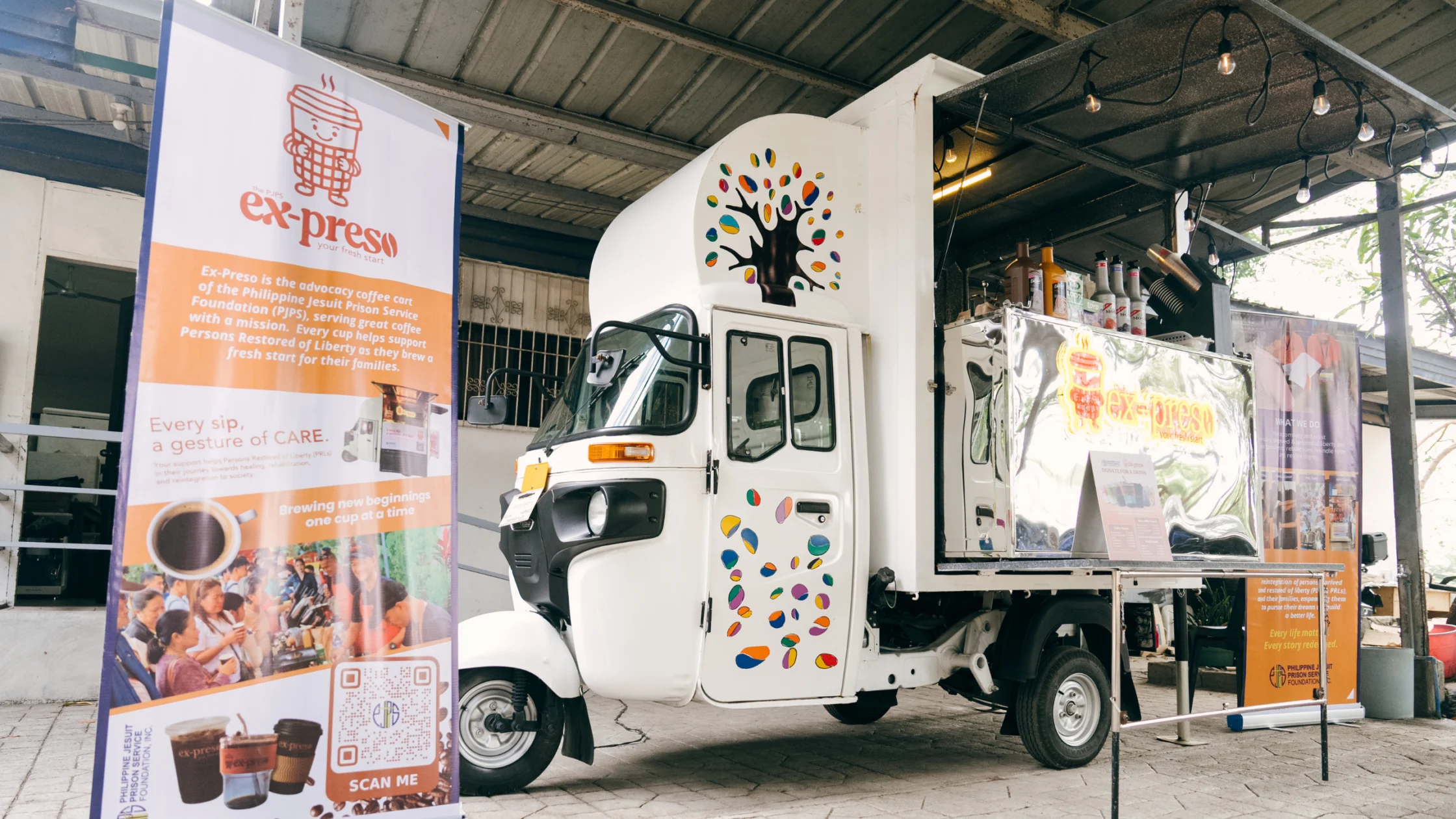
How to book Ex-Preso for your next event
There are currently four full-time baristas and 10 trainees, with the number growing depending on formation cycles and each participant’s readiness for reintegration.
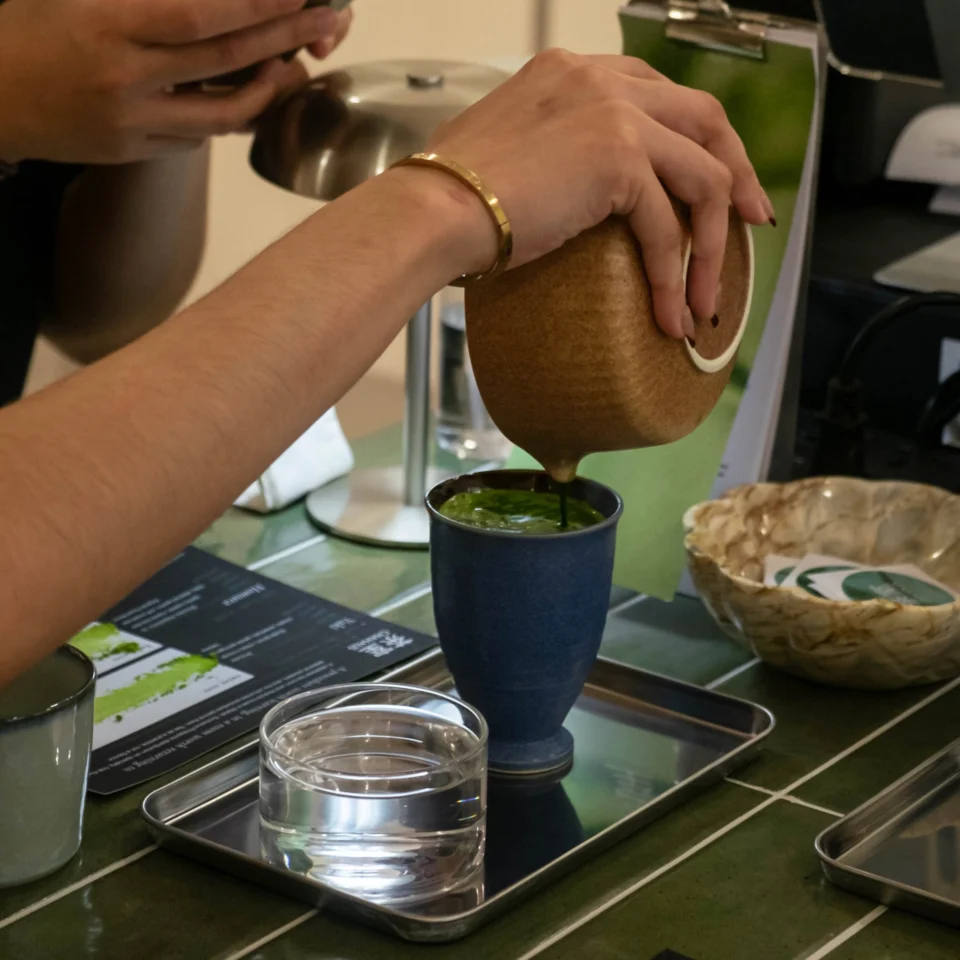
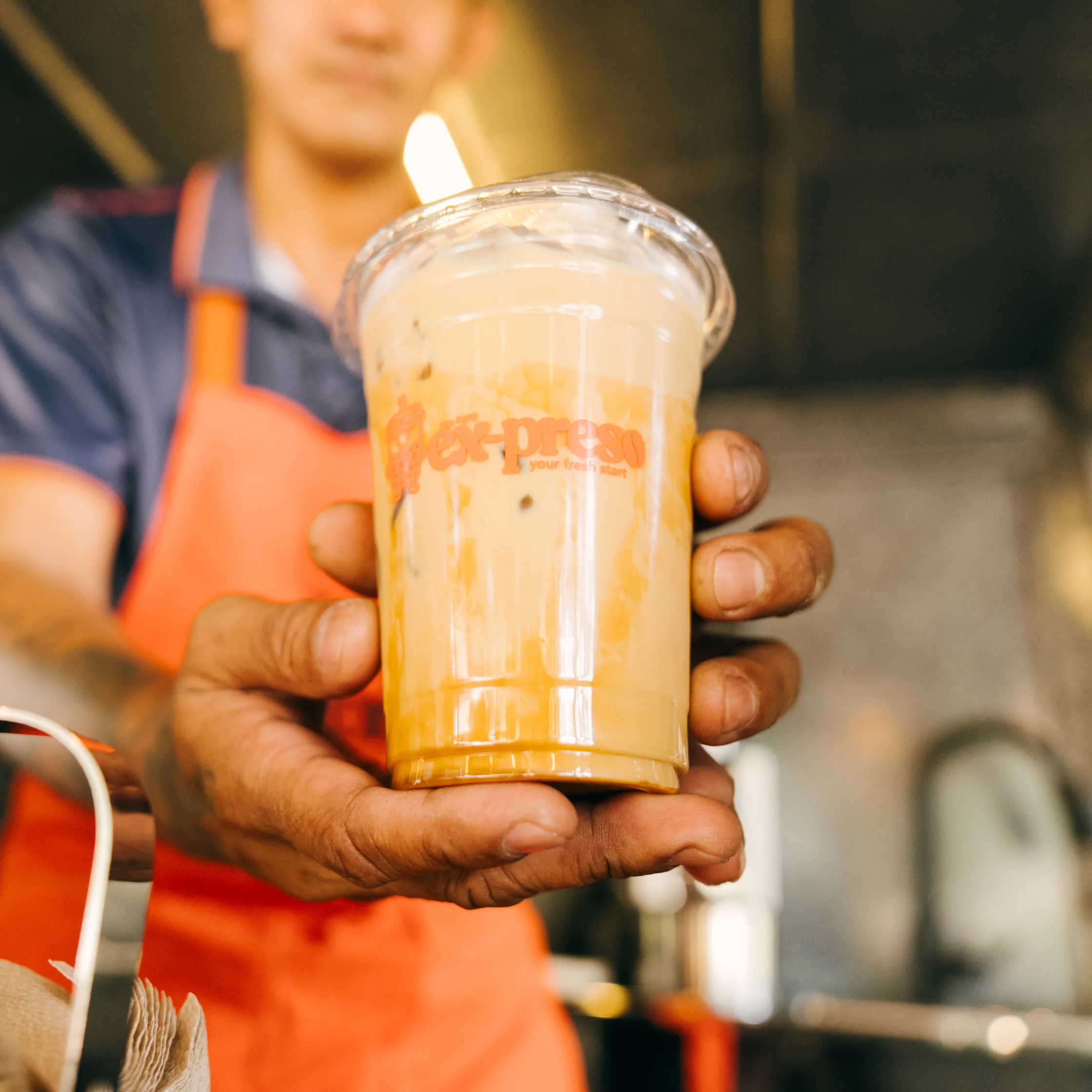
Today, Ex-Preso offers more than 20 hot and iced beverages, including espresso-based drinks, fruit-based refreshments, and matcha specialties. At ₱150 a cup, they’re reasonably priced, too.
Ex-Preso caters to corporate gatherings, weddings, birthdays, food bazaars, and other community events. Bookings start at 100 cups, and the team is also willing to travel outside Metro Manila—in fact, they’ve brought the Ex-Preso cart to Tagaytay, Baguio, and Iloilo.
Booking the coffee cart offers more than another beverage station for your guests. It gives PRLs an opportunity to work, earn, interact with the public, and continue building confidence in a supportive environment.
“Dati takot kami na baka mahusgahan kami,” Jhon Glen recalls. “Pero ngayon, kaya na namin makisalamuha sa ibang tao. Ramdam ko na natanggap na ako ng lipunan. Dahil sa Ex-Preso, nagkaroon na ako ng tiwala sa sarili.”
For many of the PRLs, the work offers something beyond income.
“Sa barista, naramdaman ko na may silbi ako bilang isang mamamayan,” one Ex-Preso barista shares. Through being a barista, he says, he felt that he had value as a member of society.
Ex-Preso, adds Tolentino, goes beyond making coffee. “It is not just employment,” she points out. “It is restoration.”
Sometimes, a second chance looks a lot like a cup of coffee.
To book Ex-Preso for your next celebration or event, send them a private message on Instagram or Facebook at @thepjps.ex.preso.

Frequently Asked Questions
Ex-Preso is a coffee cart livelihood program of the Philippine Jesuit Prison Service (PJPS) Foundation, Inc. It provides employment, training, and livelihood opportunities for Persons Restored of Liberty (PRLs), helping formerly incarcerated Filipinos transition toward more independent and sustainable lives.
Ex-Preso is run by Persons Restored of Liberty who participate in or graduate from BaLAYA ni Lolo Kiko, PJPS’s rehabilitation and reintegration program.
Ex-Preso provides meaningful employment and practical training in areas including barista skills, customer service, business operations, inventory management, teamwork, responsibility, and accountability. The broader goal is to help PRLs rebuild confidence and pursue sustainable livelihoods.
BaLAYA ni Lolo Kiko is PJPS’s 18-month rehabilitation and reintegration program, which provides emotional, spiritual, social, and practical support to help participants prepare for employment, entrepreneurship, and independent living after incarceration.
Ex-Preso is based in Metro Manila but can travel for events outside the area. The coffee cart has previously traveled to places including Tagaytay, Baguio, and Iloilo.
Yes. Ex-Preso caters to corporate gatherings, weddings, birthdays, food bazaars, and other community events. Bookings start at 100 cups.
You can support Ex-Preso by booking its coffee cart for an event, purchasing its beverages, and helping create opportunities for PRLs to gain work experience and interact with the community.