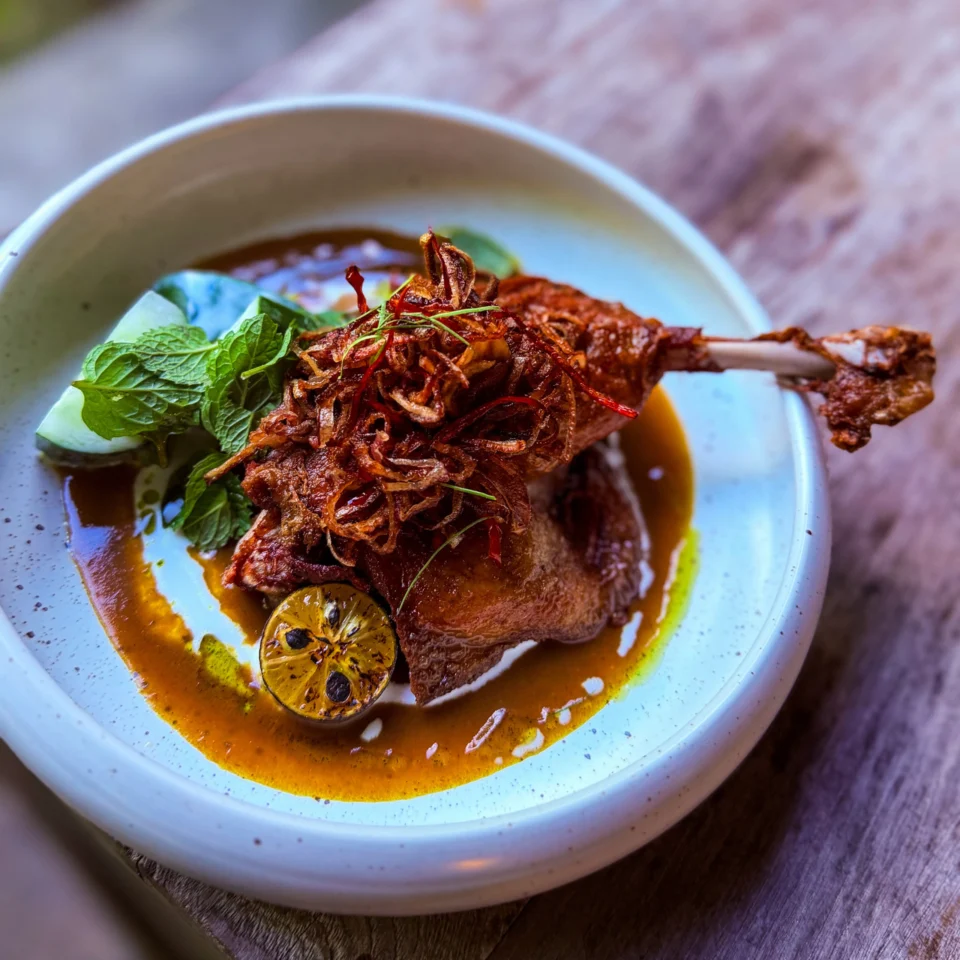


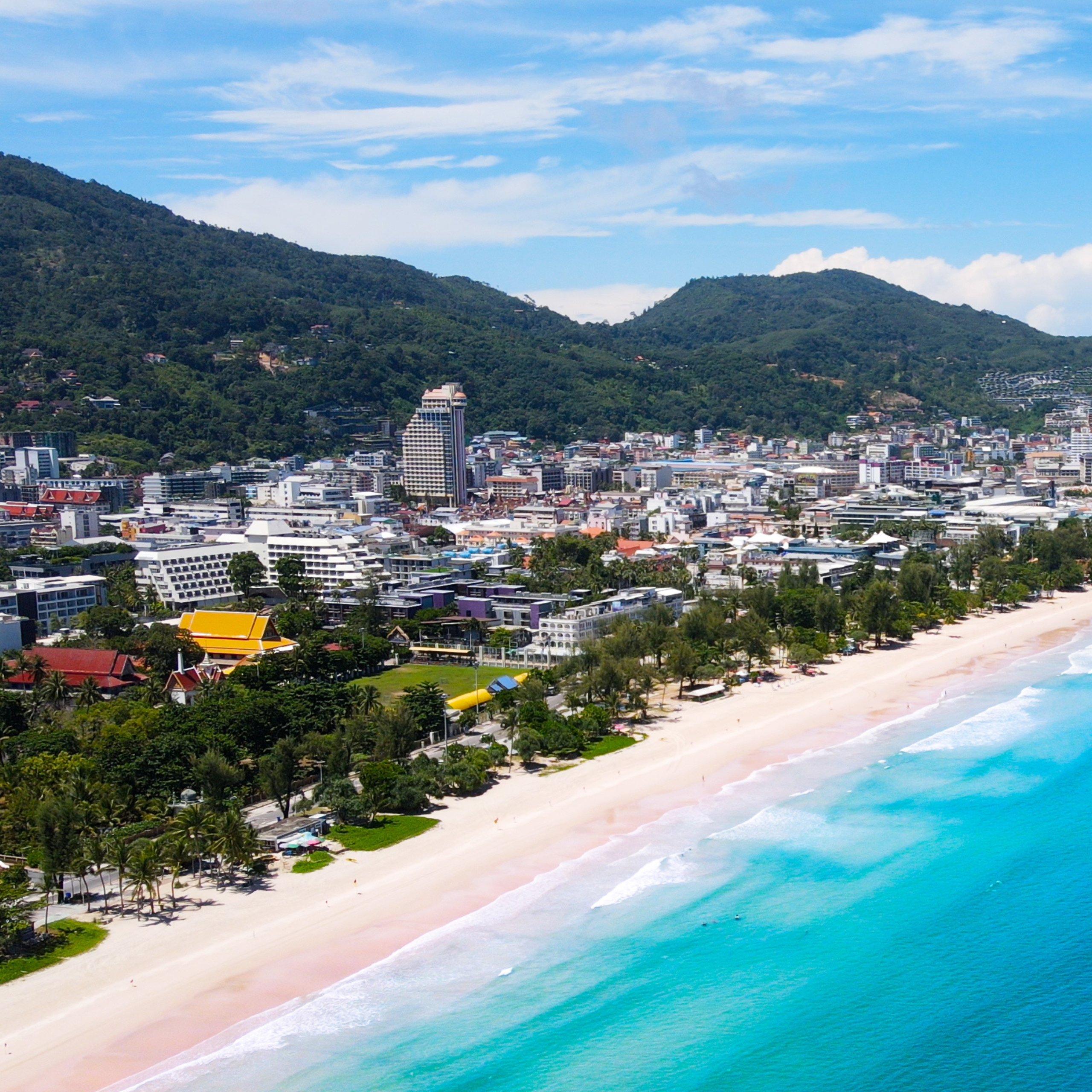
There’s a lot more to the Phuket food scene than the typical images you conjure upon the mention of Thailand—pad Thai, mango sticky rice, krapow, and beachside seafood.
The island, found south of the country, has a culinary identity distinctly its own, one that’s shaped by southern Thai cooking, generations of Hokkien Chinese migration, Peranakan or Baba culture, Malay influences, the bounty of the Andaman Sea, and its rich history as a thriving tin-trading port. All these—migration, commerce, and cultural exchange—have created a cuisine where an array of traditions do not simply coexist but are intertwined.
With the help of the Michelin Guide, we chose four spots that you can rely on for a full day of delicious eating—and appreciating what this island paradise has to offer.
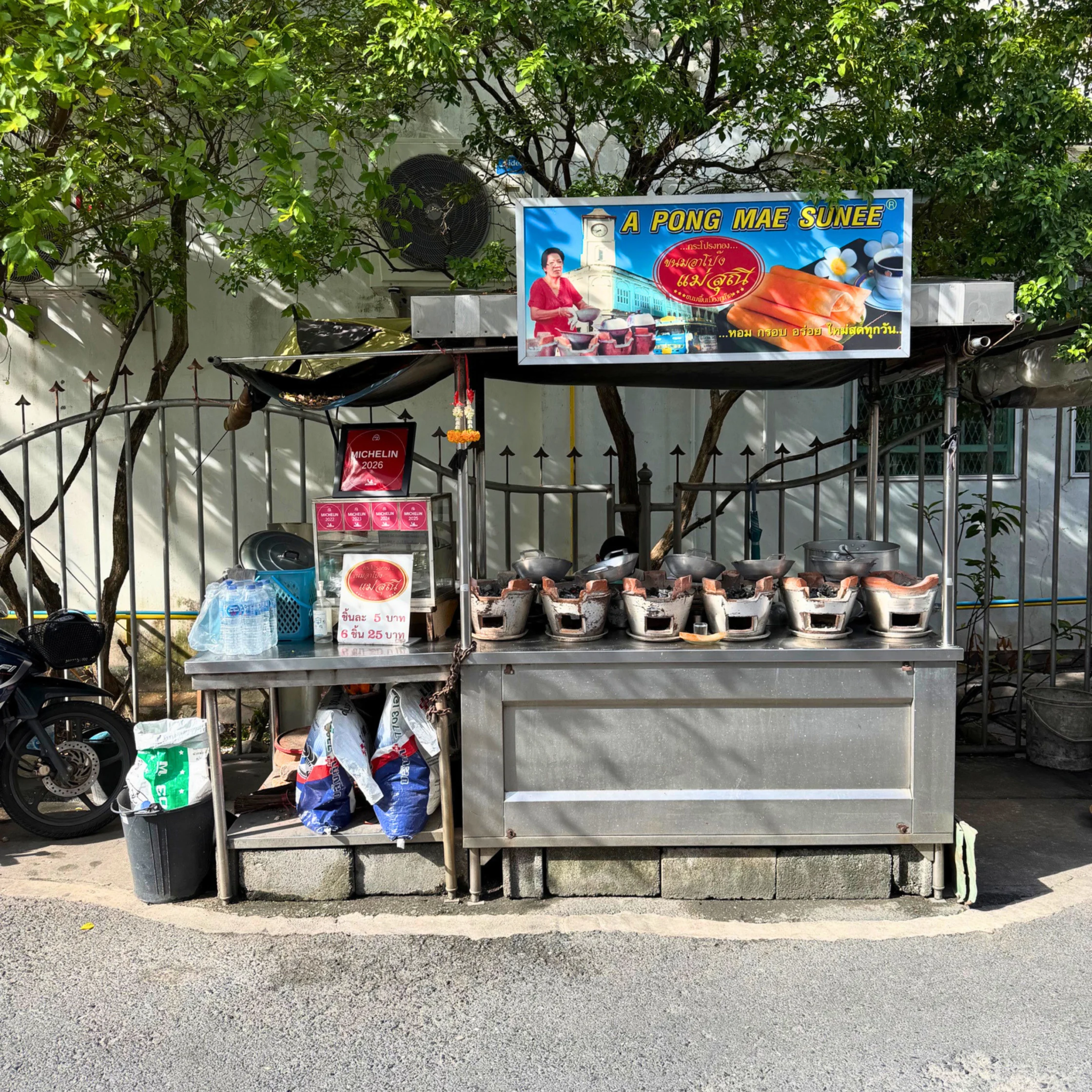
1. A Pong Mae Sunee
There’s only one thing that this street cart has been making for more than five years, and the Bib Gourmand that they’ve been awarded with for most of that time is proof that they’ve got the dish down pat. Sunee has built a loyal following for its khanom a pong, delicate coconut crepes prepared in small woks over charcoal. Each one emerges with crisp, lacy edges and a soft, creamy center, with just enough sweetness to let the coconut shine through. Think barquillos flavored with coconut. And yes, like the Filipino wafer roll, they’re so addicting too.
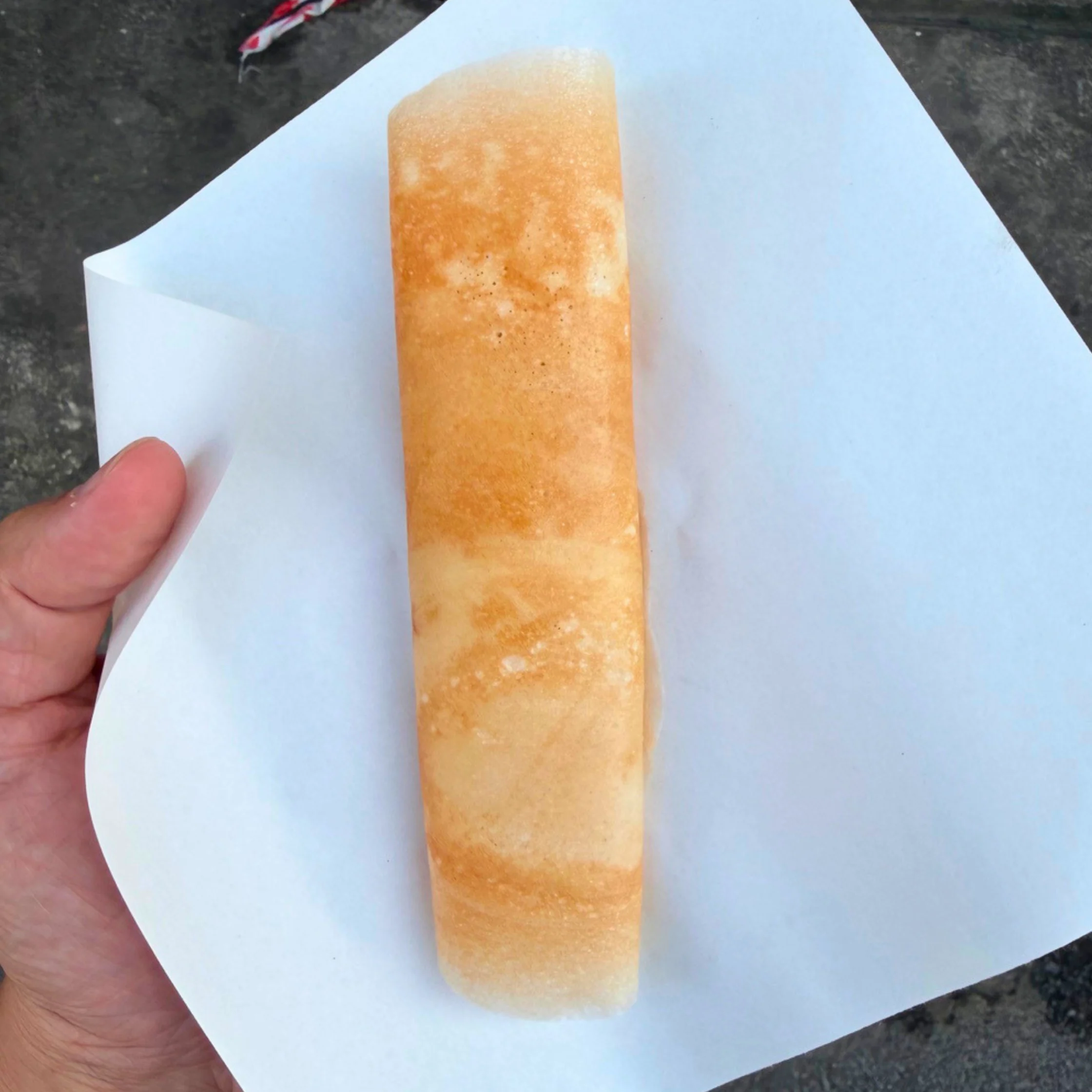
What to order: Khanom a pong
2. Mee Ton Poe
Mee Ton Poe has already established itself as a Phuket institution, best known for its hearty Hokkien noodles. What began as a modest, no-frills eatery near the Clock Tower Circle in Phuket Town back in 1946 has become an easy favorite among locals and visitors looking for an affordable, satisfying bowl of thick, stir-fried Hokkien yellow egg noodles cooked over a traditional charcoal stove. It gained even wider recognition when it was included in the Michelin Guide Thailand in 2021.
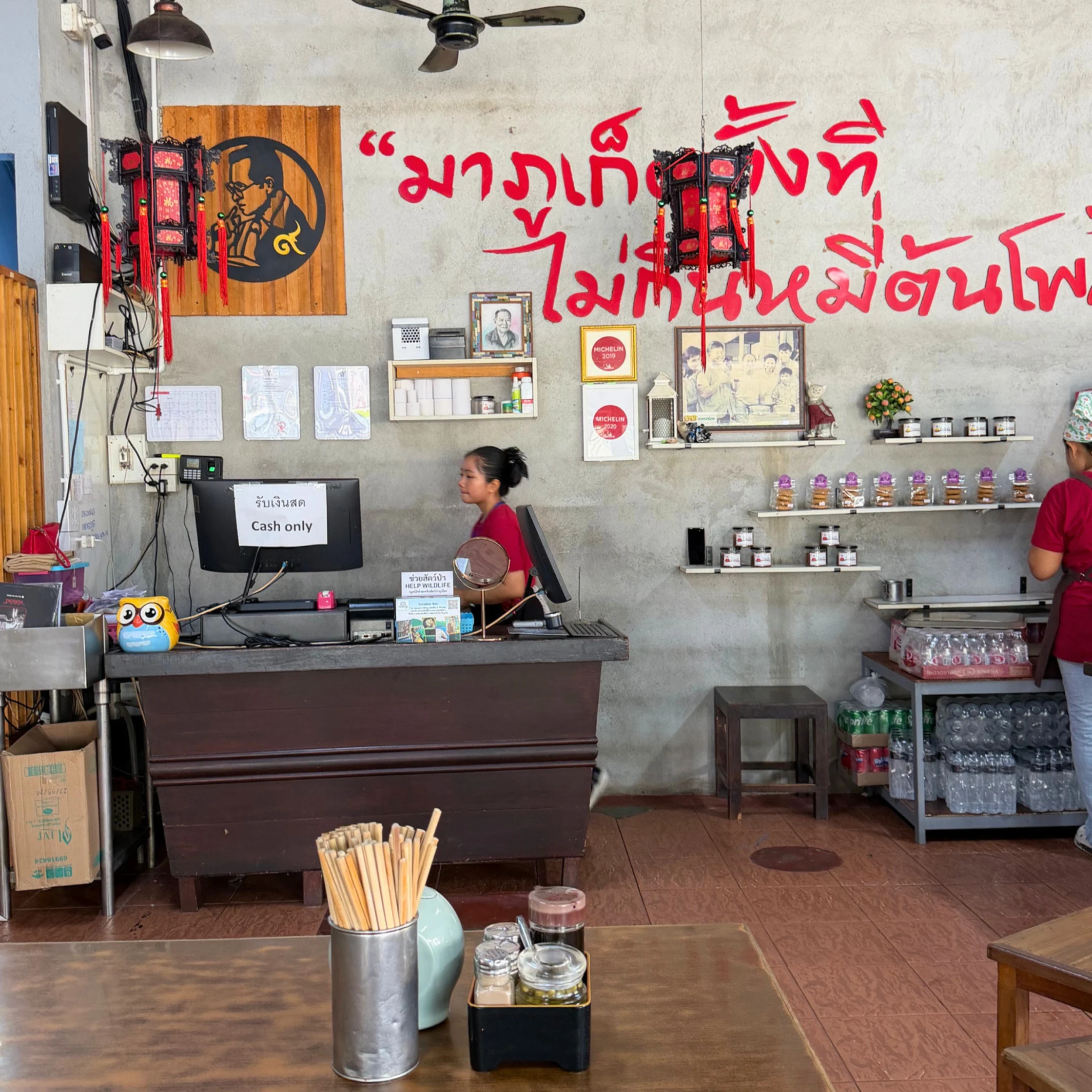
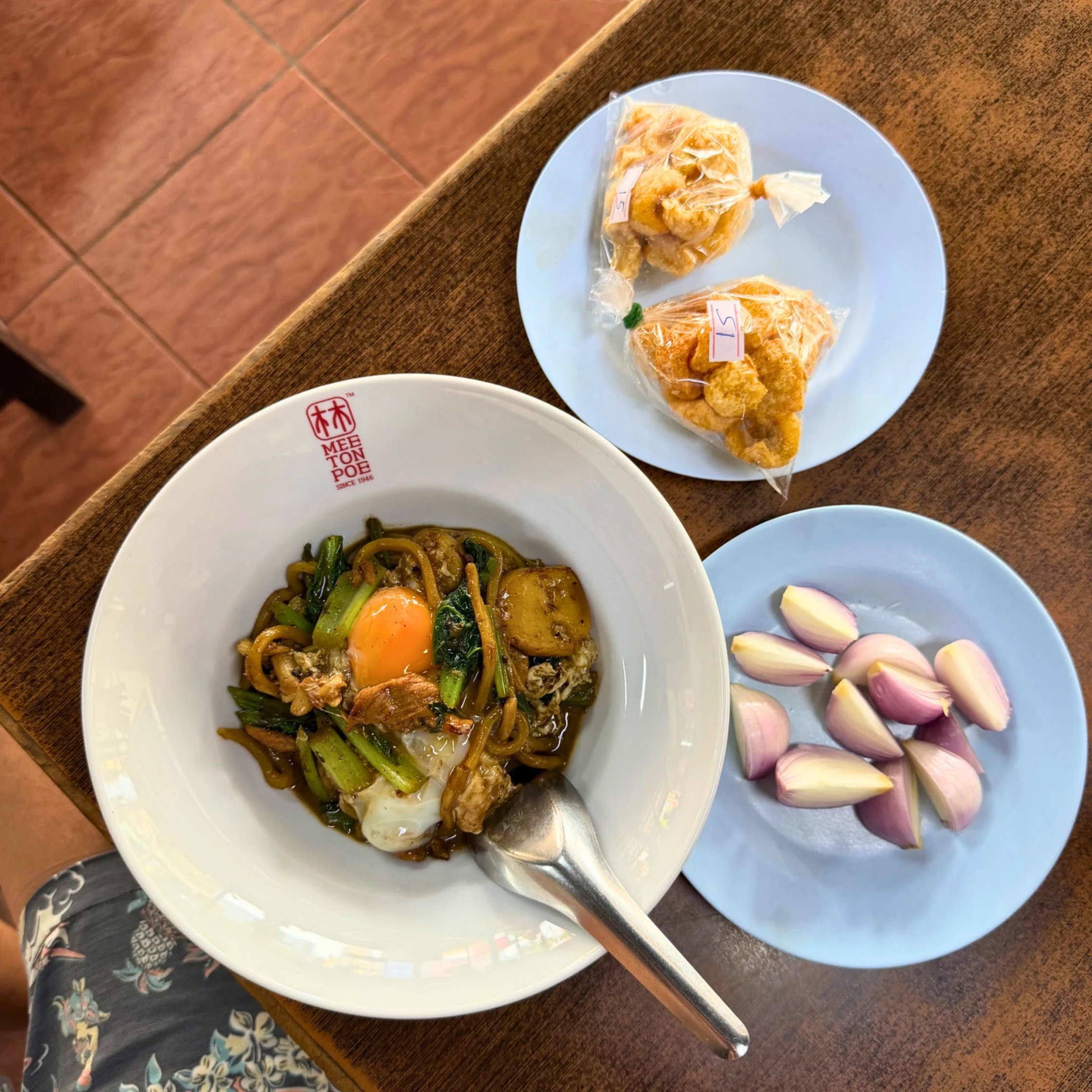
What to order: Signature hokkien mee, Phuket-style fish cakes, Pork satay
3. Khun Jeed Yodpak
For more than two decades, Khun Jeed Yodpak has been a Phuket Town crowd favorite, earning a cult following for its radna, a comforting Thai-Chinese noodle dish generously covered in thick, savory gravy and served with a choice of pork, beef, chicken, or seafood.
Its reputation goes beyond its catchy, flashy yellow walls as their food has won a recognition from the Michelin Guide Thailand. The restaurant has moved to a bigger location near the former Robinson Shopping Mall in Phuket Town.
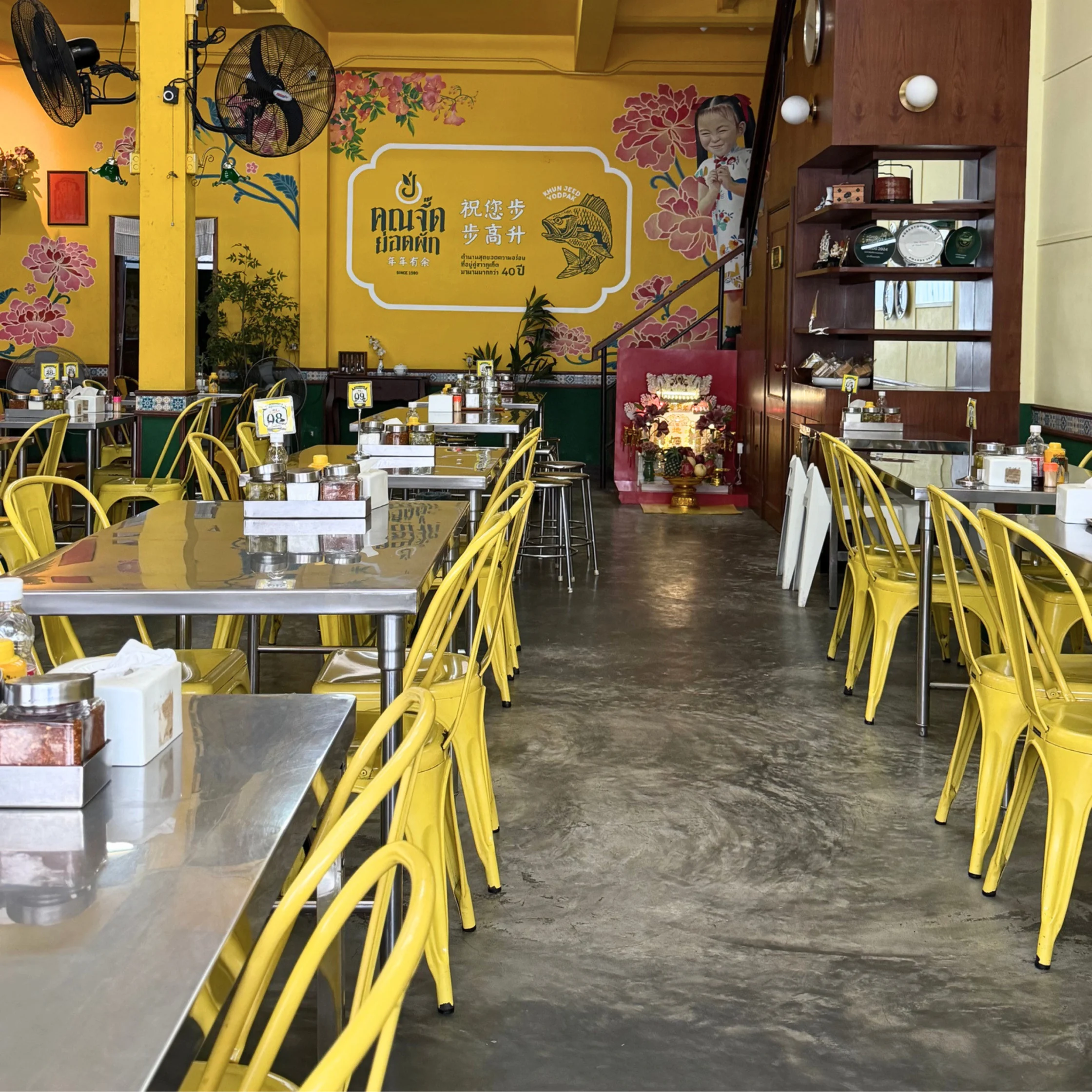
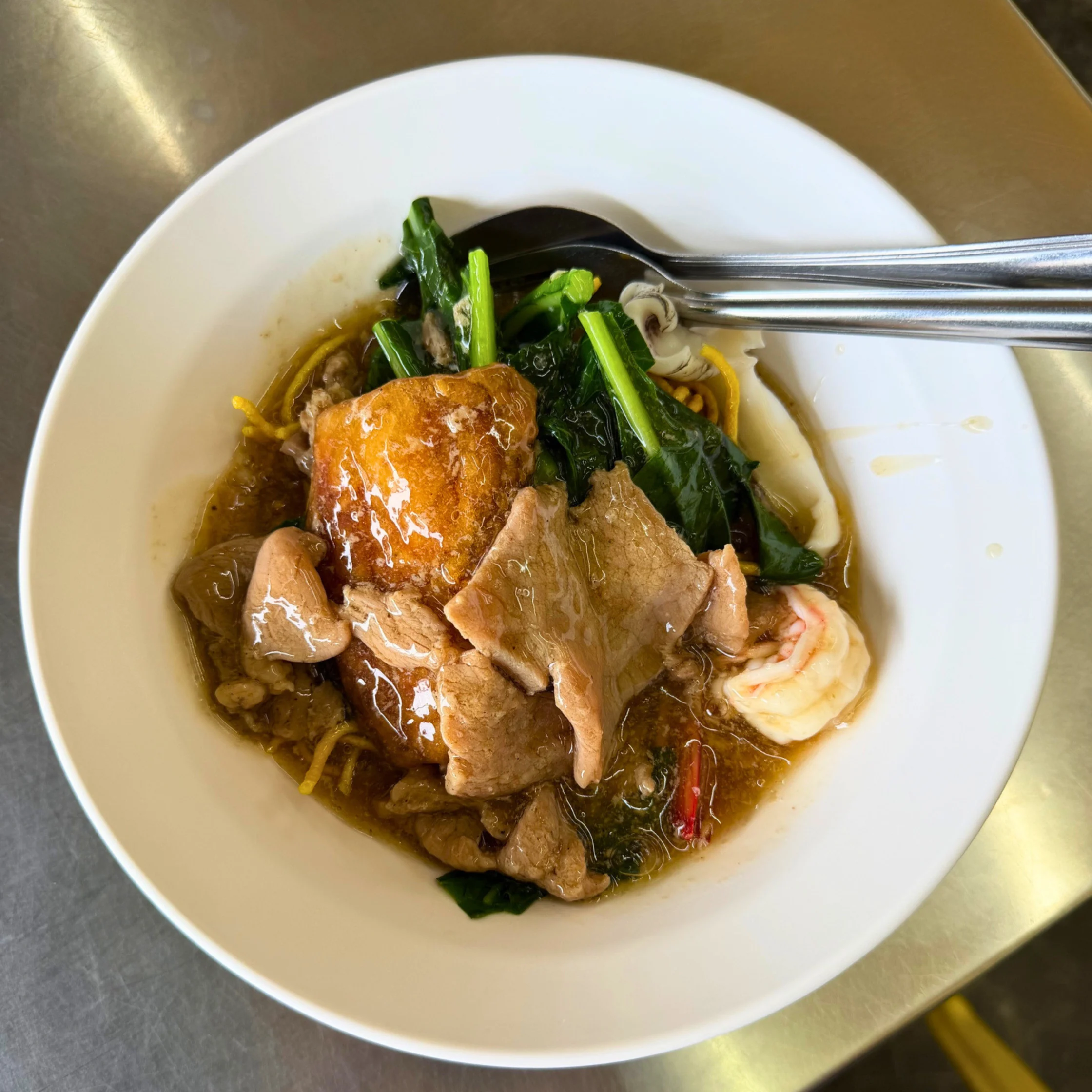
What to get: Rad Na, Pad See Ew, Moo Satay
4. Hom
Tucked within the Sawan Pavilion at InterContinental Phuket Resort, Hom offers a fine dining experience centered on fermentation and the produce of Thailand. The majestic restaurant that looks like a white temple with a lush forest background explores ingredients such as leeks, betel leaves, and pandan through carefully controlled fermentation, producing unexpected flavors and textures while remaining rooted in the local landscape.
To complement the exquisite meal composed of what they call “moments of discovery” is a curated natural wine list that adheres to the restaurant’s philosophy. Recognized by the Michelin Guide, Hom presents contemporary fine dining through a clever exploration of Thailand’s ingredients, culture, and terroir.

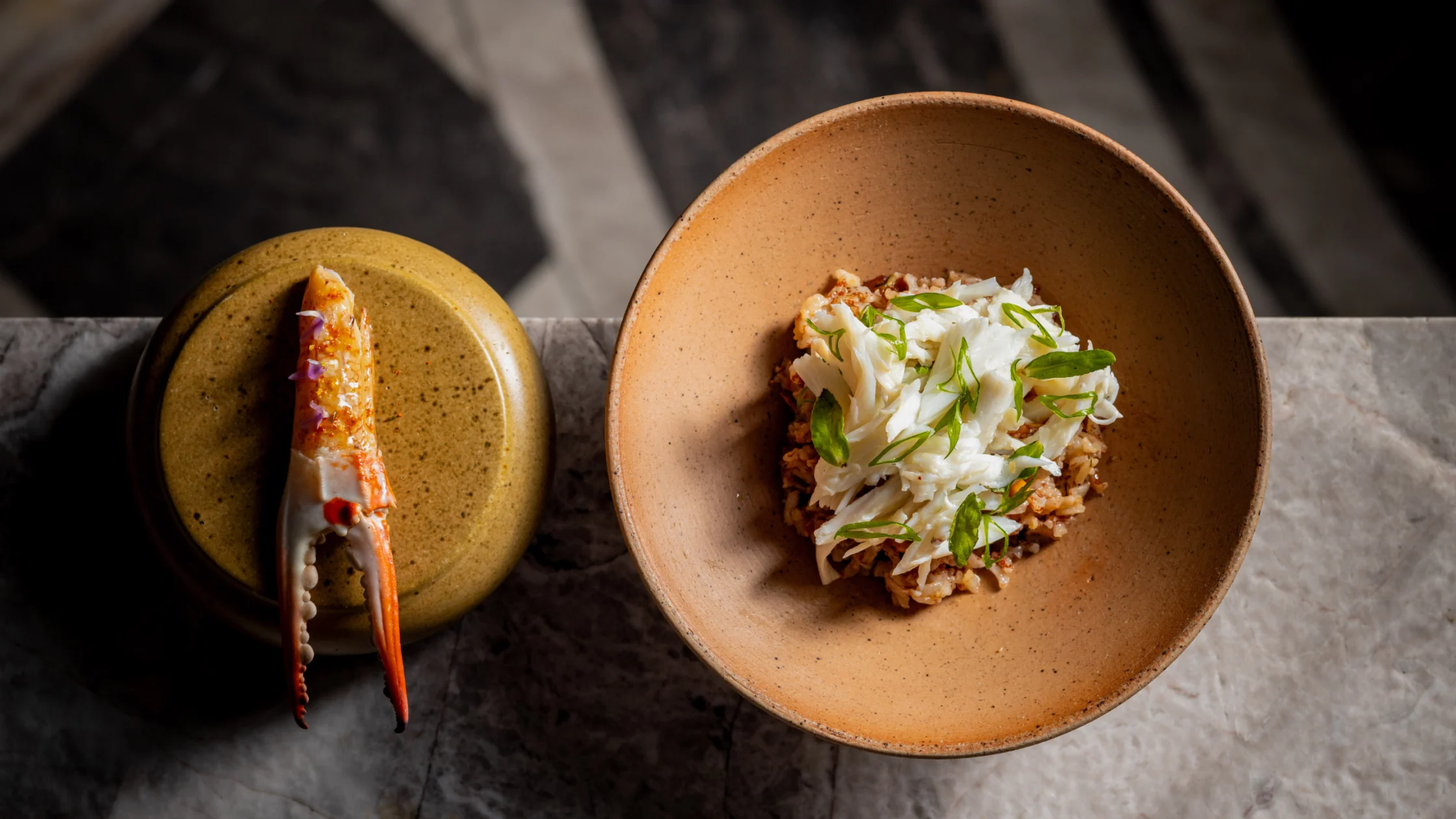
What to order: Tasting menu with wine pairing

Frequently Asked Questions
Phuket is known for a distinctive food culture shaped by southern Thai cooking, Hokkien Chinese migration, Peranakan or Baba traditions, Malay influences, and the island’s history as a major tin-trading port.
For a mix of Phuket food experiences, consider A Pong Mae Sunee for charcoal-cooked coconut crepes, Mee Ton Poe for Hokkien noodles, Khun Jeed Yodpak for rad na and other Thai-Chinese dishes, and hom for a contemporary fine-dining experience centered on fermentation and Thai ingredients.
Phuket-style Hokkien mee uses thick yellow egg noodles that are typically stir-fried over high heat, often with seafood, pork, vegetables, and a savory sauce. Mee Ton Poe is one of Phuket’s longstanding spots for the dish.
Khanom a pong is a traditional Phuket snack made from coconut-based batter and cooked in small woks over charcoal. The resulting crepes have crisp, lacy edges and a soft, creamy center.
Rad na is a Thai-Chinese noodle dish consisting of noodles covered in a thick, savory gravy and served with meat or seafood. Khun Jeed Yodpak is known for its version of the dish.
Yes. The Michelin Guide Thailand recognizes restaurants and food establishments across Phuket in different categories, including Bib Gourmand and Michelin Guide selections. The island’s Michelin-recognized food scene ranges from casual local establishments to contemporary fine dining.