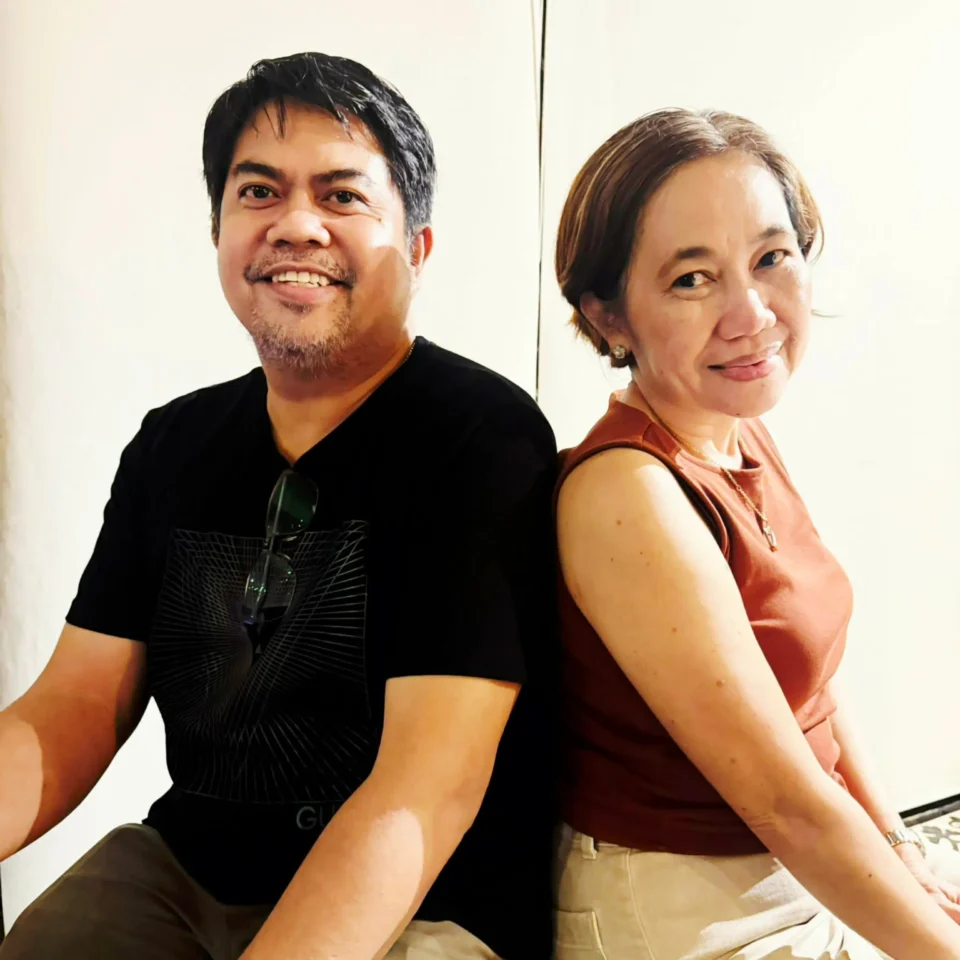


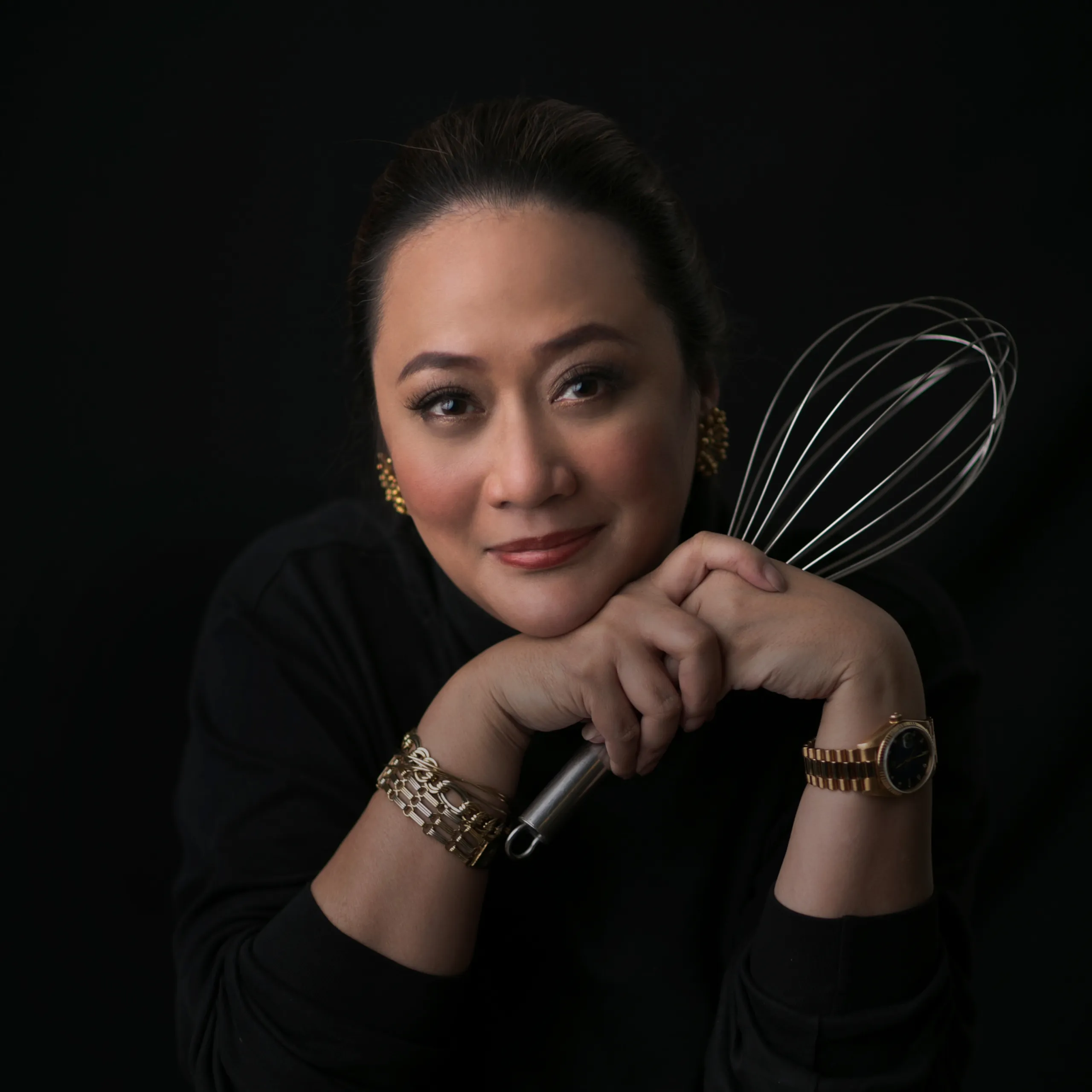
For chef and food writer Reggie Aspiras, preserving Filipino food requires more than documenting a recipe. Sometimes, you have to make a little noise about it.
Aspiras has spent decades traveling around the Philippines, often bringing small groups along through Kitchens of the World, her culinary tour program that also takes travelers abroad. Along the way, she encountered cooks, artisans, producers, and food traditions that remained deeply rooted in their communities yet largely unknown outside their circle.
“You know what it’s like—if it doesn’t become noisy in the city, it becomes a dying thing in the province,” she says. “Once people write about it, when people discover it, when a chef brings it to light, suddenly traditions come back. Ingredients that are lost are all of a sudden in demand.”
That realization eventually became the spark for Philippine Heritage Kitchen, a series of events Aspiras organizes with the help of Badjie Trinidad, CEO of Center for Culinary Arts Manila (CCA). Instead of simply encouraging a handful of people to travel for regional food, the idea was to bring the people making it—and the stories behind it—to Manila to be closer to a wider audience.
“One day I just said that we have to do it, we have to mount events,” Aspiras recalls. “No amount of traveling will ever make a one-day impact. But if we bring it to town and people get to know them, eventually people will want to go to them. And because it’s easy, they can call and order. Somehow it keeps the whole ecosystem of food alive.”
Bringing the Province to the City
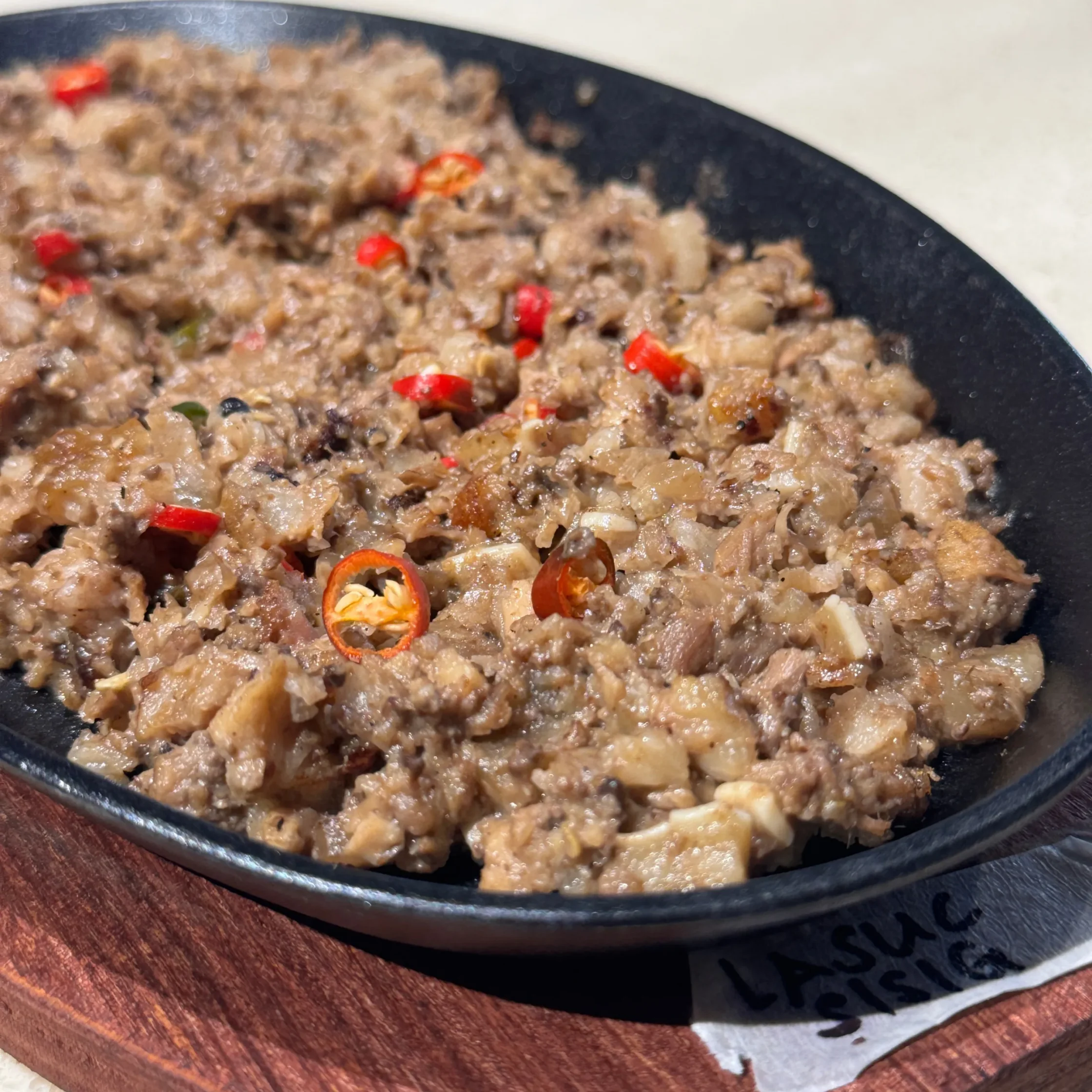
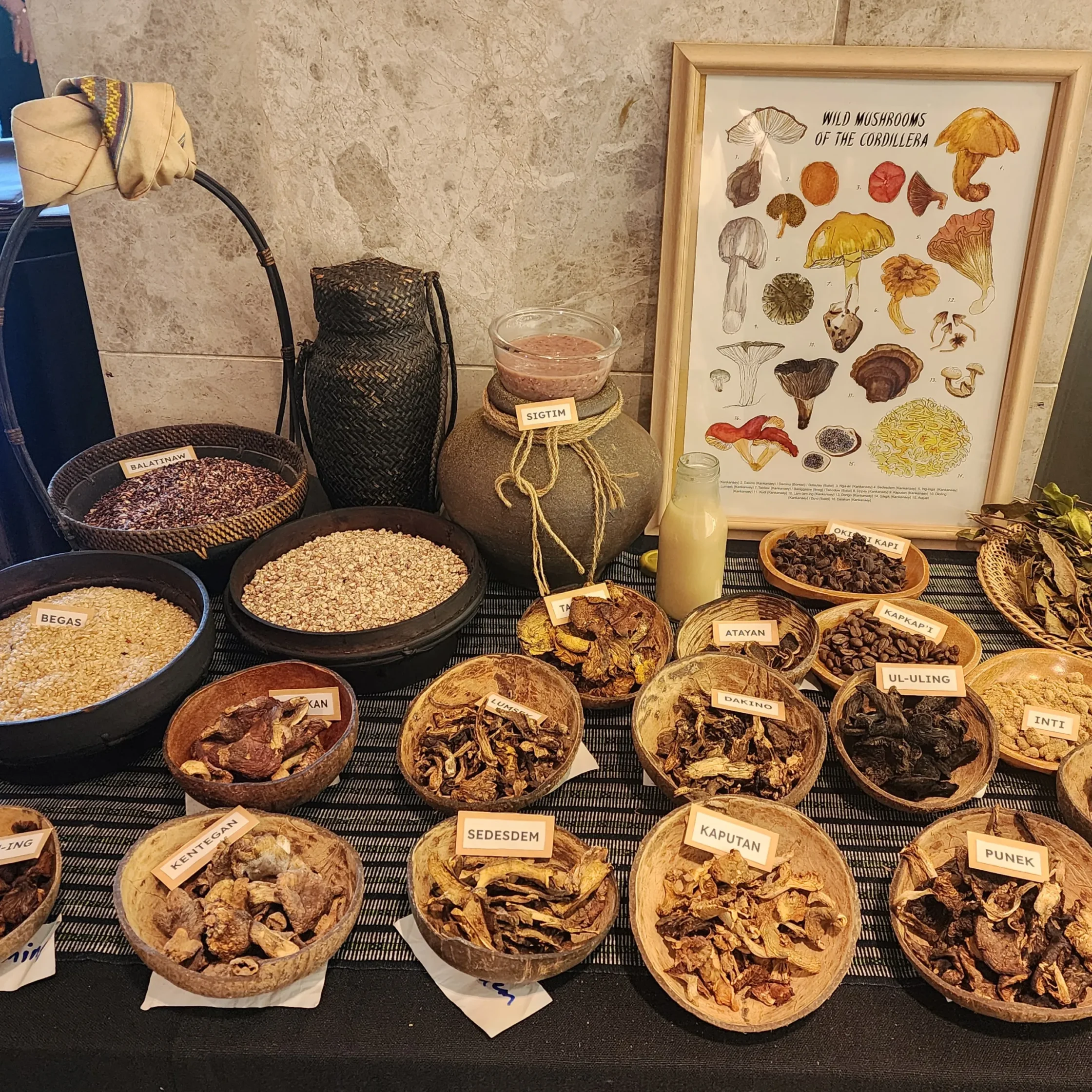
Philippine Heritage Kitchen has since become a monthly exploration of the country’s food culture, with previous editions tackling Ilocano cuisine, sisig, mushrooms in Cordillera, and the food of Malabon. Its fifth installment turned its attention to kakanin, gathering makers and specialties from north to the south of the country that illustrate just how diverse the seemingly simple combination of rice, coconut, and sugar can become across the Philippines.
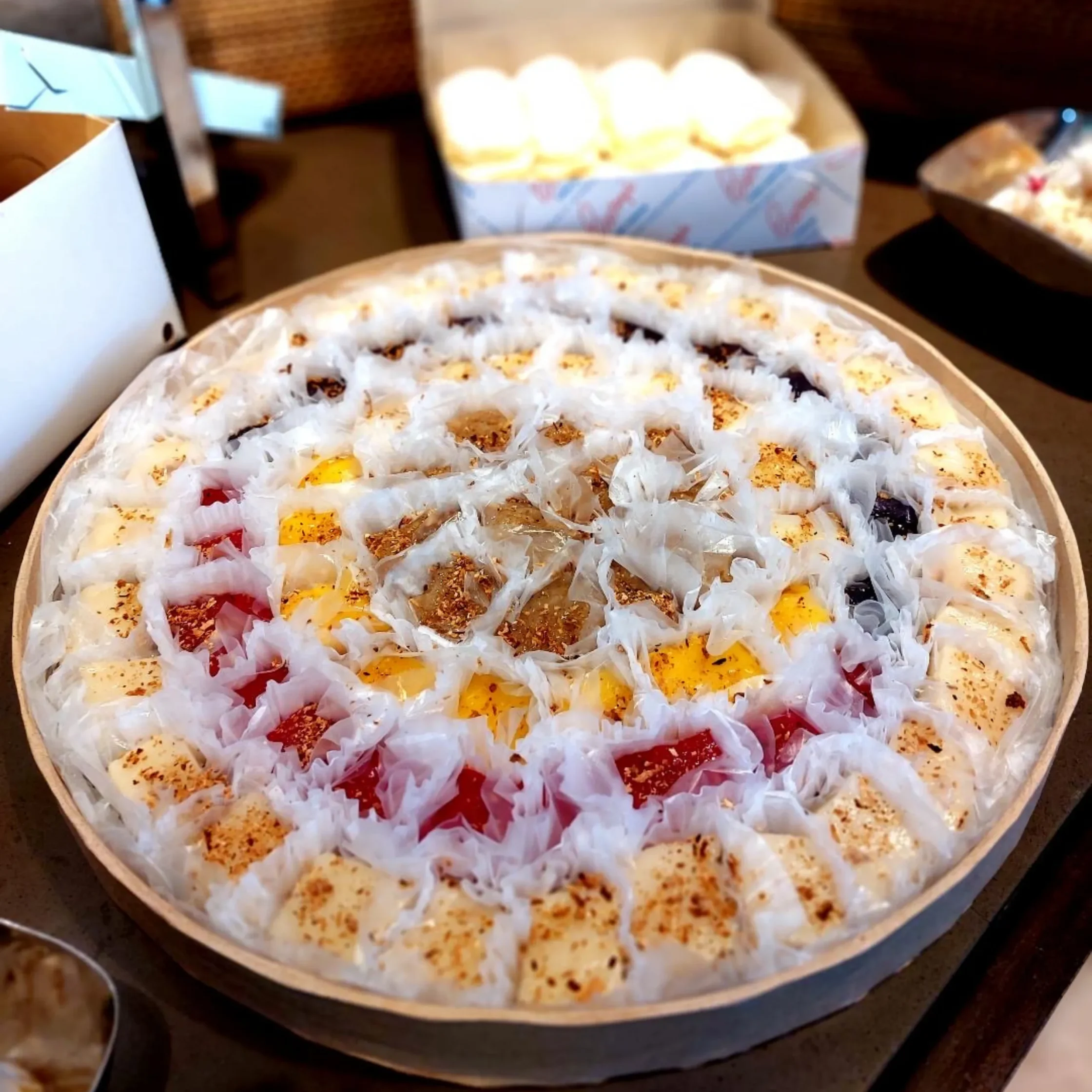
For Aspiras, bringing regional producers to Manila matters just as much as putting their food on the table.
“They are so excited to be here and join the bazaar,” she says. “Those who are in Nueva Ecija, the people there don’t see them as anything special anymore, right? To bring them here and see how people appreciate them, it brings them pride in what they do. It gives them a new life. That’s the beauty of doing these things.”
The events deliberately go beyond selling and eating. Cooking demonstrations are an essential component because Aspiras wants guests to leave with something they can carry into their own kitchens.
“You have to take a piece of the province, person, or topic home with you,” she explains. “If you are able to cook one unheard-of kakanin and you serve it at your party and people talk about it, you bring consciousness, and it ripples.”
That ripple is ultimately the point. A single person learning a recipe can introduce it to another table; a producer discovered at a bazaar can find new customers; an ingredient that was disappearing can suddenly have a reason to be grown again.
What Comes Next for Philippine Heritage Kitchen
Choosing what Philippine Heritage Kitchen tackles next is part instinct and part strategy. “Whatever comes to mind,” Aspiras says. “I just sit down one day. But you have to think also of what will work.”
That means finding a balance between subjects audiences already recognize and traditions Aspiras believes deserve a larger platform. Upcoming editions include a halal food festival organized with the government office handling Muslim affairs, followed by Hikay, which will explore Cebuano food and bring different kinds of lichens from Cebu into the conversation.
“We have to tread between what is popular and what we want to showcase as well,” she says.
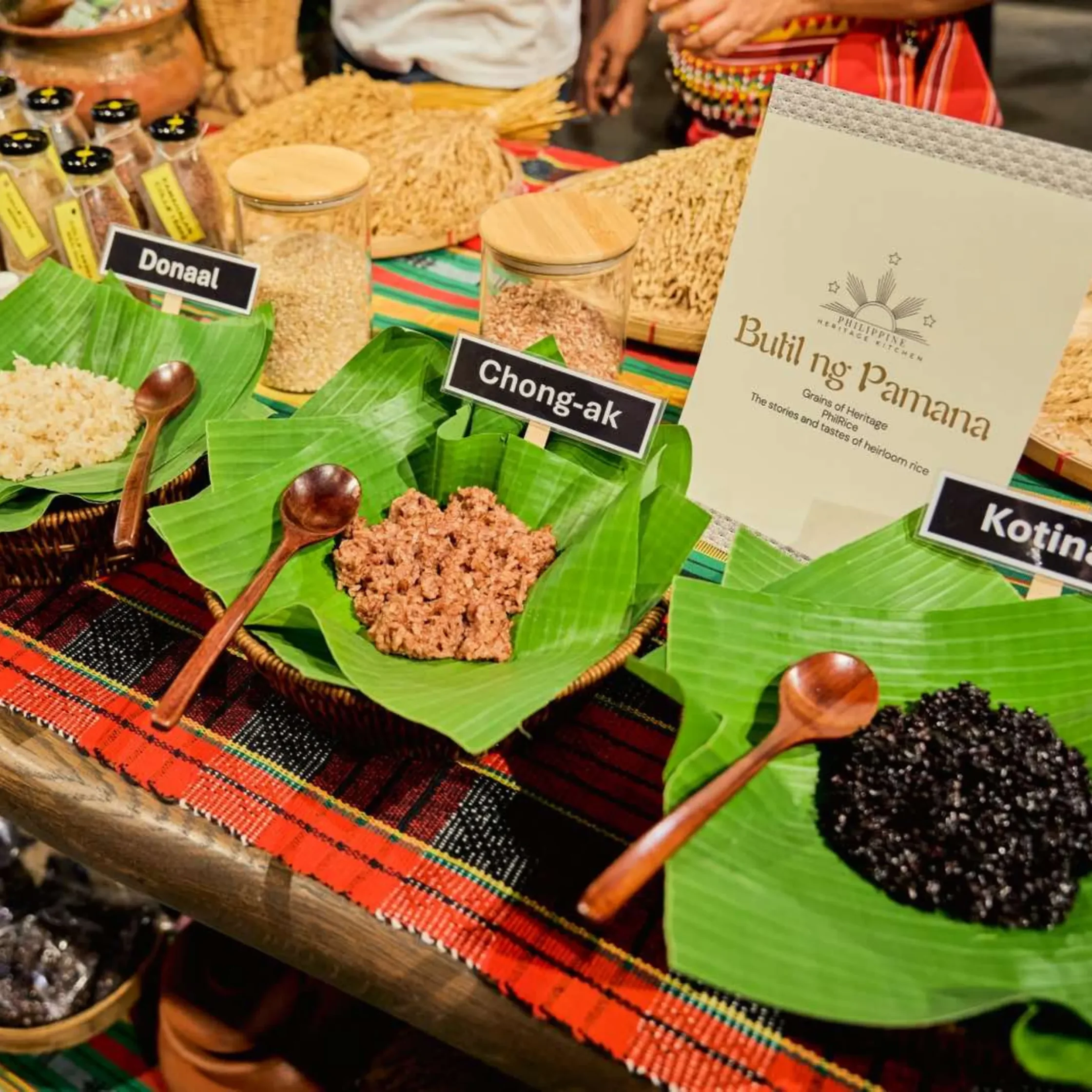
Aspiras also hopes Philippine Heritage Kitchen can eventually move beyond demonstrations into hands-on classes, where participants can learn to make traditional kakanin themselves. Culinary trips could further extend the experience, bringing audiences back to the communities where these foods originate.
But it doesn’t stop there, inside the venue. She hopes greater awareness will eventually lead to more thoughtful buying habits—and, ultimately, better livelihoods for the farmers, fisherfolk, cooks, and producers at the beginning of the food chain.
“I hope that because of what we do, people become more conscious of what to buy, where to buy,” she says. “Maybe we can give people their due.”
She adds, “We want to build a community of people who appreciate who we are,” Aspiras says. “Our core is bayanihan. Our core is ‘kumain ka na?’ And it goes beyond eating.”
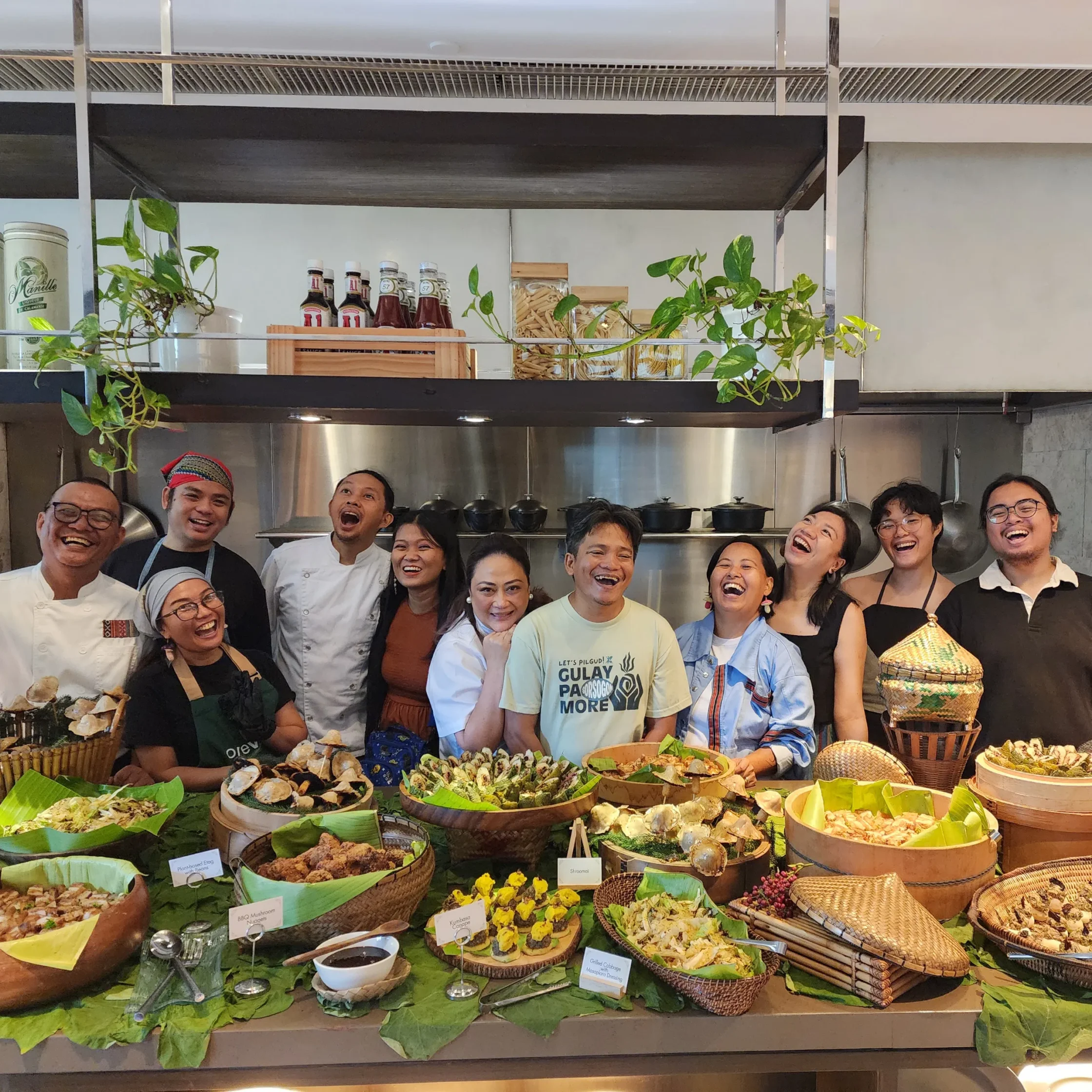
Philippine Heritage Kitchen isn’t interested in keeping heritage in the past. It wants people to cook it, order it, talk about it, travel for it, and create enough demand for the people behind it to continue doing what they do.
To know more about Philippine Heritage Kitchen and their calendar of events, follow them at @phheritagekitchen in Facebook and Instagram.

Frequently Asked Questions
Reggie Aspiras is the founder of the Philippine Heritage Kitchen. On top of that, she is a curator for Kitchens of the World, chef, instructor, and food columnist.
Organized by Reggie Aspiras and Center for Culinary Arts Manila (CCA), the Philippine Heritage Kitchen is monthly cultural initiative. A specific food topic is highlighted through bazaars, cooking demonstrations, and other eating and cooking events.
September of this year’s installment was about kakanin.
Previous editions have centered around sisig, salad, Ilocabo cuisine, food from Malabon.
Future installments include halal food and Hikay or different kinds of lichens from Cebu.