

What started spontaneously is now starting to gain ground—even becoming one of the more exciting pop-up dining concepts in the south. And it all takes place in the chef’s backyard.
Home hospitality in the south
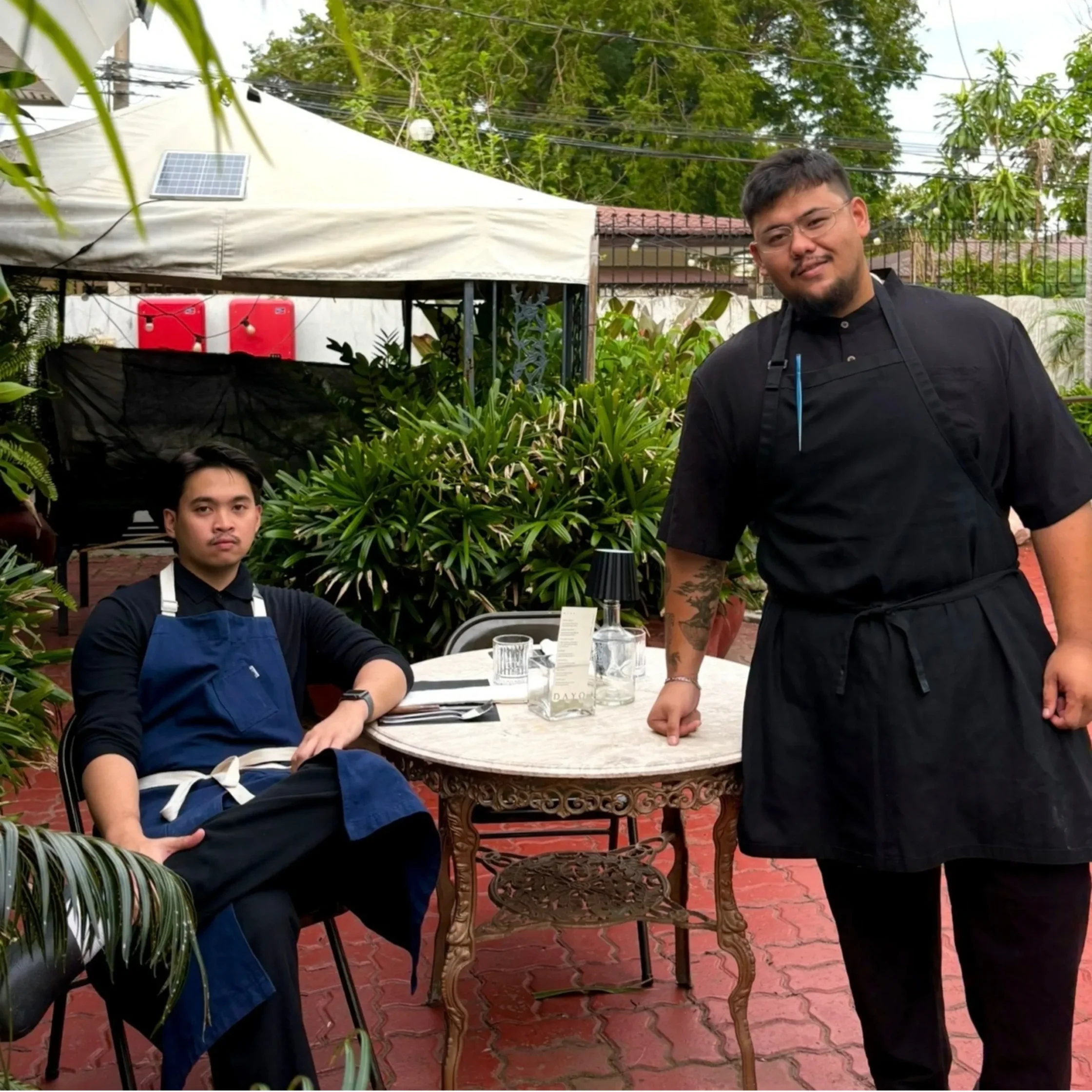
Though opening their residential home and serving less than a handful of guests was done on impulse, it still was supported by plenty of preparation, claims Miguel Alfonso Gonzales, who is one of the chefs behind DAYO.
“Honestly, it came about on a whim but of course with a decent amount of planning and testing,” he said. “Our friends and family had always encouraged us to share our cooking with more people, but at the heart of it, we’ve always just loved creating food and experiences for the people we love.”
He adds, “DAYO started as a way to share that feeling beyond our own circle and create those same experiences for everyone who walks through our doors. It wasn’t something we had planned for years, it was simply something we felt we had to try.”
The idea, formed by him and his childhood friend and fellow chef Abel Deri, doesn’t have a long-term business plan, but it sure does have a simple goal: to share the joy of cooking and hosting with a wider audience beyond their immediate circle of friends and family.
Reimagining Filipino Comfort Food
At its core, DAYO focuses on thoughtful innovation. Believing there is much more to explore in Filipino cuisine beyond traditional dishes, the duo takes familiar local ingredients, flavors, and food memories and presents them in unexpected ways, while keeping their core Filipino identity intact.
“A lot of the menu comes from experimenting and asking ourselves how we can push these flavors further without losing what makes them Filipino. The menu development is very hand-on and personal. To the ideas to the final plate.”
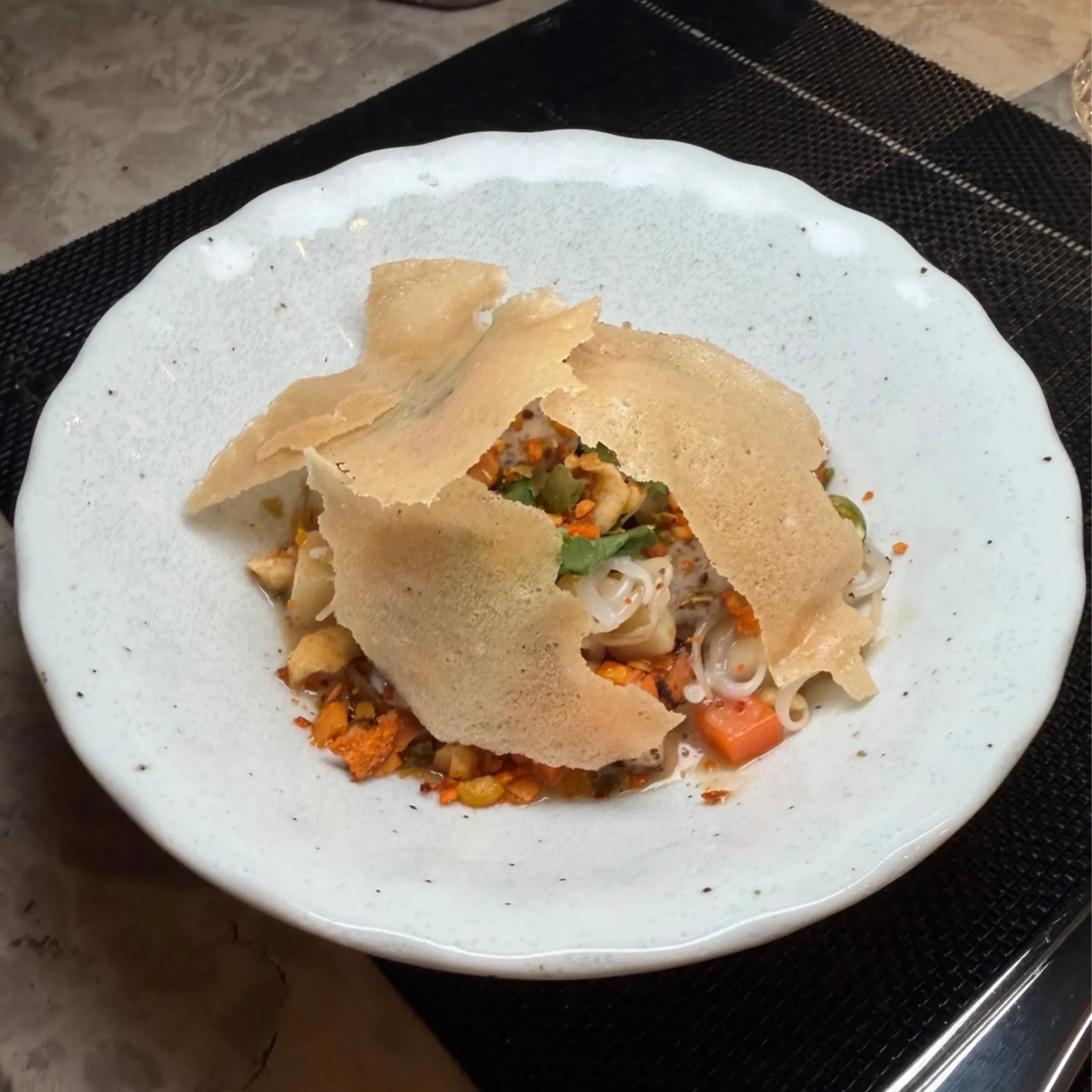
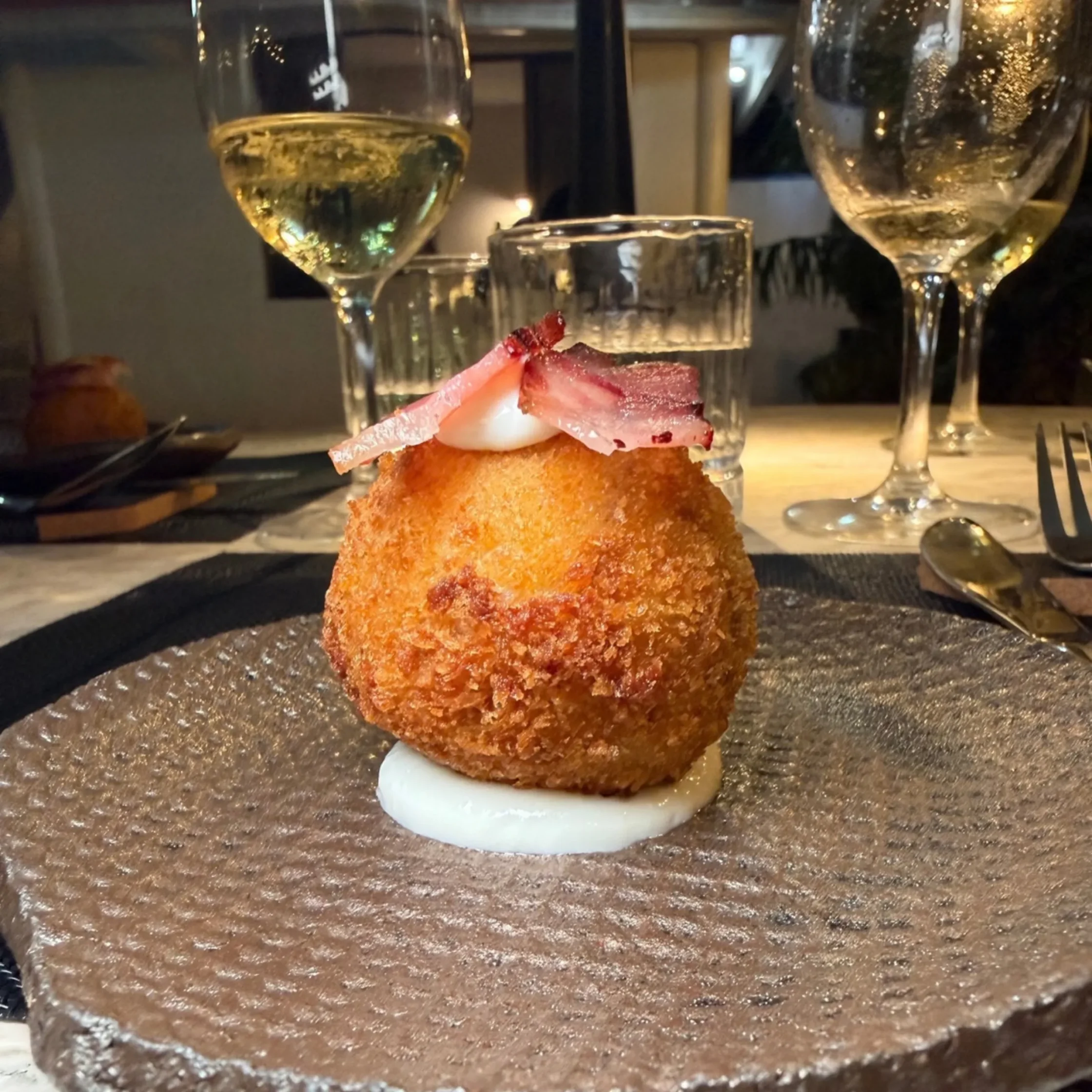
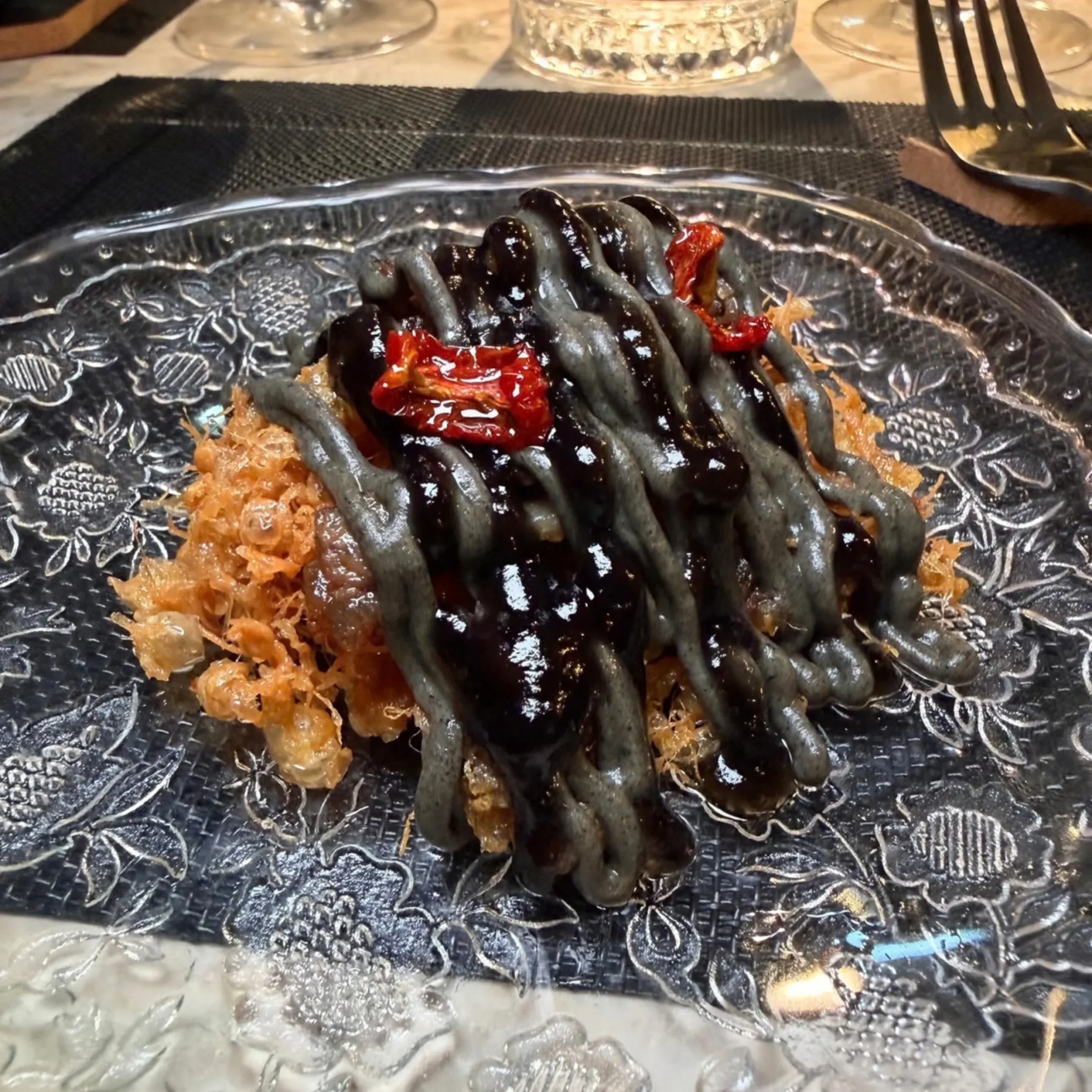
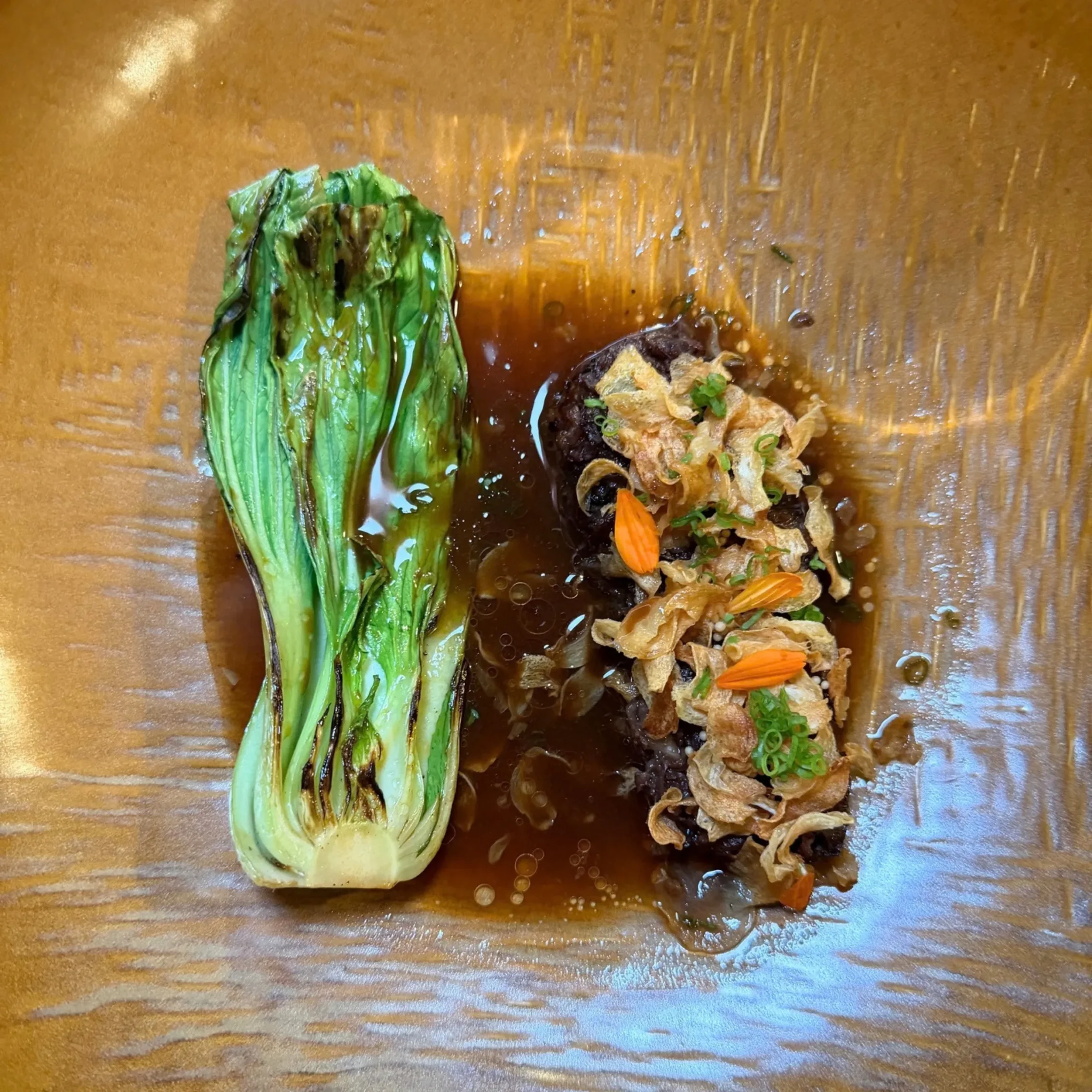
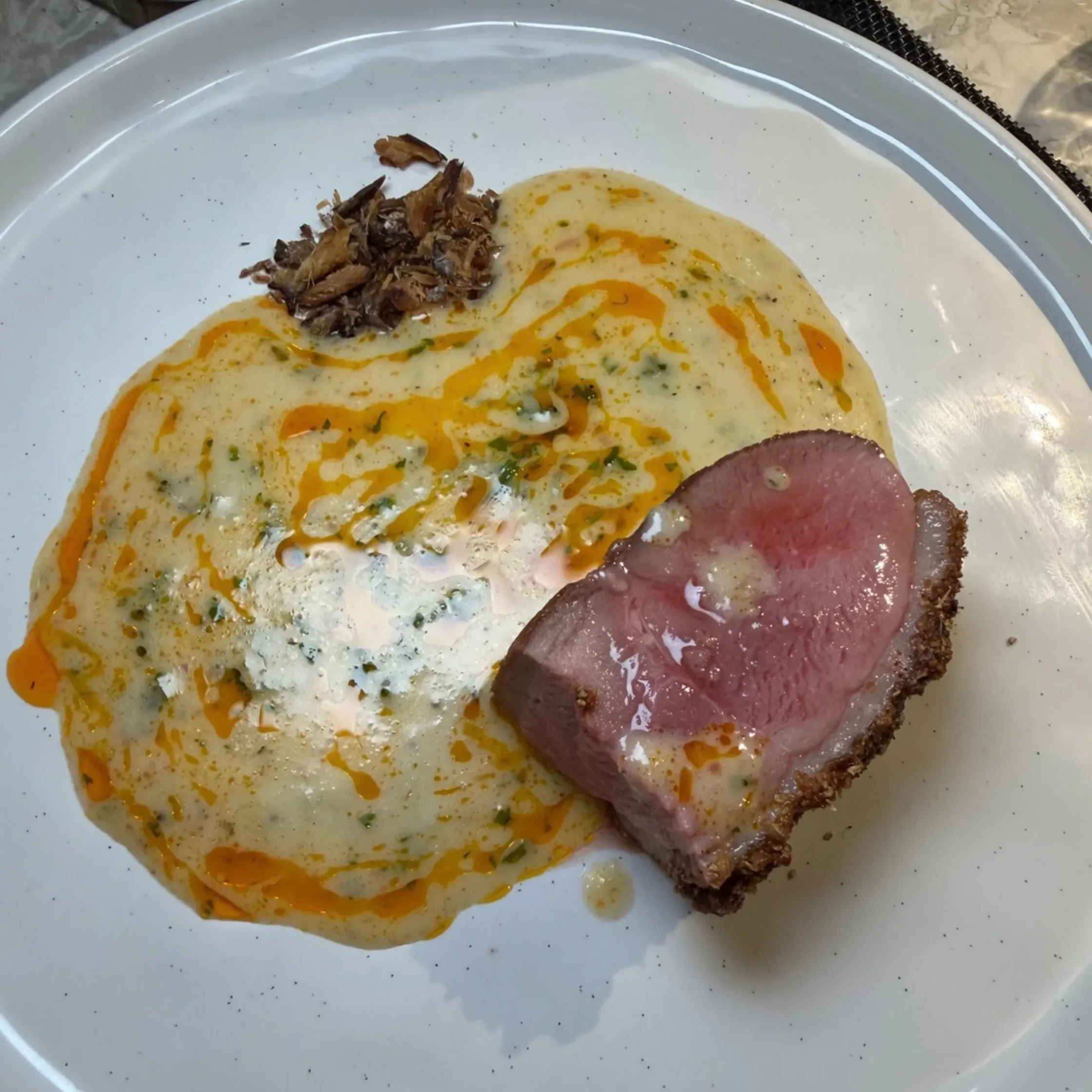
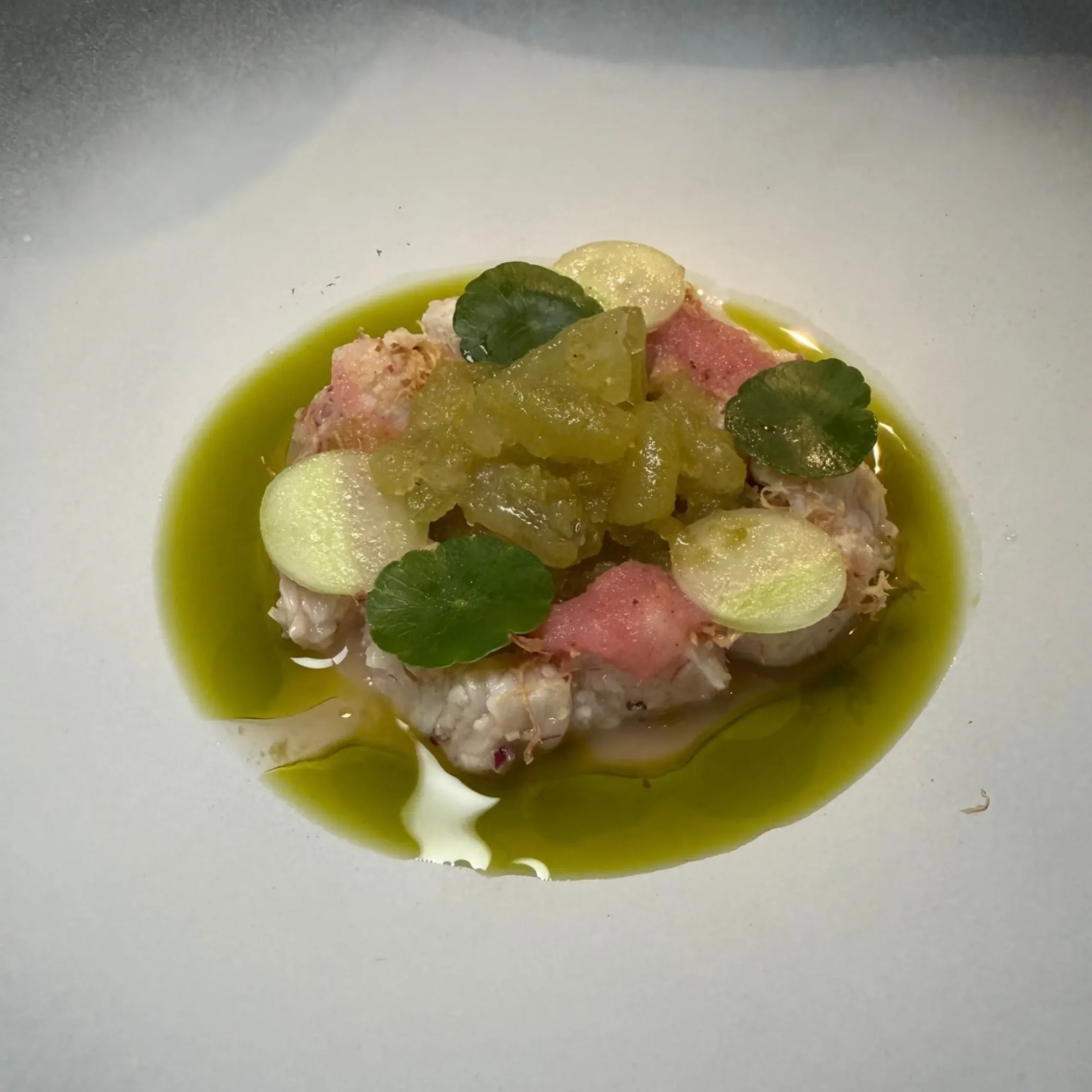
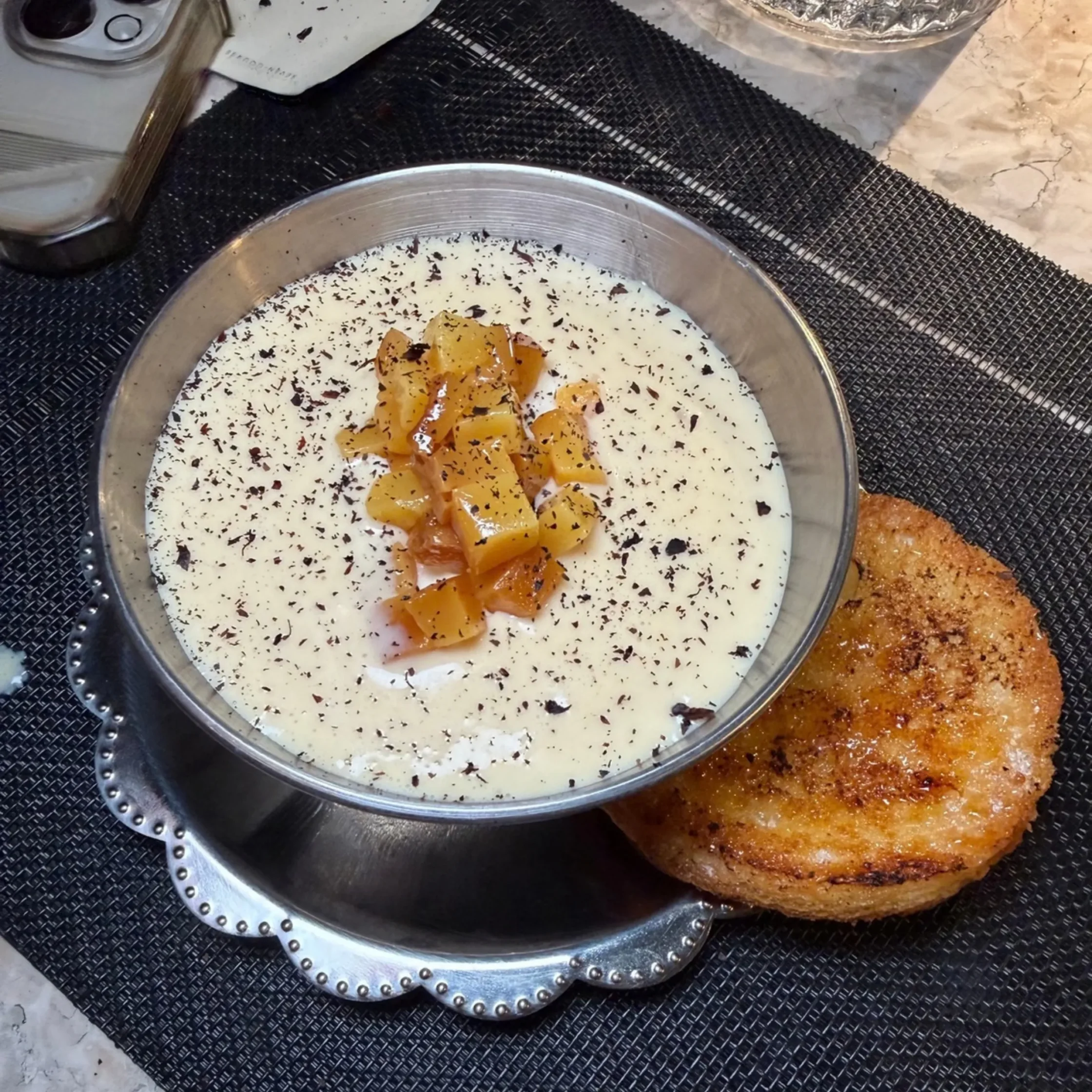
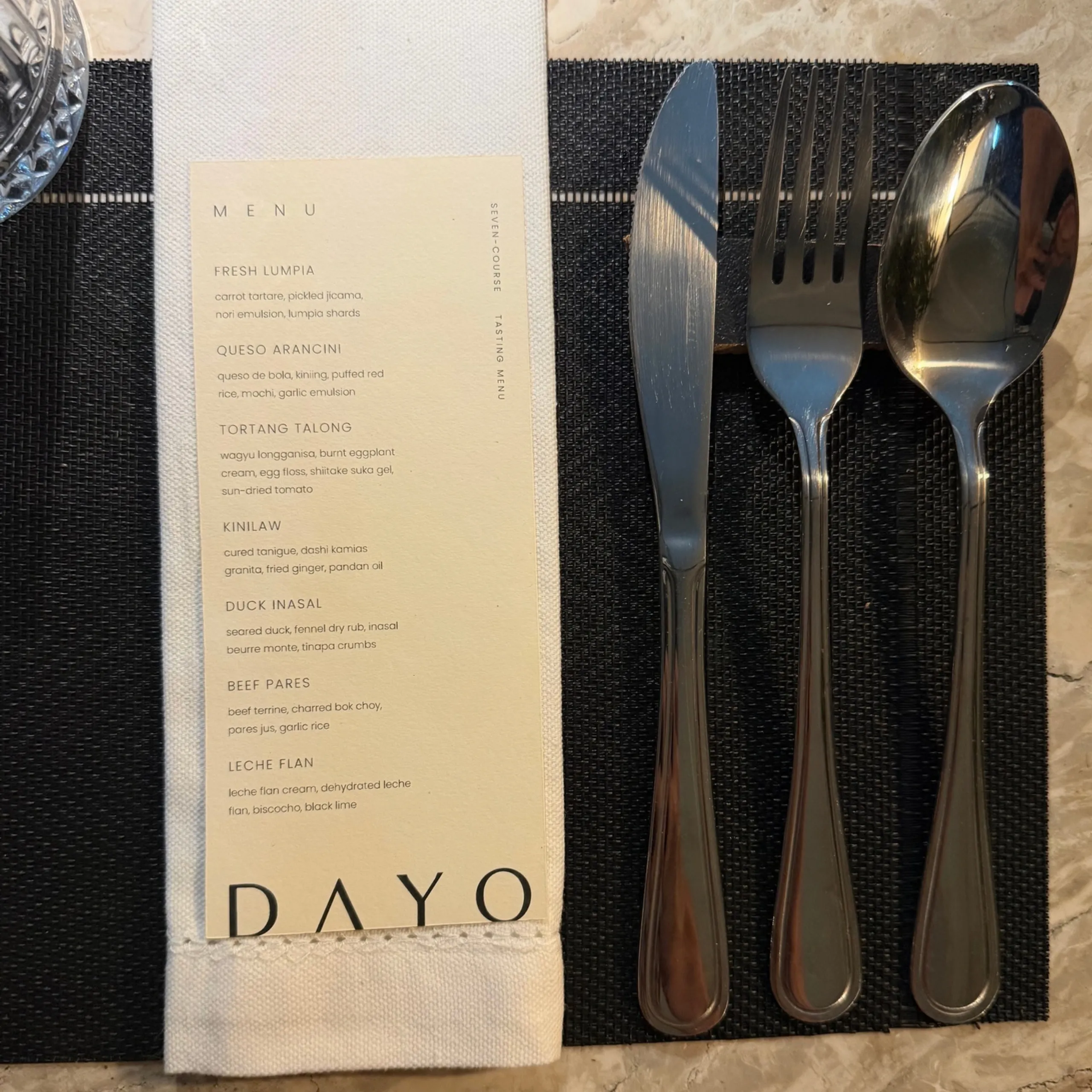
The 7-course menu included a deconstructed lumping gulay composed of pickled beansprouts, nori emulsion, and a Ding Dong furikake; an arancini that bit like a mochi and is punctuated with the smoky flavor of kiniing; a tortang talong made with Wagyu longganisaLongganisaA Filipino sausage with a wide range of regional styles, from the sweet, garlicky hamonado of Pampanga to the tangy, garlicky longganisa of Vigan and Lucban. Usually pan-fried until caramelized,Go to Longganisa Glossary, burnt eggplant cream and fried egg; and their take on pares—shredded beef, molded in a terrine, flavored with caramelized onions and a red wine glaze, then finished with pickled mustard seeds, garlic chips and traditional pares sauce produced for 12 hours.
So far, guests have responded well to the intimate, welcoming atmosphere—guests seated right next to the home pool, offering a rather distant view of the compact outdoor kitchen. In fact, many have returned and brought friends and family along. Some have even enjoyed the experience more than traditional fine-dining spots.
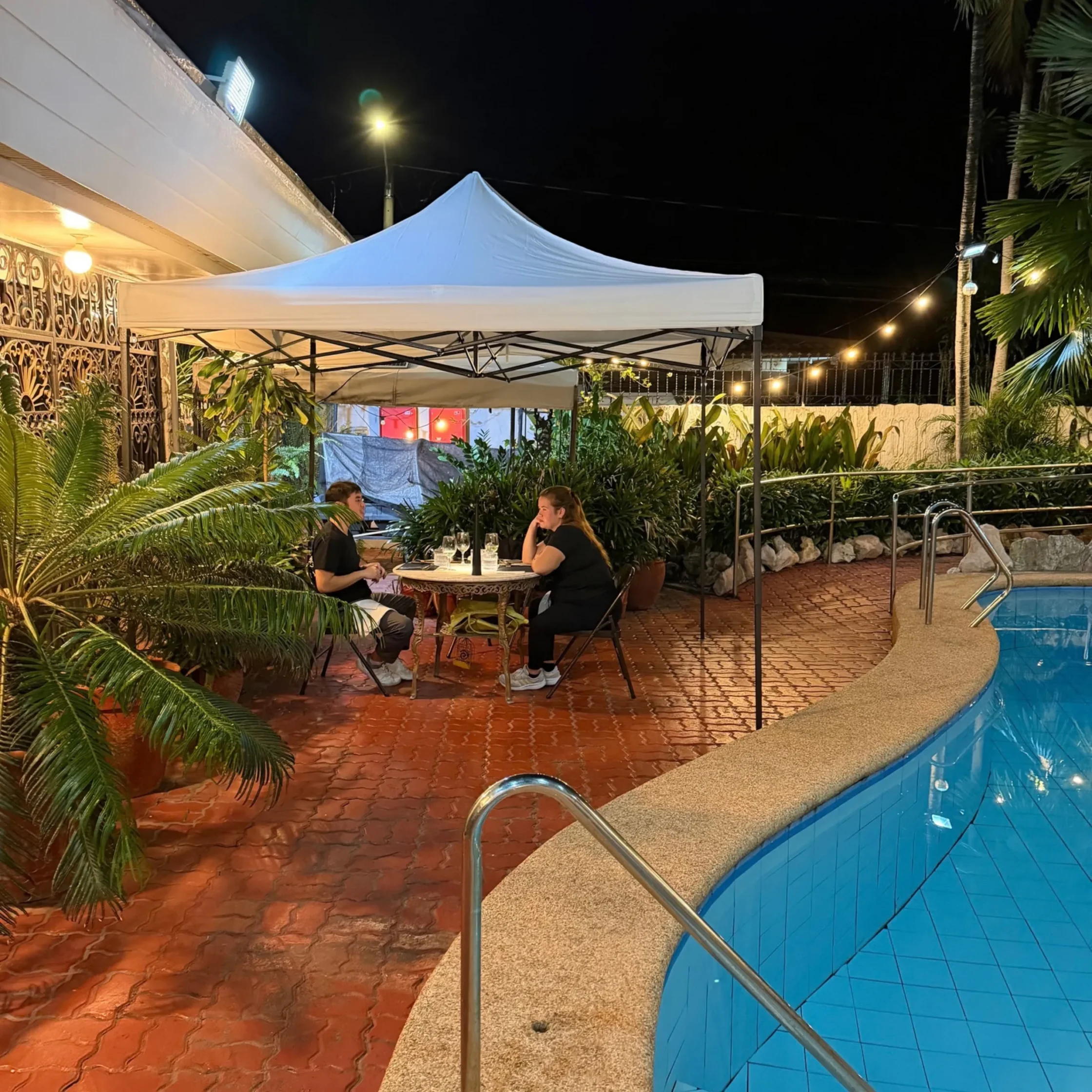
Looking ahead, a permanent restaurant may or may not happen down the line. Who knows? But there is no rush. For now, DAYO serves as a space to learn, experiment, and build a strong identity, allowing any progress to happen naturally. Like how they humbly started.
To reserve, message them via Instagram at @dayo.south.
Frequently Asked Questions
DAYO is an intimate culinary pop-up that serves as a place for their chefs Miguel Alfonso Gonzales and Abel Deri to play around with local ingredients and experiment with traditional Filipino cuisine.
Abel Deri and Miguel Alfonso Gonzales are childhood friends and the chefs that run DAYO.
Chef Miguel Alfonso Gonzales shared how DAYO was a very spontaneous venture, taking place at the chef’s own backyard. They wanted to share their cooking with the people beyond their personal circles. While they don’t have a long-term business plan like looking for a more permanent location, they are just allowing whatever progression to their food and identity to happen naturally.
Because DAYO focuses on thoughtful innovation, they experiment with local ingredients and flavors and explore what Filipino cuisine could be outside of the traditional dishes.
Some must-try dishes from DAYO include lumping gulay composed of pickled beansprouts, nori emulsion, and a Ding Dong furikake, tortang talong made with Wagyu longganisa, their take on beef pares that’s finished with pickled mustard seeds, garlic chips and traditional pares sauce produced for 12 hours.
![The Ongpin South Bridge arch [PHOTO COURTESY OF The Urban Roamer Official Website]](https://assets.delish.ph/wp-content/uploads/2026/10/The-Ongpin-South-Bridge-arch-PHOTO-COURTESY-OF-The-Urban-Roamer-Official-Website-960x960.webp)