Advertisement

5 Interesting Maginhawa Cafes for A Cup of Ginhawa

Good coffee, cozy spaces, leafy outdoor spots, and a few unexpected finds—here are five cafes in Teachers Village to visit when you’re ready to slow down and enjoy the day.

Our Little Cafe PHOTO COURTEY OF Our Little Cafe Official Instagram
Need a reason to visit Maginhawa? These 5 interesting cafes are more than enough! [PHOTO COURTESY OF Our Little Cafe Official Instagram]

Looking for a little ginhawa in the city? Then make your way to Maginhawa! 

Known for its food spots and cafe-filled streets, Maginhawa in Teacher’s Village is the kind of area where slowing down comes naturally—and ordering another cup somehow feels like part of the plan. After all, what’s a better way to find a little ginhawa than with good coffee and nowhere else you need to be?

Whether you’re after a quick caffeine fix, a cozy catch-up spot, or an excuse to cafe-hop, these 5 Maginhawa cafes are here to serve up a little ginhawa—one cup at a time.

1. Kape’t Lang Cafe

Need a little pick-me-up? Kapit lang—because Kape’t Lang Cafe has got you. This new, cozy Maginhawa spot is an easy place to pause, recharge, and, of course, get your coffee fix.
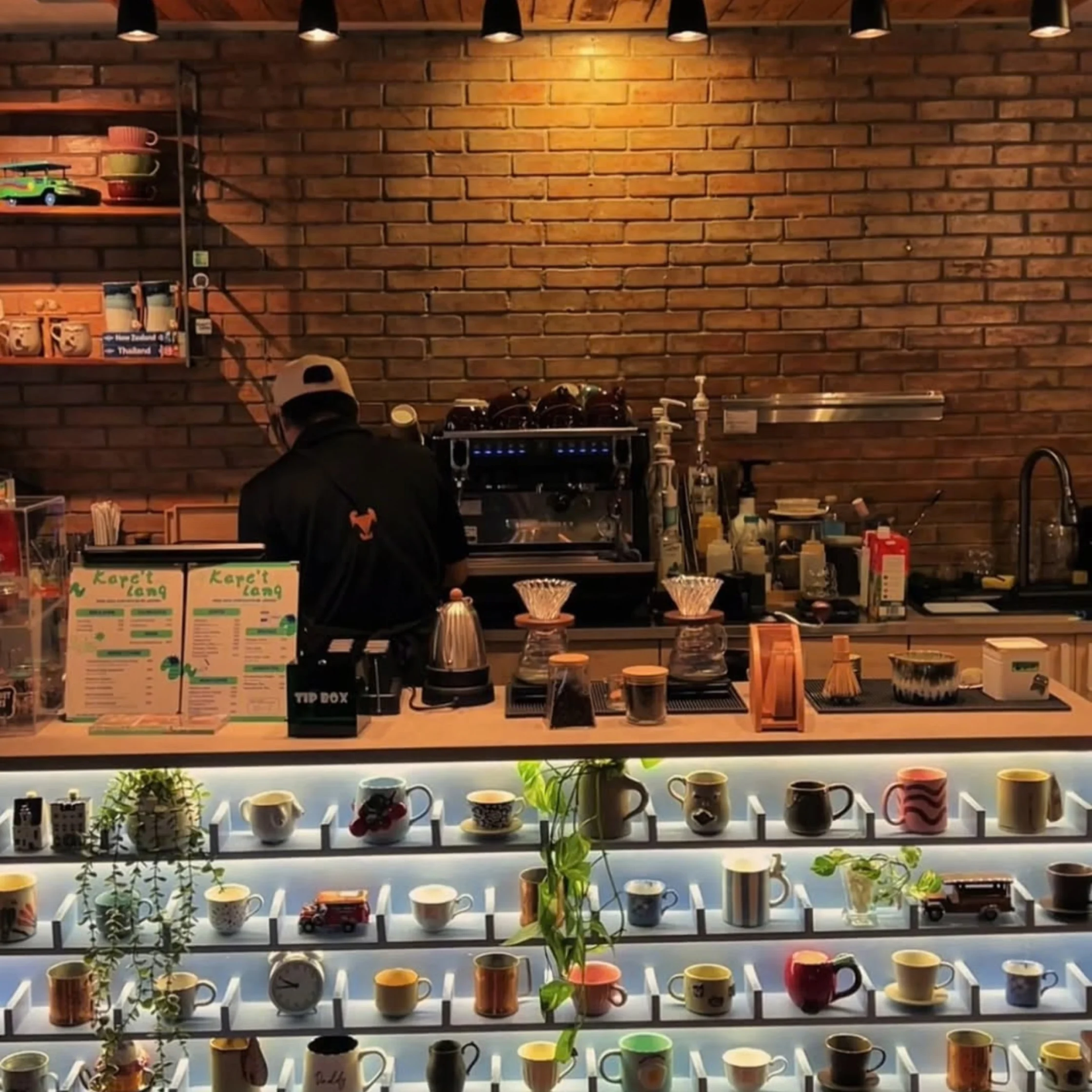
Kapet Lang PHOTO COURTESY OF coffeearchitect__ on Instagram
Kape’t Lang [PHOTO COURTESY OF @coffeearchitect__ on Instagram]

Inside, colorful interiors and warm lighting give the cafe a cheerful, homey feel, with plenty of cozy corners to settle into. It’s the kind of space where you can easily lose track of time over a good cup of coffee, whether you’re catching up with friends, enjoying a quiet moment on your own, or getting through a hectic work day.

With its playful name and inviting interiors, Kape’t Lang is a charming stop to add to your Maginhawa cafe crawl.

Kape’t Lang Cafe is located at 131 Maginhawa Street, Quezon City.

2. SGD Coffee

Craving a taste of Sagada without having to brave the nausea of winding roads? SGD Coffee brings the highland coffee experience to Teachers Village, serving 100% Arabica beans sourced from farmers in Sagada.

Expect smooth, full-bodied brews with sweet, chocolatey notes, and a whole lot of Philippine coffee heritage in every cup.
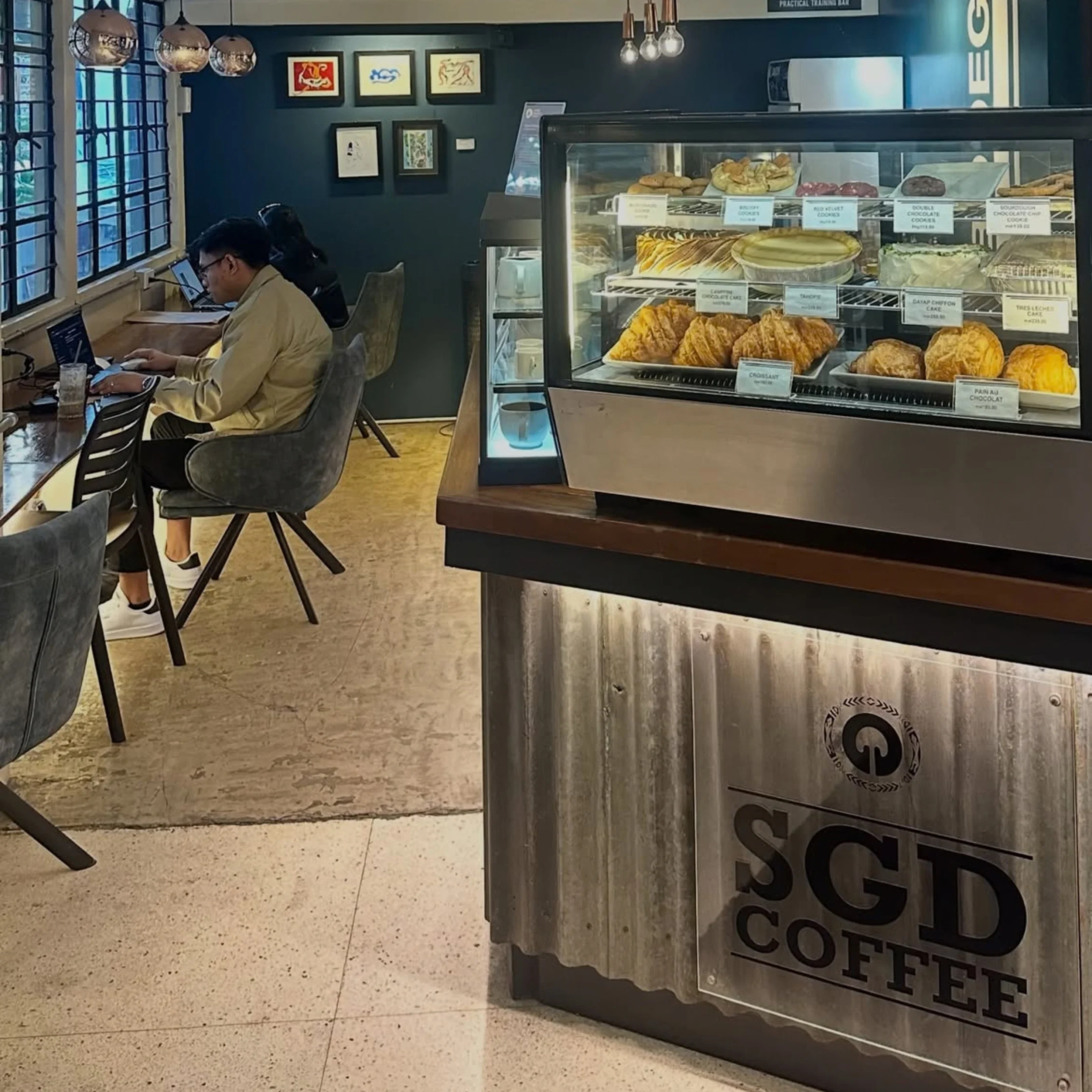
SGD Coffee PHOTO COURTESY OF iamcoffeehunting on Instagram
SGD Coffee [PHOTO COURTESY OF @iamcoffeehunting on Instagram]

Its cozy, repurposed-home interiors add to the charm, with high ceilings, plenty of natural light, and reused materials that give the space plenty of character. Grab a coffee, pair it with a freshly baked pastry, and settle in for a little mountain escape in the city.

SGD Coffee is located at 45 Maalalahanin, Diliman, Quezon City.

3. Sunshineboy Cafe

Rainy day? Sounds like a job for Sunshine Boy. This cozy cafe along Mahinhin is full of comfy couches, leafy plants, books, artwork, and quirky little anik-aniks that make it feel more like a colorful living room than your usual coffee stop.
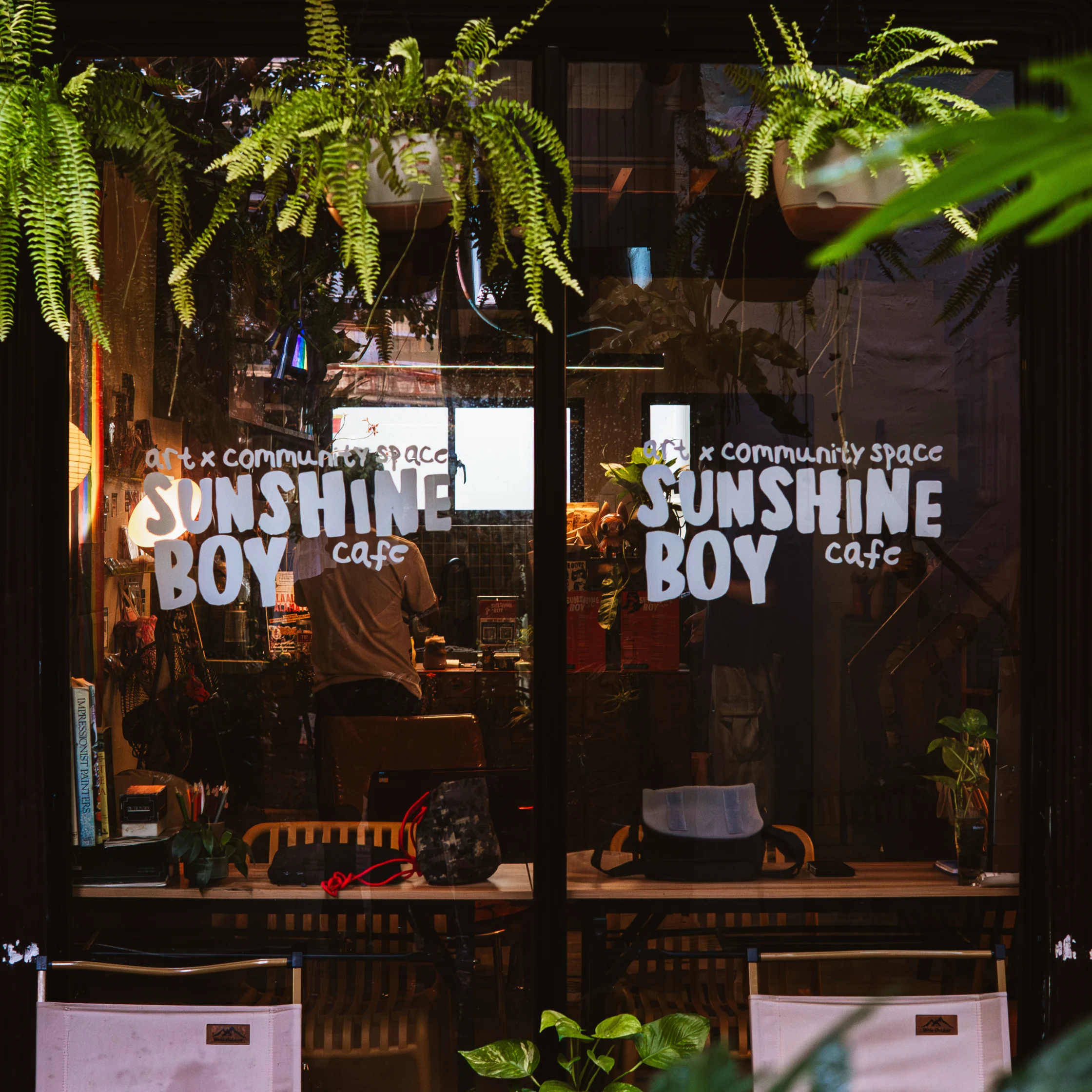
Sunshine Boy in teachers village qc
Sunshine Boy [PHOTO: JC Galisanao]

The menu is just as playful, with comforting bites like their warm, fluffy Classic Focaccia paired with a savory sawsawan, plus drinks like the layered Dirty Ube Latte and the fruity, popping-boba-filled Tropical Refresh.

Whether you’re escaping a downpour or simply looking for a cozy place to hang, Sunshine Boy has plenty of reasons to stay awhile—and maybe bring a little sunshine of your own.

Sunshine Boy is located at 57 Mahinhin St., Teacher Village West, Quezon City.

4. Our Little Cafe

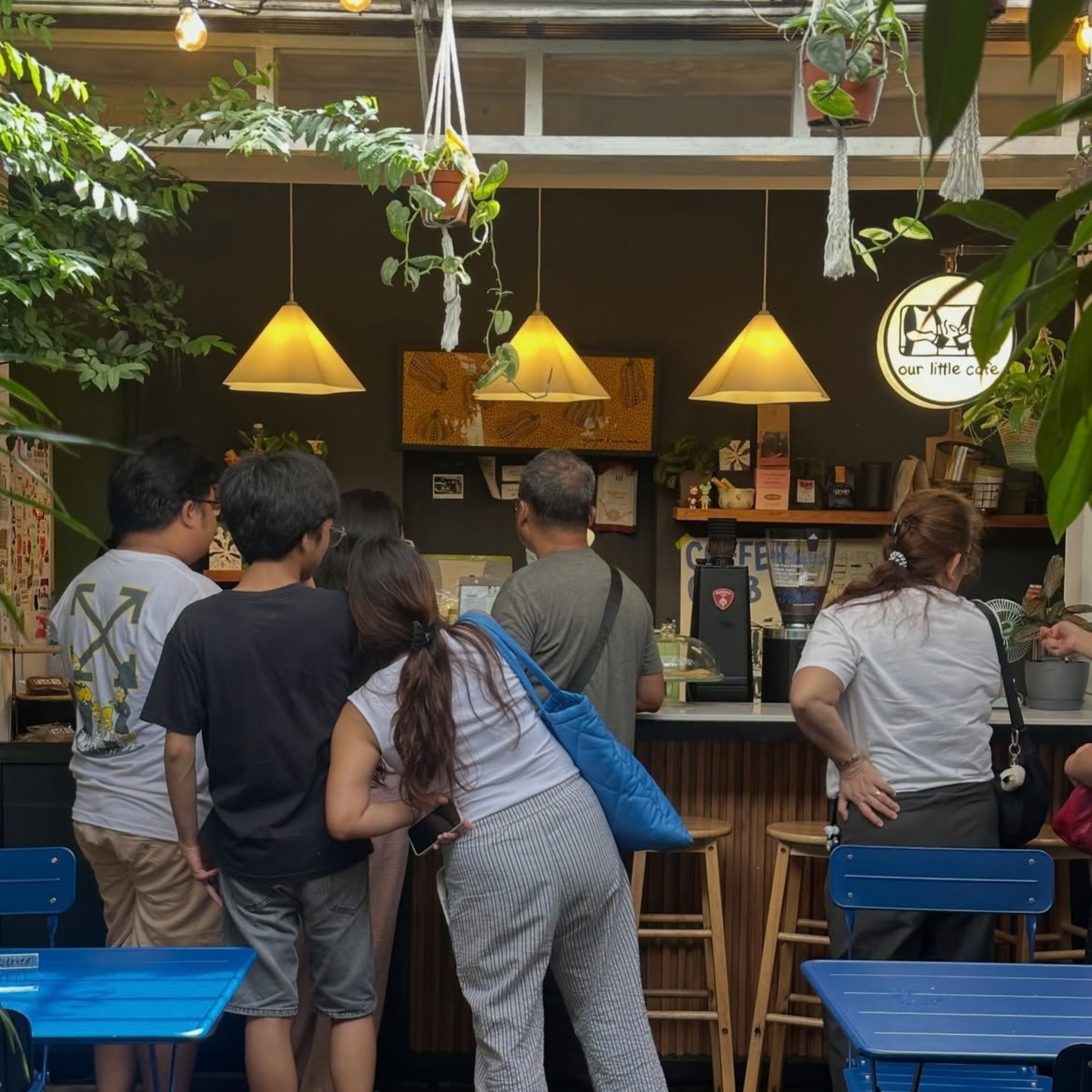
Need to touch some grass? Might as well grab coffee while you’re at it with Our Little Cafe, a leafy little escape with an outdoor area that feels like the perfect backdrop for a slow afternoon.

Their menu has all the cafe essentials, from a signature Spanish Latte to matcha and chai lattes, plus comforting plates like grilled cheese and pasta. But the real draw might really be the setting: grab a seat outside, surrounded by greenery, and let the city fade into the background for a bit.
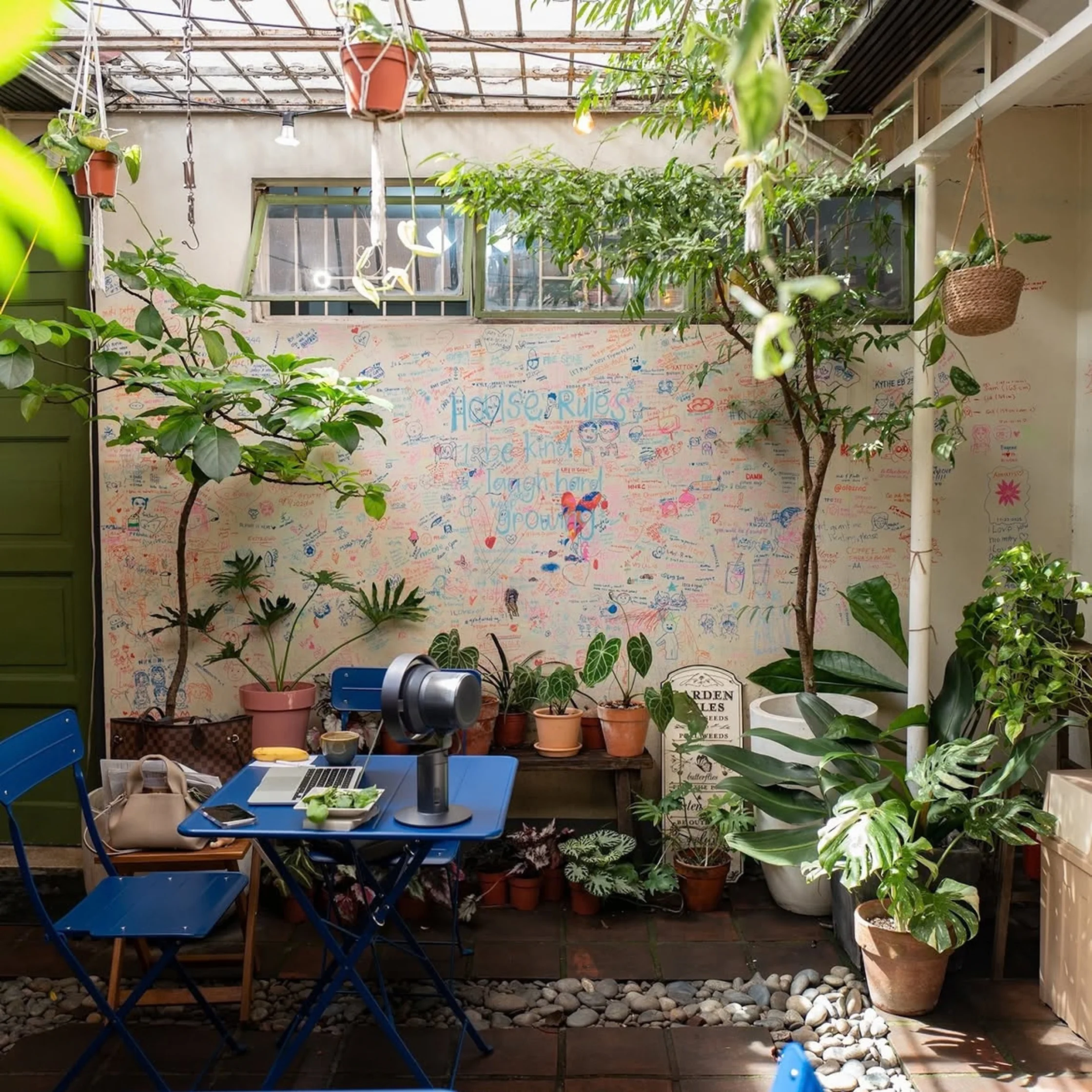
Our Little Cafe PHOTO COURTEY OF Our Little Cafe Official Instagram
Our Little Cafe [PHOTO COURTESY OF Our Little Cafe Official Instagram]

There’s also a plant studio to explore, making this one cafe where you can leave with both a caffeine fix and a new addition to your growing garden.

Our Little Cafe is located at 44 Malingap, Diliman, Quezon City.

5. Gedli Coffee

Five years, a few shared spaces, and plenty of coffee later, Gedli Coffee finally has a place to call its own.

Gedli began during the pandemic as a shared space for creatives who had lost their jobs, creating a place where people could work together, exchange skills, and support one another. That community eventually grew into other spaces, including Terra Kafe and Corner26, before Gedli settled into its own cozy home along Mahiyain Street.
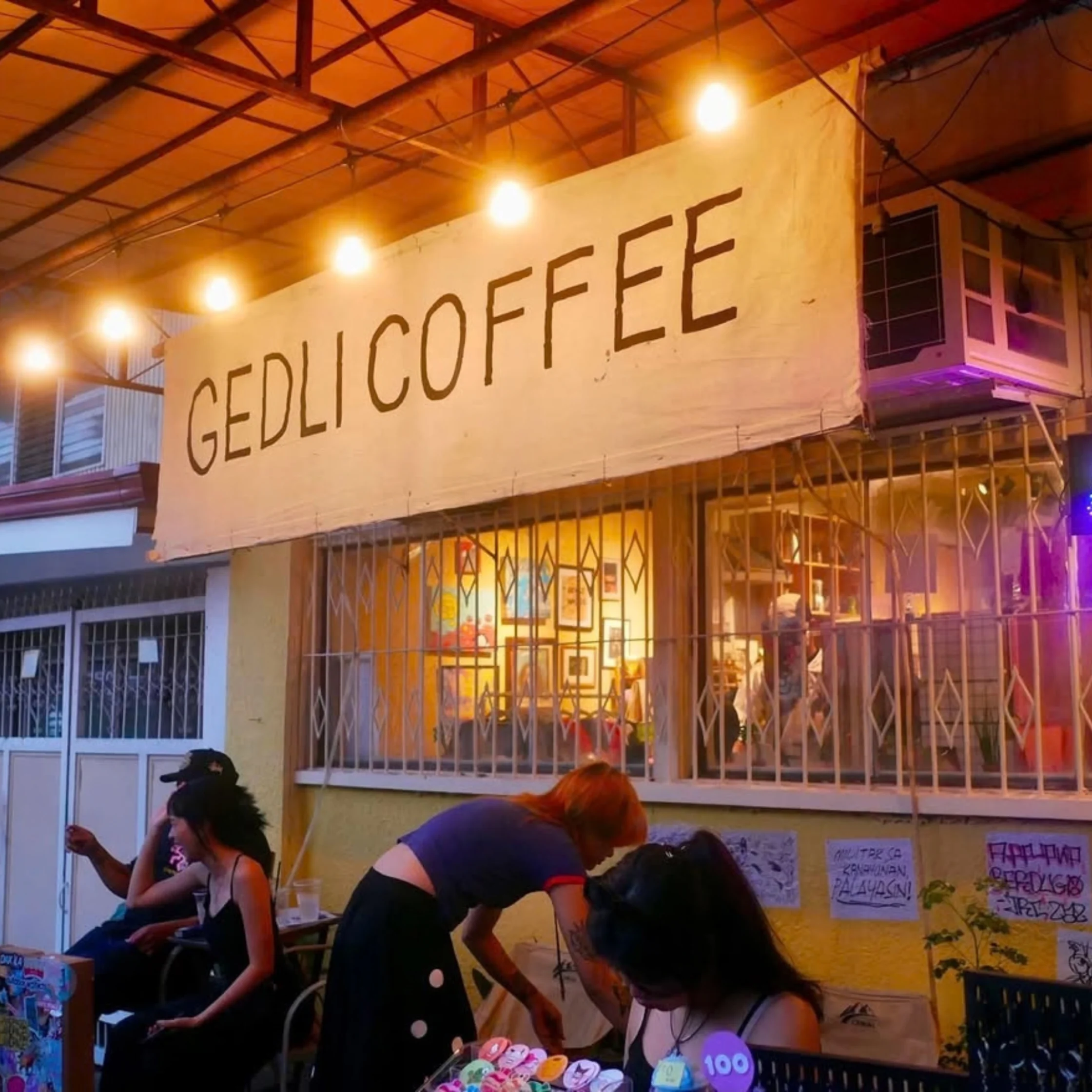
Gedli Coffee PHOTO COURTESY OF Gedli Coffee Official Instagram
Gedli Coffee [PHOTO COURTESY OF Gedli Coffee Official Instagram]

Today, you can drop by for Vietnamese Iced Coffee, Spanish Latte, Mocha Oat Latte, or Tagalog Coffee—or simply hang out and soak up the neighborhood vibe.

Gedli Coffee is located at 59 Mahiyain, Diliman, Quezon City.

So, where to next? Somewhere in Maginhawa, most likely.

With cozy cafes, leafy hideaways, creative drinks, and plenty of good coffee to go around, there’s always another spot waiting to be discovered. And honestly, that’s part of the fun because there’s no need to rush when the whole point is to slow down and enjoy the moment.

Call it a coffee run, a cafe crawl, or simply your excuse to find a little ginhawa—we won’t judge.

author avatar
Paolo Elwick
Paolo is a food writer and storyteller exploring the intersections of food, culture, and identity through thoughtful, people-centered storytelling. He believes that, second only to language, food is one of humanity's most powerful expressions of culture—a medium for preserving history, expressing identity, and coming to understand ourselves and connect with others. Drawn to the histories, traditions, and personal experiences behind every dish, his writing combines curiosity with emotional honesty, highlighting diverse voices and celebrating the communities that shape our food landscape. Influenced by writers and artists who embrace vulnerability and introspection, Paolo uses a reflective, metaphor-rich approach to uncover the deeper meanings found in everyday meals and shared tables. He is passionate about creating stories that foster empathy, preserve cultural narratives, and invite readers to see food as more than sustenance—as memory, identity, and belonging. Through his work, Paolo hopes to amplify underrepresented perspectives and spark meaningful conversations that extend far beyond the plate.

Frequently Asked Questions

Some cafes to check out in Maginhawa and Teachers Village include Kape’t Lang Cafe, SGD Coffee Bodega, Sunshineboy Cafe, Our Little Cafe, and Gedli Coffee. Each has its own vibe, from cozy and colorful spaces to leafy outdoor spots and Philippine-sourced coffee.

author avatar
Paolo Elwick
Paolo is a food writer and storyteller exploring the intersections of food, culture, and identity through thoughtful, people-centered storytelling. He believes that, second only to language, food is one of humanity's most powerful expressions of culture—a medium for preserving history, expressing identity, and coming to understand ourselves and connect with others. Drawn to the histories, traditions, and personal experiences behind every dish, his writing combines curiosity with emotional honesty, highlighting diverse voices and celebrating the communities that shape our food landscape. Influenced by writers and artists who embrace vulnerability and introspection, Paolo uses a reflective, metaphor-rich approach to uncover the deeper meanings found in everyday meals and shared tables. He is passionate about creating stories that foster empathy, preserve cultural narratives, and invite readers to see food as more than sustenance—as memory, identity, and belonging. Through his work, Paolo hopes to amplify underrepresented perspectives and spark meaningful conversations that extend far beyond the plate.

Maginhawa Street is in Teachers Village, Quezon City, and is known for its wide selection of restaurants, cafes, and other food spots.

author avatar
Paolo Elwick
Paolo is a food writer and storyteller exploring the intersections of food, culture, and identity through thoughtful, people-centered storytelling. He believes that, second only to language, food is one of humanity's most powerful expressions of culture—a medium for preserving history, expressing identity, and coming to understand ourselves and connect with others. Drawn to the histories, traditions, and personal experiences behind every dish, his writing combines curiosity with emotional honesty, highlighting diverse voices and celebrating the communities that shape our food landscape. Influenced by writers and artists who embrace vulnerability and introspection, Paolo uses a reflective, metaphor-rich approach to uncover the deeper meanings found in everyday meals and shared tables. He is passionate about creating stories that foster empathy, preserve cultural narratives, and invite readers to see food as more than sustenance—as memory, identity, and belonging. Through his work, Paolo hopes to amplify underrepresented perspectives and spark meaningful conversations that extend far beyond the plate.

Maginhawa cafes offer a mix of coffee, creative drinks, comfort food, and cozy spaces. Many are also designed for hanging out, working, catching up with friends, or simply taking a break.

author avatar
Paolo Elwick
Paolo is a food writer and storyteller exploring the intersections of food, culture, and identity through thoughtful, people-centered storytelling. He believes that, second only to language, food is one of humanity's most powerful expressions of culture—a medium for preserving history, expressing identity, and coming to understand ourselves and connect with others. Drawn to the histories, traditions, and personal experiences behind every dish, his writing combines curiosity with emotional honesty, highlighting diverse voices and celebrating the communities that shape our food landscape. Influenced by writers and artists who embrace vulnerability and introspection, Paolo uses a reflective, metaphor-rich approach to uncover the deeper meanings found in everyday meals and shared tables. He is passionate about creating stories that foster empathy, preserve cultural narratives, and invite readers to see food as more than sustenance—as memory, identity, and belonging. Through his work, Paolo hopes to amplify underrepresented perspectives and spark meaningful conversations that extend far beyond the plate.

Yes. With numerous cafes and food spots around Teachers Village, Maginhawa is a convenient area for spending an afternoon trying different coffee shops.

author avatar
Paolo Elwick
Paolo is a food writer and storyteller exploring the intersections of food, culture, and identity through thoughtful, people-centered storytelling. He believes that, second only to language, food is one of humanity's most powerful expressions of culture—a medium for preserving history, expressing identity, and coming to understand ourselves and connect with others. Drawn to the histories, traditions, and personal experiences behind every dish, his writing combines curiosity with emotional honesty, highlighting diverse voices and celebrating the communities that shape our food landscape. Influenced by writers and artists who embrace vulnerability and introspection, Paolo uses a reflective, metaphor-rich approach to uncover the deeper meanings found in everyday meals and shared tables. He is passionate about creating stories that foster empathy, preserve cultural narratives, and invite readers to see food as more than sustenance—as memory, identity, and belonging. Through his work, Paolo hopes to amplify underrepresented perspectives and spark meaningful conversations that extend far beyond the plate.

Yes. Maginhawa Street and the surrounding Teachers Village streets, including Mahinhin, Malingap, Maalalahanin, and Mahiyain, hold a dense cluster of independent cafes close to one another. The area’s food-focused reputation and relaxed pace make it well suited to visiting several coffee shops in one afternoon.

author avatar
Paolo Elwick
Paolo is a food writer and storyteller exploring the intersections of food, culture, and identity through thoughtful, people-centered storytelling. He believes that, second only to language, food is one of humanity's most powerful expressions of culture—a medium for preserving history, expressing identity, and coming to understand ourselves and connect with others. Drawn to the histories, traditions, and personal experiences behind every dish, his writing combines curiosity with emotional honesty, highlighting diverse voices and celebrating the communities that shape our food landscape. Influenced by writers and artists who embrace vulnerability and introspection, Paolo uses a reflective, metaphor-rich approach to uncover the deeper meanings found in everyday meals and shared tables. He is passionate about creating stories that foster empathy, preserve cultural narratives, and invite readers to see food as more than sustenance—as memory, identity, and belonging. Through his work, Paolo hopes to amplify underrepresented perspectives and spark meaningful conversations that extend far beyond the plate.
paolo elwick delish ph food writer

Paolo Elwick

Writer

Paolo is a food writer and storyteller exploring the intersections of food, culture, and identity through thoughtful, people-centered storytelling. He believes that, second only to language, food is one of humanity's most powerful expressions of culture—a medium for preserving history, expressing identity, and coming to understand ourselves and connect with others. Drawn to the histories, traditions, and personal experiences behind every dish, his writing combines curiosity with emotional honesty, highlighting diverse voices and celebrating the communities that shape our food landscape. Influenced by writers and artists who embrace vulnerability and introspection, Paolo uses a reflective, metaphor-rich approach to uncover the deeper meanings found in everyday meals and shared tables. He is passionate about creating stories that foster empathy, preserve cultural narratives, and invite readers to see food as more than sustenance—as memory, identity, and belonging. Through his work, Paolo hopes to amplify underrepresented perspectives and spark meaningful conversations that extend far beyond the plate.

0 0 votes
Total of Ratings
guest
Rating
Ratings for Article
0 Comments
Oldest
Newest Most Voted

To provide a customized ad experience, we need to know if you are of legal age in your region.

By making a selection, you agree to our Terms & Conditions.