

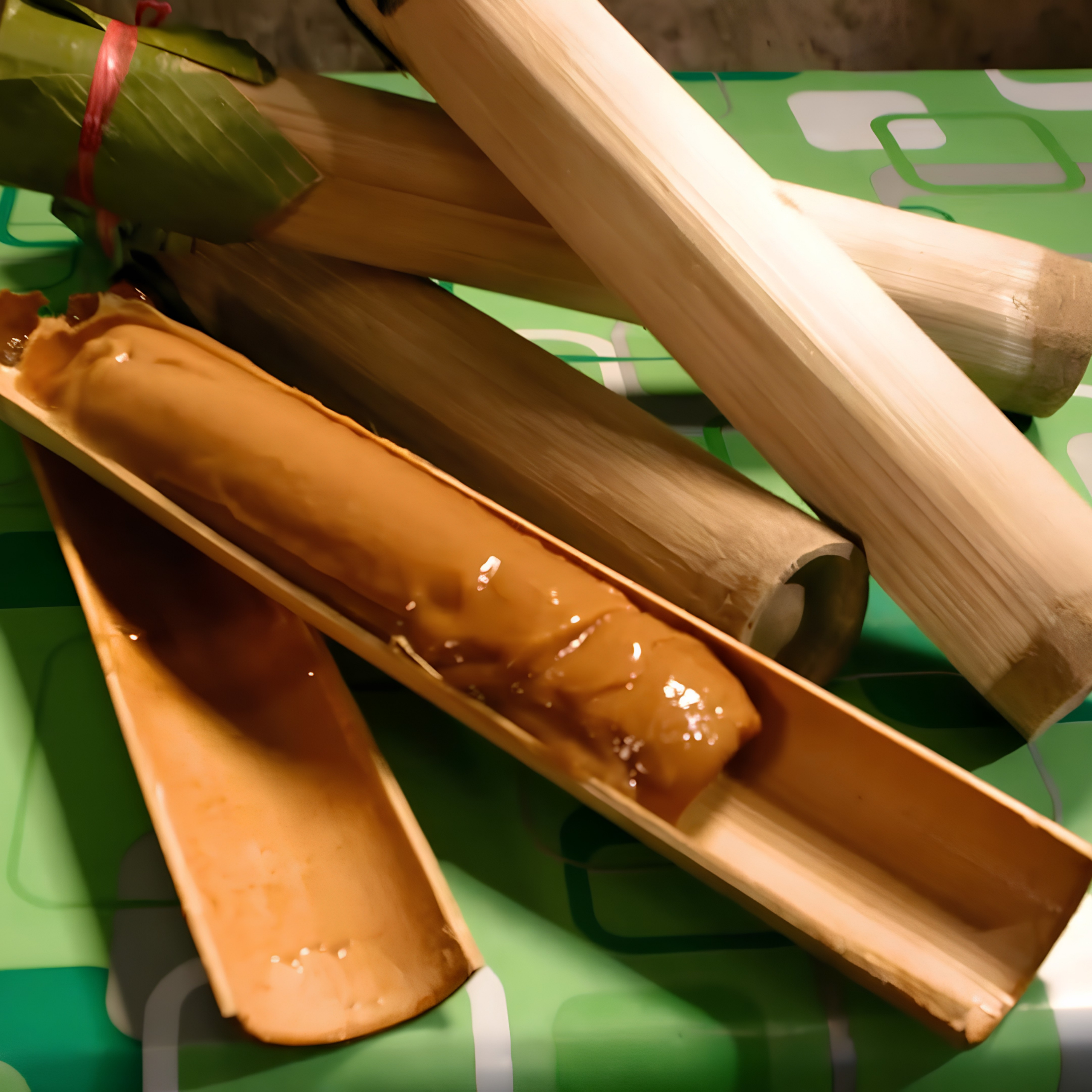
For generations in Laguna, come holiday season, local fiestas, and New Year’s Eve, a smoky aroma wafting through the air can be seen and smelled throughout the city of Nagcarlan. It’s a signal that people would get to once again indulge on the generations-old Tikoy sa Tukil.
Smoky, Sticky, and Unapologetically Slow
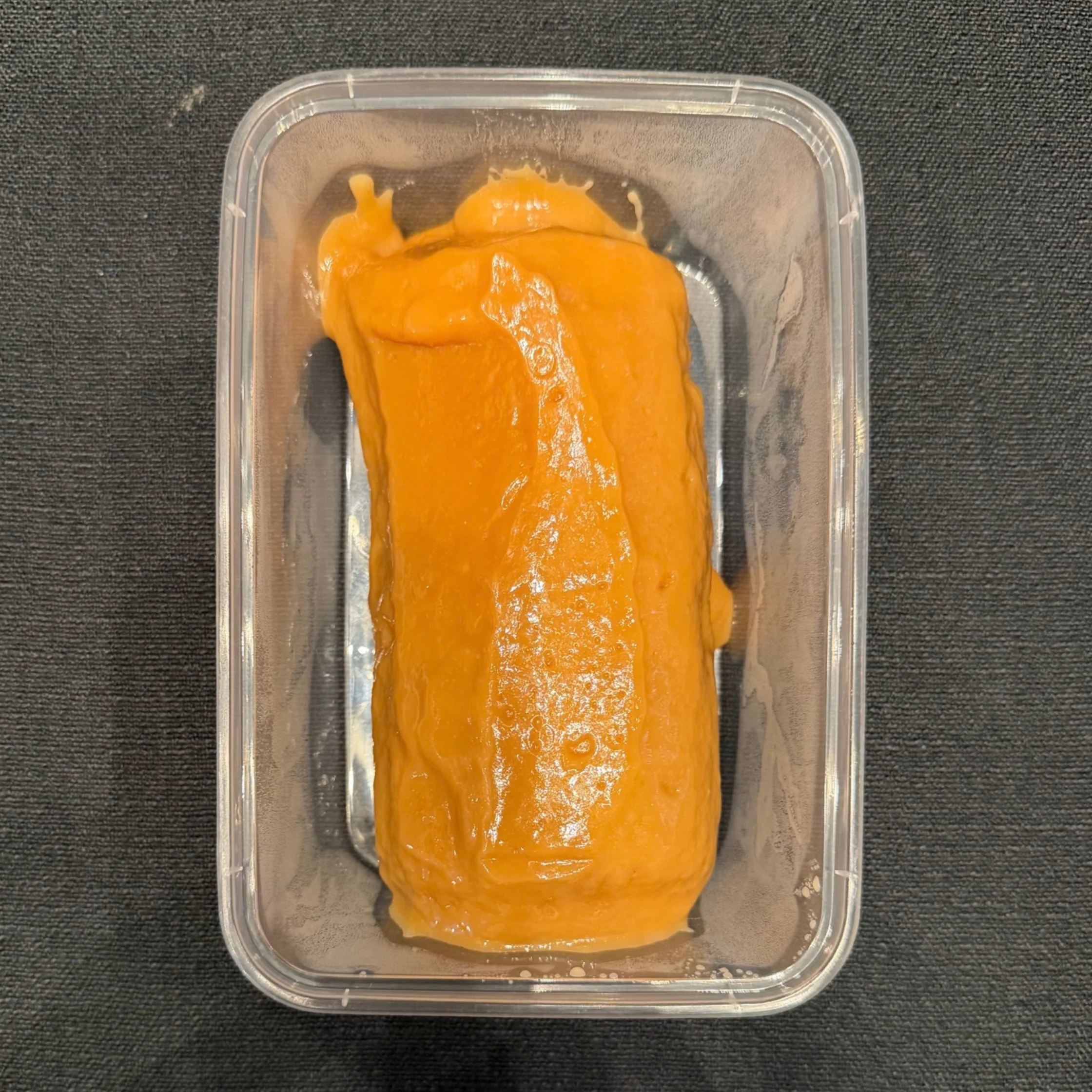
In this quiet municipality, making Tikoy Sa Tukil—ground glutinous rice (galapong), milk, and cheese slow-cooked inside bamboo cylinders (tukil) over open flames for at least eight grueling hours—was once a shared communal habit.
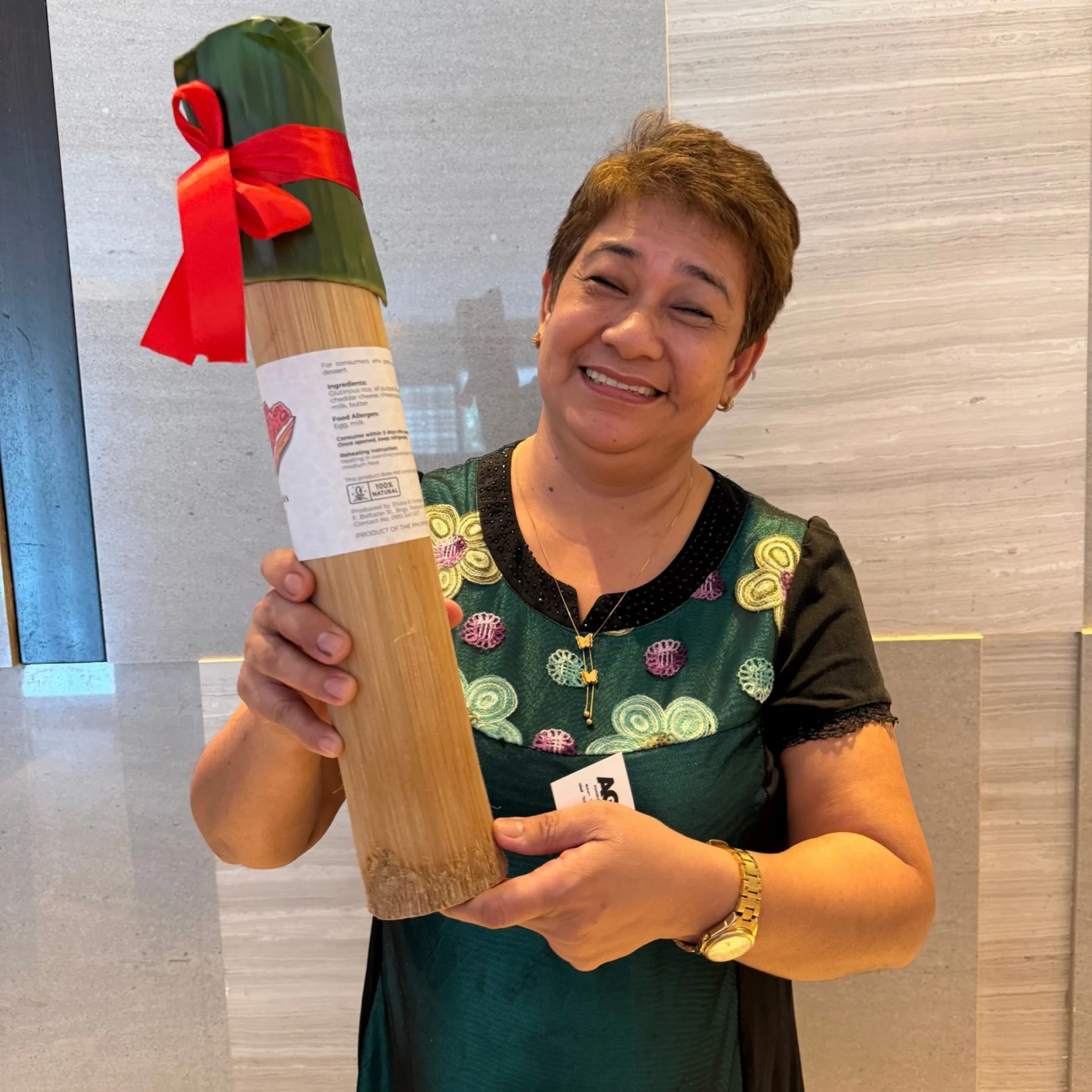
“Bata pa kami, nagtitikoy na talaga sa aming bayan. Lahat ng mamamayan doon gumagawa. Kinalakihan na namin na every season—Pasko, fiestaFiestaA community celebration held in honor of a town or barangay's patron saint, marked by processions, music, and long tables of food. Every household opens its doors to guests, soGo to Fiesta Glossary, Bagong Taon—nagluluto kami. Doon na umiikot ang buhay namin,” recalls Elvie B. Formeloza, owner of Elvie’s Special Tikoy Sa Tukil.
Elvie’s grandmother used to cook tikoy in cut oil drums solely as a gift for friends and relatives who would visit during a celebration. Eventually, Elvie’s father turned it into a small business, enabling the humble rice cake to fund her children’s education and medical bills, proving that something as simple could sustain a home. Elvie officially took over the operations in 2000, driven by her passion for the craft. “Masarap siya. Iba ang linamnam niya na hindi mo matatagpuan sa iba. Hindi ko siya maiiwan.”
To Maintain A Culinary Legacy
But times have changed and Nagcarlan’s once-vibrant tukil practices began to dissipate. The production of this tikoy is quite demanding: it not only requires long hours of continuous heat but also constant vigilance and precise temperature control to guarantee the melt-in-your-mouth texture and smoky flavor.
Whereas before, a whole town would cook it almost altogether, today only a handful still make it. Elvie is the only one who cooks it everyday. And the decline weighs heavily on her.
“Sad to say, sa buong Nagcarlan, marunong lahat—pero ngayon, ako na lang ang daily na gumagawa,” she says.
For Elvie, Tikoy Sa Tukil is no longer just an heirloom recipe or a source of livelihood; it has become an irreplaceable piece of Southern Tagalog heritage that deserves formal recognition and protection from the local government.
“Sabi ko sa mga anak ko, ‘Wag ninyong iwala ang nakatulong sa inyo. Inyong payabungin. Sayang ang legacy ng kakaning ito.’ Panalangin ko na makilala pa ito nang husto,” she reflects.
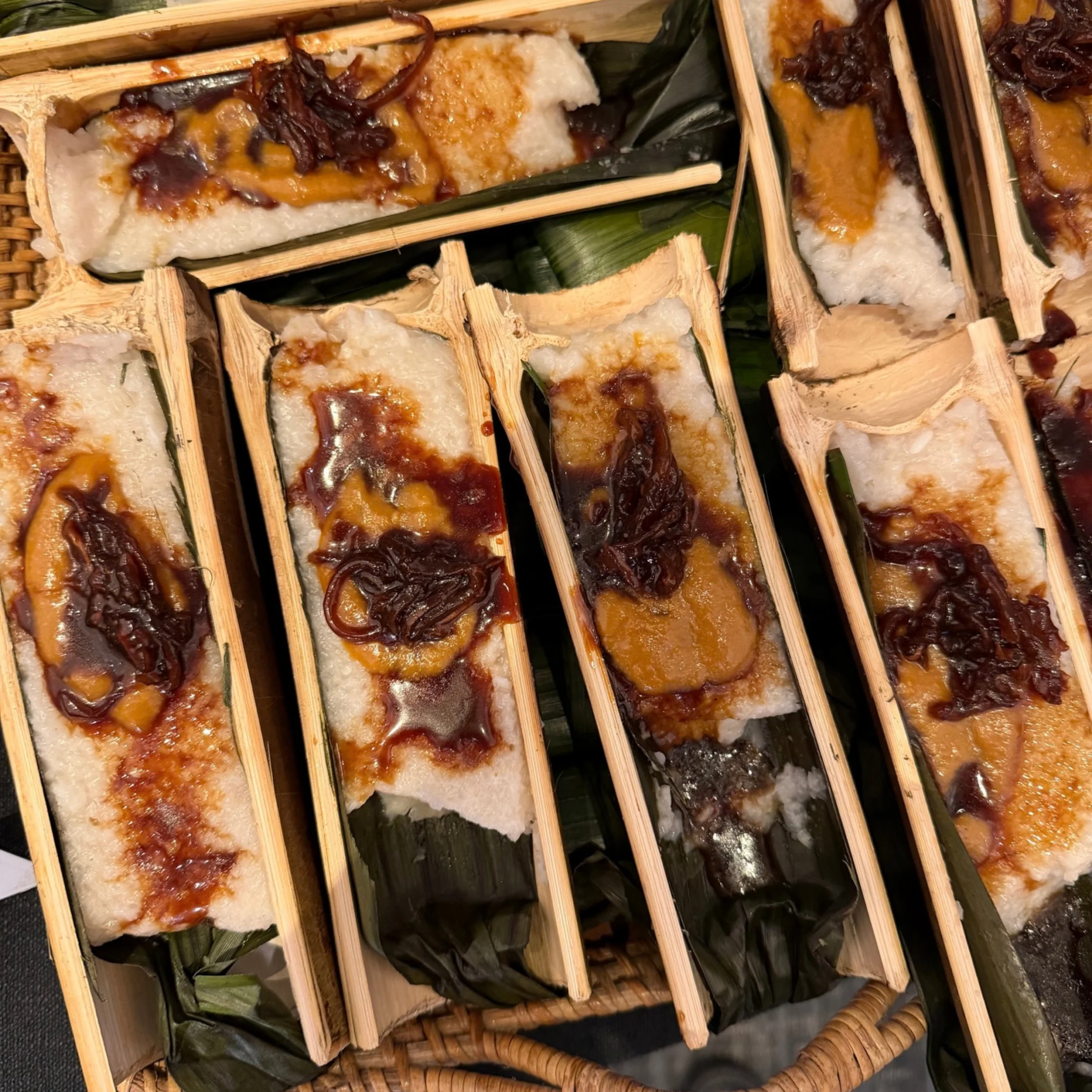
The Philippines keeps many kinds of kakanin. The Tikoy sa Tukil is one that tells the centuries-old story of Nagcarlan through woodsmoke and smooth, sticky rice.
Frequently Asked Questions
Originating from Nagcarlan, Laguna, Tikoy Sa Tukil is rice cake cooked in bamboo. It is made of a ground glutinous rice (galapong), milk and cheese.
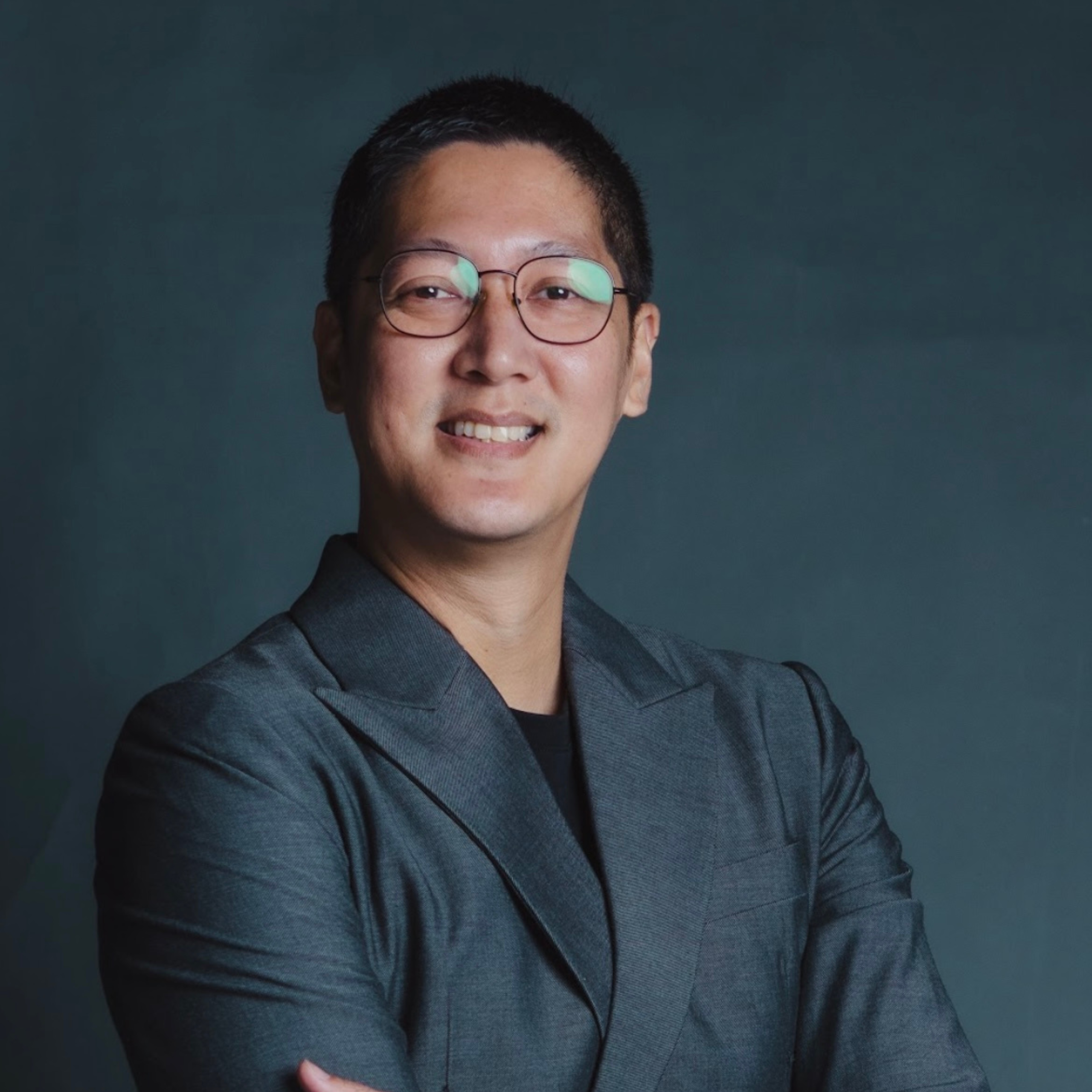
Elvie B. Formeloza is the current owner of Elvie’s Special Tikoy Sa Tukil.
The galapong and cheese are slow-cooked inside the tukil or bamboo cylinders over open flames for at least eight total hours.
Elvie’s Special Tikoy Sa Tukil is located at F. Baltazar St., Poblacion II, Nagcarlan Laguna. It is infront of Parque Verde, near Alfamart.
What was once a very shared, communical practice has now began to dwindle. In the past, an entire town would come together to cook it, whilst now only a handful still do. This is perhaps related to how demanding the production of it is.
Regardless, people like Elvie Formeloza now bear the heavy responsibility to continue the rice cake’s legacy.