Advertisement

These 4 Interesting Filipino Dishes Are Deliciously Dark

From jet-black chicken to inky squid and blood-rich stew, these Filipino heritage dishes bring bold flavors, rich traditions, and a little delicious darkness to the table.

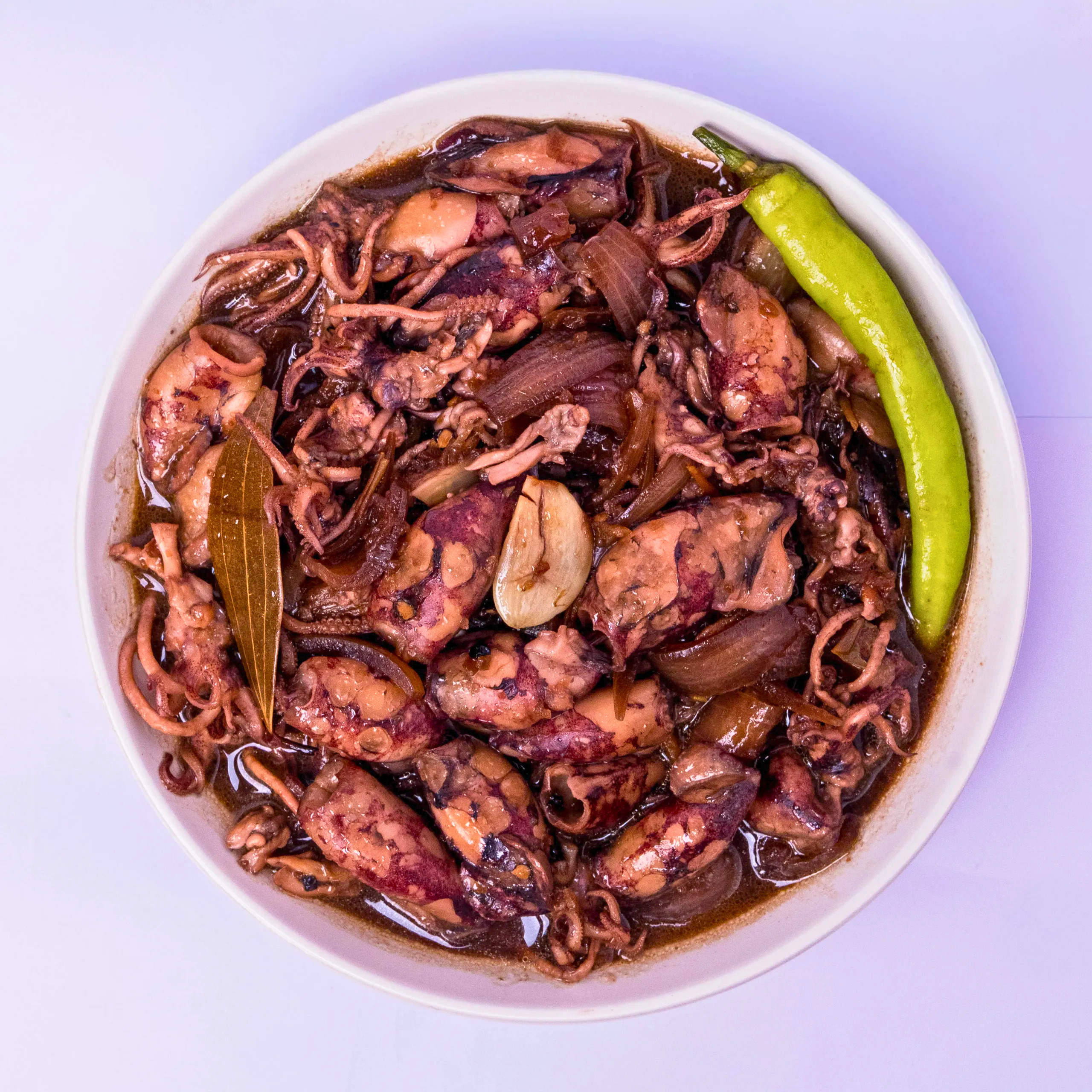
adobong pusit PHOTO_ Zoe Tapalgo
Don’t scream—but these dishes are scary good! [PHOTO: Zoe Tapalgo]

Filipino cuisine has plenty of dishes that make a statement before you even take a bite.

Some come cloaked in dark sauces, others get their dramatic colors from charred coconut or squid ink, and one even gets its signature richness from blood. They might look a little mysterious, but their Filipino flavors are closer to a treat than they are to trick.

These dishes also have stories that go beyond their striking appearance, reflecting the ingredients, cooking techniques, and culinary traditions of the communities that keep them alive. And while their dark looks make them especially fitting for a Halloween spread, they’re worth enjoying long after the cobwebs come down.

Meet four heritage Filipino dishes that prove that once you go black, flavor you’ll never lack.

1. Pyanggang

Pyanggang doesn’t just dabble in the shadows—it’s soaked in them. This Maranao specialty gets its signature black color from a ground and burnt coconut meat-based paste. This paste is also what’s responsible for giving the usually pale poultry a look worthy of a witch’s kitchen.
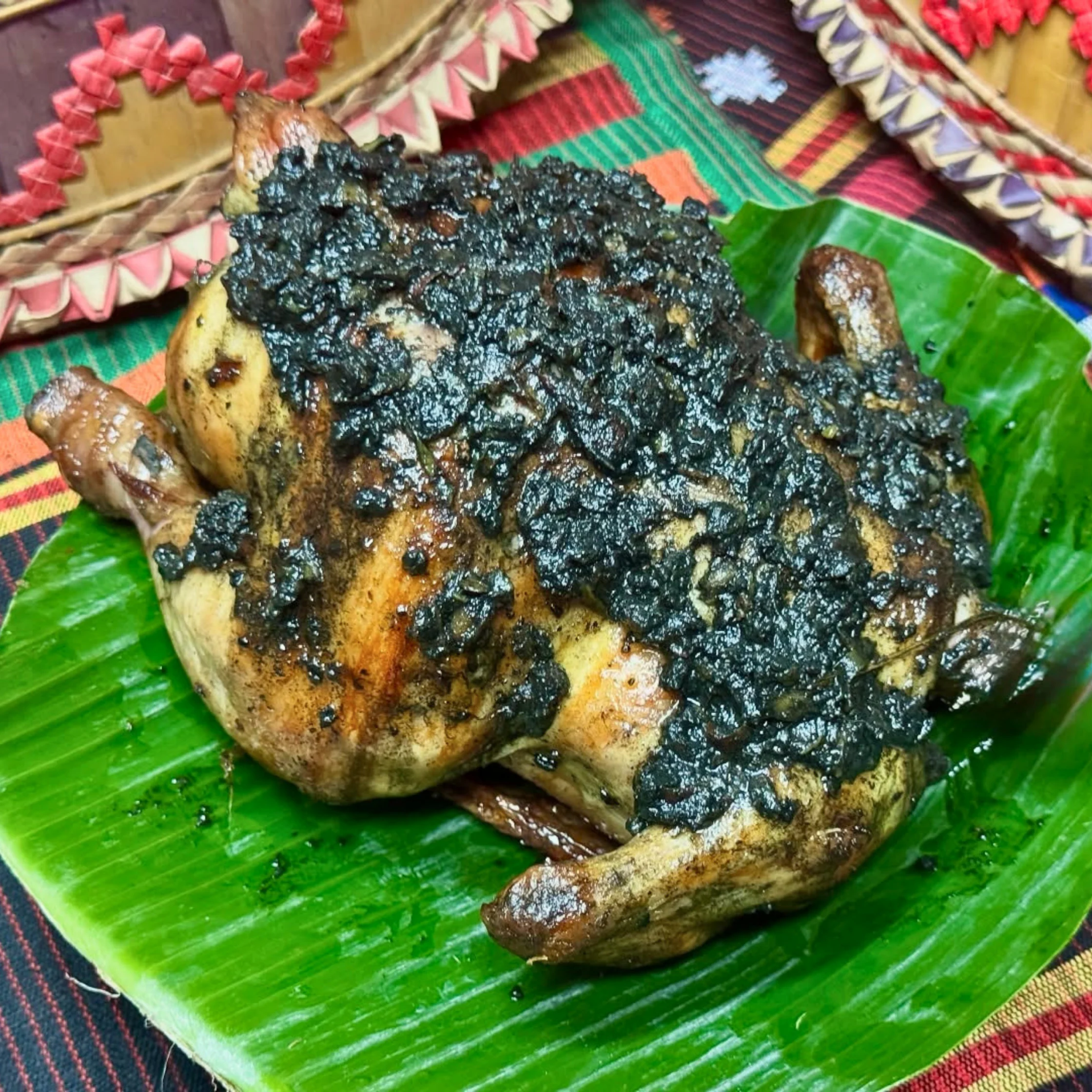
CHICKEN PYANGGANG PHOTO COURTESY OF BingBingCat Official Instagram
Pyanggang [PHOTO COURTESY OF BingBingCat Official Instagram

And like most savory Mindanaoan dishes, pyanggang features a rich roster of aromatics like ginger, turmeric, or lemongrass depending on the recipe. And while these spices pack plenty of flavor, it’s the charred coconut that brings all of that smoky depth. So don’t be fooled because there’s definitely no magic trick here—just fire, spices, and years of proud Maranao tradition. 

2. Adobong Pusit

When it comes to Filipino dishes packed with flavor, is already known to make a splash. But adobong pusit takes the plunge into darker territory, turning squid ink into an inky-black concoction. It’s a look that could send even the bravest hearts swooning, but the real spell is its bold, savory taste.
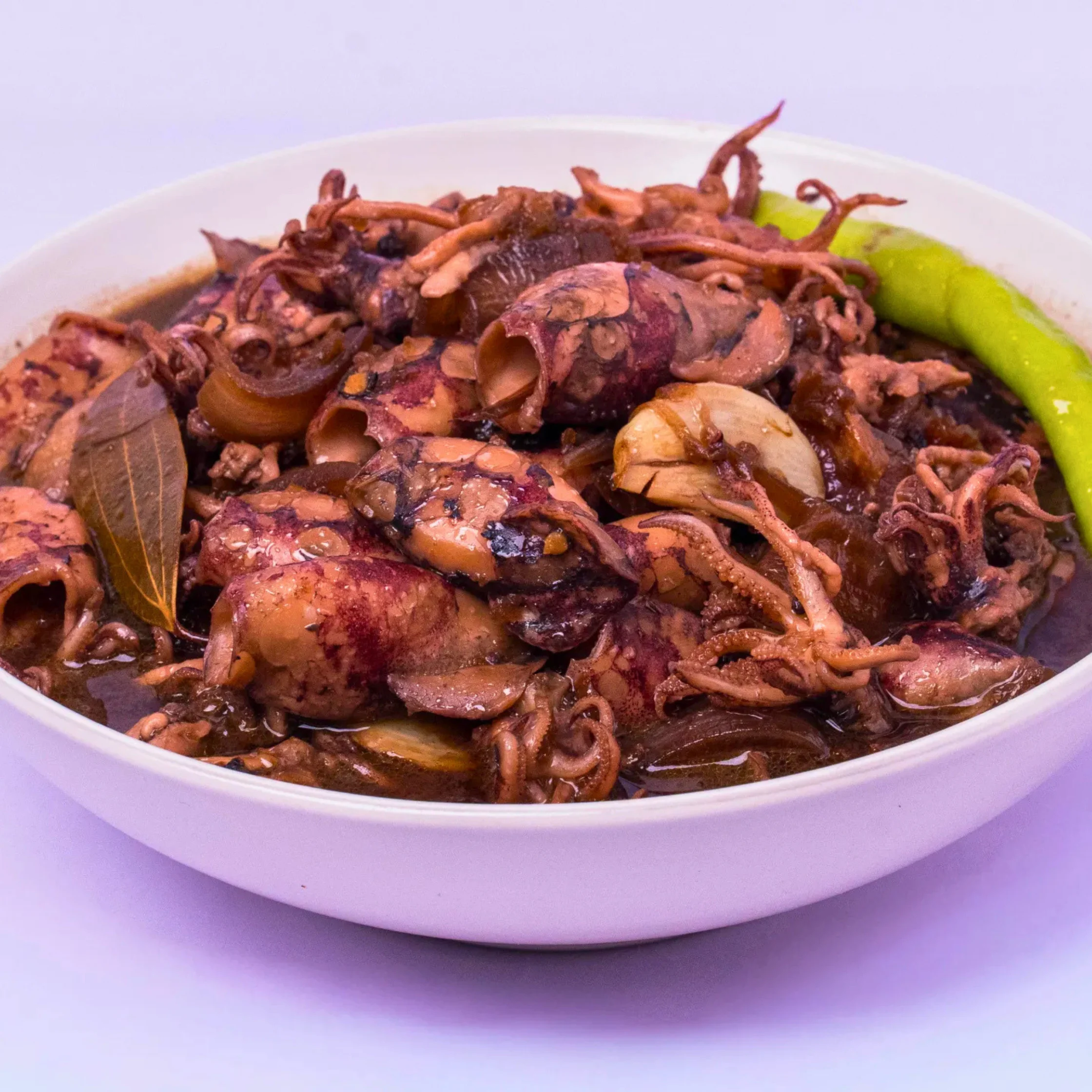
adobong pusit PHOTO_ Zoe Tapalgo
Adobong Pusit  [PHOTO: Zoe Tapalgo]

Cooked with garlic, vinegar, and seasonings, this Filipino favorite balances the fatty, slightly tangy flavor of adobo with the natural brininess of squid. Some recipes throw tomatoes and onions into the mix too, which add more depth to the sauce. And while its dark appearance might look like something straight out of the deep, there’s no mystery in its appeal: just fresh squid, familiar Filipino flavors, and a whole lot of ink-redible goodness.

Want to learn how to cook Adobong Pusit at home? Click here for the full recipe!

3. Dinuguan

gives the phrase ‘blood, sweat, and tears’ a delicious Filipino twist. This hearty stew gets its deep-brown color from pig’s blood simmered with pork, vinegar, garlic, onions, and spices. The result is a rich, savory sauce with just enough tang to keep every bite balanced.
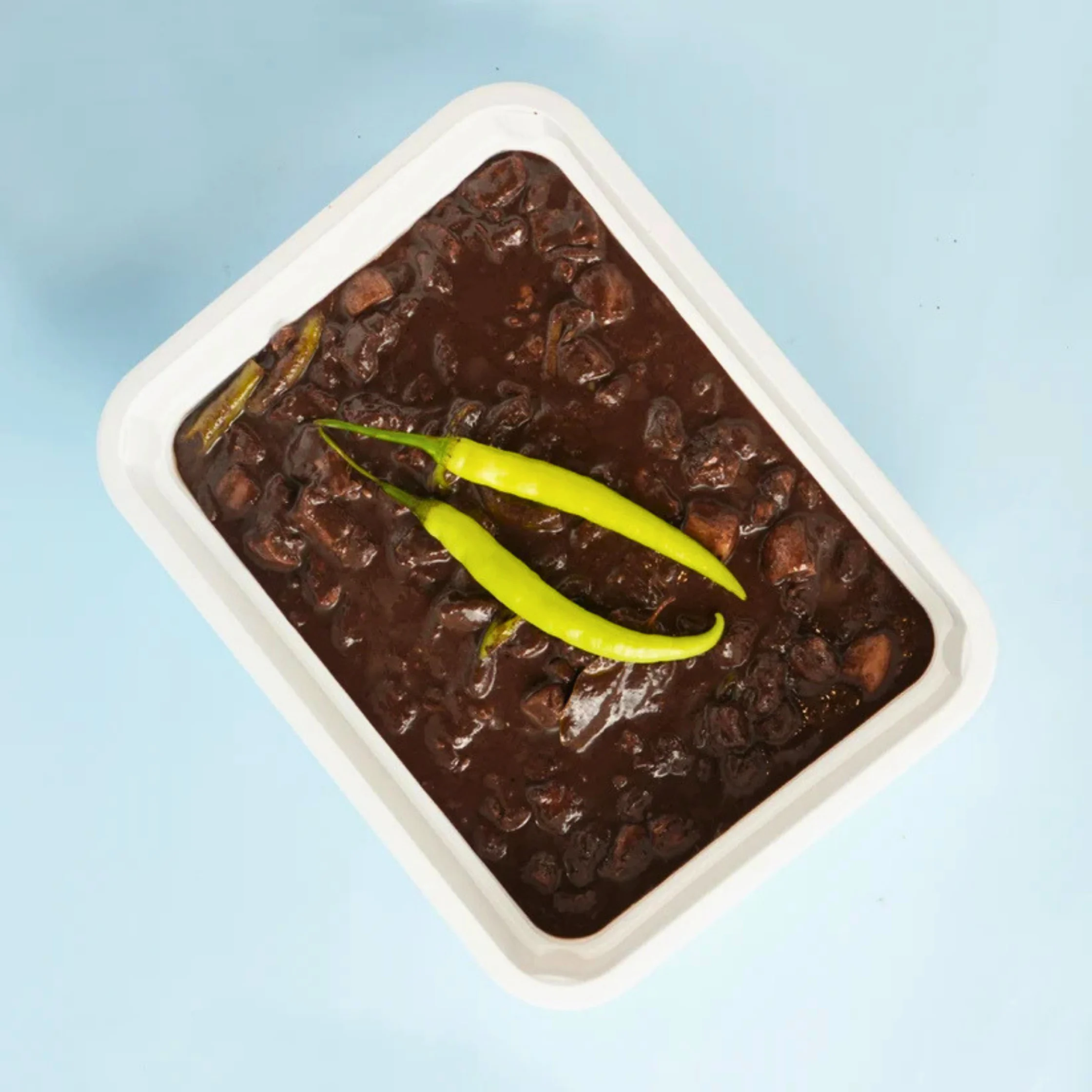
Dinuguan PHOTO COURTESY OF Mary Martha Official Website
Dinuguan [PHOTO COURTESY OF Mary Martha Official Website]

Depending on the recipe, chilies can bring the heat, while pork offal and maskara add extra substance. Commonly served with fluffy spoonfuls of rice or soft and moist puto, is a familiar sight at Filipino gatherings and celebrations. It may sound like a bloody affair, but there’s no need to shed tears over this one. 

4. Kinuday

If pyanggang has charred coconut and has blood, kinuday has smoke—and plenty of it. This traditional smoked-meat preparation is part of Cordilleran food traditions, often made with pork smoked over wood. The process not only helps preserve the meat but also gives it its signature smoky aroma and deep, savory flavor.
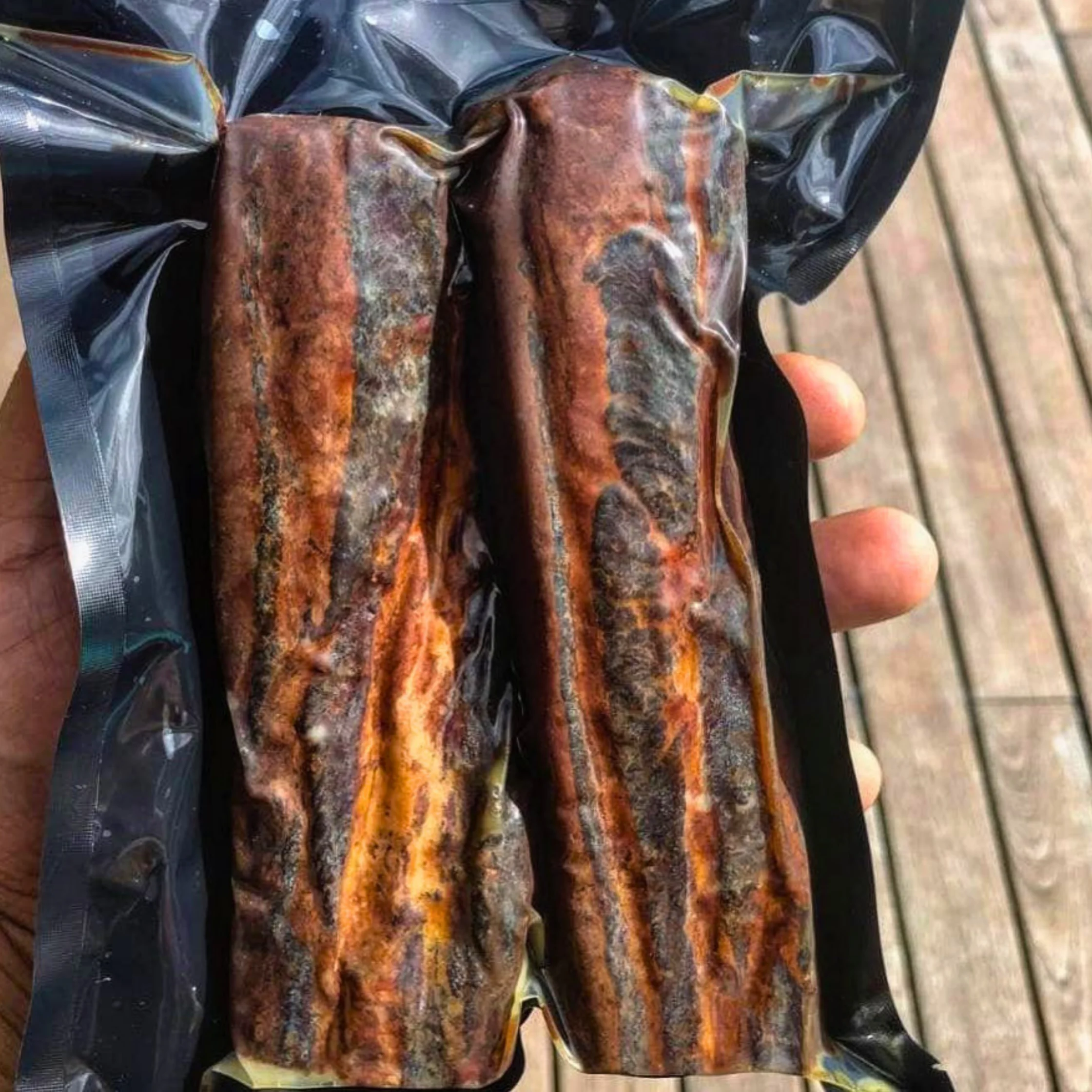
Kinuday PHOTO COURTESY OF Baguio Gold Connection Official Instagram
Kinuday [PHOTO COURTESY OF Baguio Gold Connection Official Instagram]

That smoky goodness makes kinuday a flavorful addition to hearty soups and vegetable dishes, adding depth and a rustic touch to every bite. Its dark, smoky character may be right at home on a Halloween spread, but you don’t need a spooky occasion to appreciate it. After all, when it comes to building bold flavors, sometimes you have to play with a little fire.

A Deliciously Dark Side of Filipino Cuisine

From pyanggang’s charred coconut to adobong pusit’s inky sauce, dinuguan’s blood-rich stew, and kinuday’s smoky bite, these four heritage dishes show that Filipino cuisine has a dark side—and a delicious one at that.

Their dramatic colors might make them natural additions to a Halloween table, but these dishes aren’t just seasonal curiosities as each carries a distinct regional identity and a cooking tradition shaped by the ingredients and knowledge passed down through generations.

So whether you’re planning a spooky spread or simply looking to explore more of the country’s culinary heritage, don’t be afraid to venture into the dark. Because in Filipino cuisine, some of the most memorable flavors come dressed in all black.

author avatar
Paolo Elwick
Paolo is a food writer and storyteller exploring the intersections of food, culture, and identity through thoughtful, people-centered storytelling. He believes that, second only to language, food is one of humanity's most powerful expressions of culture—a medium for preserving history, expressing identity, and coming to understand ourselves and connect with others. Drawn to the histories, traditions, and personal experiences behind every dish, his writing combines curiosity with emotional honesty, highlighting diverse voices and celebrating the communities that shape our food landscape. Influenced by writers and artists who embrace vulnerability and introspection, Paolo uses a reflective, metaphor-rich approach to uncover the deeper meanings found in everyday meals and shared tables. He is passionate about creating stories that foster empathy, preserve cultural narratives, and invite readers to see food as more than sustenance—as memory, identity, and belonging. Through his work, Paolo hopes to amplify underrepresented perspectives and spark meaningful conversations that extend far beyond the plate.

Frequently Asked Questions

Some Filipino dishes get their dark color from ingredients and traditional cooking methods. Pyanggang uses charred coconut, adobong pusit gets its inky appearance from squid ink, dinuguan is made with pig’s blood, and kinuday develops its dark, smoky character through traditional smoking.

author avatar
Paolo Elwick
Paolo is a food writer and storyteller exploring the intersections of food, culture, and identity through thoughtful, people-centered storytelling. He believes that, second only to language, food is one of humanity's most powerful expressions of culture—a medium for preserving history, expressing identity, and coming to understand ourselves and connect with others. Drawn to the histories, traditions, and personal experiences behind every dish, his writing combines curiosity with emotional honesty, highlighting diverse voices and celebrating the communities that shape our food landscape. Influenced by writers and artists who embrace vulnerability and introspection, Paolo uses a reflective, metaphor-rich approach to uncover the deeper meanings found in everyday meals and shared tables. He is passionate about creating stories that foster empathy, preserve cultural narratives, and invite readers to see food as more than sustenance—as memory, identity, and belonging. Through his work, Paolo hopes to amplify underrepresented perspectives and spark meaningful conversations that extend far beyond the plate.

Pyanggang is a traditional Maranao dish, commonly prepared with chicken cooked in a rich spice paste made with charred coconut. The burnt coconut gives it its signature black color and distinctive smoky flavor.

author avatar
Paolo Elwick
Paolo is a food writer and storyteller exploring the intersections of food, culture, and identity through thoughtful, people-centered storytelling. He believes that, second only to language, food is one of humanity's most powerful expressions of culture—a medium for preserving history, expressing identity, and coming to understand ourselves and connect with others. Drawn to the histories, traditions, and personal experiences behind every dish, his writing combines curiosity with emotional honesty, highlighting diverse voices and celebrating the communities that shape our food landscape. Influenced by writers and artists who embrace vulnerability and introspection, Paolo uses a reflective, metaphor-rich approach to uncover the deeper meanings found in everyday meals and shared tables. He is passionate about creating stories that foster empathy, preserve cultural narratives, and invite readers to see food as more than sustenance—as memory, identity, and belonging. Through his work, Paolo hopes to amplify underrepresented perspectives and spark meaningful conversations that extend far beyond the plate.

Adobong pusit gets its deep black color from the natural ink released by squid during cooking. Combined with garlic, vinegar, and seasonings, the ink creates a savory sauce with a distinct briny flavor.

author avatar
Paolo Elwick
Paolo is a food writer and storyteller exploring the intersections of food, culture, and identity through thoughtful, people-centered storytelling. He believes that, second only to language, food is one of humanity's most powerful expressions of culture—a medium for preserving history, expressing identity, and coming to understand ourselves and connect with others. Drawn to the histories, traditions, and personal experiences behind every dish, his writing combines curiosity with emotional honesty, highlighting diverse voices and celebrating the communities that shape our food landscape. Influenced by writers and artists who embrace vulnerability and introspection, Paolo uses a reflective, metaphor-rich approach to uncover the deeper meanings found in everyday meals and shared tables. He is passionate about creating stories that foster empathy, preserve cultural narratives, and invite readers to see food as more than sustenance—as memory, identity, and belonging. Through his work, Paolo hopes to amplify underrepresented perspectives and spark meaningful conversations that extend far beyond the plate.

No. These dishes are part of Filipino regional food traditions and are enjoyed beyond Halloween. Their naturally dark appearance simply makes them fitting additions to a Halloween-inspired spread.

author avatar
Paolo Elwick
Paolo is a food writer and storyteller exploring the intersections of food, culture, and identity through thoughtful, people-centered storytelling. He believes that, second only to language, food is one of humanity's most powerful expressions of culture—a medium for preserving history, expressing identity, and coming to understand ourselves and connect with others. Drawn to the histories, traditions, and personal experiences behind every dish, his writing combines curiosity with emotional honesty, highlighting diverse voices and celebrating the communities that shape our food landscape. Influenced by writers and artists who embrace vulnerability and introspection, Paolo uses a reflective, metaphor-rich approach to uncover the deeper meanings found in everyday meals and shared tables. He is passionate about creating stories that foster empathy, preserve cultural narratives, and invite readers to see food as more than sustenance—as memory, identity, and belonging. Through his work, Paolo hopes to amplify underrepresented perspectives and spark meaningful conversations that extend far beyond the plate.

Kinuday is a traditional smoked-meat preparation from Cordilleran food traditions, often made with pork smoked over wood. Smoking preserves the meat and gives it a signature smoky aroma and savory flavor, and it is commonly added to hearty soups and vegetable dishes.


author avatar
Paolo Elwick
Paolo is a food writer and storyteller exploring the intersections of food, culture, and identity through thoughtful, people-centered storytelling. He believes that, second only to language, food is one of humanity's most powerful expressions of culture—a medium for preserving history, expressing identity, and coming to understand ourselves and connect with others. Drawn to the histories, traditions, and personal experiences behind every dish, his writing combines curiosity with emotional honesty, highlighting diverse voices and celebrating the communities that shape our food landscape. Influenced by writers and artists who embrace vulnerability and introspection, Paolo uses a reflective, metaphor-rich approach to uncover the deeper meanings found in everyday meals and shared tables. He is passionate about creating stories that foster empathy, preserve cultural narratives, and invite readers to see food as more than sustenance—as memory, identity, and belonging. Through his work, Paolo hopes to amplify underrepresented perspectives and spark meaningful conversations that extend far beyond the plate.
paolo elwick delish ph food writer

Paolo Elwick

Writer

Paolo is a food writer and storyteller exploring the intersections of food, culture, and identity through thoughtful, people-centered storytelling. He believes that, second only to language, food is one of humanity's most powerful expressions of culture—a medium for preserving history, expressing identity, and coming to understand ourselves and connect with others. Drawn to the histories, traditions, and personal experiences behind every dish, his writing combines curiosity with emotional honesty, highlighting diverse voices and celebrating the communities that shape our food landscape. Influenced by writers and artists who embrace vulnerability and introspection, Paolo uses a reflective, metaphor-rich approach to uncover the deeper meanings found in everyday meals and shared tables. He is passionate about creating stories that foster empathy, preserve cultural narratives, and invite readers to see food as more than sustenance—as memory, identity, and belonging. Through his work, Paolo hopes to amplify underrepresented perspectives and spark meaningful conversations that extend far beyond the plate.

0 0 votes
Total of Ratings
guest
Rating
Ratings for Article
0 Comments
Oldest
Newest Most Voted

To provide a customized ad experience, we need to know if you are of legal age in your region.

By making a selection, you agree to our Terms & Conditions.