Filipinos have spent centuries making Spanish food their own. So why stop now?
At Mijo Reserva, chef Enrique Moreno takes that familiar culinary relationship a few steps further by bringing Spanish flavors and techniques to the table whilst making room for Filipino ingredients, nostalgia, and the occasional twist.
Located at Uptown Parade in BGC, Mijo Reserva is the more polished sibling of Mijo Comfort Food in Poblacion. The first restaurant was shaped by Poblacion’s younger, more laid-back crowd, with a menu that leans into Filipino-Spanish comfort food and even some Filipino-Chinese influences. Reserva, on the other hand, being more Spanish-forward, more deliberate, and with greater attention to detail, is a more mature expression of Moreno’s cooking.
That doesn’t automatically mean that the restaurant takes itself too seriously. After all, the idea behind it is still to bring people together over good food and drinks—a philosophy Moreno finds familiar in both Spanish and Filipino dining culture.
“I love how the Spanish can turn a simple tapas and a glass of wine into a happy moment like it’s a celebration,” he shared.
With both cultures sharing an appreciation for a table flooded with food, a little something to drink, and the pleasure of sharing a meal, Moreno sees Spanish cuisine as a natural fit in the Philippines. And considering how much Spanish influence has already made its way into Filipino cooking, the leap from one cuisine to the other isn’t quite as big as it might initially seem.
Spanish at Heart, Filipino by Instinct
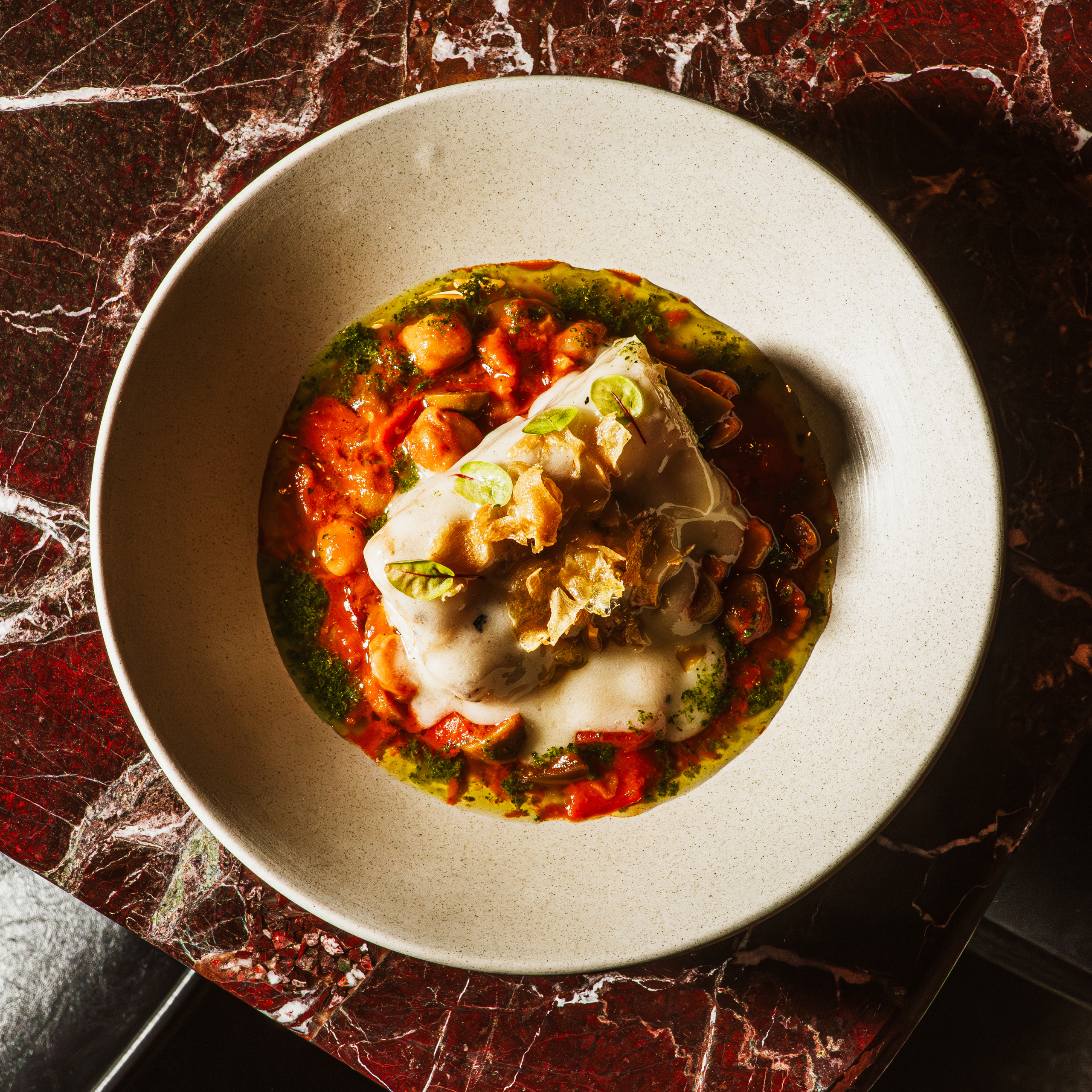
Mijo Reserva wears those influences proudly on their sleeve with a menu that makes its Spanish leanings clear through dishes like gambas al aligue, paellas, jamón, and iberico pork chops. But Moreno isn’t interested in drawing a hard line around what counts as Spanish.
“I don’t really want to be coined as a Spanish restaurant. Because I’m not Spanish, and I’m not trying to serve the best Spanish food,” he expressed.
Instead, he looks at Spanish cuisine as a starting point—a foundation for experimenting with flavors that Filipino diners can recognize and connect with. Sometimes that means bringing in local ingredients; other times, it means revisiting a familiar dish through the lens of nostalgia.
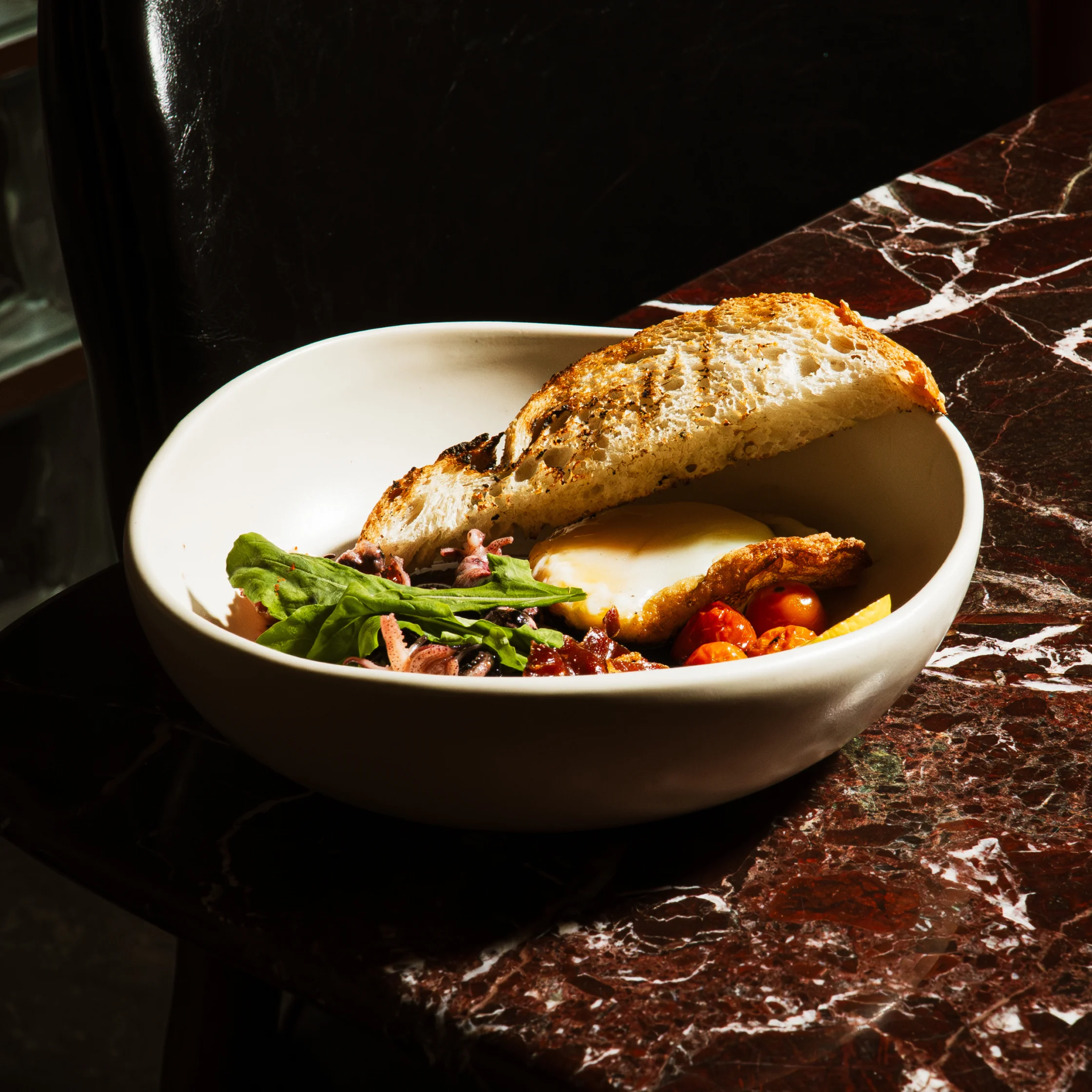
The restaurant’s chipirones negra is a good example. Inspired by a simple grilled squid dish Moreno tried in Barcelona, it makes baby squid and squid ink the canvas, before adding jamón, bread, and a fried egg with perfectly crisp edges. The result retains the spirit of its Spanish inspiration while also incorporating textures and flavors that feel right at home on a Filipino plate. That crispy egg, in particular, gives the dish a familiar point of reference.
Moreno describes the balancing act as one of the biggest challenges at both Mijo branches.
“The challenge is how to go Filipino without going too Filipino,” he said.
It’s a cheeky way to put it, but it captures the restaurant’s approach of making the Spanish influence recognizable without losing any of its local sensibilities. In a way, it feels like a little culinary colonization in reverse.
A Taste of Home, with a Few Upgrades
Like the chipirones negra, some of the menu’s most interesting dishes come from Moreno’s own memories. Take the restaurant’s tender lamb ribs, for instance. Growing up, he remembers his family grilling lamb chops or shoulder cuts and serving them with mint jelly. At Mijo Reserva, that childhood favorite gets a more elaborate, yet local twist.
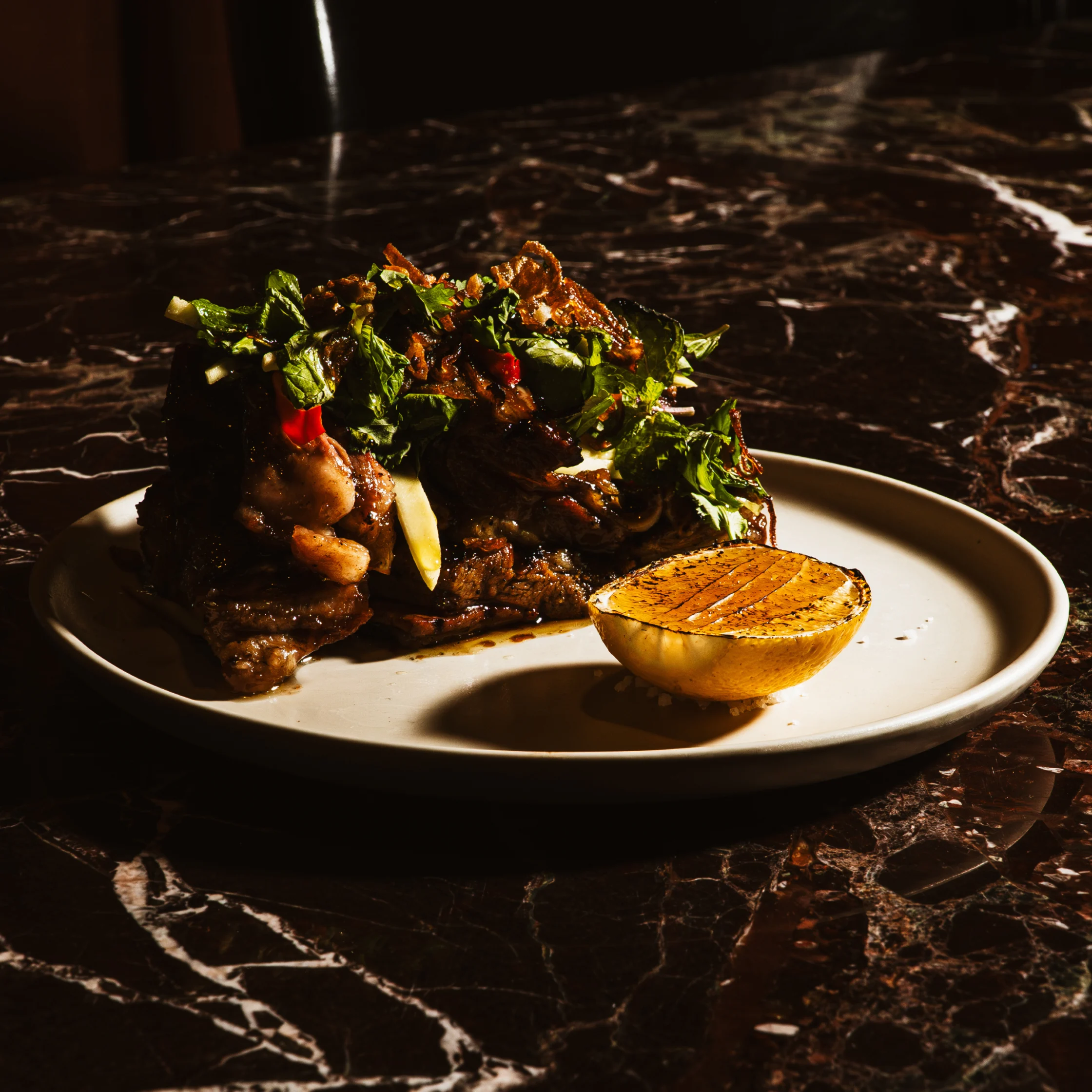
The lamb ribs are smoked, finished on the grill, and glazed with guava and balsamic. A fresh green mango and herb salad adds brightness to the rich, smoky meat. The guava takes the place of the more familiar sweetness of mint jelly, giving the dish a distinctly local touch without making it feel like a completely different creation.
“I was thinking [of] a local fruit, [so] hopefully people see that. It’s a nice Filipino touch,” he shared when asked about the decision to add a guava glaze.
Smoking, meanwhile, is a recurring element across the menu with Moreno having a particular fondness for the technique. He even goes as far as to joke that he would’ve been a butcher if he wasn’t a chef. And with the restaurant making much of its own charcuterie—like guanciale, chorizo, morcilla, and pancetta—it doesn’t seem like an outlandish statement. Both Mijo locations also have smokers fashioned from Filipino pugon ovens, giving several dishes their signature smoky character.
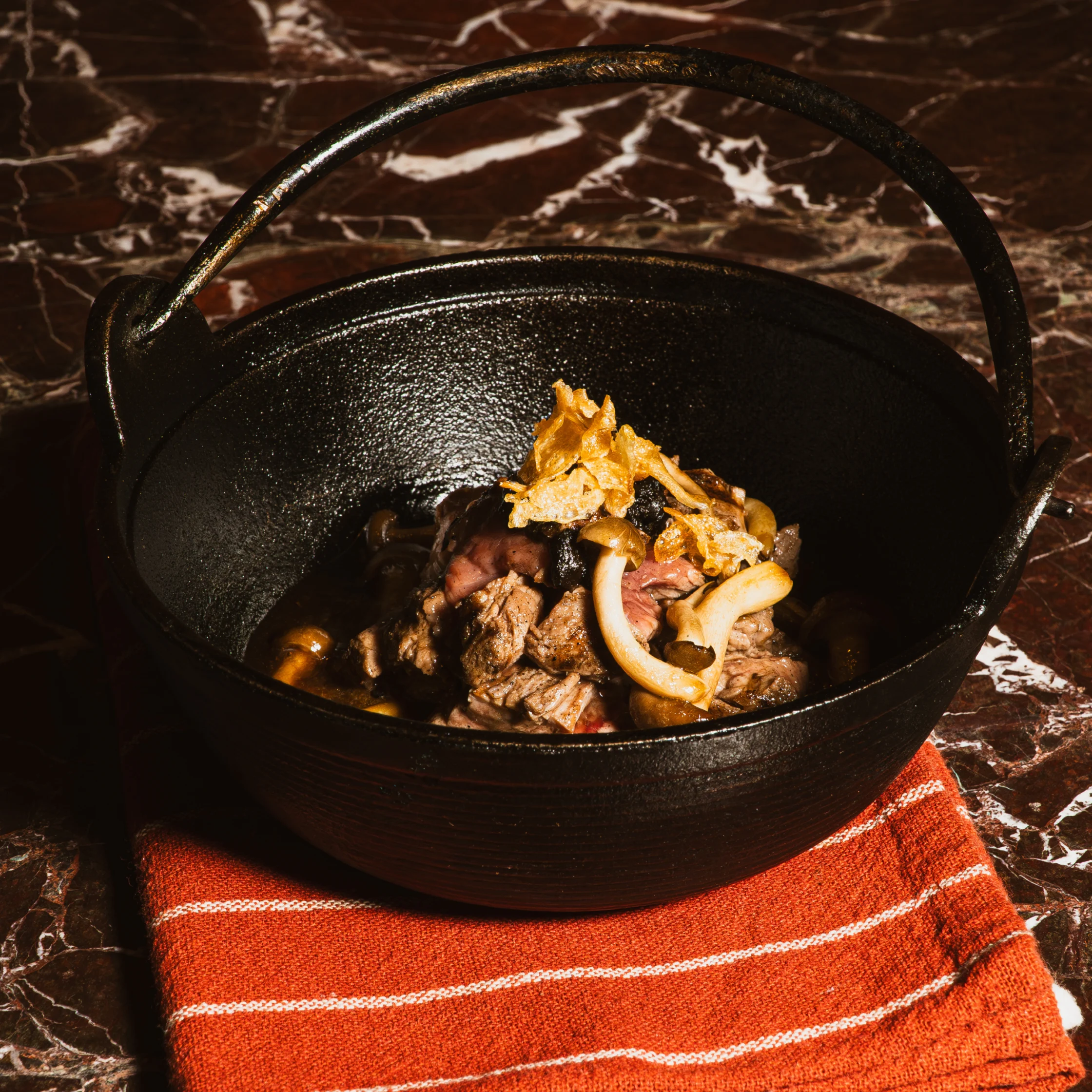
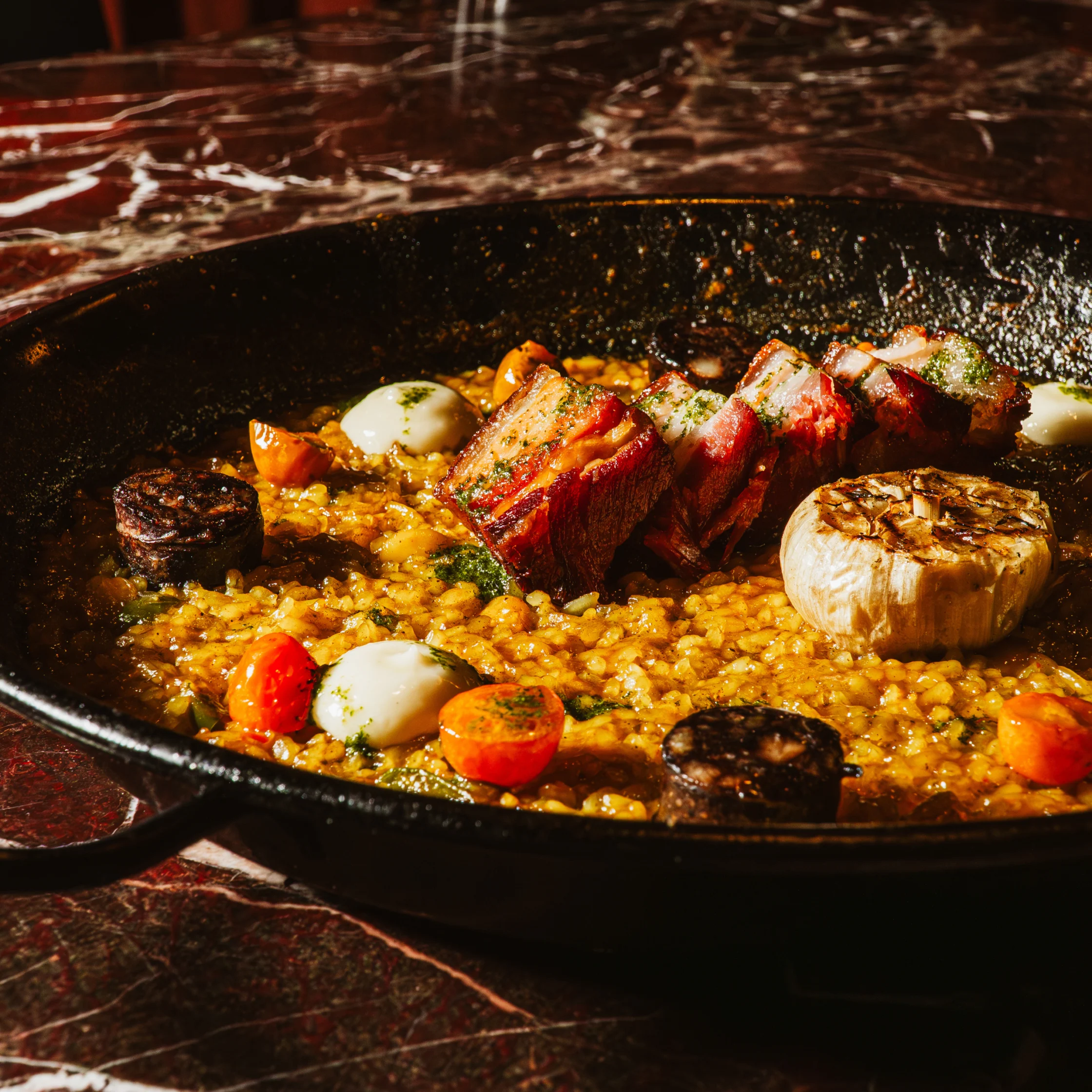
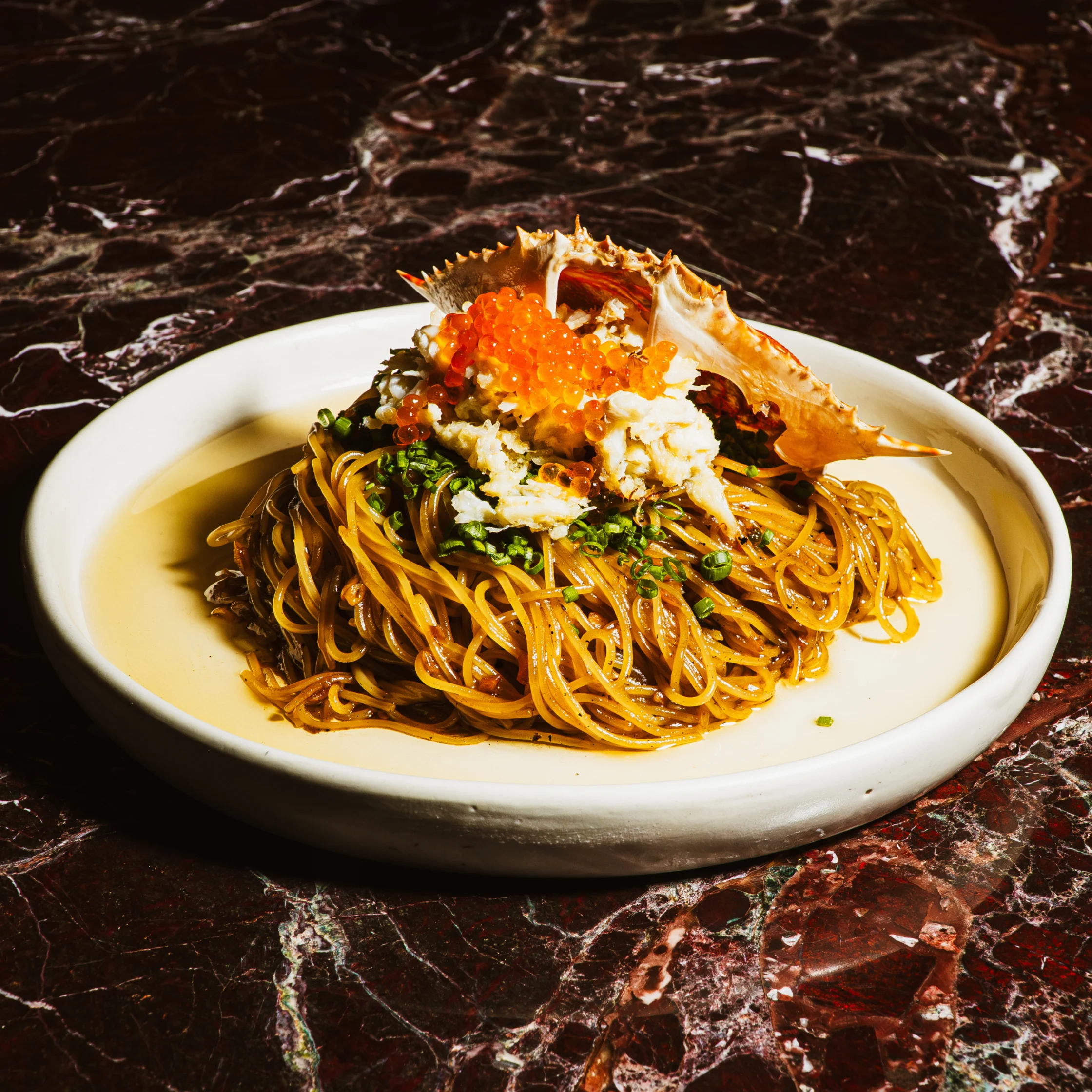
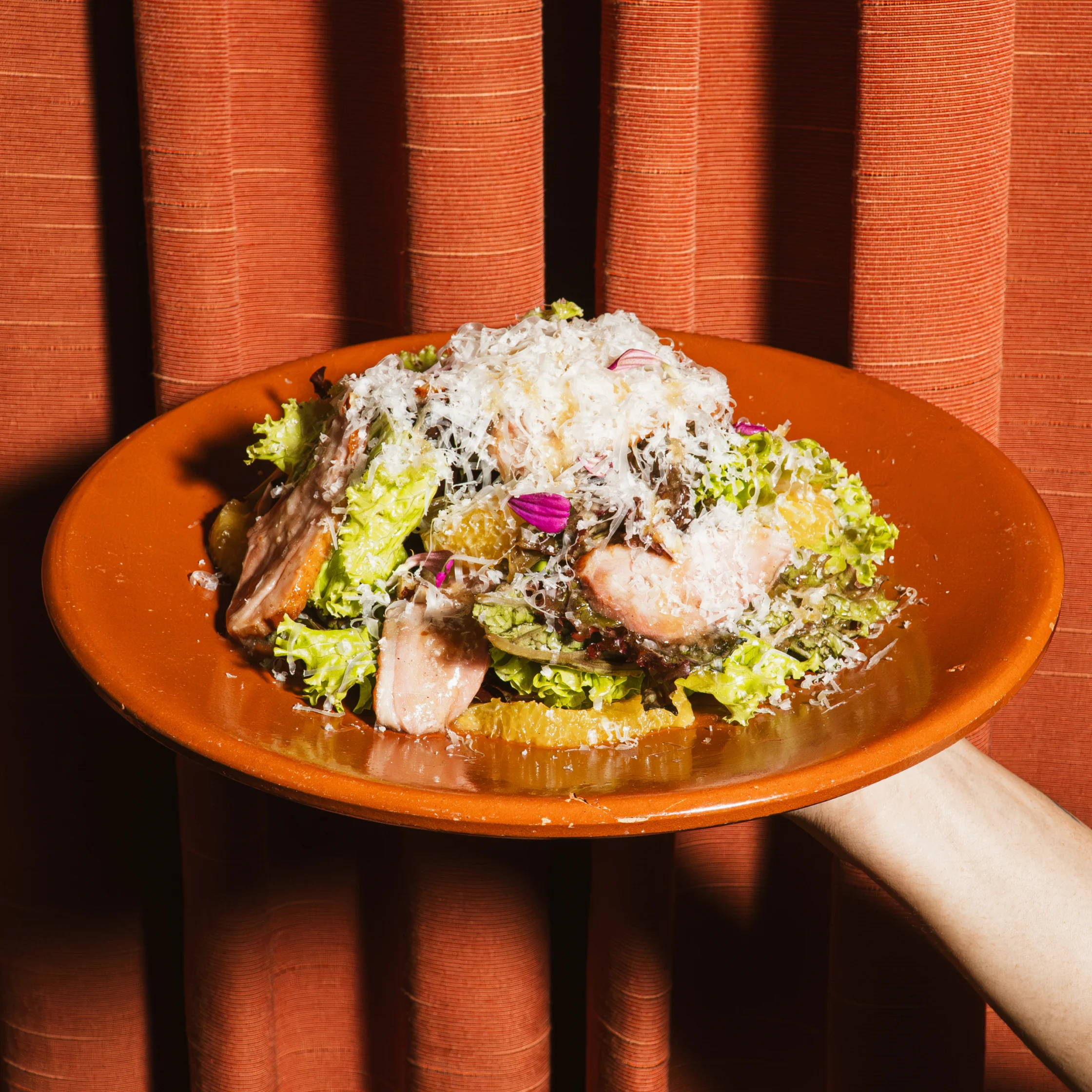
Other plates worth exploring include a savory beef salpicao and a hearty, paella-inspired rice dish topped with crisp pork belly, black chorizo, and garlic confit. And since they come in substantial servings, they’re easily the kind of dishes that encourage everyone at the table to dig in, which is very much in line with Moreno’s idea of a good meal.
For him, however, nostalgia is just as important as technique. A dish doesn’t have to be complicated to make an impression; sometimes, all it takes is a familiar flavor that brings you back to a happy memory.
“We think about the experience and the nostalgia,” he hammered.
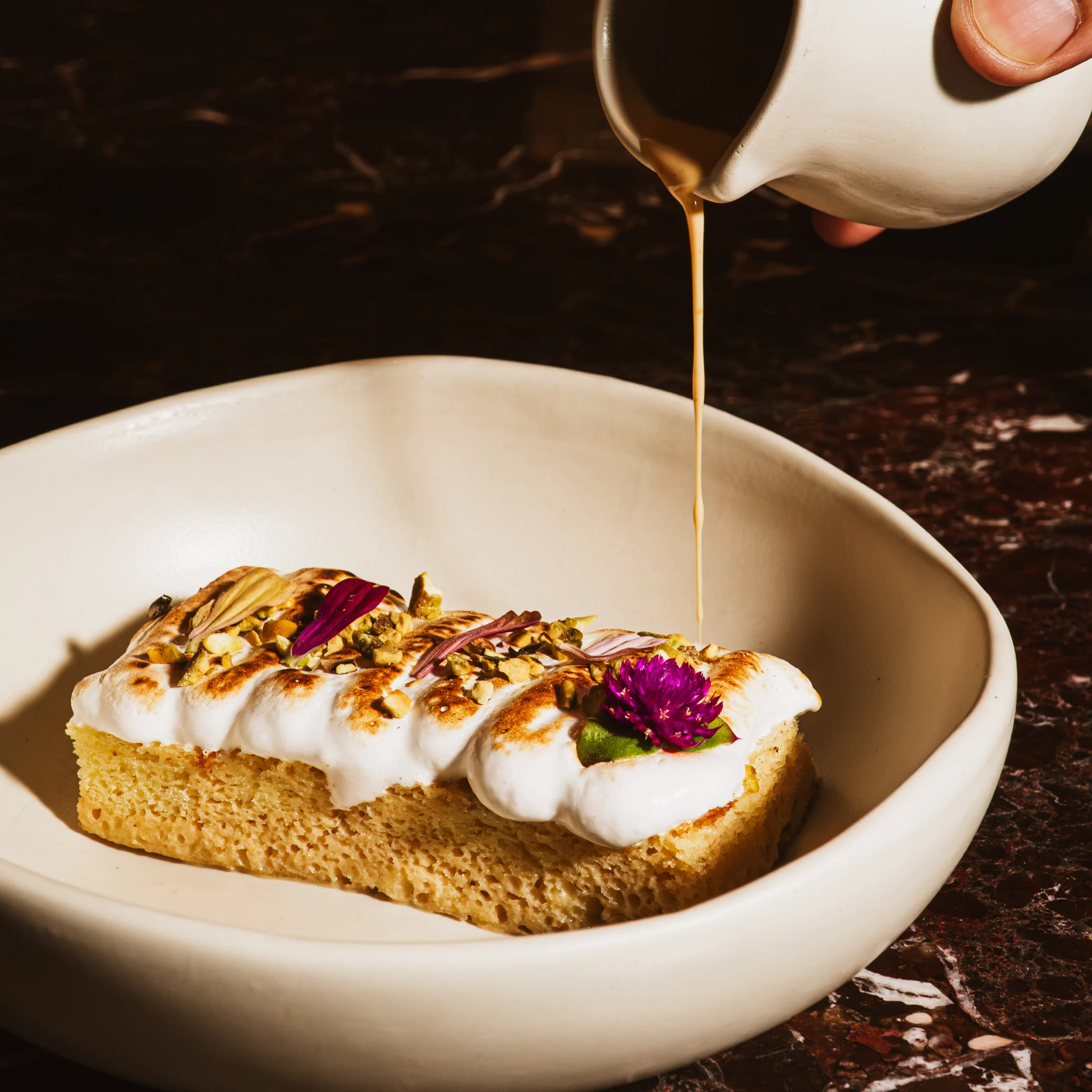
Of course, a meal with Spanish influences wouldn’t feel complete without something sweet. Mijo Reserva’s Tres Leches Catalania makes a fitting finale, with a dulce de leche sponge cake, pistachios, and burnt meringue. It’s rich and indulgent, with enough texture and contrast to prove that there’s always room for dessert, especially when it’s as good as this.
A Little Spanish Flair, A Lot of Room to Share
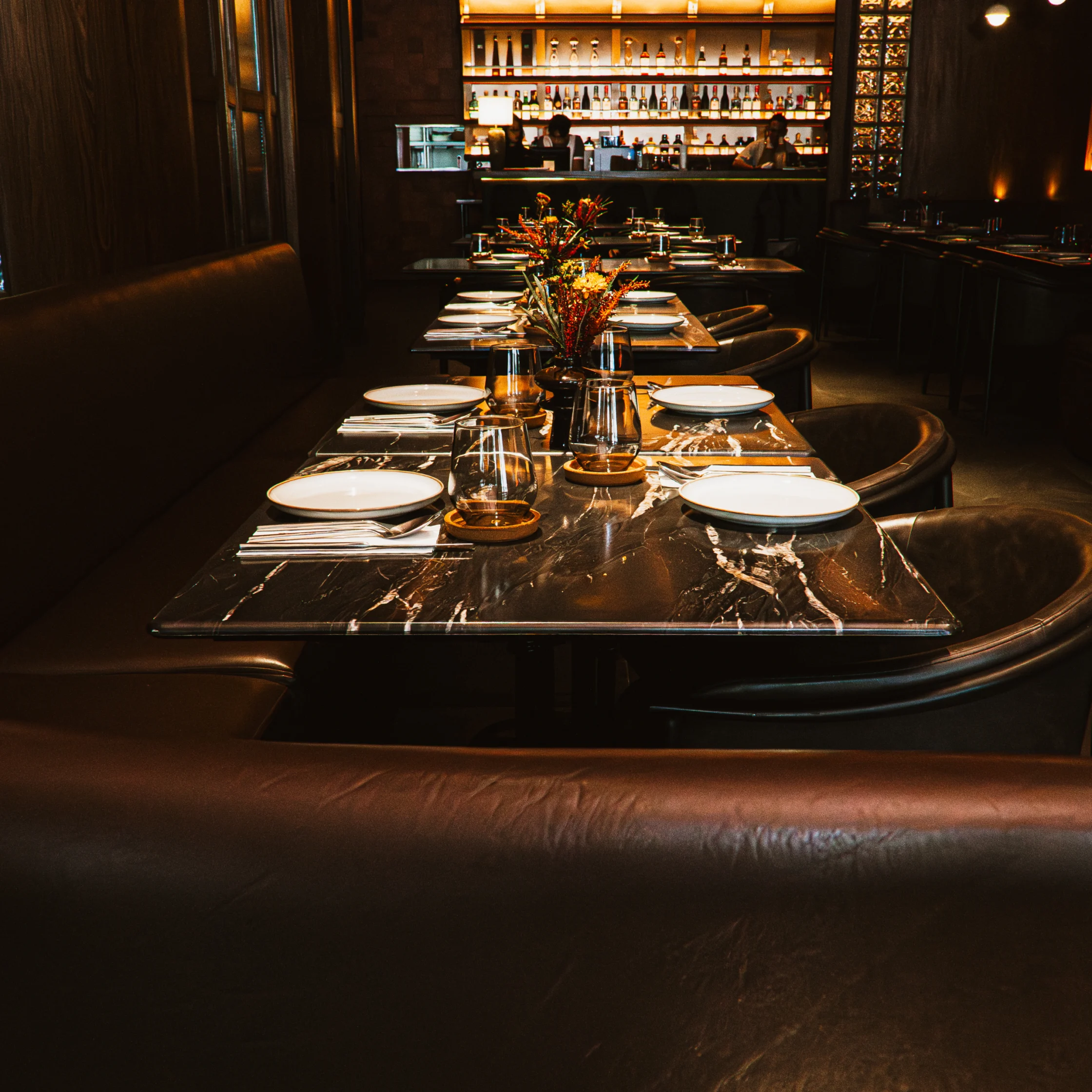
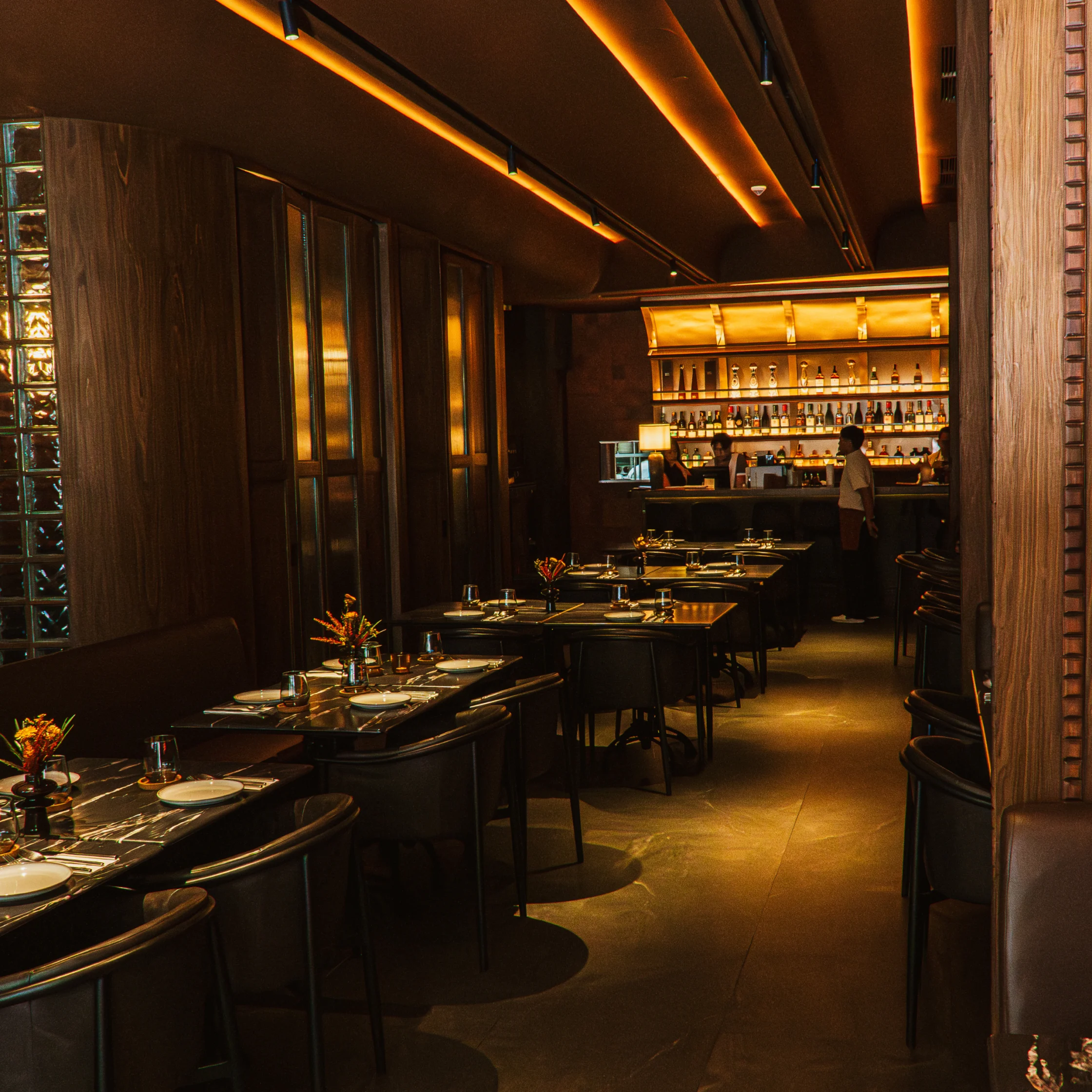
Much like the menu, the restaurant’s look follows a similar balance. Despite its somewhat-cold, somewhat-brutalist facade, its dining area is moodier and warmer with lots of wood, glass, and decorative moldings that make the space feel more like an extension of a cozy home. With a buzzing bar, cocktails, and even weekend music performances, the space takes on another life after dinner.
Mijo Reserva may be a more refined chapter for Moreno, but its central idea remains familiar: food is best enjoyed together. And while the menu looks to Spain for inspiration, it doesn’t forget the Filipino diner sitting across the table.
We’ve already had centuries worth of practice making Spanish flavors our own. At Mijo Reserva, the cultural exchange continues.
Mijo Reserva is located at GF Retail 7 Uptown Parade, 9th Ave, Corner 36th St, Bonifacio Global City, Taguig.

Frequently Asked Questions
Mijo Reserva is located at GF Retail 7 Uptown Parade, 9th Ave, Corner 36th St, Bonifacio Global City, Taguig.
Mijo Reserva serves Spanish-inspired food with Filipino ingredients, flavors, and sensibilities. Its menu includes dishes such as gambas al aligue, paellas, jamón, Iberico pork chops, chipirones negra, smoked lamb ribs, and Tres Leches Catalania.
Chef Enrique Moreno leads the kitchen at Mijo Reserva, drawing inspiration from Spanish cuisine, Filipino food culture, and his own personal memories.
Mijo Reserva is the more refined, Spanish-forward sibling of Mijo Comfort Food in Poblacion. While the original location leans into Filipino-Spanish comfort food and some Filipino-Chinese influences, Reserva takes a more deliberate approach to Spanish-inspired cooking while retaining its Filipino sensibilities.
Yes. Mijo Reserva makes much of its own charcuterie, including guanciale, chorizo, morcilla, and pancetta. Smoking is a recurring technique across the menu, and both Mijo locations use smokers fashioned from Filipino pugon ovens, which give several dishes their signature smoky character.