

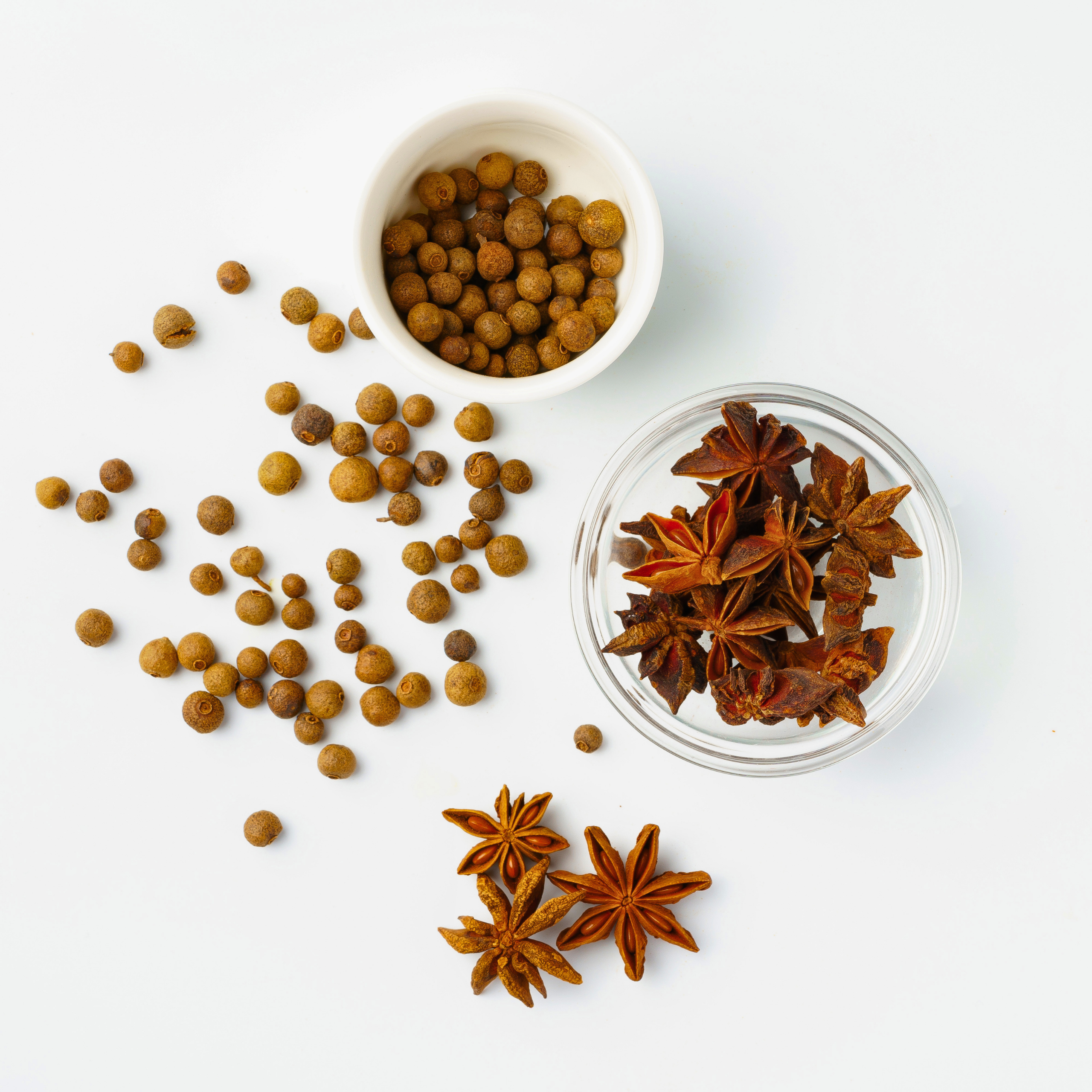
Despite their overlapping names and aromatic flavor profiles, five spice and allspice are completely different ingredients.
They are from opposite sides of the globe. They are made up of completely different components. And they have entirely different use cases when adding them to recipes.
Understanding the difference and knowing how to use them is not only a way to broaden your seasonings horizon. It can also prevent a major flavor clash in the kitchen like swapping one for the other will dramatically alter a dish.
What Is Five Spice?
Chinese Five Spice is a foundational seasoning that encompasses the five traditional flavors of Chinese cuisine: sweet, sour, bitter, salty, and spicy or umami. Each of these flavors correspond to one of the five elements. Earth for sweet, wood for sour, fire for bitter, water for salty, and metal for spicy. Using these spices wasn’t a matter of harmonizing tastes alone, but a way to coordinate with one’s internal organs and achieve balance within the body.
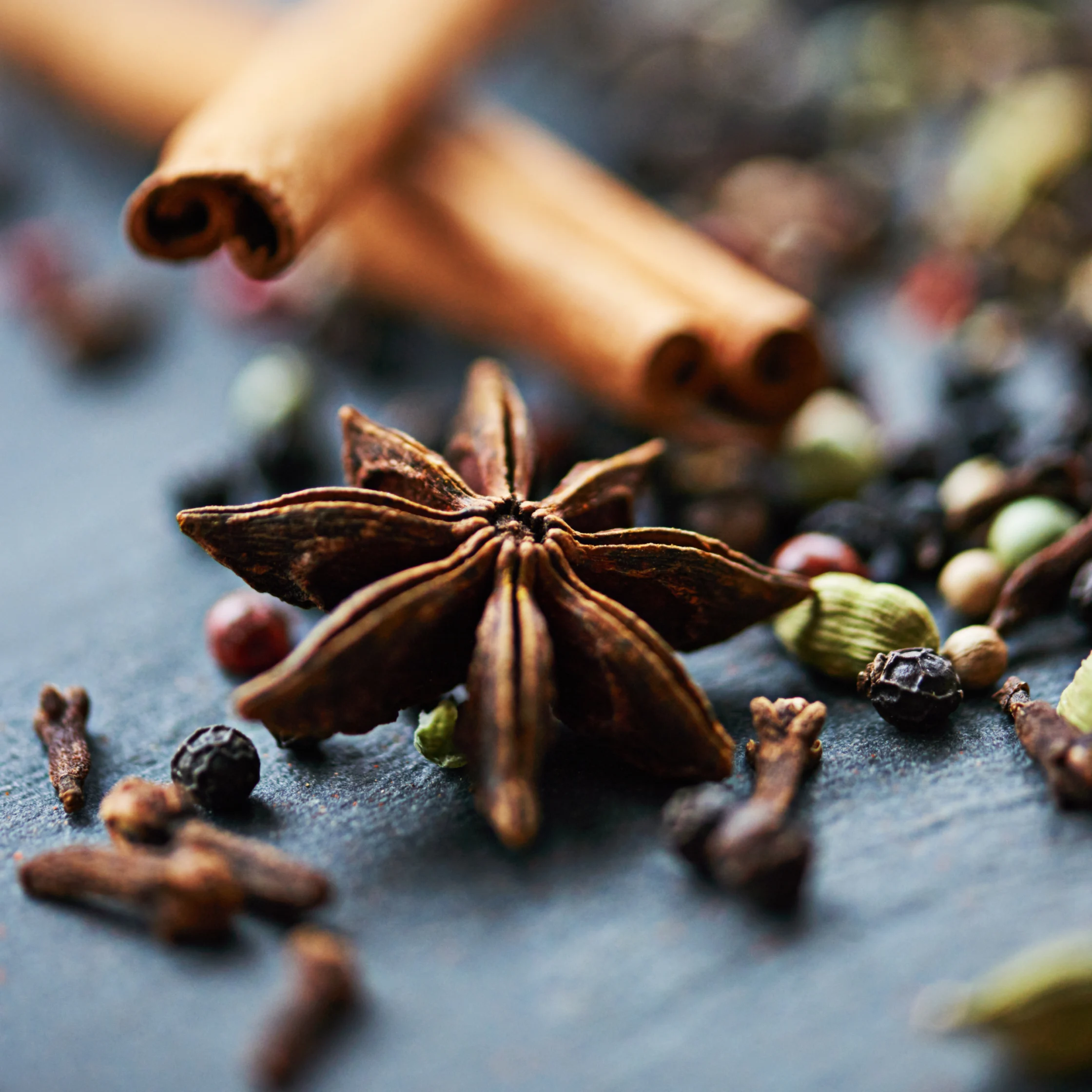
While regional and family recipes vary slightly, the classic blend consists of, unsurprisingly, five main spices. The star anise provides the dominant sweet, licorice-like aroma. Cloves add sweetness, and a slight bitterness. Cassia, also known as Chinese cinnamon, brings a woody taste and sweet heat. Sichuan peppercorns deliver citrusy notes and a signature tingling, numbing sensation known as málà. Lastly, the fennel seeds add a more herbaceous and mild sweetness.
How Do You Cook With Five Spice?
When cooking with it, five spice can be quite potent and concentrated, so a small pinch goes a long way. It is primarily used in savory applications, particularly with rich, fatty meats that benefit from its bright, sweet-and-savory-forward complexity.
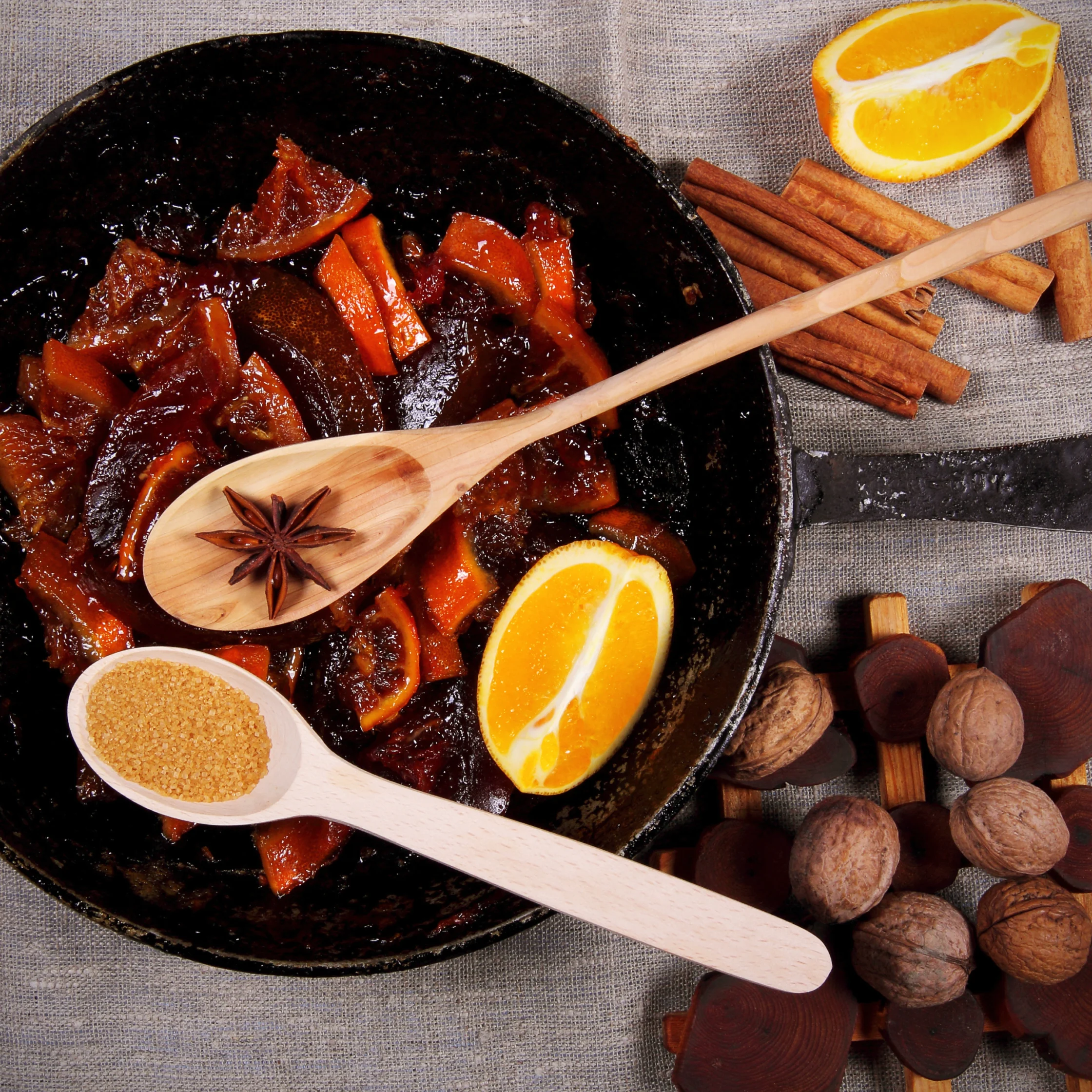
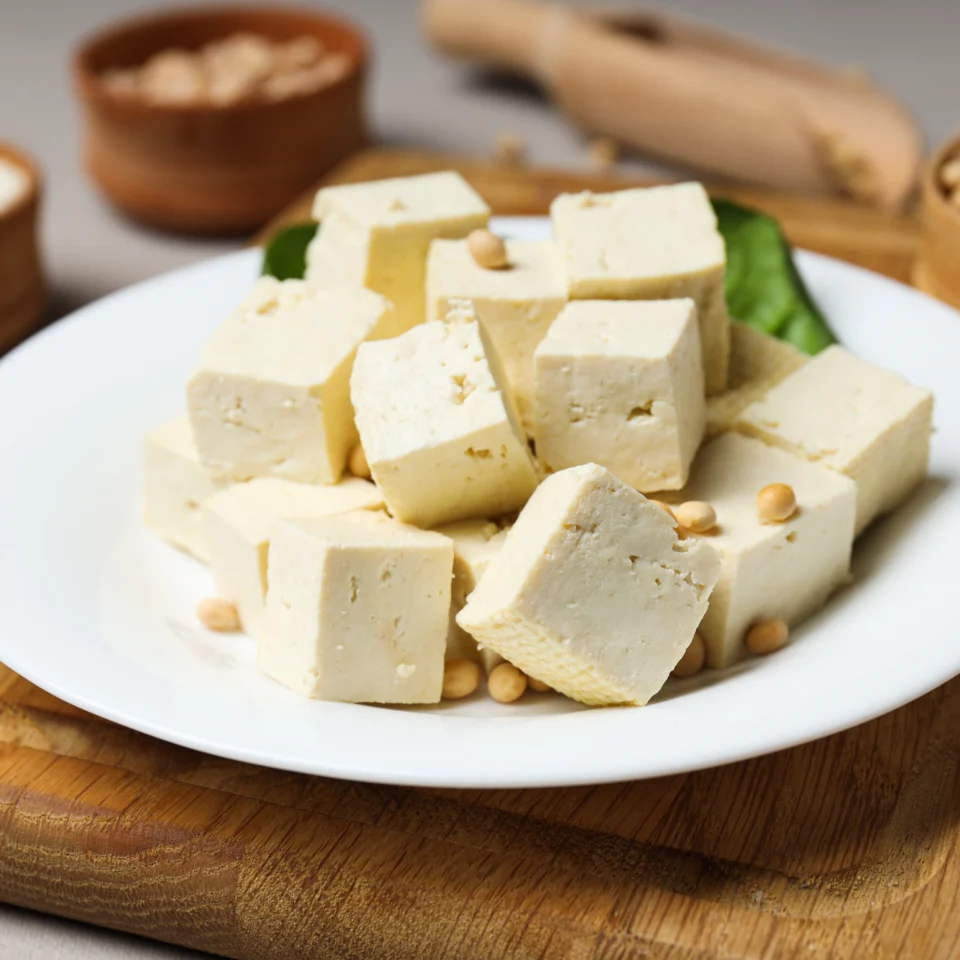
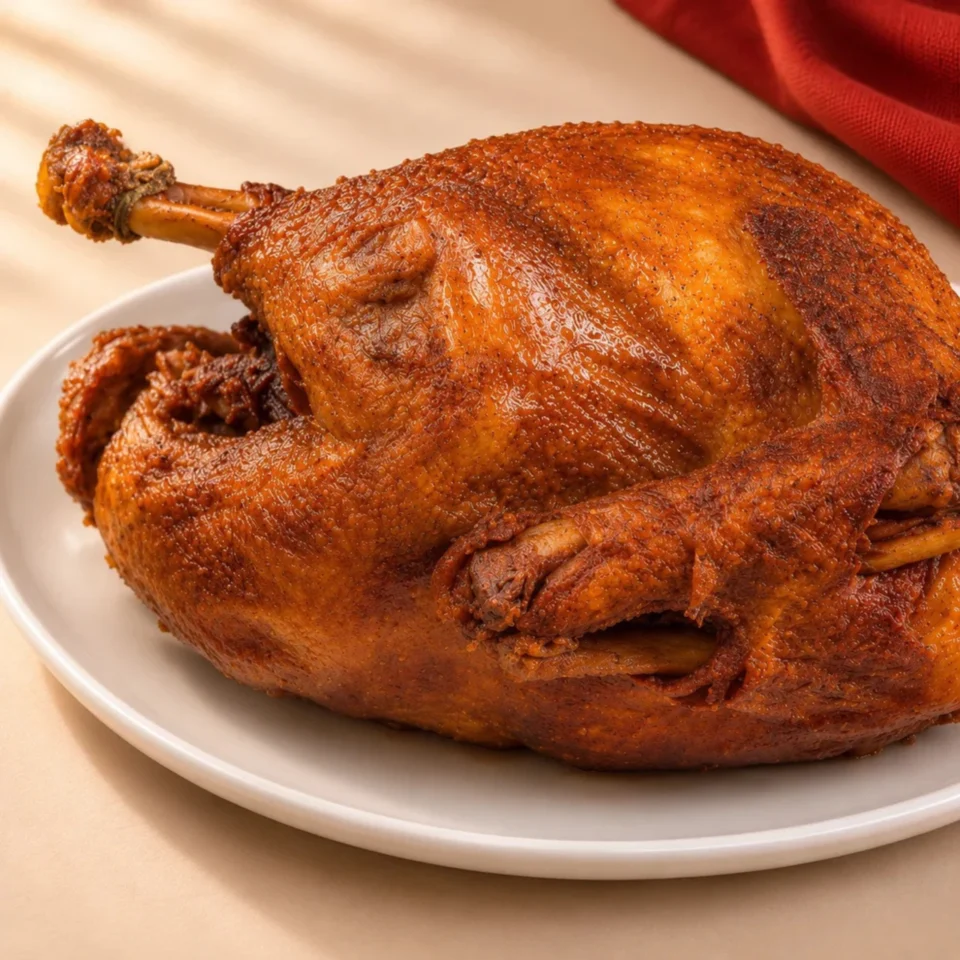
It is an essential seasoning in roasts and braises like Cantonese roast duck, char siu or Chinese BBQ pork, and red-braised pork belly. It’s also prominent in dishes from other cuisines like in Vietnamese phở and Taiwanese beef noodle soup. You can even add it to your dry rubs and marinades for proteins like chicken wings, spare ribs and even crispy fried tofu.
What Is Allspice?
Contrary to its name, allspice is made up of not a blend, but a singular ingredient. Known as the myrtle pepper, it is the dried, unripe berry native to Jamaica, the tropical forests of South and Central America, and Southern Mexico and commercially grown in Honduras, Cuba, and Trinidad.
It’s made by picking the berries from the plant’s small flowers and then drying them in the sun until they’re browned. It may be sold both ground or whole.
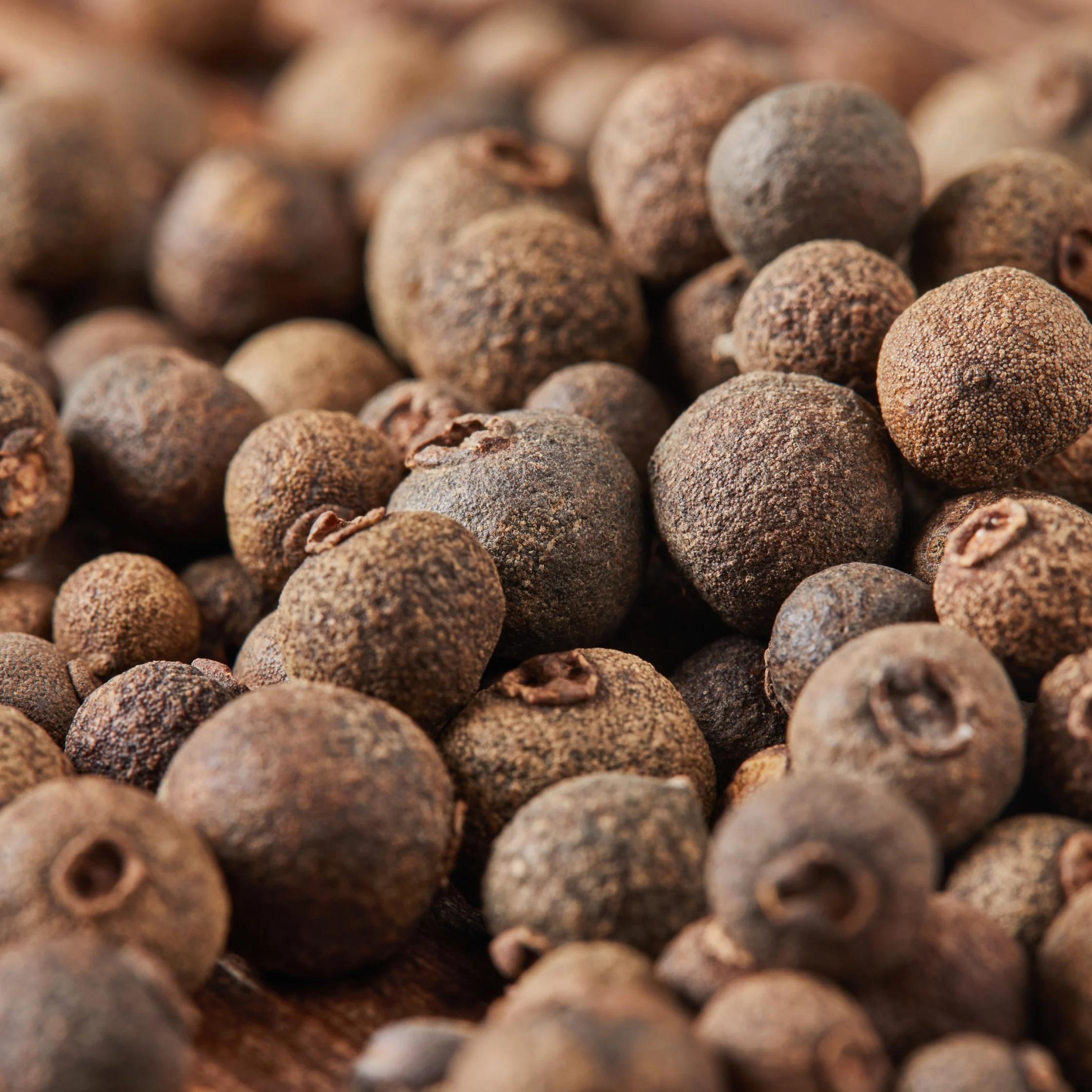
The reason why it got the name “allspice” was because English traders thought the singular berry tasted like a combination of cinnamon, nutmeg, and cloves, which is thanks to a naturally occurring essential oil called eugenol.
How Do You Cook With Allspice?
Because it bridges sweet and savory flavor profiles in a slightly more subdued way as compared to five spice, allspice is remarkably versatile.
In Caribbean cooking, it is a defining flavor in authentic Jamaican jerk seasoning alongside Scotch bonnet peppers and thyme. Both the berries and the wood of the allspice tree are often used to smoke meats.
In Middle Eastern and Mediterranean dishes, it’s used when making spiced rice pilafs, lamb stews, and meatball seasonings like in kofta.
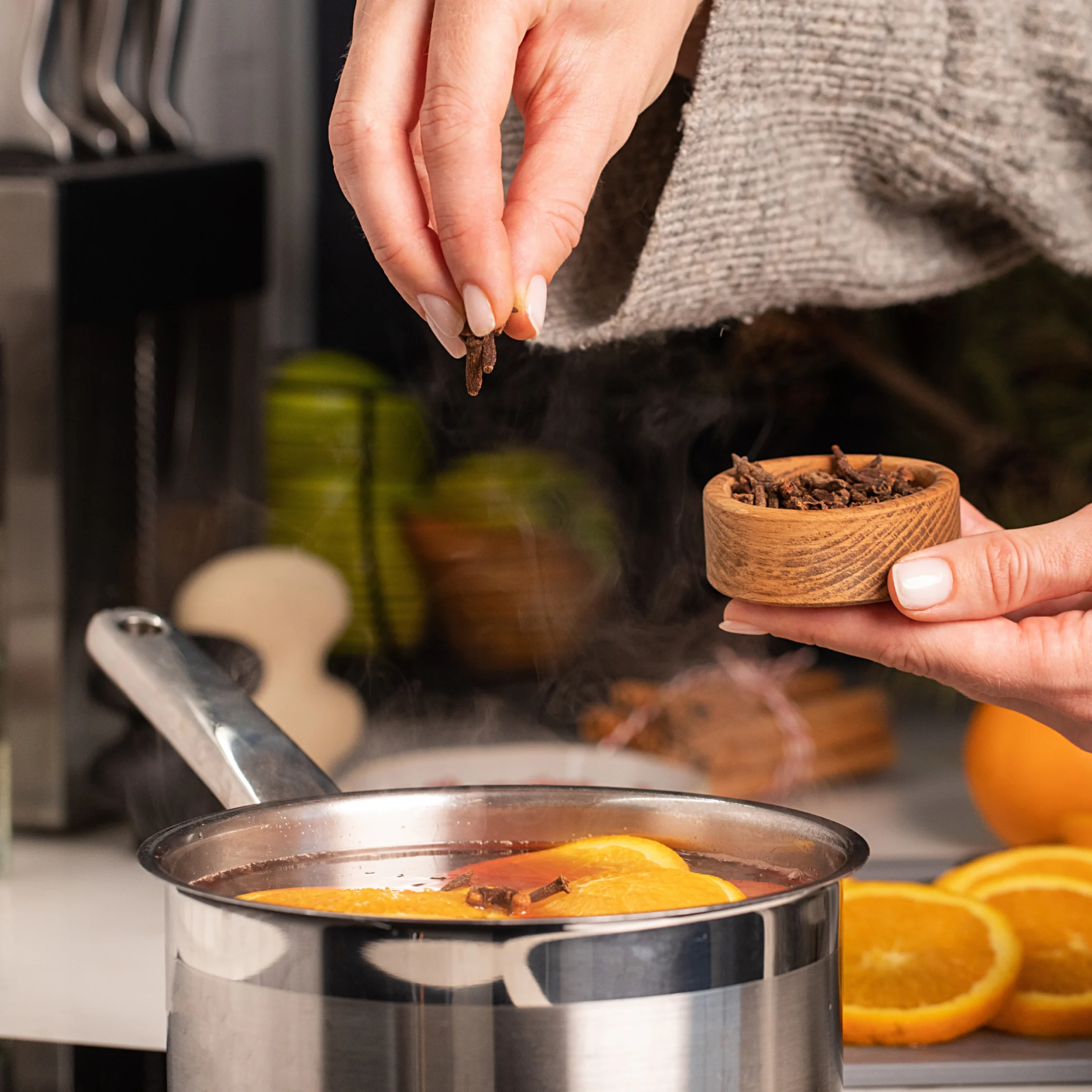
Allspice is also prominent in making mulled cider or various pickling brines. Even in baking, it is a staple in making pumpkin pie, gingerbread, and fruitcakes.
Are Five Spice and Allspice In Filipino Cuisine?
While allspice is rarely used in traditional Filipino cooking, five spice can be spotted predominantly in some Filipino-Chinese dishes.
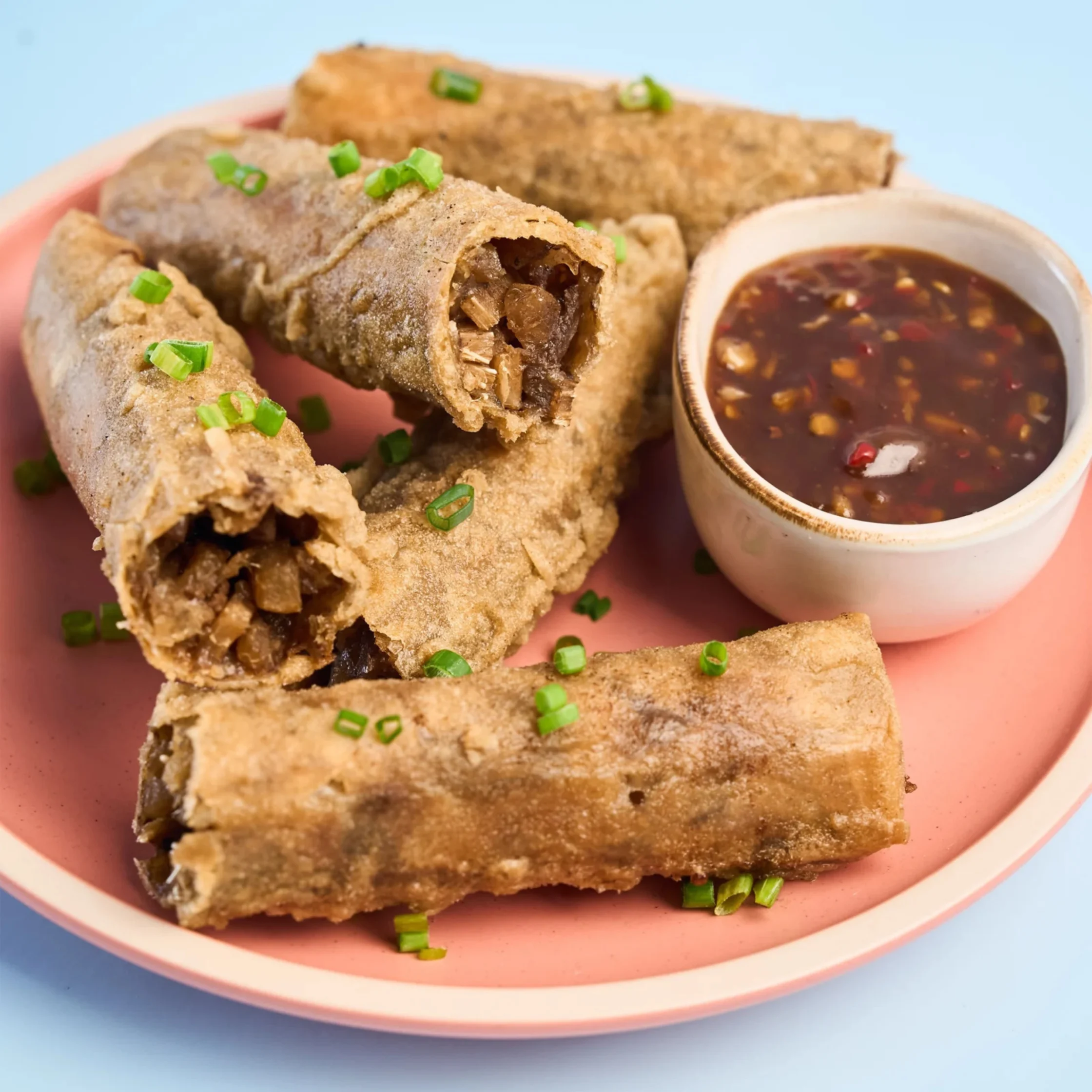
The most notable example of this is in the Cebuano dish called ngohiong, a fried spring roll made of pork, shrimp, and heart of palm.
In some adoboAdoboThe Filipino dish of meat or seafood braised in vinegar, soy sauce, garlic, bay leaves, and peppercorns. Widely regarded as the national dish, adobo varies from home to home andGo to Adobo Glossary recipes, star anise is known to be a common ingredient.
But even excluding existing dishes, you can definitely experiment by adding either five spice or allspice, transforming some of our local recipes.
Can You Substitute One For The Other?
What precisely makes five spice and allspice not interchangeable lies in the licorice note of the star anise and the numbing sensation of the Sichuan pepper of the former.
For example, if you were to bake a pumpkin pie using five spice, it would make it taste too strongly like licorice. If you were to make char siu with allspice, it would lack its warmly spiced aroma Cantonese cuisine is known for.
However, if ever you run out of either spice, there are substitutes you can use, so long as you already own those ingredients.
If you are out of allspice, you can opt to mix equal parts ground cinnamon, cloves, and nutmeg.
As for five spice, the only solution would be if you had a majority of the exact five spices it’s made up of. You ground star anise, cinnamon, cloves, fennel seed, and black or white pepper (if Sichuan peppercorns aren’t on hand).

Frequently Asked Questions
Five spice is a blend of five spices rooted in Chinese culinary tradition, while allspice (also known as myrtle pepper) is a single dried, unripe berry from Jamaica, Central and South America, and Southern Mexico.
They also differ in flavor profiles, origins, and how they are used in cooking.
The five spices that make up Chinese five spice involve star anise, cloves, cassia or Chinese cinnamon, Sichuan peppercorns, and fennel seeds.
Each flavor corresponds to one of the five elements. Earth for sweet, wood for sour, fire for bitter, water for salty, and metal for spicy or umami.
They are also believed to manifest in parts of the body and support internal balance.
Allspice is rarely used in traditional Filipino cooking, whereas Five Spice appears notably in Filipino-Chinese dishes such as the Cebuano fried spring roll ngohiong.
If you run out of Allspice, you can mix equal parts ground cinnamon, cloves, and nutmeg.
If you run out of Five Spice, you can make a substitute if you have most of its core spices on hand by grinding star anise, cinnamon, cloves, fennel seed, and black or white pepper (if Sichuan peppercorns aren’t available).