


These last few months, I’ve spent a decent-sized chunk of time working with food.
On good days, this means failing to finish a meal with way too many dishes and struggling to find the right words to describe it right after. On others, it’s a hectic mix of interviews, deadlines, shoots, and trying to remember the name of something (or someone!) that I had just been introduced to five minutes prior. All together, though, I find being a food writer to be a pretty interesting job.

But somewhere in between the bites and writing assignments, I found myself trying to digest a much bigger, much tougher question: Am I telling stories that actually matter?
Pancit Marilao and the Stories Behind Filipino Food
Of course, there’s value in telling people about a great restaurant, introducing them to a dish they’ve never had, or giving them an excuse to visit a place just to try the food. After all, these spark curiosity, uplift local businesses, and help people experience new and delish-cious things. But with the amount of stories that come attached to food, I sometimes wonder if I’m doing enough.
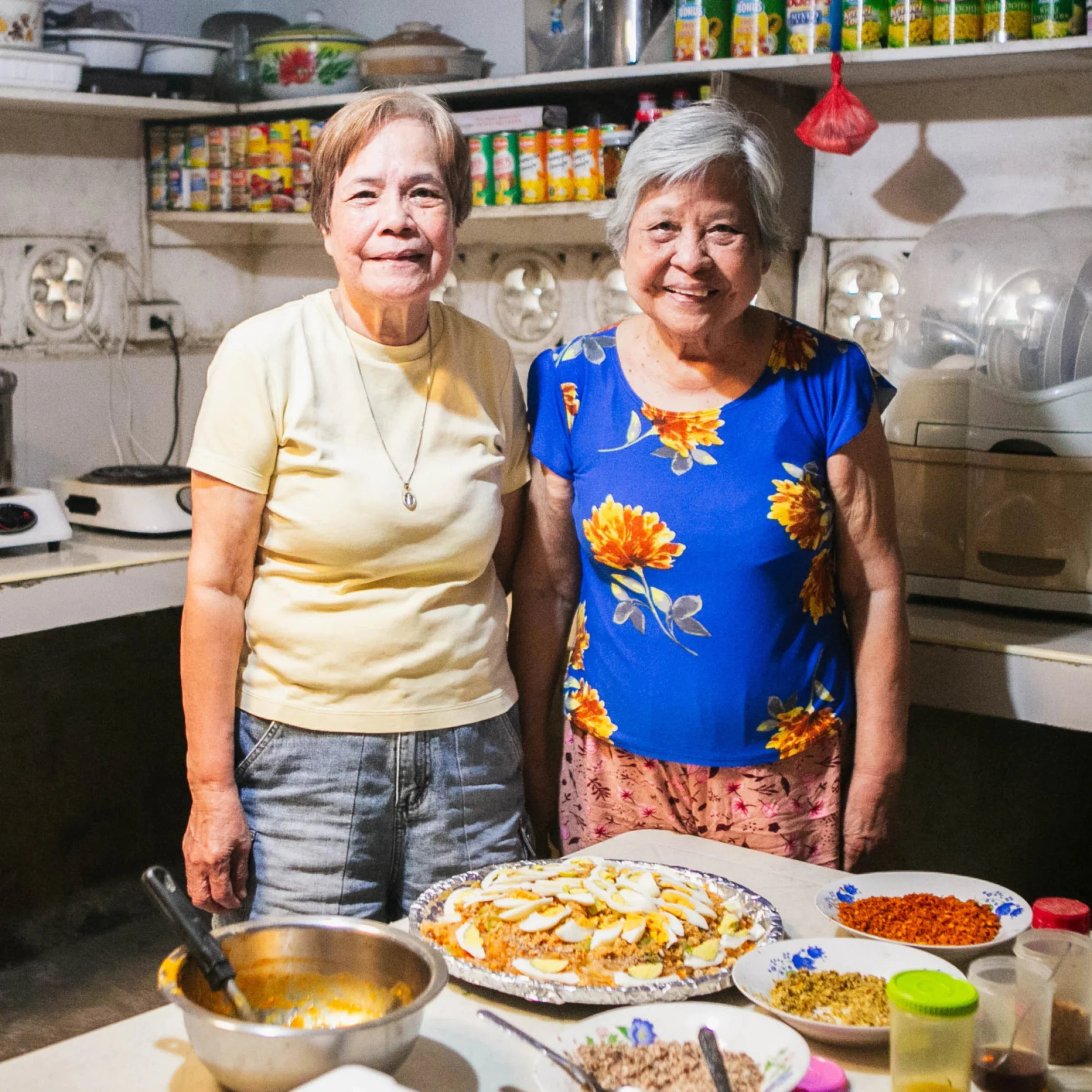
A few months ago, in Bulacan, I found myself inside a home with barely any headroom, watching Corazon and Florida Raymundo prepare pancit Marilao. While doing so, they shared the story behind the recipe they inherited from their aunt. And while the dish itself was delicious, what stayed with me wasn’t the texture of the noodles, the savory sauce, or the unorthodox toppings—but the realization that so much history could live in something as ordinary as a bilao of pancitPancitThe Filipino noodle dish, symbolizing long life and traditionally served at birthdays. Varieties abound, from everyday bihon and canton to regional specialties such as Quezon's habhab and Cagayan's pancit batilGo to Pancit Glossary.
Seeing the sisters preserve a piece of their heritage through the simple act of cooking reminded me that some of the most meaningful stories aren’t always served at the trendiest restaurants. Sometimes, you can only stumble upon them when you go out of your way to visit someone at their home in a city you’ve never been to.
In a way, my experiences in Ormoc and Bacolod brought me to a similar realization, albeit in very different ways.
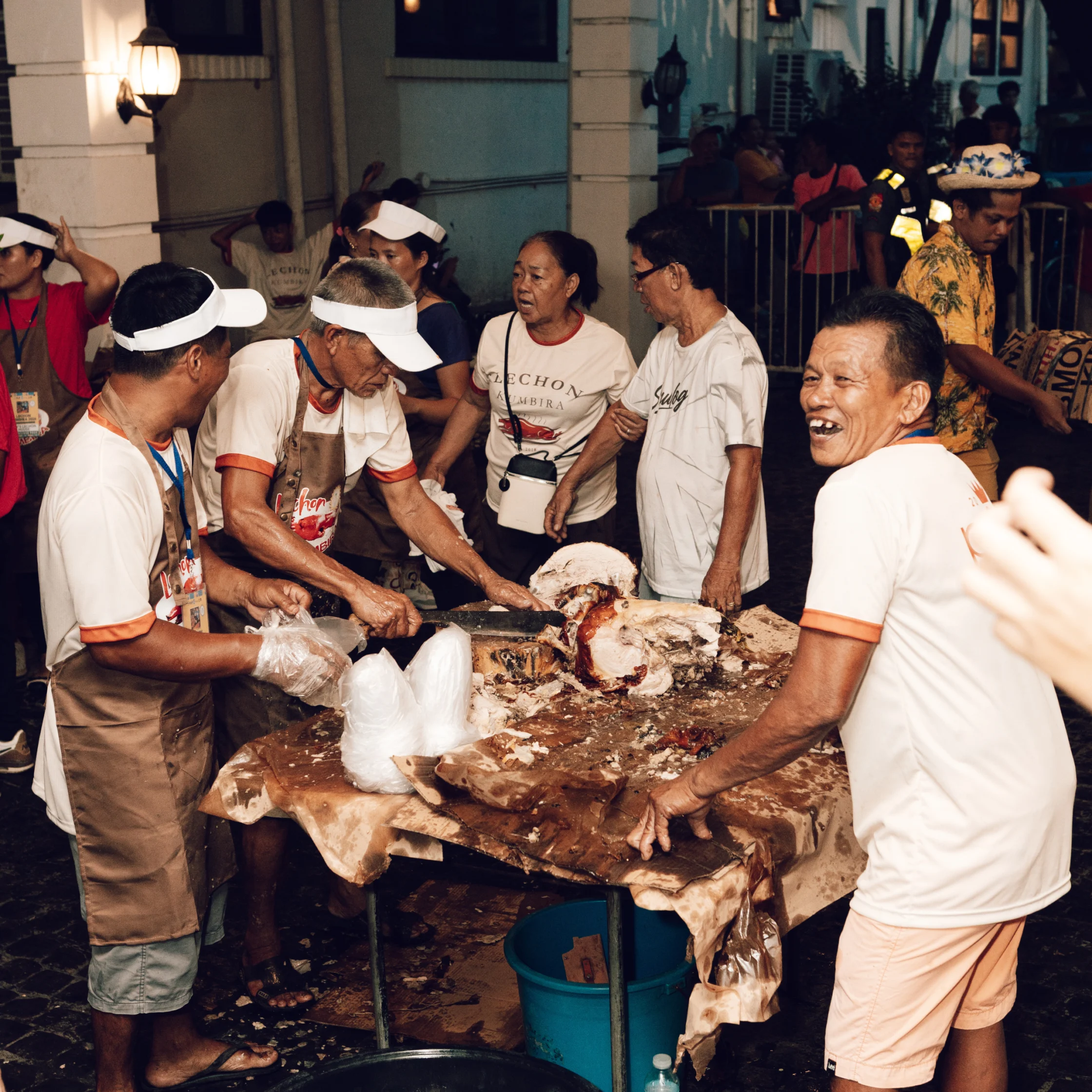
In Ormoc, I found myself speaking with chefs and business owners in a language I could only understand in bits and pieces. I had to rely on familiar words, gestures, and context clues, often feeling like I was trying to piece together a puzzle with only half the picture. It was frustrating, especially when I couldn’t fully understand what they were trying to communicate, no matter how many questions I asked.
Bacolod, on the other hand, brought me closer to home in ways I didn’t quite expect. My mother grew up there, and I’ve visited the city several times throughout my childhood. Yet, despite those trips, I felt more like a tourist than someone with a personal connection to the place. I’d hop from one famous spot to another, tasting one delicious dish after the next, without necessarily getting a better sense of the people, traditions, and stories behind them.
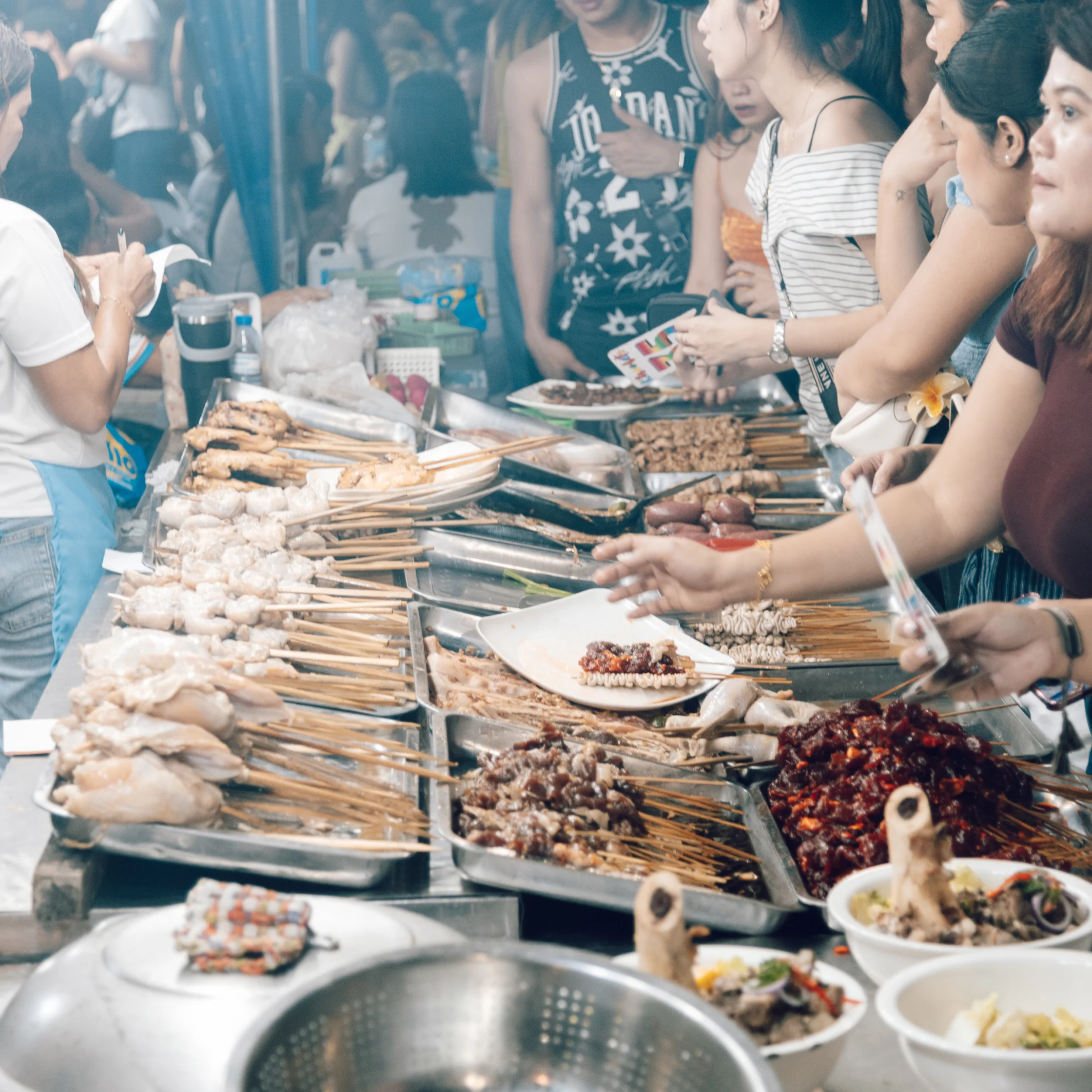
It was a strange feeling, being somewhere that was technically part of my story but still feeling like an outsider who was only visiting. While my mother’s connection to Bacolod gave me a sense of belonging, I was also aware of how much I had yet to learn about the place and the culture she grew up with.
What Does It Take to Uncover the Stories Behind Filipino Cuisine?
Looking back, these experiences made me realize just how much there is to learn about food, the people who prepare them, and the places they come from. Yes, a dish can lead you to a family’s history, a community’s traditions, or a story that has been passed down for generations, but getting to those won’t be easy.
Much like the process of cooking itself, it takes a dash of time, a sprinkle of patience, a couple pinches of persistence, and a generous amount of the willingness to admit that you actually don’t know as much as you thought you did.
And the more I clock in to hear and write someone’s story, the more I realize how much I might never get to see or understand, no matter how many places I visit or people I interview. Because, at the end of the day, there’s always another dish, another chef, another ingredient, or another culinary tradition with a history I haven’t heard.
With so much left to discover, I can’t help but wonder if I’m asking the right questions, looking closely enough, and making the most of the stories I am fortunate enough to come across.
Of course, I know I won’t be able to tell every single story. There will always be places I won’t get to visit, people I won’t get to meet, and dishes I won’t get to taste. But I hope I can make the most of the opportunities that do come my way by taking the time to listen, and giving them the attention they deserve.
I also don’t want to lose sight of the simple joys that got me into food writing in the first place. There’s still something rewarding about the trendy restaurant, the viral dish, or the where-to-eat recommendation. I want to keep telling those stories too, while making more room for the people, histories, and traditions that make food worth savoring.
A Food Writer’s Open Question on Stories That Matter
So, am I telling stories that actually matter? I honestly don’t know. Maybe it’s too early to tell, or maybe it’s a question I’ll keep coming back to throughout my time as a food writer. What I do know is that there are still so many meals to share, people to meet, and stories to hear.
I may not always know what to ask or where a conversation will lead, but I’ll continue to show up, listen, and find the right words to tell the stories that do come my way. I suppose I still have a lot of figuring out to do, both as a writer and as someone who’s learning to look at food a little differently.
For now, though, I’m happy to keep doing just that.

Frequently Asked Questions
Food can offer a glimpse into family histories, community traditions, and cultural heritage. Sharing these stories can help readers appreciate not only what they eat but also the people and experiences behind it.
A food writer explores food through restaurant visits, interviews, shoots, and research, then shares stories about the dishes, people, and places they encounter. The work can involve everything from recommending where to eat to documenting the history and traditions behind a recipe.
It takes time, patience, and a willingness to learn. Language barriers, unfamiliar customs, and limited understanding of a place can make it difficult to fully grasp someone’s story. A writer must be willing to ask questions, listen, and recognize what they don’t know.
Restaurant features and food recommendations can introduce readers to new experiences and support local businesses. However, food writing can also explore family recipes, cultural heritage, regional specialties, and the people who keep culinary traditions alive.
Recipes passed down through generations can carry memories, techniques, and traditions that families continue to share through cooking. Preparing a dish can become a way of keeping those connections alive.