Filipino reaching new frontiers in the recent years is certainly a feat worth celebrating. But it shouldn’t stop there—not when countless Filipinos still go hungry and lack regular access to food that would enable them to live long and healthy lives.
An estimated 15.4 million people (12.6% of the population) are food-insecure in the Philippines, according to the Global Food Assessment (GFA) report of the USDA’s Economic Research Service—which makes us second to the highest in Southeast Asia, next to Indonesia. The number of Filipino families experiencing hunger has also risen from 20.3% in Q2 of 2026, to 22.6% in Q3 according to an SWS report.
Food Security Is All About Reliable Access To The Right Food
The concept of having this access consistently among many people is called food security. As defined in the 1996 World Food Summit, this is the condition when everyone, at all times, has “physical and economic access to sufficient safe and nutritious food that meets their dietary needs and food preferences for an active and healthy life.”
In short: it’s all about having regular access to food that’s safe to eat, nutritious, and affordable—whether that’s food stocked in the pantry, food in the supermarket on your next grocery run, or food growing in the fields for the upcoming harvest. It’s also about knowing the food will be there right now, as well as in the future.
Food Security In The Philippines Today
“Following [the 1996 World Food Summit’s definition], a food-secure Philippines would be able to access and afford its food requirement at all times,” says Nathaniel Candelaria, an Assistant Professor at the University of the Philippines Department of Political Science. “In this case, everyone would be able to eat their daily dietary needs. But more than accessing food, I believe that a food-secure Philippines will be able to secure its food, even in the worst of times.
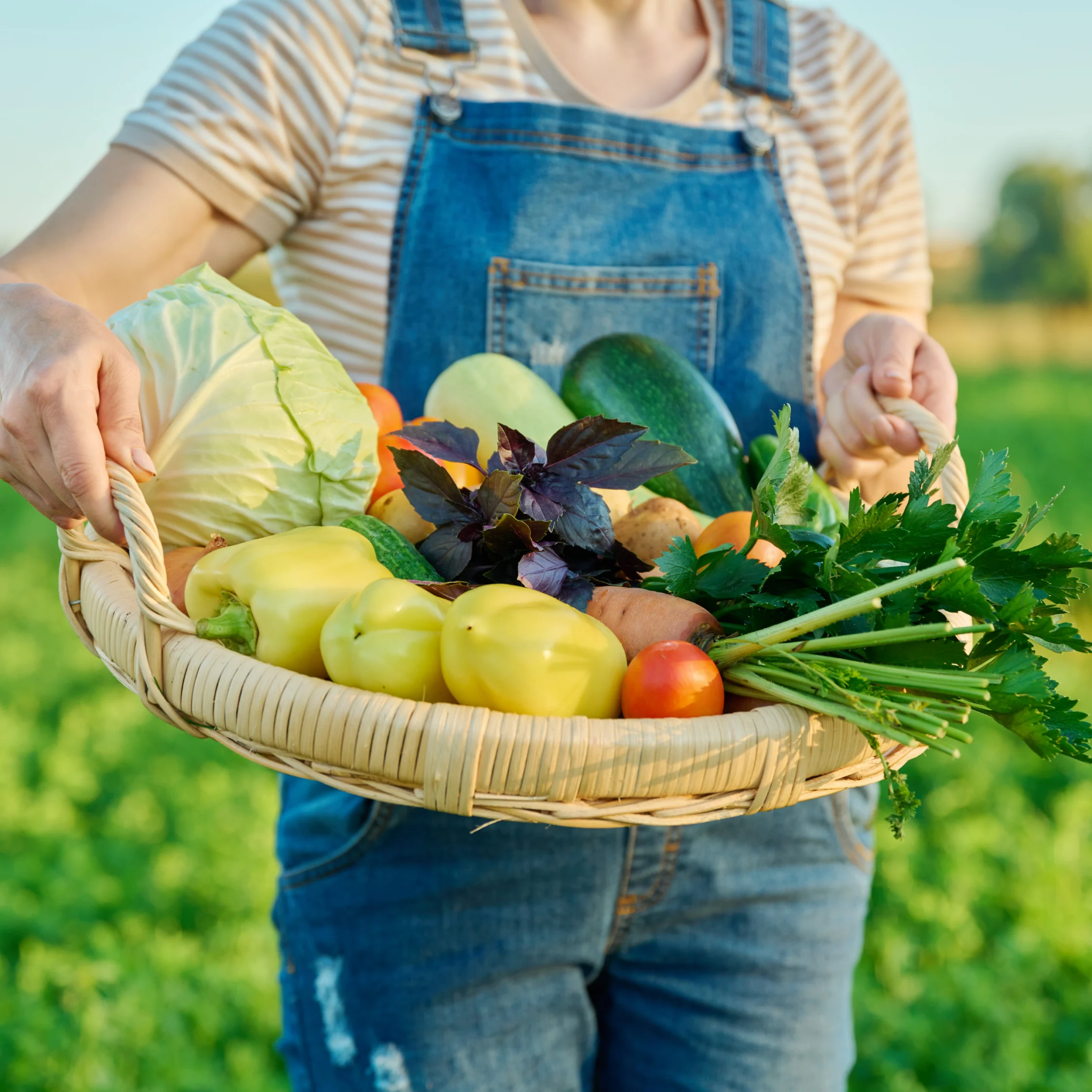
In a food-secure Philippines, every Filipino household would have sufficient access to rice, meat, fish, poultry, eggs, fruits and vegetables, says Candelaria. “They must also have access to ingredients, seasonings, required materials for cooking, including oil. A Filipino household should be able to eat at least three times—breakfast, lunch, dinner. They should also be able to [fulfill their food requirements for little cost]. Based on PSA data, majority of Filipino families spend [most of their] budget on food requirements.”
Sadly we aren’t quite there right now—and there’s a lot to unpack, as food security is linked to many other factors: poverty, climate change, and economic and political conditions.
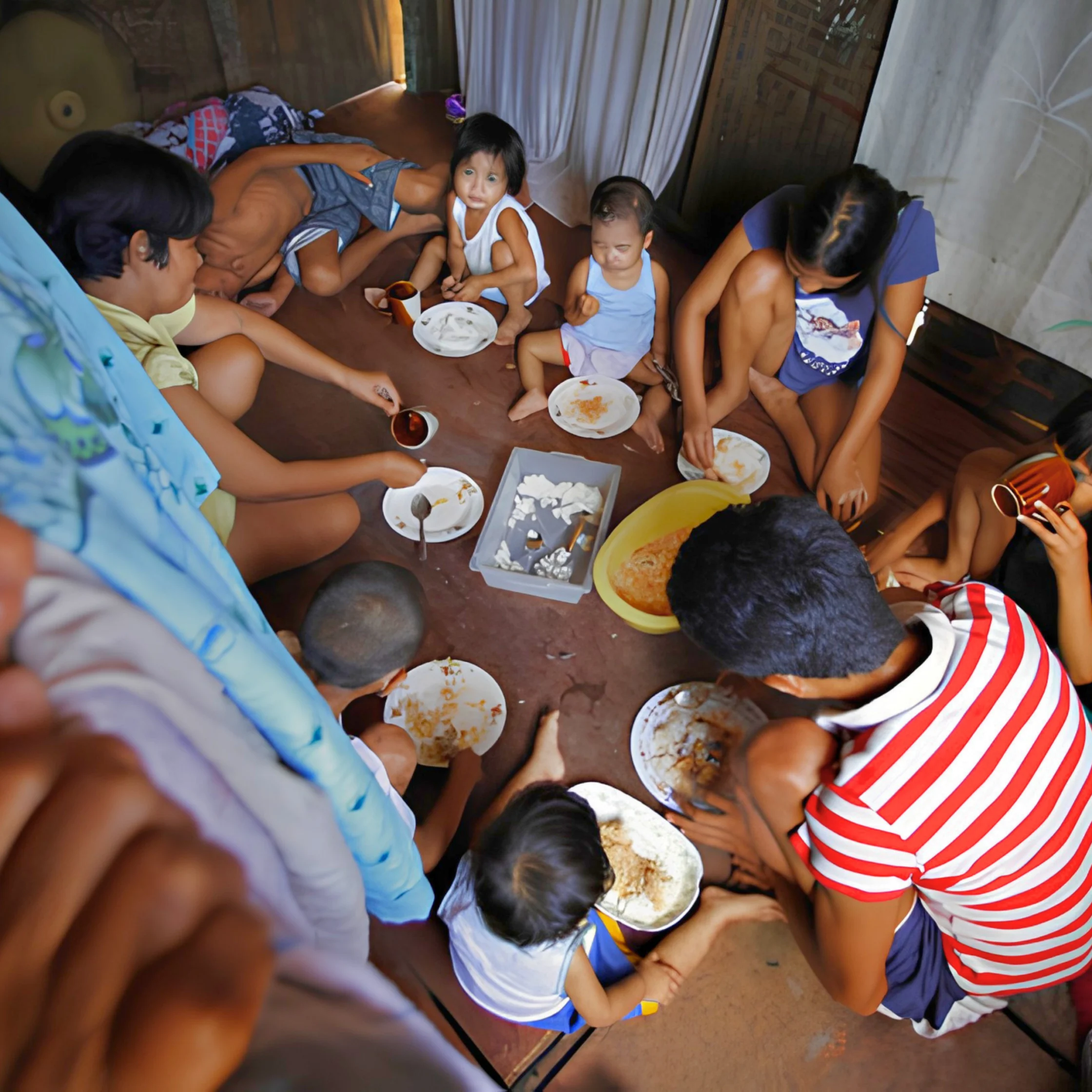
The Systemic Roots of Philippine Hunger
Poverty limits access to essential nutrition, for starters, and while the Philippines hit its lowest-ever poverty incidence of 9.7% in 2025, that’s still 11 million people facing lacking resources and income to meet food and non-food needs—plus the World Bank estimates about 28% of Filipinos to still be at risk of falling back into poverty.
Political instability can also come at the expense of access to and availability of nutritious food, with political conflicts, like the geopolitical tension in the Middle East, leading to rising costs of fertilizers and fuels.
And unpredictable weather patterns and extreme weather events, like the record-breaking El Niño expected to intensify this late 2026, can lead to dry spells, crop damage, and lowered yields.
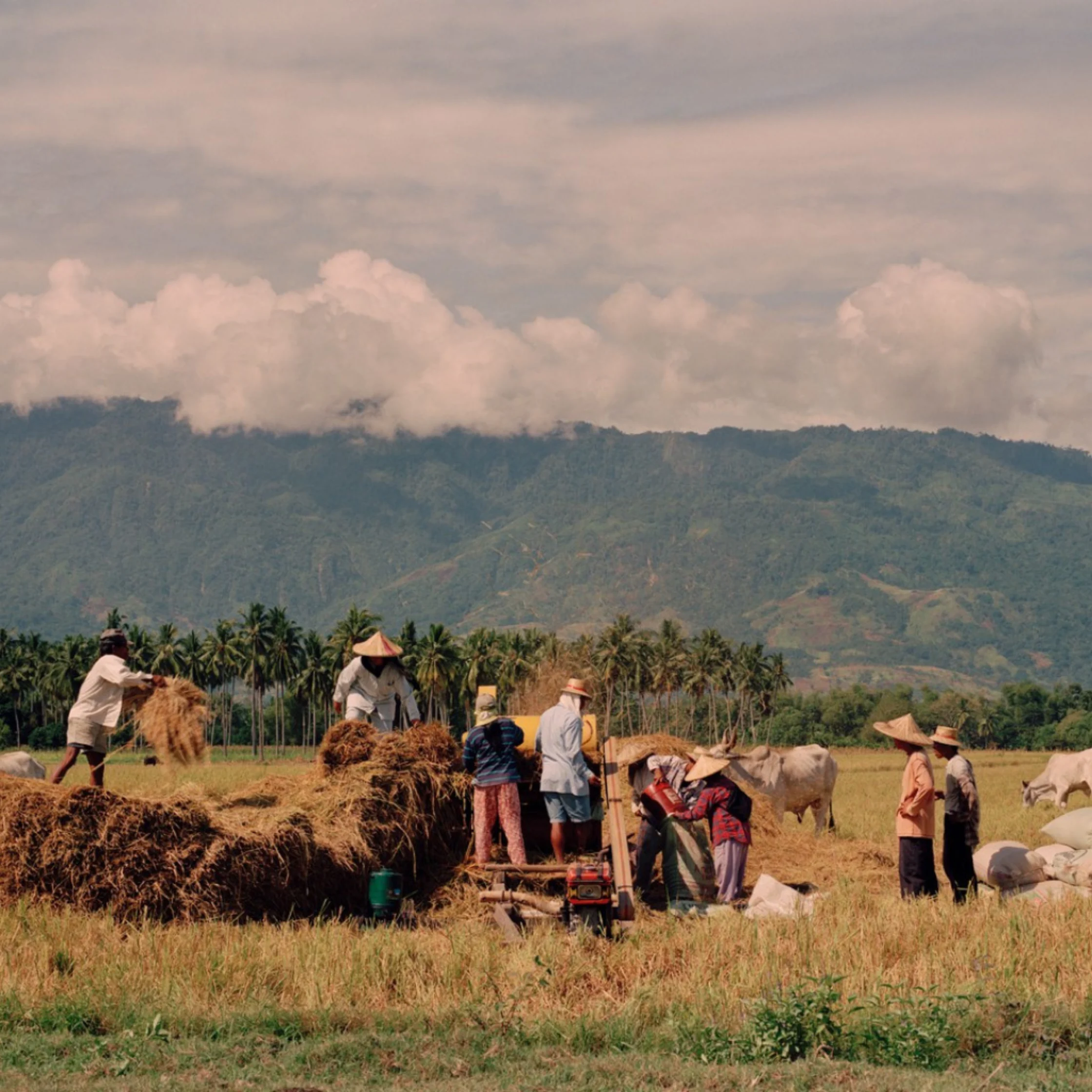
Farmers are among the poorest of Filipinos facing systemic issues such as landlessness and inadequate support from governing bodies, apart from having to deal with the likes of climate change and pestilence (e.g., the spread of African swine fever) that affect yield and the health of livestock.
It’s (sadly) unsurprising that fewer Filipinos in rural areas are looking to become farmers. And with less manpower to till the land and retain them, there’s less food grown locally for us—which only further increases reliance on imports and ultimately threatens food security.
Take, for instance, the fact that the Philippines is no longer rice self-sufficient—that is, it doesn’t produce enough rice on its own to meet domestic consumption and have emergency stocks on hand, and we instead rely heavily on imports of rice from neighboring countries like Vietnam and Thailand.
The government has made the move to liberalize the economy to let in imports of agricultural products, which would theoretically help mitigate shortcomings in supply and lower food prices for consumers—but makes the country vulnerable to global market forces and has negatively affected Filipino farmers.
As far as rice goes, there’s the Rice Tarriffication Law implemented in 2019. With more rice imports coming in for cheap, local farmers have had to keep prices of unhusked rice low to compete, while spending more with the rising costs of fertilizers and logistics. And yet, factoring in fluctuating global market prices and supply, the final prices of rice still effectively turn out high as Candelaria points out.
There’s also the rising prices of oil, a resource many industries rely on for power, transportation (food transportation included), cooking, and so on. “Filipinos have to tighten their budgets just to get by,” says Candelaria.
What Will It Take to Achieve Real Food Security?
“While plans [to address food insecurity] are there, there seems to be a gap between plans and actual execution,” says Candelaria. At the same time, he shares, the agriculture sector needs help.
Candelaria also brings up the prevalence of food wastage—that is, agricultural products being thrown out due to overproduction. “We’ve seen cases of food being thrown out when not sold.”
Given the complexity of the subject, the solution to food insecurity isn’t simple either. There are groups like Action Against Hunger, Angat Buhay, and Good Food Community that have hunger relief initiatives, and/or have programs to spread awareness about the many issues surrounding food insecurity in the Philippines. As far as individual everyday actions go, it’s a good practice to keep food waste at a minimum and only buy as much as you can finish. It also certainly doesn’t hurt to shop local, directly from farmers where possible.
Ultimately, though, the key to lasting food security is systemic change—the kind that provides not only assistance for food and other resources, but also prioritizes farmers’ welfare.

Frequently Asked Questions
As established at the 1996 World Food Summit, food security means that everyone, at all times, has physical and economic access to sufficient, safe, and nutritious food that meets their dietary needs and preferences for an active, healthy life.
Food insecurity, then, is when this standard is not met.
According to the USDA Economic Research Service, approximately 15.4 million Filipinos (12.6% of the population) are food-insecure, placing the country second in Southeast Asia for food insecurity, behind Indonesia. Additionally, an SWS report indicates that the percentage of Filipino families experiencing hunger rose from 20.3% in Q2 of 2026 to 22.6% in Q3.
Farmers are among the poorest demographics in the country, leading fewer people in rural areas to pursue farming. With less manpower to cultivate land, local food production decreases. Consequently, the Philippines has lost its rice self-sufficiency and must rely heavily on imports from neighboring countries like Vietnam and Thailand to meet domestic demand.
While economic liberalization policies like the Rice Tariffication Law from 2019 aimed to increase import supply and lower prices, they have instead made the local market vulnerable to global price shifts. Meanwhile, local farmers are forced to keep their unhusked rice prices low to compete with cheap imports, even as their own production and fertilizer costs rise.
Lasting change requires bridging the gap between policy plans and execution, prioritizing farmer welfare, and addressing supply issues like agricultural food wastage from overproduction.
Everyday citizens can also support initiatives by organizations like Action Against Hunger, Angat Buhay, and Good Food Community, minimize personal food waste, and buy produce directly from local farmers whenever possible.