Advertisement

7 Tips on How To Handle Chopping Chili

Here's a few things to be mindful of the next time you cut up some chilis before you get it on your hands and end up with your eyes burning in pain.

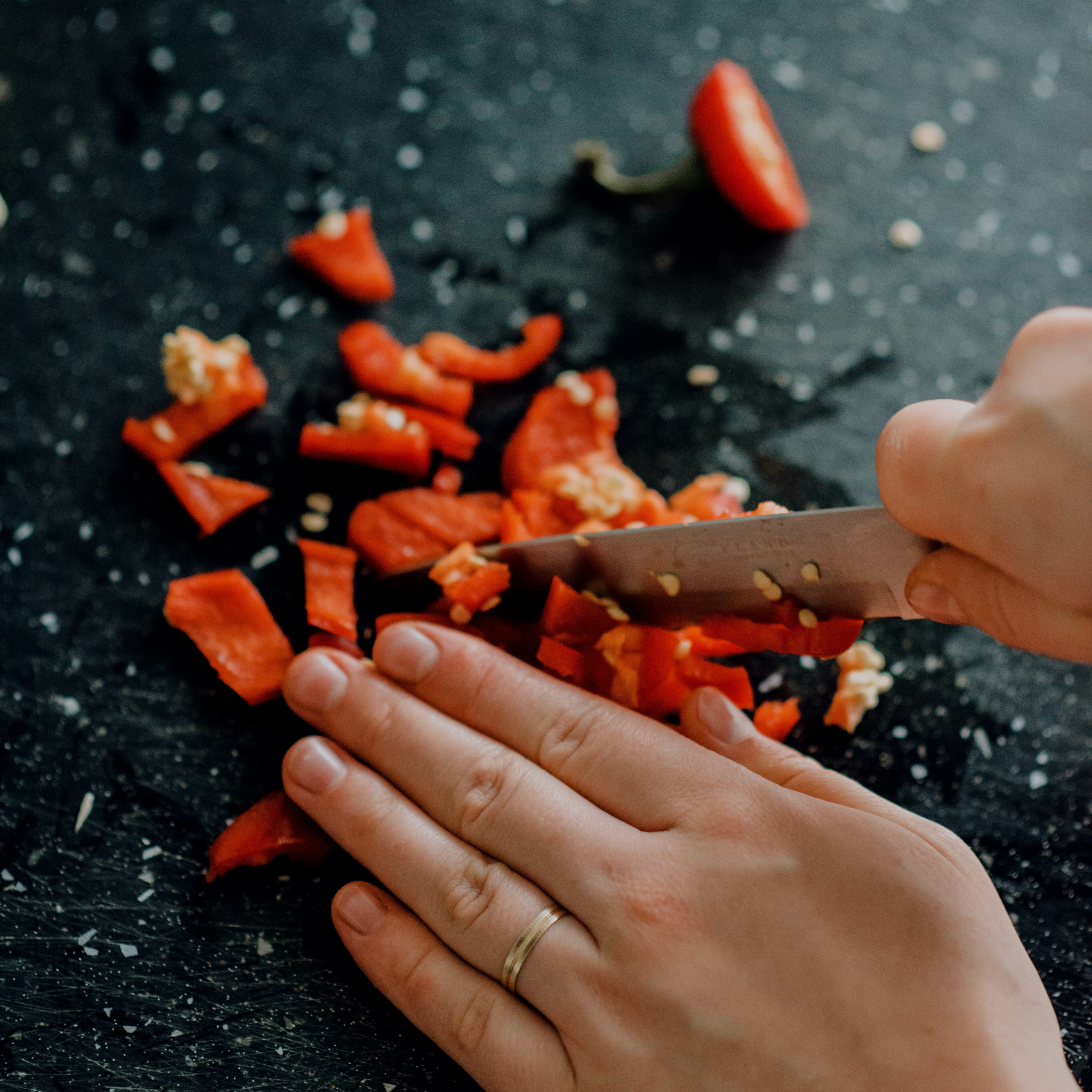
Hands chop red bell pepper on a dark, textured cutting board; scattered pieces and seeds create a vivid, focused kitchen scene.
Chopping chilis is a more serious matter than you think!

Making spicy food has never felt as high-stakes until now. And this is not an exaggeration.  

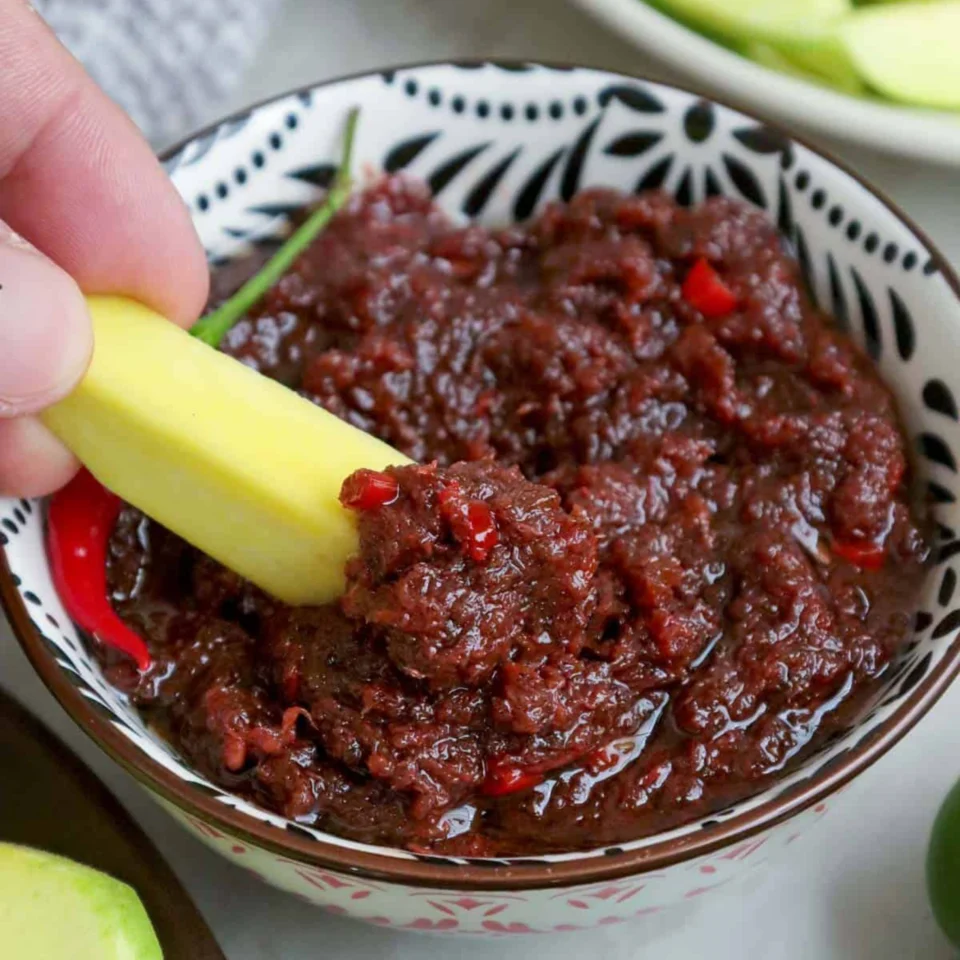
Spicy dishes like Bicol Express will always have a special place in my heart and in my stomach. But as I began to learn in my research, making spicy dishes may come at a higher price than I thought.  

While some recipes will specifically call for adding ground up spice or chili paste, the most straightforward way to add spice is to add whole or chopped chili. If you are planning to cook something that requires you to do the latter, keep reading for your own sake!

Why Can’t I Just Rinse My Hands In Water?

When chopping chili, it isn’t just the chili itself that remains on your hands. That isn’t even what makes it spicy in the first place. In reality, it’s the oil from the chili, known as capsaicin. It is what gives the chili peppers their spice and the very thing that sticks to your hands. 

Because capsaicin is not water-soluble, you can’t simply wash your hands after chopping chilis. 
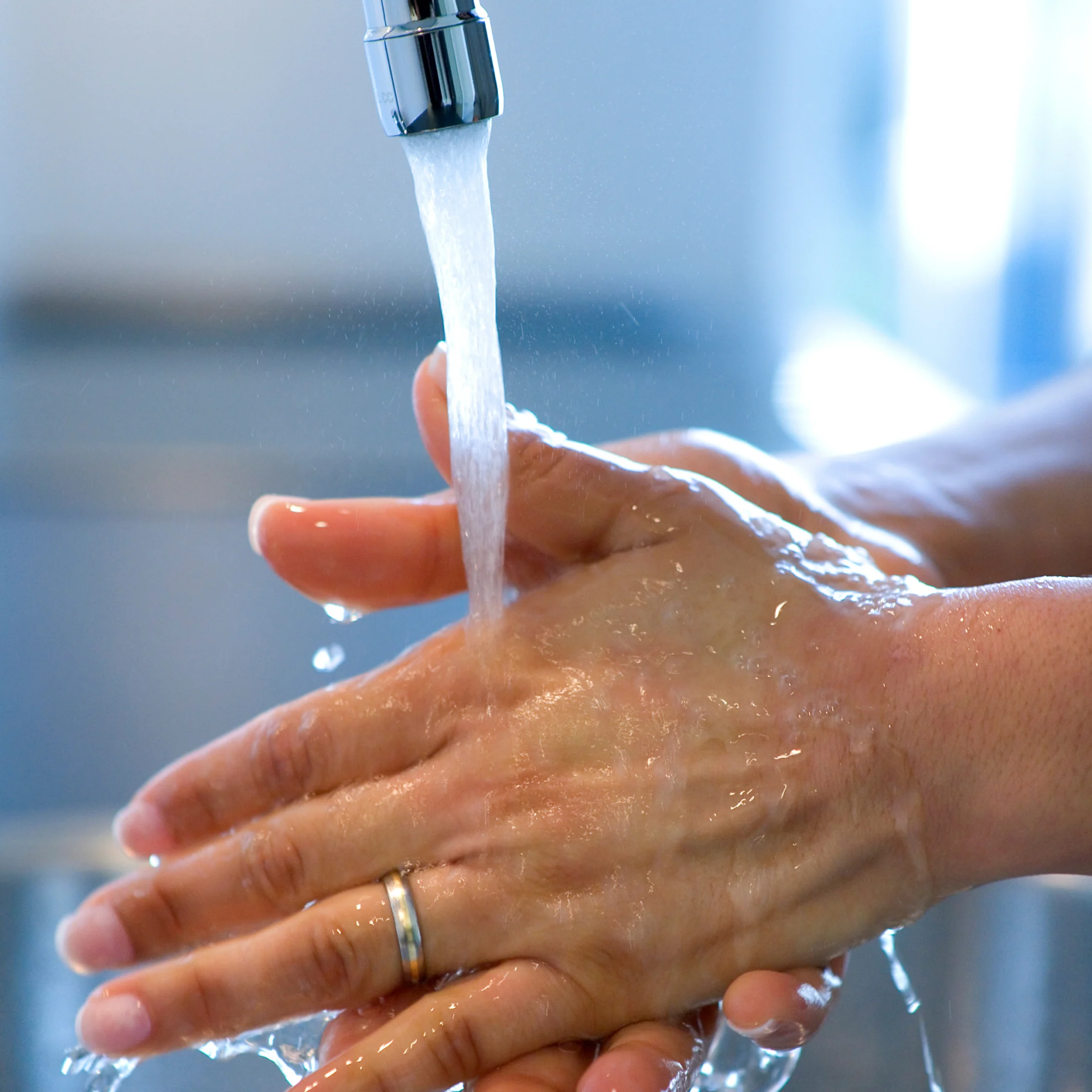
Close-up of hands with a wedding ring being washed under a running chrome faucet, water splashing over wet skin in a clean, calm kitchen setting.
Simply washing your hands isn’t enough.

What Is The Best Way To Avoid This?

In situations like this, prevention is always the best advice.

The most surefire way to avoid getting chili on your hands is to wear gloves before you start chopping. Though disposable plastic gloves should suffice, nitrile gloves are very much recommended. Regardless, the important thing when it comes to your choice of gloves is to make sure they are food safe.
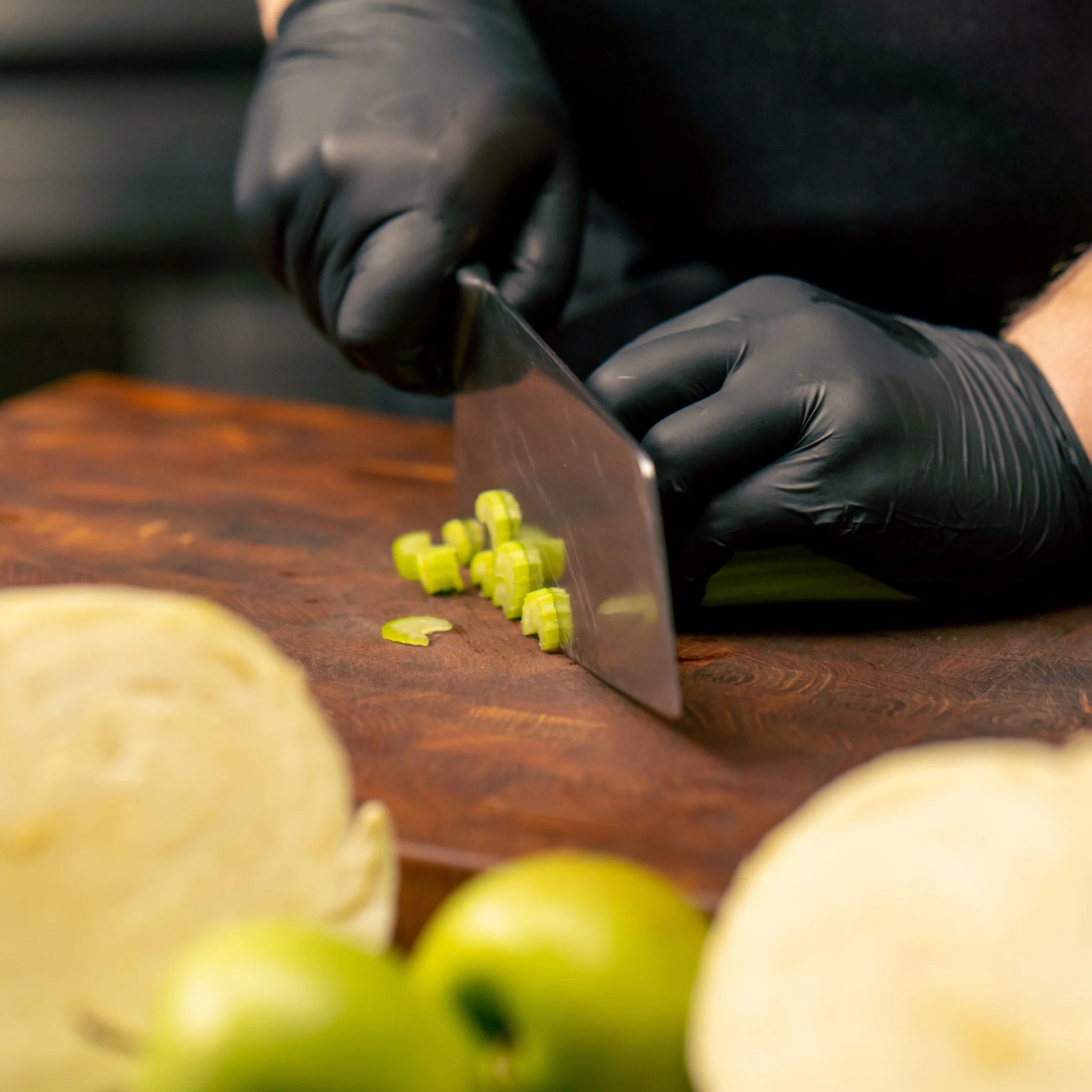
Black-gloved hands slice green onions with a chef’s knife on a wooden cutting board, with cabbage and limes nearby; focused, professional kitchen scene.
Wear gloves to save yourself from feeling the burn.

What Do I Do If It’s Already On My Hands?

If you try searching for it online like I did, there are long lists of tips on how to get rid of your hot pepper hands. So instead of simply regurgitating all of the usual tips back to you, I decided to consult some friends who know their way around a kitchen much better than I do.  

Here are 6 tips on how to deal with hot pepper burns and properly wash the capsaicin off your hands for good. 

1. Avoid touching your eyes & all other sensitive areas 

While researching, I’ve read too many online stories of people haphazardly washing their hands, then heading straight to the shower and feeling the burn all over their body. Or worse, a parent handling their 4-month-old after making spicy salsa.

The most important thing to remember after chopping chilis is to avoid touching any sensitive areas on yourself or anyone else. You don’t have to wait to feel the burn to know your hands are probably covered in capsaicin. 

A woman in a polka-dot apron playfully covers her face in a bright, white home kitchen, creating a lighthearted, candid mood.
Don’t touch your face, your body, or anyone else after chopping chilis.

2. Dip your hands in ice water 

This tip is less about getting the oil off your hands and more for soothing the pain if it does start to hurt your skin. 

Prepare a big bowl of ice water ahead of time so that you can dip your hands in it as soon as you’re done chopping. Reducing the burning sensation will not only help with the pain itself, but it also gives you time to game-plan the most accessible awy to wash off the oil. 
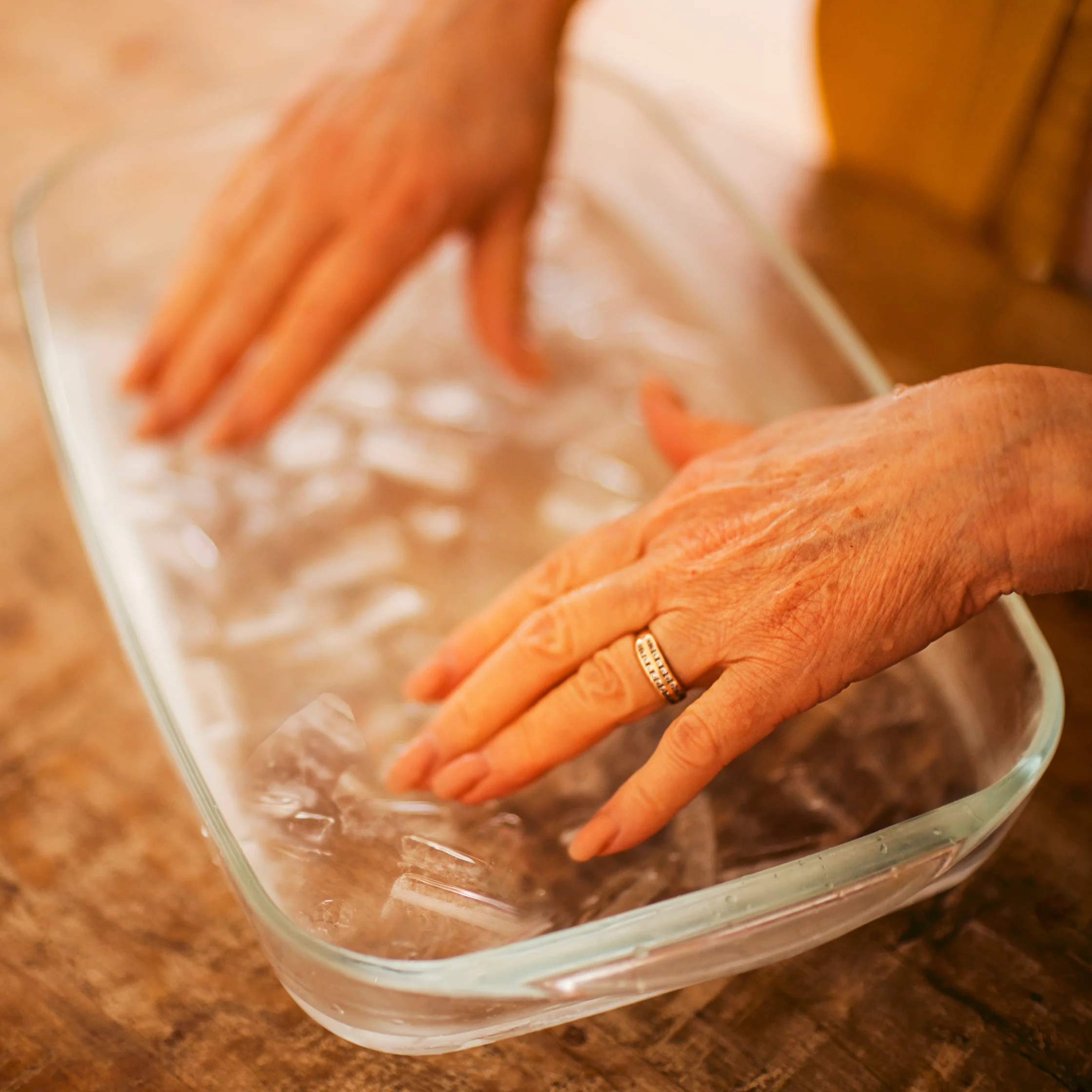
A person gently presses both hands into a clear glass dish of water on a wooden table; a gold ring catches the warm light, creating a calm, soothing mood.
Dip your hands in an ice bath to temporarily soothe the pain.

3. Dip your hands in dairy products

Another way to alleviate the pain is to “wash” your exposed hands using milk, yogurt, or any liquid dairy product. The science is the same as why a glass of cold milk relieves the burn when you’re eating spicy food.

​Similar to the ice bath, this is primarily meant to cool the sting. Keep in mind that using non-dairy products won’t be nearly as effective because they lack casein, which is the exact protein that specifically breaks down capsaicin and calms the heat.
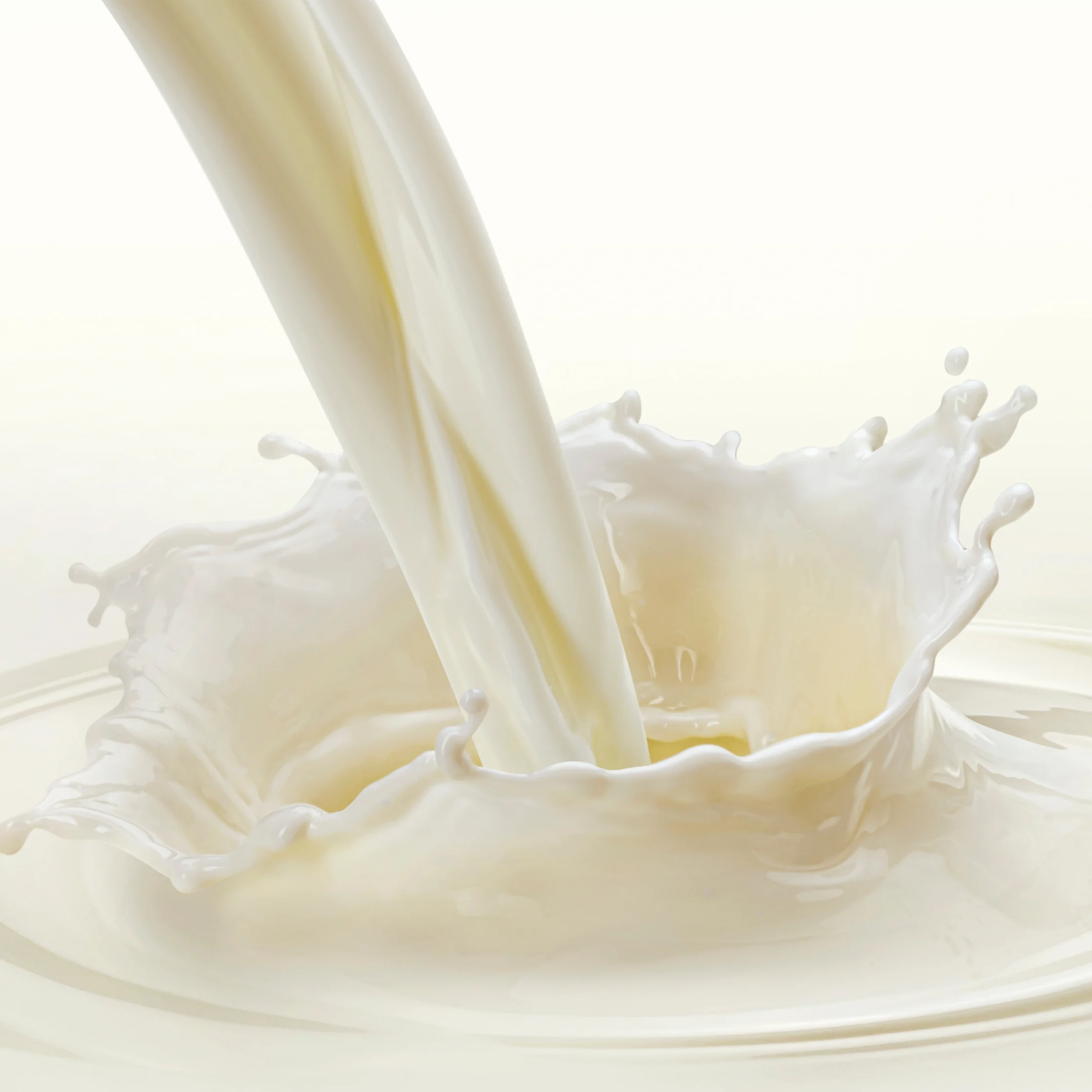
A thick stream of creamy milk pours into a pool, creating a dramatic crown-shaped splash with droplets against a bright, clean background.
“Wash” your hands in any dairy product to help subside the burning sensation.

4. Wash your hands using an acid 

Another way to think of removing the oil on your hands besides breaking it down is using acidic household items to help break down the oil on your skin.

Because capsaicin binds tightly to skin, mild acids can help cut through the oil residue. Try washing or soaking your hands in vinegar, lemon juice, or tomato sauce, and then follow up with soap and warm water. Repeat this process a few times until the burning sensation subsides.
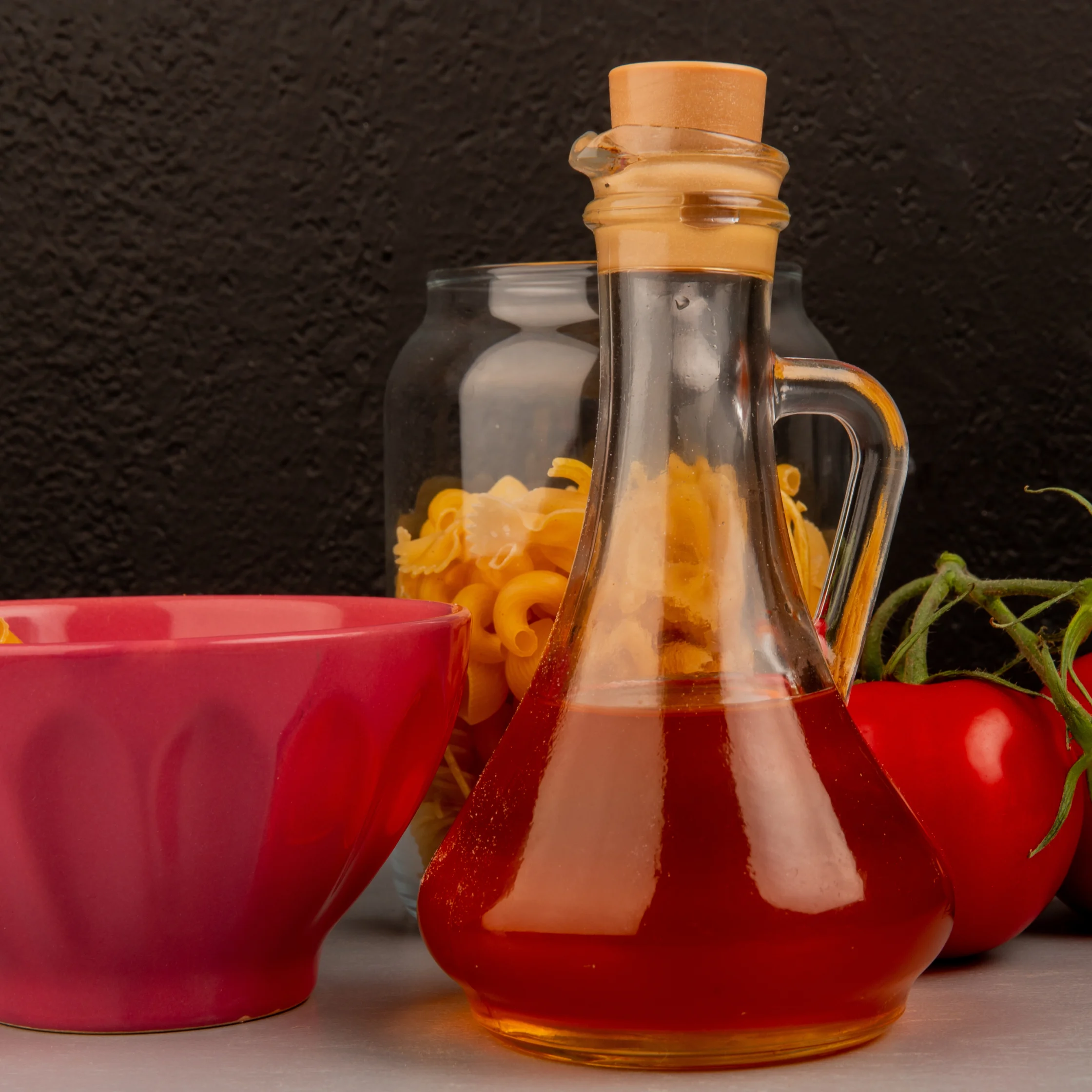
A glass cruet of red tomato sauce stands beside a red bowl, pasta jar, and fresh tomatoes against a dark backdrop, creating a warm, rustic kitchen mood.
Neutralize the capsaicin with acid.

5. Wash your hands using dish soap and cool water

Using your standard soap is not enough to remove the capsaicin from your hands. Some vouch for using dish soap as it is specifically designed to break down oils. It’s a good start, but do keep in mind that you would have to do this several times in order to to wash as much capsaicin off as possible.

The important thing to note if you choose to try this is to make sure you use lukewarm to cold water when rinsing your hands. Exposing your already burning hands to warm to hot water is a recipe for extra pain.
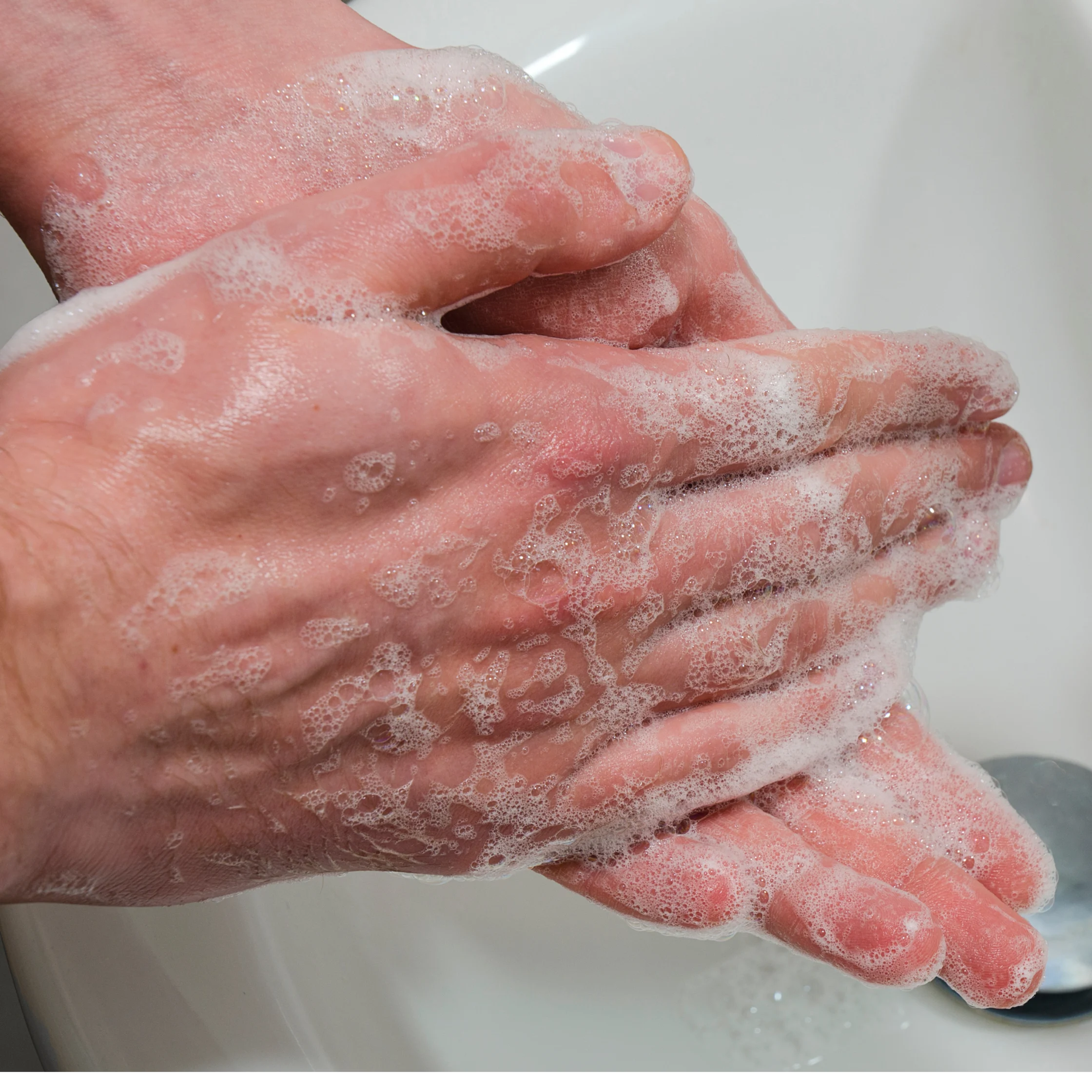
Close-up of hands rubbing together under foamy soap and water in a sink, showing thorough handwashing; clean, hygienic, practical tone.
Using dish soap will be more effective than any regular hand soap.

6. Soak your hands in oil 

Because capsaicin is fat-soluble, it can easily dissolve in oils. 

One tip that I’ve both found online and corroborated through my friends who cook is soaking your chili-smeared hands in any oil and then washing them using a decent oil-removing soap. You can also opt to do this several times, but it shouldn’t take more tries comparing to just washing with dish soap. Also, you don’t need to use an expensive oil. Any cheaper cooking oil should do the trick. 

Some also recommend rubbing your hands with just a touch of oil (but not enough for your hands to become slippery) before cutting peppers will coat them enough to prevent the sting from happening in the first place. Just make sure you are still able to hold the knife properly in order to avoid a different kind of injury. 
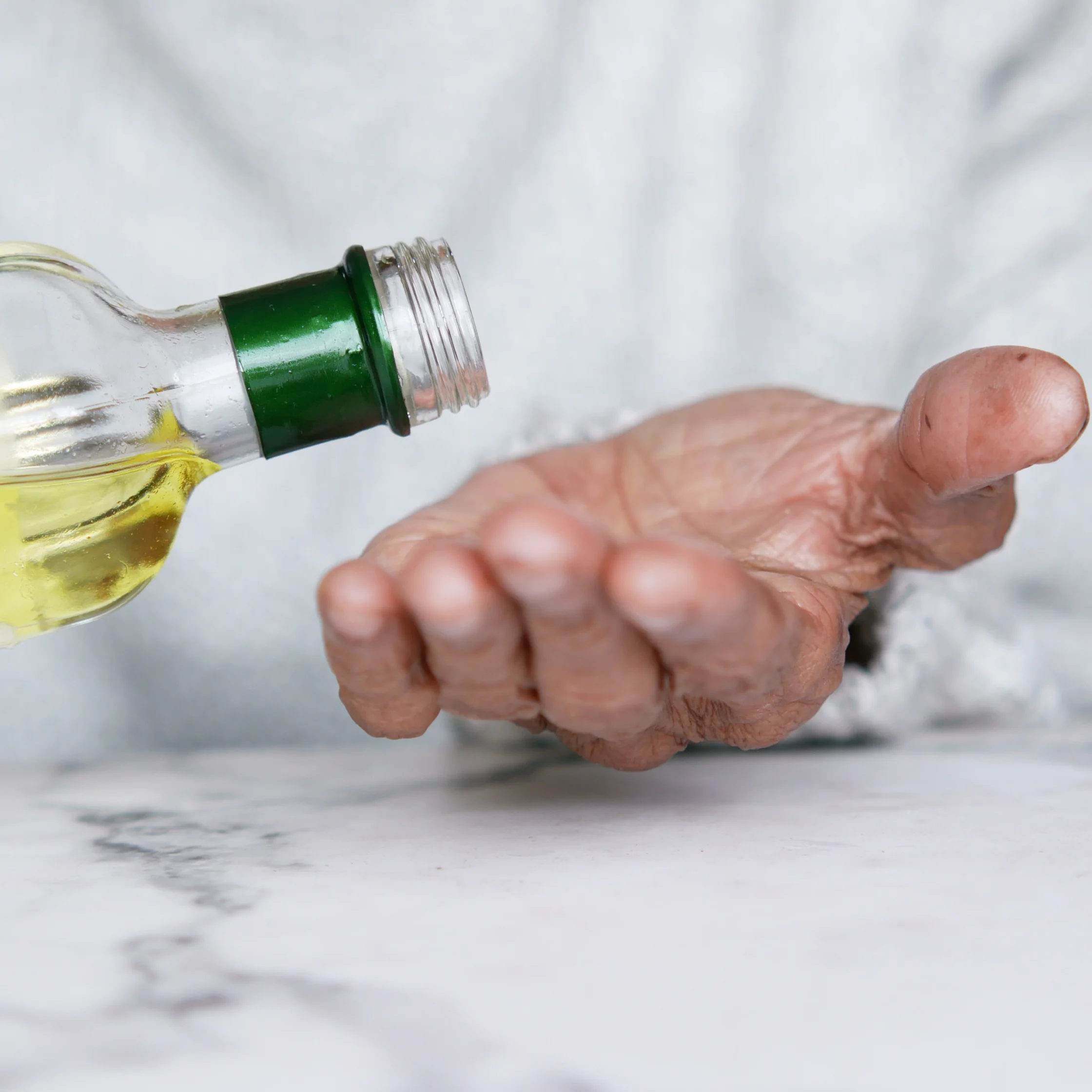
An open palm reaches beneath a glass bottle of golden oil, suggesting an offer or request; the close-up feels simple and inviting against a pale marble background.
Soaking your hands in oil will help break down the capsaicin.

7. Apply petroleum jelly 

This tip is the best of both worlds!

Applying petroleum jelly like Vaseline helps soothe the burning pain while also pulling the capsaicin off your skin.

From what I’ve read and what my cooking friends have recommended, you can apply the petroleum jelly to the affected areas and let it sit for around 20 to 30 minutes before washing it off with cold water and dish soap.
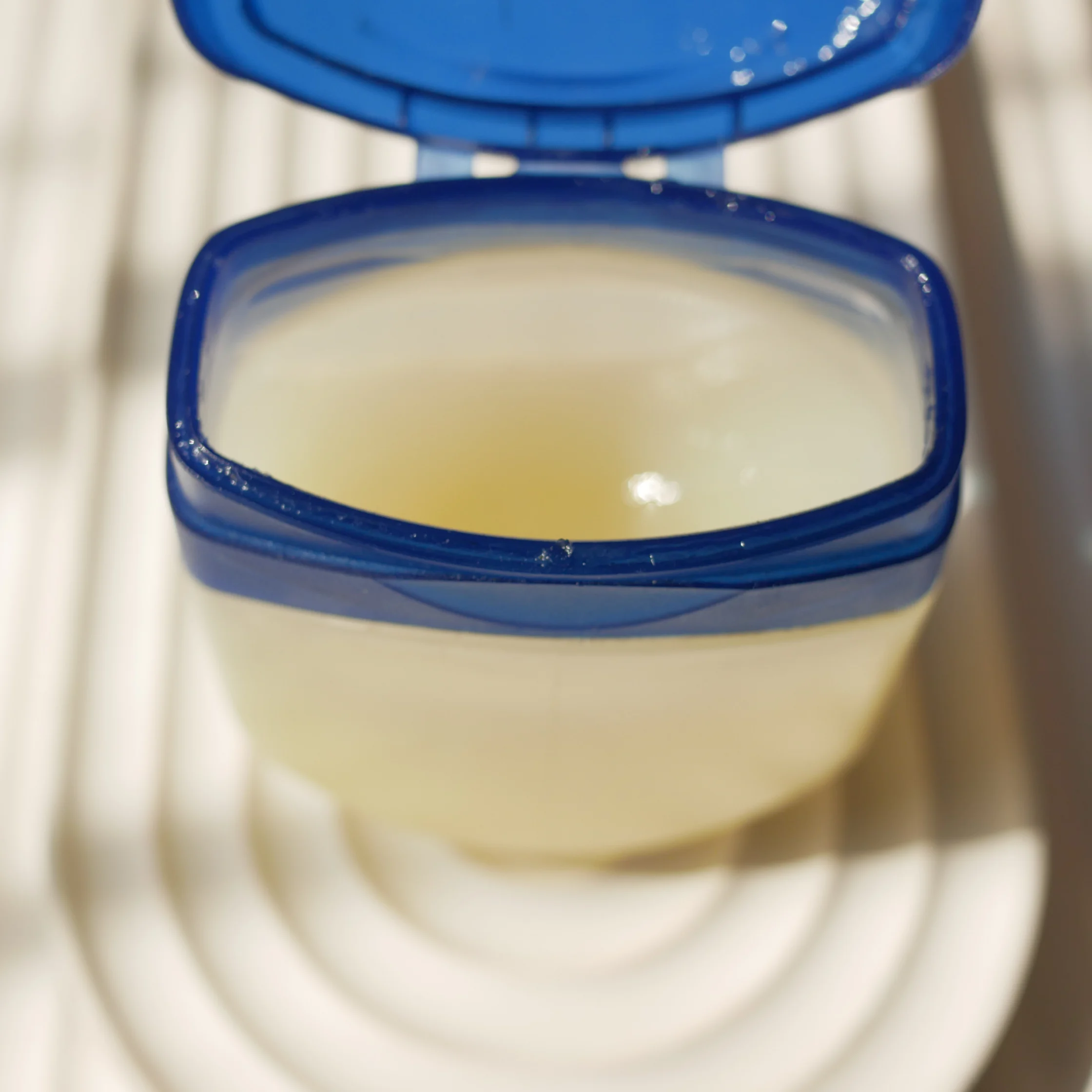
An open blue-lidded plastic container holds pale yellow liquid, resting on a white ridged surface; the close-up feels clean and clinical.
Whether if its to lessen the pain or removing the burning sensation, petroleum jelly can do both!
author avatar
Laura Mendoza Writer
Laura admits that she is a slow eater. She prefers to take her time with the food she likes to eat and the stories she wishes to write. Having graduated with a Creative Writing degree, she comes from a background in writing fiction and poetry. Because of this, she has set herself on a creative mission to explore and delve into what other modes and channels exist for stories and narratives to be told, expressed, and shared with others. For Laura, food as a medium is an exciting proposition. Behind every dish, every ingredient, and every cooking technique, there lies a history worth discussing, a human being worth listening to, a lived experience worth gleaning from. As a means to satiate her appetite for learning about and understanding new and known things, she aims to be the kind of food writer who is approachable, reliable, and personable to readers.

Frequently Asked Questions

No, it is not recommended to chop chilis without wearing protective gear like gloves.

author avatar
Laura Mendoza Writer
Laura admits that she is a slow eater. She prefers to take her time with the food she likes to eat and the stories she wishes to write. Having graduated with a Creative Writing degree, she comes from a background in writing fiction and poetry. Because of this, she has set herself on a creative mission to explore and delve into what other modes and channels exist for stories and narratives to be told, expressed, and shared with others. For Laura, food as a medium is an exciting proposition. Behind every dish, every ingredient, and every cooking technique, there lies a history worth discussing, a human being worth listening to, a lived experience worth gleaning from. As a means to satiate her appetite for learning about and understanding new and known things, she aims to be the kind of food writer who is approachable, reliable, and personable to readers.

Capsaicin is the oil that makes chili peppers spicy in the first place. Rather than the chili itself sticking to your hands, it is the oil from the chili that is making your skin burn.

author avatar
Laura Mendoza Writer
Laura admits that she is a slow eater. She prefers to take her time with the food she likes to eat and the stories she wishes to write. Having graduated with a Creative Writing degree, she comes from a background in writing fiction and poetry. Because of this, she has set herself on a creative mission to explore and delve into what other modes and channels exist for stories and narratives to be told, expressed, and shared with others. For Laura, food as a medium is an exciting proposition. Behind every dish, every ingredient, and every cooking technique, there lies a history worth discussing, a human being worth listening to, a lived experience worth gleaning from. As a means to satiate her appetite for learning about and understanding new and known things, she aims to be the kind of food writer who is approachable, reliable, and personable to readers.

You can dip your hands in an ice bath, in any dairy product like milk or yogurt, or wash your hands in an acid to neutralize the capsaicin.

author avatar
Laura Mendoza Writer
Laura admits that she is a slow eater. She prefers to take her time with the food she likes to eat and the stories she wishes to write. Having graduated with a Creative Writing degree, she comes from a background in writing fiction and poetry. Because of this, she has set herself on a creative mission to explore and delve into what other modes and channels exist for stories and narratives to be told, expressed, and shared with others. For Laura, food as a medium is an exciting proposition. Behind every dish, every ingredient, and every cooking technique, there lies a history worth discussing, a human being worth listening to, a lived experience worth gleaning from. As a means to satiate her appetite for learning about and understanding new and known things, she aims to be the kind of food writer who is approachable, reliable, and personable to readers.

Simply washing your hands with regular soap and water will not make any significant changes to your predicament. This is because capsaicin is fat-soluble and non water-soluble.

author avatar
Laura Mendoza Writer
Laura admits that she is a slow eater. She prefers to take her time with the food she likes to eat and the stories she wishes to write. Having graduated with a Creative Writing degree, she comes from a background in writing fiction and poetry. Because of this, she has set herself on a creative mission to explore and delve into what other modes and channels exist for stories and narratives to be told, expressed, and shared with others. For Laura, food as a medium is an exciting proposition. Behind every dish, every ingredient, and every cooking technique, there lies a history worth discussing, a human being worth listening to, a lived experience worth gleaning from. As a means to satiate her appetite for learning about and understanding new and known things, she aims to be the kind of food writer who is approachable, reliable, and personable to readers.

The two best ways to remove the capsaicin from your hands is to either soak them in any oil or applying petroleum jelly. For the former, the capsaicin will easily dissolve in any oil, of which you can proceed to washing your hands using cold water and a decent oil-removing soap like dish soap. For the latter, it can do both: help soothe the burning pain and help lift the capsaicin from your skin.


author avatar
Laura Mendoza Writer
Laura admits that she is a slow eater. She prefers to take her time with the food she likes to eat and the stories she wishes to write. Having graduated with a Creative Writing degree, she comes from a background in writing fiction and poetry. Because of this, she has set herself on a creative mission to explore and delve into what other modes and channels exist for stories and narratives to be told, expressed, and shared with others. For Laura, food as a medium is an exciting proposition. Behind every dish, every ingredient, and every cooking technique, there lies a history worth discussing, a human being worth listening to, a lived experience worth gleaning from. As a means to satiate her appetite for learning about and understanding new and known things, she aims to be the kind of food writer who is approachable, reliable, and personable to readers.
Smiling woman with glasses tilted at an angle, wearing a blue top, against a light background.

Laura Mendoza

Writer

Laura admits that she is a slow eater. She prefers to take her time with the food she likes to eat and the stories she wishes to write. Having graduated with a Creative Writing degree, she comes from a background in writing fiction and poetry. Because of this, she has set herself on a creative mission to explore and delve into what other modes and channels exist for stories and narratives to be told, expressed, and shared with others. For Laura, food as a medium is an exciting proposition. Behind every dish, every ingredient, and every cooking technique, there lies a history worth discussing, a human being worth listening to, a lived experience worth gleaning from. As a means to satiate her appetite for learning about and understanding new and known things, she aims to be the kind of food writer who is approachable, reliable, and personable to readers.

0 0 votes
Total of Ratings
guest
Rating
Ratings for Article
0 Comments
Oldest
Newest Most Voted

To provide a customized ad experience, we need to know if you are of legal age in your region.

By making a selection, you agree to our Terms & Conditions.