Having spent years as a panelist and writer for the longest-running local “best of” listing in Cebu, I am intimately familiar with the public’s reactions to highly screened, thoroughly shortlisted, panel-deliberated, and even clincher blind-tasted choices. So, when whispers of Michelin and its more mysterious workings coming to town started, I already anticipated the discord. The 2026 list caused a keyboard uproar; the 2027 list, it seems, has done much of the same.
What Cebu’s Food Insiders Think of the Michelin Guide
Among much hubbub, the most impassioned, articulate, and often searing critique coming my way from voices of heft in the Cebu food industry and society came with the mandatory postscript: “Please, keep this off the record.” Cebu is a small town masquerading as a big city where circles are tight and overlap with frustrating frequency; stepping on toes is not just a risk, it’s a statistical certainty.
To parse the noise, I reached out to a cross-section of voices whose off-the-cuff opinions I have much respect for. Gordon Alan Joseph, a renaissance man, intrepid traveler, and the very definition of a gourmand, admits to a degree of healthy skepticism. “I have always been a bit cynical about Michelin ratings,” he shares. Having eaten in many Michelin-starred or recognized restaurants the world over, he has been to excellent ones and a couple of very ordinary restaurants that left him wondering why he paid so much for a “starred but mediocre dinner.”
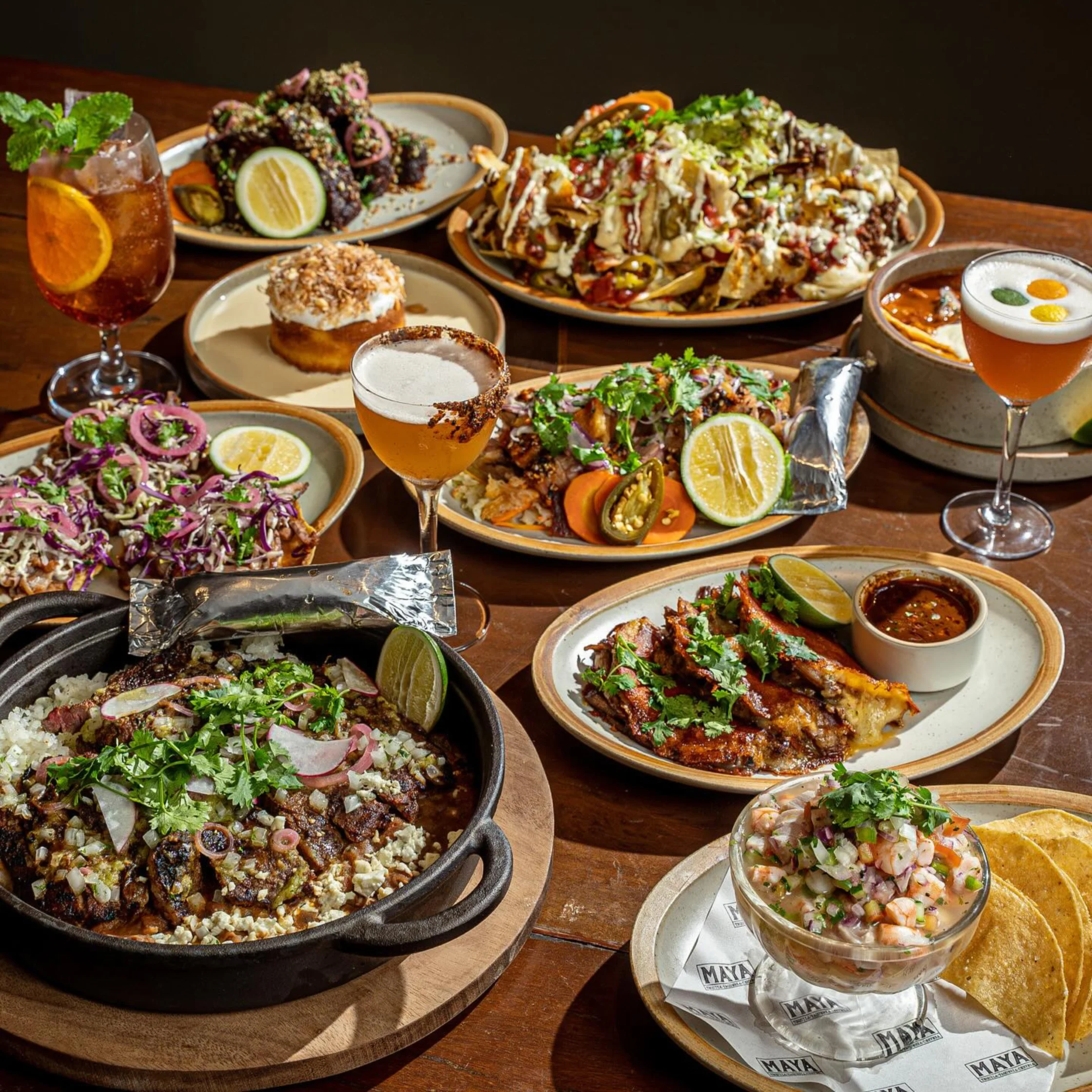
Looking at the established Cebu restaurants that retained their spots for 2027, the conversation on consistency is varied. Personally, I have found the quality of food and service remaining remarkably consistent, if not steadily improving through the years, across The Pig & Palm, Enye by Chele Gonzalez, and even the over-a-decade old Maya Mexican Restaurant.
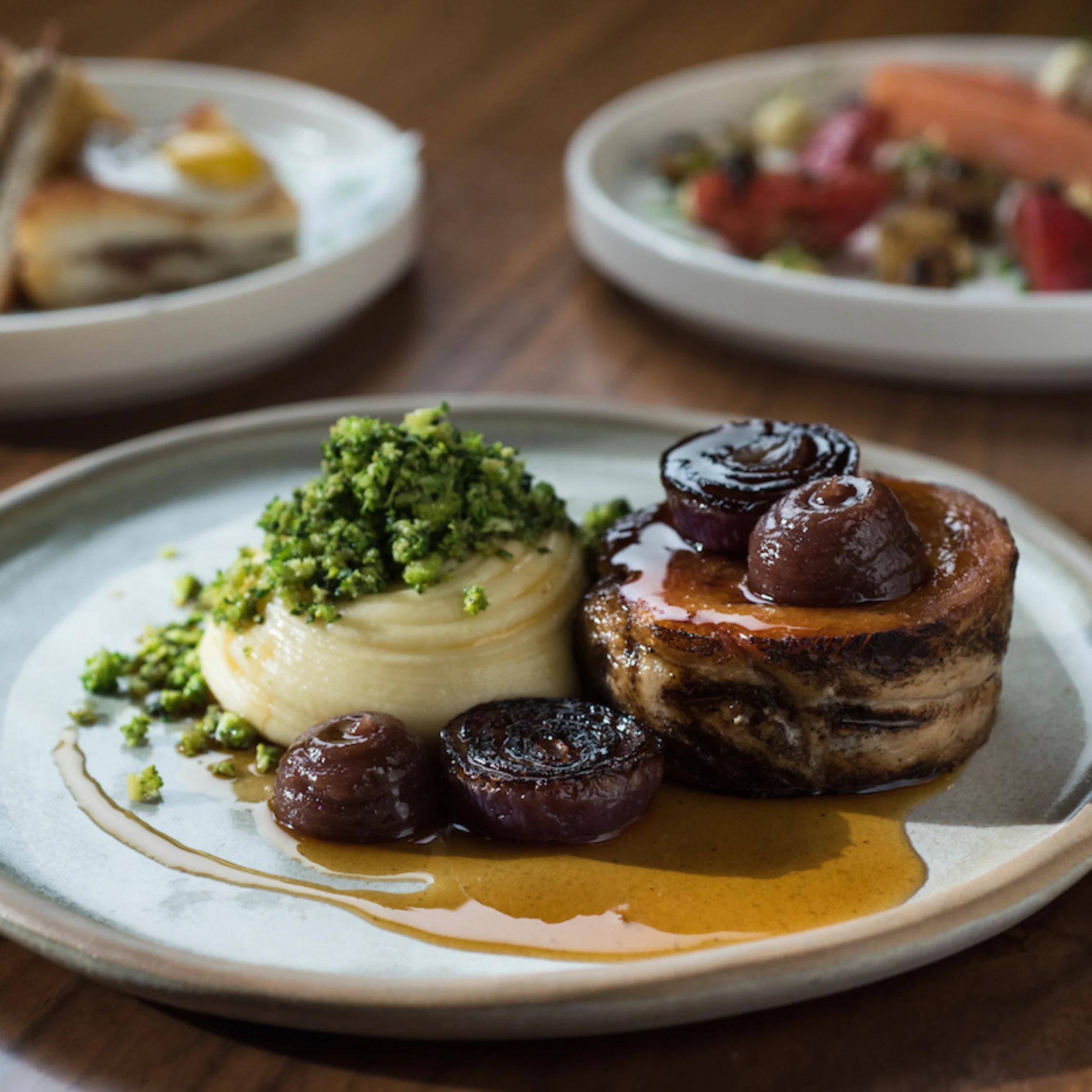
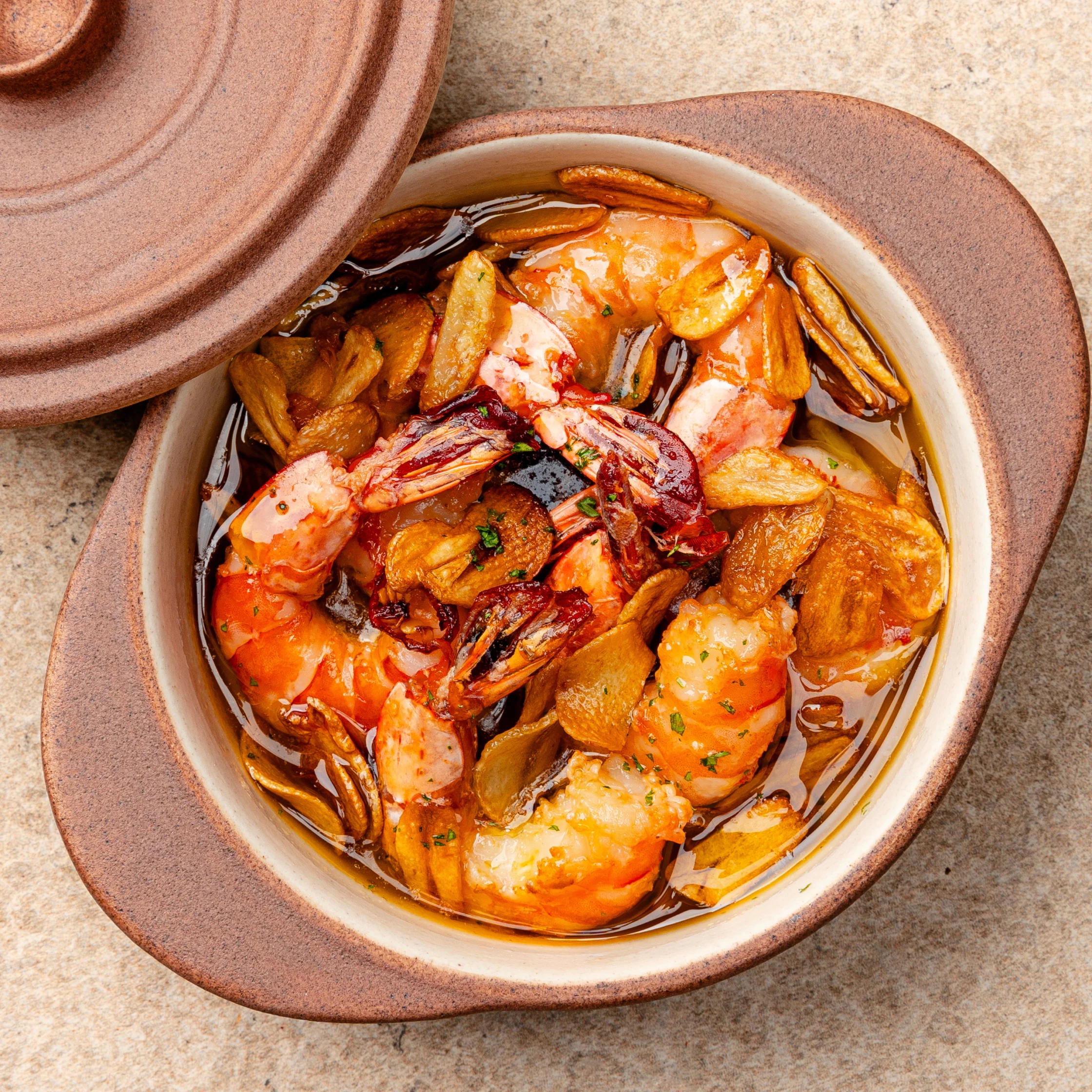
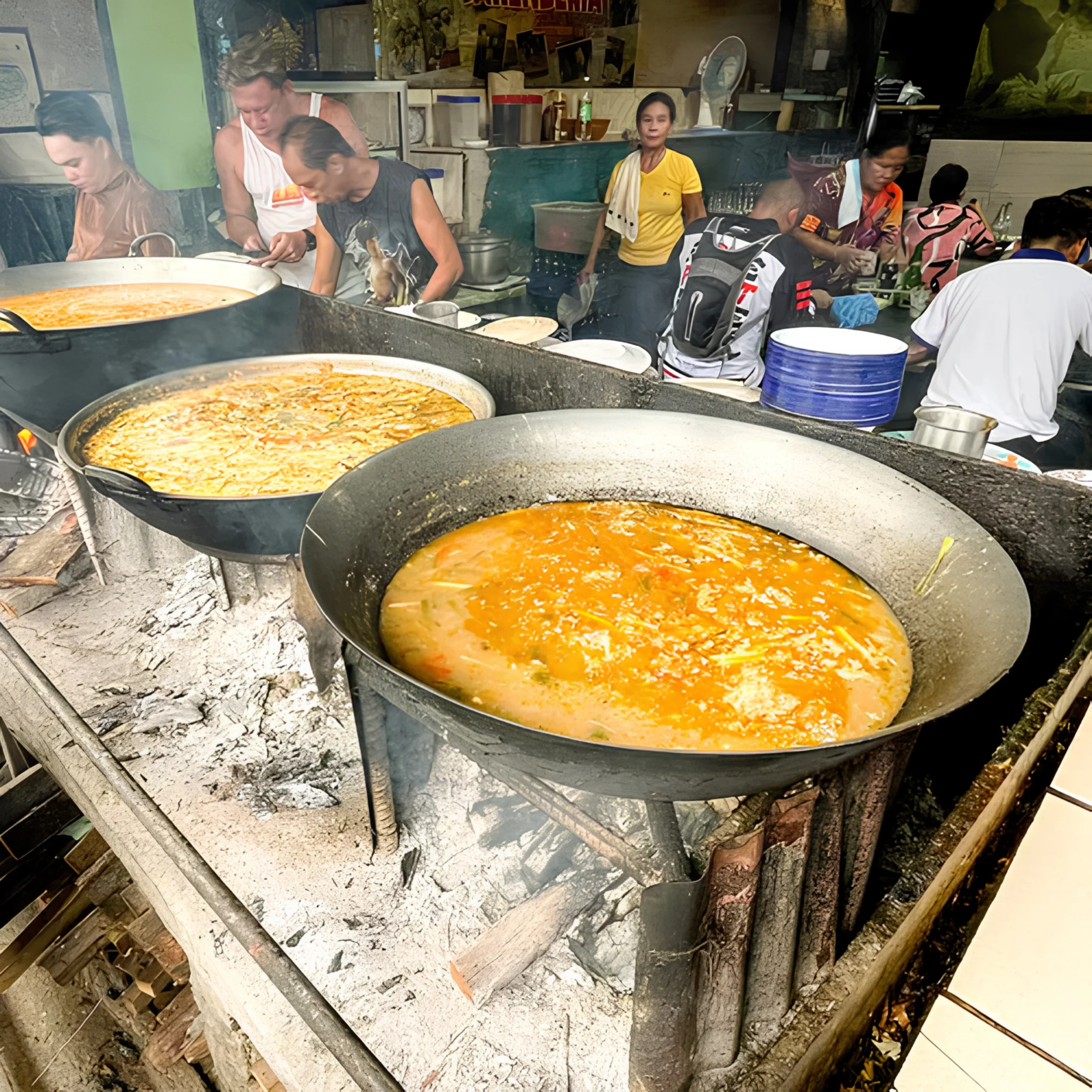
Noel Villaflor, an editor and eater-at-large, notes that The Pig & Palm is a predictable fixture, knowing the “Michelin playbook” well. Regarding local staples, he adds, “Our beloved Esmen has been consistently doing its thing for more than half a century, a worthy representative of Barangay Pasil’s rich culinary culture.”
Gordon declares, “Abaseria Deli & Cafe always pleases and Ato-ah deserves the recognition for its attempts at authenticity with a twist.”
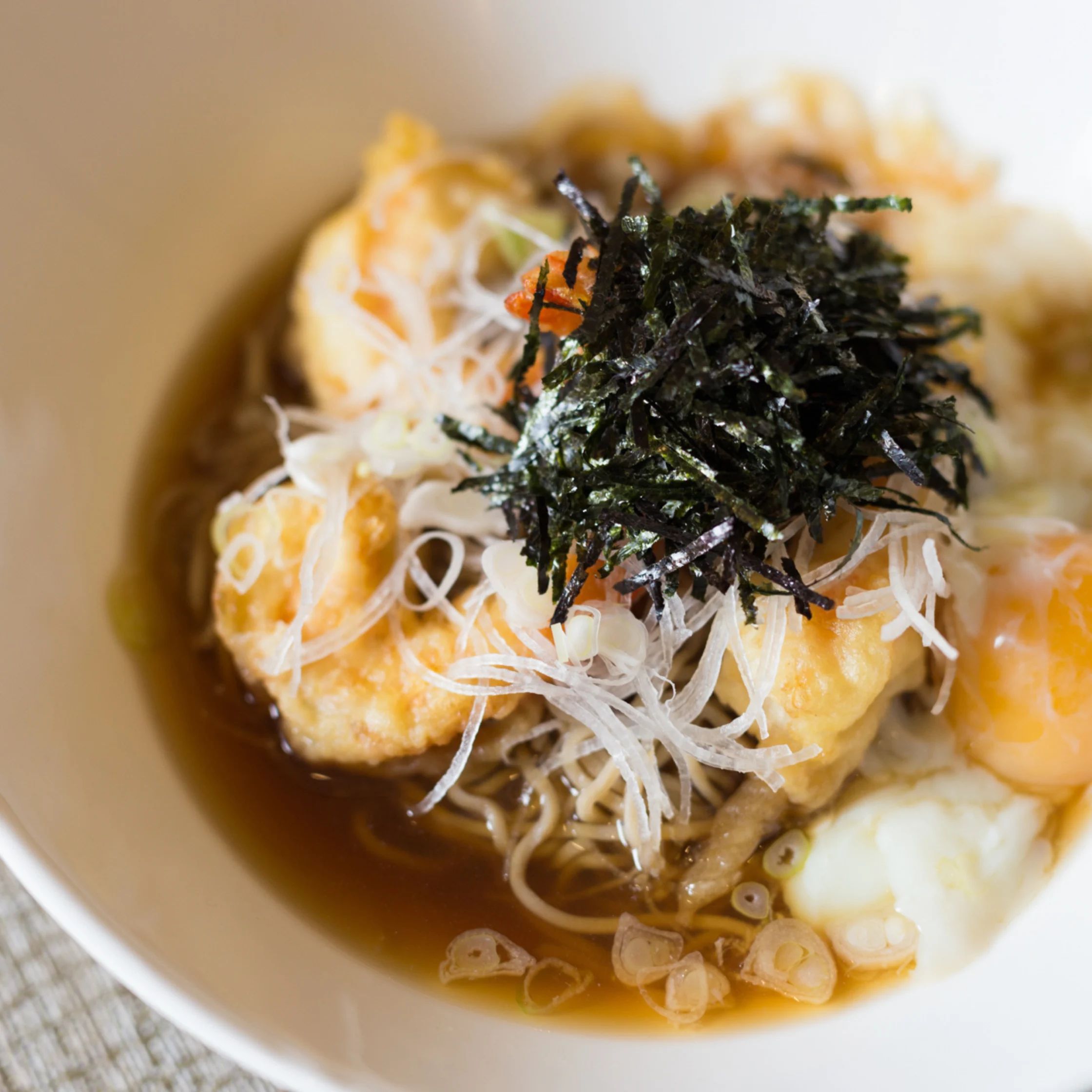
For others, the focus is on the scale of operation. Melissa Cipres, a veterinary doctor by profession who has made a mission of ticking off items from the local “best of” list year on year, points to Soba Kamakura: “It’s a small restaurant and they only cater to a small number of people. Short menu, fresher ingredients, better quality. Consistency.”
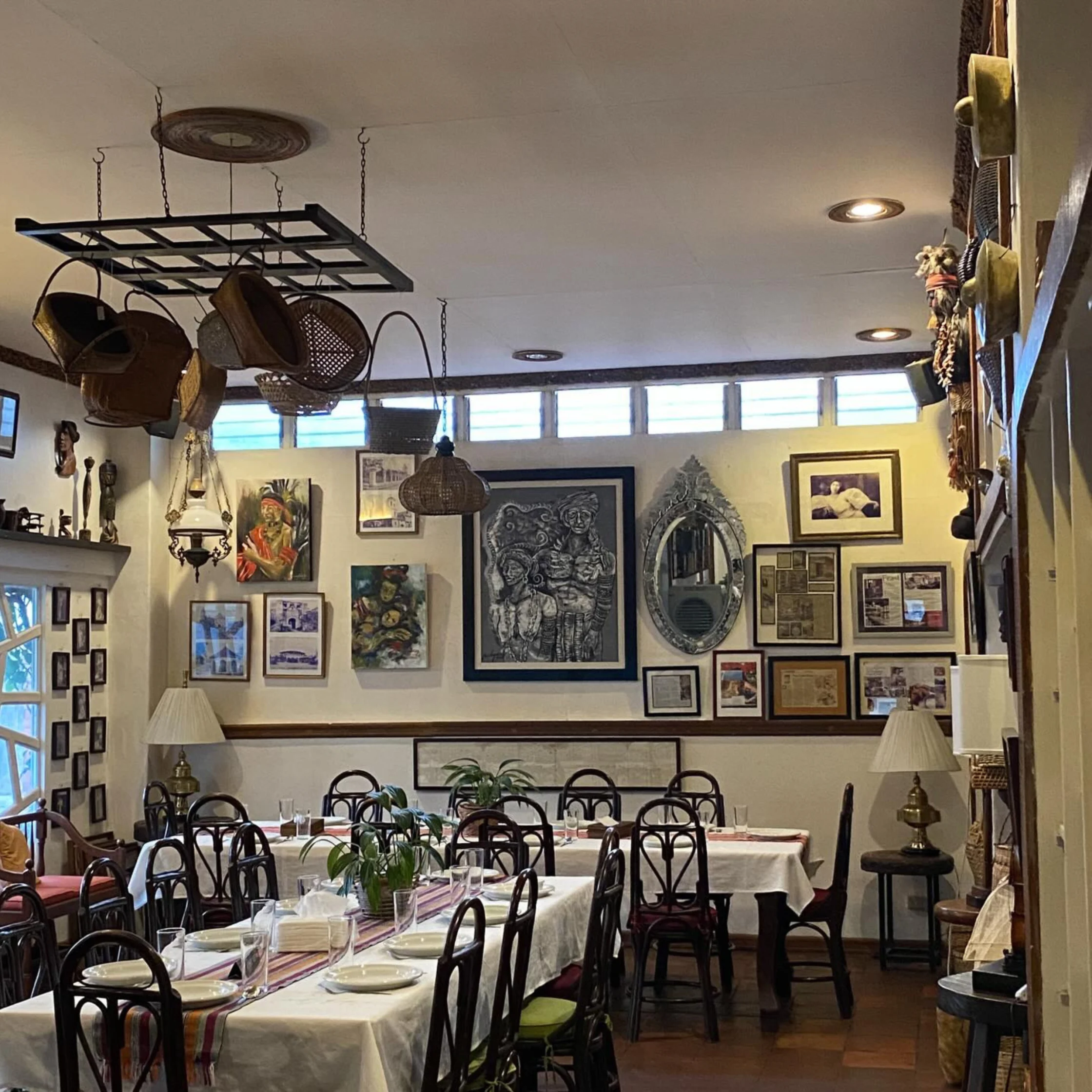
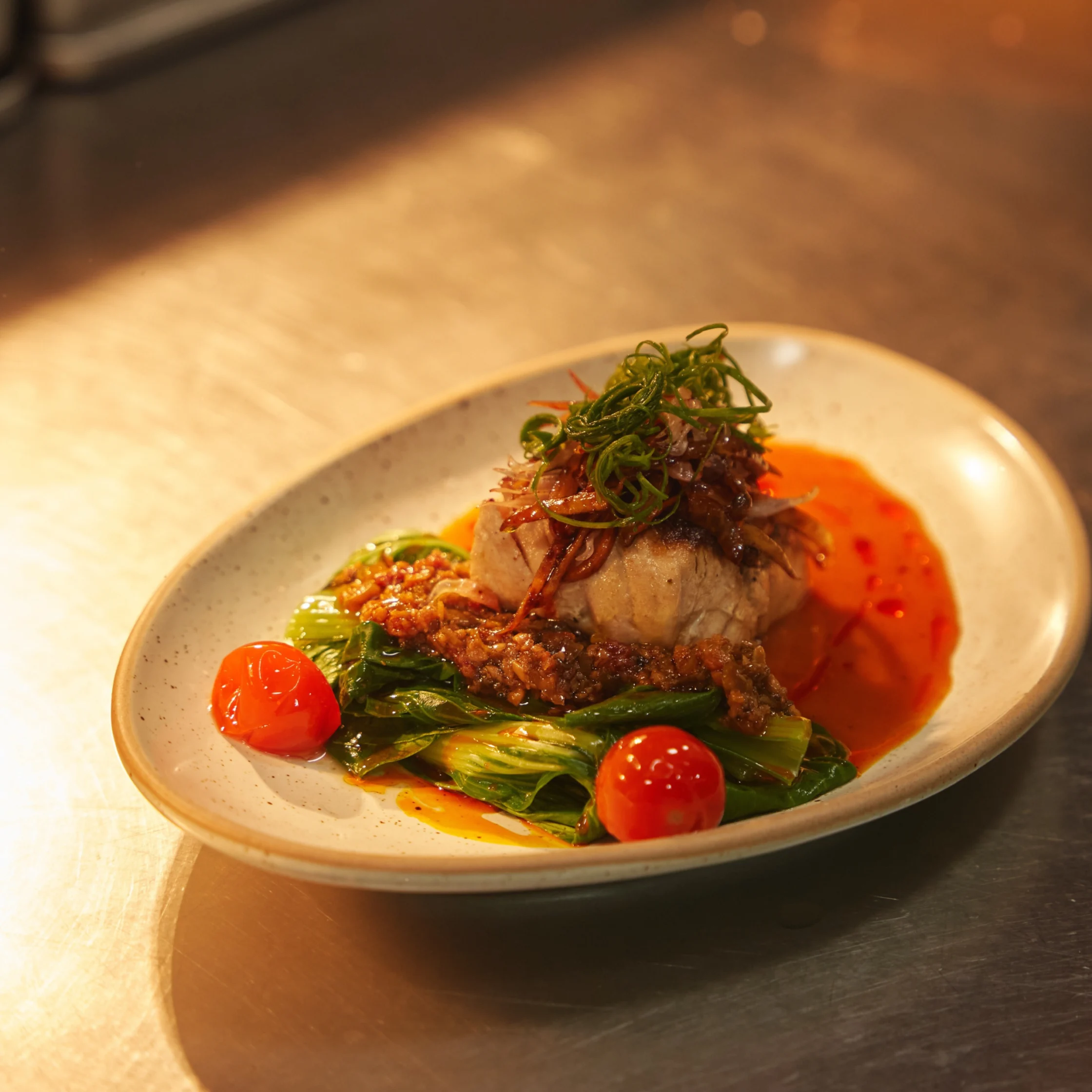
Operational consistency remains a hurdle for some other establishments. Diners have reported recurring challenges with menu availability, particularly regarding signature items, which can be frustrating after being left to navigate an extensive menu. The service flow also often struggles to align with the dining experience, highlighting a need for better synchronization between inventory management and staff communication. For these venues, refining these operational details is essential to living up to the standards expected of a Michelin-listed establishment.
Cebu’s Michelin Guide: Are Local Food Institutions Being Overlooked?
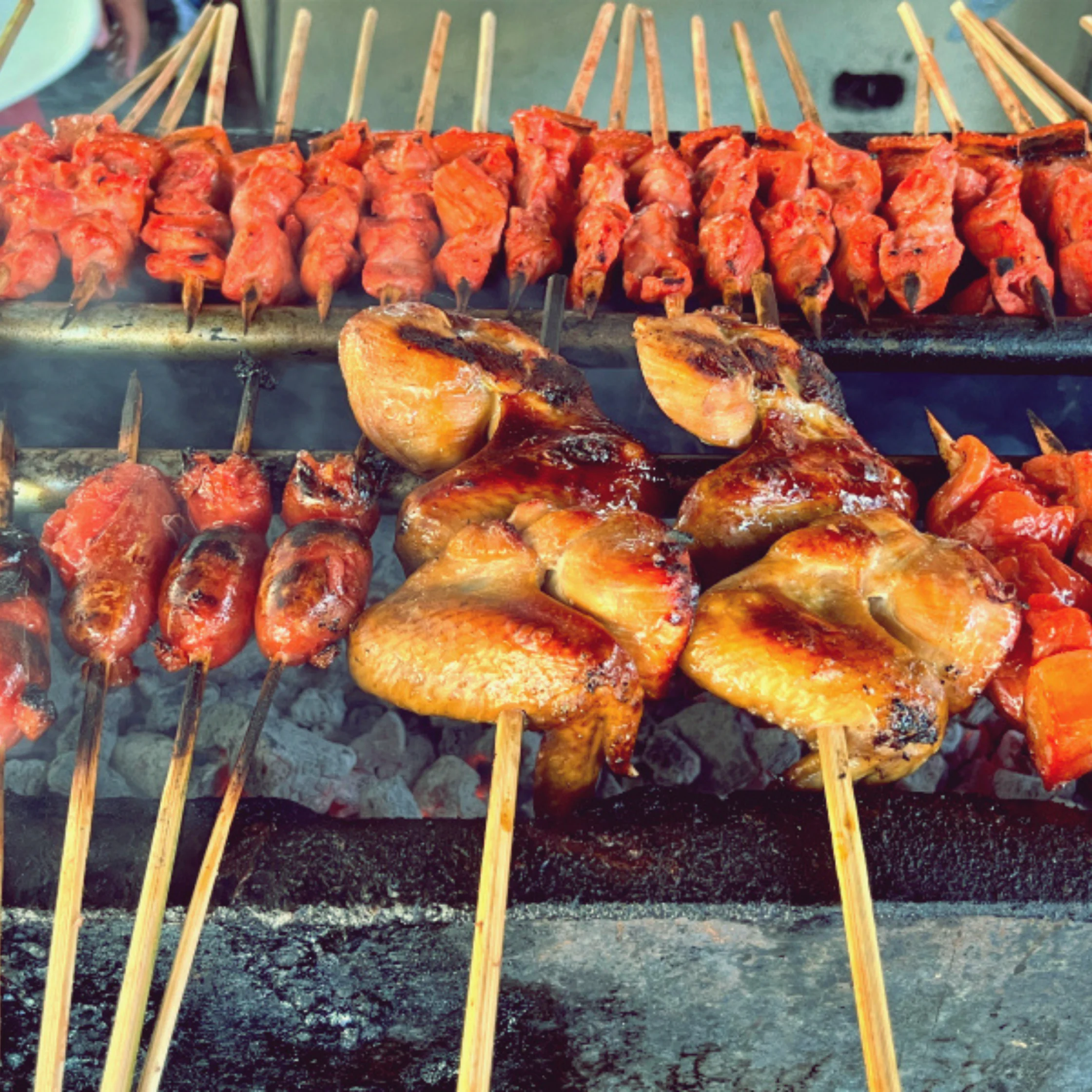
There is also a general sense of dissatisfaction regarding the list’s overall breadth. Carl Cabusas, a businessman and consummate foodie, wishes that this year’s Michelin selection could have considered institutions like Matia’s BBQ. “Great food isn’t always found in beautiful restaurants,” Cabusas asserts. “Sometimes, it’s found in the places that have been feeding generations of Cebuanos.”
Liza Tan, a distributor and F&B industry insider, is more measured but equally curious. “I’m just glad some of Cebu has been included. When the 2026 list came out there were some raised eyebrows, but anything to help the industry as a whole, I’m for it.”
Villaflor adds another layer of concern: the absence of nods to our rich Chinese heritage. “There are no Chinese or Chinese-style establishments on the list. Where’s Ching Palace, Fung’s Noodle House, even Ding Qua Qua or the Chinese Ngohiong in Junquera? Also, considering the surge of restaurants offering mainland Chinese menus.”
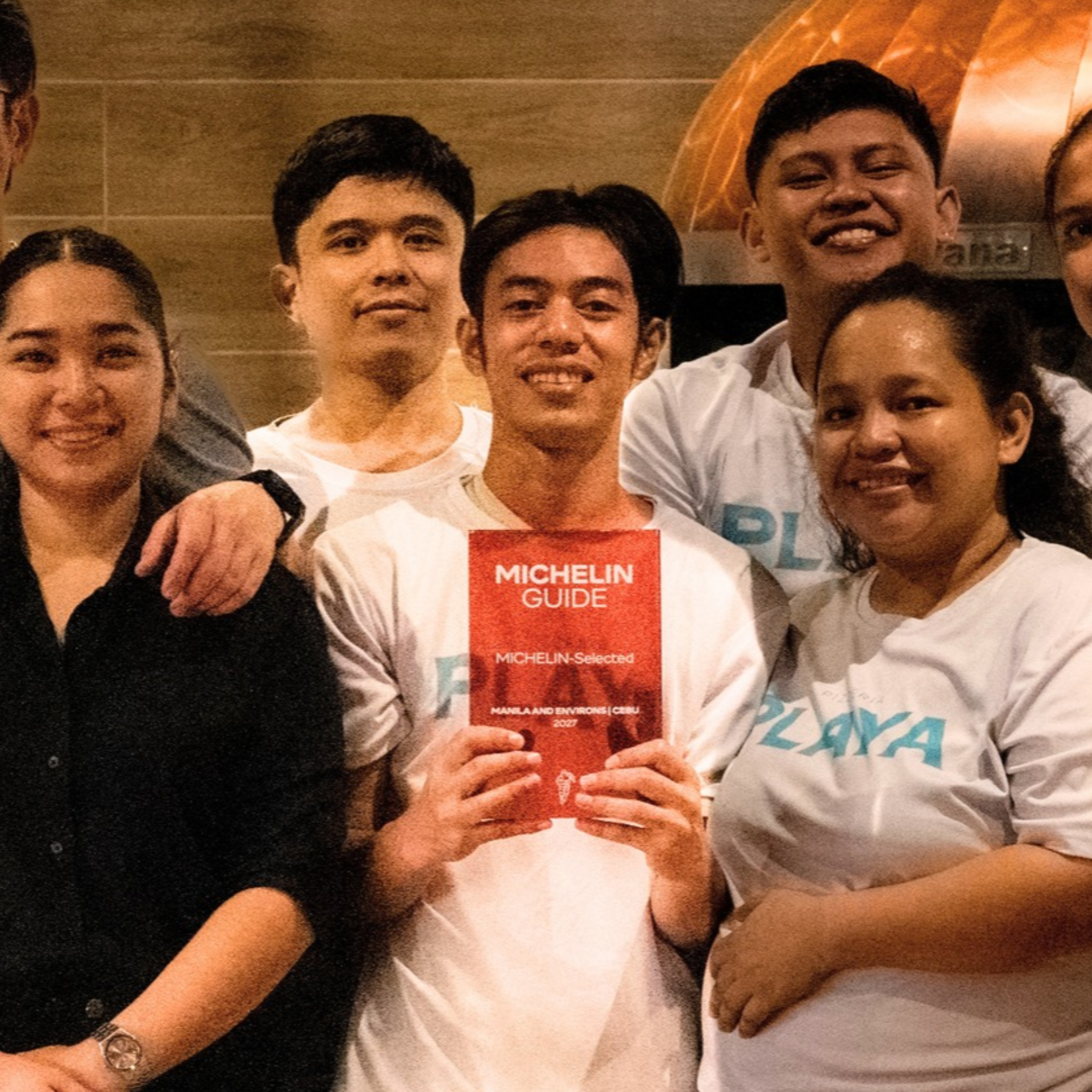
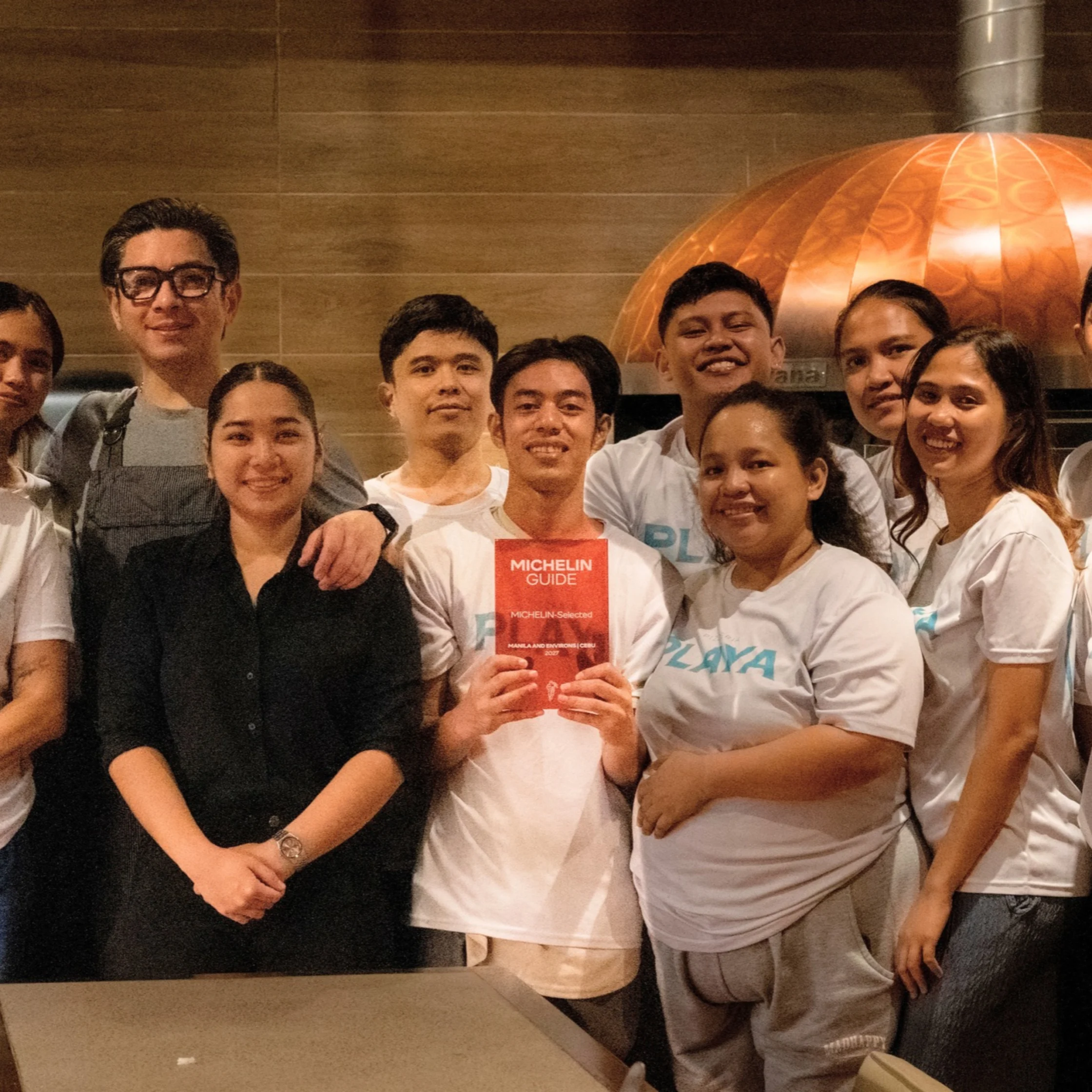
Despite the grumblings, the inclusion of homegrown favorites like Tatang’s Lechon and Marjo’s PocheroPocheroPochero is a Filipino stew of beef or pork slowly simmered with saba banana, cabbage, and tomato sauce, reflecting Spanish colonial influence on Filipino cooking. The slight sweetness from theGo to Pochero Glossary is widely seen as a massive win. Cipres notes that these restaurants represent the heart of our home-cooked meals. Tan agrees, adding that Oyster Bay is another “delightful inclusion having been a Cebuano family go-to long before Instagrammable food and virality were benchmarks.” Pizzeria Playa is a noteworthy addition, stepping up from its former incarnation’s (Minante Pizzeria) 48th ranking on the 50 Top Pizza Asia-Pacific List in 2025.
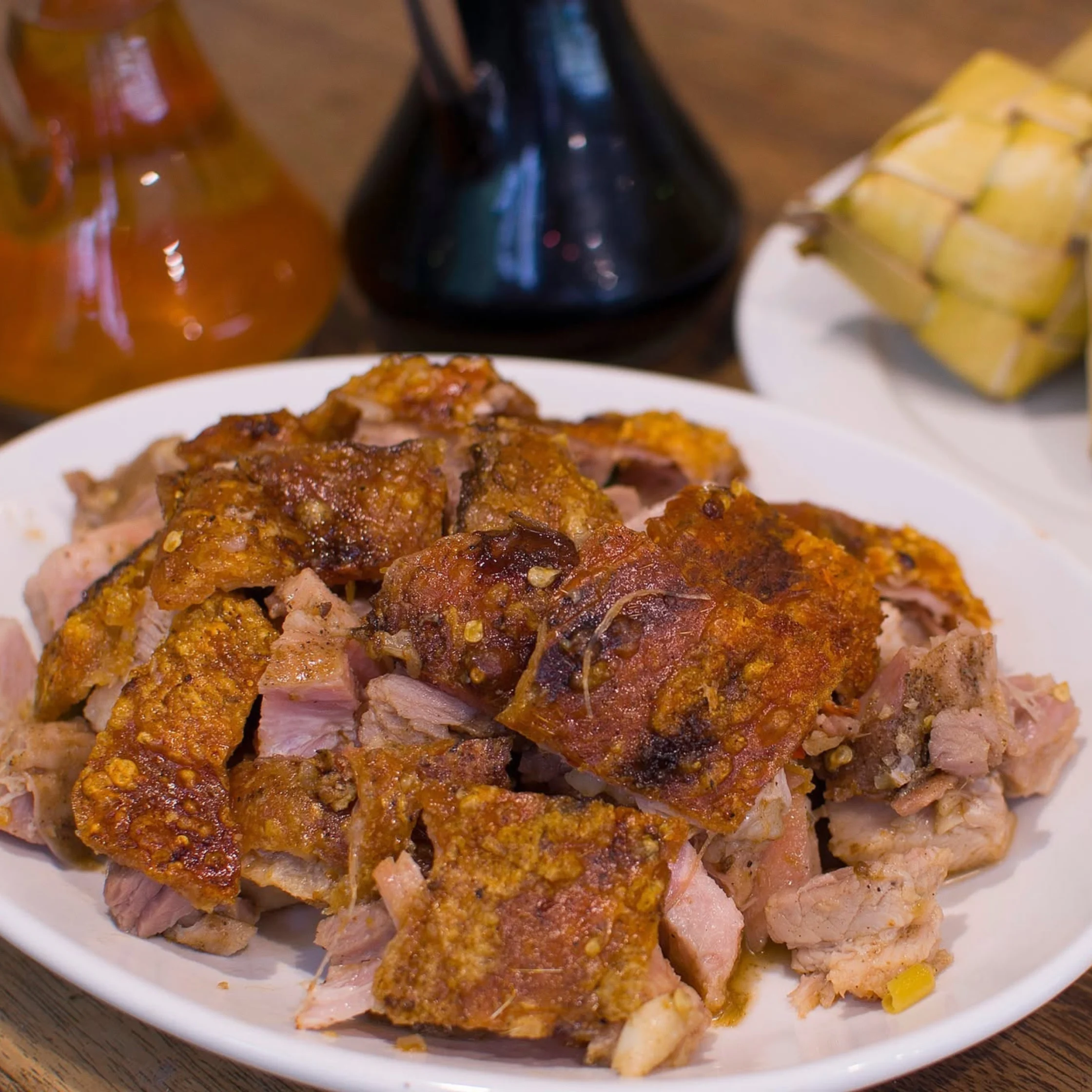
When asked if there are spots that flew under the radar, Villaflor keeps his favorite spots quiet, but offers clues: “Cordova’s main thoroughfares host emerging value-for-money food spots, including an open-air resto that serves P99 pancitPancitThe Filipino noodle dish, symbolizing long life and traditionally served at birthdays. Varieties abound, from everyday bihon and canton to regional specialties such as Quezon's habhab and Cagayan's pancit batilGo to Pancit Glossary and freshly roasted lechon belly. There’s also a spot that serves the freshest tinola as early as breakfast in the reclamation area near a mall, and a place that serves the most delicious crabs.
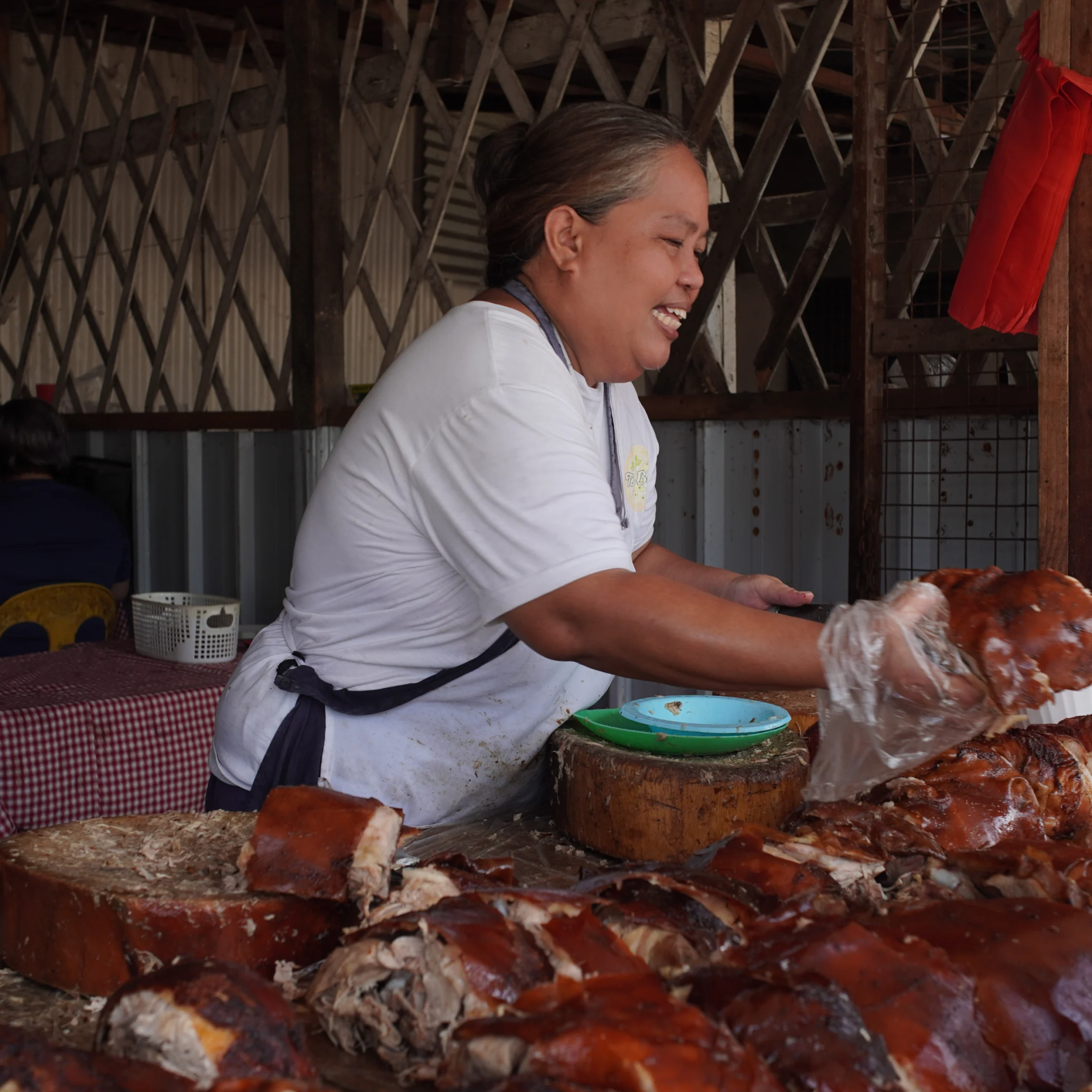
Cipres “will die on this hill: La Bella Pizzeria, Oriental Spice Gourmet (OSG), and Fung’s Noodle House deserve slots.” Tan offers another Cebu OG, Cafe Georg. I, for one, would have loved to see one of the generational vendors from the celebrated lechonLechonWhole pig roasted over charcoal until the meat is tender and the skin turns shatteringly crisp. The star of any fiesta or celebration, lechon has regional variations across the Philippines,Go to Lechon Glossary centers of Talisay and Carcar on the list.

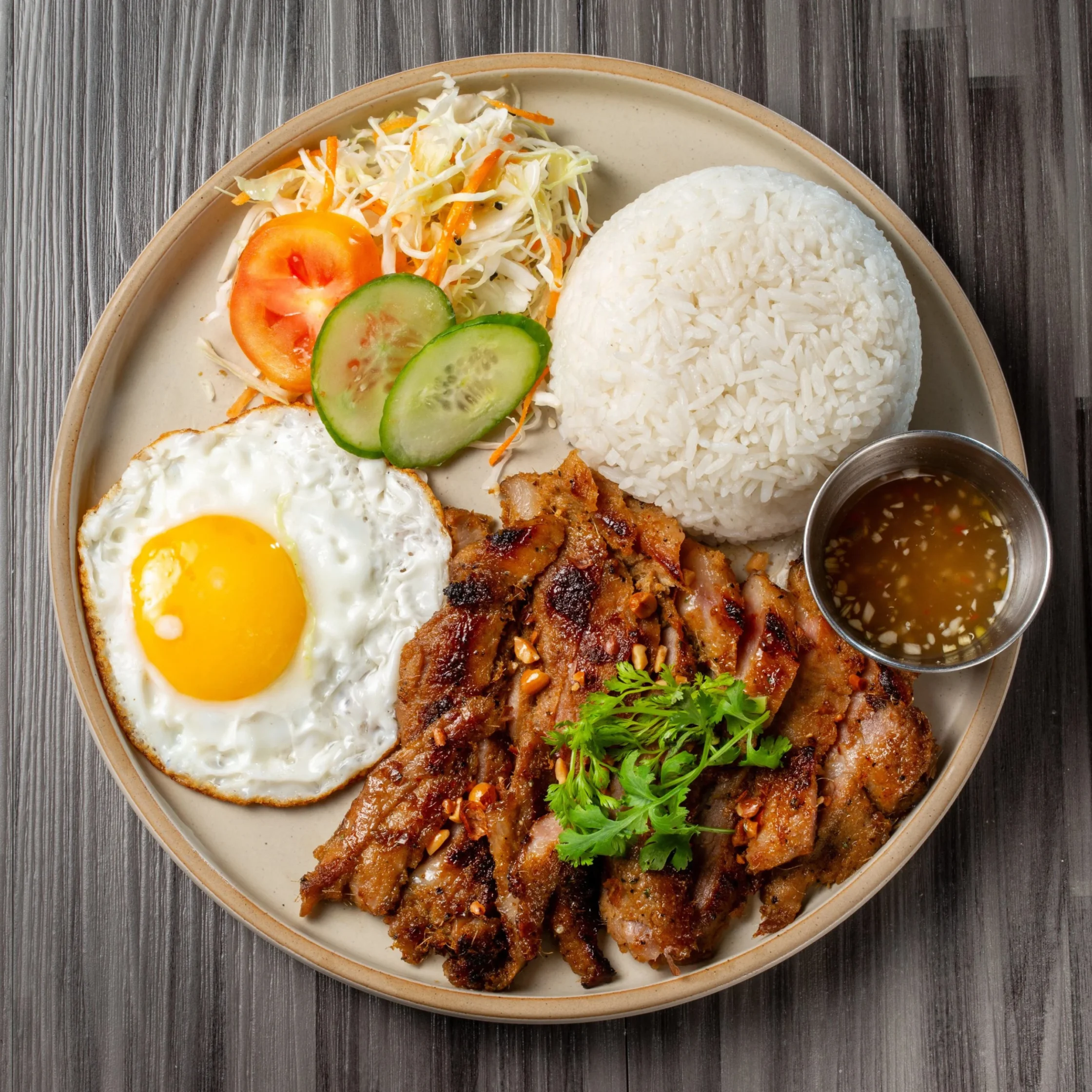
Joseph believes the recognition is ultimately a net positive, pushing the scene to “rock the boat.” He notes, “I love it that most of the recognition is going to Filipino or Filipino-fusion restaurants. It’s about time that the improving quality and evolving style of Filipino food is recognized.”
Are Chefs Cooking for Stars or for Locals?
As we look forward, the question isn’t just who made the list, but who we are cooking for. Are our chefs chasing stars, or are they feeding our soul? Cabusas puts it best: “I don’t want Cebuano chefs cooking just to impress Michelin inspectors. I want them to cook food that remains unmistakably Cebuano.” Tan adds, ”I think these establishments have been intentional with bettering their craft and long before and with or without the Michelin recognition.”
Maybe, just maybe, the strongest endorsement isn’t a plaque on a wall, but the enduring loyalty of a family returning to the same corner stall, generation after generation, because the food is, quite simply, home.

Frequently Asked Questions
The arrival of the Michelin Guide caused a “keyboard uproar” for both the 2026 and 2027 lists. While some food industry insiders express healthy skepticism or note that circles are tight and opinions are shared off the record, others view the recognition as a net positive that helps the industry as a whole.
Establishments like The Pig & Palm, Enye by Chele Gonzalez, and the over-a-decade-old Maya Mexican Restaurant were noted for maintaining or steadily improving their quality of food and service. Other local favorites highlighted for consistency or appeal include Esmen in Barangay Pasil, Abaseria Deli & Cafe, Ato-ah, and Soba Kamakura.
Some venues struggle with operational consistency, such as recurring challenges with menu availability (particularly regarding signature items) and service flows that do not properly align with the dining experience due to a lack of synchronization between inventory management and staff communication.
Critics point out the absence of long-standing institutions like Matia’s BBQ, which has fed generations of Cebuanos, as well as a lack of representation for rich Chinese heritage and styles.
Insiders also question whether local chefs are “cooking for stars or for locals”—wondering if they are chasing Michelin inspectors to impress them or staying true to flavors that are unmistakably Cebuano, though many establishments remain intentional with their craft regardless of awards.
Gordon Alan Joseph highlighted that most of the recognition is going to Filipino or Filipino-fusion restaurants, noting that it is about time the improving quality and evolving style of Filipino food receive recognition.