There are only a handful of dishes fit to grace both a lavish wedding feast and a regular Tuesday night dinner, and pancit is effortlessly one of them.
Pancit doesn’t need any seal of approval or an official legal title to prove it is the ultimate noodle dish of the Philippines.
Yet as beloved and widely consumed as pancitPancitThe Filipino noodle dish, symbolizing long life and traditionally served at birthdays. Varieties abound, from everyday bihon and canton to regional specialties such as Quezon's habhab and Cagayan's pancit batilGo to Pancit Glossary is across the country, its roots aren’t solely our own. The story of how it arrived on our shores is shared among a vast cast of unnamed characters as it was shaped by ancient trade, organic cultural exchanges, and centuries of colonial heritage.
How Foreign Noodles Found Their Way Onto Our Shores
Long before Chinese traders arrived around the 9th century, pre-colonial Philippine cuisine relied on native staples like rice, coconut, alugbati, and pako and were prepared through simple methods like boiling, steaming, and roasting.
But as trade flourished, Chinese merchants brought not only kitchen staples like tofu and soy sauce, but also pancit.
You can imagine it like this: weary traders arrived in new territory. After their long journey spent widening their horizons, they finally got to sit down and eat their packed baon of pancitPancitThe Filipino noodle dish, symbolizing long life and traditionally served at birthdays. Varieties abound, from everyday bihon and canton to regional specialties such as Quezon's habhab and Cagayan's pancit batilGo to Pancit Glossary (they wouldn’t have called it baon back then, but I digress). Once their original supply ran out, they took it upon themselves to use whatever ingredients were readily available on the island to recreate this dish. At some point, it wasn’t just about feeding themselves. It eventually became sharing with the very same locals they traded with.
In fact, the word “pancitPancitThe Filipino noodle dish, symbolizing long life and traditionally served at birthdays. Varieties abound, from everyday bihon and canton to regional specialties such as Quezon's habhab and Cagayan's pancit batilGo to Pancit Glossary” itself doesn’t follow the phonetic patterns of Filipino, Tagalog or any of the Philippine languages. That’s because it originates from the Hokkien term “pian i sit”, which translates to “something conveniently cooked.” Even back then, pancit was prized for what it remains today: a reliable, quick, and accessible meal.
The Rise of the First Panciterias
When the Spaniards arrived during the 16th century and began their regime, they became increasingly suspicious of the growing Chinese merchant community in the Philippines. In an effort to control and segregate them, Spanish authorities forced the Chinese residents into two walled enclaves: the famous Binondo district and the lesser-known Parian de Arroceros.
Yet, physical walls proved powerless against the simple demand of hunger.
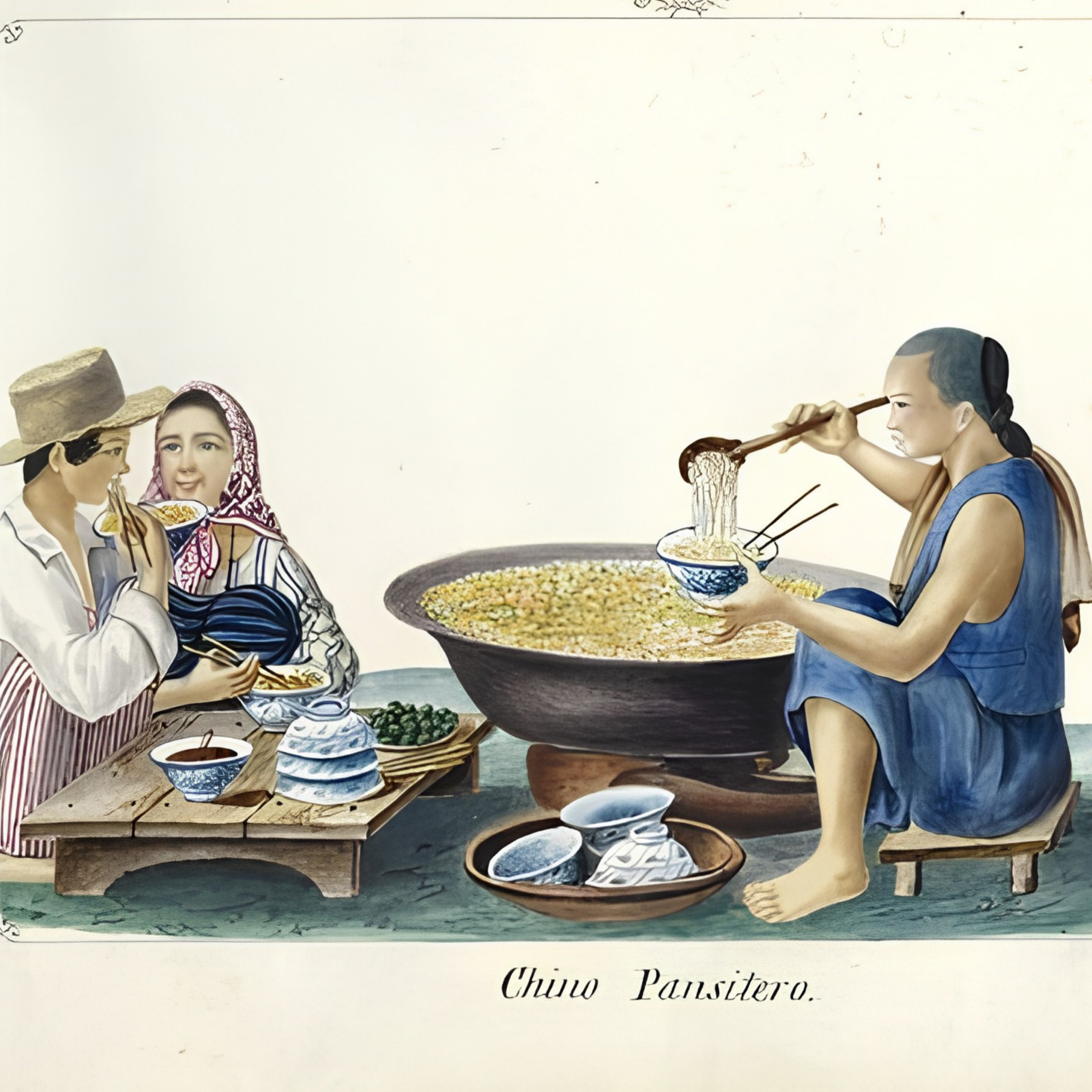
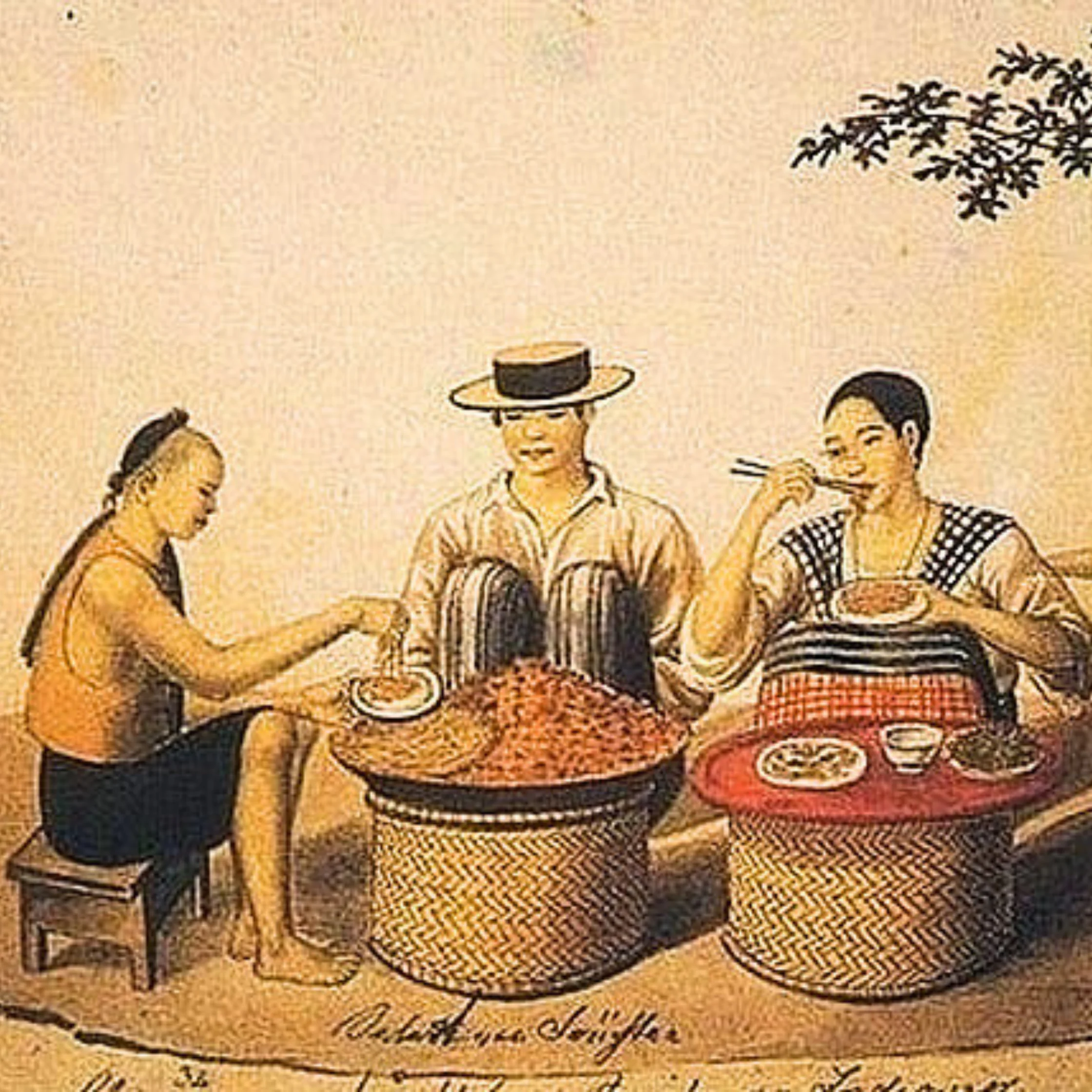
Inside and around these confines were panciteros. These Chinese hawkers selling freshly made noodles found a booming audience in the local working class. PancitPancitThe Filipino noodle dish, symbolizing long life and traditionally served at birthdays. Varieties abound, from everyday bihon and canton to regional specialties such as Quezon's habhab and Cagayan's pancit batilGo to Pancit Glossary effectively became the nation’s very first “takeout food.”
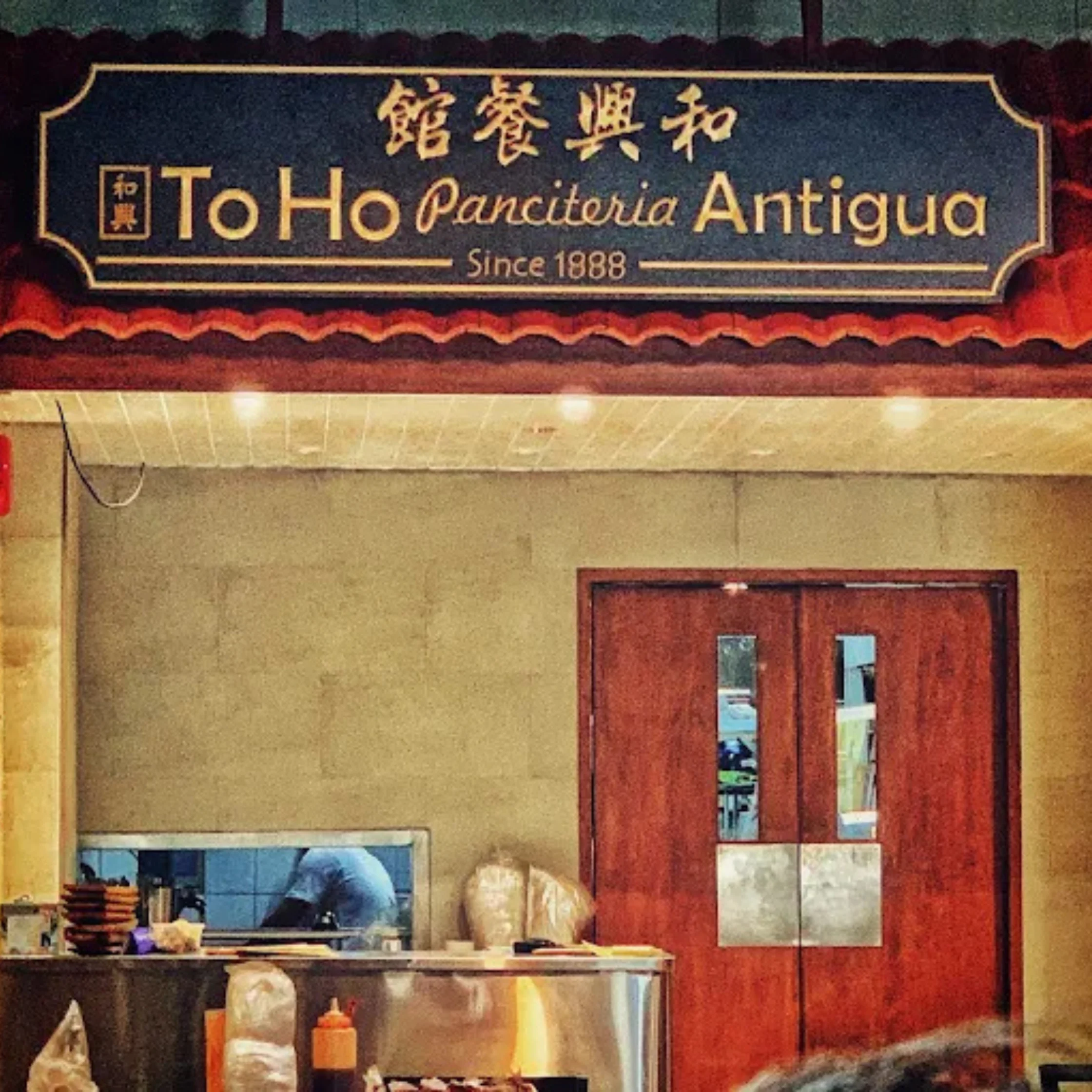
As demand exploded for these fast, nourishing meals, hawkers moved from carrying baskets on their shoulders to establishing permanent roadside eateries. These panciterias became the Philippines’ earliest covered, sit-down restaurants. And remarkably, the legacy of those original establishments is still alive to this day. To Ho Panciteria Antigua in Binondo, which first opened its doors in 1888, remains open to serve customers today (now known as New Toho Food Center), holding the proud distinction of being the oldest continuously operating restaurant in the country.
Making It Our Own
While there is no one way to make pancit, there are certain components that are different depending on the variety while others are unanimously agreed upon across the nation.
What one could call the blueprint of any pancitPancitThe Filipino noodle dish, symbolizing long life and traditionally served at birthdays. Varieties abound, from everyday bihon and canton to regional specialties such as Quezon's habhab and Cagayan's pancit batilGo to Pancit Glossary dish includes (1) noodles being the foundation, (2) the non-negotiable seasonings of garlic, onions, soy sauce, salt, black pepper, and calamansi, and (3) whatever proteins and vegetables are available.
Whether served in a 16th-century roadside panciteria or off a modern buffet line, the soul of the dish remains unchanged: quick to prepare, built on shared heritage, and always meant to bring people together.
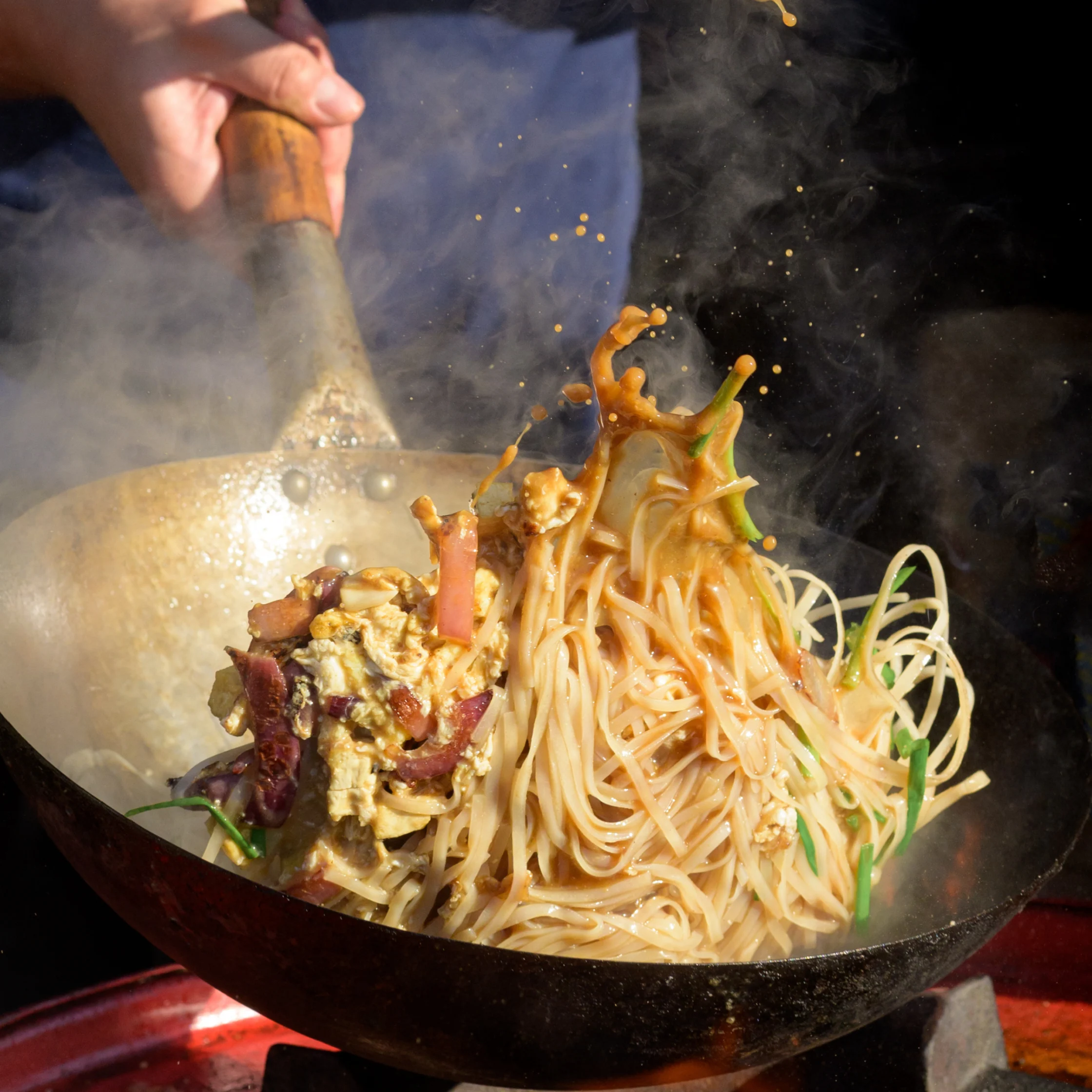
What It Takes To Be A Classic
It takes something simple yet extraordinary for a single dish to be universally embraced by an entire nation, and even more for every province, kitchen, and family to claim their own distinct version of it.
I remember when we first started learning about globalization back in school, my classmates usually fell into one of two camps: those who wished our pre-colonial heritage had remained untainted and unerased by outside forces, and those who celebrated all of the technology and other conveniences we get to enjoy today because of it.
Calling our cuisine and our culture as a whole a melting pot feels like a cliche at this point, but it remains the fundamental truth of how we eat. The act of embracing foreign foundations of cooking and eventually integrating and adopting them into our own kitchens over the years is prominent to its evolution to begin with. So much of the cuisine we know, love, and crave today simply wouldn’t exist if we hadn’t mingled or if our geography hadn’t positioned us at the crossroads of ancient trade routes and cultural exchanges.
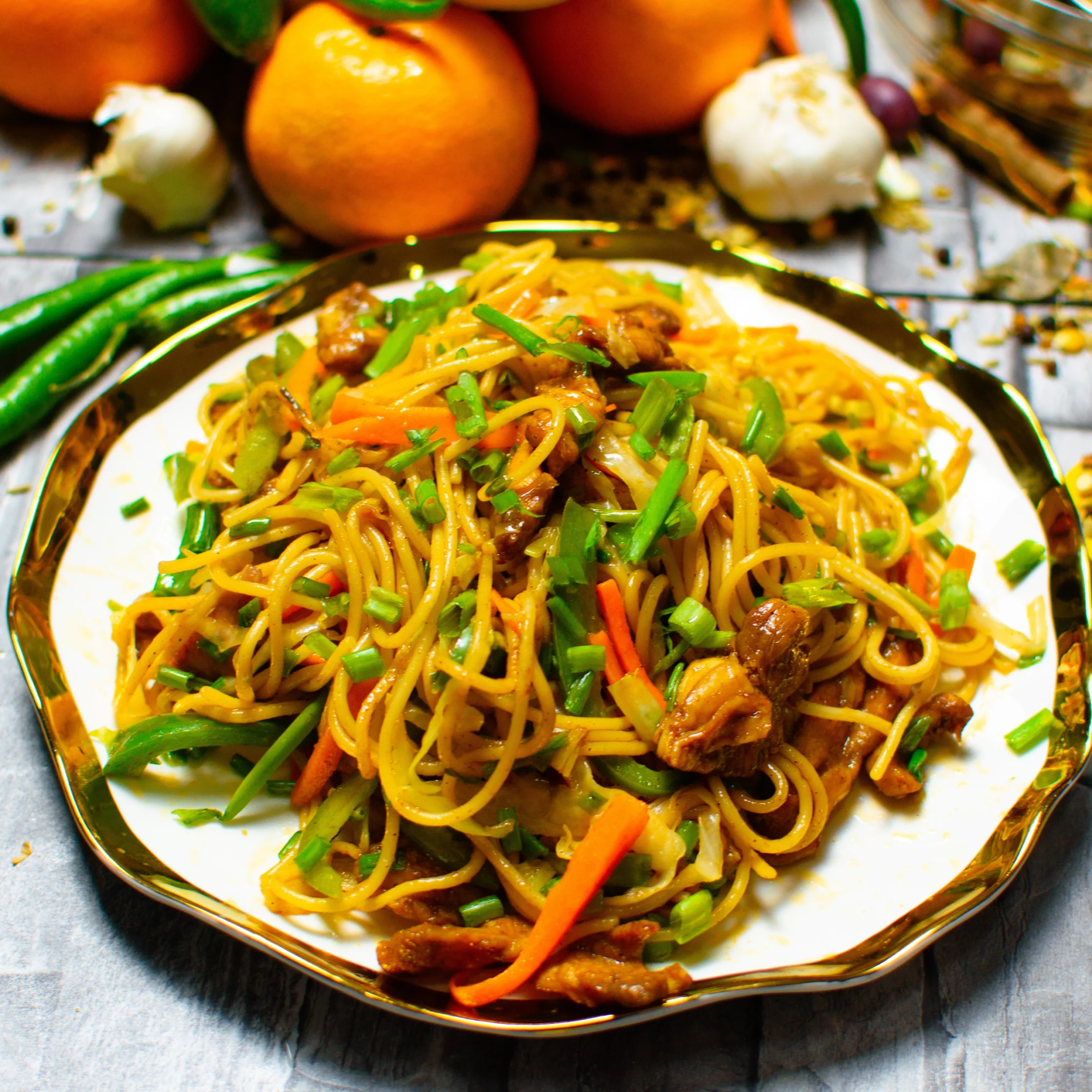
A classic dish isn’t born from isolation. It endures because it adaptably weaves itself into the lives, routines, and memory of the people who make it. PancitPancitThe Filipino noodle dish, symbolizing long life and traditionally served at birthdays. Varieties abound, from everyday bihon and canton to regional specialties such as Quezon's habhab and Cagayan's pancit batilGo to Pancit Glossary survived centuries of migration, colonial segregation, and changing times not by staying rigid, but by growing with us. It has earned its place at every major milestone, every quiet Tuesday night, and every table in between.

Frequently Asked Questions
Generally speaking, pre-colonial Philippine cooking relied on native ingredients like rice, coconut, alugbati, and pako. Cooking methods were simple and focused on preserving natural flavors through boiling, steaming, and roasting.
It comes from the Hokkien term “pian i sit,” which roughly translates to “something conveniently cooked.”
It was named for its nature as an accessible, fast, and easy meal to prepare.
Chinese traders brought pancit to the Philippines around the 9th century. At some point, traders began recreating their noodle dishes using native Philippine ingredients, eventually sharing and trading the adapted meals with local inhabitants.
Panciteros were the Chinese hawkers who would run panciterias during the Spanish colonization after they were segregated into either Binondo or Parian de Arroceros.
The panciterias themselves hold historical significance as the Philippines’ very first covered, sit-down dining establishments.
To Ho Panciteria Antigua in Binondo, which first opened its doors in 1888, holds the title of the country’s oldest continuously operating restaurant. Today, it still serves customers under the name New Toho Food Center.