Advertisement

The Fascinating Story of Sisig: Where It Came From and Why Filipinos Love It Until Now

At the Philippine Heritage Kitchen's Sisig Festival, Kapampangan scholar Ruston Banal explains how the beloved dish became more than just comfort food—it became a symbol of Filipino creativity, culture, and community.

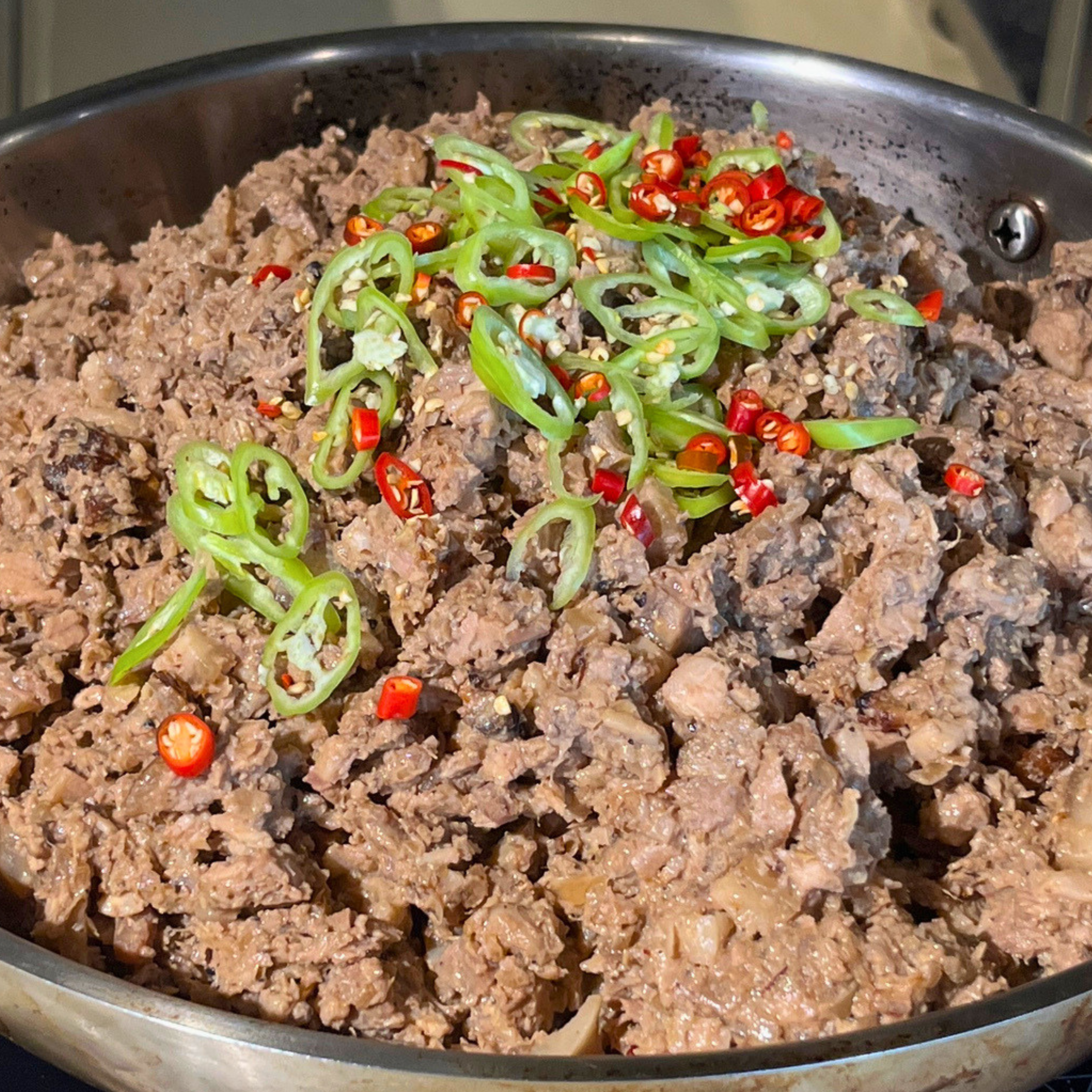
philippine heritage kitchen sisig festival sisig angeles
You’ve probably had sisig before, but do you know the history behind it? [PHOTO COURTESY OF Paolo Elwick]

Few Filipino dishes can spark as much excitement (or comment section debates) as sisig. Should it have mayonnaise? Egg or no egg? Served sizzling or not? Everyone seems to have their own take on the classic Kapampangan dish, but one thing is for certain: sisig has risen to become one of the Philippines’ most iconic dishes.

At the Philippine Heritage Kitchen‘s Sisig Festival held last May 29, interdisciplinary artist, scholar, and proud Kapampangan Ruston Banal shared why the beloved dish isn’t just delicious—it’s a story of culture, history, craftsmanship, and community.

Why Sisig Is the Perfect Example of Filipino Food Evolution

Many Filipinos know sisig as a Kapampangan specialty, but Banal explained that its story actually stretches much further back with a salad brought to the region by Chinese communities during the colonial period. Pampanga, which had one of the country’s largest Hokkien populations outside Binondo, embraced the cooking practice and gradually transformed it into the dish we know and love today. 
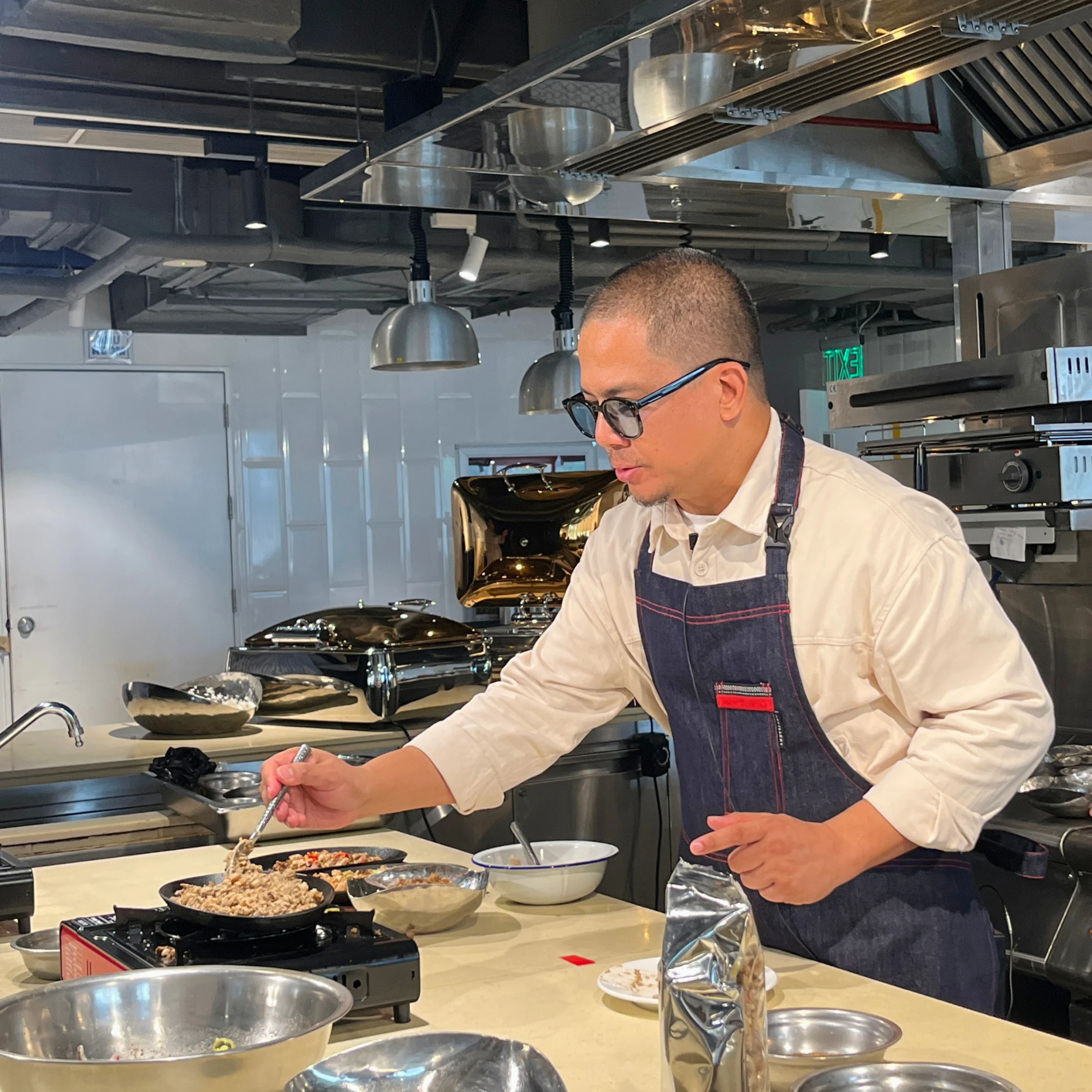
philippine heritage kitchen sisig festival ruston banal
Banal cooking a traditional version of sisig for everyone to see [PHOTO COURTESY OF Paolo Elwick]

“Food is always evolving,” Banal shared. Rather than belonging to just one place or one generation, dishes change as they’re passed down, shaped by local ingredients, traditions, and the people who cook them. Sisig is a perfect example, highlighting how Filipinos adapt influences from different cultures and make them unmistakably their own.

How Many Kinds of Sisig Are There? More Than You Think

But Filipinos aren’t the only ones adapting, as the dish itself is incredibly versatile. In his book, Pimamanan: A Taste of Pampanga’s 65 Heirloom Dishes, Banal was able to document numerous sisig variations in Pampanga alone. While pork is the most well known version, sisig can also be made from a variety of other meats, or no meat at all! 

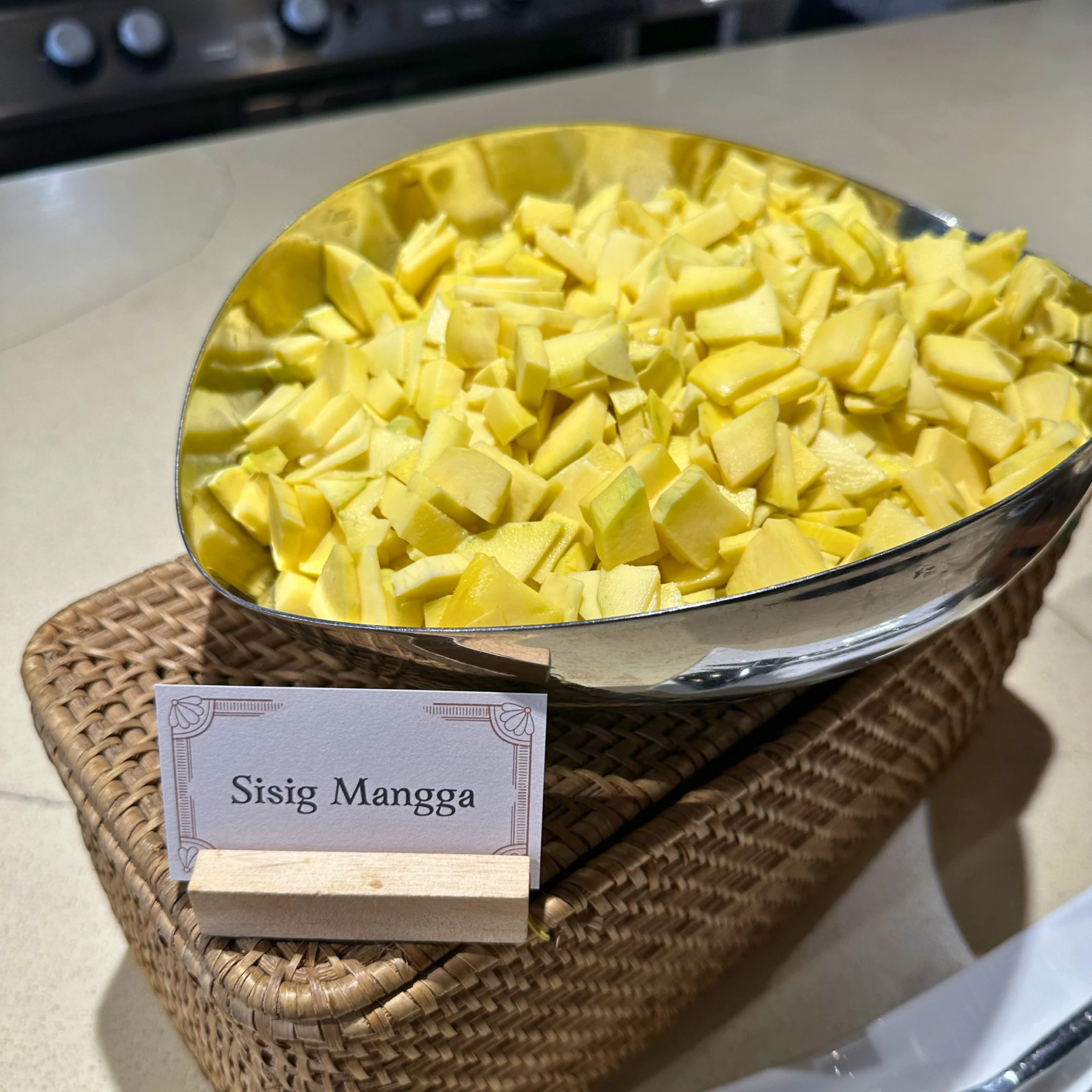
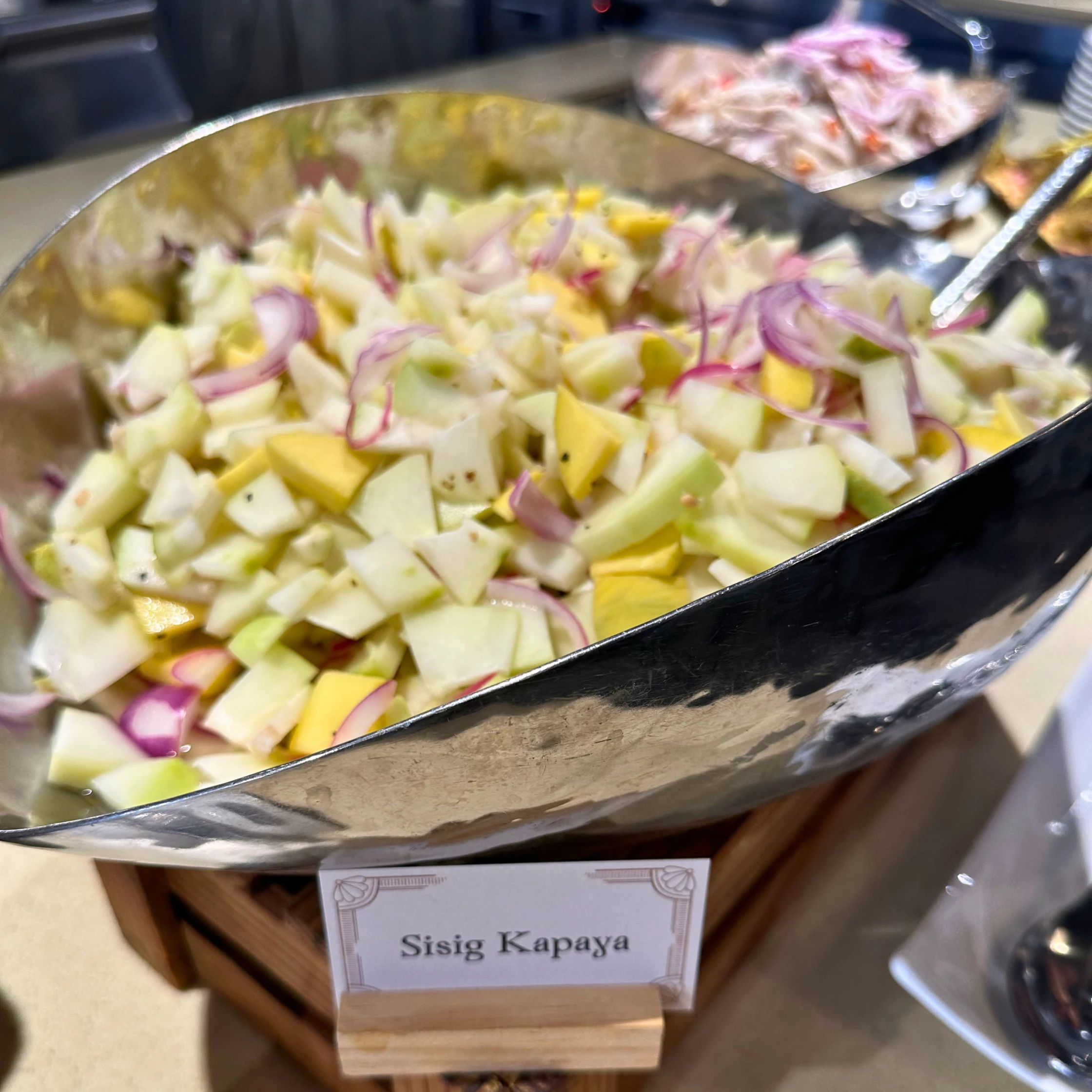
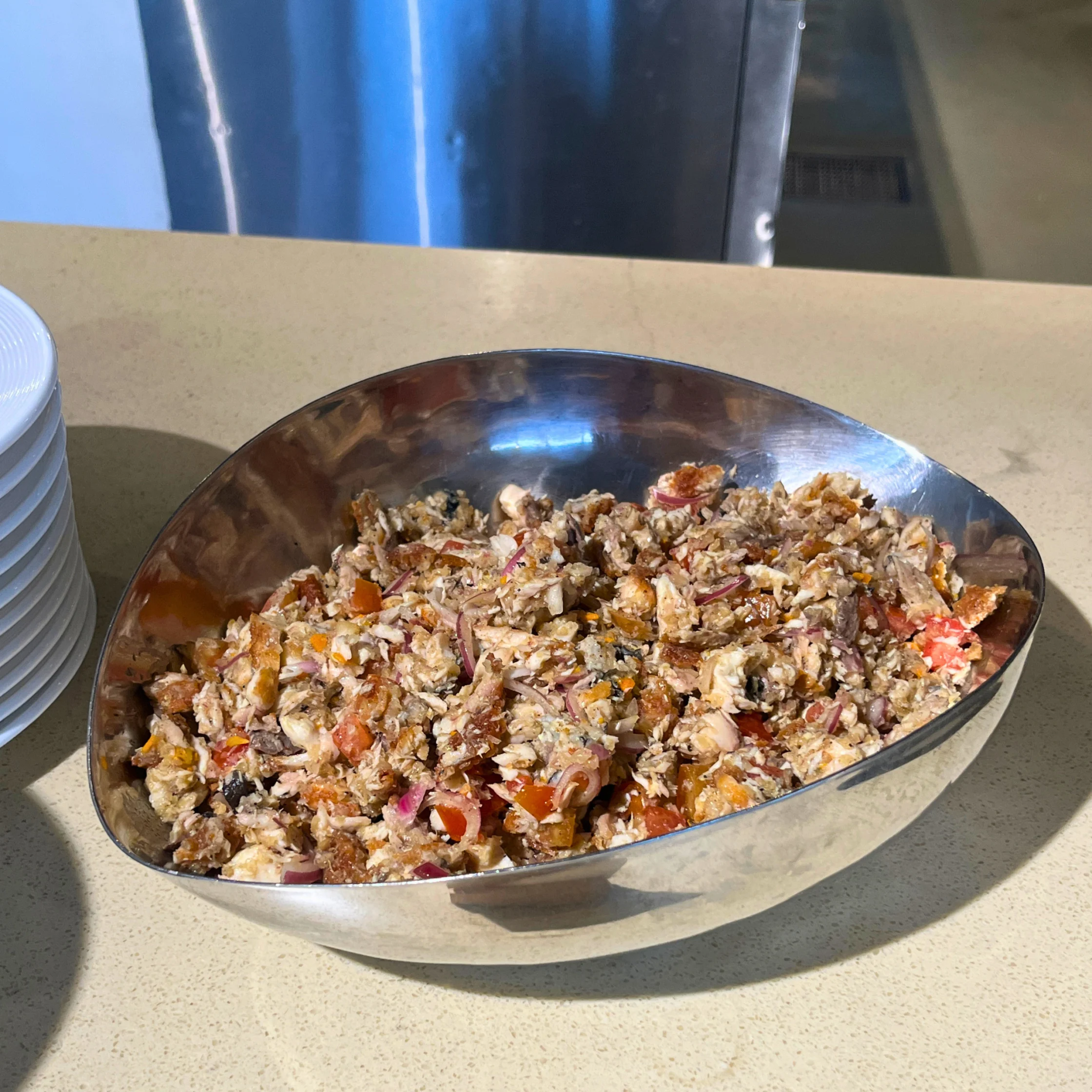
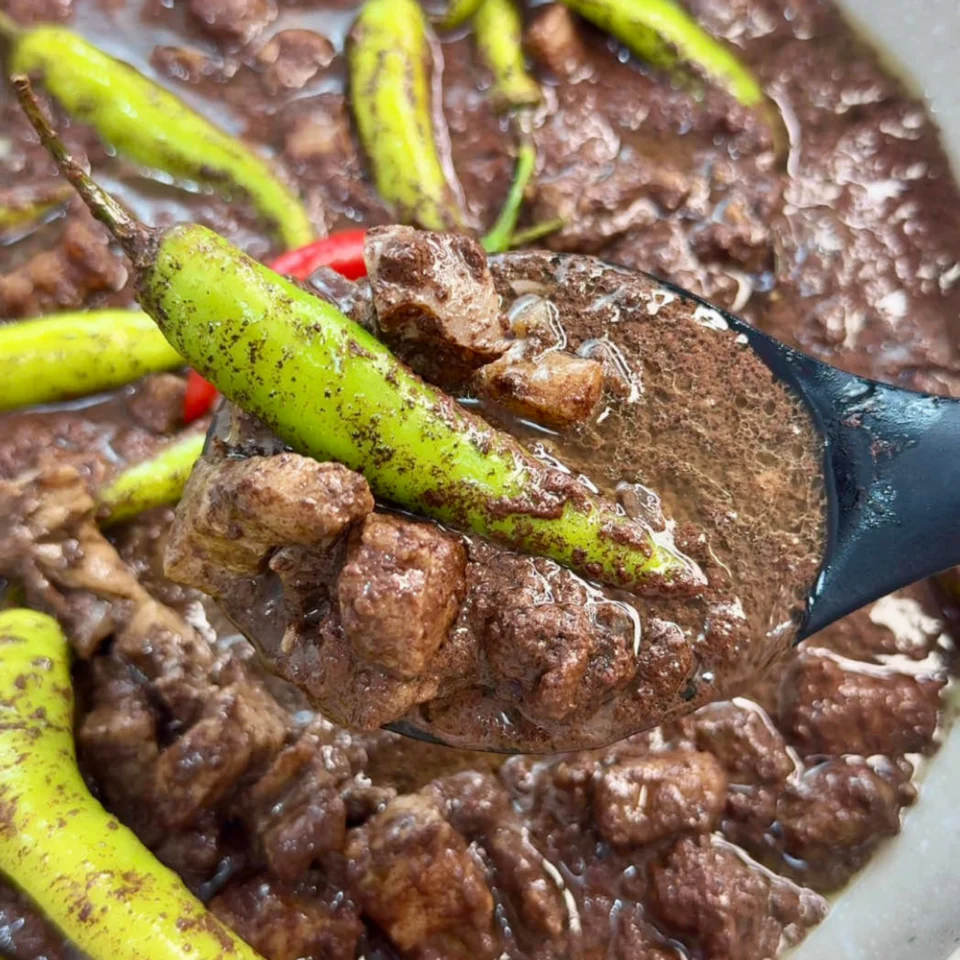
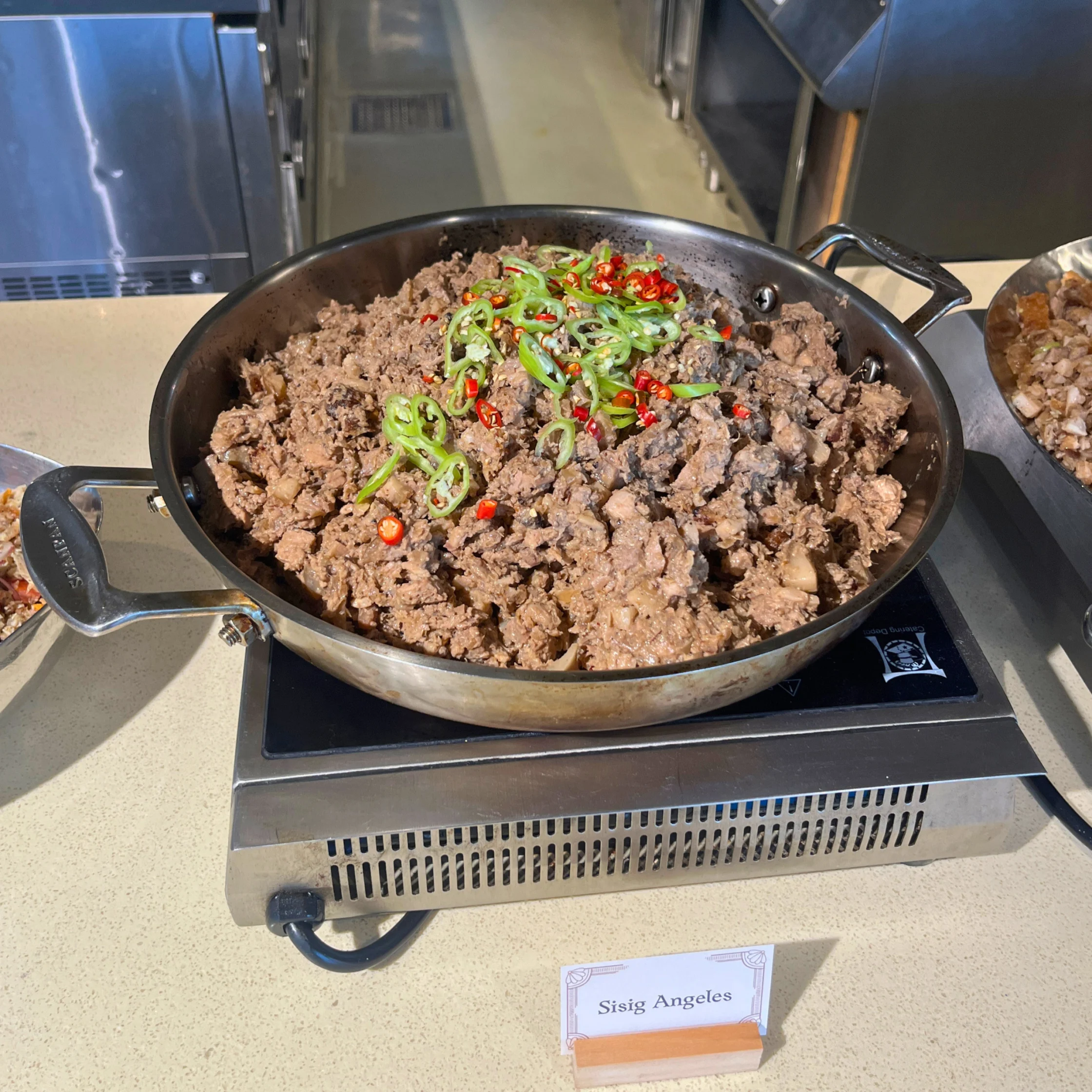
At the Sisig Festival, guests had the privilege of trying different variations, some with meat like the iconic Sisig Angeles, the modern favorite Tofu Sisig, and the lesser known, but just as interesting Sisig Kapaya and Sisig Mangga.
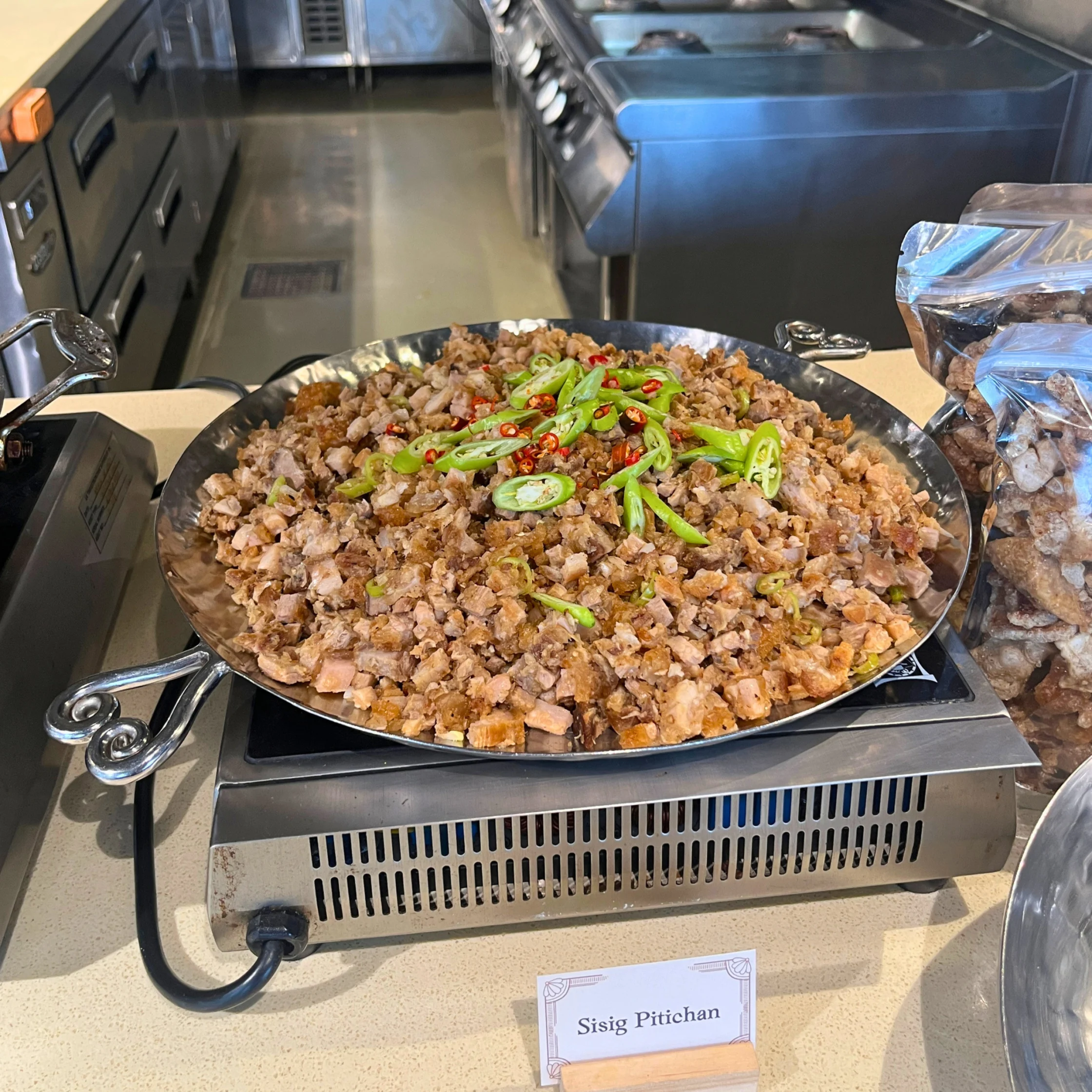
philippine heritage kitchen sisig festival sisig pitichan
Sisig Pitichan [PHOTO COURTESY OF Paolo Elwick]
philippine heritage kitchen sisig festival sisig angeles
Sisig Angeles [PHOTO COURTESY OF Paolo Elwick]
philippine heritage kitchen sisig festival sisig mangga
Sisig Mangga [PHOTO COURTESY OF Alexander Villarante]
philippine heritage kitchen sisig festival sisig kapaya
Sisig Kapaya [PHOTO COURTESY OF Alexander Villarante]
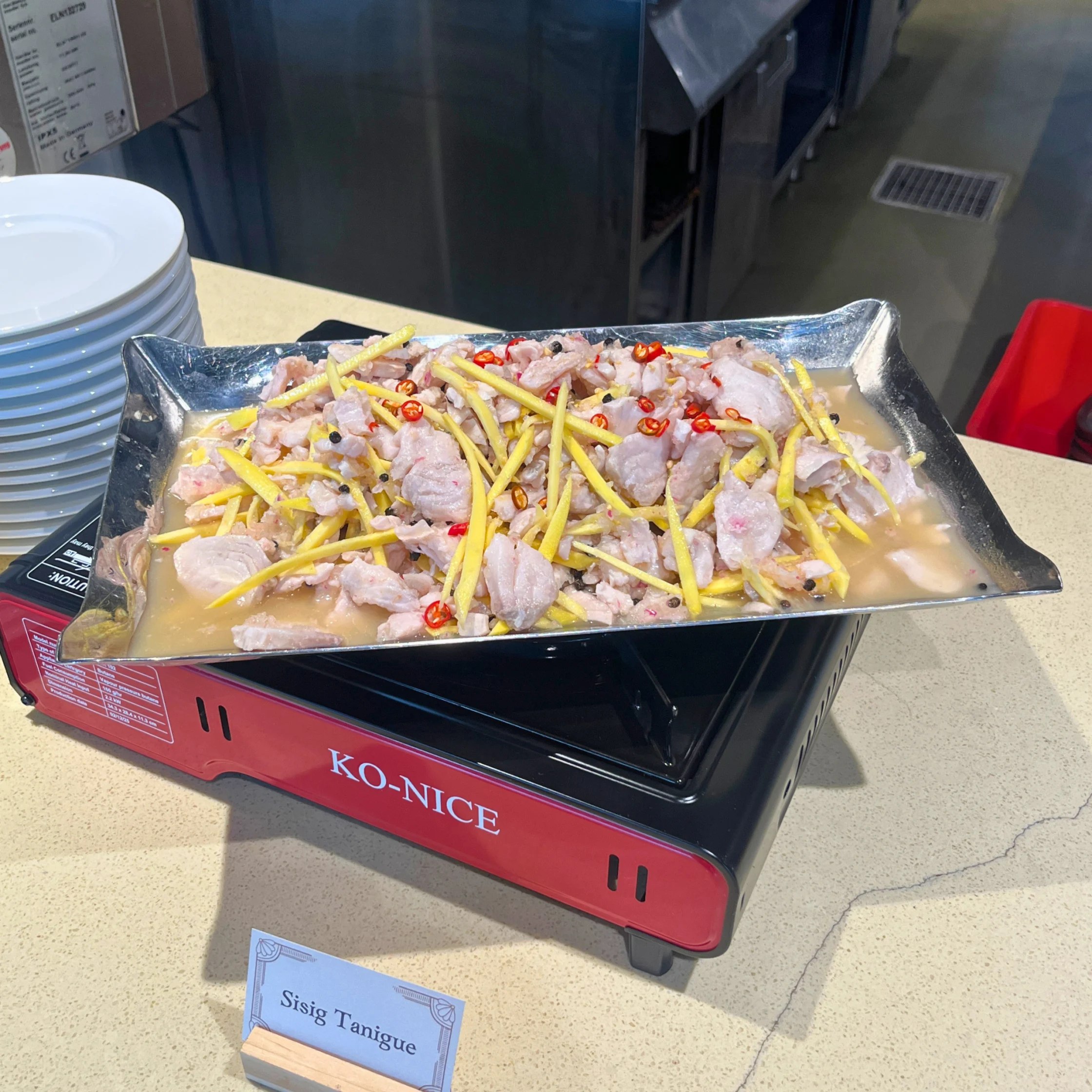
philippine heritage kitchen sisig festival sisig tanigue
Sisig Tanigue [PHOTO COURTESY OF Paolo Elwick]
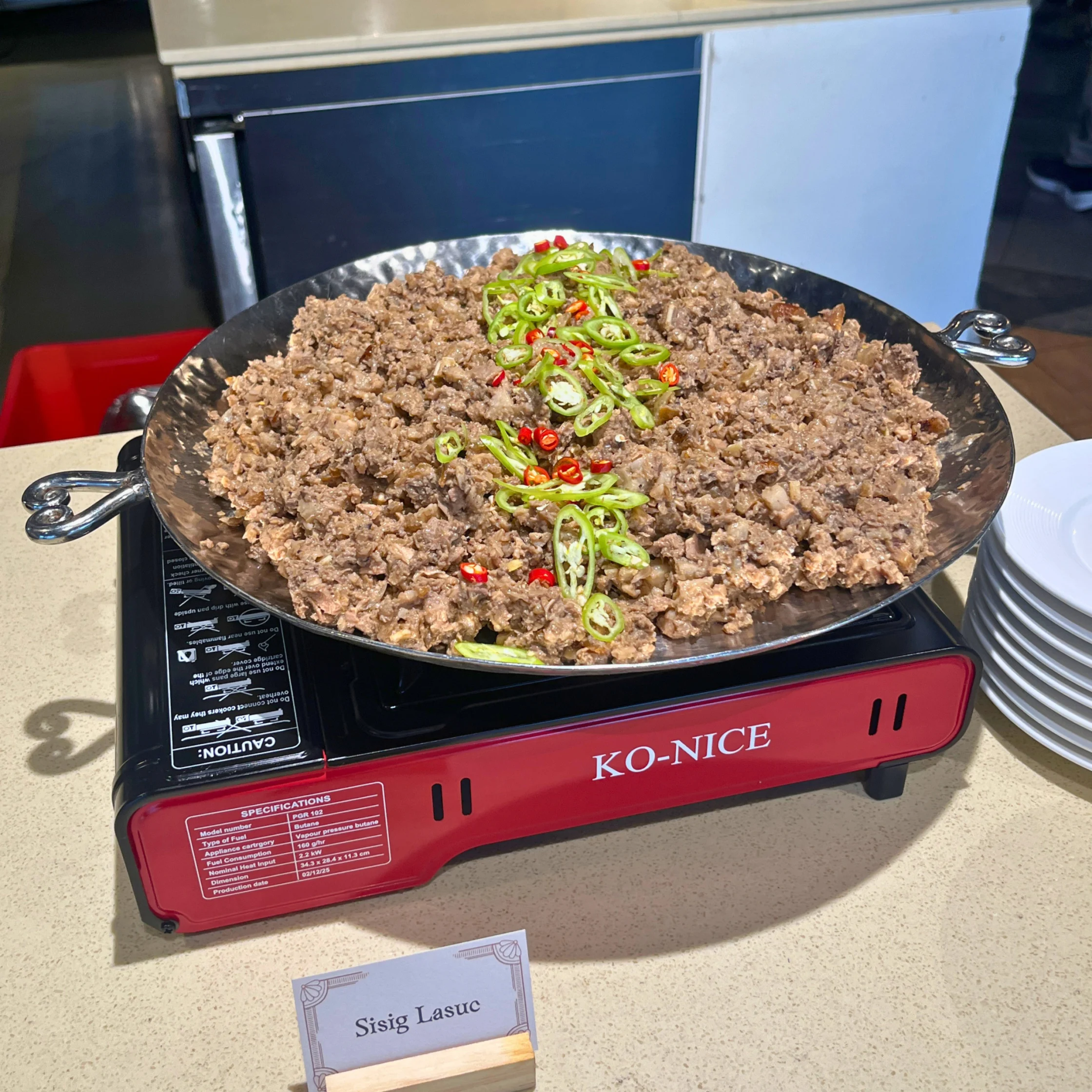
philippine heritage kitchen sisig festival sisig lasuc
Sisig Lasuc [PHOTO COURTESY OF Paolo Elwick]
philippine heritage kitchen sisig festival sisig bangus
Sisig Bangus [PHOTO COURTESY OF Paolo Elwick]

Which begs the question: what makes all of them sisig?

According to Banal, the common thread is surprisingly simple: vinegar, traditionally either nipa palm or tuba, salt and a protein of choice. Everything else is up to who’s cooking, what’s available to them, and their own personal taste—allowing personal touch to shine without muddying the dish’s roots. It’s that flexibility that has helped it become a mainstay on Filipino tables.

From Pulutan to Family Favorite: Why Sisig Endures

And since every bite can be smoky, savory, tangy, crispy, or everything all at once, it’s easy to see why Filipinos keep coming back for more. Add in drops of calamansi to cut through the richness, fluffy spoonfuls of rice, or cold bottles of beer, and you have a recipe that no one can say no to.

Just as importantly, however, is how effortlessly sisig fits into Filipino life. It’s equally at home as ulam for a family dinner or the star pulutan at an inuman. Quick to prepare once the ingredients are ready and even easier to share, sisig might be unmatched at bringing people together around the table. And sometimes, it even brings people together online. Banal pointed to social media as an unexpected force behind sisig’s popularity. What started as debates over what counts as “authentic” sisig soon turned into conversations about its history, origins, and cultural significance—encouraging younger Filipinos to look beyond the sizzling plate.
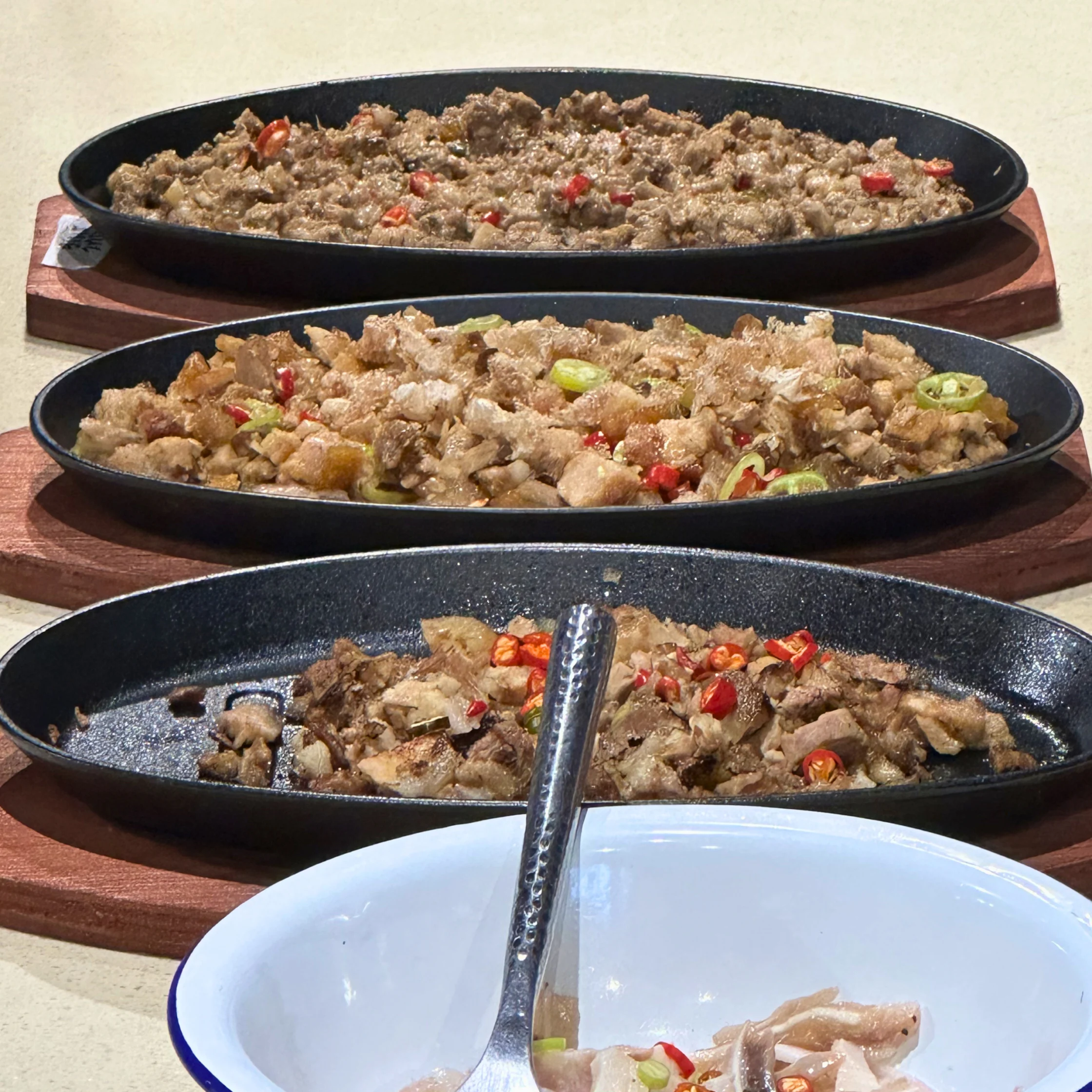
philippine heritage kitchen sisig festival sisig variations
Sisig is a diverse dish, so there’s  variation for everyone! [PHOTO COURTESY OF Alexander Villarante]

For Banal, that’s exactly what makes sisig so special. It’s more than a delicious dish; it’s one that sparks stories, celebrates heritage, and reminds Filipinos that every recipe carries a history worth sharing. That’s why, no matter how it’s served, sisig remains a dish Filipinos can’t seem to get enough of.

Why Sisig Is More Than Just a Filipino Favorite

At its heart, sisig is more than one of the Philippines’ favorite dishes. It reflects centuries of cultural exchange, local ingenuity, and a tradition that continues to evolve with every new generation. As Banal reminded audiences at the Philippine Heritage Kitchen’s Sisig Festival, every plate of sisig carries a story. 
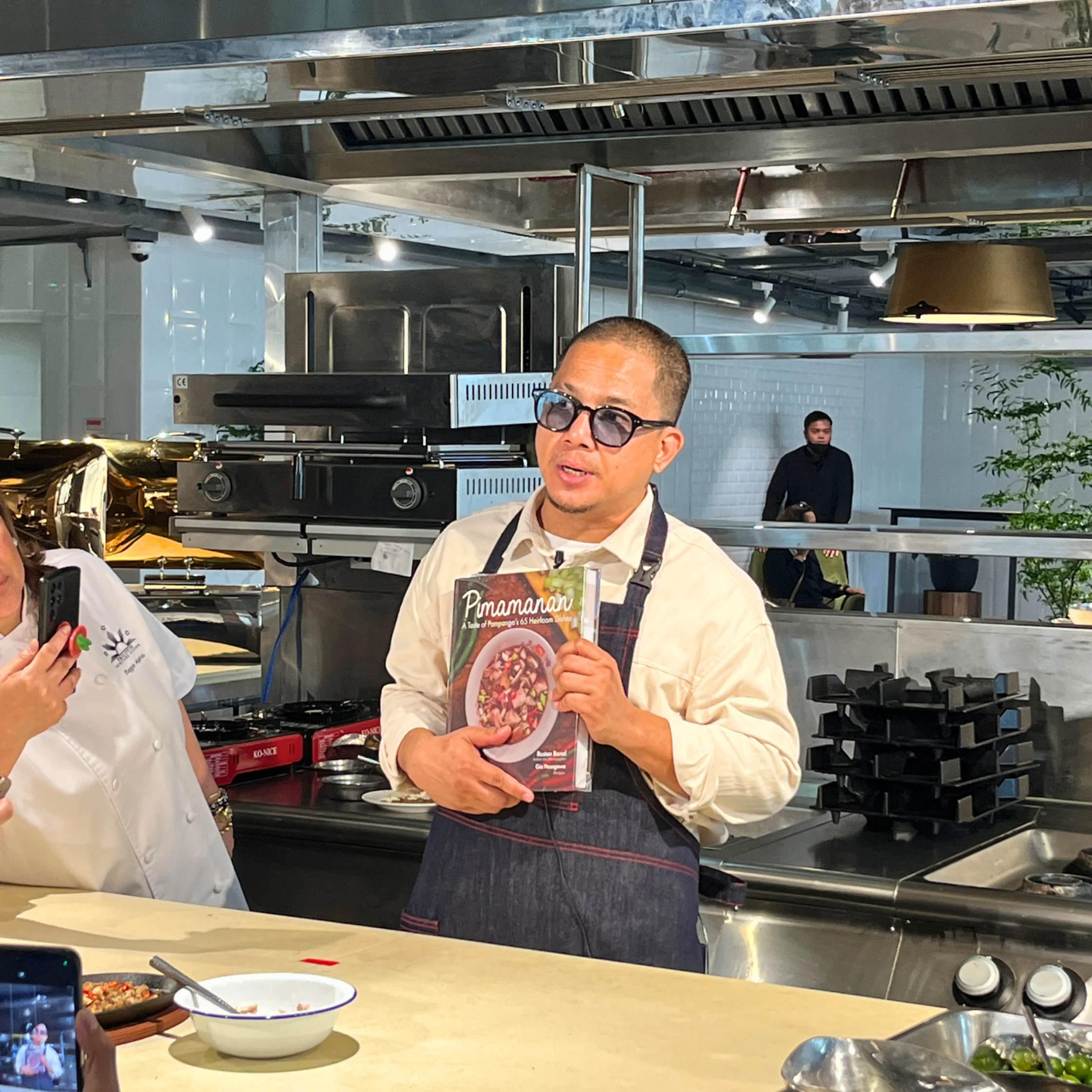
philippine heritage kitchen sisig festival ruston banal with book
Ruston Banal with his book, Pimamanan: A Taste of Pampanga’s 65 Heirloom Dishes [PHOTO COURTESY OF Paolo Elwick]

Whether enjoyed at an institution in Pampanga, at a humble jollijeep in Makati, or at a family table anywhere in the world, sisig is a reminder that the best dishes are more than just recipes—they’re expressions of history, culture, and the people who keep them alive.

author avatar
Paolo Elwick
Paolo is a food writer and storyteller exploring the intersections of food, culture, and identity through thoughtful, people-centered storytelling. He believes that, second only to language, food is one of humanity's most powerful expressions of culture—a medium for preserving history, expressing identity, and coming to understand ourselves and connect with others. Drawn to the histories, traditions, and personal experiences behind every dish, his writing combines curiosity with emotional honesty, highlighting diverse voices and celebrating the communities that shape our food landscape. Influenced by writers and artists who embrace vulnerability and introspection, Paolo uses a reflective, metaphor-rich approach to uncover the deeper meanings found in everyday meals and shared tables. He is passionate about creating stories that foster empathy, preserve cultural narratives, and invite readers to see food as more than sustenance—as memory, identity, and belonging. Through his work, Paolo hopes to amplify underrepresented perspectives and spark meaningful conversations that extend far beyond the plate.

Frequently Asked Questions

Sisig originated in Pampanga and evolved over centuries through cultural exchange and local adaptation. Today, it is considered one of the Philippines’ most iconic dishes.

author avatar
Paolo Elwick
Paolo is a food writer and storyteller exploring the intersections of food, culture, and identity through thoughtful, people-centered storytelling. He believes that, second only to language, food is one of humanity's most powerful expressions of culture—a medium for preserving history, expressing identity, and coming to understand ourselves and connect with others. Drawn to the histories, traditions, and personal experiences behind every dish, his writing combines curiosity with emotional honesty, highlighting diverse voices and celebrating the communities that shape our food landscape. Influenced by writers and artists who embrace vulnerability and introspection, Paolo uses a reflective, metaphor-rich approach to uncover the deeper meanings found in everyday meals and shared tables. He is passionate about creating stories that foster empathy, preserve cultural narratives, and invite readers to see food as more than sustenance—as memory, identity, and belonging. Through his work, Paolo hopes to amplify underrepresented perspectives and spark meaningful conversations that extend far beyond the plate.

Sisig originated in Pampanga, which remains widely recognized as the home of the dish.

author avatar
Paolo Elwick
Paolo is a food writer and storyteller exploring the intersections of food, culture, and identity through thoughtful, people-centered storytelling. He believes that, second only to language, food is one of humanity's most powerful expressions of culture—a medium for preserving history, expressing identity, and coming to understand ourselves and connect with others. Drawn to the histories, traditions, and personal experiences behind every dish, his writing combines curiosity with emotional honesty, highlighting diverse voices and celebrating the communities that shape our food landscape. Influenced by writers and artists who embrace vulnerability and introspection, Paolo uses a reflective, metaphor-rich approach to uncover the deeper meanings found in everyday meals and shared tables. He is passionate about creating stories that foster empathy, preserve cultural narratives, and invite readers to see food as more than sustenance—as memory, identity, and belonging. Through his work, Paolo hopes to amplify underrepresented perspectives and spark meaningful conversations that extend far beyond the plate.

Ruston Banal is a Kapampangan interdisciplinary artist, scholar, and author of Pimamanan: A Taste of Pampanga’s 65 Heirloom Dishes. He researches and documents Kapampangan food heritage.

author avatar
Paolo Elwick
Paolo is a food writer and storyteller exploring the intersections of food, culture, and identity through thoughtful, people-centered storytelling. He believes that, second only to language, food is one of humanity's most powerful expressions of culture—a medium for preserving history, expressing identity, and coming to understand ourselves and connect with others. Drawn to the histories, traditions, and personal experiences behind every dish, his writing combines curiosity with emotional honesty, highlighting diverse voices and celebrating the communities that shape our food landscape. Influenced by writers and artists who embrace vulnerability and introspection, Paolo uses a reflective, metaphor-rich approach to uncover the deeper meanings found in everyday meals and shared tables. He is passionate about creating stories that foster empathy, preserve cultural narratives, and invite readers to see food as more than sustenance—as memory, identity, and belonging. Through his work, Paolo hopes to amplify underrepresented perspectives and spark meaningful conversations that extend far beyond the plate.

According to Ruston Banal, the defining elements are vinegar, salt, and a protein. Beyond those, ingredients can vary depending on local traditions and personal preferences.

author avatar
Paolo Elwick
Paolo is a food writer and storyteller exploring the intersections of food, culture, and identity through thoughtful, people-centered storytelling. He believes that, second only to language, food is one of humanity's most powerful expressions of culture—a medium for preserving history, expressing identity, and coming to understand ourselves and connect with others. Drawn to the histories, traditions, and personal experiences behind every dish, his writing combines curiosity with emotional honesty, highlighting diverse voices and celebrating the communities that shape our food landscape. Influenced by writers and artists who embrace vulnerability and introspection, Paolo uses a reflective, metaphor-rich approach to uncover the deeper meanings found in everyday meals and shared tables. He is passionate about creating stories that foster empathy, preserve cultural narratives, and invite readers to see food as more than sustenance—as memory, identity, and belonging. Through his work, Paolo hopes to amplify underrepresented perspectives and spark meaningful conversations that extend far beyond the plate.

Yes. Beyond the familiar pork version, sisig can be made with tofu, chicken, seafood, papaya, green mango, and many other ingredients.

author avatar
Paolo Elwick
Paolo is a food writer and storyteller exploring the intersections of food, culture, and identity through thoughtful, people-centered storytelling. He believes that, second only to language, food is one of humanity's most powerful expressions of culture—a medium for preserving history, expressing identity, and coming to understand ourselves and connect with others. Drawn to the histories, traditions, and personal experiences behind every dish, his writing combines curiosity with emotional honesty, highlighting diverse voices and celebrating the communities that shape our food landscape. Influenced by writers and artists who embrace vulnerability and introspection, Paolo uses a reflective, metaphor-rich approach to uncover the deeper meanings found in everyday meals and shared tables. He is passionate about creating stories that foster empathy, preserve cultural narratives, and invite readers to see food as more than sustenance—as memory, identity, and belonging. Through his work, Paolo hopes to amplify underrepresented perspectives and spark meaningful conversations that extend far beyond the plate.

Sisig represents Filipino ingenuity, cultural exchange, and the evolution of regional cuisine. It has become both a beloved everyday dish and a symbol of Filipino culinary identity.

author avatar
Paolo Elwick
Paolo is a food writer and storyteller exploring the intersections of food, culture, and identity through thoughtful, people-centered storytelling. He believes that, second only to language, food is one of humanity's most powerful expressions of culture—a medium for preserving history, expressing identity, and coming to understand ourselves and connect with others. Drawn to the histories, traditions, and personal experiences behind every dish, his writing combines curiosity with emotional honesty, highlighting diverse voices and celebrating the communities that shape our food landscape. Influenced by writers and artists who embrace vulnerability and introspection, Paolo uses a reflective, metaphor-rich approach to uncover the deeper meanings found in everyday meals and shared tables. He is passionate about creating stories that foster empathy, preserve cultural narratives, and invite readers to see food as more than sustenance—as memory, identity, and belonging. Through his work, Paolo hopes to amplify underrepresented perspectives and spark meaningful conversations that extend far beyond the plate.
paolo elwick delish ph food writer

Paolo Elwick

Writer

Paolo is a food writer and storyteller exploring the intersections of food, culture, and identity through thoughtful, people-centered storytelling. He believes that, second only to language, food is one of humanity's most powerful expressions of culture—a medium for preserving history, expressing identity, and coming to understand ourselves and connect with others. Drawn to the histories, traditions, and personal experiences behind every dish, his writing combines curiosity with emotional honesty, highlighting diverse voices and celebrating the communities that shape our food landscape. Influenced by writers and artists who embrace vulnerability and introspection, Paolo uses a reflective, metaphor-rich approach to uncover the deeper meanings found in everyday meals and shared tables. He is passionate about creating stories that foster empathy, preserve cultural narratives, and invite readers to see food as more than sustenance—as memory, identity, and belonging. Through his work, Paolo hopes to amplify underrepresented perspectives and spark meaningful conversations that extend far beyond the plate.

0 0 votes
Total of Ratings
guest
Rating
Ratings for Article
0 Comments
Oldest
Newest Most Voted

To provide a customized ad experience, we need to know if you are of legal age in your region.

By making a selection, you agree to our Terms & Conditions.