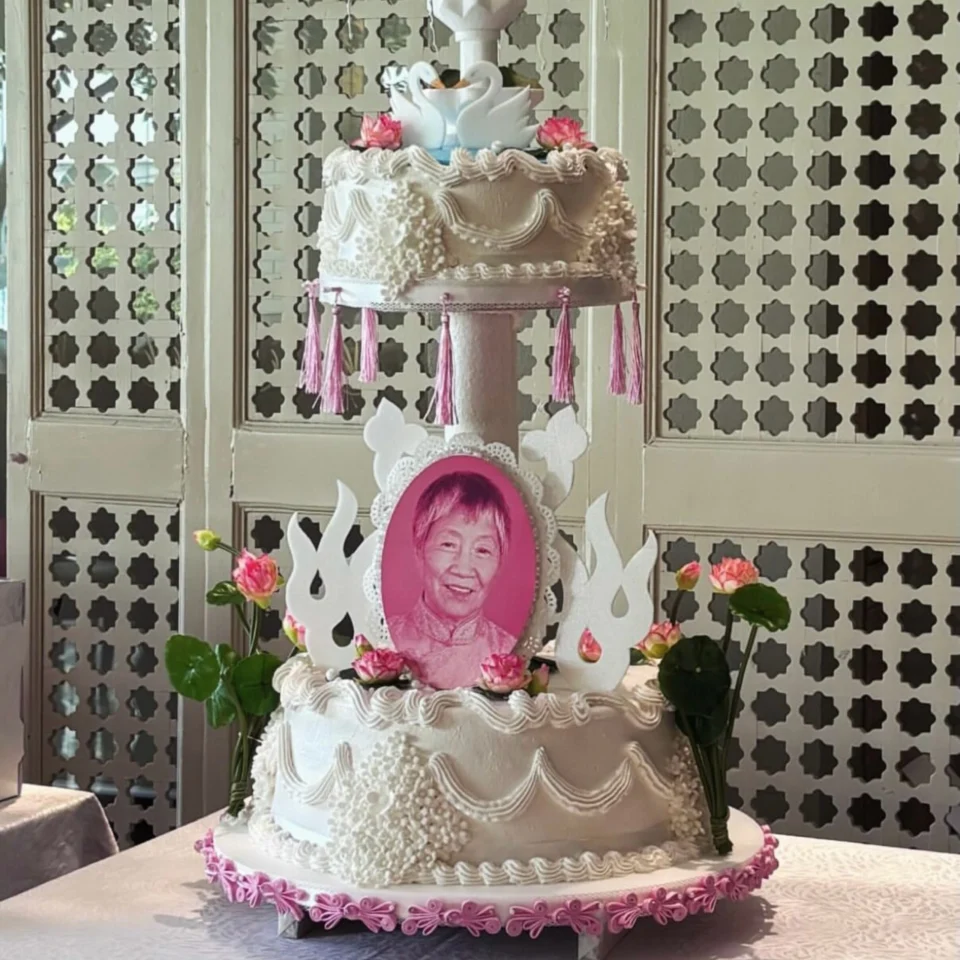


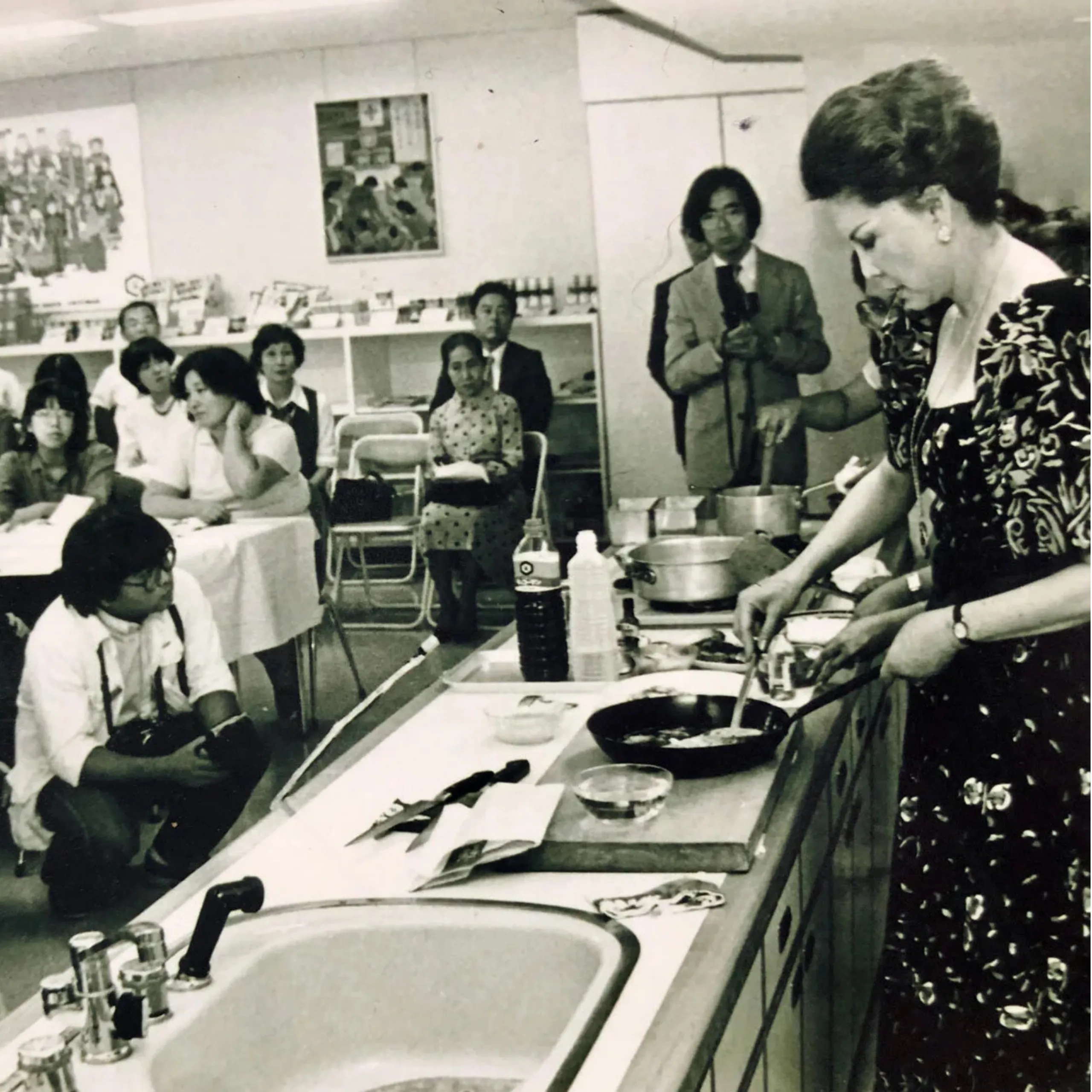
One of Nina’s vivid childhood memories is seeing her mother’s suitcase stuffed with Filipino ingredients. There were bottled macapuno and langka, canned taba ng talangka, powdered ube, lambanog, carabao mangoes, and canned snails in gata and bagoong, all of which she brought to Paris. When she returned home, it was the other way around: Dijon mustard, tarragon in vinegar, herbes de Provence, canned foie gras with truffles, to be used in Au Bon Vivant, her gleaming French restaurant in Ermita, Manila.
“She didn’t bring clothes—they were always ingredients,” says Nina. She is the youngest child of Nora Daza, the Philippines’ iconic cooking show host, a culinary pioneer in manifold ways. By the time Nina was born, Nora had already shifted her career into being a restaurateur. Au Bon Vivant was wildly patronized by expats and Manila’s high society, and enjoyed its status as the city’s first French restaurant when it opened in 1965. But, in the 1970s, Nora pushed things further: she opened the Filipino restaurants Aux Iles Philippines in Paris and Maharlika in New York City.
Inside Nora Daza’s Filipino Restaurant in 1970s Paris
In the 1970s, Nina and her siblings spent summers in Paris working at Aux Iles Philippines: her brothers, Bong and Sandy, managed the restaurant and dispatched plates from the kitchen, while she and her sisters, Mariles and Stella, manned the cashier, bartended, and served guests. Nina brings out a menu with an outlined map of Southeast Asia, China, and Australia on its cover, and points to the red Philippine archipelago in the middle. “She made the Philippine map disproportionately bigger than the rest because she wanted the Philippines to be bida.”
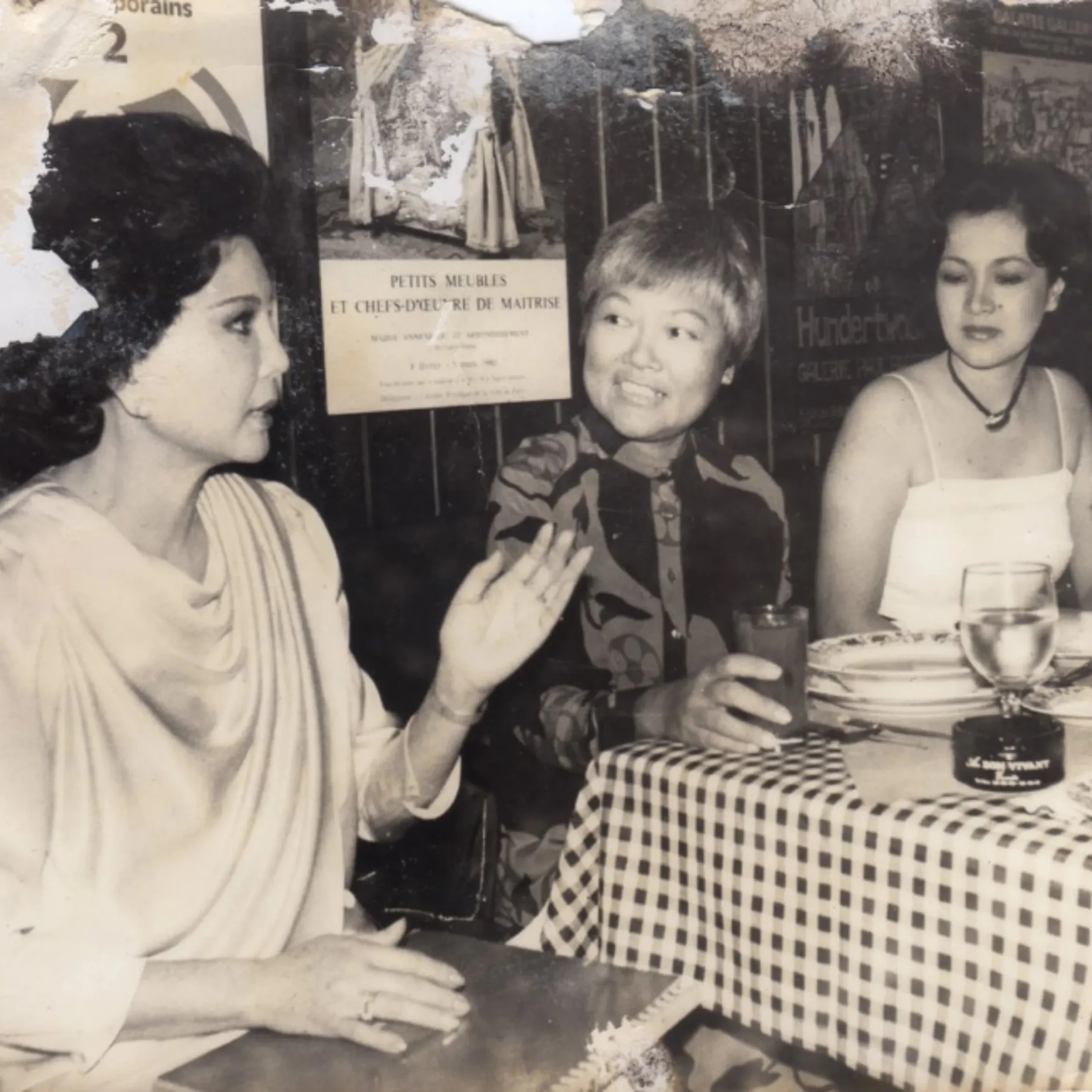
Their menu offered such dishes as inihaw na isda (“in the style of fishermen in the Polillo Islands,” the description read), puchero (“pot-au-feu style philippine”), and duck served two ways: pato Binondo (roast duck served with Java rice) and pato Ongpin (broiled duck served with fresh lumpiang sariwa wrappers, spring onions, and cucumbers).
“It was really eye-opening for the Europeans,” Nina says. Her mom’s restaurants made history, and they also did well—the original Au Bon Vivant enjoyed a near quarter-century run.
Before Today’s Cooking Shows, There Was Nora Daza
She also dabbled in media, starting in the late 1950s, when she acted in the sitcom “Bahala si Mommy.” It was in the early 1960s that she hosted the radio cooking show “At Home with Nora,” soon becoming a weekly television show of the same name. In the 1970s, “Cooking It Up with Nora” aired.
They were the Philippines’ first full-fledged cooking shows, and Nora was the format’s trailblazer in the country. “She was a multimedia star before her time,” says Nina.
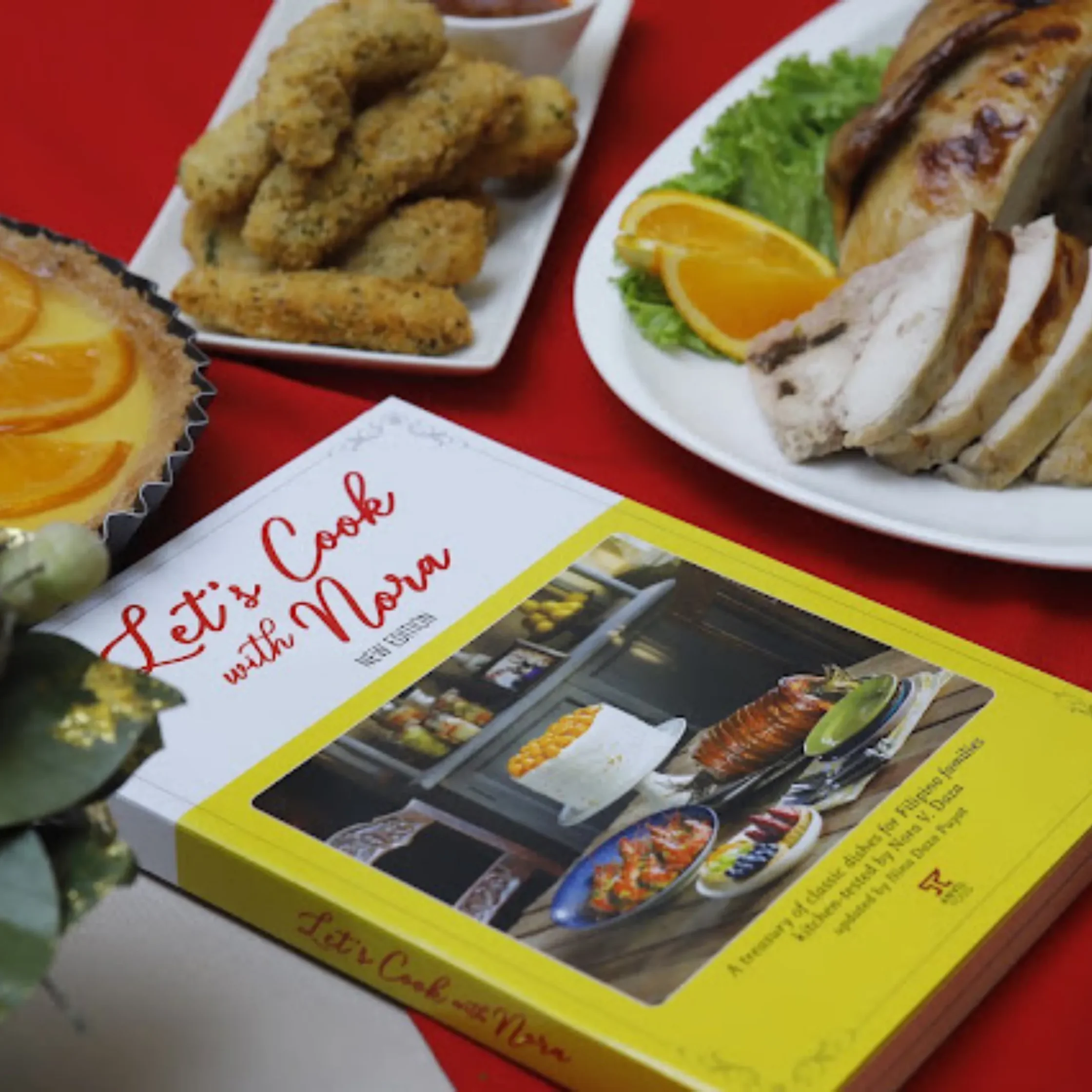
The media scholar Louie Jon Sanchez wrote that, until the early 1990s, cooking show audiences were presumed to be women. Nora appeared on television wearing pearl earrings, belted dresses in bright colors, and her signature tall bouffant hair. “She deliberately looked glamorous on screen because she wanted to elevate the home cook,” Nina says.
“She didn’t want the home cook to feel like cooking is a chore. She wanted them to feel like it’s a privilege to cook for your family, and you should be proud that you’re cooking for your family.”

Frequently Asked Questions
Chef Nora Daza was a Filipino gourmet chef, restauranteur, radio-turned television host, and cookbook author. She was also the owner of Filipino restaurants Aux Iles Philippines in Paris and Maharlika in New York City.
She is hailed as a local culinary icon. She’s credited for pioneering modern local cooking shows with “At Home with Nora” in the 1960s and “Cooking It Up with Nora” in the 1970s. She also opened two Filipino restaurants in Paris and New York City, spreading Filipino food to foreign diners.
Au Bon Vivant was the first ever fine dining French restaurant in the Philippines.
Located in Paris, France, Aux Iles Philippines was one of the two restaurants Nora Daza opened outside of the Philippines during the 1970s.