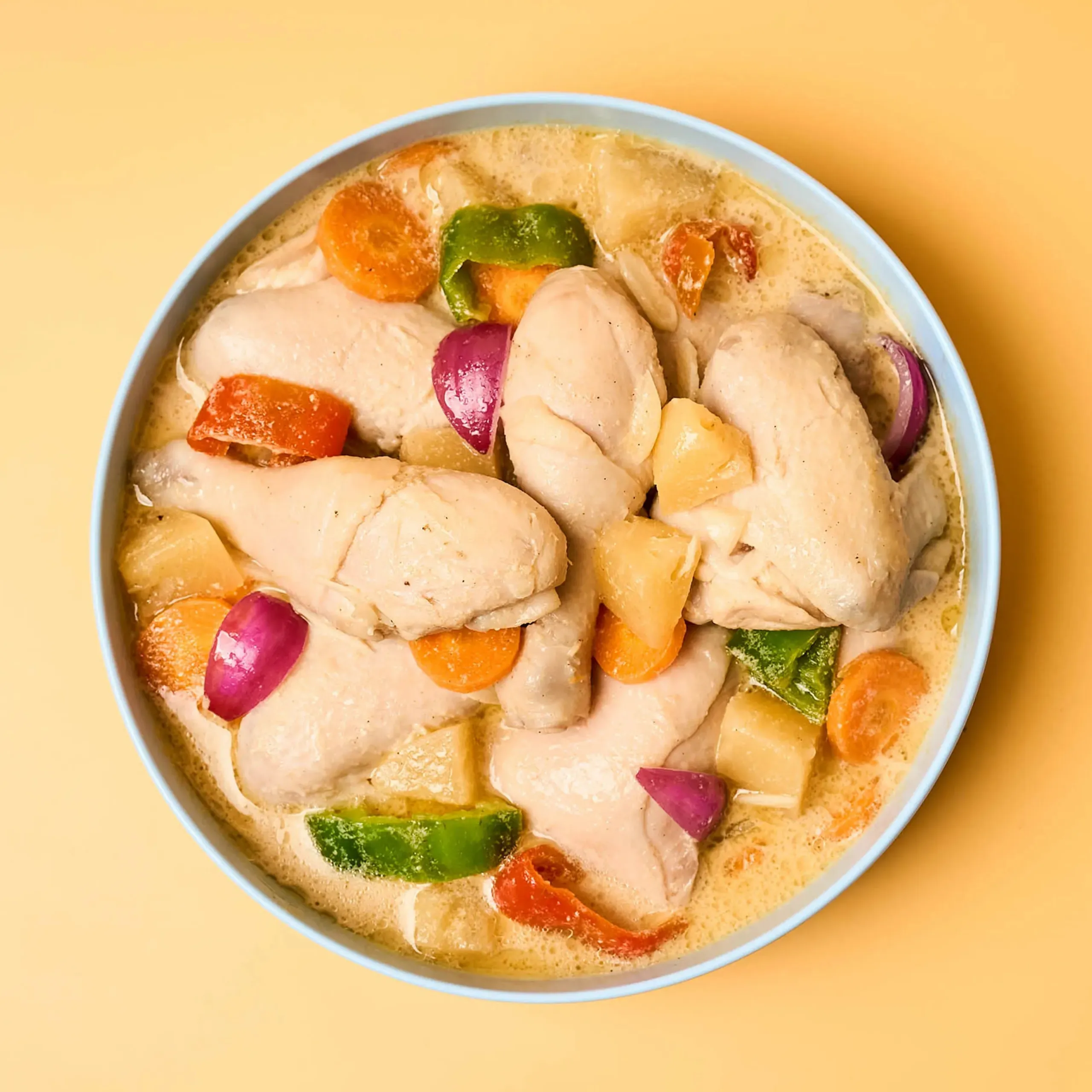


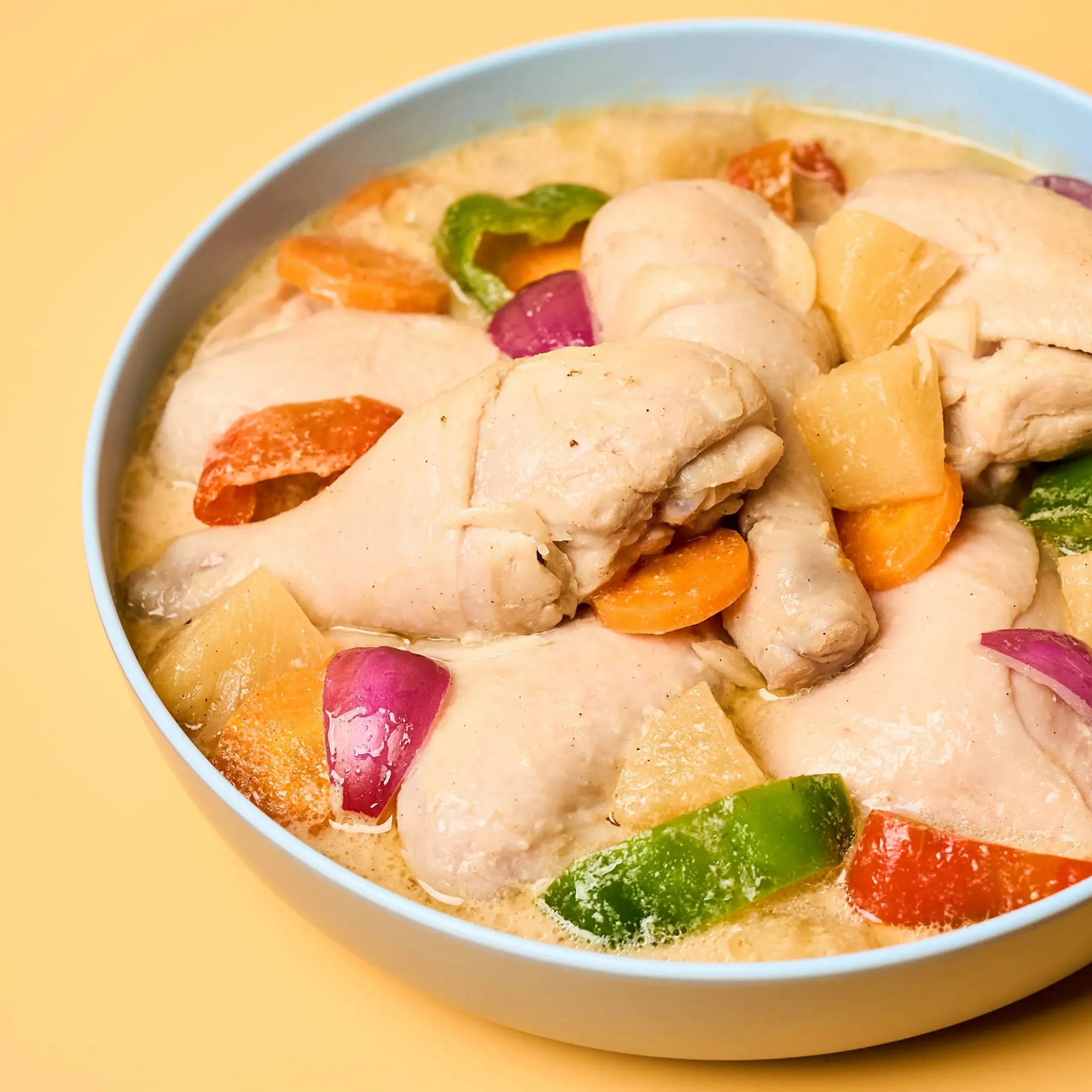
Pininyahang Manok is a beloved Filipino comfort food that beautifully combines tender chicken, sweet pineapple, colorful vegetables, and a rich, creamy sauce. It is a dish that perfectly represents the Filipino love for balancing sweet and savory flavors, creating a meal that is both hearty and refreshing. Every spoonful offers juicy chicken simmered until tender, paired with the natural sweetness of pineapple and the creaminess of evaporated milk, making it a favorite for both everyday family dinners and festive occasions.
One of the reasons Pininyahang Manok has remained a staple in Filipino households is its comforting simplicity. The ingredients are easy to find, the cooking process is straightforward, and the flavors appeal to people of all ages. The pineapple not only adds sweetness but also helps tenderize the chicken, while carrots and bell peppers contribute vibrant color, texture, and nutrition. The creamy sauce ties everything together, making it perfect for pouring over a generous serving of steamed rice.
Whether you’re preparing a comforting meal for your family, hosting guests, or simply craving a classic Filipino dish, Pininyahang Manok is always a satisfying choice. It’s a recipe that celebrates home cooking, bringing warmth and familiar flavors to the dining table with every serving.
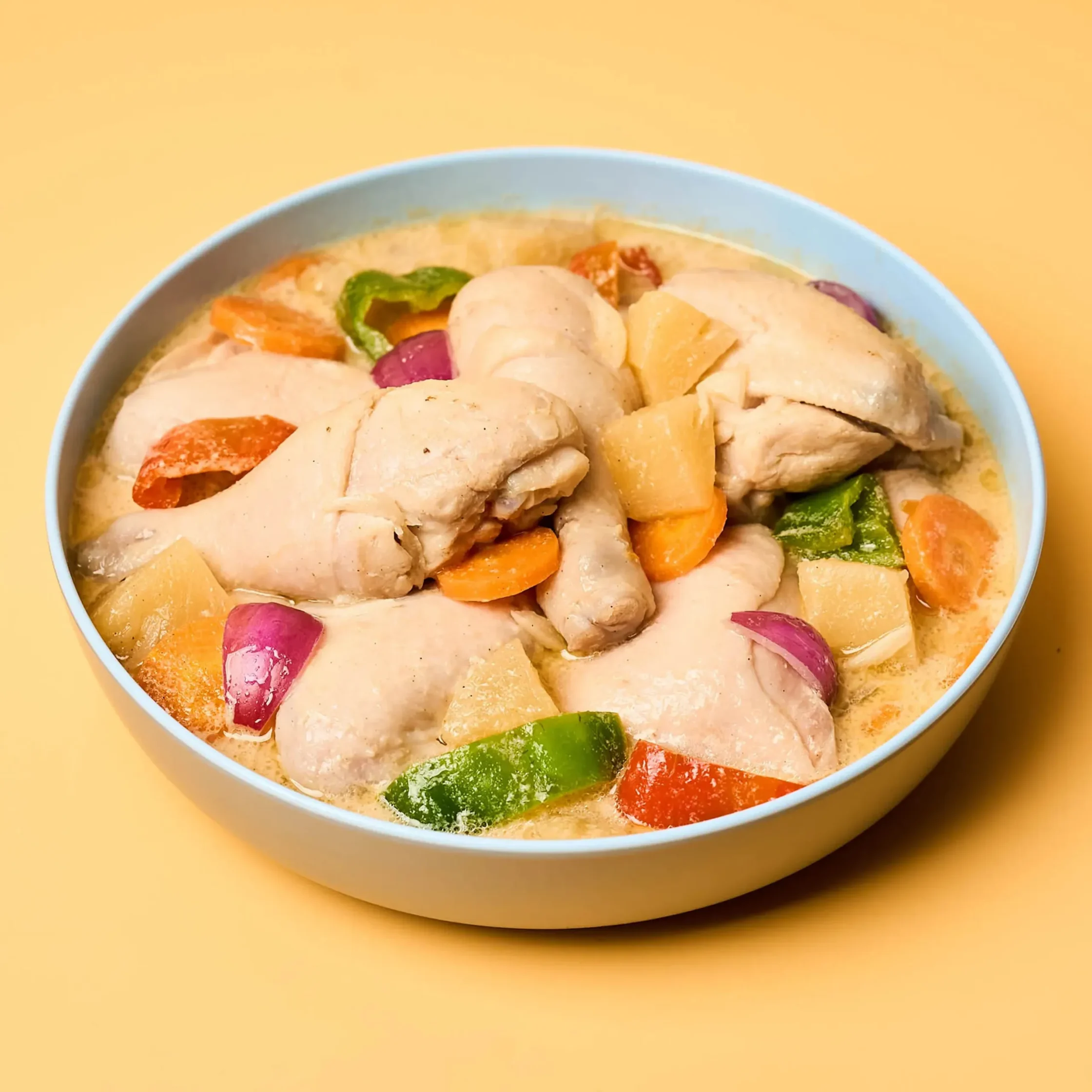
A Brief History of Pininyahang Manok
The word “pininyahan” comes from the Filipino word “pinya,” meaning pineapple. As its name suggests, pineapple is the defining ingredient that gives this dish its signature flavor. Although chickens have long been raised throughout the Philippines, the widespread cultivation of pineapples—particularly in regions like Bukidnon and South Cotabato—helped inspire recipes that combined locally grown fruit with everyday proteins.
The origins of Pininyahang Manok can be traced to the evolution of Filipino home cooking during the 20th century, when canned pineapple products became more readily available. Families began experimenting with pineapple juice and chunks in savory dishes, discovering that the fruit’s natural sweetness and mild acidity complemented chicken exceptionally well. Pineapple contains bromelain, a natural enzyme that helps tenderize meat, making it an ideal ingredient for slow-simmered dishes.
Different regions of the Philippines developed their own versions of Pininyahang Manok. Some recipes use coconut milk for a richer, tropical flavor, while others feature evaporated milk for a creamier, milder sauce. Many households also add carrots, bell peppers, green peas, or raisins to enhance the dish’s color, texture, and sweetness.
Today, Pininyahang Manok remains one of the country’s most cherished comfort foods. It’s commonly served during birthdays, family reunions, fiestas, holiday celebrations, and Sunday lunches. Though recipes vary from one home to another, the heart of the dish remains unchanged—a comforting combination of tender chicken, sweet pineapple, and a creamy, flavorful sauce that brings families together around the table.
Why You’ll Love This Recipe
- Tender, juicy chicken simmered in a rich and creamy sauce.
- Sweet pineapple perfectly balances the savory flavors.
- Colorful vegetables make the dish both nutritious and visually appealing.
- Easy enough for beginner cooks.
- Perfect for family dinners, celebrations, or meal prep.
- Made with simple ingredients commonly found in Filipino kitchens.
- Delicious served over steamed rice.
- Comforting, satisfying, and loved by both kids and adults.
Recipe Tips
- Use chicken thighs or drumsticks for the juiciest results.
- Fresh pineapple gives a brighter flavor, while canned pineapple offers convenience.
- Simmer gently to keep the chicken tender.
- Stir the milk carefully over low heat to prevent curdling.
- Add the bell peppers near the end of cooking to preserve their color and slight crunch.
- Taste the sauce before serving and adjust the sweetness or seasoning as needed.
- Let the dish rest for a few minutes after cooking to allow the flavors to meld.
- Leftovers often taste even better the next day as the flavors continue to develop.
Ingredient Substitutions
This recipe is easy to adapt depending on your available ingredients.
Chicken
Instead of thighs or drumsticks, use:
- Chicken breast
- Boneless chicken thighs
- Chicken wings
- Whole chicken cut into serving pieces
Pineapple Juice
Substitute with:
- Fresh pineapple puree diluted with water
- Unsweetened canned pineapple juice
- Orange juice for a different fruity flavor
Pineapple Chunks
Replace with:
- Fresh pineapple
- Crushed pineapple
- Pineapple tidbits
Evaporated Milk
Use:
- Coconut milk for a richer, more tropical version
- All-purpose cream
- Fresh milk
- Half-and-half
Fish Sauce
Replace with:
- Soy sauce
- Light soy sauce with a pinch of salt
- Coconut aminos for a milder flavor
Bell Peppers
Substitute with:
- Green peas
- String beans
- Celery
- Chayote (sayote)
Carrots
Replace with:
- Sweet potatoes
- Potatoes
- Squash
Chicken Broth
Substitute with:
- Vegetable broth
- Water with chicken bouillon
- Plain water
Serving Suggestions
Pininyahang Manok is best served hot over a generous plate of steamed white rice, allowing the creamy pineapple sauce to soak into every grain. It also pairs beautifully with garlic fried rice for a more flavorful meal. To round out the menu, serve it with fresh cucumber salad, sautéed leafy greens, buttered vegetables, or a light vegetable soup. Garnish the dish with chopped parsley or spring onions for a touch of freshness and color, and offer extra pineapple chunks on the side for those who enjoy a sweeter finish.