

It was November fourteen years ago, when Ramen Yushoken opened in Molito, Alabang with a goal to serve authentic Japanese ramen rooted in craftsmanship rather than trends.
Established with the help, talent and knowledge of renowned ramen masters Koji Tashiro, Hideaki Aoyama, and the late Kazuo Yamagishi (revered around the world as the “Ramen God”), the restaurant took its name, Yushoken, aka “House of Ramen Champions” to heart as both an aspiration and a promise.
How Discipline Turned Yushoken Into One of the Philippines’ Best Ramen Shops
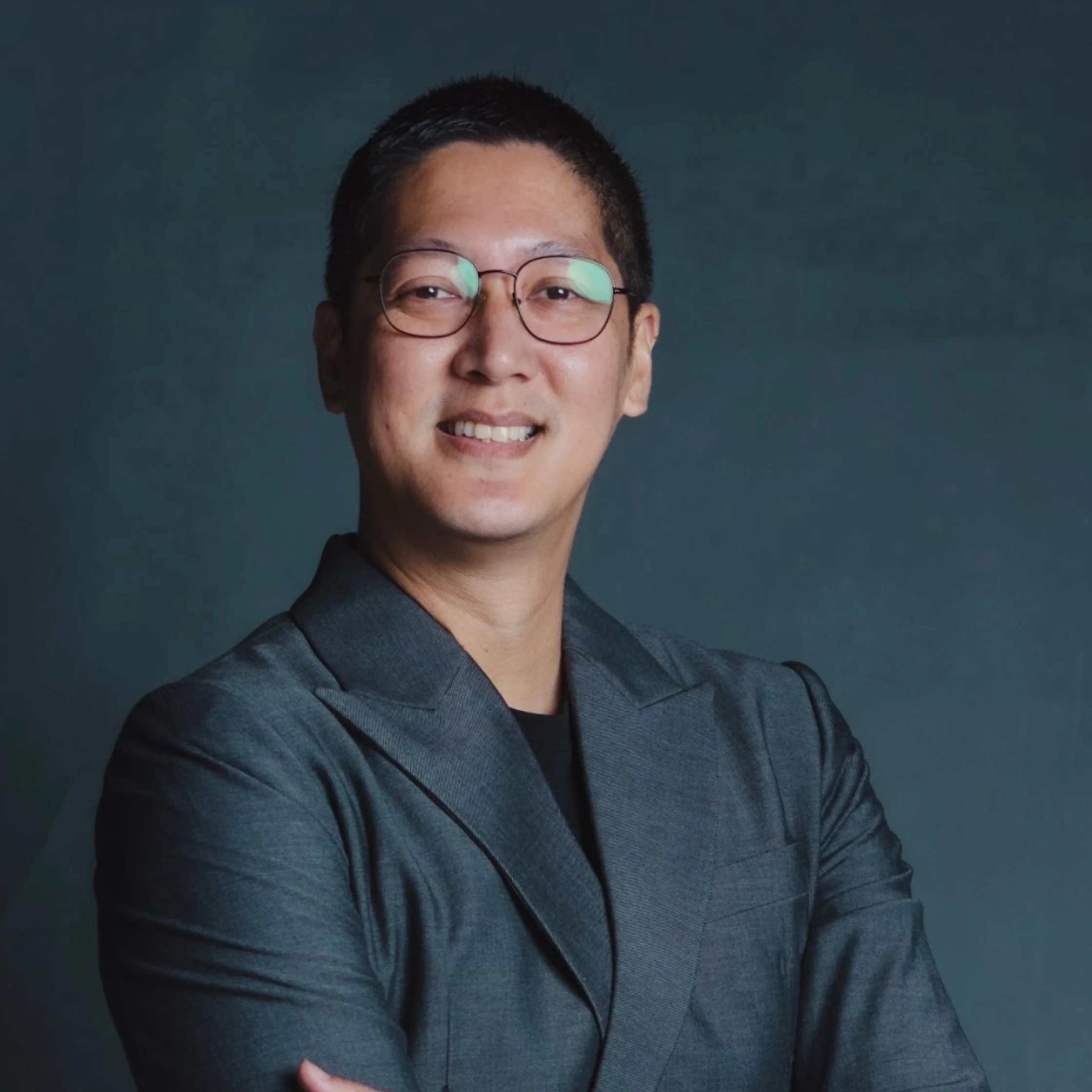
It has been more than a decade since the shop opened its doors and though they have expanded (in Quezon City, Pasig and Cebu), anniversaries aren’t really measured by the numbers, be it the years of operation or number of branches, according to for co-founder Ryan Cruz. “The milestones I count would be beyond the openings, since they’re really nothing more than logistics. What I like to count are the moments the standards moved for us.”
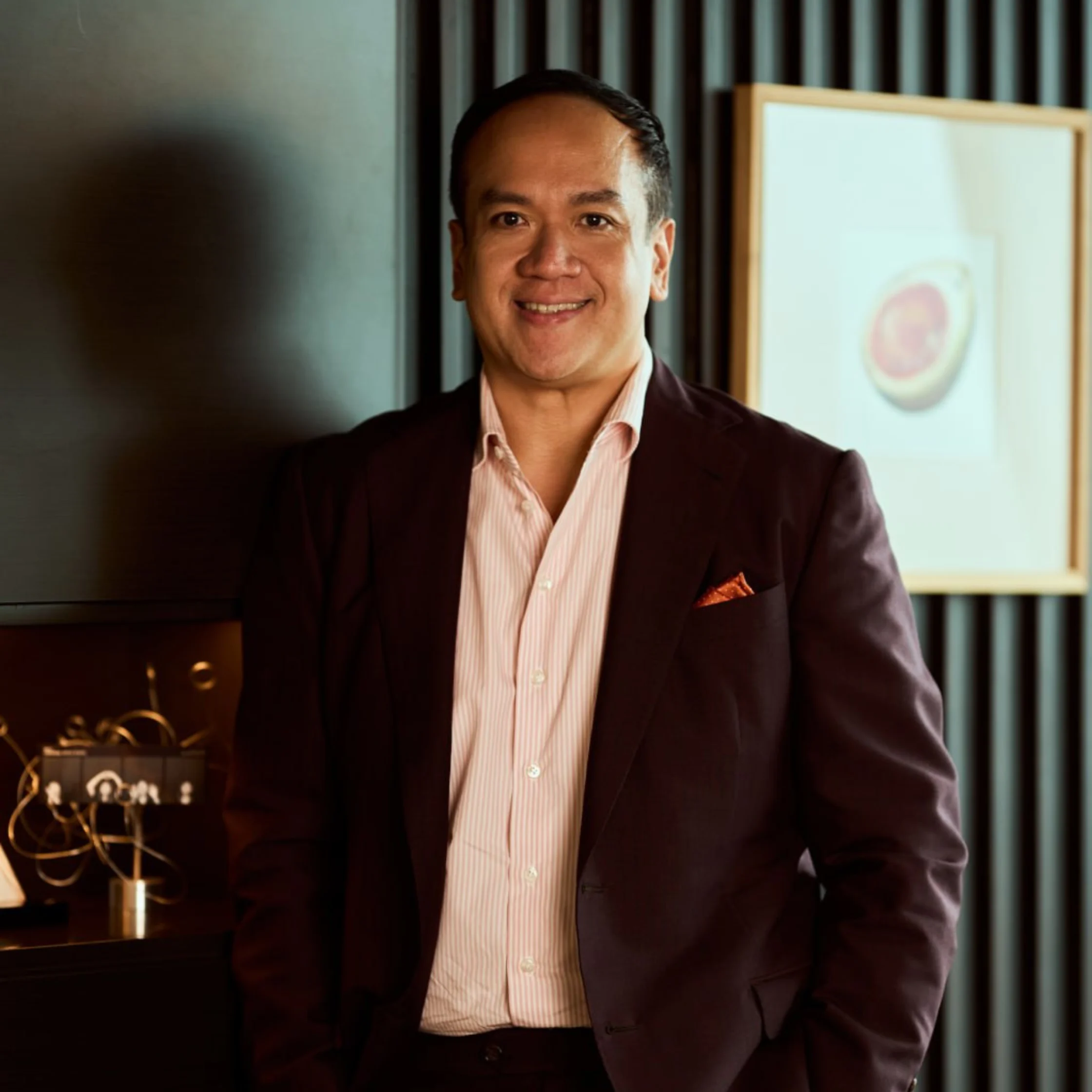
The first came in 2012, when the partnership with Aoyama, Yamagishi and Tashiro taught the team far more than how to cook ramen. “We didn’t just learn ramen from them,” Cruz says. “We were taught discipline.” Before it felt right to put the name Yushoken on their storefront, he recalls, they first had to earn the right to use it. That philosophy would become the foundation of everything that followed.
It also shaped the restaurant’s identity. While many establishments constantly expand their menus to hop on trends, Yushoken built its reputation on restraint. Rather than offering everything, it focused on perfecting a tight lineup of tonkotsu ramen, tsukemen, and a handful of carefully considered side dishes—never allowing anything to compete with the bowl that made its name.
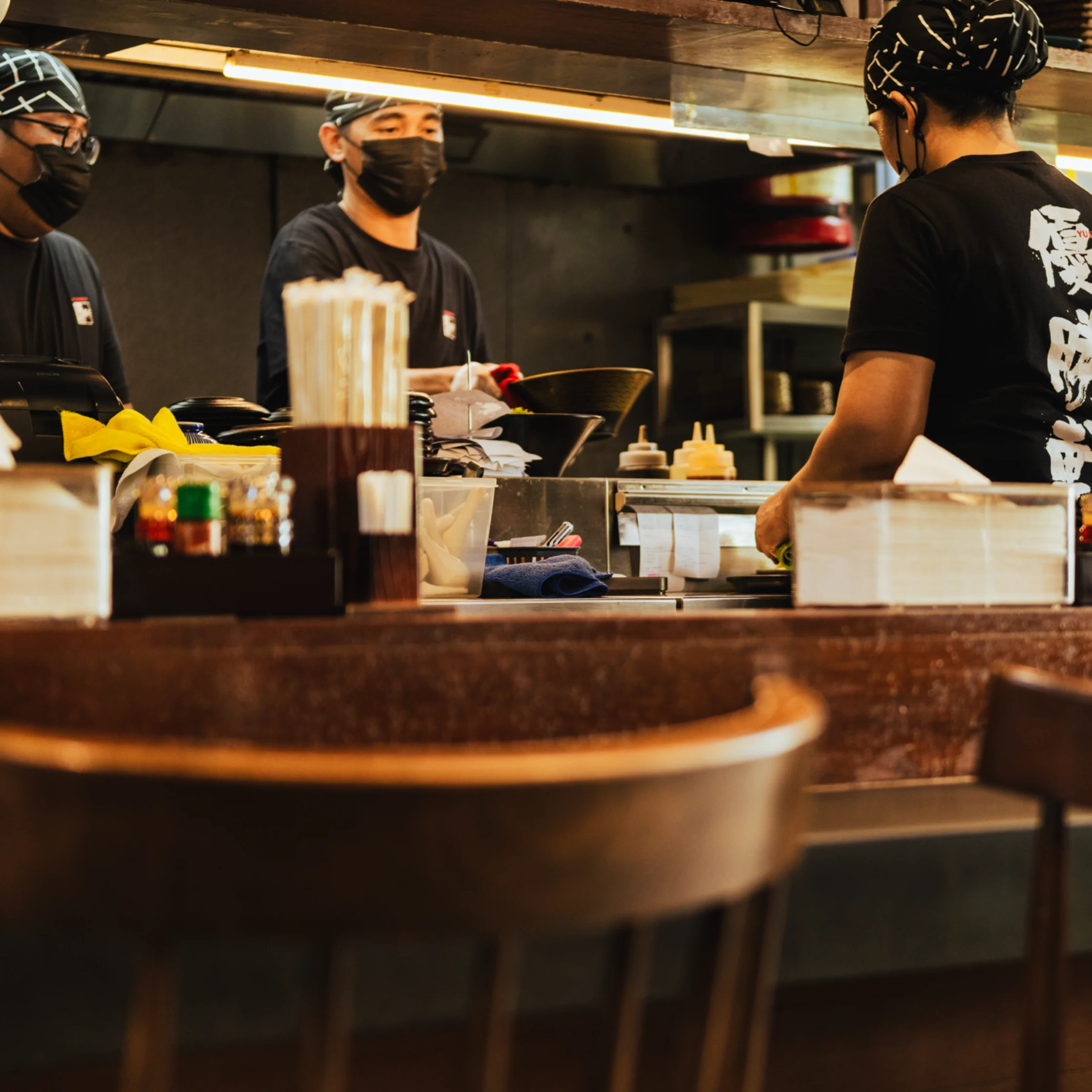
In 2014 came another defining moment: the opening of the original Mendokoro Ramenba. Its now-iconic counter-only format, uncommon in the Philippines at the time, wasn’t designed for novelty but for function. By placing diners directly in front of the kitchen, every bowl could be served at its most ideal state. Cruz remembers being warned that the concept would eventually fail because “Filipinos don’t like counters,” according to a guest who told him that his shop would close down in six months.
“You can imagine how nervous that made me feel. It was a test whether Filipino diners would accept discipline as part of hospitality. Thankfully, they did because that mindset has been part of every decision we have made since we started out.
The Leadership Lesson That Changed Yushoken Forever
Their succeeding milestones followed the same philosophy. Kazunori in 2017 marked the group’s expansion beyond ramen without jeopardizing its standards. During the pandemic in 2020, the introduction of Yushoken’s take-home ramen kits just nine days after lockdown showed the team’s ability to innovate without compromising quality. The introduction of Marudori in 2022 applied years of ramen expertise to chicken paitan to accommodate diners who didn’t eat pork. That same year, a partnership with 12/10 reinforced Cruz’s belief in empowering specialists to do what they do best.
Perhaps the most meaningful milestone, however, was when Cruz realized that the business could no longer depend on him alone. “It was in 2018 when I recognized that I was no longer enough and brought in people to delegate to, who are still with us today. The company grew much more ever since. Somewhere along the way, there is a need to systematize, professionalize and operationalize everything. You can’t be the system for very long, you need to design and build one that can exist without you.”
That same philosophy explains the restaurant‘s latest move.
How Yushoken Is Growing Without Losing Its Identity
Starting today, July 15, Yushoken is introducing its new Chibi Yudon Sets, a line of donburi rice bowls, children’s meals, and Japanese-inspired desserts designed for “the fourth chair at the table”—the family member or friend who may not want ramen that day.
Rather than lengthening the menu for the sake of variety, Cruz sees the latest additions as a way to make Yushoken a better ramen house, by welcoming everyone to the table while maintaining the same discipline and quality that have defined the brand for the past 14 years.
“For most of those fourteen years, we understood our main responsibility was contained inside the bowl, to make the best ramen in the country. However, we are a full-service restaurant, and a dining room has a table, and a table has people at it who did not come just for ramen. The question we asked ourselves was not how to serve more people. It was what the standard should be for everything else that we could serve on that table.”
Chibi Yudon is their answer to that question—not as compromise, but the opposite. Cruz adds, “This is the same kitchen with the same standards, and the same chef signing off on it. Ultimately, the same craft, scaled for the next generation. Ramen remains and will always be our hero, even decades from now. What we have finally built is a table worthy of the bowl at the center of it.”
Yushoken’s New Chibi Yudon Sets Make Room for Everyone at the Table
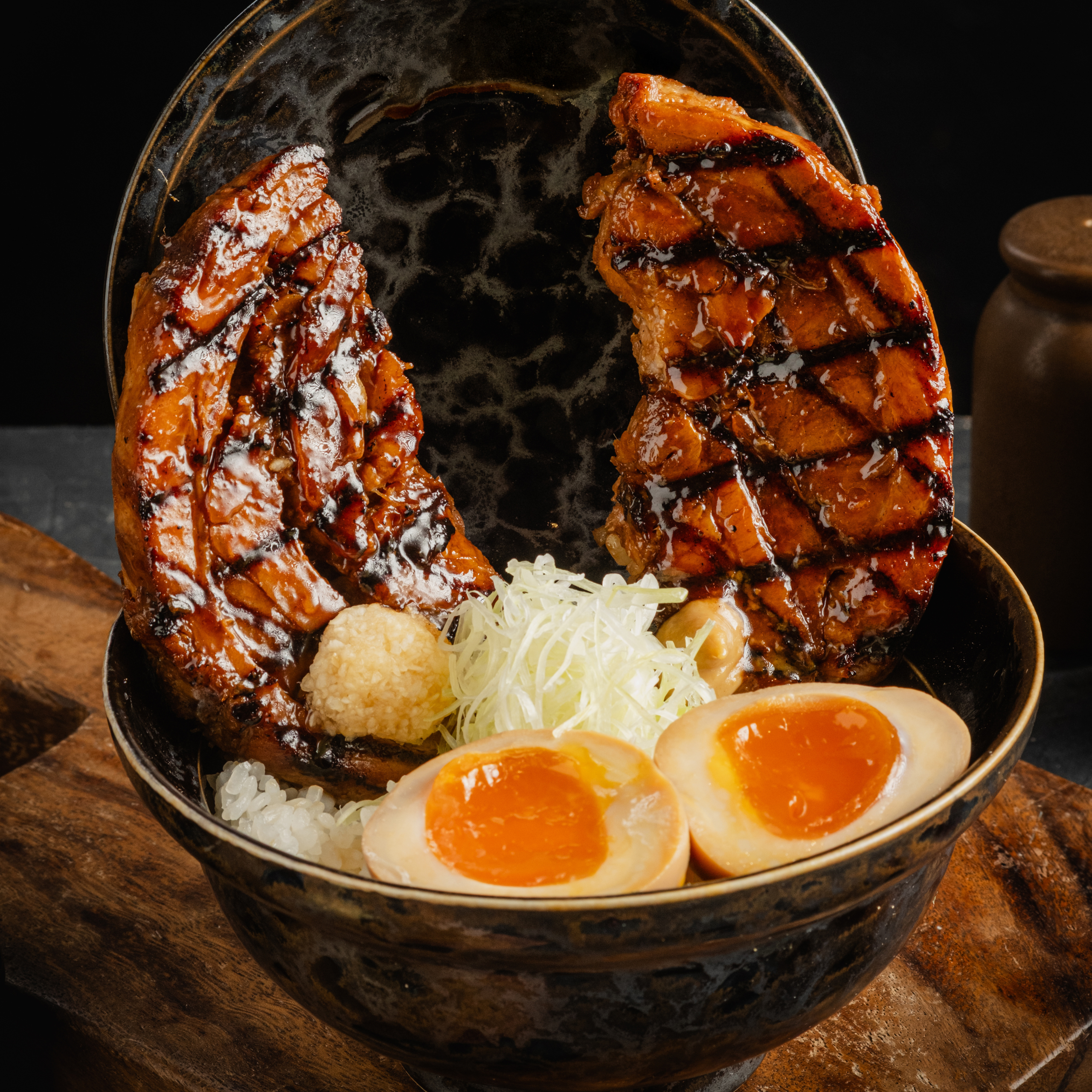
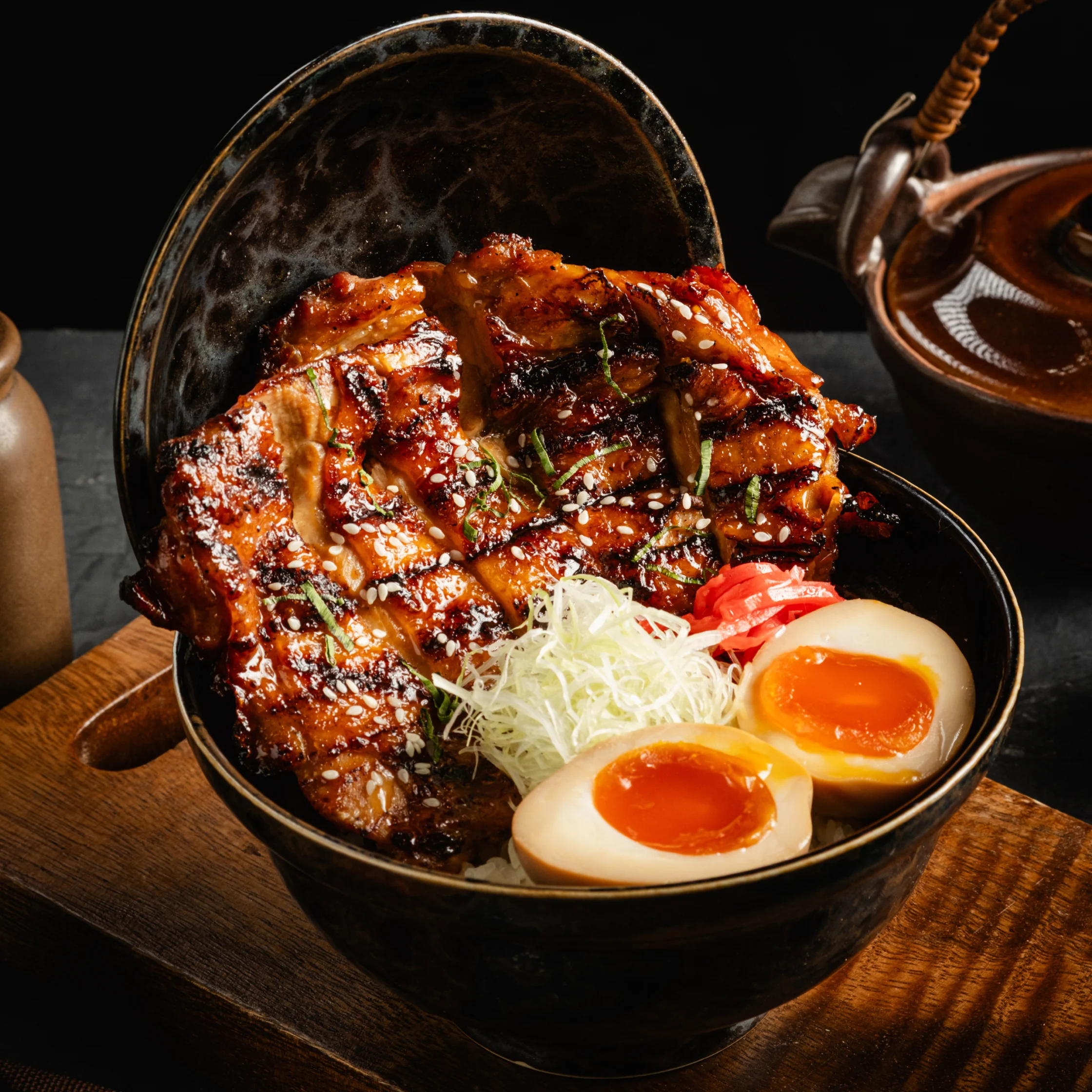
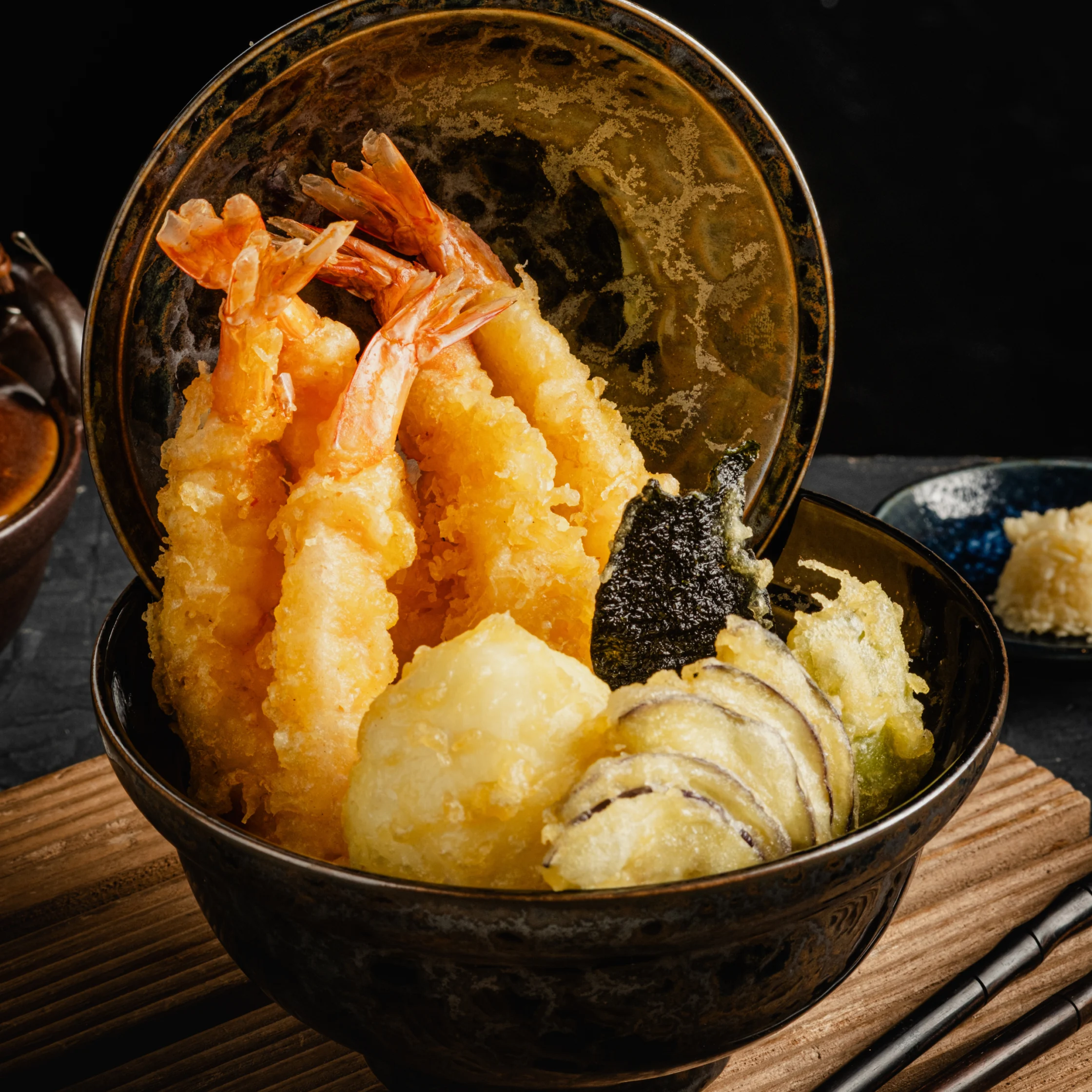
The sets include a Kakuni Don, pork belly braised in a sweet soy glaze and served over Japanese rice with a soft-boiled egg, shredded leeks, minced garlic, and mustard; a Titan Don, grilled chicken glazed in yakitori sauce, served over Japanese rice with a soy-marinated egg, shredded leeks, and pickled ginger; and an Ebi Tendon, crispy tempura prawns, assorted vegetables, and tamago tempura over Japanese rice, drizzled with sweet tendon sauce.
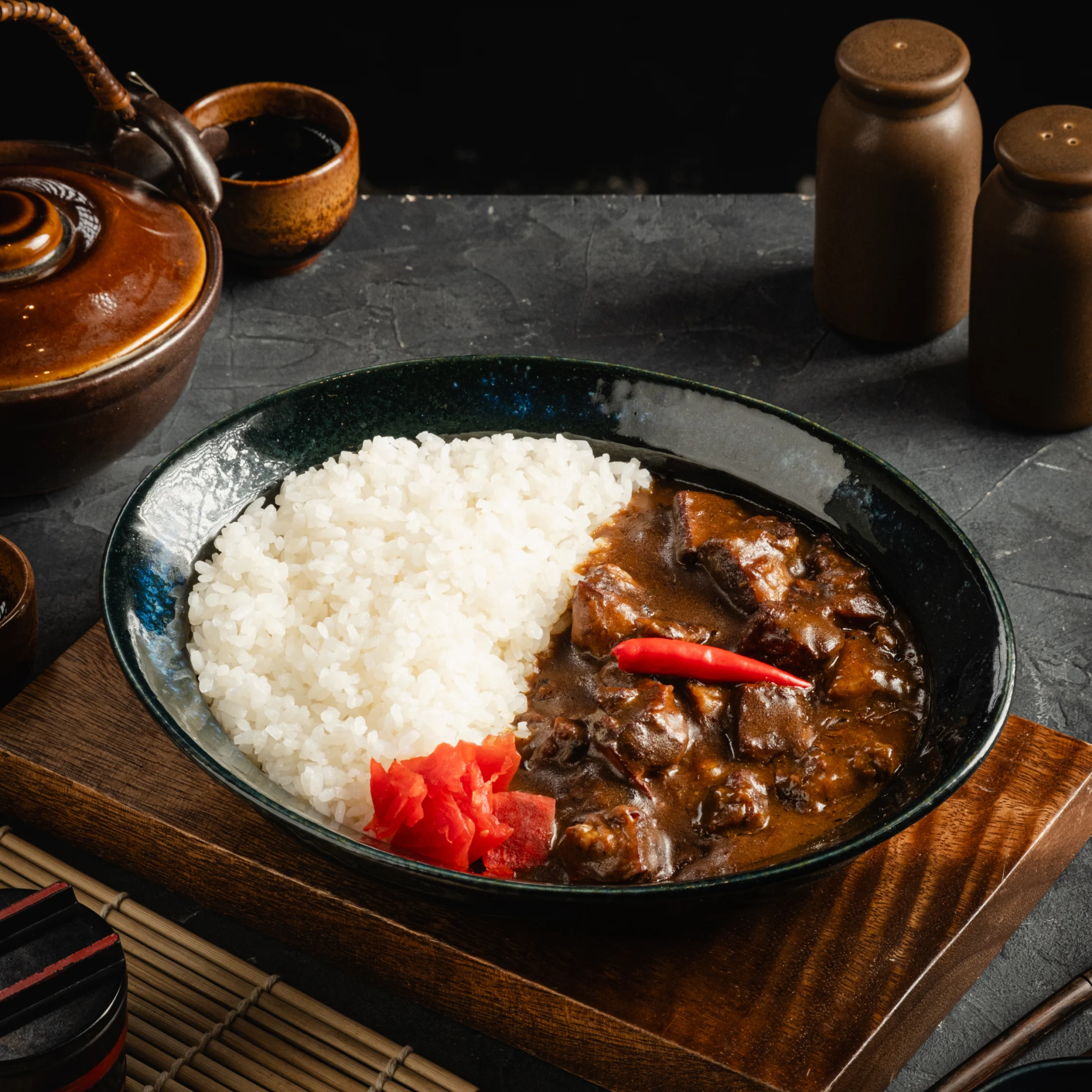
There’s also a Beef Curry, beef simmered in a rich Japanese curry sauce over Japanese rice, served with fukujinzuke, pickles and bird’s eye chili for extra heat, as well as desserts such as sesame Panna Cotta. Yuzu Tiramisu, and Yaki Imo Mochi, grilled mochi filled with sweet potato, caramel miso, and Biscoff.
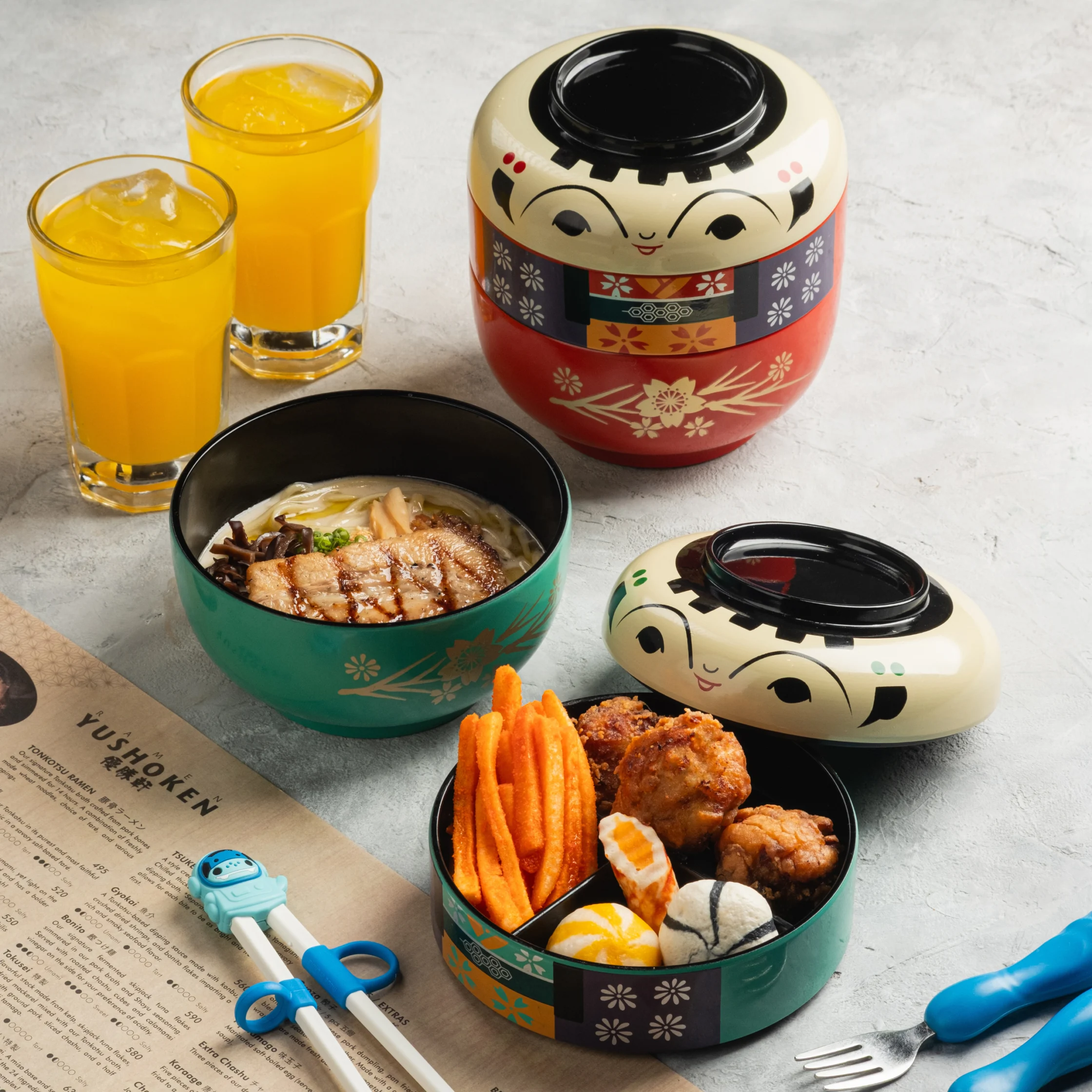
For kids, there’s a child-sized bowl of Shio or Shoyu Ramen, karaage, cheesy fries, and steamed buns, served in Daruma-themed dinnerware with orange juice.
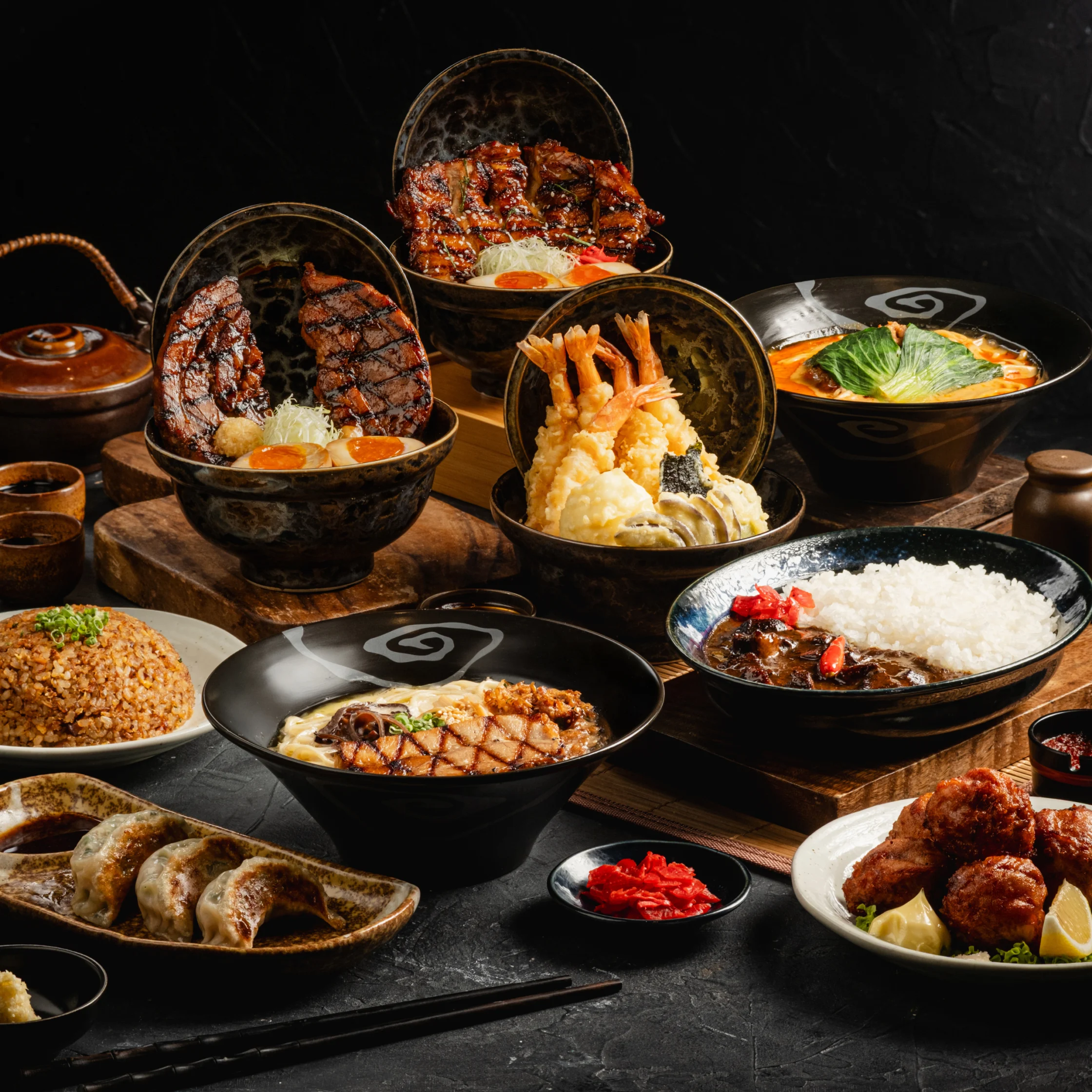
The Chibi Yudon Sets were not made to bring new guests to Yushoken. They were built so their guests can bring everyone else.
Why Ramen Yushoken Never Chased Trends—and Never Had To
In a city with so many ramen options, it has become an extra challenge to be on recall and stay relevant. But Cruz and his team has already figured this conundrum out.
“We never diversified our attention. Fourteen years and the menu is still tonkotsu and tsukemen. Shops don’t usually die from competition, they die from curiosity and pressure. You see a few open tables on a Monday night, go through a low season or a crisis, and all of a sudden you are looking at menu items your brand never intended to in the first place. Sushi rolls, then poke, then milk tea. Then it reaches a point where people aren’t watching the broth as closely.”
The other answer is one linked to what he would like to call the purity of intention. “We were never chasing relevance. Instead, we wanted to be the reference. That is much harder done than said as any operator would know, but if there is one thing that you can ask any of the people who I run the business alongside with, they know for a fact that we have never wavered from this, and what keeps us there is the absence of perhaps one of the biggest threats to any business, and most especially F&B where it’s just so difficult, and that is indifference.”
He adds, “And look, there’s far more ramen here now than in 2012, and I’m glad. We never aspired to have a monopoly, but rather achieve excellence in a category.”
And for 14 strong years, they have proven that.
For a full list of their branches, visit https://nipponhasha.com/.
Frequently Asked Questions
Ramen Yushoken opened its first branch in Molito, Alabang in 2011.
The restaurant was co-founded by Ryan Cruz with guidance from renowned Japanese ramen masters Koji Tashiro, Hideaki Aoyama, and the late Kazuo Yamagishi.
It’s best known for authentic tonkotsu ramen, tsukemen, and its unwavering commitment to craftsmanship and consistency.
The Chibi Yudon Sets are Yushoken’s new line of donburi rice bowls, kids’ meals, and desserts created to offer more options for families while keeping ramen at the heart of the experience.
According to co-founder Ryan Cruz, the restaurant has focused on perfecting its craft instead of constantly chasing trends or expanding its menu unnecessarily.