

Humility is a dish best served hot… Or, is that how the saying goes? Whatever the case, this is a story on humility.
My love for food predates my career in cooking. Growing up, my friends dubbed me “food guru”—a senseless, ridiculous nickname (that I fully embraced) based on the fact that I knew marginally more about food than the average kid because I consumed significantly more food than the average adult.
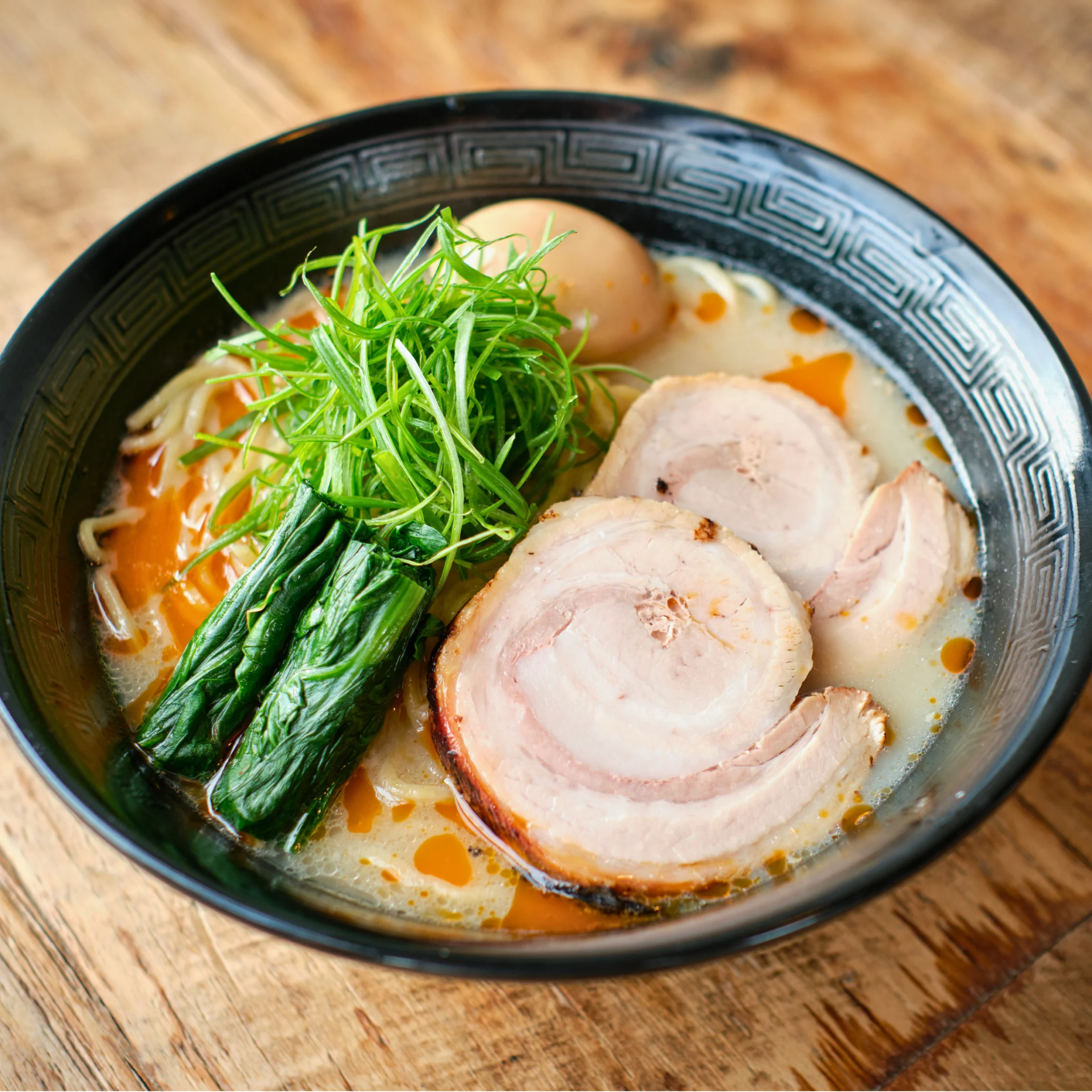
Ramen was among my favorites. Like many, my penchant for this delicious, unholy collection of calories in noodle soup form started out with our local instant versions. When I figured out I could crack an egg in while cooking, I considered myself a culinary genius. But ramen wasn’t as ubiquitous back then, and dining options were few.
So, when a place appeared in Kapitolyo circa 2010s touting specialty ramen straight from Japan, everything else in my life suddenly mattered much less. I recruited my sisters and off we went.
What Is Tsukemen? The Japanese Ramen Style I Didn’t Understand
The restaurant was simple: minimalist Japanese flair resembling the charm one would expect in a cozy suburban town in Tokyo; a rich, soul-hugging smell of the broth that filled the space; a straightforward menu consisting only of signature ramen variants, sides, and drinks—no pictures.
A server greeted us and asked if we needed help with ordering. Obviously, as a “food guru,” I declined. Arrogant mistake #1.
The placemats had instructions on how to properly enjoy the shop’s ramen. We completely ignored them. Arrogant mistake #2.
A bell dinged, and my psychic food guru senses told me the food being carried was ours. I was hungry, excited, and ready to experience what I expected to be life-changing ramen. But as the waitstaff placed our food down, my excitement turned into confusion and frustration. I looked to my sisters and saw matching expressions, which confirmed my right to be irked. Comfort in numbers, I thought. Bandwagon fallacy. Arrogant mistake #3.
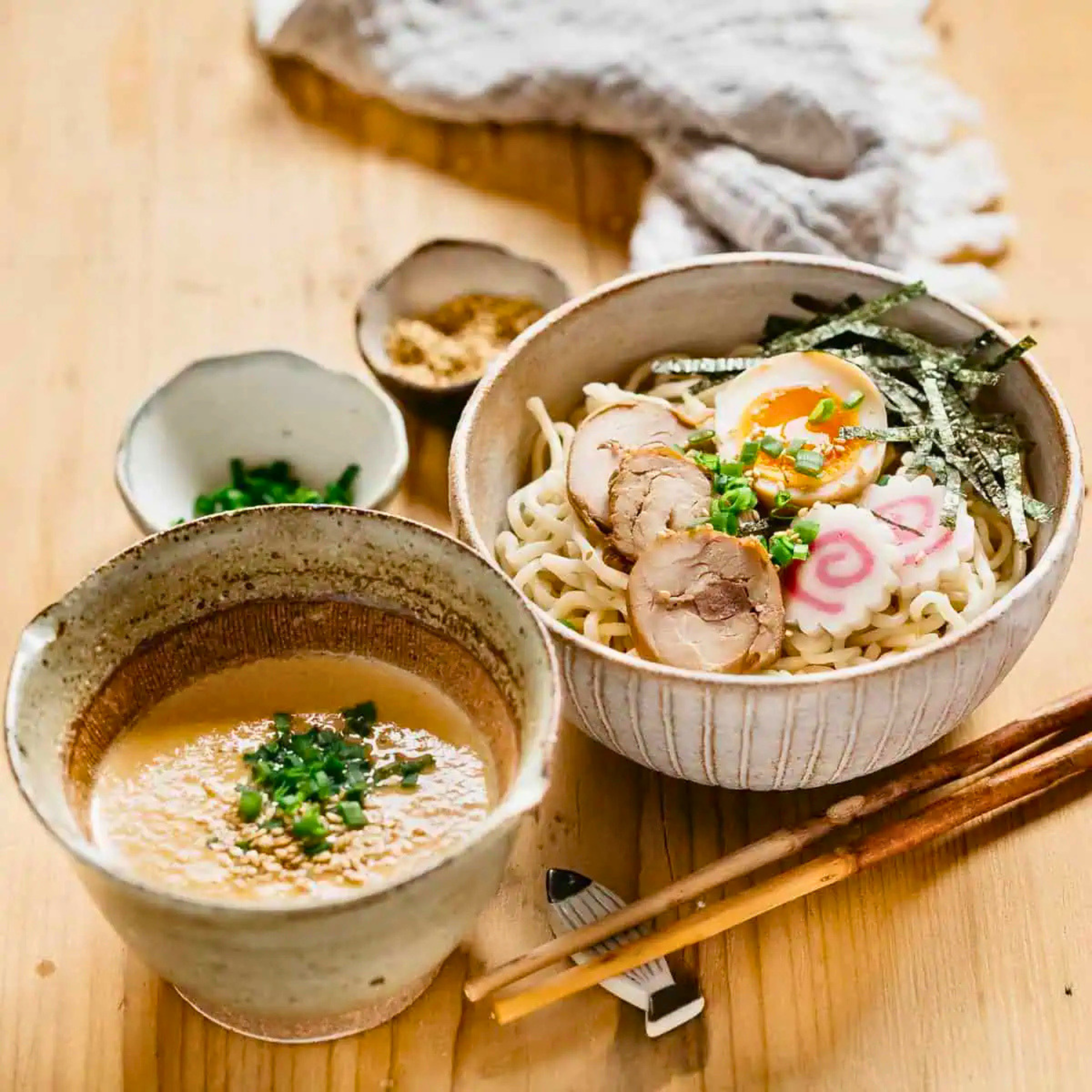
In front of each us were two bowls: one filled with dry noodles, egg, and pork; and another filled with hot, sludgy broth. A more learned eater would know this as tsukemen, but as three arrogant kids who were so confidently unaware of our own ignorance, we had to insist on our unwarranted culinary superiority. We chose indignation over clarification; entitlement over humility.
Arrogant mistake #4—the final, most lethal one.
My eldest sister sternly asked the waitress, “What is this?”
“That’s your ramen, po,” she replied.
“No. This is not ramen. Why are the noodles and broth separate?”
“Ah, that’s our specialty here, po.”
“Well, you should mention that next time in your menu. We came here for real ramen! We don’t want this deconstructed, new-age, molecular gastronomy whatever thing you’re doing. This is fake ramen! Don’t lie to your guests! Where is your chef? Tell him this is unacceptable!”
Our server apologized, and we dismissed her as we ate our food with unfounded disdain. Incidentally, tsukemen was invented in the 1950s—only a few years after traditional ramen was introduced to Japan, and as real as any ramen can get.
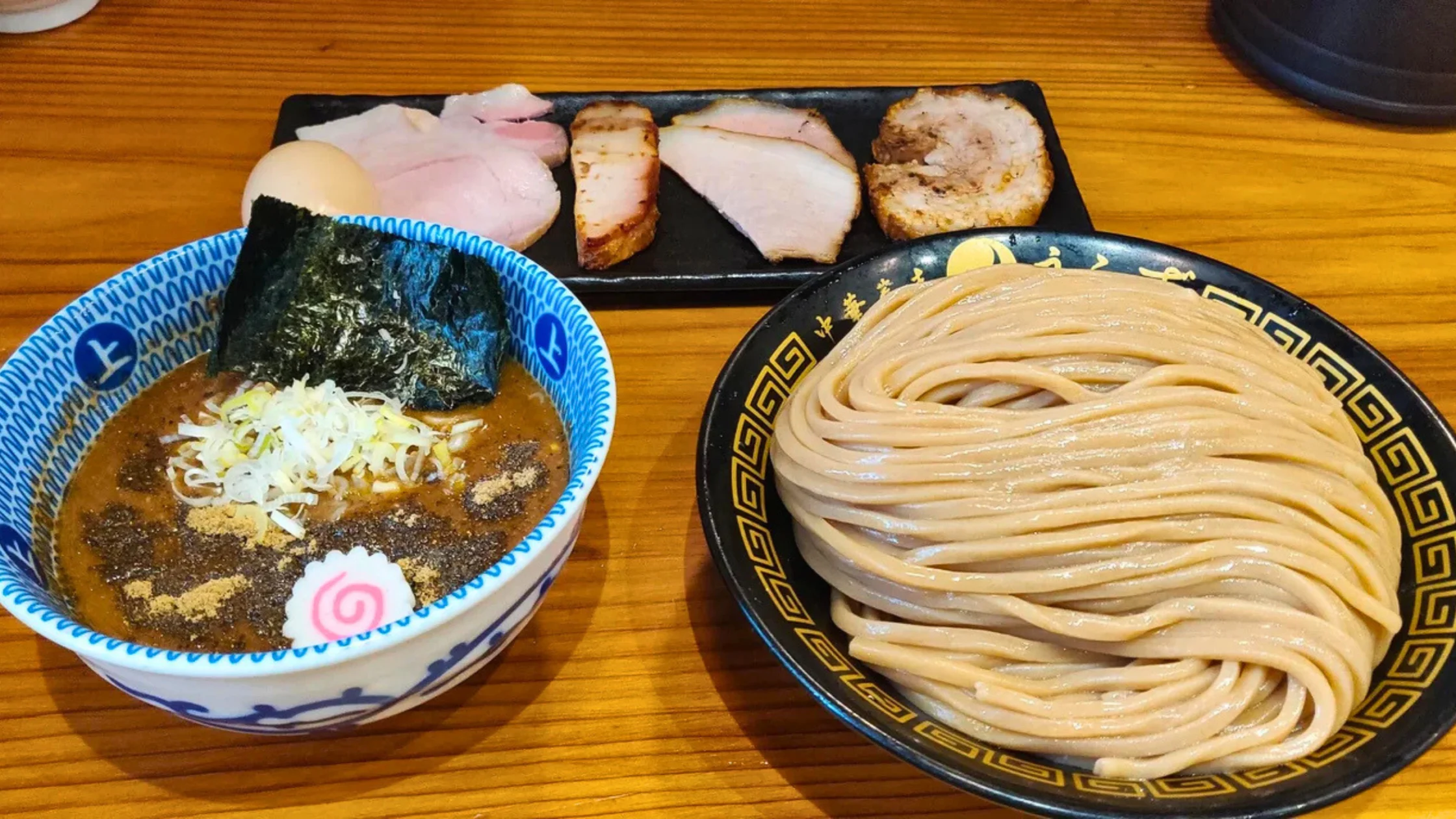
Honestly, I don’t quite remember how it tasted. Most likely it was delicious and something I’d enjoy if I ate it today. But because of our misplaced arrogance, we left the restaurant angry and bitter. I’m not sure there was a name back then for someone that’s now so eloquently described as a “Karen,” but I maintain this may have been the moment my sister became the country’s first Karen— with her siblings as her backup posse.
What This Restaurant Experience Taught Me About Food and Humility
It wasn’t until years later—our culinary horizons broadened—that we realized what horrible, entitled people we’d been. Even moreso for me, now having a restaurant of my own.
To the server who was so gracious to us: we are so sorry.
Tsukemen remains my least favorite ramen variant. Maybe it’s the trauma and shame, or that I find the broth becomes cold, cloying, and unenjoyable after just the third dip. The difference now is that I’m fully aware this is my own preference, and not because it’s “fake ramen.”
I’d like to think that I have since grown much less arrogant. Throughout my years in food service, I’ve learned that there really is no such thing as “wrong” food anyway, but there is definitely a wrong way to be human. The embarrassment and regret of realizing our mistake was painful, to say the least.
And as I recall these events now, fully aware that I’m immortalizing this cringe-inducing experience through writing, I hope it may serve as a reminder to myself—and to any would-be, entitled, “food gurus”—that sometimes, humility is a simple dish best served hot, with noodles and broth served separately from each other.

Frequently Asked Questions
Tsukemen is a Japanese noodle dish where cold or room-temperature noodles are served separately from a concentrated hot broth for dipping.
Yes. Tsukemen is a legitimate style of ramen that originated in Japan during the 1950s.
Serving the noodles separately helps preserve their texture while allowing diners to dip each bite into a richer, more concentrated broth.
Traditional ramen is served with noodles submerged in broth, while tsukemen serves the noodles and broth separately for dipping.
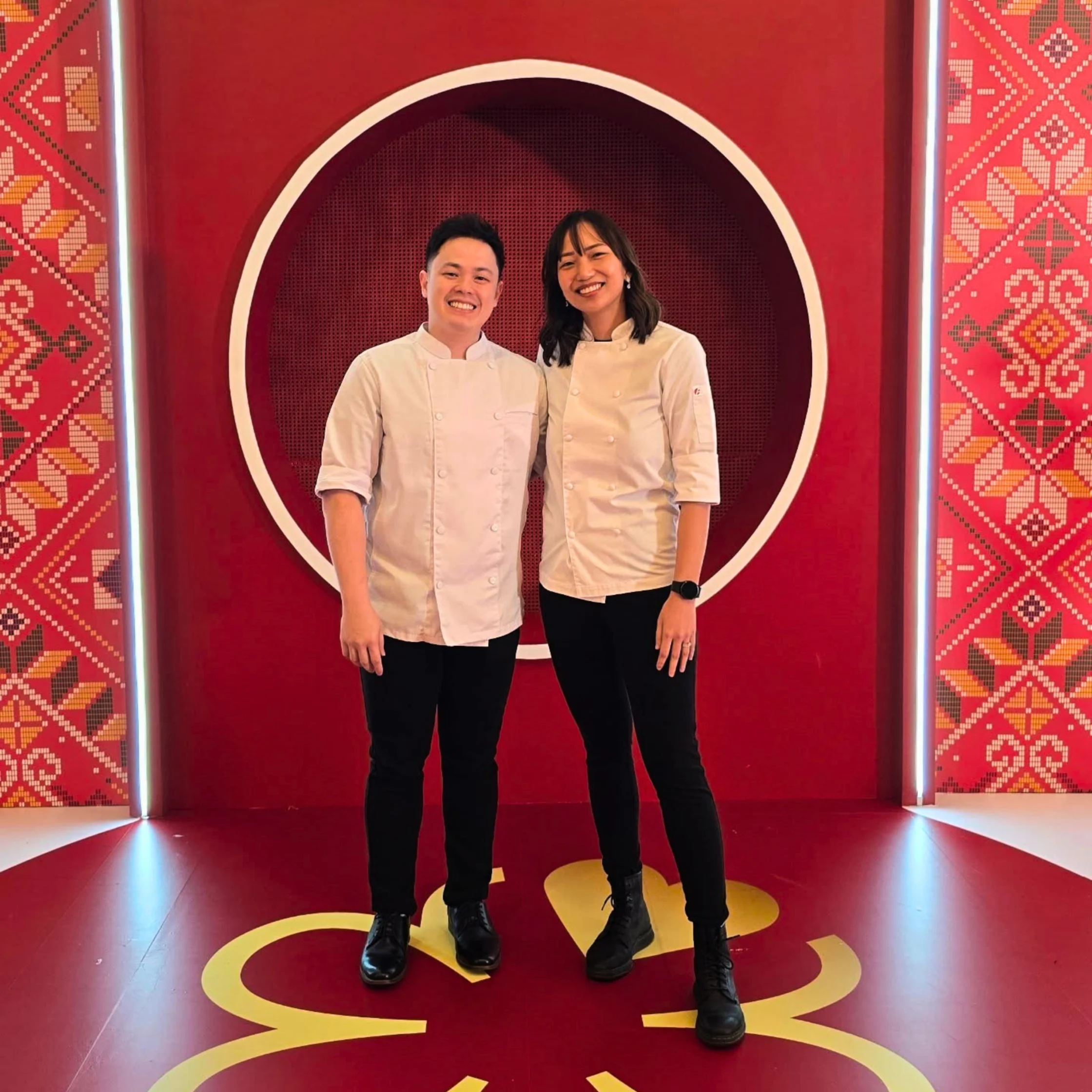
Kevin David is the chef and co-owner of Idalia, a Makati restaurant known for free-form, technique-first cooking. He honed his craft in kitchens across New York and California before moving to Manila, and describes Idalia as driven by ingredients and travel rather than a fixed cuisine.