

When Tsukiji first opened in 1989, chef J Gamboa was just 17 years old with hardly any knowledge of the vast world of Japanese cuisine. Founded by her parents in partnership with Mr. and Mrs. Takayama, the restaurant began as a humble sushi bar and izakaya.
In those early days, their chef, Mr. Kitayama, would hand-carry fresh hamachi, uni, and gindara straight from Tokyo every three weeks. Through this dedication, Tsukiji became the first restaurant to introduce Omi Wagyu beef, among others, to the Philippines. Thirty-seven years later, siblings J and Malu Gamboa proudly continue the family legacy—and the commitment to uncompromising quality remains.
What Makes Tsukiji’s Omi Wagyu One of Japan’s Most Coveted Beef
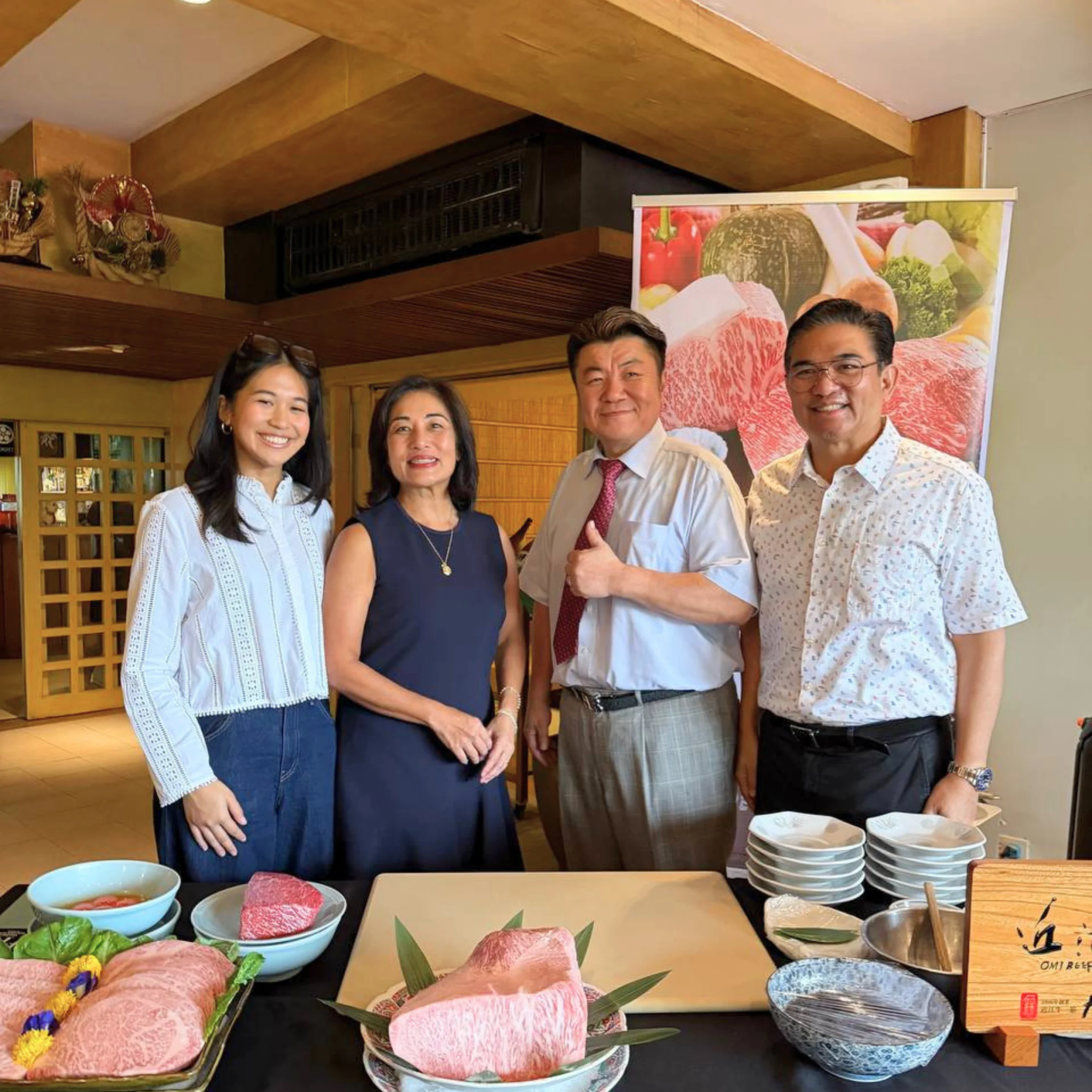
At the heart of Tsukiji’s modern menu is their exclusive use of Omi Wagyu. With a 400-year history, it became widely known because of its historical ties to the Japanese imperial system and shogunate when it was presented as a medicinal tonic and elite gift. It even earned the title “Emperor’s Beef.”
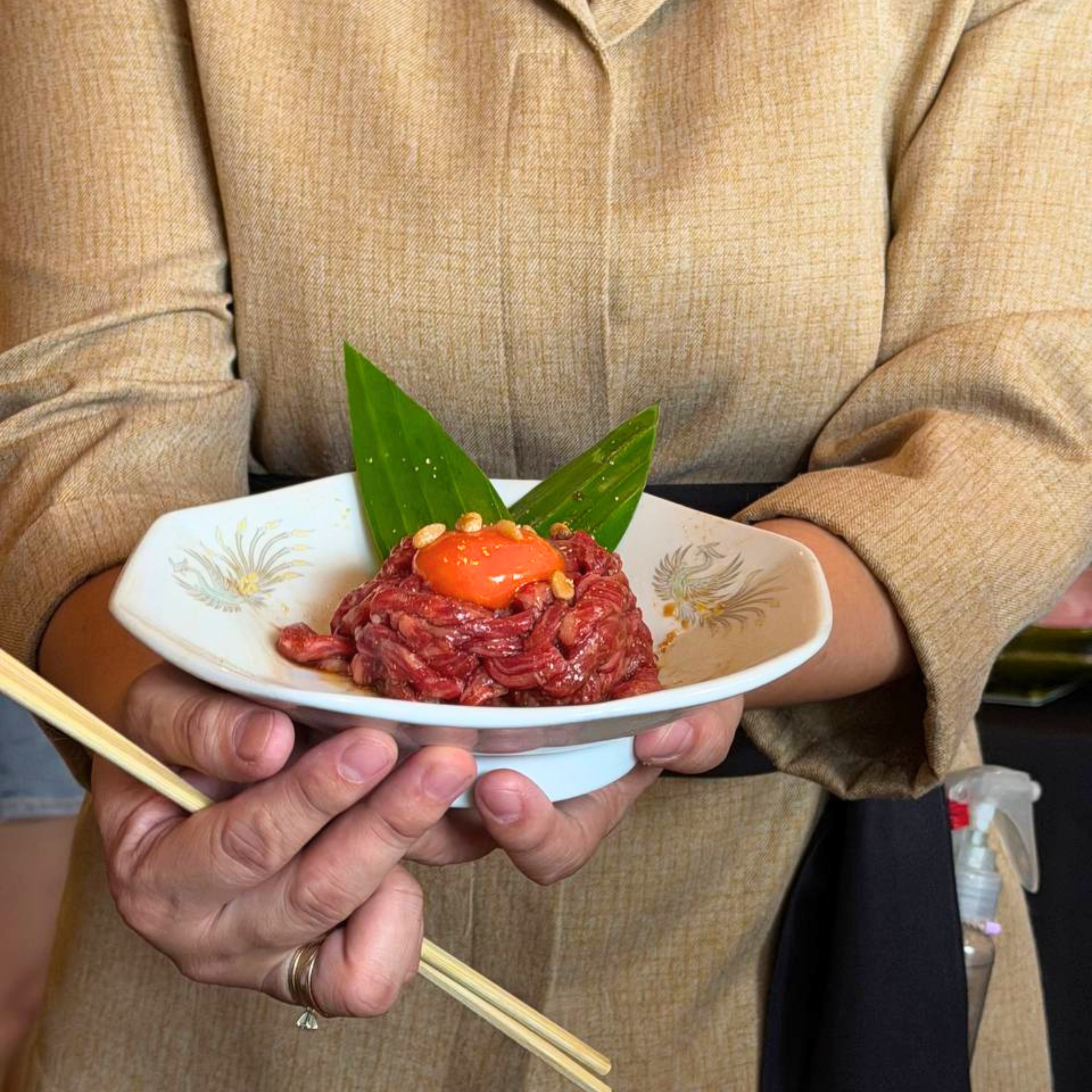
According to Master Butcher Takeshi Suzuki—who arrived in Manila from Tokyo last Tuesday at 4:00 AM, bringing fresh beef and eggs to prepare a special tartare for the special guests—Omi is Japan’s oldest registered and one of its top three luxury Wagyu brands. Tsukiji specifically sources the hime (princess) cows, a top-tier sub-classification of Omi beef sourced exclusively from heifers that have never given birth. These pampered, virgin female cows yield a carcass that is noticeably pinker than the darker red of the males, resulting in a purer taste and a distinct, fragrant tenderness. It features high levels of healthy oleic acid, a low fat-melting point, fine marbling, and a rich flavor.
“For us, it is so tender, fragrant, and delicious,” J shares, noting the restorative health benefits associated with the meat. “We have clients who come here to have Omi Wagyu sukiyaki and yakiniku, and they tell me that they actually feel stronger after eating it.”
This Hidden Yakiniku Room Has Been Inside Tsukiji for 25 Years
While the restaurant is widely celebrated for its sushi and sashimi—spearheaded by new Japanese chef Takashi Harima—there is a secret within its walls that not many people know about.
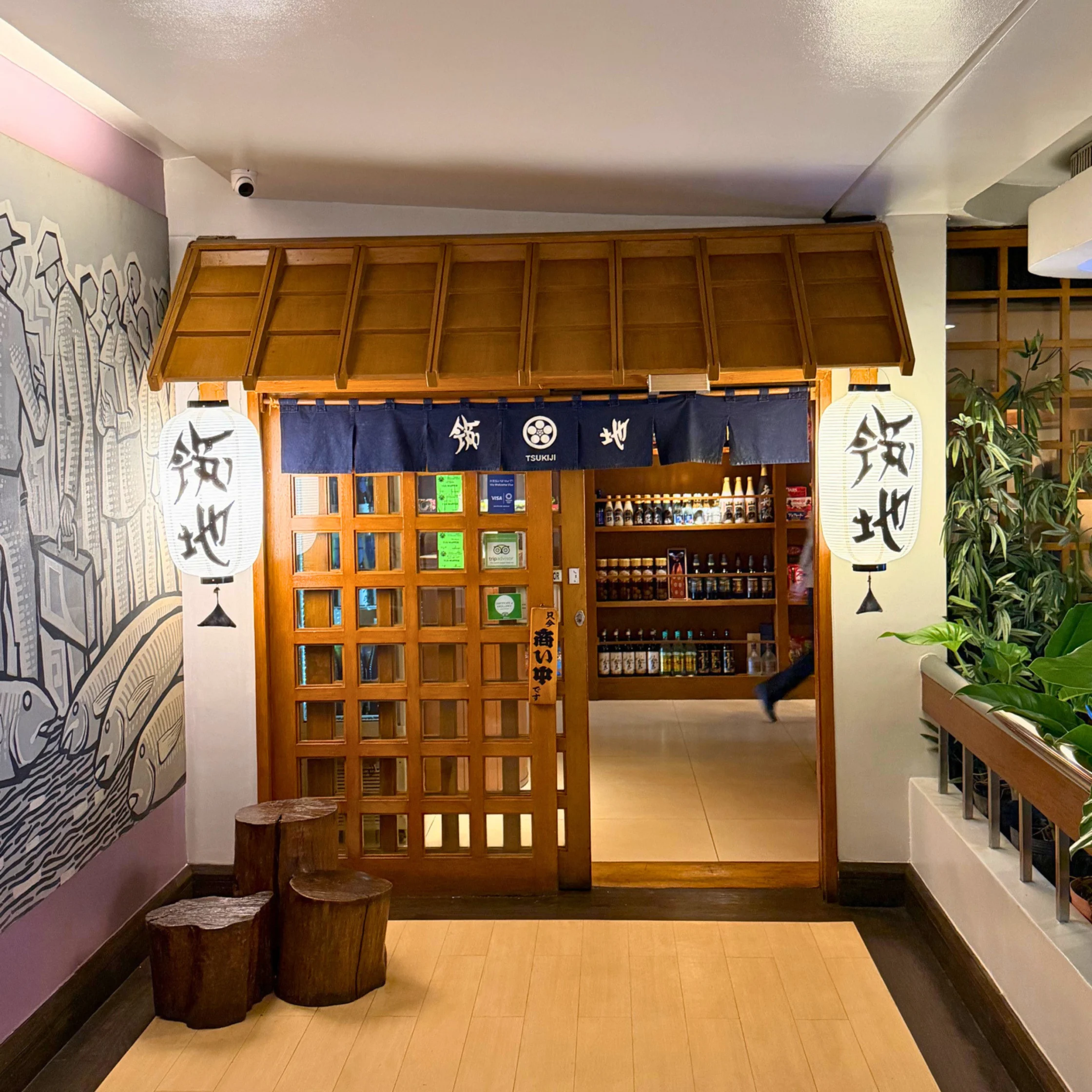
Twenty-five years ago, the team opened Tsukiji Yakiniku, a dedicated space for grilled meats. Because of the overwhelming popularity of their sukiyaki and sushi, the Yakiniku room remains a secret to some.
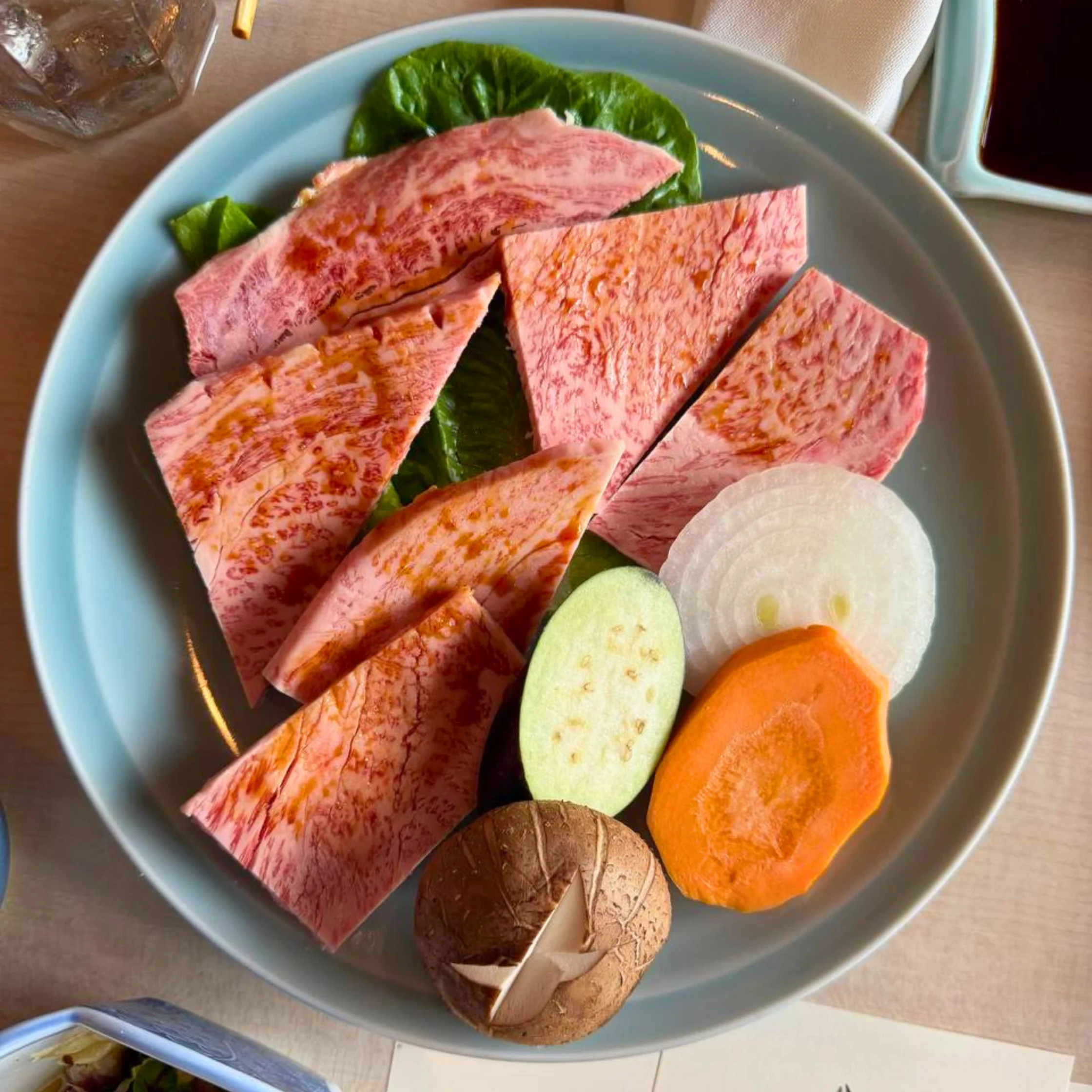
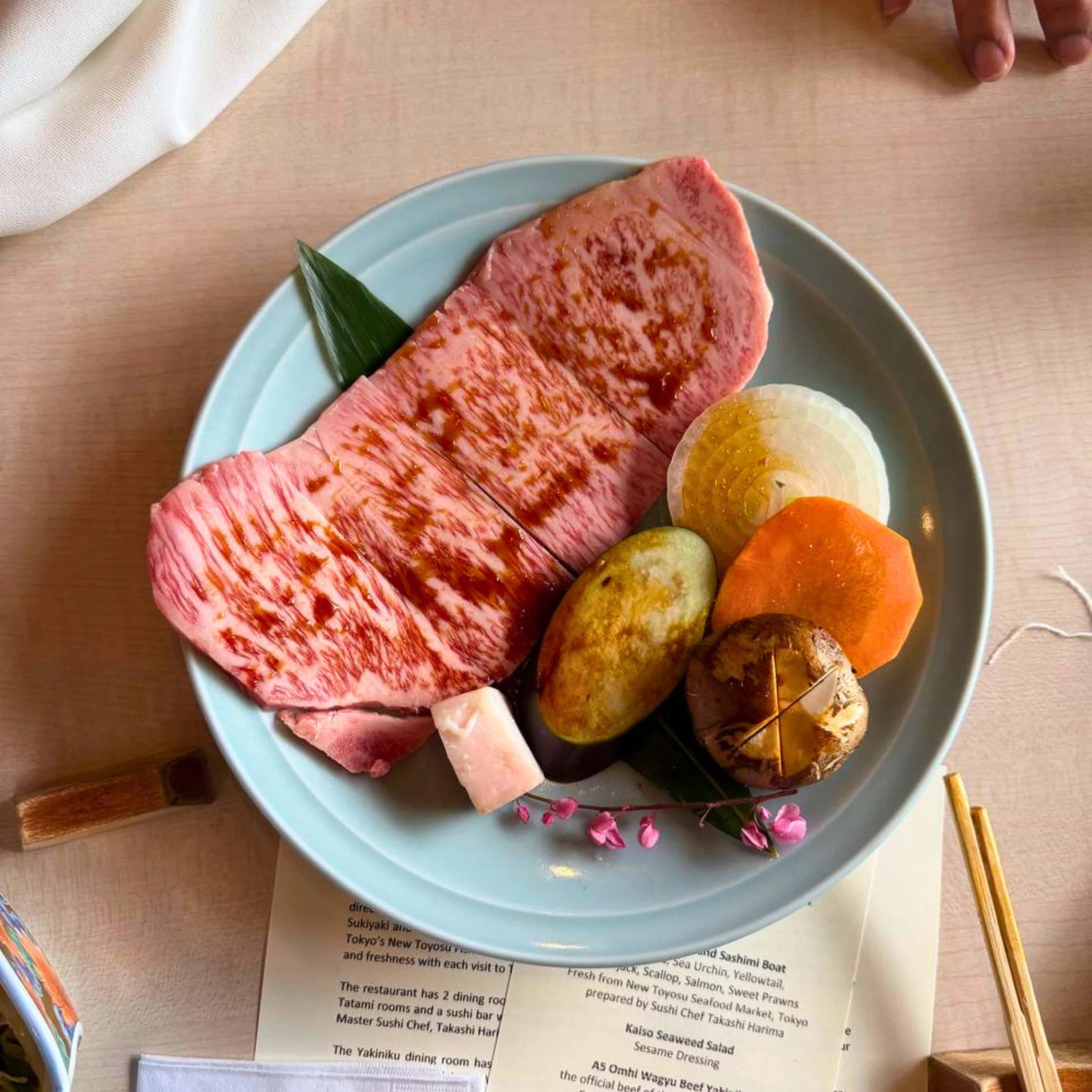
Here, guests can grill their own order of special Omi Beef rose (sirloin), karubi (ribeye), and tan (tongue) along with sliced vegetables and special sauces. Even more, they can enjoy this premium beef with Korean specialties such as bibimbap (hot stone bowl rice), chapchae (sweet potato noodles), chijimi (seafood and leek pancake), and Karubi soup made of beef short ribs.
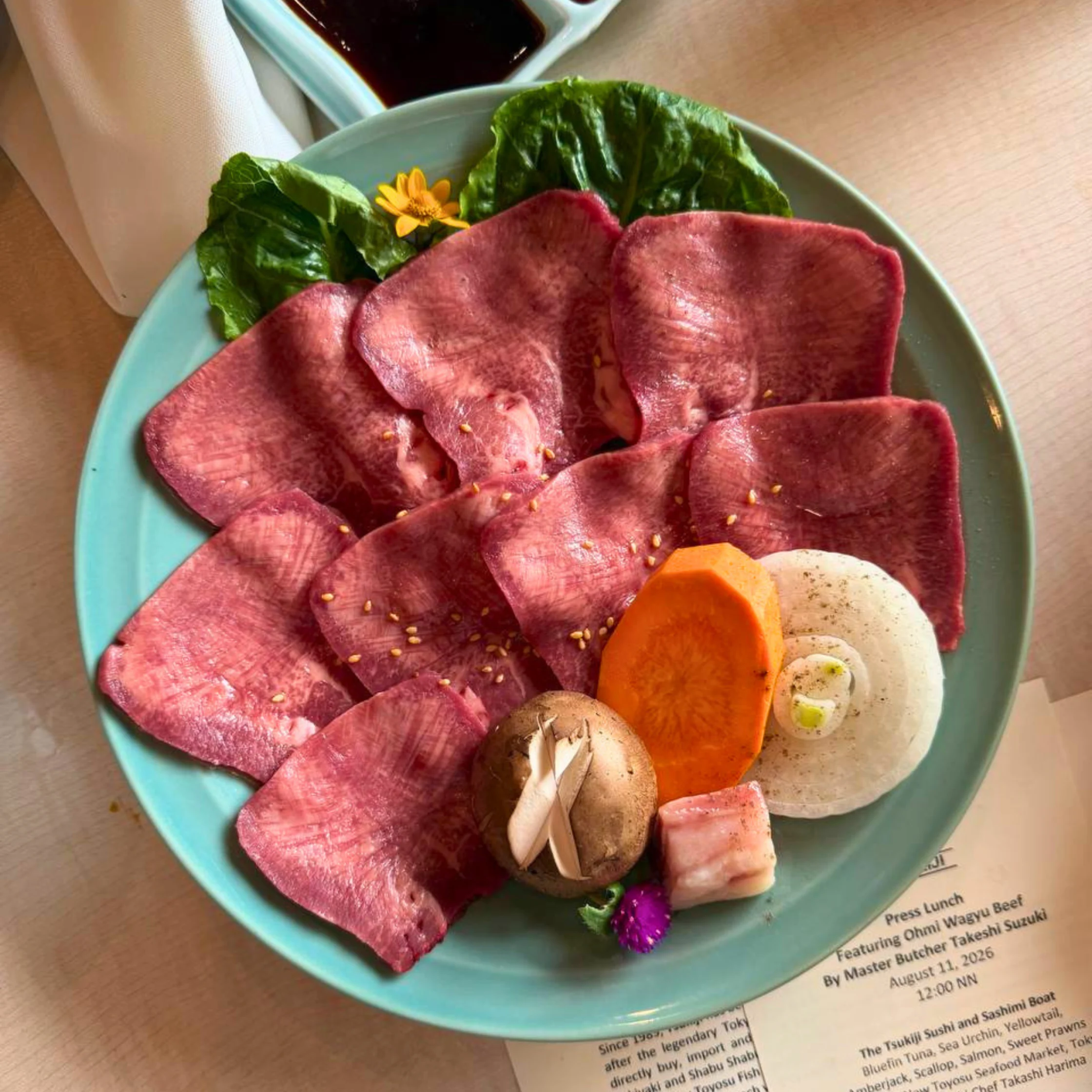
Whether you are visiting for chef Harima’s stunning sushi boats or looking to experience the restorative, melt-in-your-mouth magic of hime Omi Wagyu, Tsukiji remains a steadfast pioneer of Japanese fine dining in the Philippines.
Tsukiji is located at the 3rd Floor, Milky Way Building, 900 Arnaiz Avenue (Pasay Road) corner Paseo de Roxas, Makati.
Frequently Asked Questions
Tsukiji is a Japanese dining institution in Makati known for sushi, sashimi, sukiyaki, yakiniku, and exceptional Japanese ingredients.
Tsukiji opened in 1989 and has been operating for 37 years.
Omi Wagyu is a highly regarded Japanese Wagyu brand with a history spanning around 400 years, while Hime Omi Wagyu is a top-tier subclassification sourced exclusively from female heifers that have never given birth.
Tsukiji Yakiniku is a dedicated yakiniku room inside Tsukiji that opened 25 years ago and specializes in grilled meats, including Omi Beef.
Tsukiji is located on the third floor of the Milky Way Building at 900 Arnaiz Avenue corner Paseo de Roxas in Makati.