

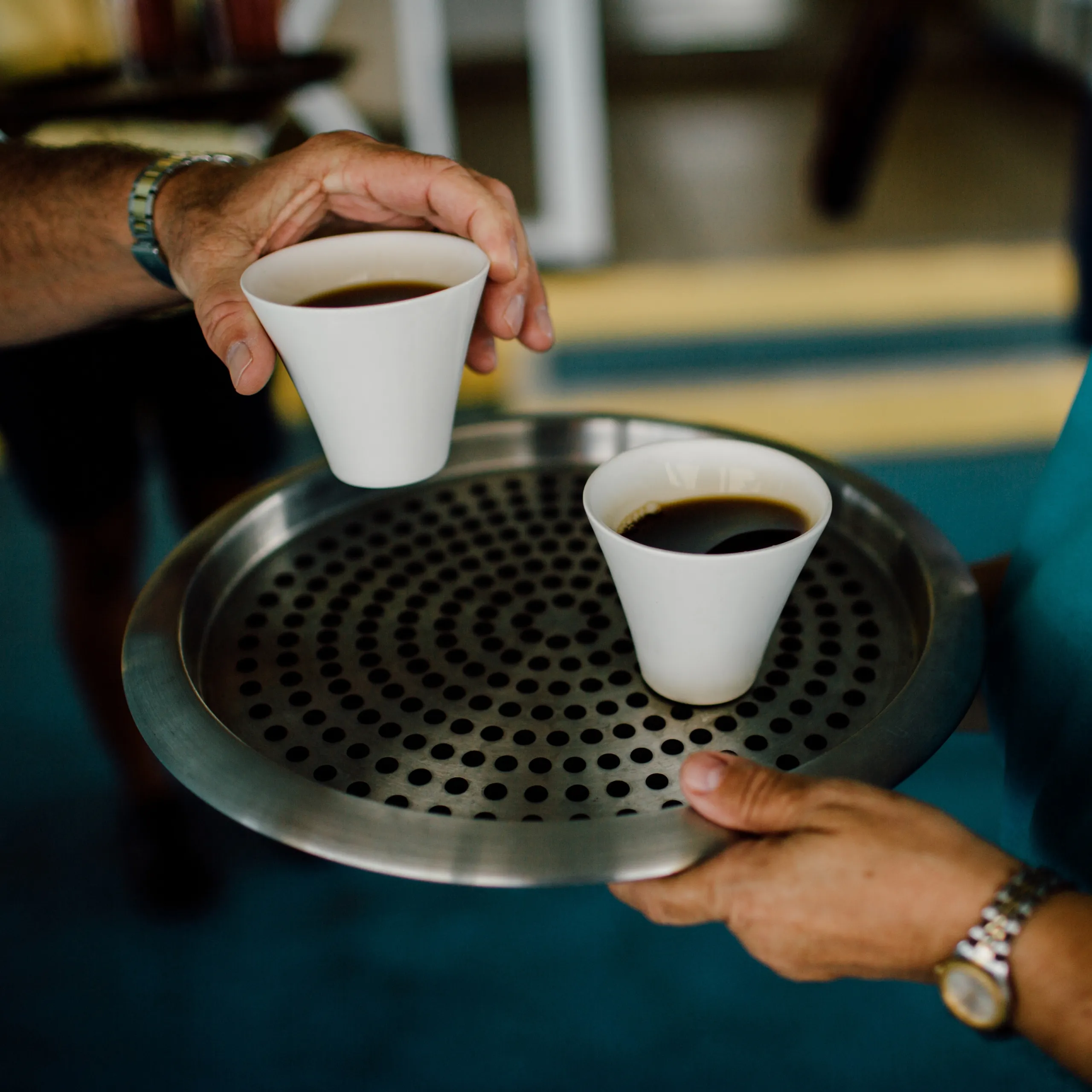
As the Philippine specialty coffee scene continues to grow, serving a good cup is no longer enough.
We ask key figures in the brewing coffee industry how cafes and baristas can improve to create a coffee experience that customers will remember long after the last sip.
Michael Harris Conlin
Owner of The Giving Cafe and the first-ever three-time Philippine National Barista Champion
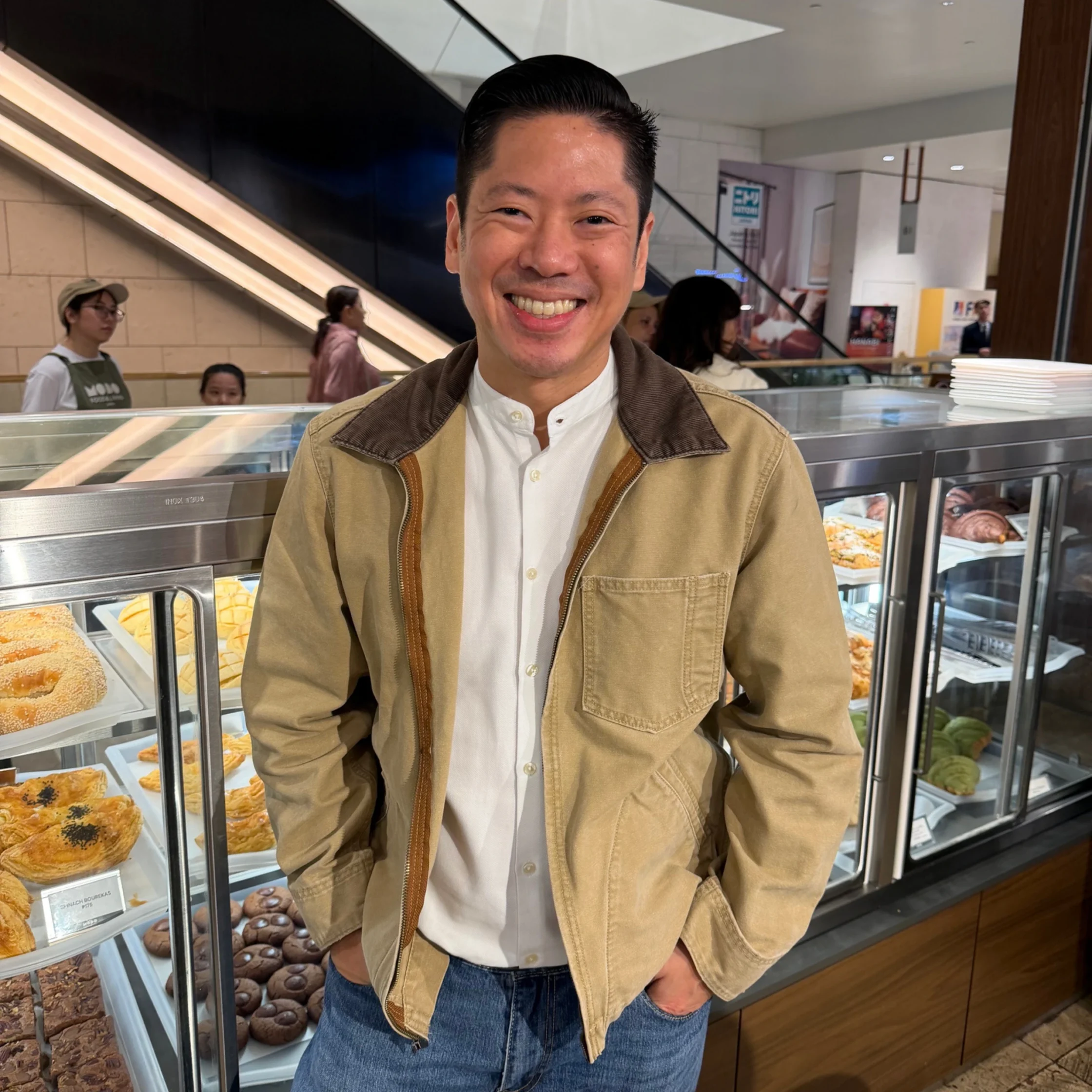
“I think one of the biggest opportunities is to help consumers better understand and appreciate what good coffee is, not just how it tastes, but the work it takes to produce it.
When consumers understand the work, skill and investment behind a great cup of coffee, they’re more willing to value it and hopefully pay a little more for it. That additional value can then be shared to the entire coffee chain—from farmers and producers, to roasters, cafés and restaurants, and back to consumers through better coffee and better experiences.
Manila already is starting to develop a more progressive coffee scene, with events like the one we attended at Unir and last weekend there was a coffee skill program conducted by World Coffee championship judges.”
Sly Samonte
Two-time Philippine National Barista Champion and Kape Director for the Lost Islands Center for Kape (LICK)
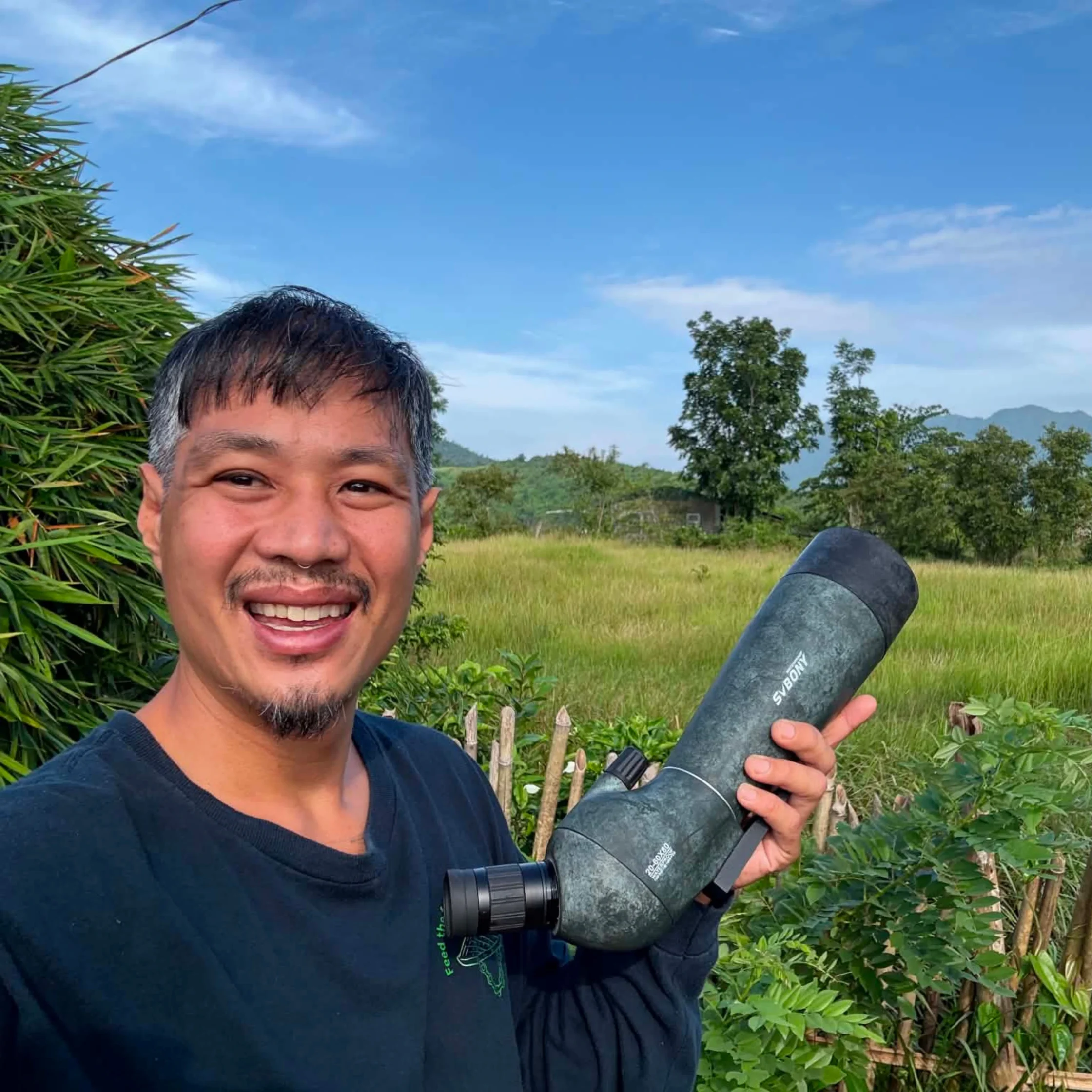
“Local coffee culture is doing a great job in starting to set the tone for what a Filipino coffee shop experience should be. Before the world tries to define it, each shop should be working towards establishing this culture by always featuring local ingredients sourced from local farmer and producers.
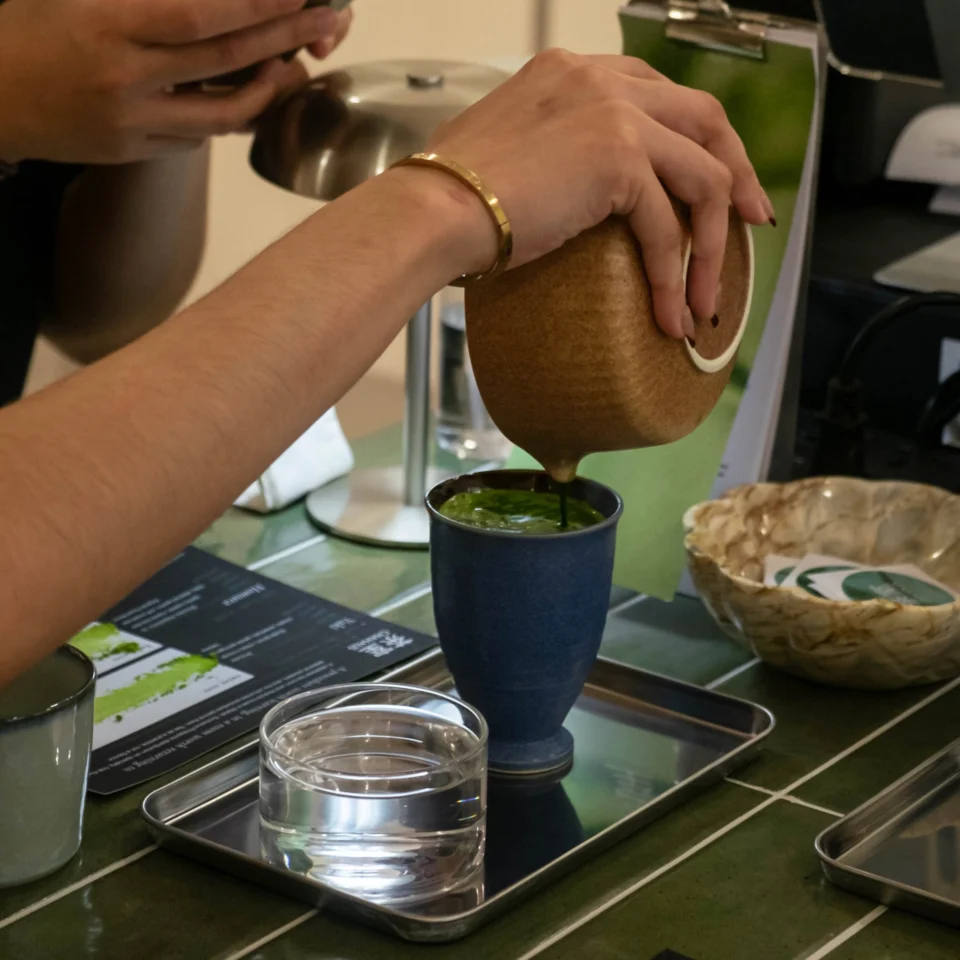
Malunggay and matcha for example go really well together. Doing a 1:3 malunggay to matcha blend is delicious, nutritious and pushing one of our best PH kept secrets. Real matcha focuses on umami and my home grown dehydrated malunggay adds a nutty complexity to my favorite matcha drinks.
I think Michael Harris has done a great job in making local syrups too—like his cascara syrup. These are not hard to make and should replace over priced poorly made imported syrups.
Lastly is the most amazing ingredient—arming each member of the team with the spirit of Filipino hospitality, the smile and Dayon Camo. Our warmth and island vibes always starts the tone for every great experience in our coffee shops.”
Avin Ong
Founder and Chief Executive Officer of the Fredley Group of Companies, which includes Kenangan Coffee
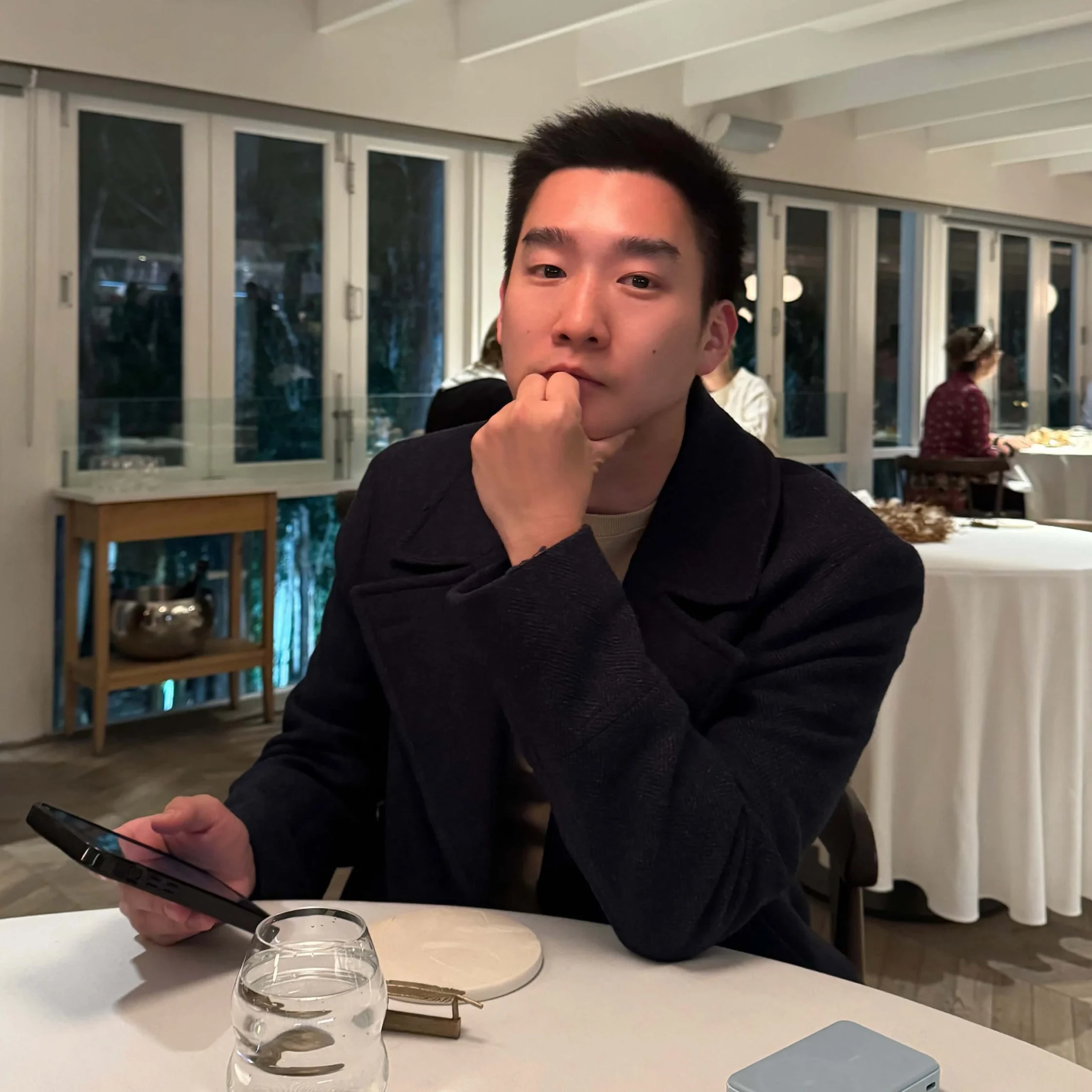
“I think Philippine coffee culture can improve through better education and greater appreciation for what good coffee actually tastes like. Many Filipinos have grown accustomed to very sweet, dessert-like coffee, so sweetness often becomes the measure of a good cup.
We need to help consumers discover that coffee can be naturally sweet, balanced, aromatic and complex, without needing to be loaded with sugar and syrups. At the same time, we should continue raising standards across the industry, from the quality of our own beans and local farmers to the consistency of preparation. Great coffee should be accessible to every Filipino, while helping them develop a deeper appreciation for the craft behind it.”
Francis Flores
Global Managing Director of Pick Up Coffee
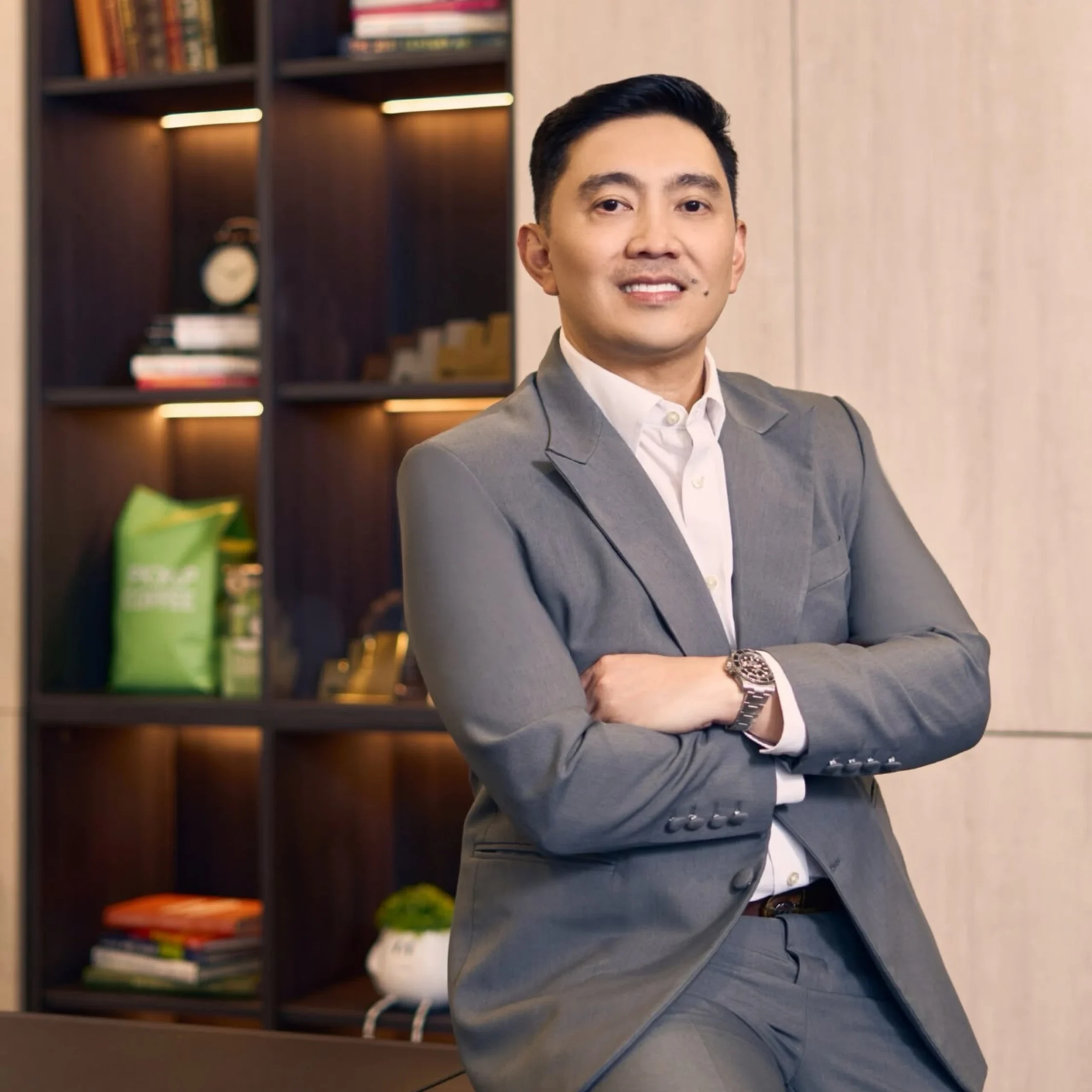
“The local coffee culture has grown tremendously, and it’s exciting to see Filipinos becoming more discerning and adventurous about coffee. I think the next opportunity is to make a great coffee experience more consistent, accessible, and relevant to everyday consumers.
First, we should continue raising the bar on coffee quality and taste—from better beans and roasting to preparation and consistency in every cup. At the same time, great coffee shouldn’t have to be intimidating or expensive. We need to make quality coffee accessible to more Filipinos, across different income groups and communities.
Second, the experience goes beyond the drink itself. Speed, convenience, warm service, store environment, and digital accessibility all shape how consumers experience a coffee brand. People increasingly want great coffee that fits naturally into their everyday lives.
Finally, I’d love to see the industry continue celebrating Philippine coffee and our local farmers. We have incredible coffee-growing regions and stories that deserve to be experienced by more Filipinos.
Ultimately, the opportunity is to build a coffee culture where great taste, great value, and a great customer experience come together—so good coffee becomes something everyone can enjoy every day.”
Hisashi Yamamoto
Founder, President, and Head Roaster of Unir Coffee.
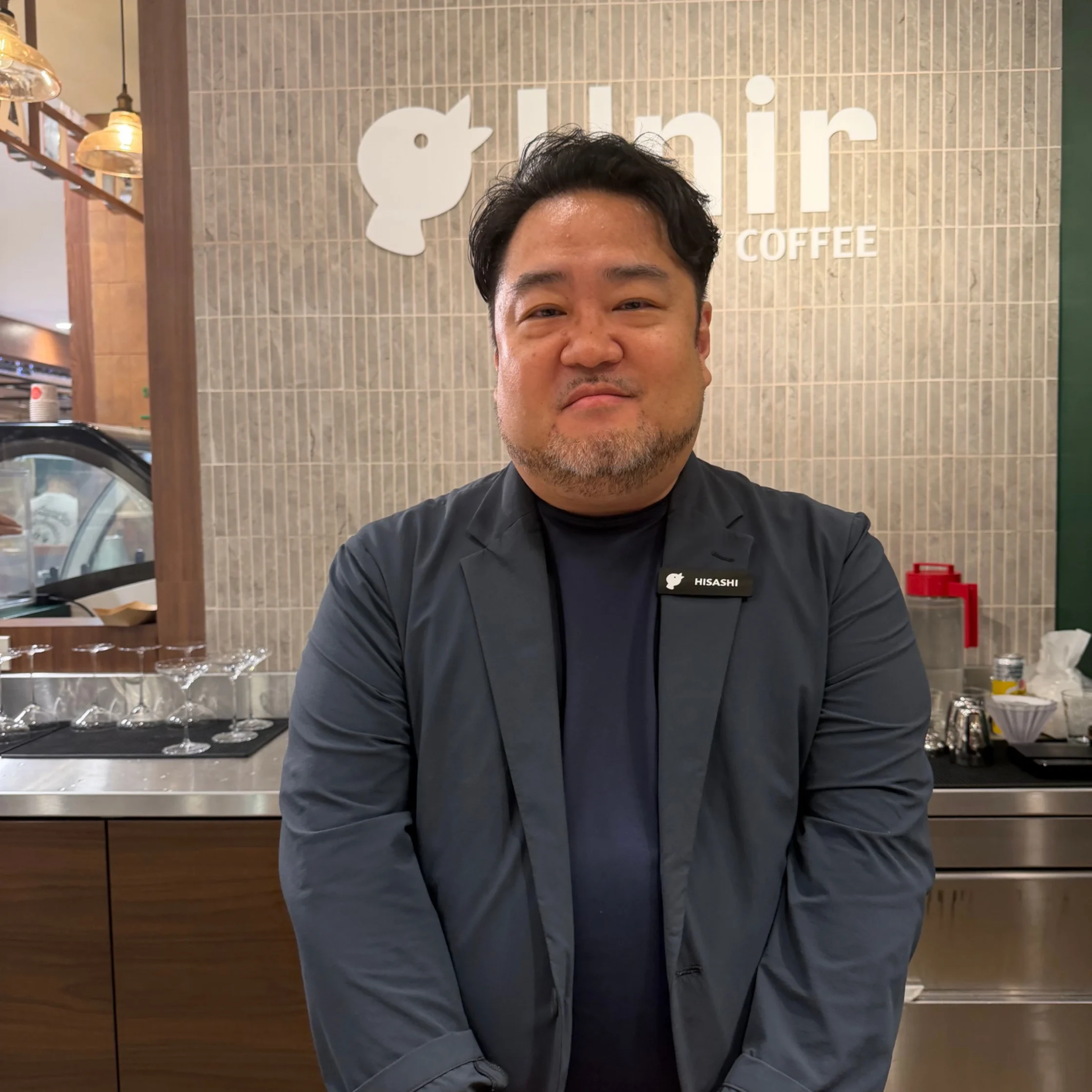
“Now, even the cafe owners in the Philippines, can easily get high-end, high-quality coffee directly from farmers. Cafe owners should know how to treat the beans so that drinkers can experience the original flavors and the farmer’s intention [behind them]. Roasting can make the coffee taste totally different. What baristas do is important because they are responsible for delivering those flavors to the customer. They should talk to the farmers and follow the ideal methods [to preserve the flavors] and present the coffee the way the farmers intended it to taste.”
Rosario Juan
Chief Extractor of Coffee of Commune PH
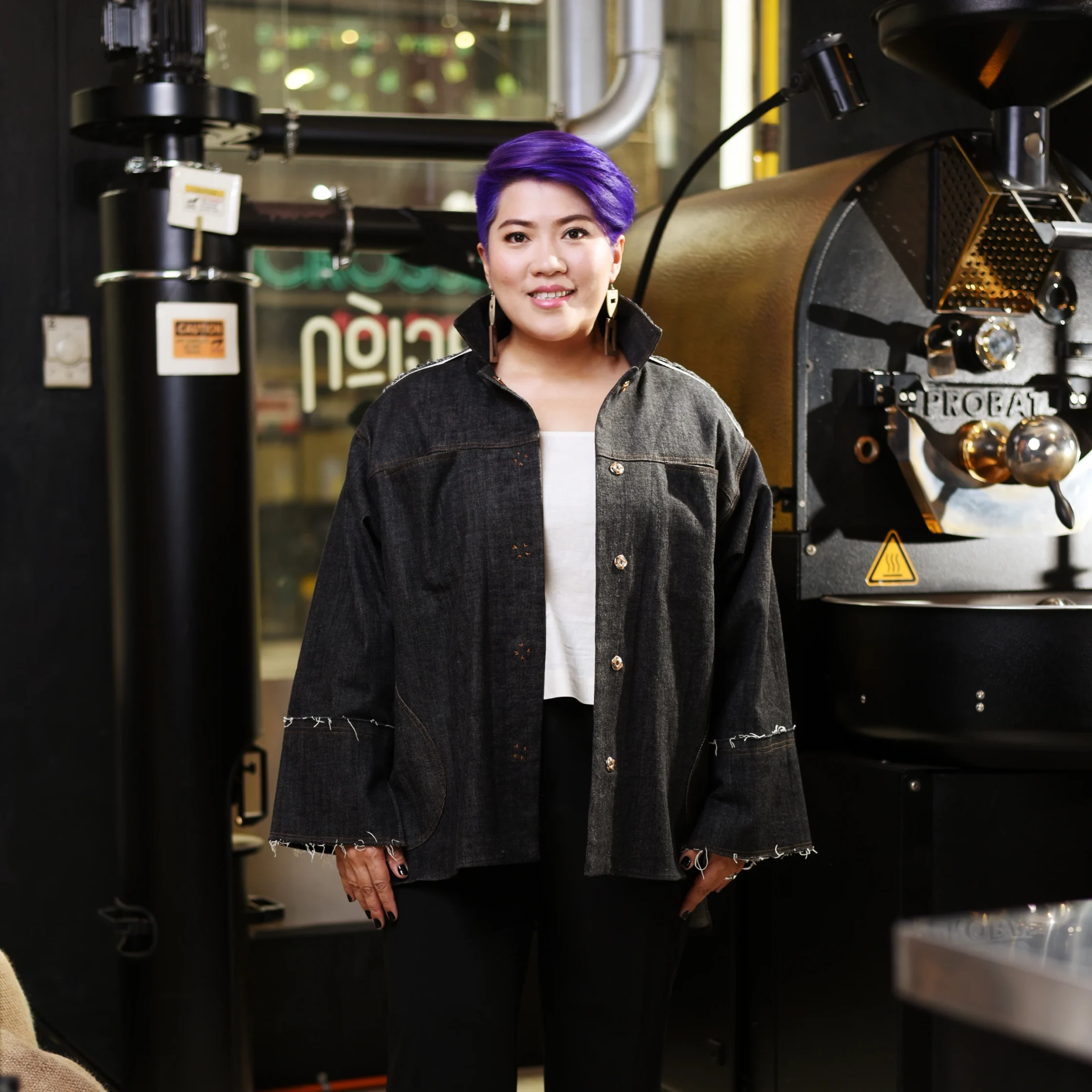
“Philippine coffee culture has grown steadily, and with the surge of new cafes and roasteries nationwide, it’s more vibrant than ever. To elevate the coffee experience further, I believe the industry needs a continuous pursuit of coffee education.
Coffee is a complex product—its origin, variety, farming, and processing all shape what ends up in the cup. The more that knowledge is understood and shared, the better the experience becomes on both ends: baristas who understand coffee more deeply can prepare it better, and consumers who understand it more deeply can appreciate it more fully.
This education needs to happen on multiple levels. For baristas and cafe staff, it goes beyond brewing technique—it means understanding the farm to cup process and how these shape flavor, and being able to communicate that knowledge to customers in an approachable way. For consumers, it means building basic coffee literacy: knowing the difference between varieties, understanding what drives quality and price, and developing the vocabulary to identify what they actually enjoy. This is especially relevant in the Philippine context, where local varieties like Liberica, or Barako, remain distinctly Filipino yet are often overlooked in favor of imported coffee.
When consumers are more engaged and informed, it doesn’t just improve their individual experience — it also creates market demand that rewards quality and traceability, which in turn gives farmers a stronger incentive to invest in better practices. In this way, coffee education isn’t just a cafe-level concern; it has ripple effects that reach back to the farm.”
Frequently Asked Questions
It not only educates but creates interest amongst consumers in terms of the actually work, skill, investment, and manpower that goes into making a good cup of coffee.
Yes! The practice of using locally-sourced ingredients is being adopted as a way to strenghten the Philippine specialty coffee scene. Examples of this include the use of local syrups like cascara syrup and combining matcha and malunggay.
By redefining what good quality coffee actually tastes like! The majority of FIlipinos are accustomed to coffee being very sweet. One way to address this is to offer the natural and balanced flavor of coffee and making it accessible to Filipino drinkers.