Advertisement

Patis, Toyo, and Suka are Easy to Make Last

Here’s the secret: they're all stored the same way!

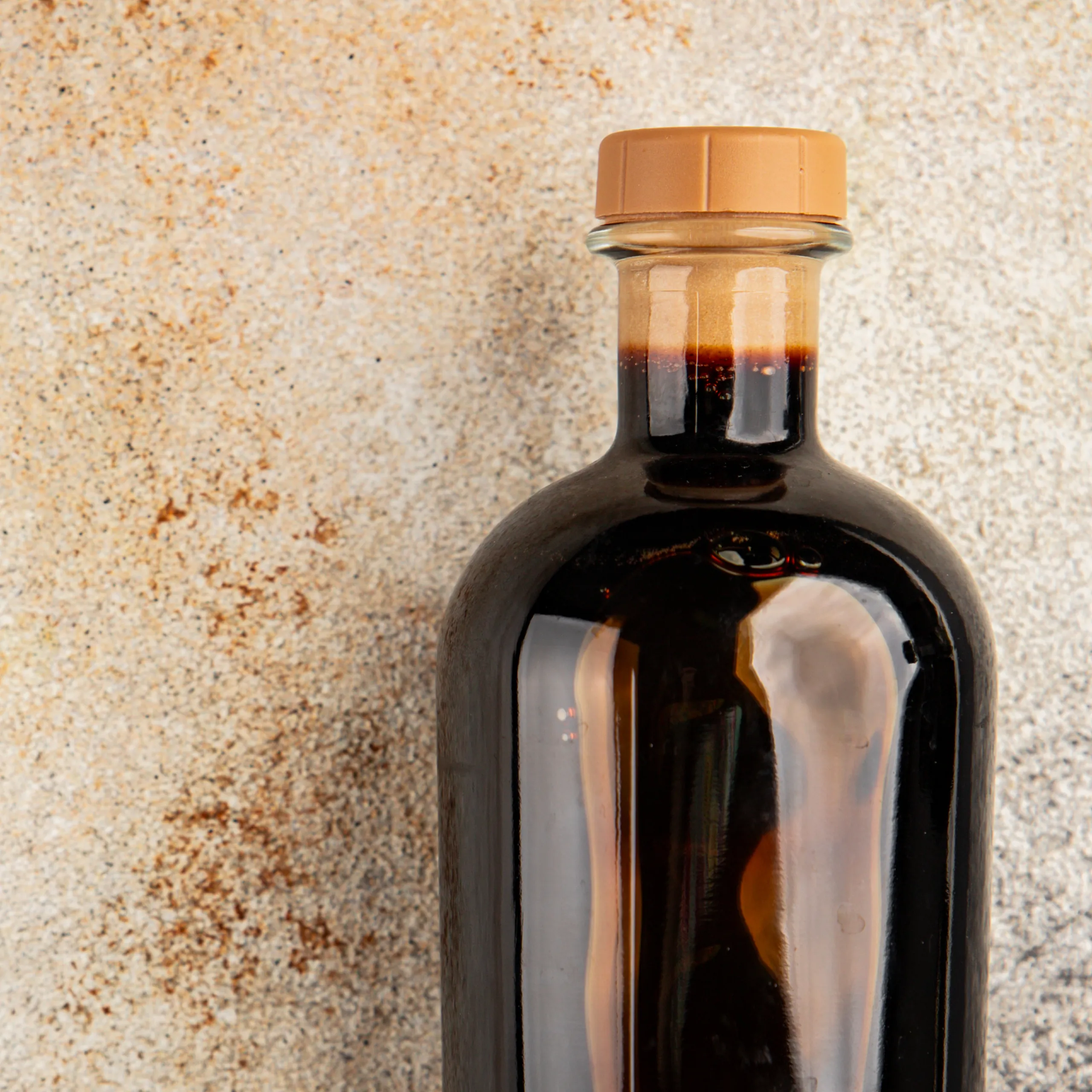
Close-up of a dark amber bottle neck with a light brown cap, against a speckled beige surface.
There isn’t a more perfect trifecta of sauces for Filipino cooking!

From being used as key ingredients for soups and stews to dipping sauces mixed with chopped chilis, there isn’t a more perfect trifecta of sauces for Filipino cooking than patis (fish sauce), toyo (soy sauce), and suka (vinegar)

Whether you prefer buying in bulk or you can survive with just one bottle, learning how to properly store them so that they last a long time and they do not lose their flavor is important for any home kitchen. 

The best part? The same storage method helps preserve the complex flavors of all three—and extends their shelf life, too!

A Cool and Dark Place is All You Need

My personal favorite sauce is in the humble toyomansi. Every time I want to make some, all I have to do is go to our sauce cabinet and grab whatever opened bottle we have available. That’s how easy it is to store it for a long time without losing its umami goodness. This is also the case for fish sauce and vinegar. 

It’s perfectly sufficient to leave your bottles of sauce in a cabinet, open shelf, or any cool and dark place, regardless if it’s new or has already been opened. If you’ve been using its original packaging, just make sure it is tightly sealed. If you are transferring it to a different container, use a clean and dry one to avoid any contamination.

A good rule of thumb is to read if there are any specific instructions on the label regarding when it is still safe to eat and if there are any other recommendations on how to properly store it. An example of this would be if ever you purchased an artisanal soy sauce bottle, then it might be a good idea to store them in the fridge.
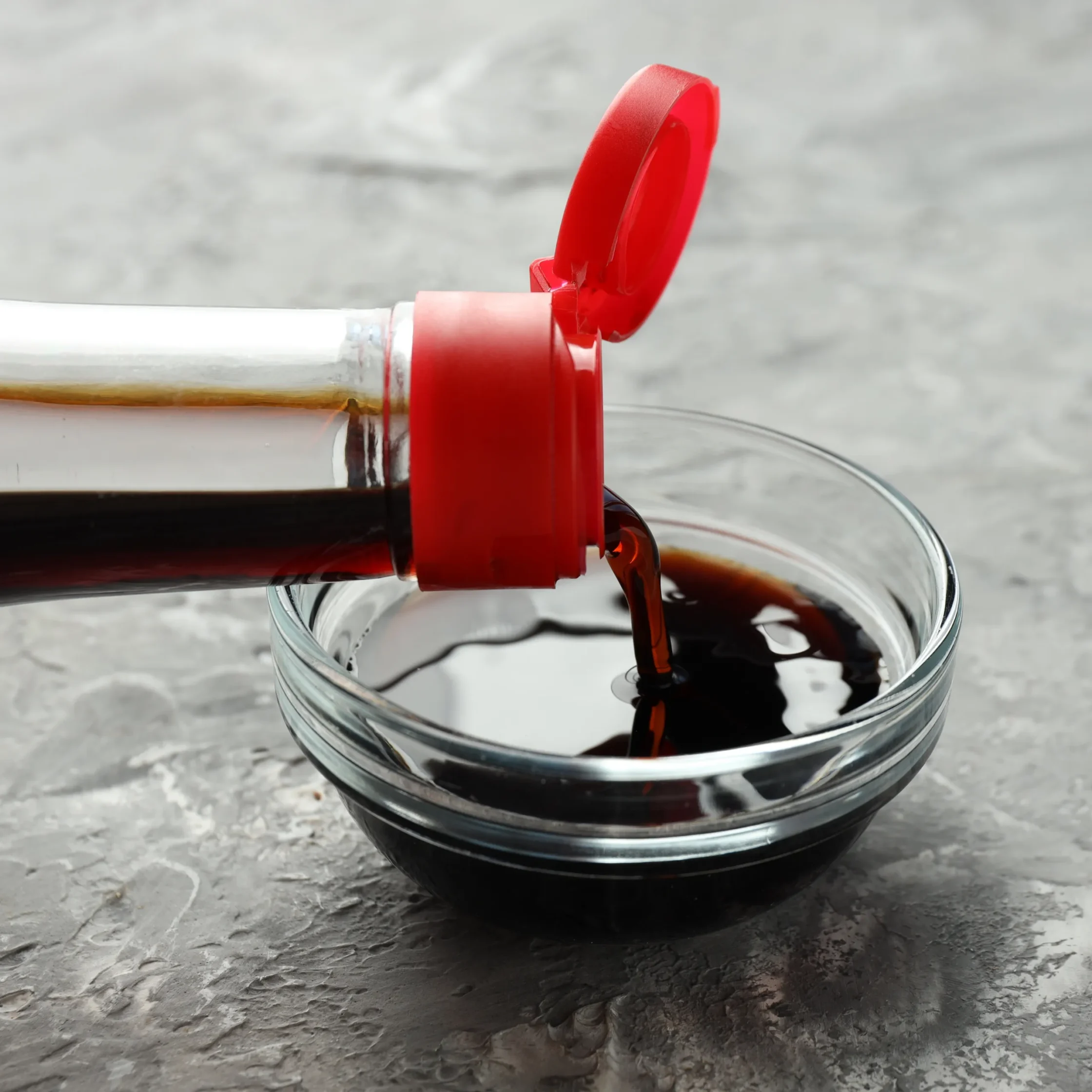
Red lipstick case tipped over a clear glass as red liquid pours into it on a textured gray surface.
All your sauce needs is cool and dark place to stay in!

The Secret is in the Sauces

There is a simple reason as to why fish sauce, soy sauce and vinegar don’t necessarily need to be refrigerated. It’s all thanks to salt and acid! For fish sauce and soy sauce, it is due to their high salt content. For vinegar, it’s because it is about 4% acid. Aside from increasing the sodium content, salting a food is a very common way to preserve them because it absorbs all the water that would have been a breeding ground for bacteria, so having high acid content has a similar effect, acting as a natural preservative. This is why vinegar is known for having an indefinite shelf life. 
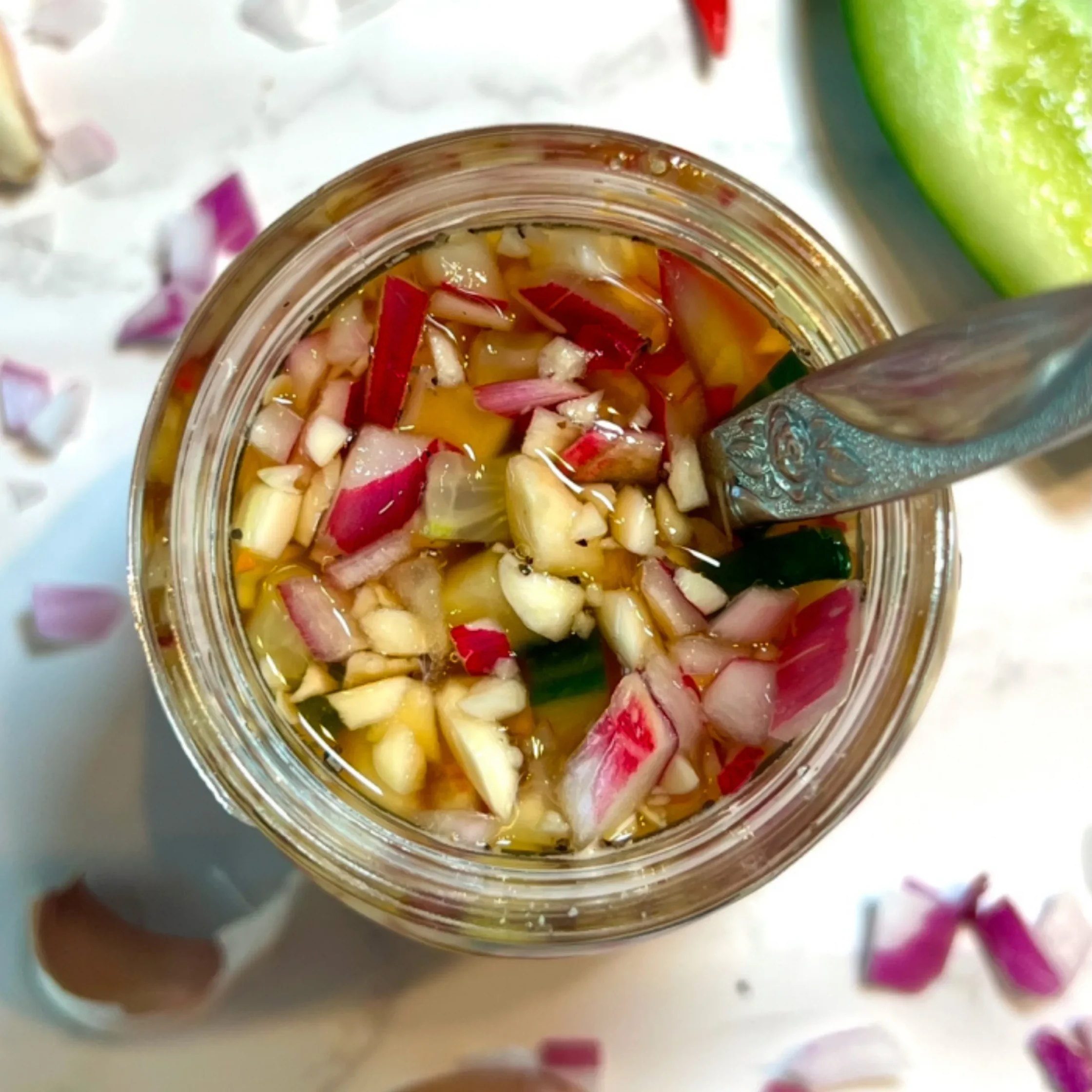
Chopped onions and red peppers in a brine-filled glass jar, ready for pickling/liquor.
If you’re using a spoon to scoop up some sauce, avoid any contamination by making sure it is clean and dry. [PHOTO COURTESY OF Iankewks]

So when do you put them in the fridge?

There are some exceptions to storing them inside the refrigerator worth taking note of. The first one only applies if you foresee needing to store your bottle of fish sauce for more than one year. You can either place the bottle in your fridge or transfer it to a clean, sealed container. And whenever you need to get some, make sure to use an unused, dry utensil.

This is to make sure you don’t add any foreign substance into the fish sauce that would make it spoil faster. The second exception is if you wish to preserve the state of your sauce. Leaving these sauces out for a long period of time obviously makes them susceptible to change, and this is not a bad thing! Over time, their depth and flavor just becomes even more complex from how they tasted when you first bought them.

But at any point, if ever you want to preserve a specific version of your sauce, putting it in the refrigerator is also perfectly fine. Keeping it there will help it maintain its color and slow down any potential changes to its flavor profile.
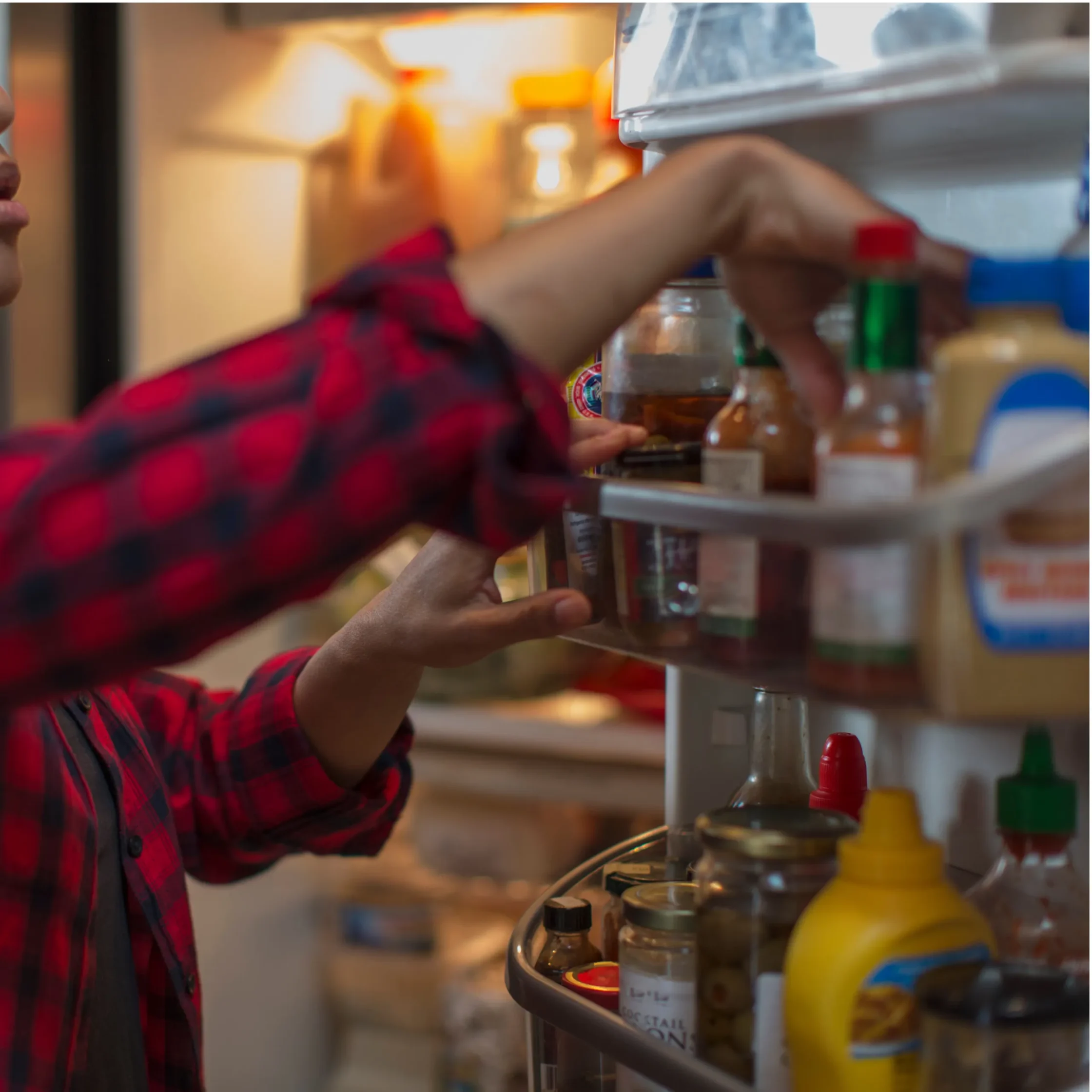
Person wearing a red plaid shirt reaching into a refrigerated display case, grabbing a bottle from shelves of sauces and condiments in a grocery store.
Only consider storing your sauces in the fridge if you want to stop them from aging any more than they already have.

The simplicity of how to make these three essential sauces last can be a great jumping off point for anyone who wishes to cook more Filipino food. They will always be there for you in your pantry whenever you need them, so return the favor and store them properly for a long-lasting partnership of flavors.

author avatar
Laura Mendoza Writer
Laura admits that she is a slow eater. She prefers to take her time with the food she likes to eat and the stories she wishes to write. Having graduated with a Creative Writing degree, she comes from a background in writing fiction and poetry. Because of this, she has set herself on a creative mission to explore and delve into what other modes and channels exist for stories and narratives to be told, expressed, and shared with others. For Laura, food as a medium is an exciting proposition. Behind every dish, every ingredient, and every cooking technique, there lies a history worth discussing, a human being worth listening to, a lived experience worth gleaning from. As a means to satiate her appetite for learning about and understanding new and known things, she aims to be the kind of food writer who is approachable, reliable, and personable to readers.

Frequently Asked Questions

Patis is Filipino sauce with a clear, amber-colored liquid made from fermented fish and salt that adds a deep savory and umami flavor to any stew or sawsawan.

author avatar
Laura Mendoza Writer
Laura admits that she is a slow eater. She prefers to take her time with the food she likes to eat and the stories she wishes to write. Having graduated with a Creative Writing degree, she comes from a background in writing fiction and poetry. Because of this, she has set herself on a creative mission to explore and delve into what other modes and channels exist for stories and narratives to be told, expressed, and shared with others. For Laura, food as a medium is an exciting proposition. Behind every dish, every ingredient, and every cooking technique, there lies a history worth discussing, a human being worth listening to, a lived experience worth gleaning from. As a means to satiate her appetite for learning about and understanding new and known things, she aims to be the kind of food writer who is approachable, reliable, and personable to readers.

Toyo or Filipino soy sauce is made from soybeans, water, salt, caramel color, and sometimes wheat. Because of its intensely savory and sharper salty flavor, toyo is used in the marinades, stir-fries, and braises of some of the most well known Filipino dishes including adobo, bistek, and pancit bihon.

author avatar
Laura Mendoza Writer
Laura admits that she is a slow eater. She prefers to take her time with the food she likes to eat and the stories she wishes to write. Having graduated with a Creative Writing degree, she comes from a background in writing fiction and poetry. Because of this, she has set herself on a creative mission to explore and delve into what other modes and channels exist for stories and narratives to be told, expressed, and shared with others. For Laura, food as a medium is an exciting proposition. Behind every dish, every ingredient, and every cooking technique, there lies a history worth discussing, a human being worth listening to, a lived experience worth gleaning from. As a means to satiate her appetite for learning about and understanding new and known things, she aims to be the kind of food writer who is approachable, reliable, and personable to readers.

Traditional Filipino spiced vinegar uses a base of cane or coconut vinegar combined with fresh aromatics and hot peppers. Commonly used as a staple cooking ingredient or a dipping sauce.

author avatar
Laura Mendoza Writer
Laura admits that she is a slow eater. She prefers to take her time with the food she likes to eat and the stories she wishes to write. Having graduated with a Creative Writing degree, she comes from a background in writing fiction and poetry. Because of this, she has set herself on a creative mission to explore and delve into what other modes and channels exist for stories and narratives to be told, expressed, and shared with others. For Laura, food as a medium is an exciting proposition. Behind every dish, every ingredient, and every cooking technique, there lies a history worth discussing, a human being worth listening to, a lived experience worth gleaning from. As a means to satiate her appetite for learning about and understanding new and known things, she aims to be the kind of food writer who is approachable, reliable, and personable to readers.

The best way to store patis, toyo, and suka is to leave them in a cool, dry, and dark place like a cabinet or an open shelf. Just make sure they are sealed properly and stored in either their original bottles or in clean, tightly-sealed containers.

author avatar
Laura Mendoza Writer
Laura admits that she is a slow eater. She prefers to take her time with the food she likes to eat and the stories she wishes to write. Having graduated with a Creative Writing degree, she comes from a background in writing fiction and poetry. Because of this, she has set herself on a creative mission to explore and delve into what other modes and channels exist for stories and narratives to be told, expressed, and shared with others. For Laura, food as a medium is an exciting proposition. Behind every dish, every ingredient, and every cooking technique, there lies a history worth discussing, a human being worth listening to, a lived experience worth gleaning from. As a means to satiate her appetite for learning about and understanding new and known things, she aims to be the kind of food writer who is approachable, reliable, and personable to readers.

Refrigeration is completely fine but not required. It does have a benefit of slowing down their aging, thus keeping the flavor profile the same.

author avatar
Laura Mendoza Writer
Laura admits that she is a slow eater. She prefers to take her time with the food she likes to eat and the stories she wishes to write. Having graduated with a Creative Writing degree, she comes from a background in writing fiction and poetry. Because of this, she has set herself on a creative mission to explore and delve into what other modes and channels exist for stories and narratives to be told, expressed, and shared with others. For Laura, food as a medium is an exciting proposition. Behind every dish, every ingredient, and every cooking technique, there lies a history worth discussing, a human being worth listening to, a lived experience worth gleaning from. As a means to satiate her appetite for learning about and understanding new and known things, she aims to be the kind of food writer who is approachable, reliable, and personable to readers.
Smiling woman with glasses tilted at an angle, wearing a blue top, against a light background.

Laura Mendoza

Writer

Laura admits that she is a slow eater. She prefers to take her time with the food she likes to eat and the stories she wishes to write. Having graduated with a Creative Writing degree, she comes from a background in writing fiction and poetry. Because of this, she has set herself on a creative mission to explore and delve into what other modes and channels exist for stories and narratives to be told, expressed, and shared with others. For Laura, food as a medium is an exciting proposition. Behind every dish, every ingredient, and every cooking technique, there lies a history worth discussing, a human being worth listening to, a lived experience worth gleaning from. As a means to satiate her appetite for learning about and understanding new and known things, she aims to be the kind of food writer who is approachable, reliable, and personable to readers.

0 0 votes
Total of Ratings
guest
Rating
Ratings for Article
0 Comments
Oldest
Newest Most Voted

To provide a customized ad experience, we need to know if you are of legal age in your region.

By making a selection, you agree to our Terms & Conditions.