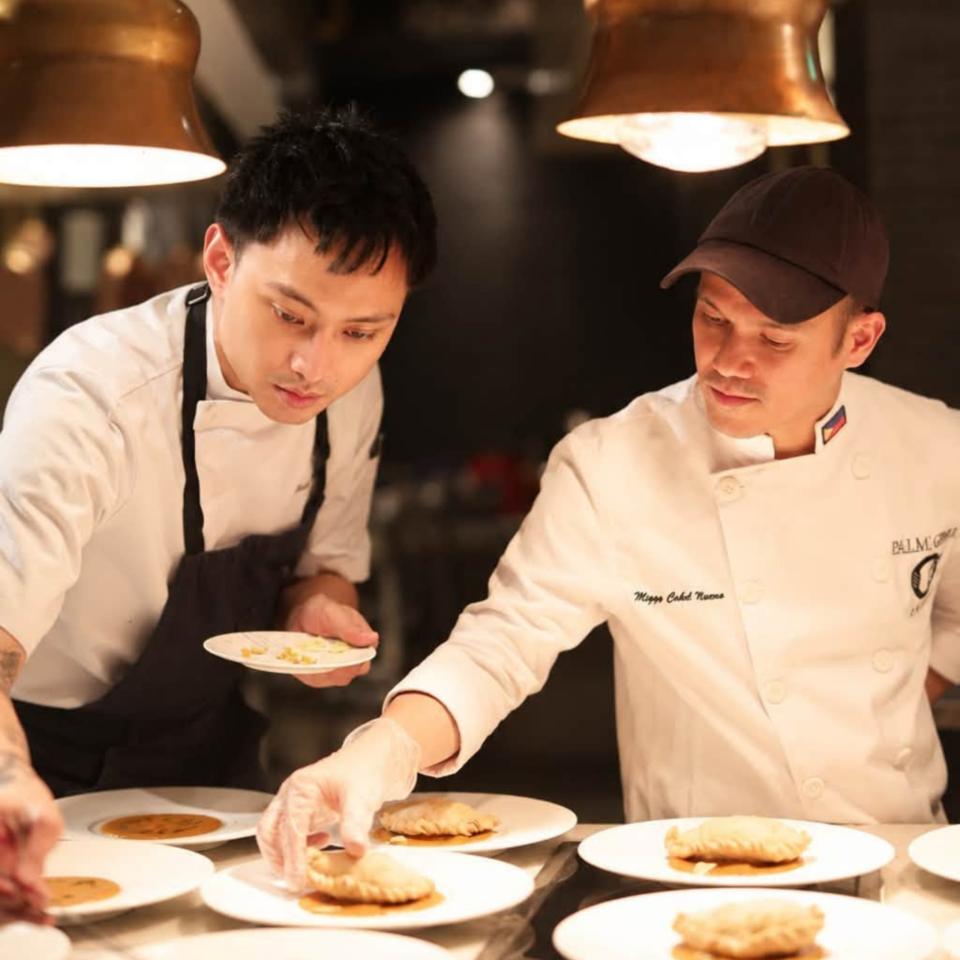


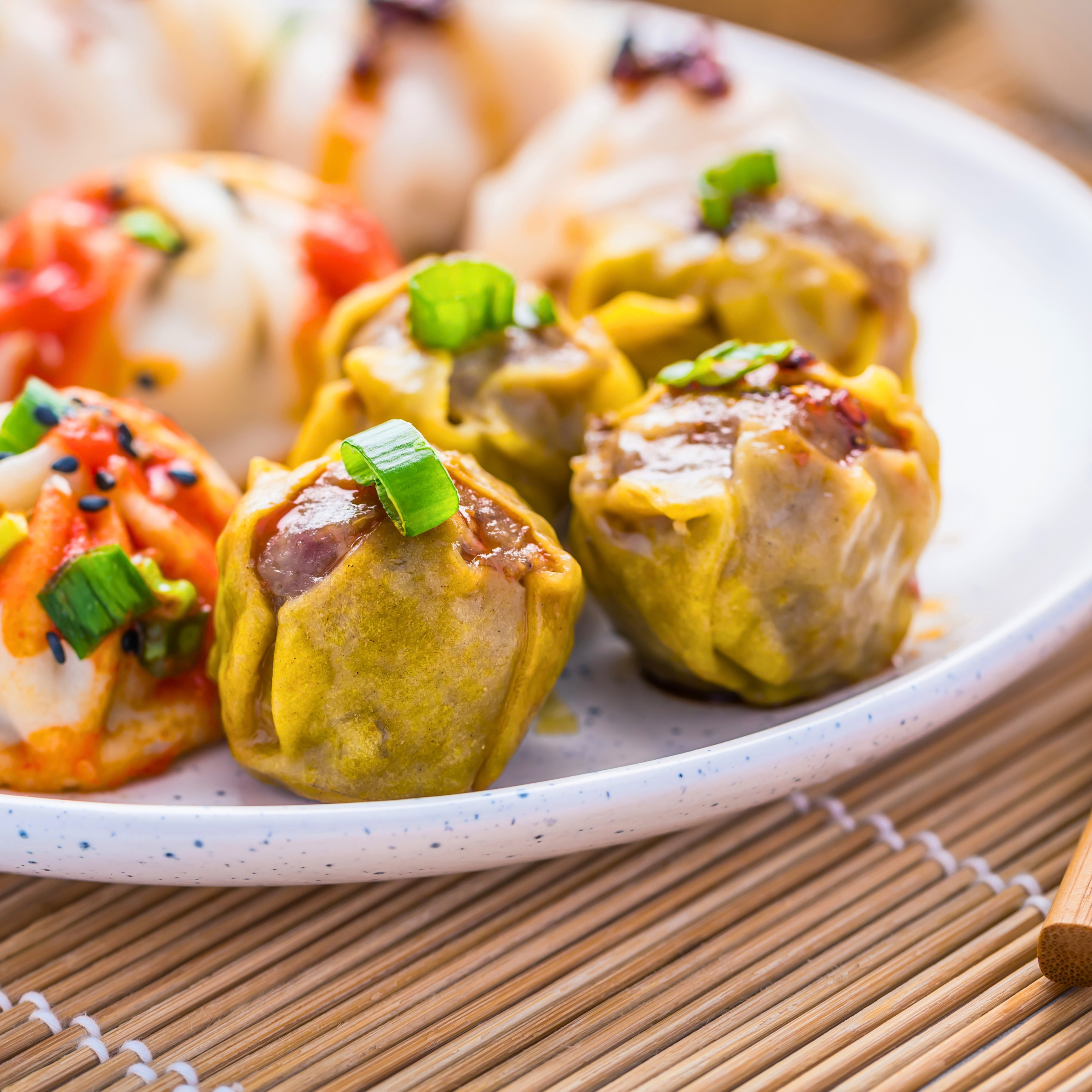
Dumplings don’t look the same everywhere.
They can be steamed, fried, tucked into a soup, or even served with pasta sauce. And while we often use “dumplings” as a catch-all term for anything wrapped around a tasty filling, there’s a whole world of shapes, wrappers, fillings, and cooking methods out there.
From the classic Chinese dumplings to a crispy Japanese favorite and even soft Italian twist, these seven dumplings show just how far the humble dish has traveled.
1. Xiao Long Bao
Xiao Long Bao is the soup-rising member of the dumpling family. These steamed Chinese dumplings are filled with minced meat and a rich broth, creating a hot, savory pocket inside each delicate wrapper.
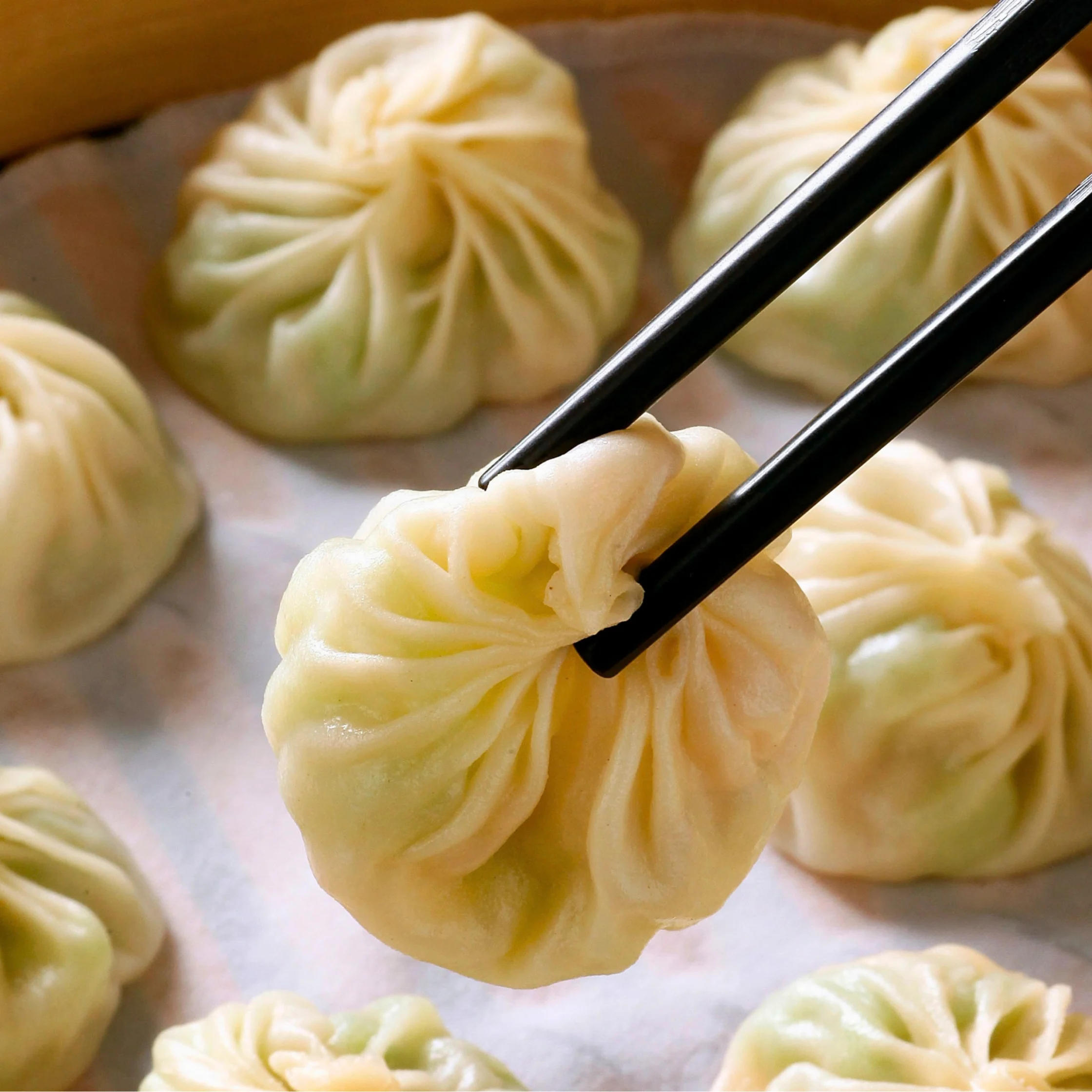
The name translates to “little basket bun,” referring to the bamboo baskets used to steam them. Modern interpretations have also gone sweet, with chocolate-filled versions quickly going viral on social media.
Grab some from Din Tai Fung, Paradise Dynasty, or Suzhou Tea House.
2. Shumai
Shumai, also spelled siu mai or siomai, is the open-faced star of dim sum with an open top that lets the filling peek out. These traditional Chinese dumplings are typically made with ground pork, minced shrimp, vegetables, and served with soy sauce.
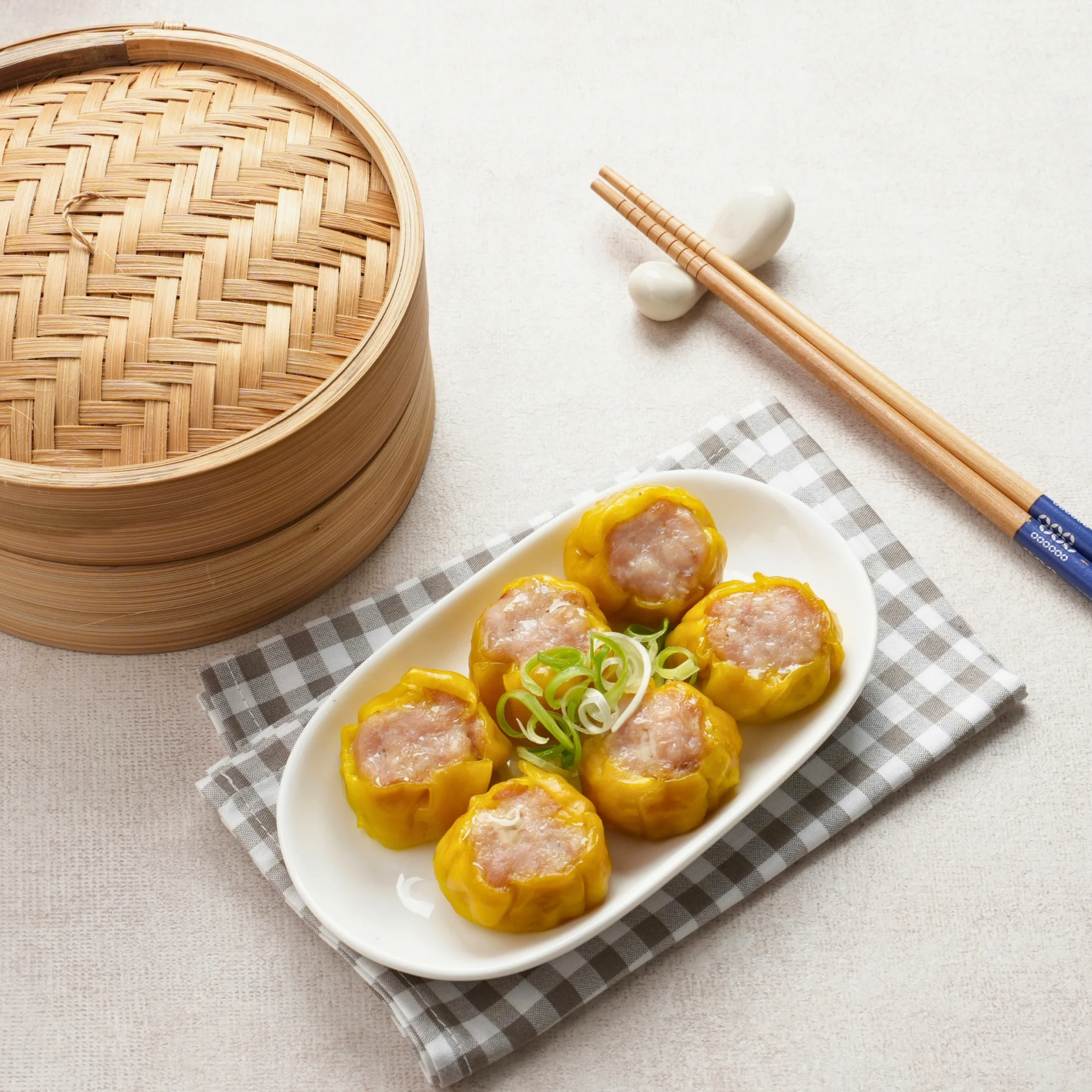
Their popularity has traveled far beyond China, though, with variations found all over Japan, Southeast Asia, and even South America. Here in the Philippines, it’s common to find streetside carts and vendors selling it for as cheap as just a few pesos.
Grab some from Binondo Boys, China Blue, or your local roadside cart.
3. Gyoza
Crispy, juicy, and very easy to love, gyoza is a crescent-shaped Japanese dumpling typically filled with minced meat and vegetables like cabbage, ginger, or chives. They can be steamed or boiled, but they’re most commonly fried until the bottoms are crisp and golden, before being served alongside a dipping sauce.
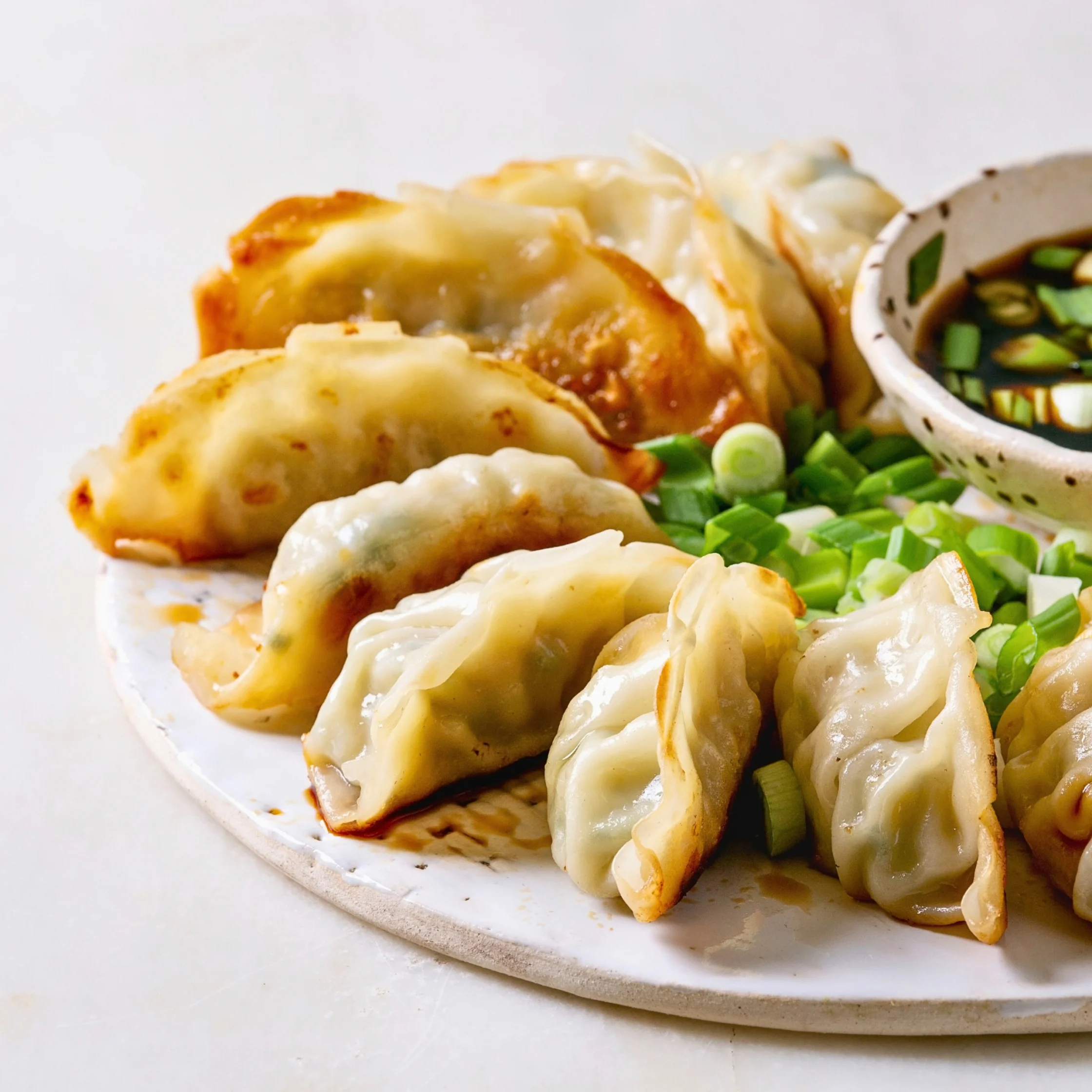
Gyoza was inspired by China’s jiaozi, but the Japanese developed their own style, including a thinner wrapper that’s especially suited to frying.
Grab some from Mendokoro, Ginza, or Ramen Yushoken.
4. Har Gow
Har gow has nothing to hide—and that’s exactly the point. Also known as hau kau, ha kao, or hakaw, these plump steamed dumplings use a semi-translucent, starch-based wrapper that lets you see the juicy shrimp inside.
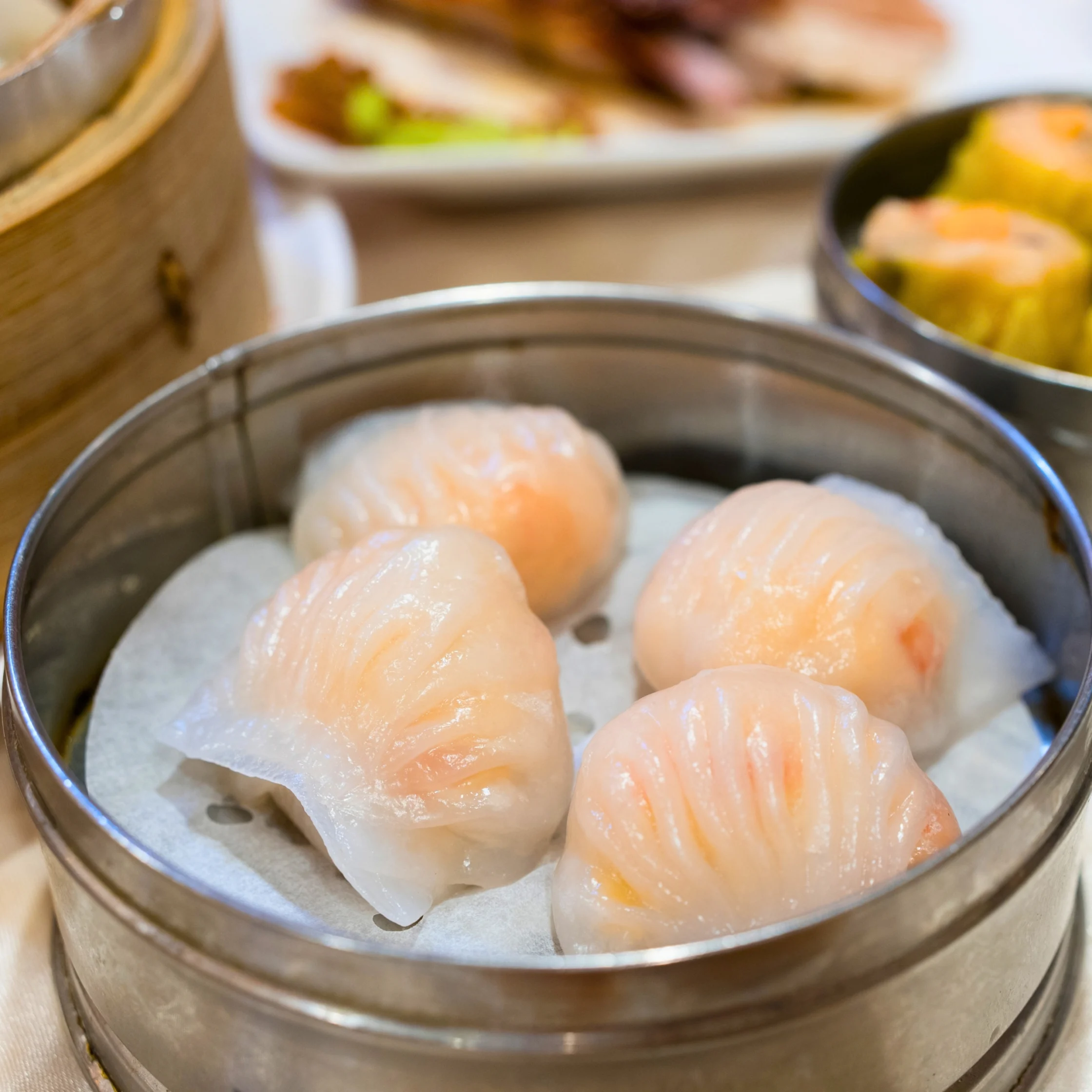
The result is a soft-yet-chewy bite that’s just as pretty as it is satisfying.
Grab some from FHF Noodle & Dimsum House or DECS.
5. Mandu
With mandu, the real question is: how do you want it cooked? These Korean dumplings are filled with a savory mix of ground meat, tofu, glass noodles, finely chopped vegetables, and can be steamed, boiled, pan-fried, or even deep-fried.
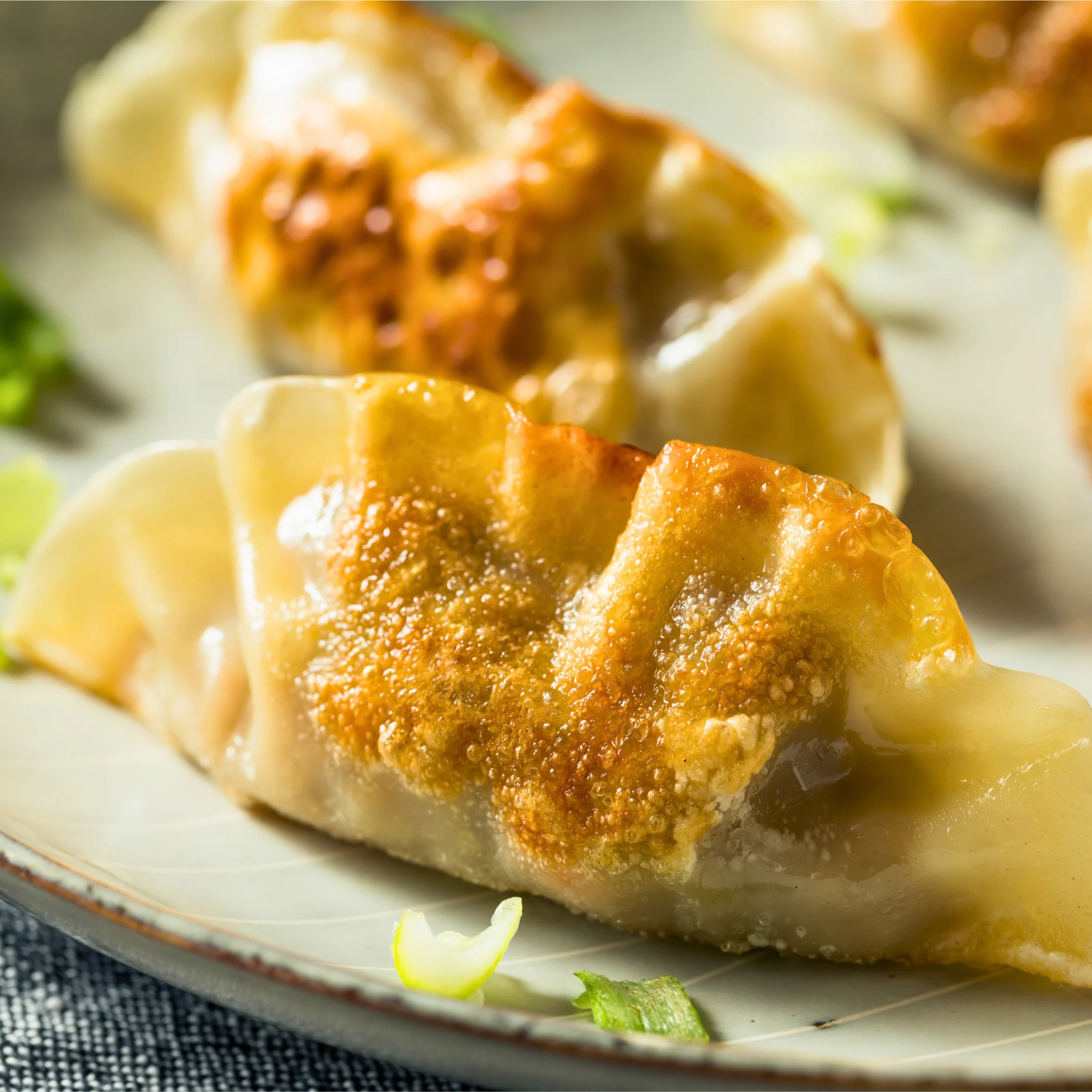
That means the same filling can land on your plate with a soft wrapper, a golden crust, or crisp exterior that crunches dramatically. Basically, mandu lets you pick your own dumpling adventure.
Grab some from Royal Korean Restaurant or SeokChon.
6. Wonton
Wontons? More like you’ll-want-a-ton! These Chinese dumplings are made with thin, square wheat wrappers and filled with meat, seafood, or vegetables, then folded into shapes like the Little Boat, Gold Ingot, or Money Pouch.
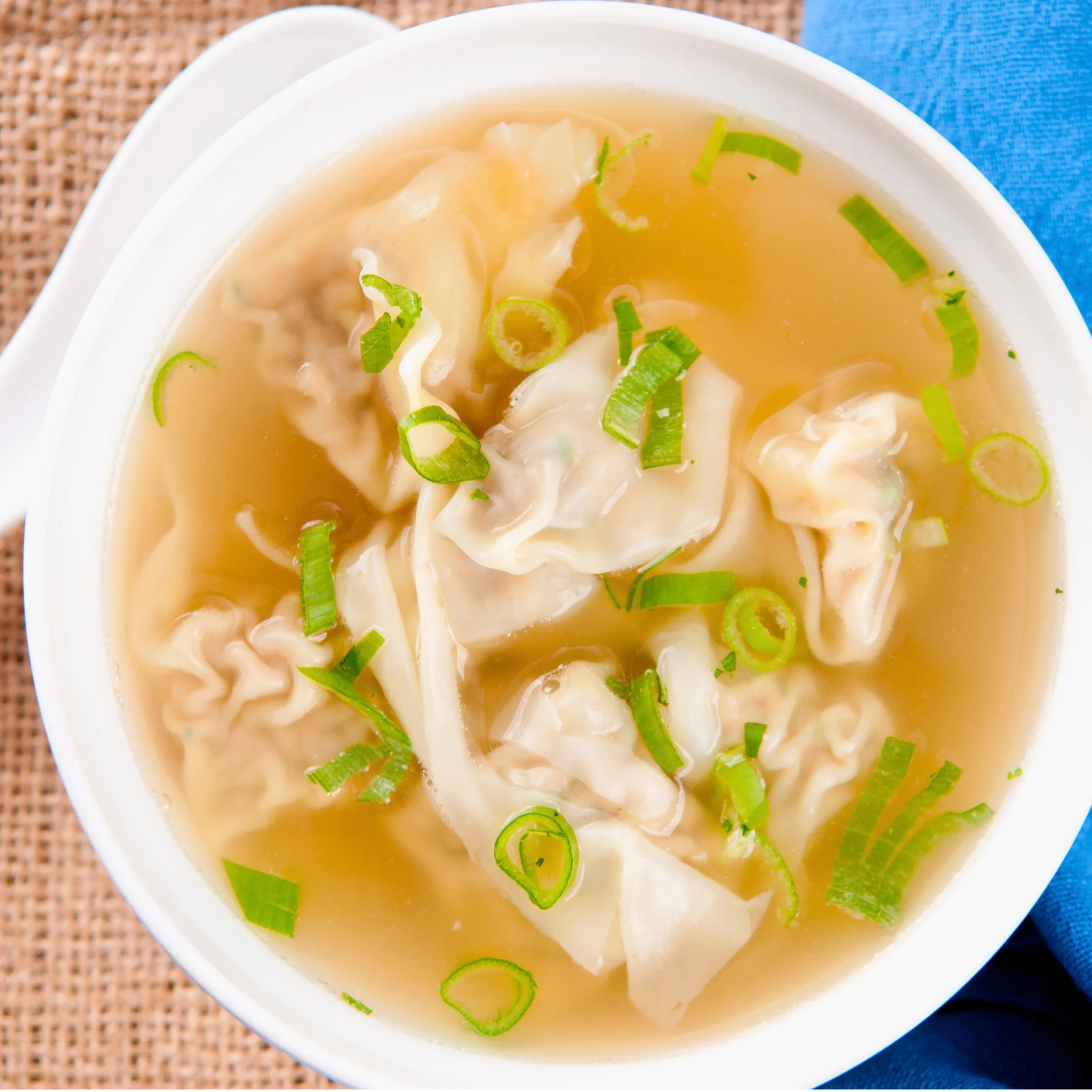
They can be steamed, fried, or served in soup, with traditional fillings often having pork and shrimp seasoned with ginger and aromatics. When one wonton turns into a few, you’ll start to understand where its name comes from.
Grab some from Ling Nam or Lugang Cafe.
7. Gnocchi
Gnocchi has had a bit of a makeover over the centuries. Early Italian versions were made with simple ingredients like breadcrumbs or flour, but potatoes would later sprout to become stars of the show. While often grouped with pasta and served similarly, they are technically still dumplings.
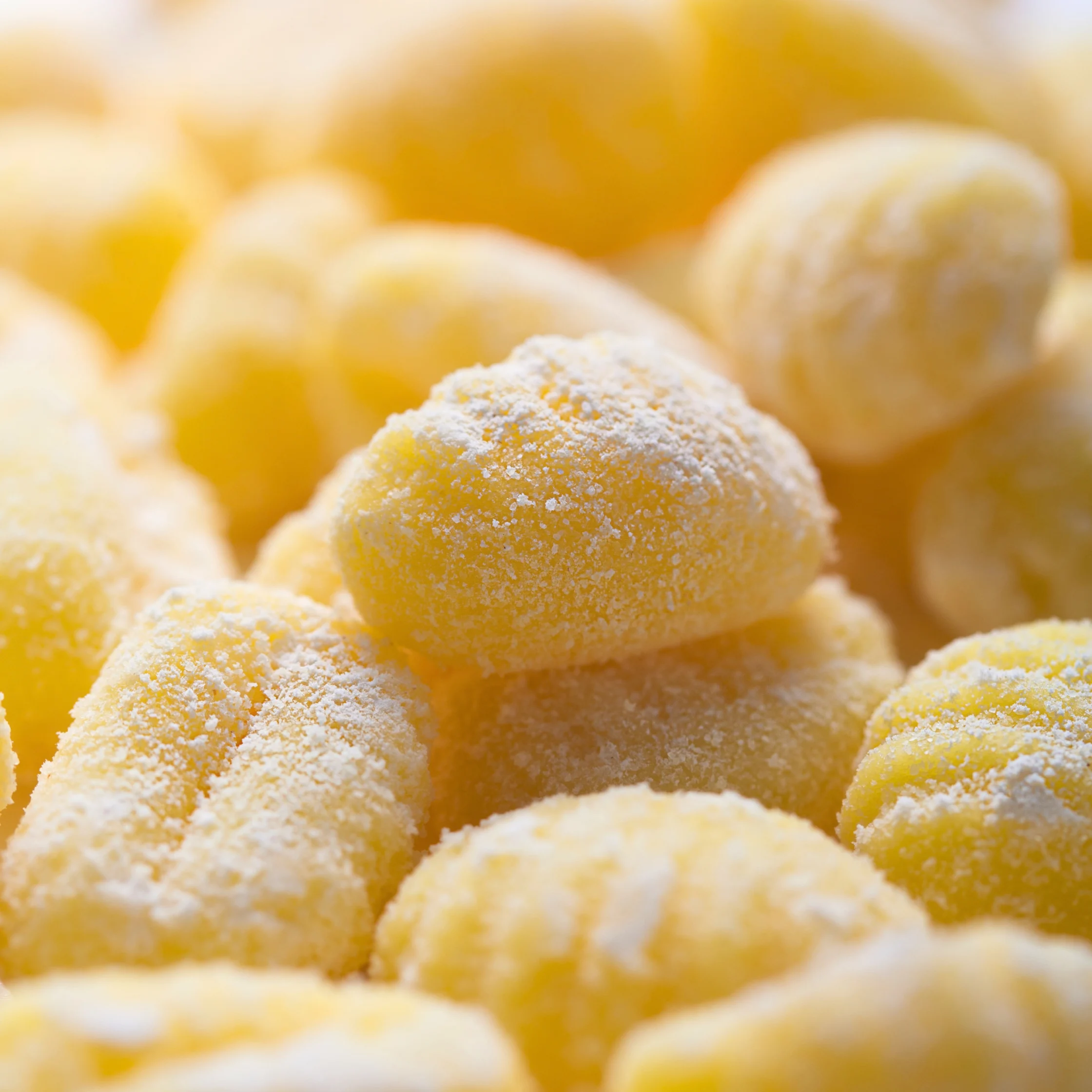
Today, it occupies a hybrid space. And one of the most familiar varieties are the small, soft, chewy dumplings traditionally served and eaten like your typical plate of pasta. Pasta-adjacent? Yes. Technically still a dumpling? Depends on who you ask.
Grab some from Tandem, Al Dente Fresh Pasta Bar, or Va Bene Pasta Deli.
Turns out, the humble dumpling has quite the passport. Across cuisines, it takes on new shapes, fillings, textures, and techniques while keeping the same simple appeal: Delish-cious things wrapped, folded, or shaped into bite-sized parcels of flavor.
And now that you’ve met seven of them, your next dumpling order just got a whole lot more interesting.

Frequently Asked Questions
Dumplings come in many forms, with differences in wrappers, fillings, shapes, and cooking methods. This guide covers xiao long bao, shumai, gyoza, har gow, mandu, wontons, and gnocchi.
Xiao long bao is a steamed Chinese dumpling filled with minced meat and rich broth. Its name translates to “little basket bun,” referring to the bamboo baskets traditionally used for steaming.
Shumai is an open-faced dumpling, while xiao long bao is enclosed and contains broth inside its wrapper. Shumai is typically filled with ingredients such as ground pork, shrimp, and vegetables.
Gyoza is a Japanese crescent-shaped dumpling inspired by Chinese jiaozi. It is typically filled with minced meat and vegetables and is commonly fried until its bottom becomes crisp and golden.
Har gow is a steamed Chinese dumpling filled with shrimp and wrapped in a semi-translucent, starch-based wrapper. Its distinctive wrapper allows the filling to be partially visible.
Mandu is a Korean dumpling filled with ingredients such as ground meat, tofu, glass noodles, and vegetables. It can be steamed, boiled, pan-fried, or deep-fried.
While often grouped with pasta and served similarly, gnocchi are technically dumplings. It originated as an ancient Roman dumpling made from a semolina porridge-like dough mixed with eggs. Today, it occupies a hybrid space.