Advertisement

How To Make Ulam Actually Last in Your Fridge

Not all dishes fare well in the fridge. And even if they technically could, they don’t all last the same amount of time in the fridge.

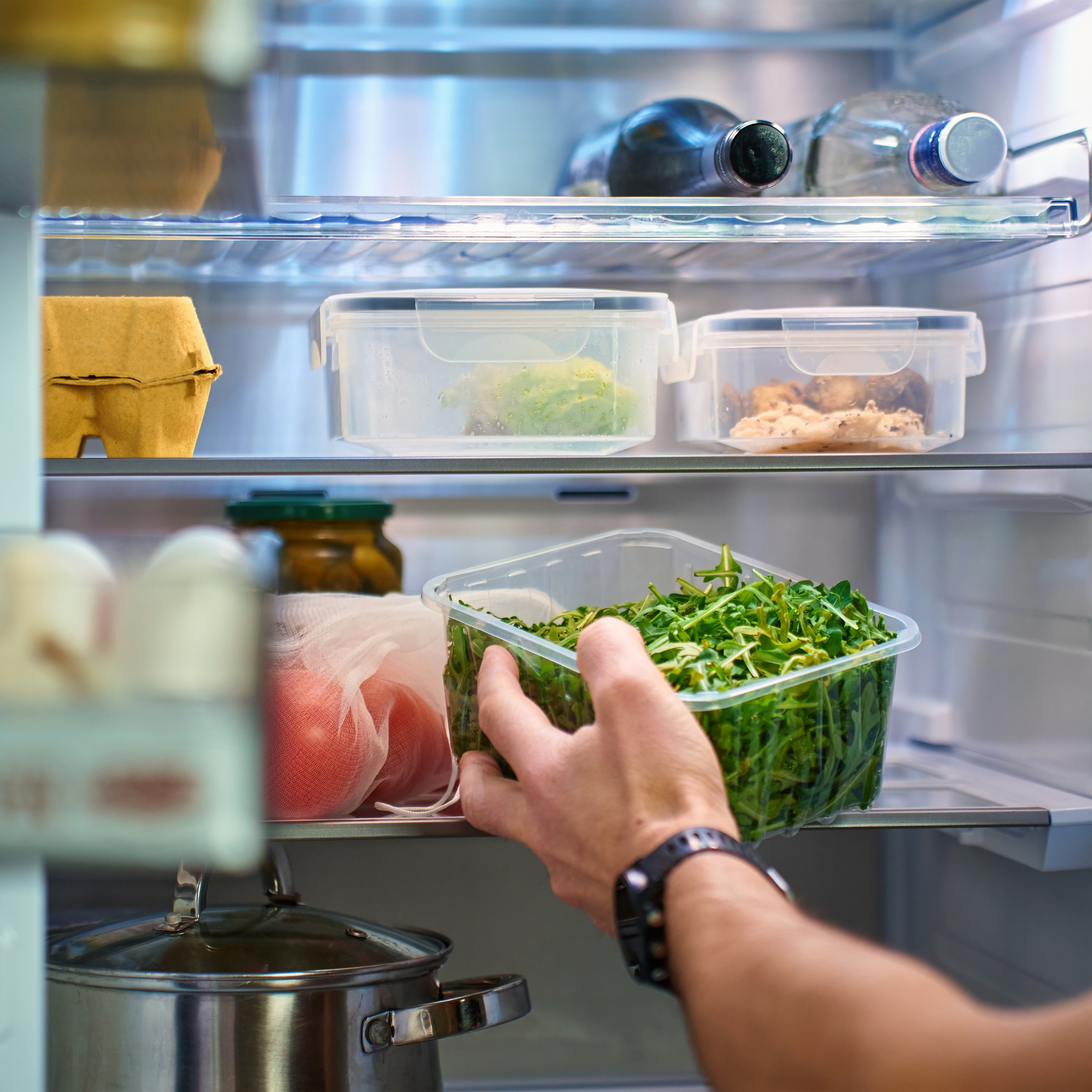
A hand places a clear container of fresh leafy greens into a stocked refrigerator among eggs, leftovers, produce, and bottles, conveying everyday meal prep.
If stored properly in the fridge, leftover ulam can still be as good as when you made it fresh!

Oftentimes, Filipino food is served in excess, and for good reason. Our eating culture revolves around hospitality and preparing enough food to share with however many people coming over and probably a little more. Even if we exclude festivities, maybe you’re meal prepping for the week or you just ended up making too much food that you can’t finish in one sitting. At that point, leftovers in your refrigerator are guaranteed.

And yes, there is such a thing as leaving it in the fridge for too long. It’s important to understand which dishes can be stored in the fridge and how long they respectively last in there without losing their taste, nutrients, and essence overall. Here’s five considerations to keep in mind so that you don’t end up wasting your ulam.

1. Let Your Ulam Cool Down First

At what temperature you store your food can already dictate how long or how short it can last.

Before you can even consider putting any dish inside your refrigerator, you must wait until your food has completely cooled down. This is especially the case if you are putting larger amounts of food as it can lead to them spoiling much faster. At the very least, leave it out for around 20 to 30 minutes before placing it inside the fridge.
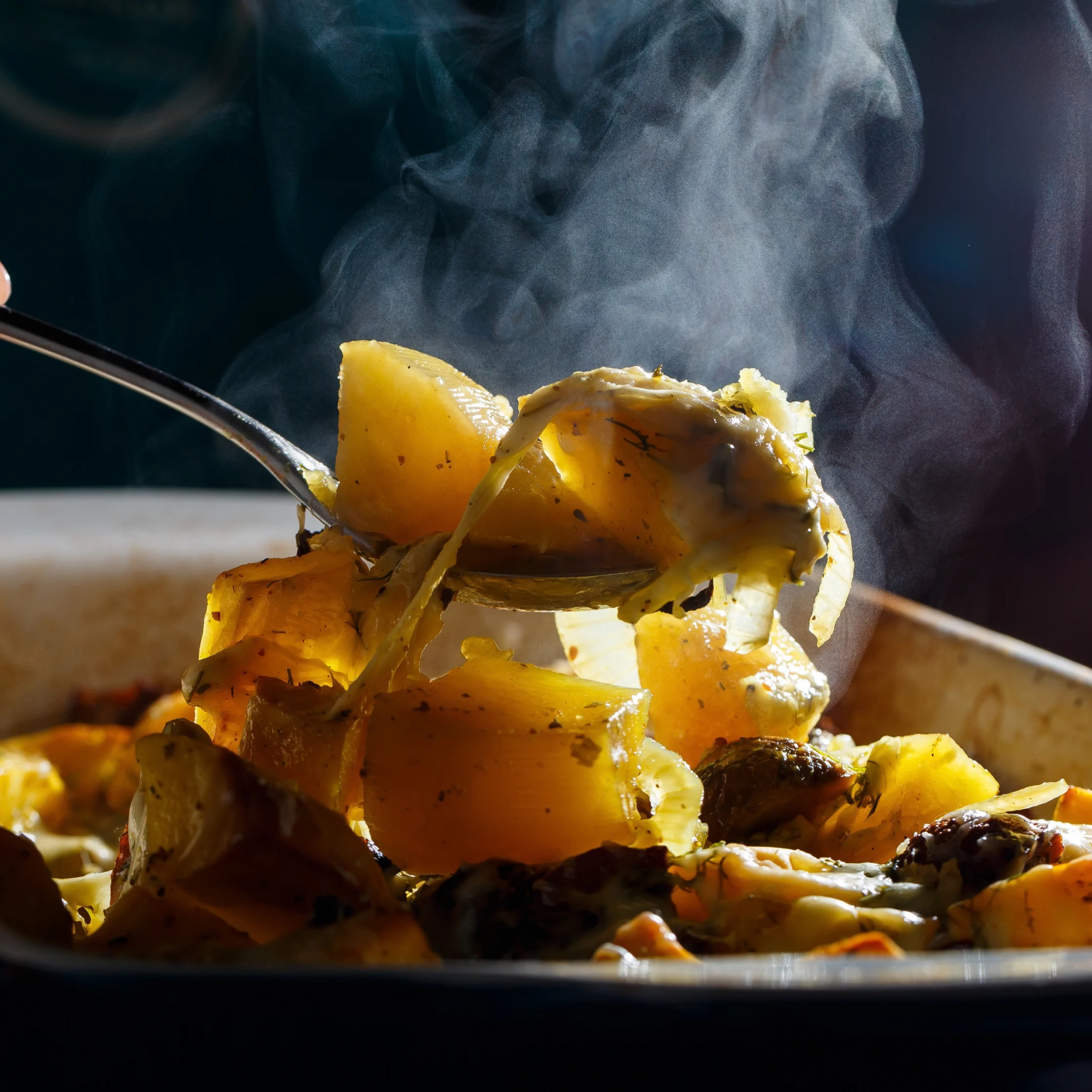
A spoon lifts tender golden potato chunks and vegetables from a pan, with steam curling upward; warm light evokes a cozy, freshly cooked meal.
Cool down your ulam first before storing it in the fridge.

2. Use Dry Containers

I believe it goes without saying to use clean containers when storing food in the fridge or to make sure they are covered. Some prefer using airtight containers. In the fridge in my house, we opt to use plates as makeshift lids. 

What I think is worth pointing out is keep your containers dry before you transfer the food. Any excess moisture mixed into your food can lead to bacteria and mold to grow as you leave it in the cold.

Use a clean paper towel or rug used to clean your kitchen and tableware and thoroughly wipe off any moisture that may have come from freshly washing it.
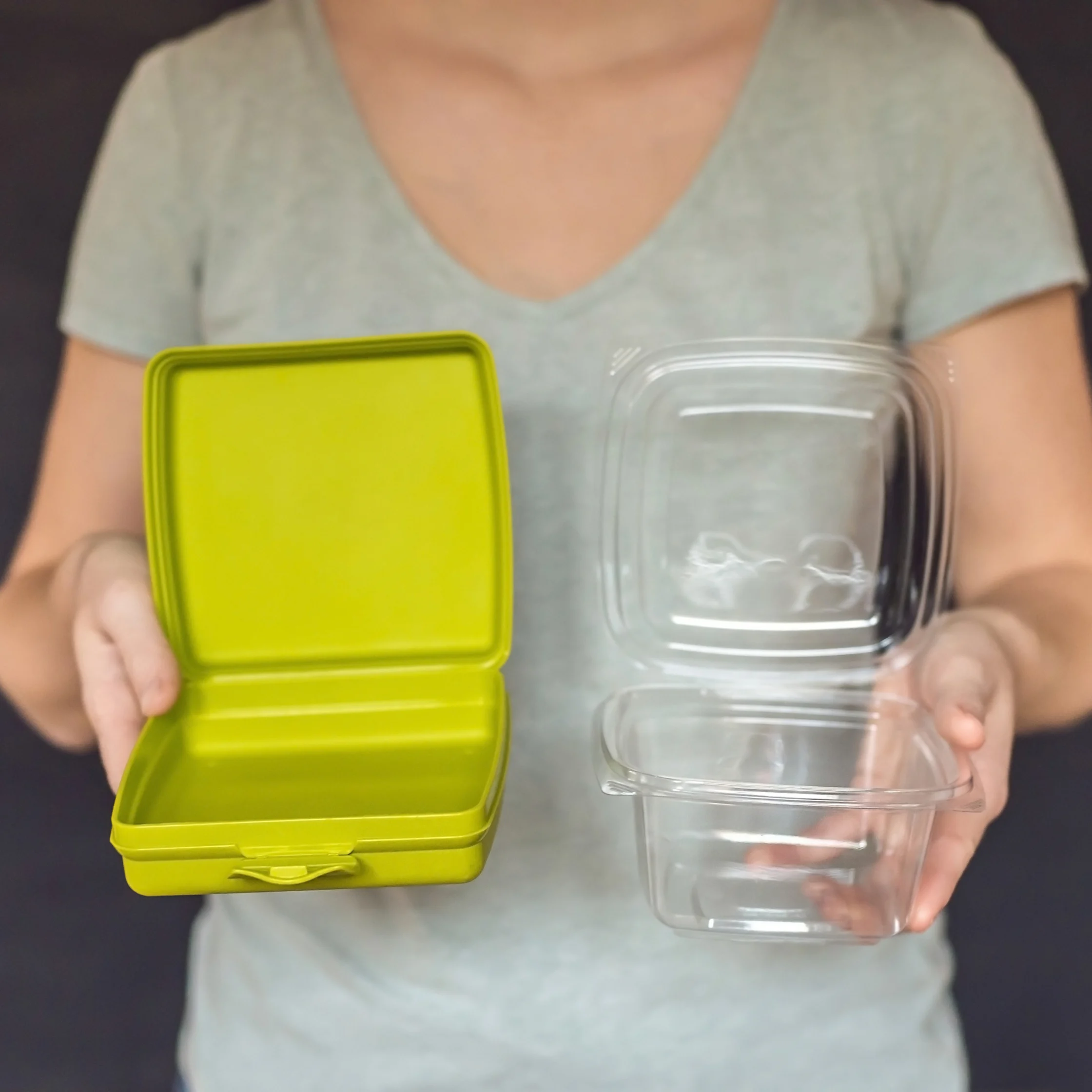
Make sure your food containers are dry to avoid any mold or bacteria to grow while in the fridge.

3. Fried Food Will Lose Their Crunch

While it is in theory possible to store any fried foods like lumpia or Pinoy fried chicken in the fridge to lengthen its shelf life, you risk losing the texture it is so well known for having. Placing any food in the fridge that has been pan or deep fried is a sure-fire way to lose its signature crispness because of all the moisture. 

If you can help it, consume it within the first few hours after cooking it.

If you are meal prepping, you can either prioritize eating your meals with fried foods first before the other prepared meals or consider a different cooking method altogether.

If you really insist on placing your fried ulam inside the fridge, they can last 3 to 4 days. Your best chance to revive them is by reheating it using an oven or an air fryer.
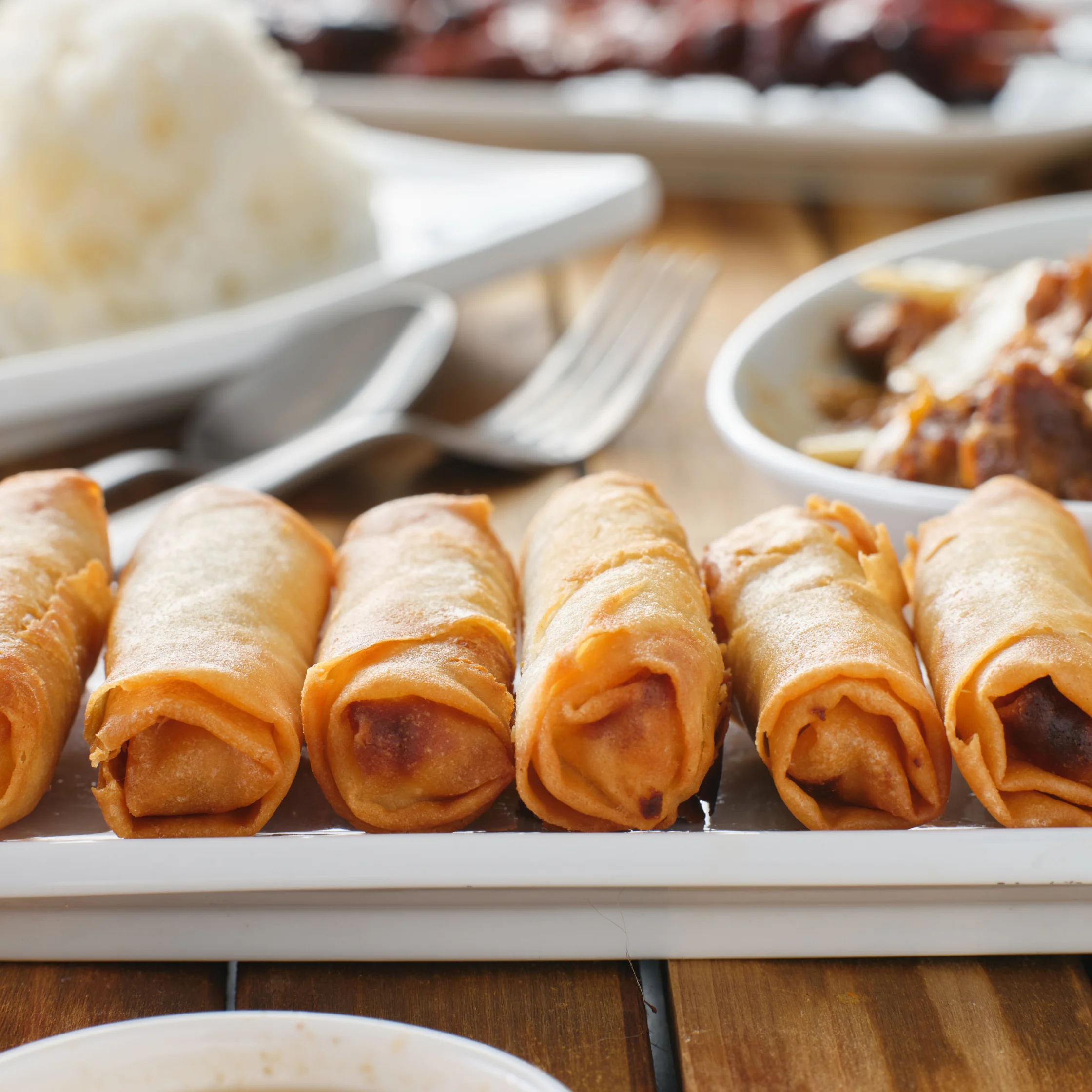
Golden, crispy spring rolls line a white platter, with rice and dipping sauce in the background, creating a warm, inviting meal scene.
While fried food can be stored for 3 to 4 days in the fridge, it risks losing its crunch.

4. Vegetables Will Not Last Long

How long a dish can actually last in the fridge entirely depends on which ingredients were used to make it. Some ingredients fare better even after being cooled and reheated, while others not so much. 

If you’d ask my mother, she’d say you can’t store sinigang in the fridge, point blank. And her stance isn’t without some merit. 

Dishes that have a lot of vegetables like sinigang or nilaga should theoretically be okay to be left in the chiller for 2 to 4 days. If you leave the whole batch in the freezer, it can last up to one week. Your biggest problem would be the vegetables like leafy greens as they turn slimy after only the first or second day. 

Regardless if you choose to store them in the chiller or in the freezer, you can try separating the vegetables and just cooking new leafy vegetables for when you reheat them.
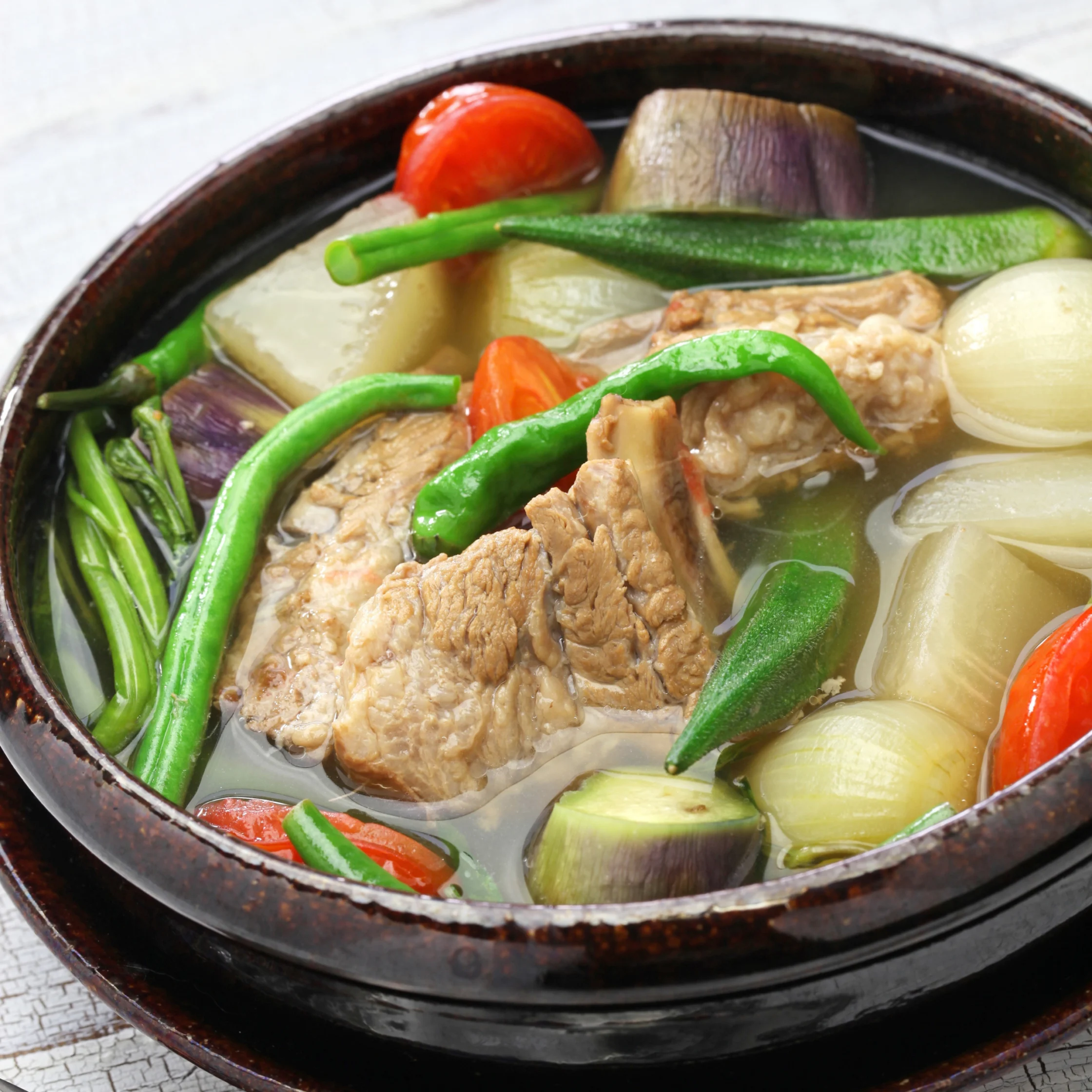
Cooked vegetables risk turning mushy when stored in the fridge for extended periods of time.

5. Consider The Protein

Your choice of protein is another thing that can dictate how long it can last being stored in the refrigerator. 

Dishes that include cooked poultry like (chicken, turkey, and duck) and cooked red meat (beef and pork) can last up to 3 to 4 days. On the other hand, dishes made using cooked ground meat lasts only 1 to 2 days in the chiller and is recommended to be frozen instead.  

Seafood (fish and shellfish) is much more delicate, so it’s best to store it for only 2 to 3 days, 4 days should be the maximum. 

Other common proteins you might be storing in your fridge like hard boiled eggs and beans or lentils can last up to a week and 3 to 5 days respectively.
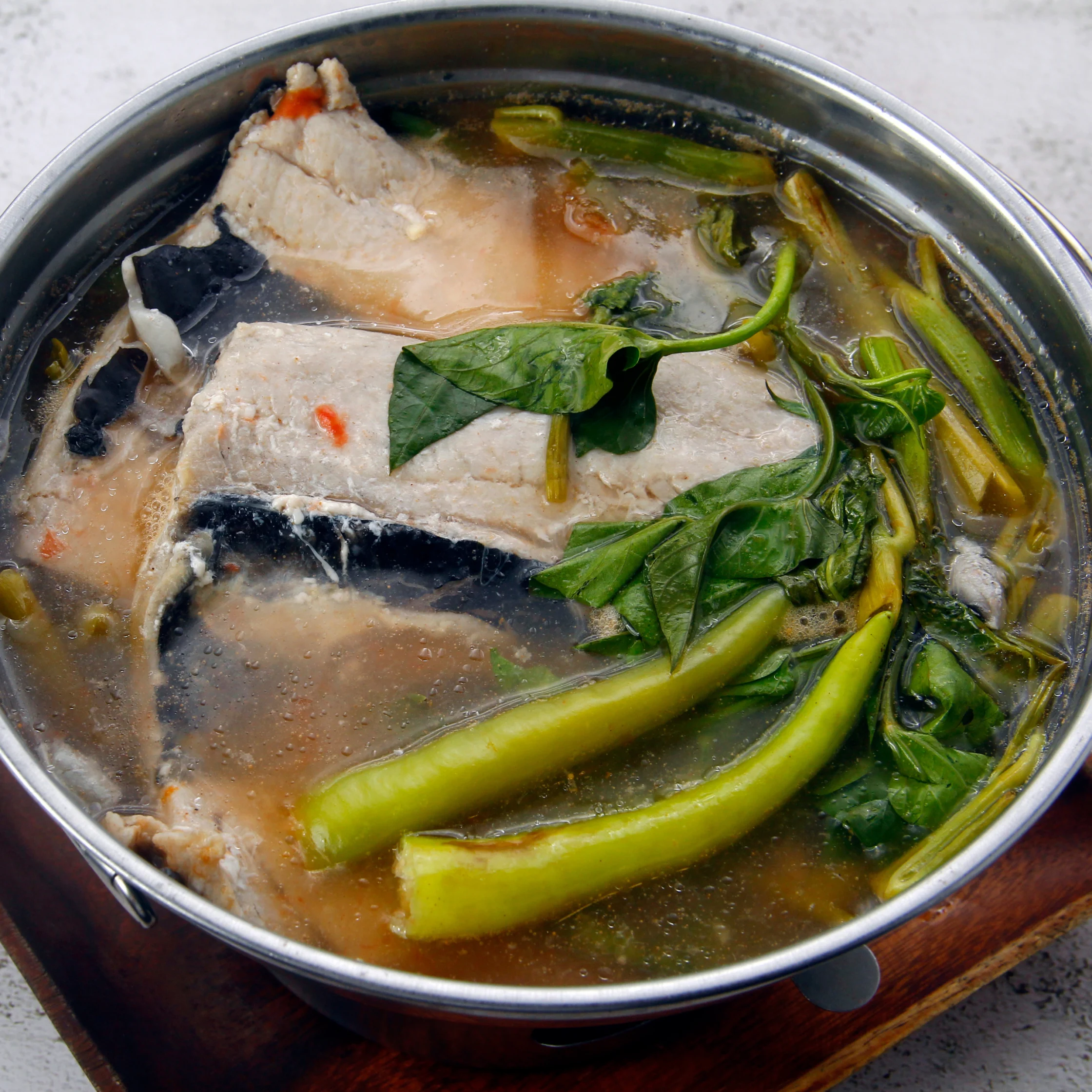
A stainless-steel pot holds clear brown soup with pale fish pieces, leafy greens, and long green stems, evoking a hearty, comforting meal.
Not all cooked proteins last in the fridge for the same duration.

6. Vinegar Dishes Thrive In The Cold

On the same topic of certain ingredients determining how well they store in the fridge, vinegar becomes your best friend when it comes to lengthening the shelf life of your food as it is a natural preservative. And luckily, it’s a staple of many Filipino dishes. 

When storing any adobo or paksiw dishes, they should be able to last 5 to 7 days in your fridge. If anything, they taste just as good or sometimes even better after you reheat them!
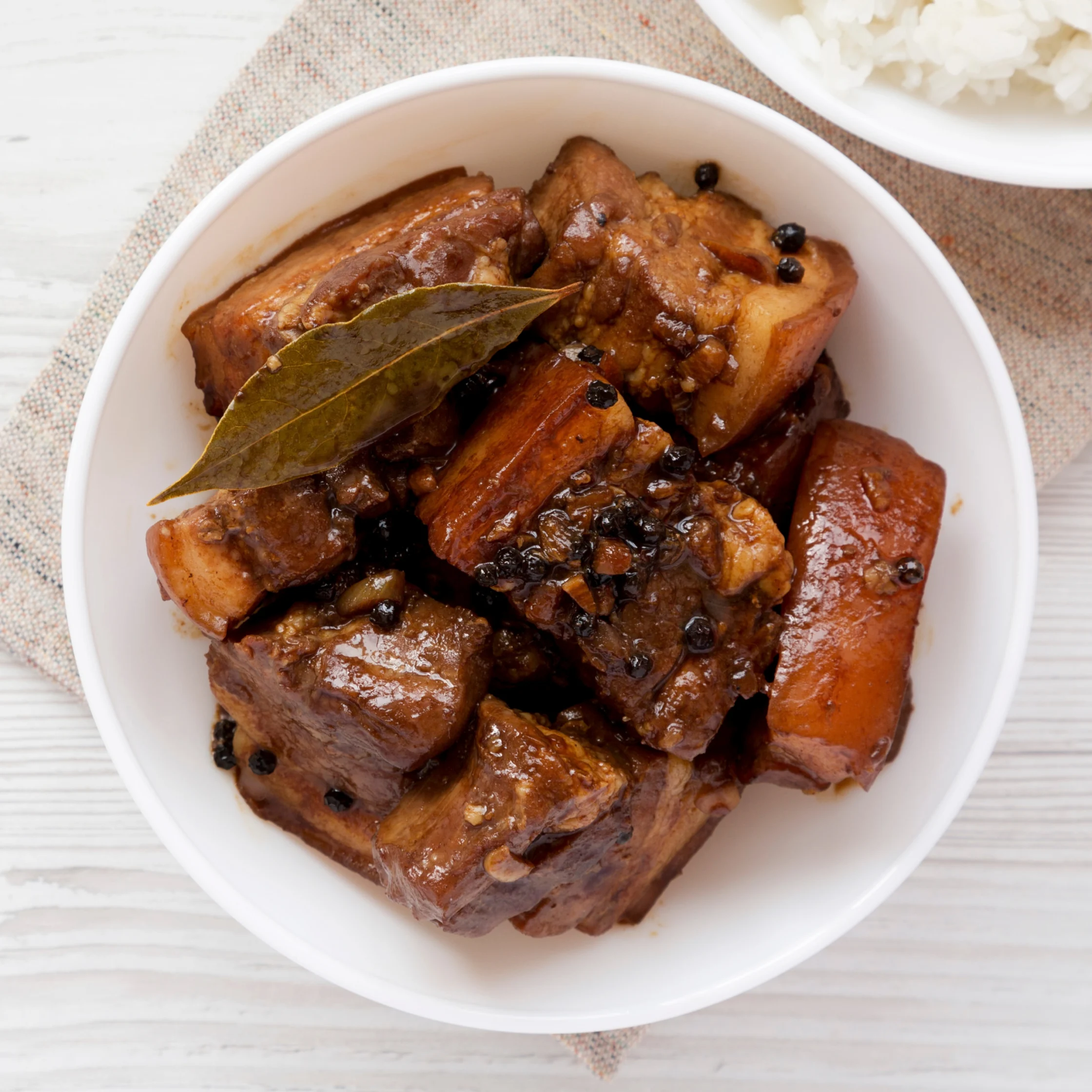
A white bowl of glossy braised pork belly in dark sauce, topped with bay leaves and peppercorns, sits beside white rice for a hearty, comforting meal.
Any dish made with vinegar fares very well in the fridge.
author avatar
Laura Mendoza Writer
Laura admits that she is a slow eater. She prefers to take her time with the food she likes to eat and the stories she wishes to write. Having graduated with a Creative Writing degree, she comes from a background in writing fiction and poetry. Because of this, she has set herself on a creative mission to explore and delve into what other modes and channels exist for stories and narratives to be told, expressed, and shared with others. For Laura, food as a medium is an exciting proposition. Behind every dish, every ingredient, and every cooking technique, there lies a history worth discussing, a human being worth listening to, a lived experience worth gleaning from. As a means to satiate her appetite for learning about and understanding new and known things, she aims to be the kind of food writer who is approachable, reliable, and personable to readers.

Frequently Asked Questions

You can technically store fried food inside the fridge and it would last 3 to 4 days. You just run the risk of losing the crispiness and crunch fried food is known for.

If you really insist in doing this, its recommended to reheat it using either an oven or an air fryer.

author avatar
Laura Mendoza Writer
Laura admits that she is a slow eater. She prefers to take her time with the food she likes to eat and the stories she wishes to write. Having graduated with a Creative Writing degree, she comes from a background in writing fiction and poetry. Because of this, she has set herself on a creative mission to explore and delve into what other modes and channels exist for stories and narratives to be told, expressed, and shared with others. For Laura, food as a medium is an exciting proposition. Behind every dish, every ingredient, and every cooking technique, there lies a history worth discussing, a human being worth listening to, a lived experience worth gleaning from. As a means to satiate her appetite for learning about and understanding new and known things, she aims to be the kind of food writer who is approachable, reliable, and personable to readers.

Soup dishes like sinigang can last 2 to 4 days in the fridge.

Do take note that while the meat and the broth should be fine within that duration, the cooked vegetables will becomes mushy within the first day or so. Consider storing the sinigang without the vegetables and just adding new ones whenever you reheat it.

author avatar
Laura Mendoza Writer
Laura admits that she is a slow eater. She prefers to take her time with the food she likes to eat and the stories she wishes to write. Having graduated with a Creative Writing degree, she comes from a background in writing fiction and poetry. Because of this, she has set herself on a creative mission to explore and delve into what other modes and channels exist for stories and narratives to be told, expressed, and shared with others. For Laura, food as a medium is an exciting proposition. Behind every dish, every ingredient, and every cooking technique, there lies a history worth discussing, a human being worth listening to, a lived experience worth gleaning from. As a means to satiate her appetite for learning about and understanding new and known things, she aims to be the kind of food writer who is approachable, reliable, and personable to readers.

It’s because of the vinegar! Because it is a natural preservatives, dishes like adobo and paksiw na baboy not only fare well when stored in the fridge, but they taste just as good even after reheating.

author avatar
Laura Mendoza Writer
Laura admits that she is a slow eater. She prefers to take her time with the food she likes to eat and the stories she wishes to write. Having graduated with a Creative Writing degree, she comes from a background in writing fiction and poetry. Because of this, she has set herself on a creative mission to explore and delve into what other modes and channels exist for stories and narratives to be told, expressed, and shared with others. For Laura, food as a medium is an exciting proposition. Behind every dish, every ingredient, and every cooking technique, there lies a history worth discussing, a human being worth listening to, a lived experience worth gleaning from. As a means to satiate her appetite for learning about and understanding new and known things, she aims to be the kind of food writer who is approachable, reliable, and personable to readers.

Any airtight plastic or glass container should work. Some also opt to use a plate to cover the food while in its original bowl or other tableware.

What is important is to make sure it is clean and it is dry before you transfer the food. Excessive moisture can lead to mold and bacterial growth to occur being inside the fridge.

author avatar
Laura Mendoza Writer
Laura admits that she is a slow eater. She prefers to take her time with the food she likes to eat and the stories she wishes to write. Having graduated with a Creative Writing degree, she comes from a background in writing fiction and poetry. Because of this, she has set herself on a creative mission to explore and delve into what other modes and channels exist for stories and narratives to be told, expressed, and shared with others. For Laura, food as a medium is an exciting proposition. Behind every dish, every ingredient, and every cooking technique, there lies a history worth discussing, a human being worth listening to, a lived experience worth gleaning from. As a means to satiate her appetite for learning about and understanding new and known things, she aims to be the kind of food writer who is approachable, reliable, and personable to readers.

It is not recommended to store food that is still hot inside the refrigerator and it runs the risks of spoiling even faster. Wait around 20 to 30 minutes for the dish to cool down before putting it inside the fridge.

author avatar
Laura Mendoza Writer
Laura admits that she is a slow eater. She prefers to take her time with the food she likes to eat and the stories she wishes to write. Having graduated with a Creative Writing degree, she comes from a background in writing fiction and poetry. Because of this, she has set herself on a creative mission to explore and delve into what other modes and channels exist for stories and narratives to be told, expressed, and shared with others. For Laura, food as a medium is an exciting proposition. Behind every dish, every ingredient, and every cooking technique, there lies a history worth discussing, a human being worth listening to, a lived experience worth gleaning from. As a means to satiate her appetite for learning about and understanding new and known things, she aims to be the kind of food writer who is approachable, reliable, and personable to readers.
Smiling woman with glasses tilted at an angle, wearing a blue top, against a light background.

Laura Mendoza

Writer

Laura admits that she is a slow eater. She prefers to take her time with the food she likes to eat and the stories she wishes to write. Having graduated with a Creative Writing degree, she comes from a background in writing fiction and poetry. Because of this, she has set herself on a creative mission to explore and delve into what other modes and channels exist for stories and narratives to be told, expressed, and shared with others. For Laura, food as a medium is an exciting proposition. Behind every dish, every ingredient, and every cooking technique, there lies a history worth discussing, a human being worth listening to, a lived experience worth gleaning from. As a means to satiate her appetite for learning about and understanding new and known things, she aims to be the kind of food writer who is approachable, reliable, and personable to readers.

0 0 votes
Total of Ratings
guest
Rating
Ratings for Article
0 Comments
Oldest
Newest Most Voted

To provide a customized ad experience, we need to know if you are of legal age in your region.

By making a selection, you agree to our Terms & Conditions.