

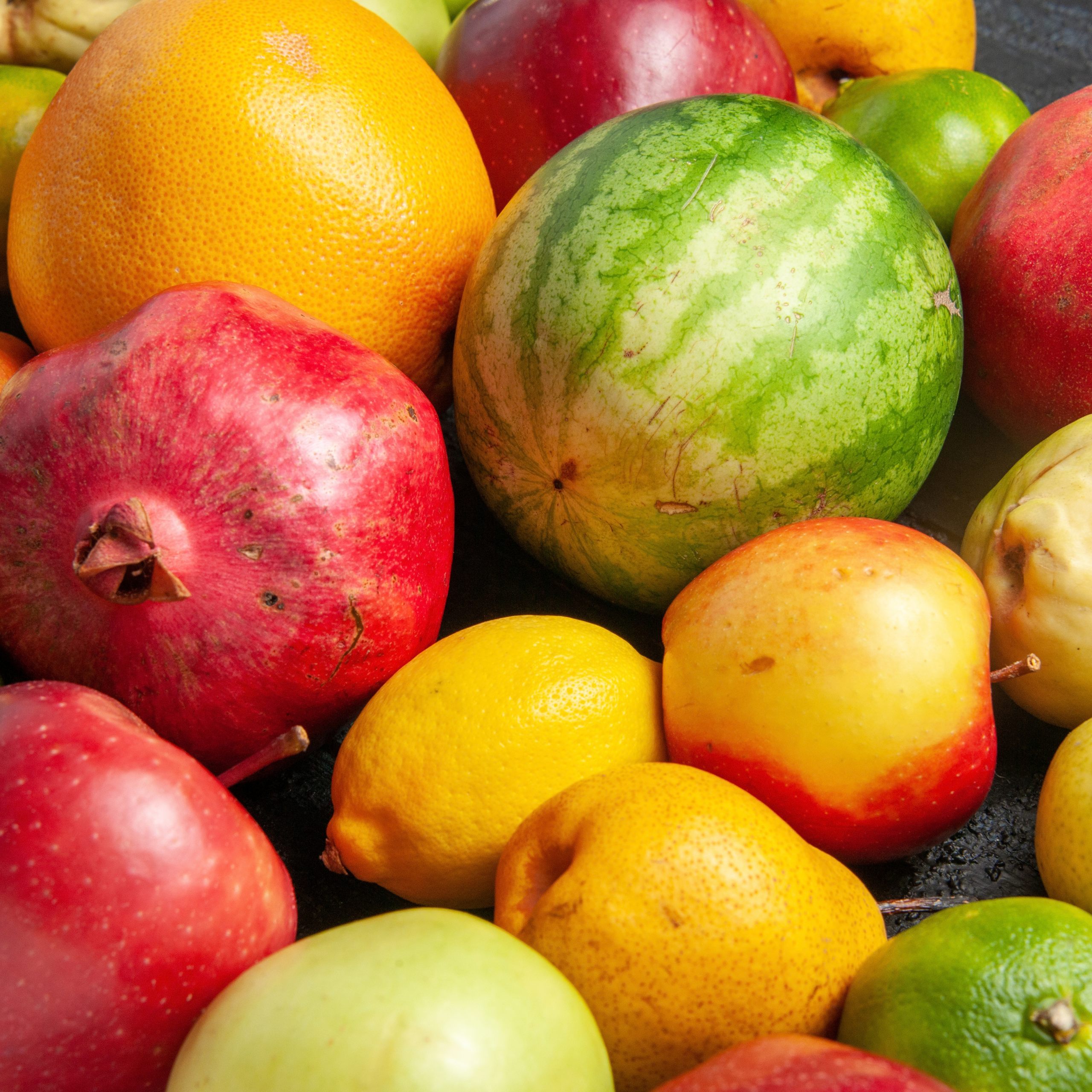
When you’re at the palengke or at the grocery store, you are faced with several piles and rows of fruits to choose from. It’s all up to you to choose which one you commit to putting in your shopping basket. Bring home the wrong one, and you’re stuck with a rock-hard pineapple or a mushy mango.
We’ve all made the mistake of bringing home a piece of fruit that looked great on the outside, only to cut it open and find out it’s completely underripe, or worse, starting to rot.
Picking the right fruit takes a bit of know-how, but there are many different signs and hacks you could learn and bring with you on your next grocery run.
In no particular order, here’s a list of nine common fruits and the ways you can tell if they are ripe, underripe, and overripe.
1. Atis
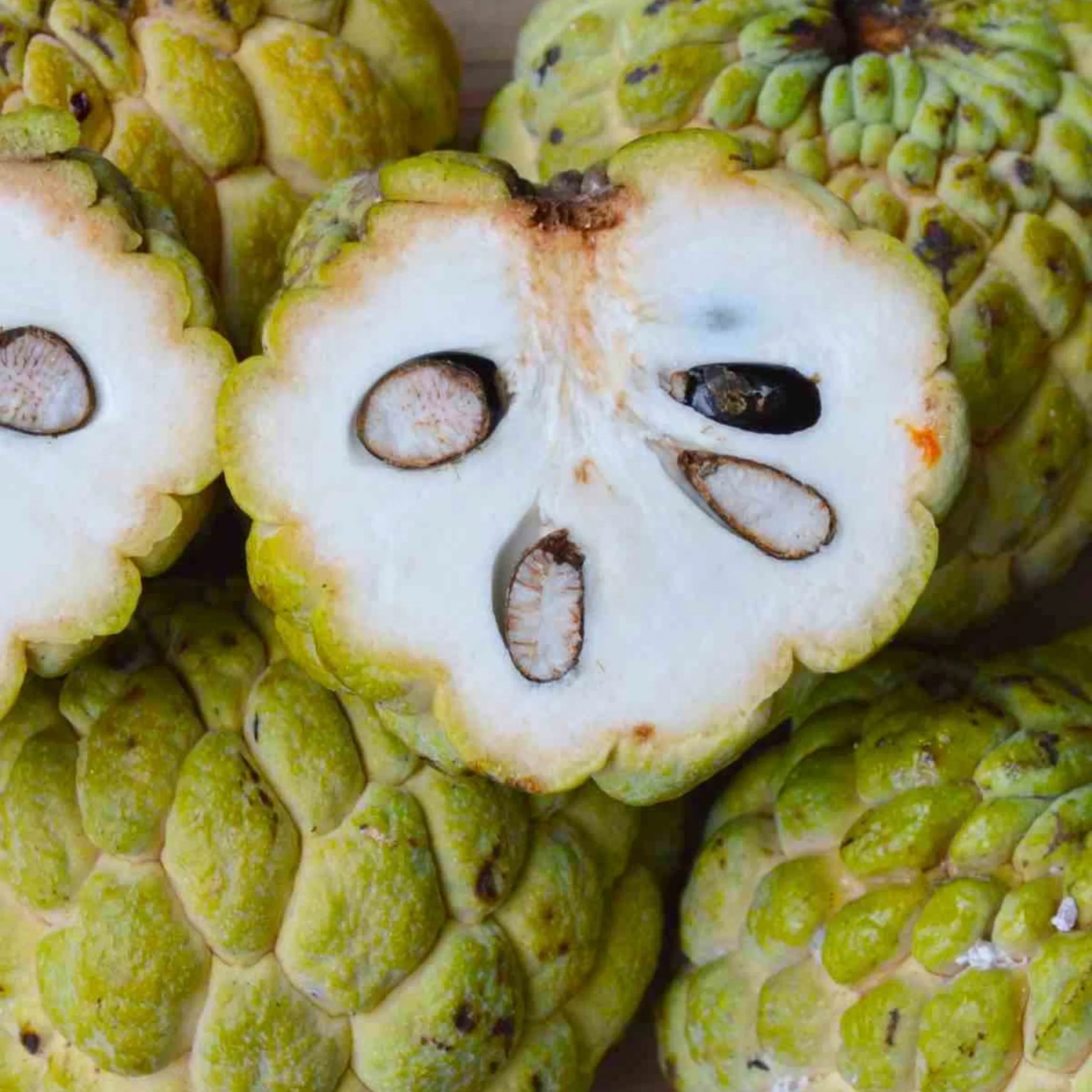
Many Filipinos know and love it as atis, while others might know it more as a sugar apple, sweetsop, or custard apple. As a kid, I remember this being a special, sweet treat I would only eat every once in a while.
The way to tell if atis is ripe is by gently pressing against it. If it’s soft on all sides, especially near the crown of the fruit, that’s a good sign that it’s ready to be eaten.
Another easy tell is if the scale-looking skin looks like its segmenting or beginning to spread apart.
An unripe atis will look very green, feel very hard, and will almost feel like a rock as it will be completely unyielding to pressure. Conversely, you’ll know if your atis is overripe if its overly soft and mushy.
2. Guyabano
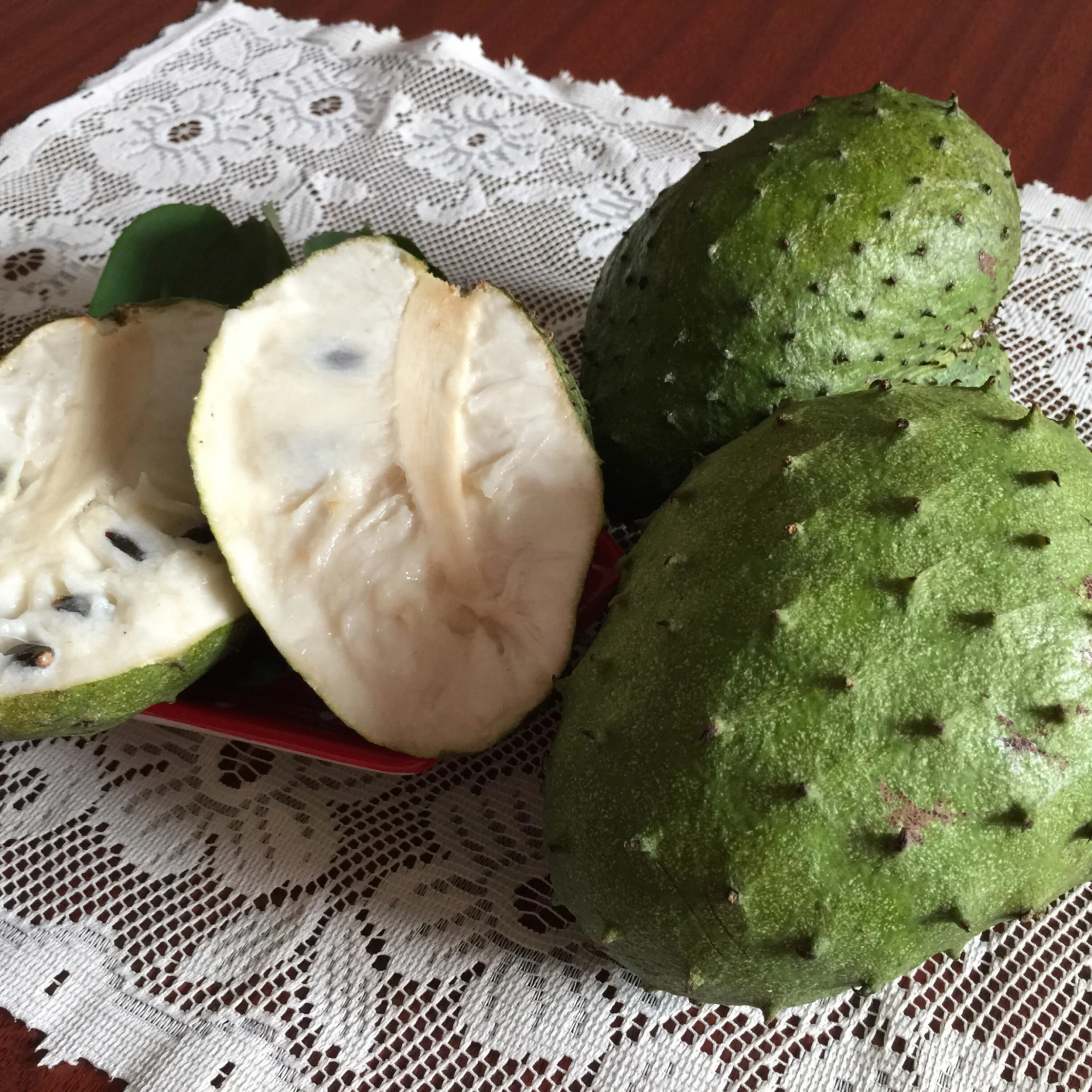
The best way I personally enjoy eating guyabano or soursop is by making it into a shake or smoothie. But if even one unripe guyabano gets into the mix, the drink doesn’t live up to its full potential.
The first thing to know is that you shouldn’t just go by the spikes. While having soft spikes is a better indicator of ripeness compared to hard spikes, those same soft spikes will stay the same shape as the guyabano ripens. Instead, look out for the change in color, how it smells, and how it feels when you press into it.
If your soursop has a deeper, slightly waxy green color, then hold off from cutting it up. A ripe one will look more dull and may have a faint yellow-green tint on the skin underneath the spikes. But make sure you don’t stop there.
Pressing down on the fruit is another easy way to find out if it’s ripe or not. If you end up leaving a dent, that means it’s clearly overripe. But if it can hold its shape but still feel soft and springy, that means it’s ripe.
Lastly, if you hold up the stem end to your nose, it should have a faint tropical, slightly sweet smell. If you can smell anything for that matter, that means the fruit is close to or already ripe.
3. Langka
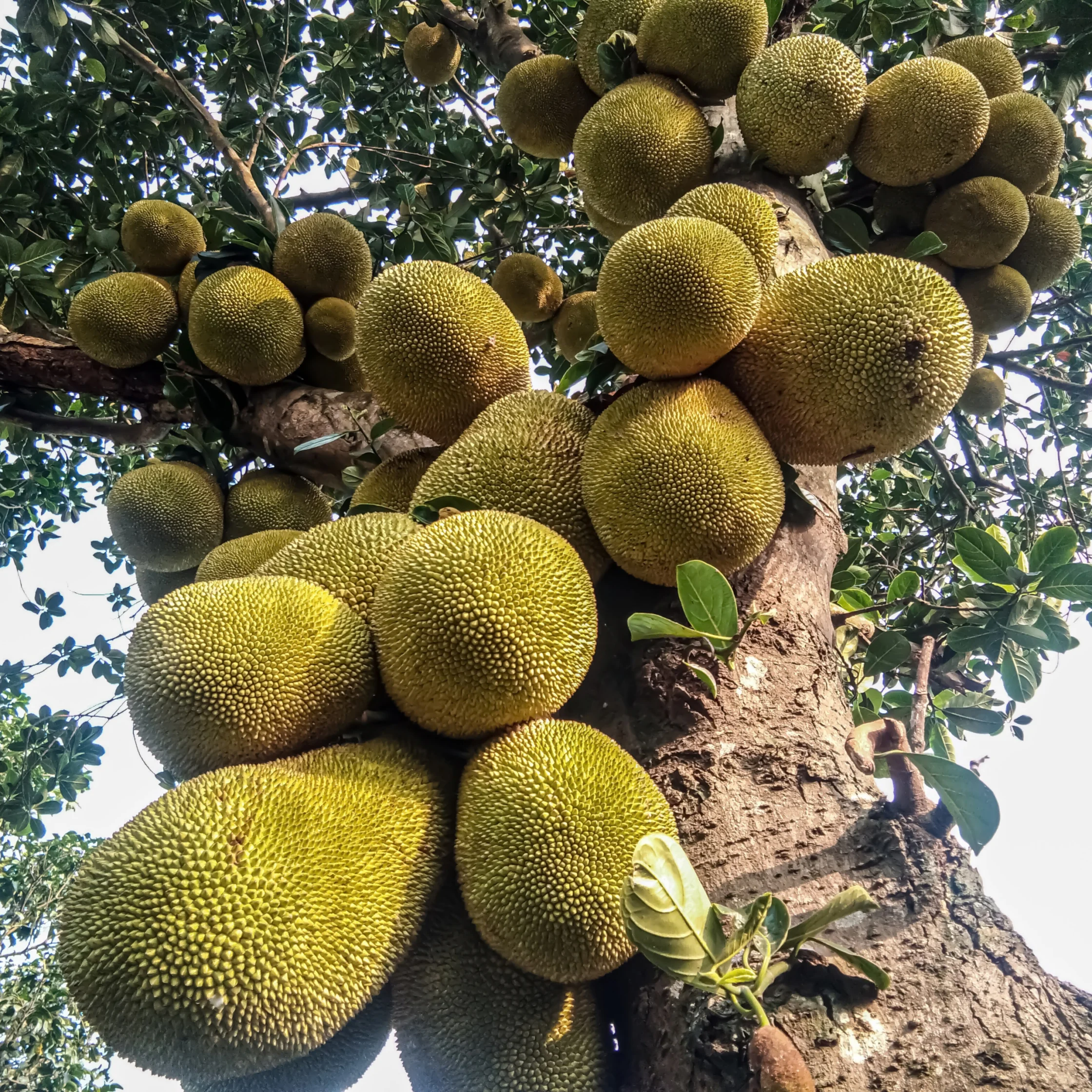
Jackfruit or langka is one of those tricky fruits in the sense that you can only know for sure if it’s at best overripe or at worst rotting by cutting it open. We were given a big jackfruit as a gift by our neighbors not too long ago, and it felt disheartening when we cut it up, only to have portions of the fruits unusable.
There are many signs you can watch out for even before you reach for your knife. It all goes back to our senses. It should have a more sweet, fruity smell. Any trace of a more pungent smell means it’s gone overripe. Looking at its color, the outer shell should have a yellowish-green or brownish-look. Any greener, it’s not ready. Any darker or browner, it’s on its way to going bad.
When trying to apply pressure onto it, you should look out for two things. First, it should have some give, but not too much. Second, if the spikes feel sharper, that means they’re “newer”. Go for jackfruits that have flatter spikes.
4. Lanzones
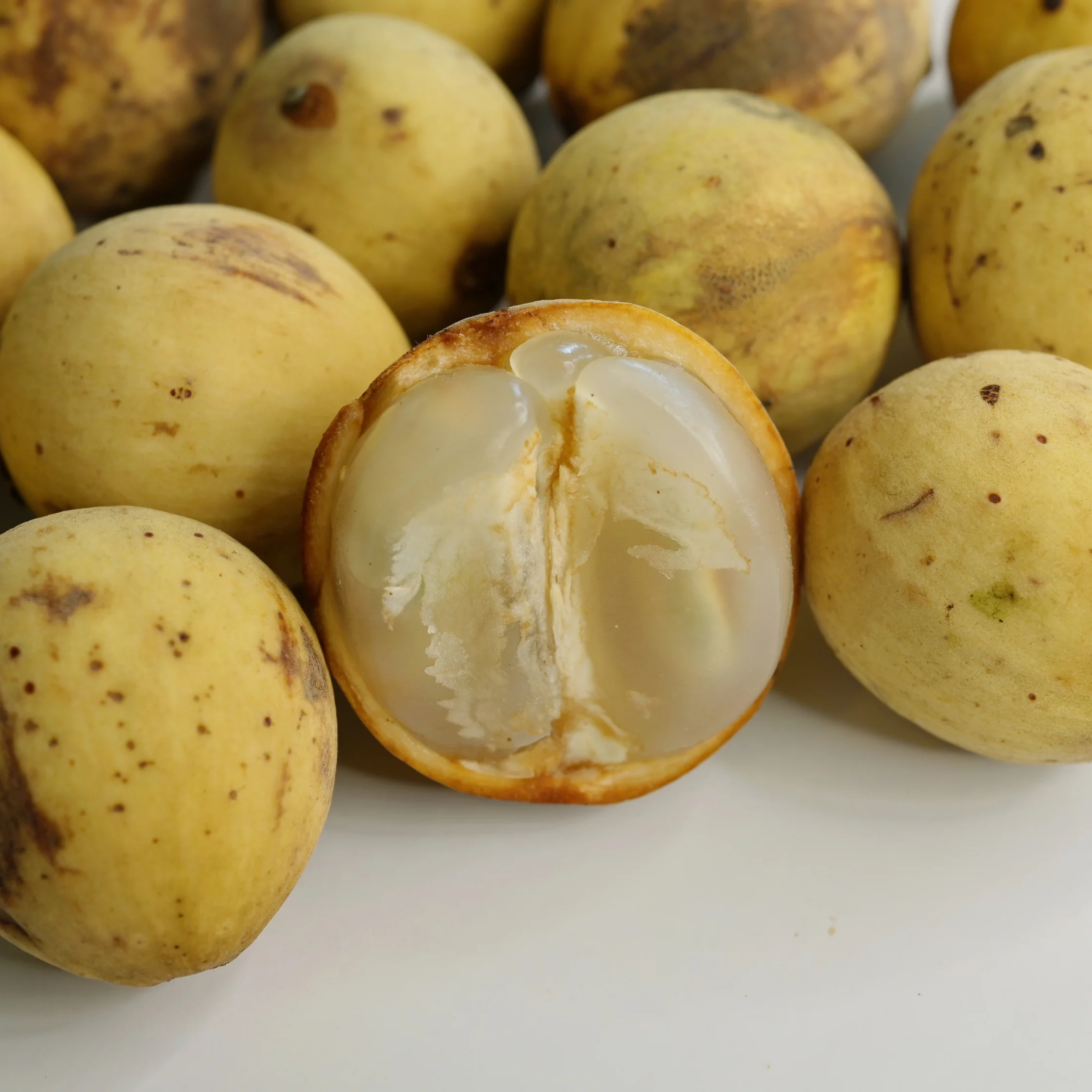
Recently, I’ve been trying to accompany our helper, Ate Julie, to the Commonwealth Market to help pick out and carry all the meats, fish, and produce we need for the oncoming week. She cheekily asked one of the vendors for a single piece of lanzones for free “just to have a taste.” Funnily enough, she ended up regretting it as it wasn’t sweet enough for her liking.
Maybe she could have better checked if there were any green remnants either on the skin or on its stem, or if it had the brownish-yellow color that it’s known for when it’s ripe. Another detail that would have helped was if she spotted any visible dark specs, which would have told her it was going to be on the sweeter side.
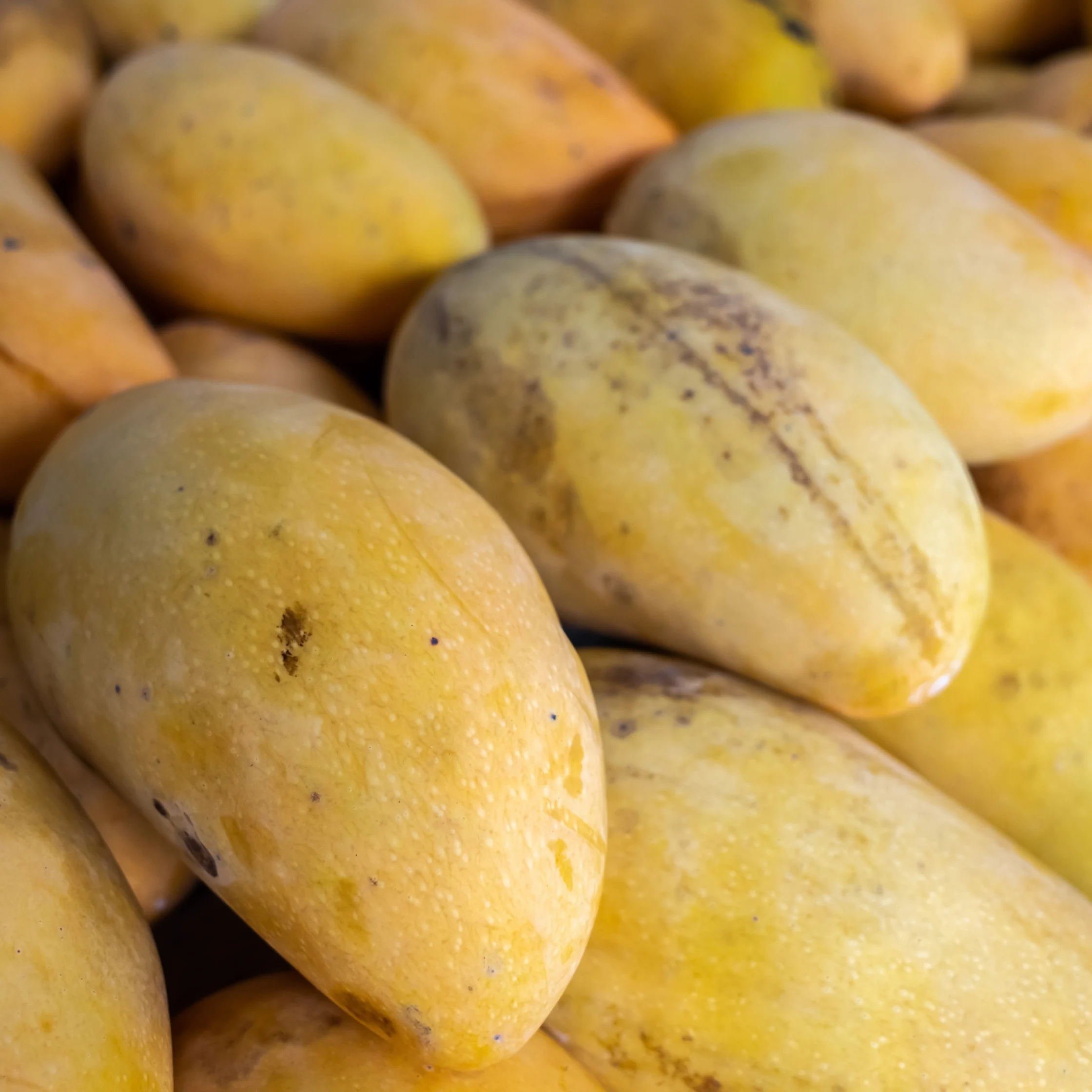
5. Mangga
Mangoes are one of my favorite fruits of all time. So I’d like to think I know a thing or two about when it’s ripe enough to enjoy. In terms of looks, you should be looking for a bright yellow, almost golden color. Slight wrinkles are also a great sign that you have an ultra-sweet mango in your hands.
Another thing you could do is give it a good squeeze as it being slightly soft means it’s fully ripe and good to eat. Lastly, it should have a very sweet fruity smell specifically near its stem.
If your mango is green and rock solid, don’t try to eat it as it is still very much unripe, and it might take a day or two to get there. If it has a lot of dark bruises and feels very mushy, it’s unfortunately gone overripe.
6. Pinya
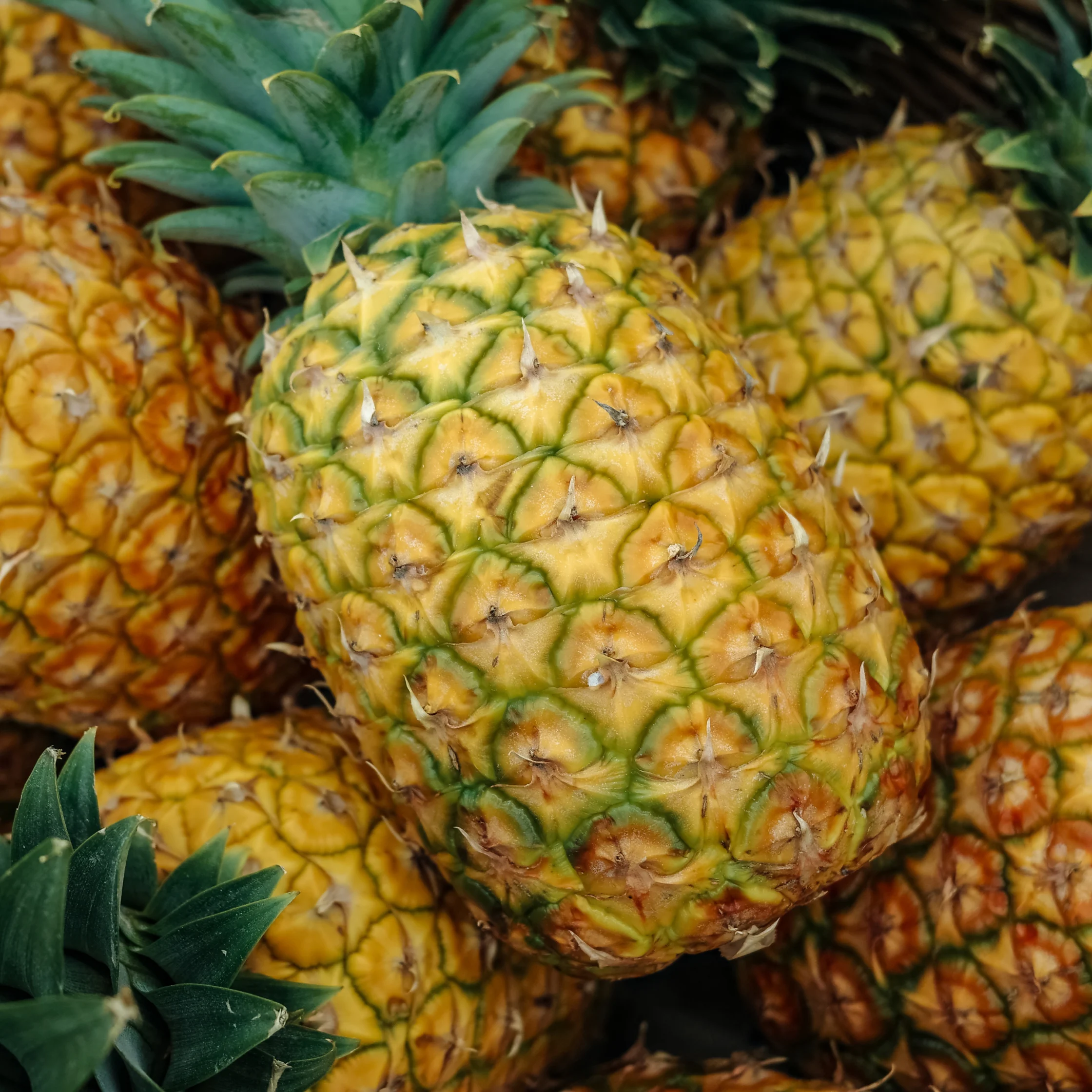
As intimidating as cutting a pineapple may seem, it might be a good idea to learn at exactly what point a pineapple is ripe so that you don’t have to waste any energy prematurely or belatedly cutting it up.
The first thing you can check is how it smells from the bottom of the pineapple. If it smells sweet, that means it’s ready. If it smells somehow fermented, that is a clear sign that it is overripe.
Next, check how it looks and feels. If it’s ripe, the outside skin should look a little bit shiny and be primarily yellow, although a little bit of green should be fine. If you try to squeeze it, it should be firm with a slight give.
Lastly, one trick is to try pulling one of the leaves from its crown. If you can easily pull one out, that means your pineapple is ready to be cut and eaten!
7. Rambutan
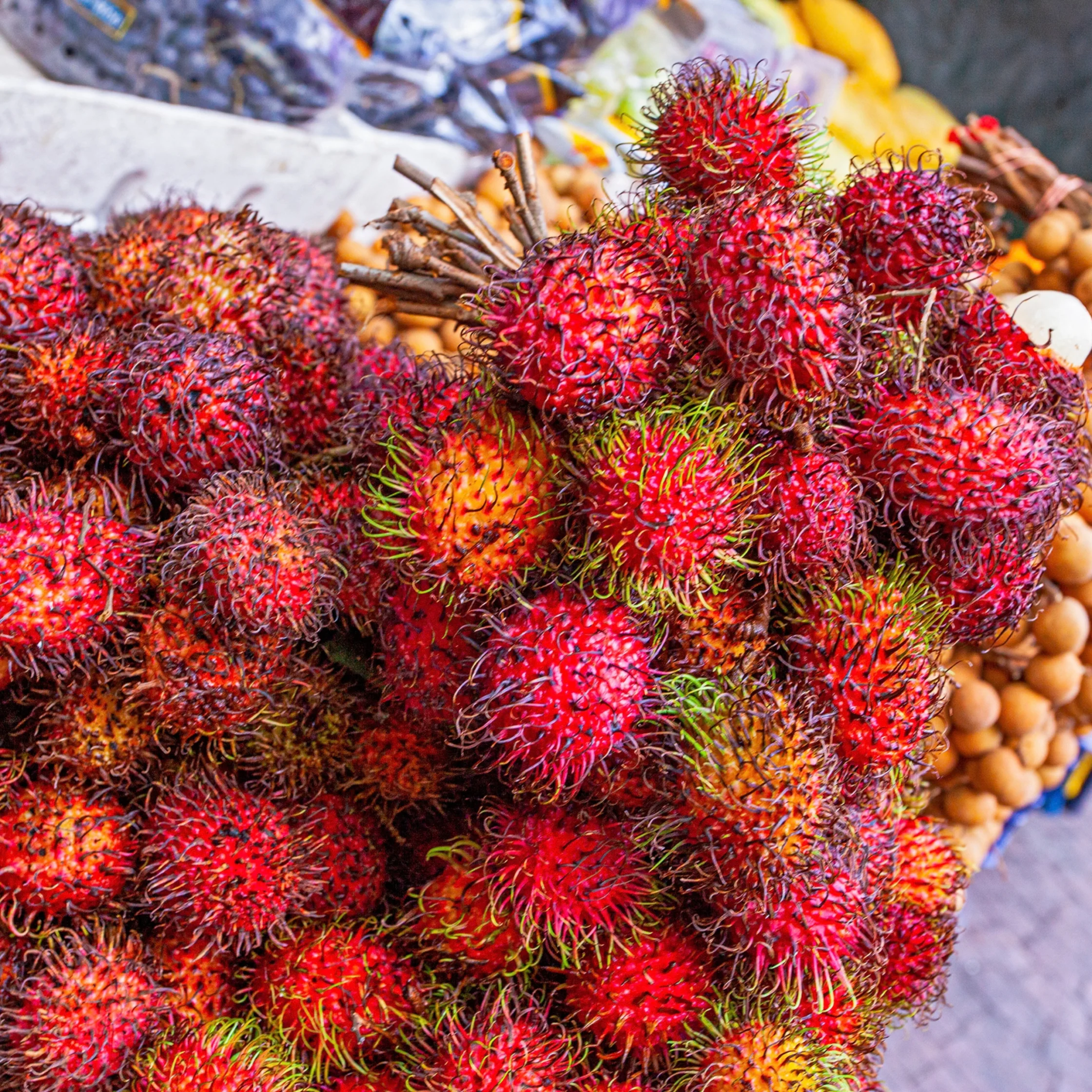
Every time we had rambutan, I always made sure to scrape every last bit of the fruit with my teeth before spitting out the seed. If it was underripe or overripe, this task would have either been much harder or too easy. Either way, the flavor wouldn’t come close to if it were perfectly ripe.
A good, ripe rambutan should be a nice bright red color with fresh-looking tendrils. You can easily tell if a rambutan is overripe if it usually feels lighter when you hold it. This is because the fruit has started to shrink away from the outer shell. The tendrils would also look brown, dry, and so lifeless they’re easy to pull apart.
8. Santol
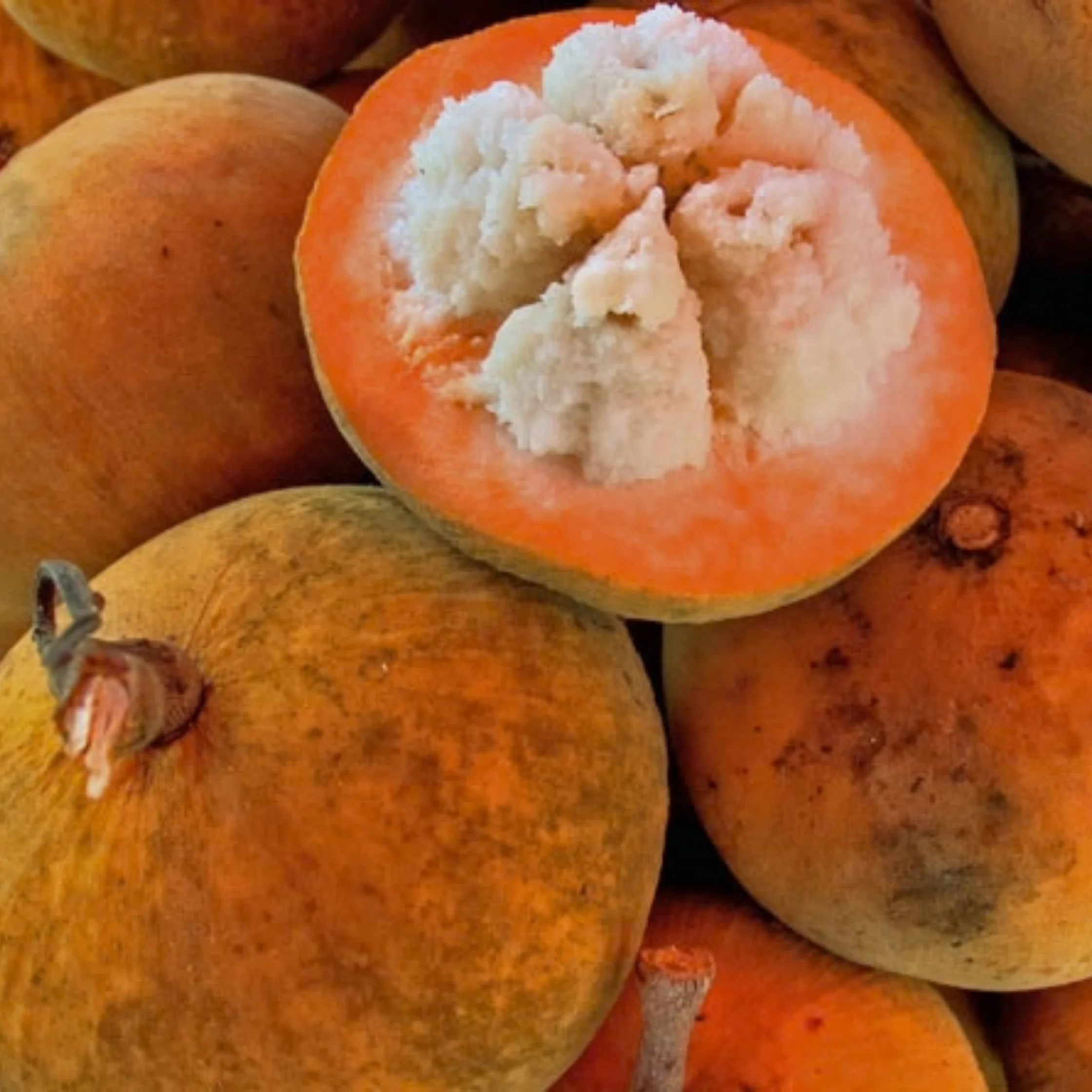
Santol is one of those fruits that (should) ripen on the tree before getting picked. But just in case there are many impatient pickers out there, the main thing you should check is its color. It can vary between being golden brown, deep yellow, or pink-ish red.
So long as it’s not bright green, you’re safe. You could also try smelling it, looking for a slight fragrance to it, or applying a bit of pressure, of which it should only have a bit of a give.
9. Pakwan
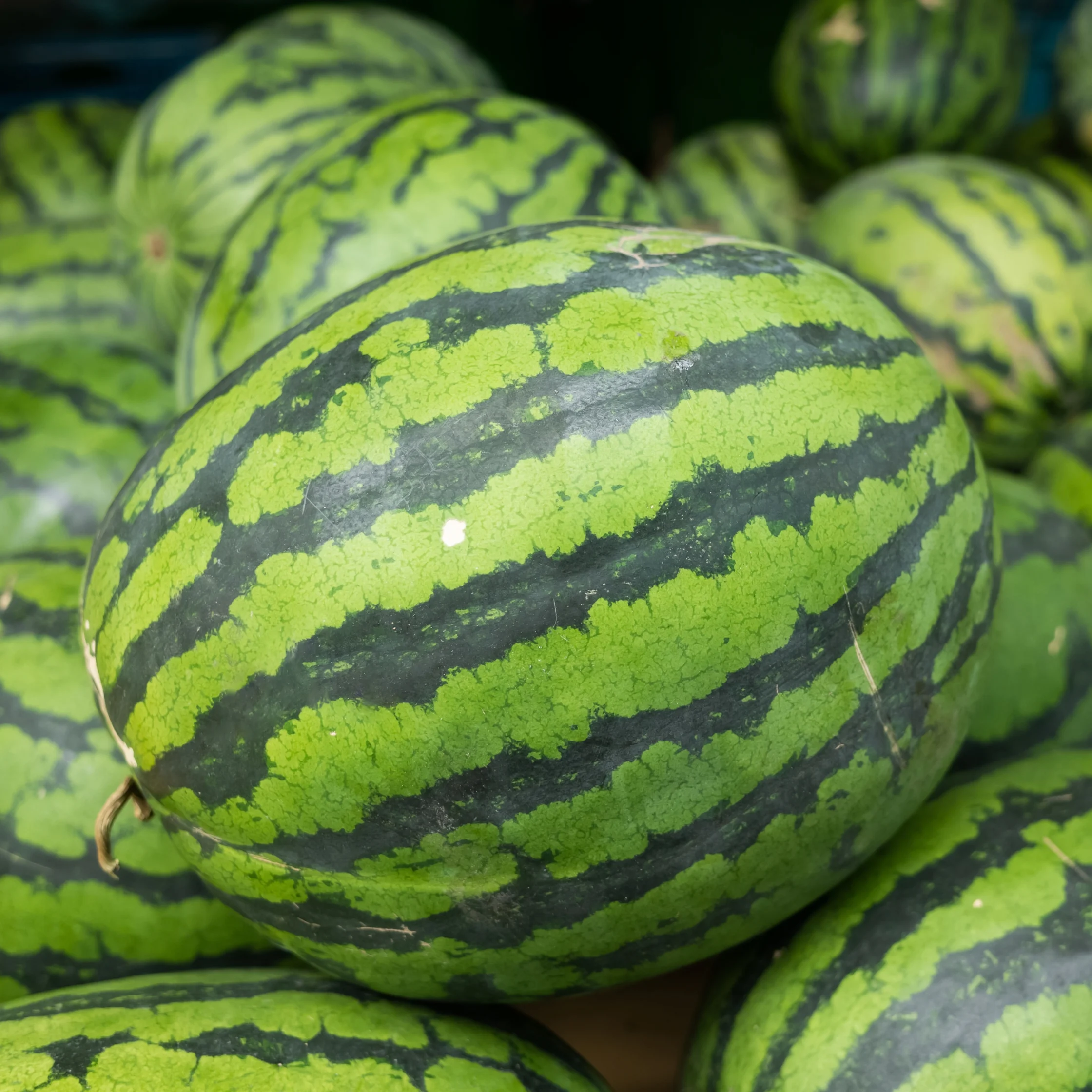
Out of all the methods, I think the watermelon has what I would argue is the most “iconic” way of knowing if it’s ripe or not. By tapping the side with your knuckles, an already ripe watermelon will emit a deep, hollow thud. If you get a high-pitched or dull and flat sound, that means it’s underripe and overripe respectively.

Frequently Asked Questions
A ripe mango should have a bright yellow, almost golden color, sometimes with slight wrinkles (which indicate an ultra-sweet fruit). It should also feel slightly soft when given a gentle squeeze and emit a very sweet, fruity smell near its stem.
You can try pulling one of the leaves from the pineapple’s crown. If it pulls out easily, the pineapple is ready to be cut and consumed. You can also verify this by checking for a sweet smell at the bottom and a firm outer skin with a slight give when squeezed.
An atis is ready to be eaten when it feels soft on all sides—especially near the crown—and when its scale-like skin segments begin to spread apart. An unripe atis will remain very green and hard as a rock.
An already ripe watermelon will emit a deep, hollow thud. A high-pitched sound means it is underripe, while a dull and flat sound means it is overripe.
You shouldn’t rely only on the spikes because while soft spikes are a better indicator of ripeness than hard ones, those spikes stay the same shape as the fruit ripens. Instead, you should check for a dull green-yellow tint on the skin, a soft and springy feel when pressed without leaving a dent, and a faint tropical, sweet smell near the stem.