

An all-too-familiar dilemma we face after every big family celebration or any party is bringing home more than a few pasalubong containers.
Even growing up in a family of six, we still found ourselves not being able to finish everything all at once when we got home, leaving us no choice but to store them in the fridge.
And while keeping them in the cooler can buy you a few days, freezing was the next obvious solution to extend their lifespan. But when exposed to sub-zero temperatures, not all dishes react the exact same way, Filipino desserts included.
Because a lot of our traditional sweets rely heavily on varying starch structures, fats, and moisture levels, freezing can yield vastly different results.
Instead of making it a guessing game of whether it will come out of your freezer as a perfectly preserved treat or a hard, watery, or grainy shell of what it used to be, here’s a quick guide on which Filipino desserts fare well OR suffer in the freezer.
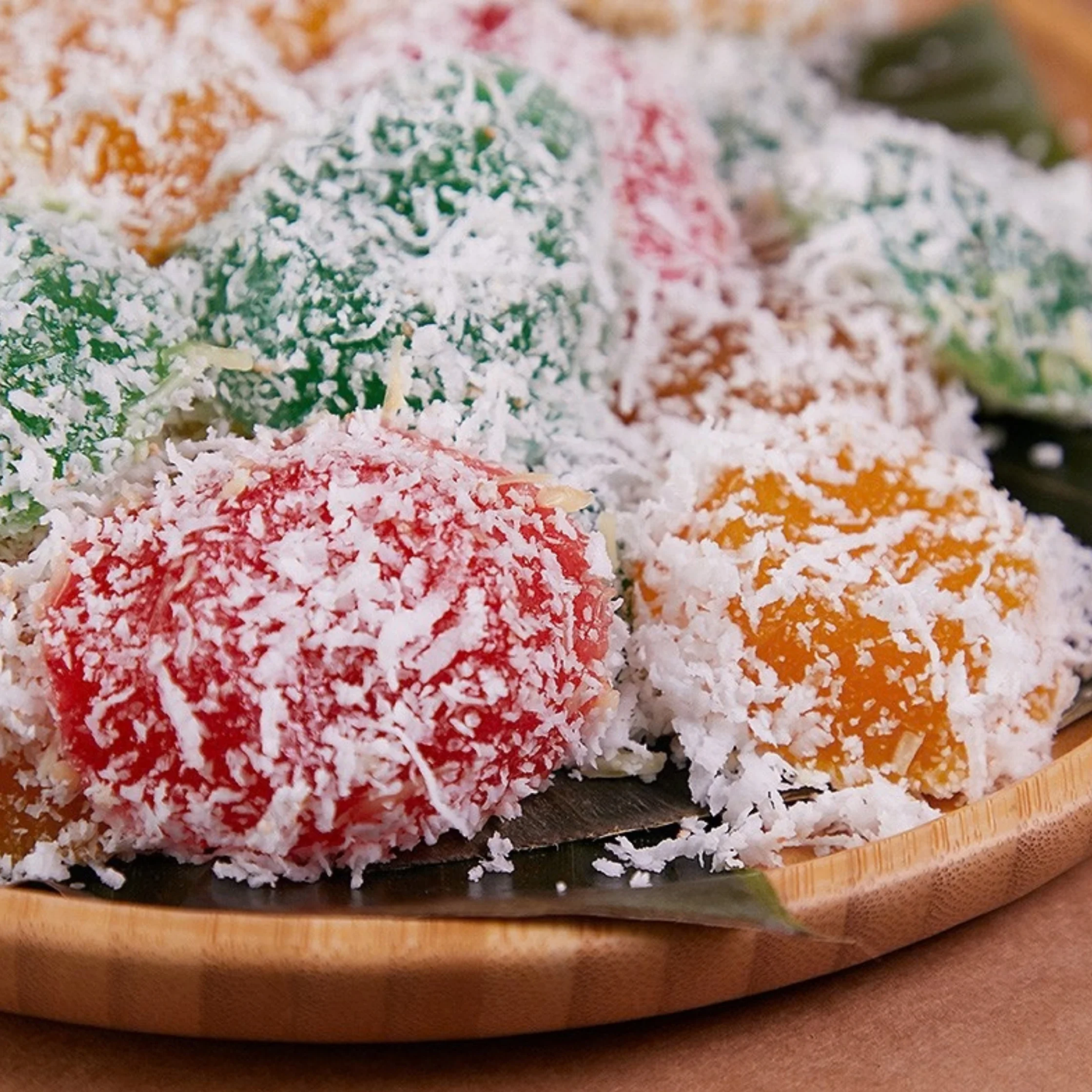
1. Pichi-Pichi
The one thing that is making me hesitate to recommend freezing pichi-pichi is the grated coconut topping. Any kind of fresh coconut product does not fare well in the freezer in the long term as it is guaranteed to turn extremely watery and sour very quickly. It’s not even advisable to leave them in the cooler for not longer than 5 days.
If you are insistent in storing it in the freezer, the most important thing to do is to freeze the leftover pichi-pichi without the grated coconut. Do keep in mind that thawing it will ultimately ruin the chewy, sticky texture.
2. Cassava Cake
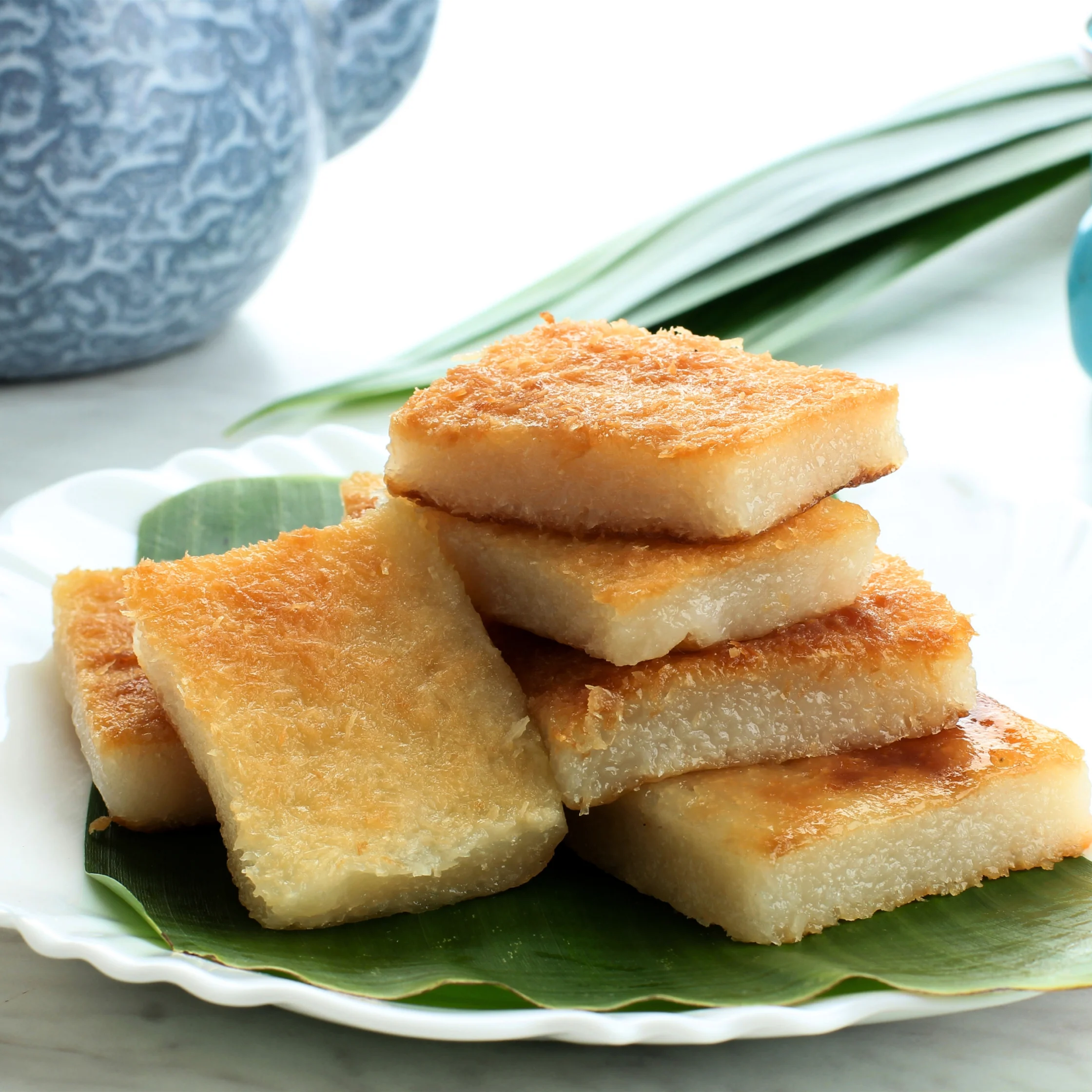
At room temperature and if stored properly, cassava cake can last for the next 2 days. But if you are unable to finish it within that time frame, storing it in the freezer can give you from 1 to 3 months, but not without caveats.
While cassava cake freezes just fine because of its custard-like structure, do expect minor textural changes such as hardening. If ever your cake was already cut up into smaller pieces, it’s recommended to wrap them individually and tightly using either plastic wrap or foil.
The best way to reheat it from this cold and dense state is to let it thaw completely first for a few minutes before heating it up using an oven toaster, a steamer, or even a microwave. This is your best bet to revive the custard top’s richness.
3. Leche Flan
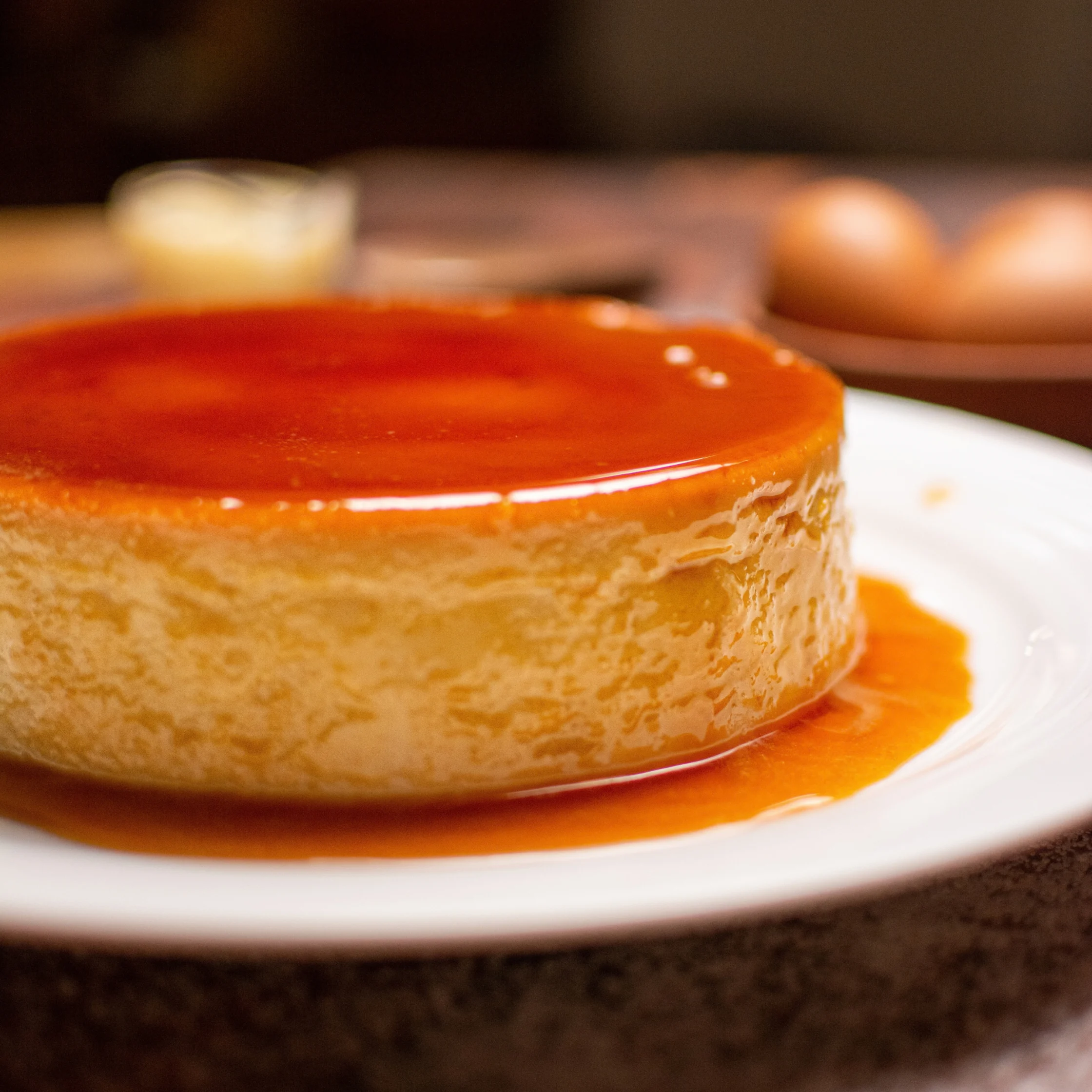
Leche flan is usually stored in the cooler anyways. But if you are thinking of storing it in the freezer, you must proceed with caution.
There is a way to maintain the egg-yolk-heavy custard texture without it completely separating. You can either leave it in the llanera or transfer it to an airtight, freezer-safe container. To prevent freezer burn, cover it with plastic wrap before sealing the lid.
Another easy mistake is thawing leche flan too quickly of which it may develop a slightly porous or grainy texture or become watery. It’s best to let your leche flan thaw in the cooler overnight. I wouldn’t recommend thawing it at room temperature or worse microwaving it as it can cause the custard to break entirely.
4. Puto
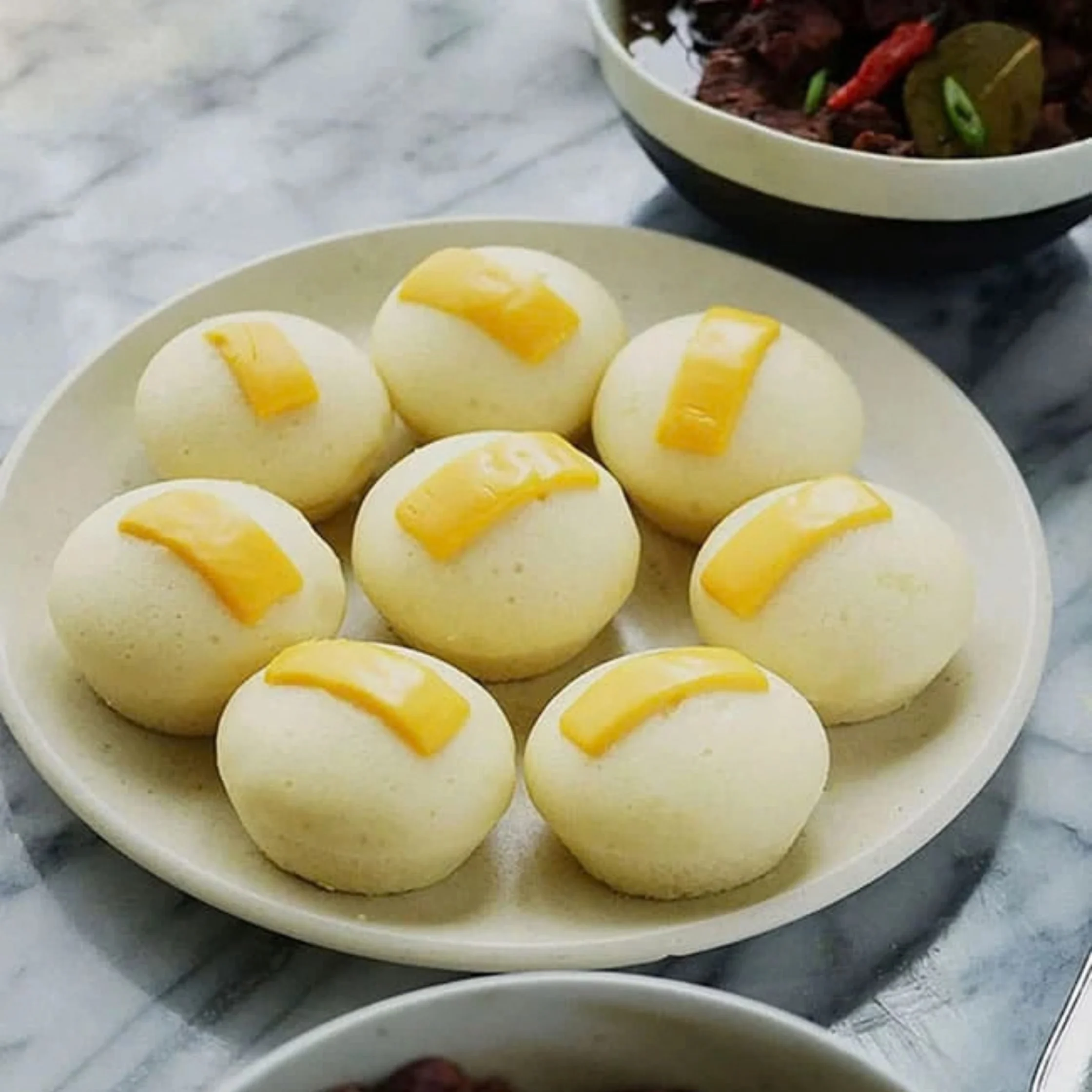
My Ate Julie used to make big batches of puto whenever it was her birthday or if we needed to bring a sweet contribution to a potluck. Personally speaking, we’ve never had to worry about storing puto for so long to the point of needing to freeze it. But if ever we did, we’re lucky that it freezes relatively well.
The biggest con to freezing puto is that it makes it firm and crumbly. But unlike other desserts, you can easily make it go back to its signature soft and bouncy texture by properly reheating it.
There are two methods to reheat it, and so it will all depend on what is immediately available to you. The first and most recommended one is to steam it directly from frozen for about 3 to 5 minutes. This is the best way to restore its fluffy texture.
But if you don’t own a steamer, you can opt to microwave. Cover the frozen puto with a damp paper towel and microwave it for intervals of 15 seconds. Doing this will ensure that you don’t overcook and make it overly rubbery.
The last thing is to consider the toppings. Cheese is typically okay when in the fridge, but if you top your puto with ingredients like grated coconut, you can apply the same advice with pichi-pichi. Remove the coconut when you’re about to store it in the freezer and add it fresh after reheating it.
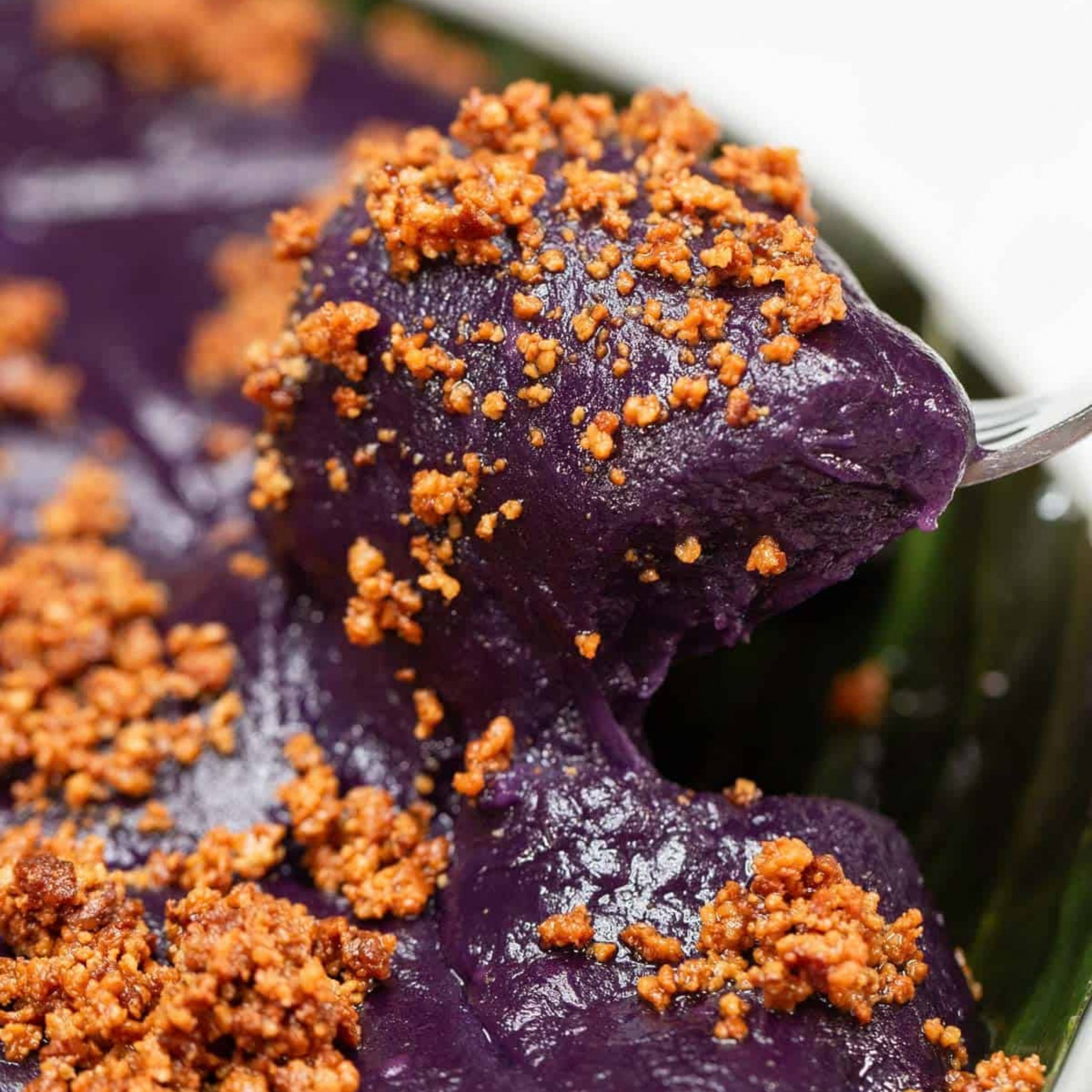
5. Ube Halaya
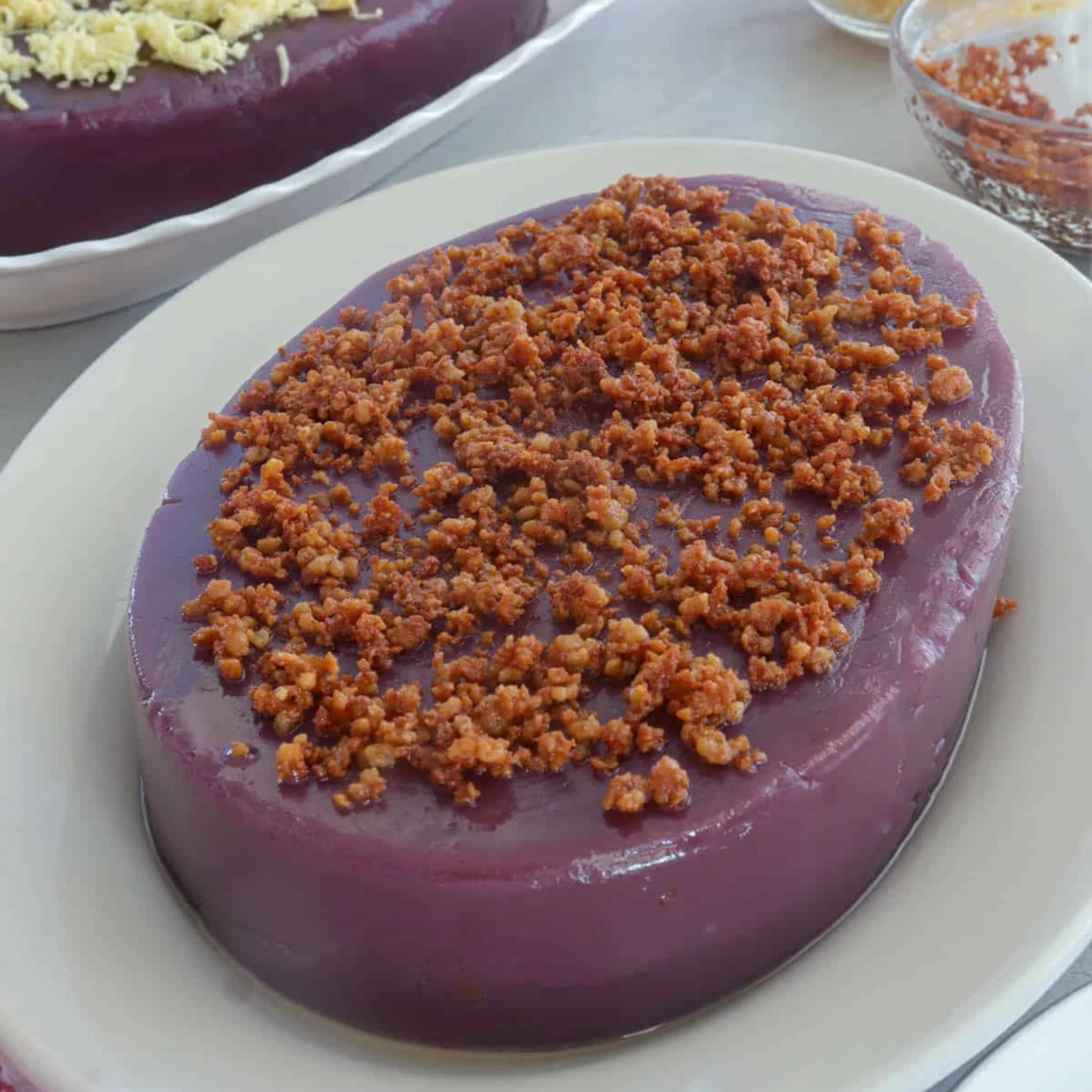
Out of all the Filipino desserts in this list, ube halaya is the most freezer-friendly, which you can thank its ingredients for.
Freezing it has minimal to no textural impact. Once thawed, high-quality ubeUbeThe Filipino purple yam, known for its vivid violet color and mellow, vanilla-like flavor. Cooked and mashed into ube halaya, it colors and flavors ice cream, cakes, ensaymada, and pandesal,Go to Ube Glossary halaya retains its smooth, spreadable, or fudge-like consistency.
Like everything you intend to put in your fridge, make sure the halaya has cooled down first before transferring them to an airtight container. You can also opt to use heavy-duty freezer bags, you just have to press out all of the excess air.
Similar to leche flan, the way you thaw your ube halaya is by leaving it in the cooler overnight. If you insist on serving it hot, you can heat it gently in a pan over low heat with a splash of coconut milk or evaporated milk to restore its glossy shine.

Frequently Asked Questions
Fresh grated coconut does not freeze well over long periods, as it quickly becomes watery and sour. If you plan to freeze desserts like pichi-pichi or puto, remove the coconut before placing them in the freezer and top them with fresh coconut after reheating.
Thaw frozen leche flan gradually in the refrigerator overnight. Avoid thawing it at room temperature or heating it in the microwave, as sudden temperature changes can cause the custard to separate, break, or become watery and grainy.
Wrap individual slices tightly in plastic wrap or aluminum foil before freezing to protect their texture. When ready to eat, let the cassava cake thaw completely at room temperature for a few minutes, then reheat it using a steamer, microwave, or oven toaster to bring back its rich, custardy top.
The best method is to steam the frozen puto directly for 3 to 5 minutes. Alternatively, you can microwave it in 15-second intervals while covered with a damp paper towel to prevent it from turning rubbery or dry.
Halaya is the most freezer-friendly dessert on the list, retaining its smooth, fudge-like consistency with little to no texture change once thawed. Thaw it overnight in the refrigerator, or warm it gently in a pan over low heat with a splash of milk to restore its glossy shine.


![The Ongpin South Bridge arch [PHOTO COURTESY OF The Urban Roamer Official Website]](https://assets.delish.ph/wp-content/uploads/2026/10/The-Ongpin-South-Bridge-arch-PHOTO-COURTESY-OF-The-Urban-Roamer-Official-Website-960x960.webp)