Imagine sitting down for a bowl of sinigang, only to find that there’s barely any kangkong. Or craving a plate of bangus, only to discover that one of the go-to fishes has become considerably more expensive.
It sounds a bit dramatic, but food doesn’t simply appear on supermarket shelves or magically arrive at the tables of your favorite restaurants. Behind every bowl of sopas, every serving of mechado, and every grain of rice are farmers, fisherfolk, and food producers working with resources that aren’t always guaranteed to last.
And in a country as food-loving as ours, that’s worth thinking about. We have entire meals built around regional ingredients, family recipes passed down through generations, and dishes that are inseparable from who we are.
But what happens when the ingredients behind them become harder to grow, catch, or afford?
The Relationship Between Food and Forecast
Filipinos are no strangers to fickle, sometimes moody, weather. We’ve all probably lived through our fair share of typhoons, floods, and even the kind of heat waves that make stepping outside feel like a humid version of hell. But as climate change intensifies, the consequences go beyond just uncomfortable commutes and rising electricity bills.
Agriculture is especially vulnerable as extreme heat, irregular rainfall, and stronger storms routinely damage crops, disrupt planting schedules, and wreck harvests. Rice, a staple on nearly every Filipino table, is particularly sensitive to changes in temperature and water availability. Vegetables, fruits, and other crops face their own challenges, from damaged fields to shifting environmental conditions.
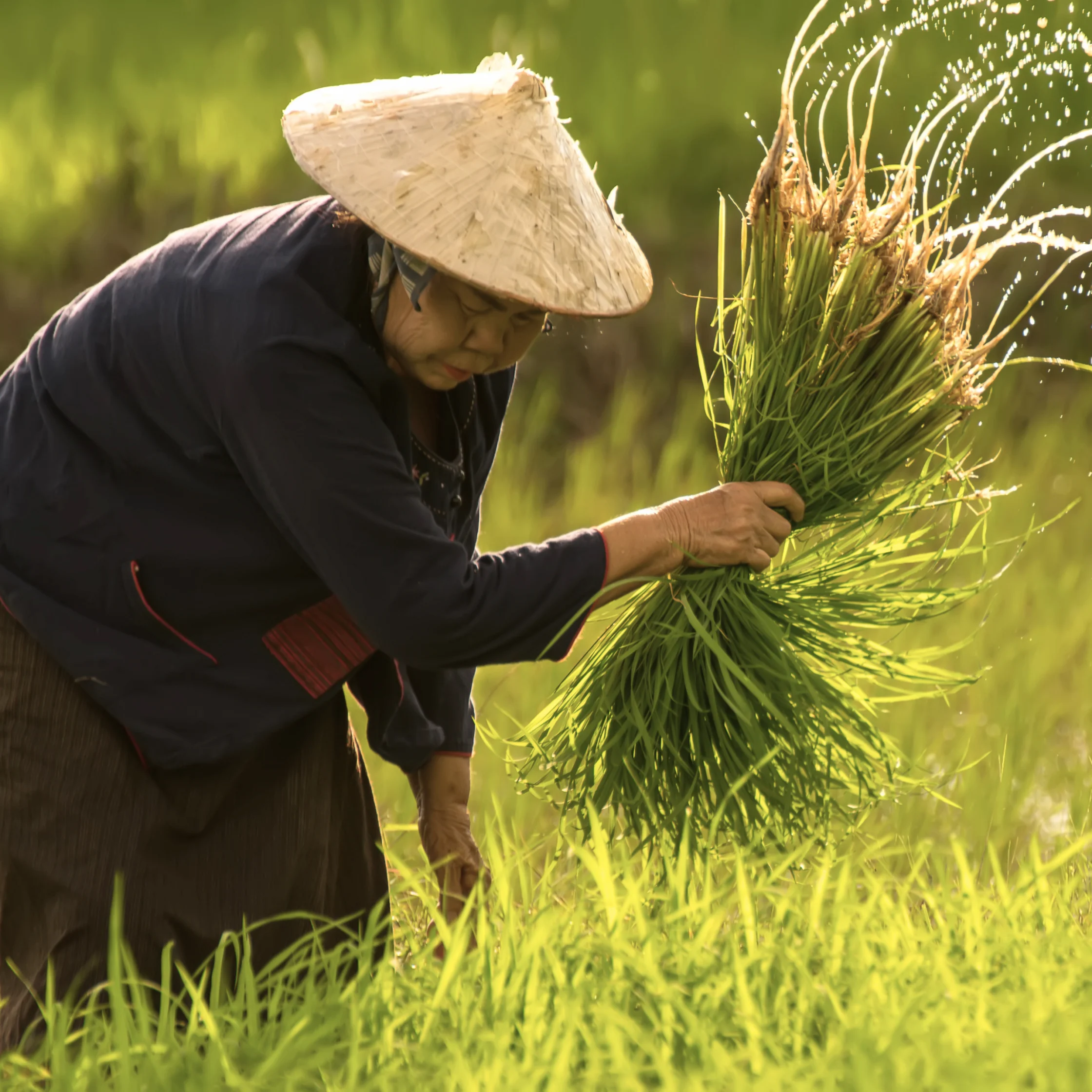
When these harvests suffer, ingredients become more expensive, supplies fluctuate, and some foods become less accessible to households with already stretched-thin budgets. And while your favorite vegetable dish might still be there, keeping it affordable could become a totally different story.
The Sea Isn’t an Endless Well of Food
If farming faces a difficult future, fishing has its own set of problems. The Philippines is an archipelago surrounded by waters that support countless communities, livelihoods, and beloved dishes. But those waters aren’t an unlimited supply of seafood.
Overfishing puts pressure on marine populations, especially when fish are caught faster than they can reproduce. Destructive fishing practices and habitat loss also make matters worse, while warming seas and coral bleaching threaten the very ecosystems that support many species.
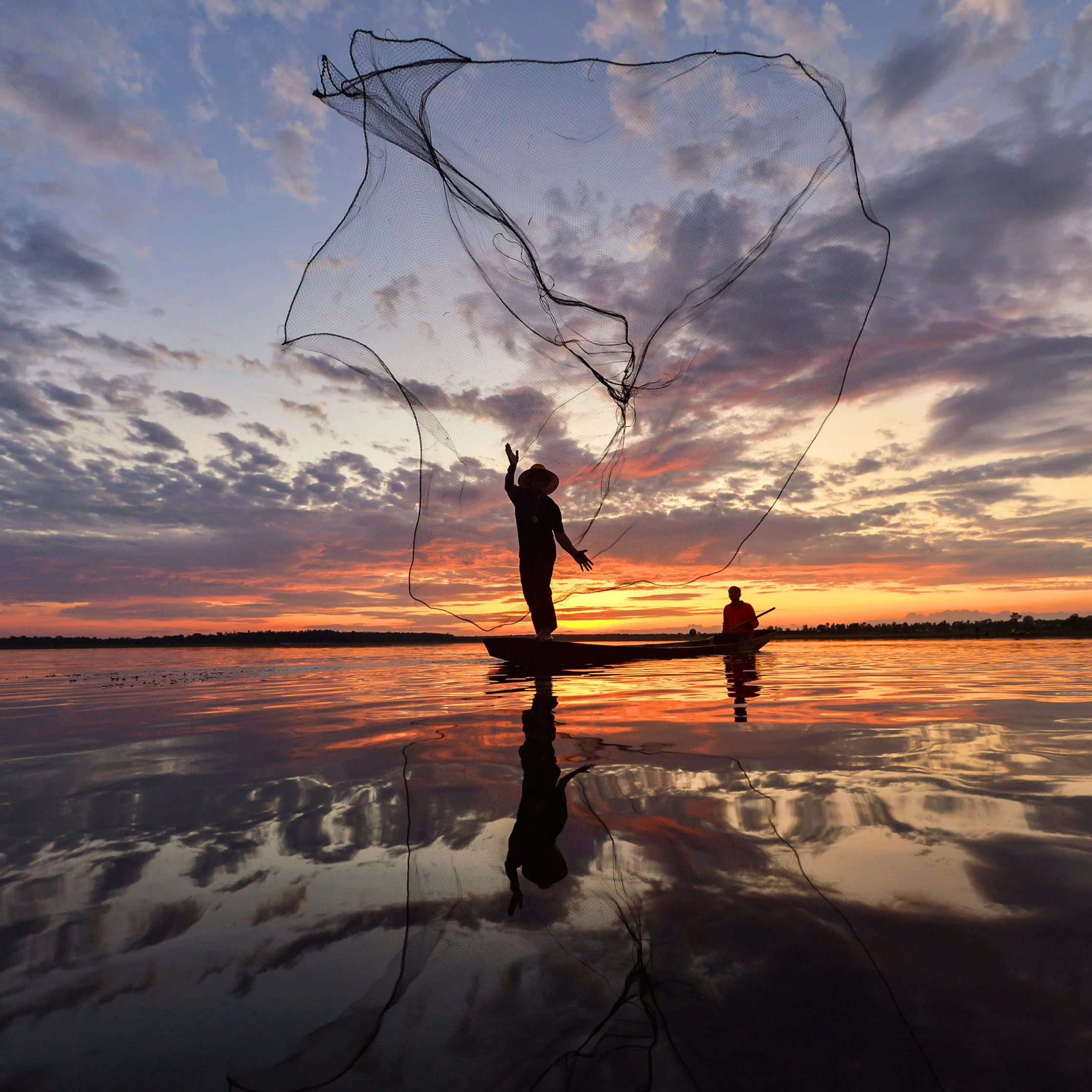
Yes, this matters to anyone who enjoys grilled tuna, kinilawKinilawA Filipino dish of raw fish or seafood cured in vinegar and citrus, mixed with ginger, onions, and chilies. Often compared to ceviche, kinilaw predates Spanish colonization and is prizedGo to Kinilaw Glossary, or a simple fried tilapia served with rice. But it matters even more to the coastal communities whose livelihoods depend on healthy, abundant waters.
When fish become scarcer, prices rise and catches shrink. And if marine ecosystems continue to deteriorate, some communities may have to change what they catch—or whether they can continue fishing at all.
What Happens When Farms Disappear?
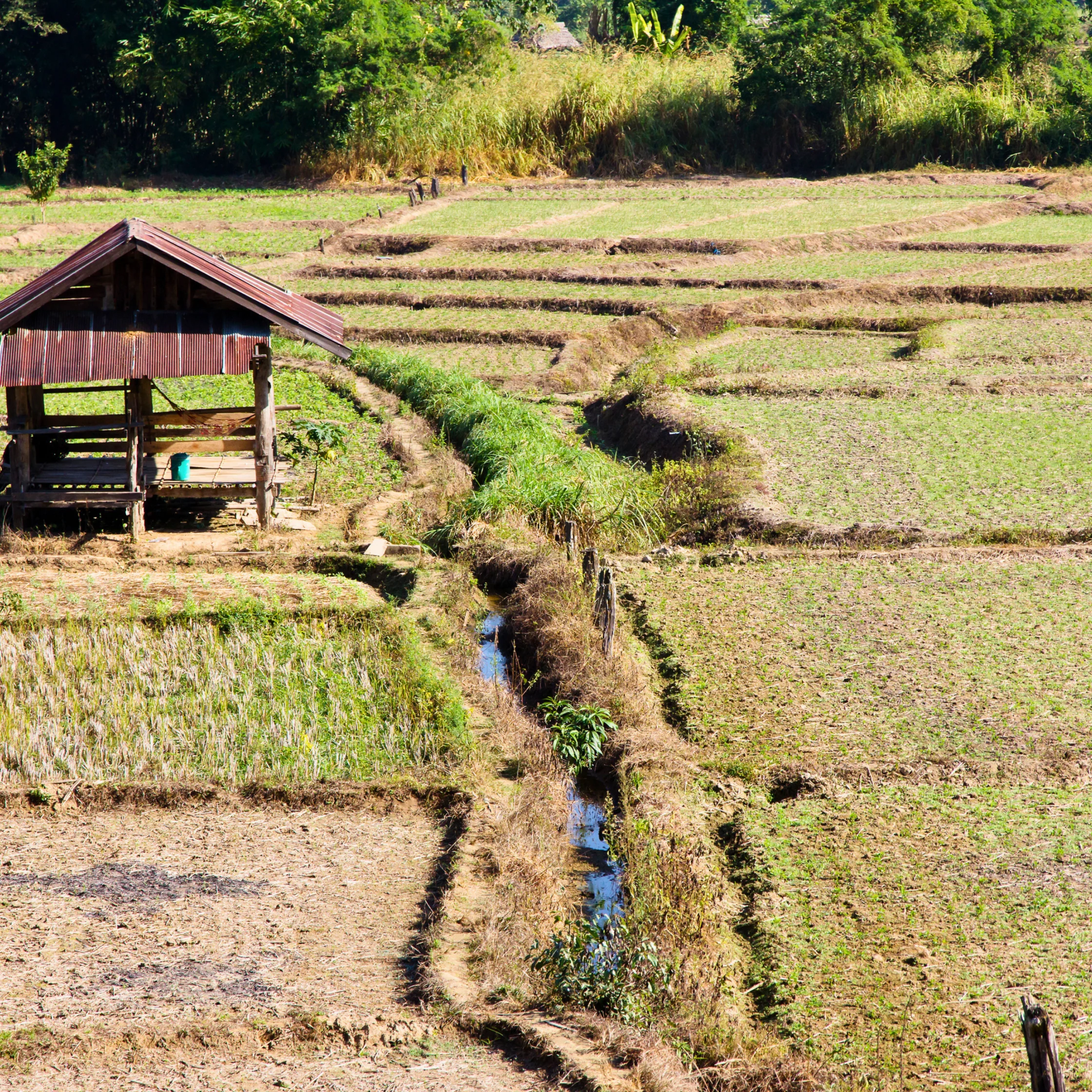
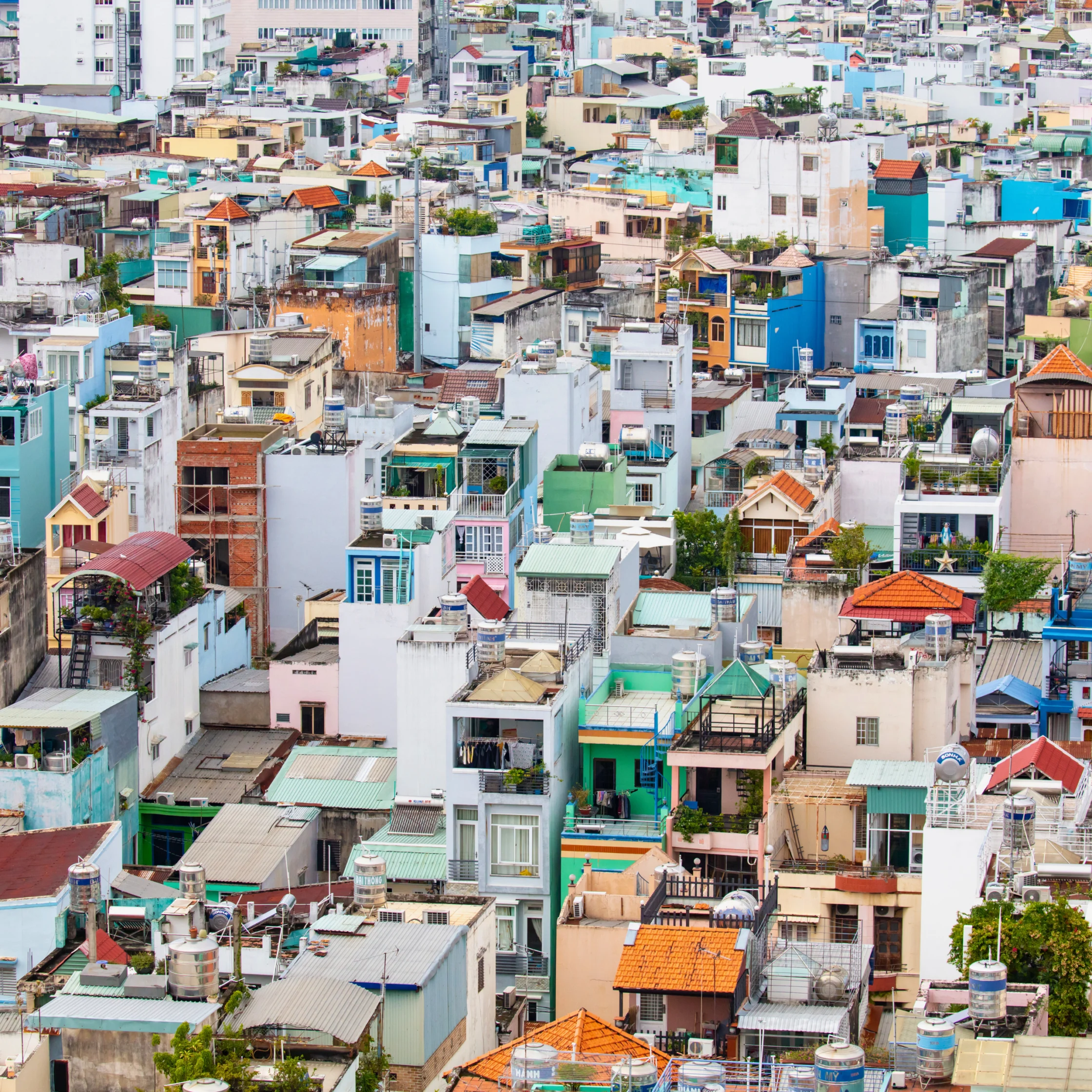
There’s more change happening on land, and it doesn’t always involve the weather. As towns expand, agricultural land is increasingly converted into housing developments, roads, commercial spaces, or industrial areas.
Urbanization is part of economic growth, and people need places to live and work. But when farmland disappears, so does the space we’ve allotted for growing food. Farms also become harder to sustain when production costs rise or agricultural communities face pressure to sell their land.
The conversation gets even more complicated when we consider large-scale industrial development and initiatives like Pax Silica, a U.S.-led effort to strengthen supply chains for semiconductors, artificial intelligence, and other critical technologies. While the initiative promises economic growth, the broader push for mining, infrastructure, and industrial capacity threatens the Philippines, its land, and its natural resources—with the people who stand to lose the most also being the most powerless.
When projects like these proceed without proper consultation, consent, or respect for land rights, indigenous communities risk losing not just their homes but also the forests, farms, and fishing grounds that have sustained them for generations. With that loss also comes the unfortunate death of traditional food practices and knowledge about local crops, native plants, and sustainable harvesting.
And while developments bring an influx of jobs and investment, those benefits pale in comparison to the destruction caused when communities are displaced and stripped of their means of survival. The Philippines needs economic opportunities, productive farmland, and healthy ecosystems, but progress shouldn’t have to come at the expense of the people who have cared for the land for generations.
Simultaneously, younger generations feel less inclined to take over family farms because the profession is physically demanding, financially uncertain, and difficult to make attractive when other jobs simply have more stability.
It’s understandable that young Filipinos might choose a different path. But when fewer people want to continue farming, who will grow the rice, vegetables, and fruits that keep our kitchens running? Food traditions don’t survive on recipes alone. They also need people willing and able to produce the ingredients.
Why Saving Food Starts With Us
Of course, this doesn’t mean we’ll wake up tomorrow to find our favorite Filipino dish permanently removed from the menu. But food insecurity rarely arrives as one dramatic event. Instead, it happens gradually, through less bountiful harvests, rising prices, declining fish stocks, and traditions that wither with the years.
The good news, though, is that the future isn’t set in stone. Supporting local farmers and responsible fishing practices, reducing food waste, protecting agricultural land, and investing in climate-resilient farming can all help strengthen our food systems. So can making agriculture and fisheries more viable for younger generations through better support, training, technology, and opportunities to earn a decent living.
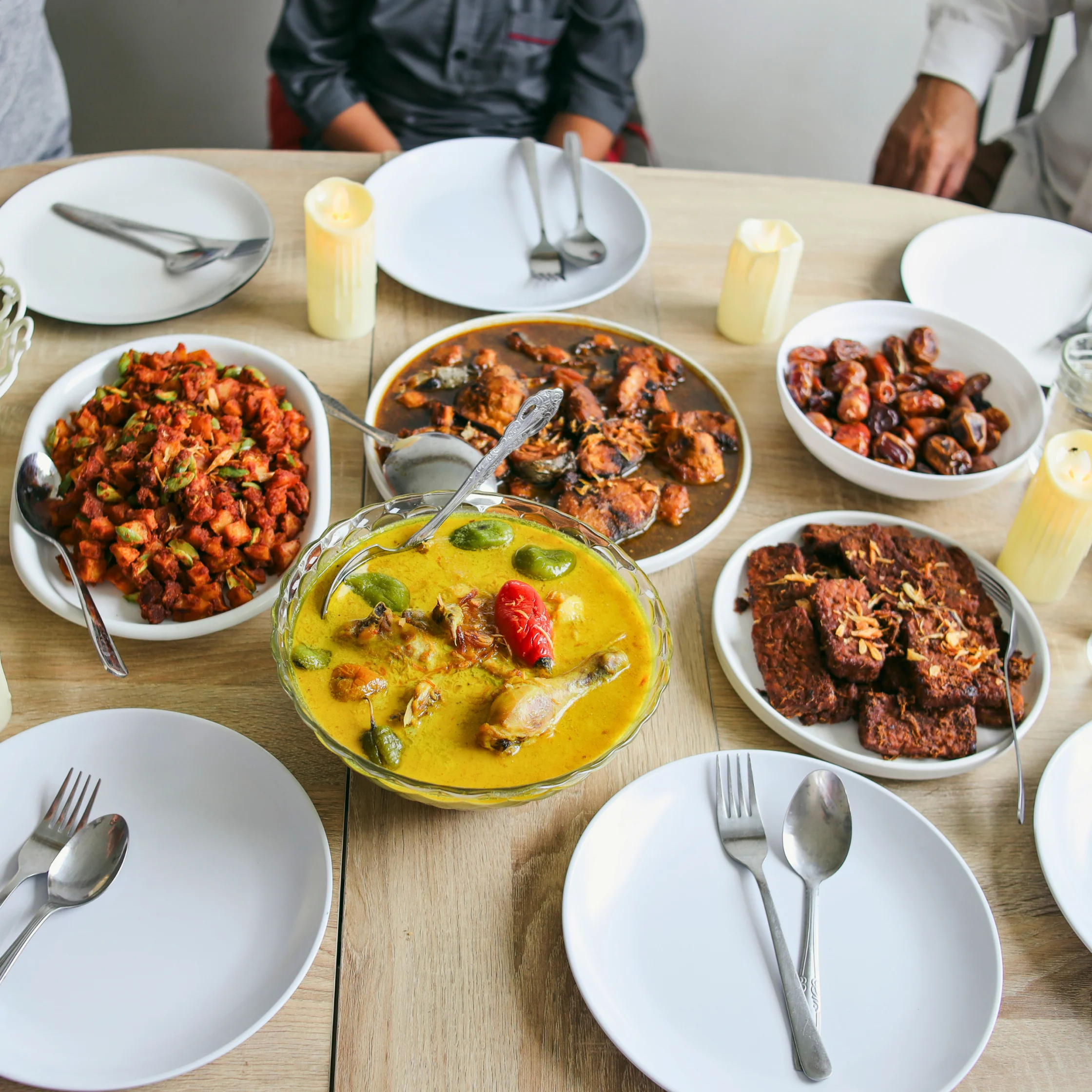
As consumers, we can also pay more attention to where our food comes from, appreciate seasonal produce, and be open to ingredients grown or harvested closer to home. This doesn’t mean turning every grocery trip into an environmental research project, but it does help to remember that the food we enjoy comes from systems that need care, investment, and people willing to keep them going.
At the end of the day, losing a favorite dish isn’t just about missing a particular taste—it means losing livelihoods, regional identities, family traditions, and the little rituals that make a place feel like home.
So the next time you dig into your favorite meal and enjoy every bite, remember that keeping it on the table for the next generation will take more than just a good, easy-to-follow recipe.
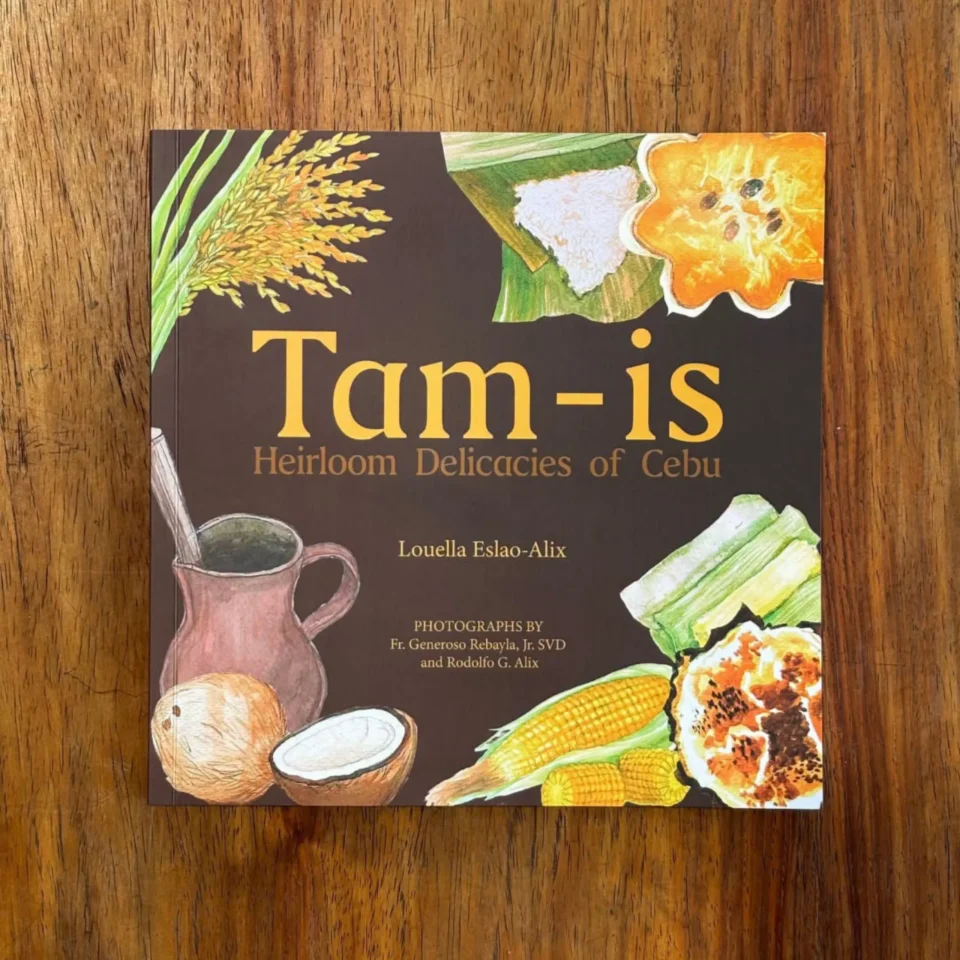
After all, we’d hate for the only place left to find our favorite foods to be in old family recipe books.

Frequently Asked Questions
Several interconnected pressures can affect the ingredients behind Filipino dishes, including climate change, extreme weather, overfishing, marine habitat loss, agricultural land conversion, and difficulties sustaining farming and fishing livelihoods.
Extreme heat, changing rainfall patterns, and stronger storms can damage crops, disrupt planting schedules, and affect harvests. These disruptions can influence food availability and prices.
Overfishing can reduce fish populations when catches outpace reproduction. This can put pressure on seafood supplies, raise the challenges facing fishing communities, and affect the availability of fish commonly eaten in the Philippines.
Farmland provides space to grow rice, vegetables, fruits, and other crops. When agricultural land is converted to other uses, the country’s capacity to produce food locally can come under additional pressure.
Yes, but preserving them takes sustained effort. Climate-resilient agriculture, responsible fisheries management, protection of ecosystems and agricultural land, and support for food producers can help communities adapt and keep traditional ingredients available.