Advertisement

How Farm Forward Is Helping Filipino Farmers Build Better Businesses

Farm Forward Initiatives is bridging the gap between Filipino farmers and the food industry, helping growers build direct relationships, meet market demand, and earn more sustainably.

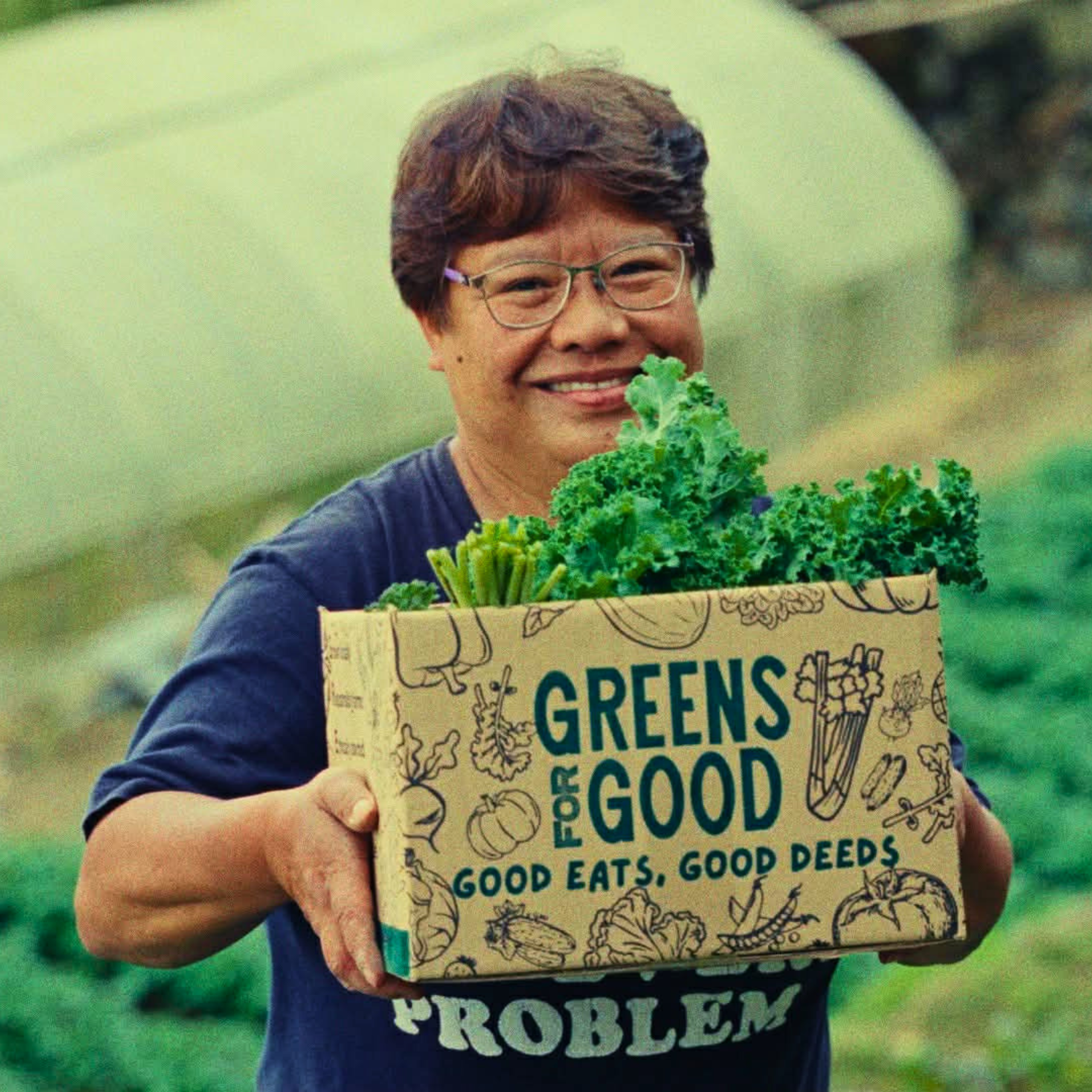
FARM FORWARD INITIATIVES FARMER HOLDING BOX OF LEAFY GREEN VEGETABLES
Farm Forward Initiatives isn’t here to teach farmers how to farm better—they’re here to guide them with everything else! [PHOTO COURTESY OF Joel Pascual and Farm Forward Initiatives]

Farmers definitely know how to grow and harvest a good set of carrots, but do they know what size restaurants want? Can they supply enough volume of it every week? And do they know how to package it, price it, deliver it, and negotiate a long-term contract?

For Joel Pascual, these questions highlight one of the less visible challenges Filipino farmers face on a daily basis because knowing how to produce is only half of the equation. The other half? Knowing how to reach and serve the market.

Pascual, president of PEPTarsus Corp., organizer of the World Food Expo (WOFEX), and concurrently president of Farm Forward Initiatives (FFI), witnessed this firsthand in 2022.

Just after the pandemic, WOFEX was supposed to house several exhibitors from China, but stricter travel restrictions made it impossible for them to participate. To fill those unexpected vacancies, Filipino farmers were invited instead. It seemed like an excellent opportunity to put farmers in spaces where they could directly interact with potential buyers, but problems quickly emerged. 
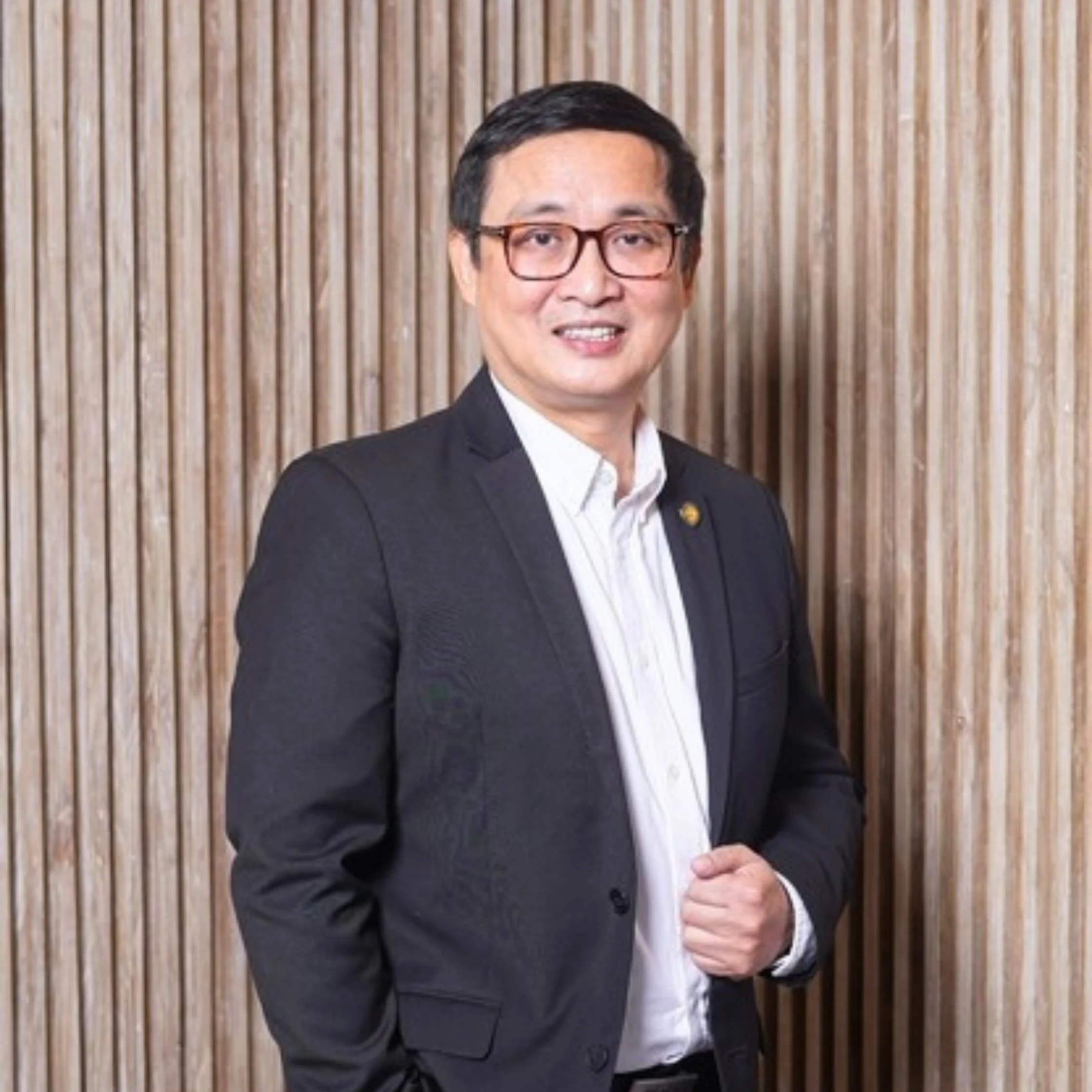
FARM FORWARD INITIATIVES JOEL PASCUAL FOUNDER AND PRESIDENT
Farm Forward Initiatives (FFI) President Joel Pascual [PHOTO COURTESY OF Joel Pascual and Farm Forward Initiatives]

“They did not know how to talk to the chefs, restaurateurs, hoteliers and foodservice professionals,” he recalled. And as the farmers struggled to answer one question after another, Pascual had somewhat of a eureka moment—realizing that while farmers were experts at (you guessed it) farming, they were largely accustomed to selling through middlemen and had little experience speaking directly with the businesses that ultimately used their products.

“We understood that there was a gap in the supply chain,” Pascual shared. “And as WOFEX, we had the strategic advantage to help narrow that gap.” This led to the birth of Farm Forward Initiatives.

Filipino Farmers Need More Than Farming Skills

Historically, farmers in the country usually receive support for the production side of farming—seedlings, irrigation, harvesting, etc. Pascual stressed that these interventions remain important, but the unfortunate reality is that producing more or producing better doesn’t automatically lead to better margins. 

For many of the farmers partnered with FFI, establishing a predatory relationship with middlemen, having very little say in prices, and barely making a profit have all become hapless norms. “Throughout the supply chain from farm to market, profit is being squeezed out at every level, resulting in the farmer doing most of the work but enjoying the least profits,” Pascual expressed.
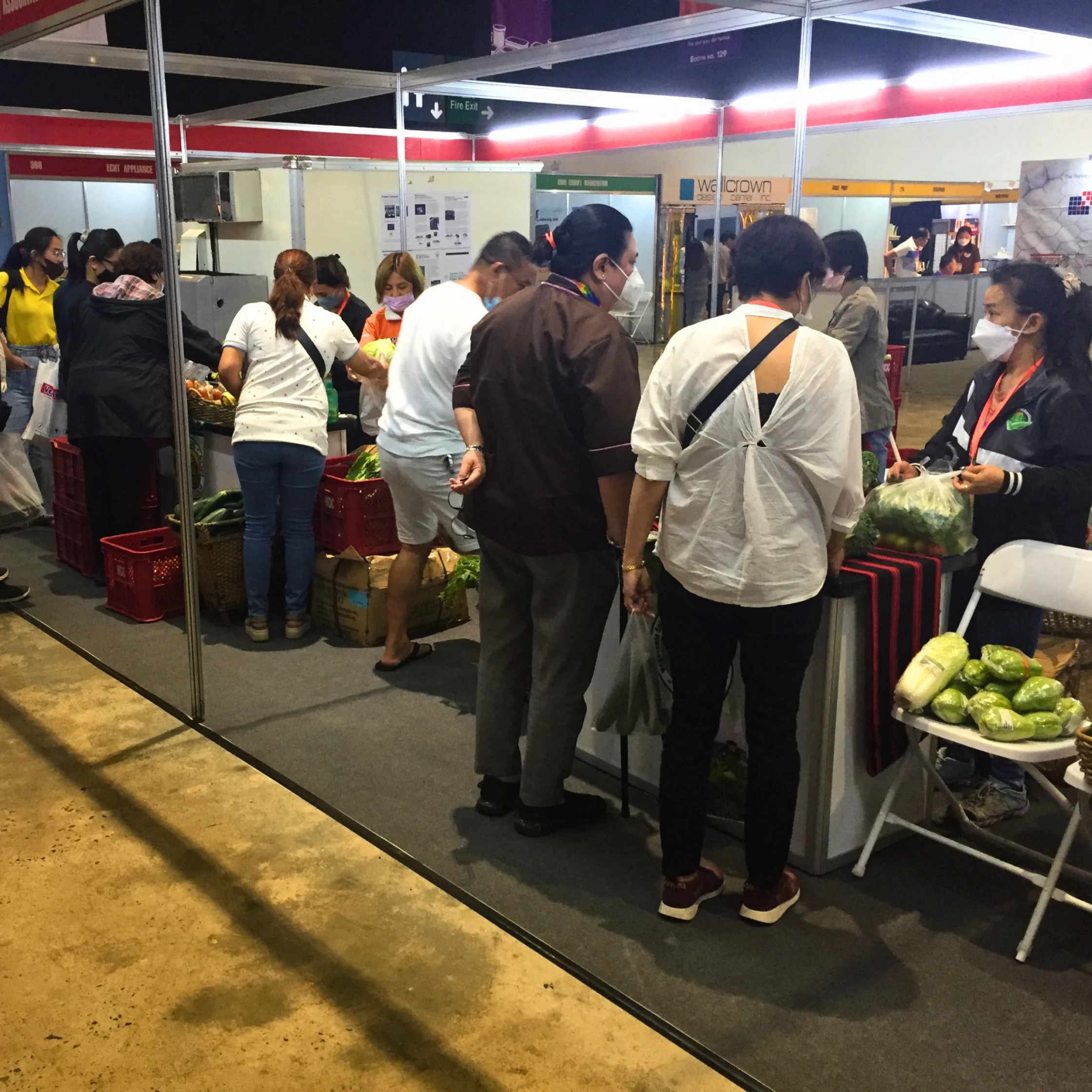
FARM FORWARD INITIATIVES MARKET FOR FARMERS
One of FFI’s main goals is to put farmers in positions that will allow them to reach their intended audience. [PHOTO COURTESY OF Joel Pascual and Farm Forward Initiatives]

FFI, however, wants to change things so that farmers can form direct relationships with their various markets. And they do this by bringing farmers into meetings with hotels and restaurants and, in the other direction, bringing chefs, restaurateurs, and hoteliers to the farms. They’ve also helped farmers gain access to weekend markets while also developing relationships with food processors.

But the most important part isn’t the introduction, it’s teaching all sides to play nice, while simultaneously challenging the idea that the disconnect exists only because the farmers lack knowledge. The food industry, Pascual pointed out, also doesn’t understand what local farmers are capable of producing. The solution, in his view, is surprisingly easy: get the two sides talking.

Admittedly, that seems intimidating—but they can also be transformative, helping farmers grow into the FFI’s idea of the “agripreneur.” 

What is an ‘Agripreneur’?

What’s the difference? A traditional farmer may focus primarily on growing a crop and selling it. An agripreneur, on the other hand, thinks beyond production by also allotting energy towards budgets, forecasts, marketing, packaging, logistics, timelines, and customer needs.

Take the aforementioned carrot, for example. Farmers traditionally grow carrots to be as large as possible because they’re paid by weight, but after speaking directly with restaurants, they learned that foodservice buyers actually prefer smaller, more consistently sized carrots. That conversation changed how the farmers approached harvesting, encouraging some to diversify their crops based on actual market demand. So instead of monocropping, they’ve started to explore other higher-value produce like rainbow carrots, rhubarb, shishito peppers, and even purple potatoes.
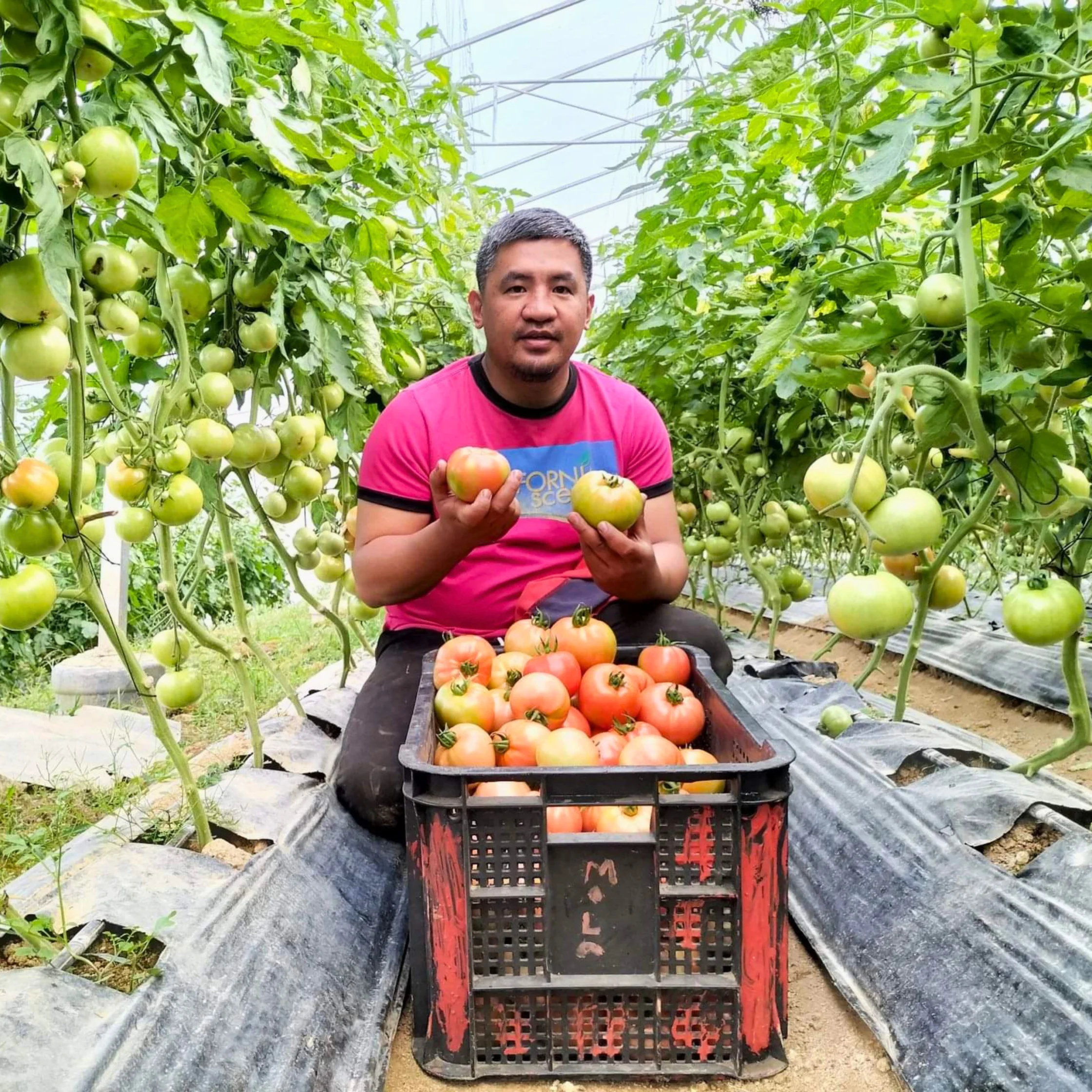
FARM FORWARD INITIATIVES FARMER HOLDIN LARGE PLUMP TOMATOES AFTER HARVEST
Filipino farmers are already great at producing quality produce, but they need help navigating what happens after the harvest. [PHOTO COURTESY OF Joel Pascual and Farm Forward Initiatives]

Direct relationships can also provide predictability, something farmers rarely have because of fluctuating market prices. Farmers have also been quick to learn that it’s good practice to have long-term contracts with restaurants and other buyers, because an established contract period gives them more stable pricing.

For Pascual, these are signs of a larger transformation. “They are learning to speak and think like businessmen, like agripreneurs,” he said.

Changing the Way We See Filipino Farmers

But perhaps the most important shift FFI hopes to encourage is not technical at all–it’s a change in how farmers are perceived. Pascual says FFI wants to move away from the familiar image of the “kawawang farmer” or the poor farmer who constantly needs rescuing.

The organization also wants to push back against the idea of “rescue buys,” where businesses or consumers purchase excess produce once farmers are already knee deep in a surplus.
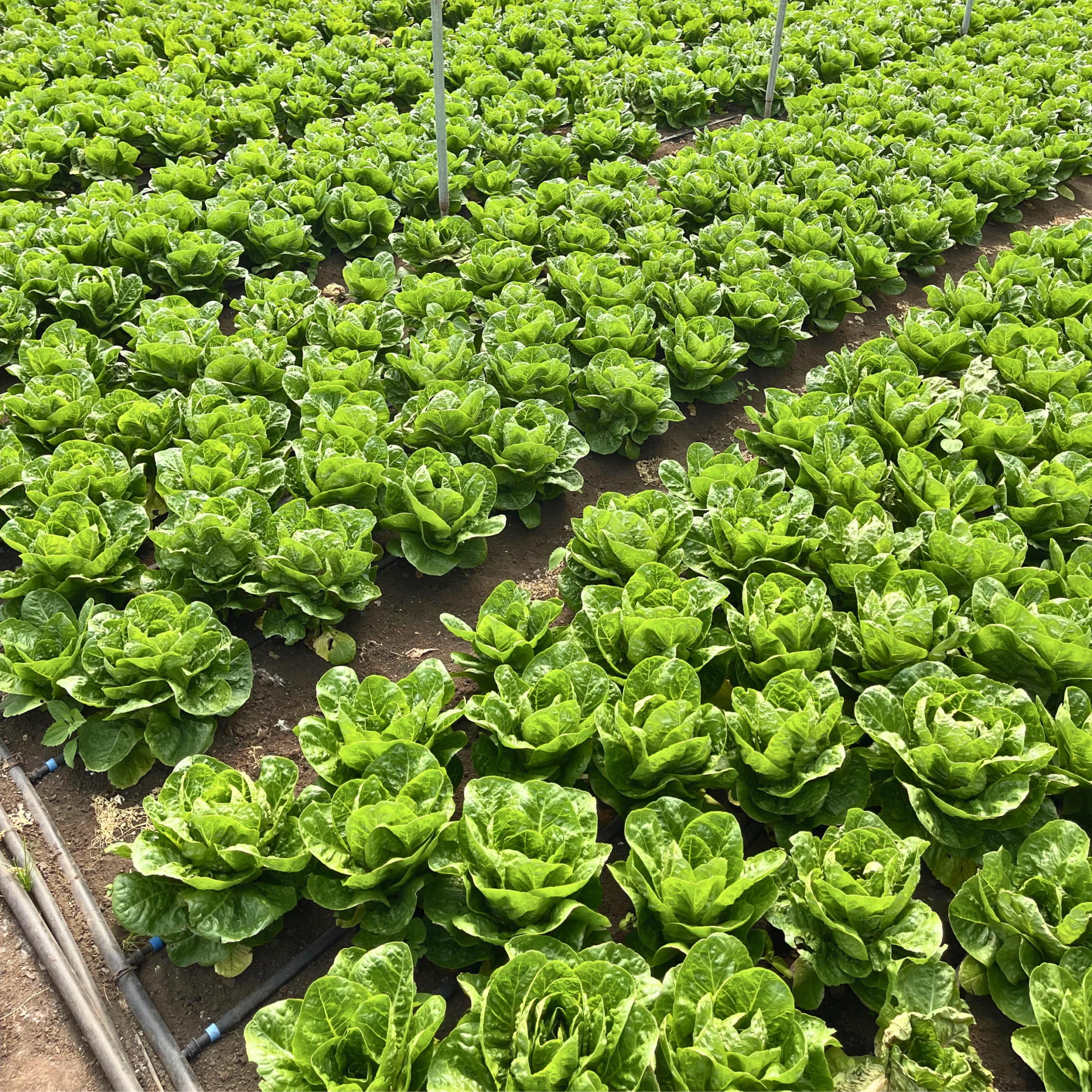
FARM FORWARD INITIATIVES LETTUCE FARM
Despite popular belief, agriculture isn’t a lost cause—the sector just needs the right kind of support for it to bloom. [PHOTO COURTESY OF Joel Pascual and Farm Forward Initiatives]

By that point, Pascual argues, the problem has already happened because rescue purchases still leave farmers selling at a loss. So FFI instead wants to help farmers anticipate demand and build markets even before the crisis occurs, because part of the goal is to make farming a viable business.

If agriculture remains financially unattractive, then fewer Filipinos will enter the field. And without the next generation of farmers, the country’s food security is at risk.

Where Farming Meets the Future

For Pascual and FFI, then, building a stronger agricultural sector requires more than just teaching farmers how to better sow and reap. It means giving them the proper tools to understand customers, negotiate, plan, and eventually recognize the value of what they produce.

For Filipino agriculture to move forward, the farmer and the market have to move forward together. After all, the farm doesn’t exist in isolation.
author avatar
Paolo Elwick
Paolo is a food writer and storyteller exploring the intersections of food, culture, and identity through thoughtful, people-centered storytelling. He believes that, second only to language, food is one of humanity's most powerful expressions of culture—a medium for preserving history, expressing identity, and coming to understand ourselves and connect with others. Drawn to the histories, traditions, and personal experiences behind every dish, his writing combines curiosity with emotional honesty, highlighting diverse voices and celebrating the communities that shape our food landscape. Influenced by writers and artists who embrace vulnerability and introspection, Paolo uses a reflective, metaphor-rich approach to uncover the deeper meanings found in everyday meals and shared tables. He is passionate about creating stories that foster empathy, preserve cultural narratives, and invite readers to see food as more than sustenance—as memory, identity, and belonging. Through his work, Paolo hopes to amplify underrepresented perspectives and spark meaningful conversations that extend far beyond the plate.

Frequently Asked Questions

Farm Forward Initiatives (FFI) is an organization founded to help Filipino farmers address gaps beyond agricultural production, particularly in marketing, logistics, pricing, and connecting directly with food industry buyers.

author avatar
Paolo Elwick
Paolo is a food writer and storyteller exploring the intersections of food, culture, and identity through thoughtful, people-centered storytelling. He believes that, second only to language, food is one of humanity's most powerful expressions of culture—a medium for preserving history, expressing identity, and coming to understand ourselves and connect with others. Drawn to the histories, traditions, and personal experiences behind every dish, his writing combines curiosity with emotional honesty, highlighting diverse voices and celebrating the communities that shape our food landscape. Influenced by writers and artists who embrace vulnerability and introspection, Paolo uses a reflective, metaphor-rich approach to uncover the deeper meanings found in everyday meals and shared tables. He is passionate about creating stories that foster empathy, preserve cultural narratives, and invite readers to see food as more than sustenance—as memory, identity, and belonging. Through his work, Paolo hopes to amplify underrepresented perspectives and spark meaningful conversations that extend far beyond the plate.

Joel Pascual is the president of PEPTarsus Corp., organizer of the World Food Expo (WOFEX), and concurrently president of Farm Forward Initiatives (FFI).

author avatar
Paolo Elwick
Paolo is a food writer and storyteller exploring the intersections of food, culture, and identity through thoughtful, people-centered storytelling. He believes that, second only to language, food is one of humanity's most powerful expressions of culture—a medium for preserving history, expressing identity, and coming to understand ourselves and connect with others. Drawn to the histories, traditions, and personal experiences behind every dish, his writing combines curiosity with emotional honesty, highlighting diverse voices and celebrating the communities that shape our food landscape. Influenced by writers and artists who embrace vulnerability and introspection, Paolo uses a reflective, metaphor-rich approach to uncover the deeper meanings found in everyday meals and shared tables. He is passionate about creating stories that foster empathy, preserve cultural narratives, and invite readers to see food as more than sustenance—as memory, identity, and belonging. Through his work, Paolo hopes to amplify underrepresented perspectives and spark meaningful conversations that extend far beyond the plate.

An agripreneur is a farmer or agricultural entrepreneur who approaches farming as a business. Beyond growing crops, agripreneurs consider market demand, budgeting, forecasting, packaging, logistics, pricing, and customer needs.

author avatar
Paolo Elwick
Paolo is a food writer and storyteller exploring the intersections of food, culture, and identity through thoughtful, people-centered storytelling. He believes that, second only to language, food is one of humanity's most powerful expressions of culture—a medium for preserving history, expressing identity, and coming to understand ourselves and connect with others. Drawn to the histories, traditions, and personal experiences behind every dish, his writing combines curiosity with emotional honesty, highlighting diverse voices and celebrating the communities that shape our food landscape. Influenced by writers and artists who embrace vulnerability and introspection, Paolo uses a reflective, metaphor-rich approach to uncover the deeper meanings found in everyday meals and shared tables. He is passionate about creating stories that foster empathy, preserve cultural narratives, and invite readers to see food as more than sustenance—as memory, identity, and belonging. Through his work, Paolo hopes to amplify underrepresented perspectives and spark meaningful conversations that extend far beyond the plate.

Many farmers have traditionally sold their produce through middlemen, giving them limited experience dealing directly with chefs, restaurants, hotels, and other foodservice buyers, making it difficult to understand specific market requirements, negotiate prices, and establish long-term contracts.

author avatar
Paolo Elwick
Paolo is a food writer and storyteller exploring the intersections of food, culture, and identity through thoughtful, people-centered storytelling. He believes that, second only to language, food is one of humanity's most powerful expressions of culture—a medium for preserving history, expressing identity, and coming to understand ourselves and connect with others. Drawn to the histories, traditions, and personal experiences behind every dish, his writing combines curiosity with emotional honesty, highlighting diverse voices and celebrating the communities that shape our food landscape. Influenced by writers and artists who embrace vulnerability and introspection, Paolo uses a reflective, metaphor-rich approach to uncover the deeper meanings found in everyday meals and shared tables. He is passionate about creating stories that foster empathy, preserve cultural narratives, and invite readers to see food as more than sustenance—as memory, identity, and belonging. Through his work, Paolo hopes to amplify underrepresented perspectives and spark meaningful conversations that extend far beyond the plate.

FFI connects farmers with restaurants, hotels, chefs, foodservice professionals, weekend markets, and food processors. It also facilitates conversations between farmers and buyers so both sides can better understand what is needed and what can realistically be supplied.

author avatar
Paolo Elwick
Paolo is a food writer and storyteller exploring the intersections of food, culture, and identity through thoughtful, people-centered storytelling. He believes that, second only to language, food is one of humanity's most powerful expressions of culture—a medium for preserving history, expressing identity, and coming to understand ourselves and connect with others. Drawn to the histories, traditions, and personal experiences behind every dish, his writing combines curiosity with emotional honesty, highlighting diverse voices and celebrating the communities that shape our food landscape. Influenced by writers and artists who embrace vulnerability and introspection, Paolo uses a reflective, metaphor-rich approach to uncover the deeper meanings found in everyday meals and shared tables. He is passionate about creating stories that foster empathy, preserve cultural narratives, and invite readers to see food as more than sustenance—as memory, identity, and belonging. Through his work, Paolo hopes to amplify underrepresented perspectives and spark meaningful conversations that extend far beyond the plate.

Rescue buys typically happen after farmers have already produced more than the market can absorb. While these purchases can provide immediate relief, they don’t necessarily solve the underlying problem of unpredictable demand or low prices.

author avatar
Paolo Elwick
Paolo is a food writer and storyteller exploring the intersections of food, culture, and identity through thoughtful, people-centered storytelling. He believes that, second only to language, food is one of humanity's most powerful expressions of culture—a medium for preserving history, expressing identity, and coming to understand ourselves and connect with others. Drawn to the histories, traditions, and personal experiences behind every dish, his writing combines curiosity with emotional honesty, highlighting diverse voices and celebrating the communities that shape our food landscape. Influenced by writers and artists who embrace vulnerability and introspection, Paolo uses a reflective, metaphor-rich approach to uncover the deeper meanings found in everyday meals and shared tables. He is passionate about creating stories that foster empathy, preserve cultural narratives, and invite readers to see food as more than sustenance—as memory, identity, and belonging. Through his work, Paolo hopes to amplify underrepresented perspectives and spark meaningful conversations that extend far beyond the plate.
paolo elwick delish ph food writer

Paolo Elwick

Writer

Paolo is a food writer and storyteller exploring the intersections of food, culture, and identity through thoughtful, people-centered storytelling. He believes that, second only to language, food is one of humanity's most powerful expressions of culture—a medium for preserving history, expressing identity, and coming to understand ourselves and connect with others. Drawn to the histories, traditions, and personal experiences behind every dish, his writing combines curiosity with emotional honesty, highlighting diverse voices and celebrating the communities that shape our food landscape. Influenced by writers and artists who embrace vulnerability and introspection, Paolo uses a reflective, metaphor-rich approach to uncover the deeper meanings found in everyday meals and shared tables. He is passionate about creating stories that foster empathy, preserve cultural narratives, and invite readers to see food as more than sustenance—as memory, identity, and belonging. Through his work, Paolo hopes to amplify underrepresented perspectives and spark meaningful conversations that extend far beyond the plate.

0 0 votes
Total of Ratings
guest
Rating
Ratings for Article
0 Comments
Oldest
Newest Most Voted

To provide a customized ad experience, we need to know if you are of legal age in your region.

By making a selection, you agree to our Terms & Conditions.