Pampanga has never been short of reasons to be proud of its food.
From savory sisig and fermented buroBuroBuro refers to Filipino fermented rice, typically mixed with shrimp or fish and aged until pleasantly sour, used as both seasoning and standalone dish. Particularly associated with Pampanga, it reflectsGo to Buro Glossary to camaru and even pindang damulag, the province has built a reputation for turning local ingredients into dishes that are as distinct as the people who make them. And now, with Apag Marangle recently earning a MICHELIN Bib Gourmand, Kapampangan cuisine has another delicious reason to take a bow.
For Chef Manuela Cherry Pasion-Tan, co-founder and CEO of Apag Marangle, the recognition is certainly worth celebrating. But when I asked her what it truly means, the conversation quickly moved from the restaurant’s achievement to something much bigger: the generations of Kapampangans who have made the province’s culinary heritage what it is today.
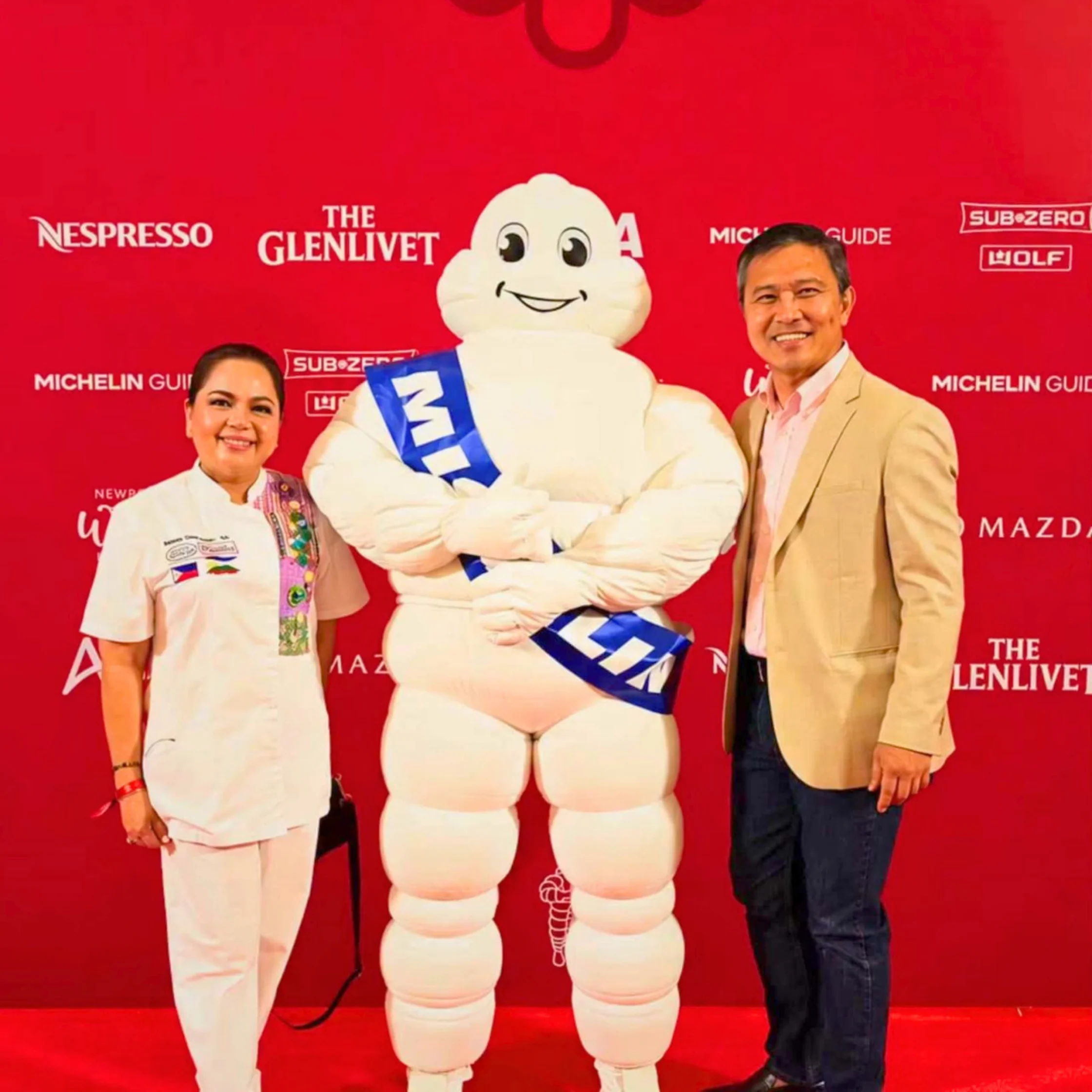
Founded on April 8, 2008, by Pasion-Tan and business partner, Mark Edmon C. Navarro I, Apag Marangle was built on the simple but meaningful vision of giving people a taste of authentic Kapampangan food and hospitality.
That vision is a result of Pasion-Tan’s upbringing where food was practically a love language. Because in Pampanga, meals are not just about filling one’s stomach. They’re about welcoming guests, celebrating milestones, bringing families together, and, of course, making sure nobody leaves the table hungry.
“Food was always more than something we prepared to satisfy our hunger. It was how we welcomed people, celebrated occasions, brought families together, and expressed our love,” she shared.
There’s More to Apag Marangle Than What’s on the Plate
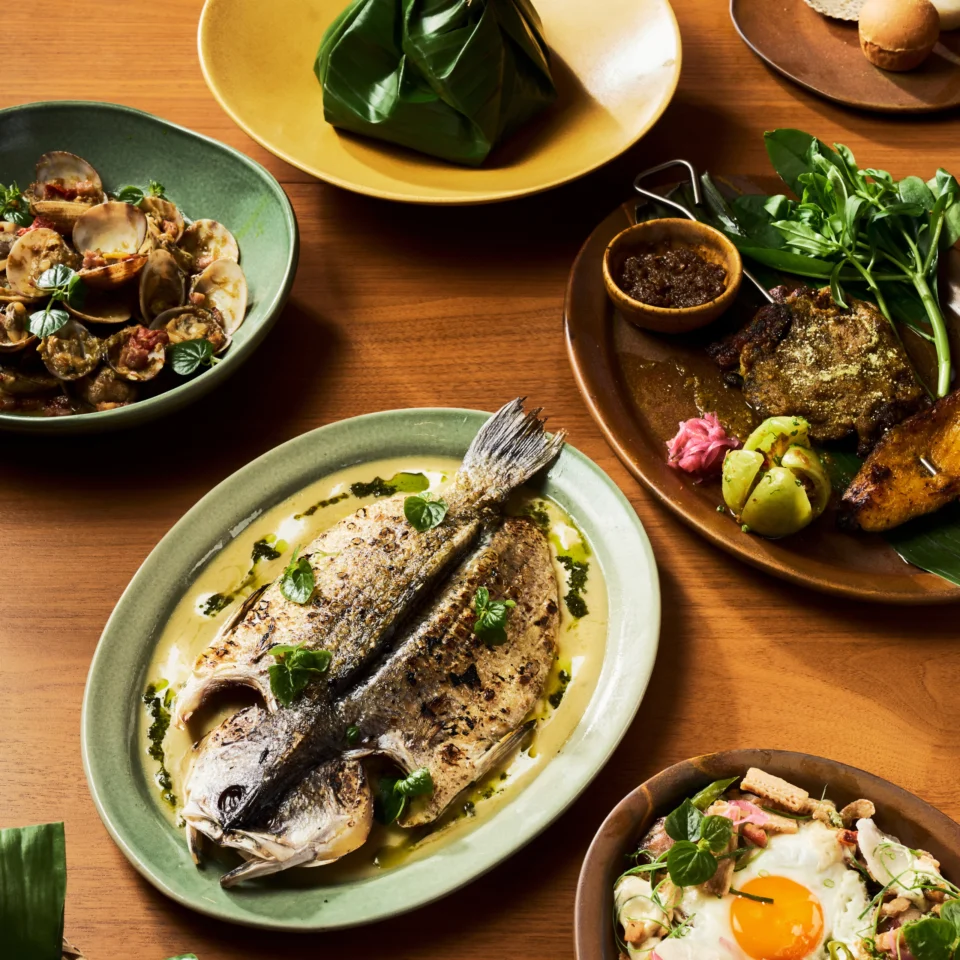
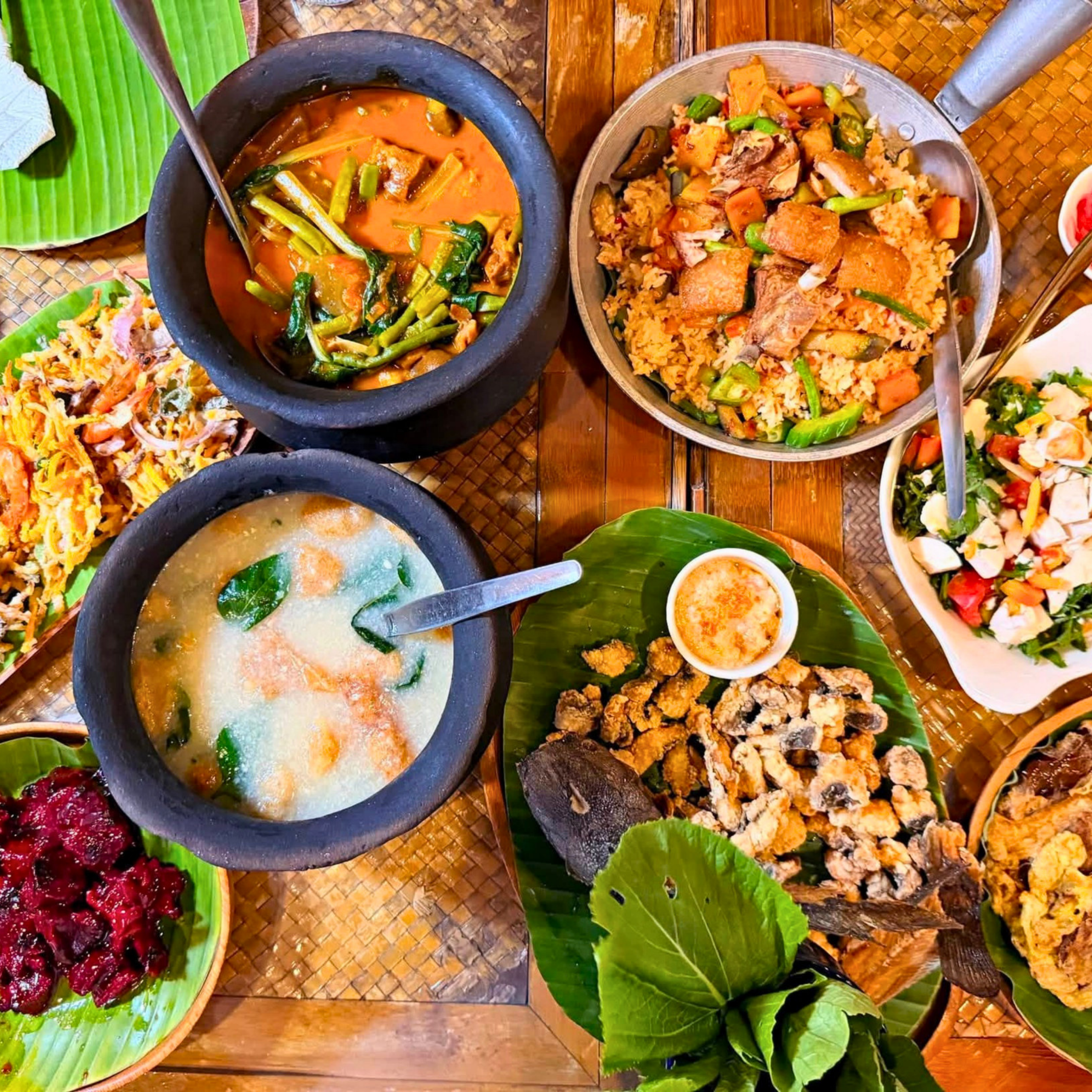
That sentiment is reflected in Apag Marangle’s menu, which celebrates the flavors and techniques that make Kapampangan cooking so special. Dishes such as suam mais, humbaHumbaHumba is a Visayan pork stew akin to adobo but sweeter and more complex, built with soy sauce, vinegar, brown sugar, and often regional banana blossom or fermented black beans.Go to Humba Glossary, sisig, tidtad, pindang damulag, buro, tabang talangka, and camaru showcase a cuisine known for its creativity, resourcefulness, and appreciation for local ingredients.
What truly sets Kapampangan food apart, however, isn’t just what goes into a dish, but the amount of care that goes into making it. With cooking methods that often call for patience, skill, and a keen understanding of flavors and textures, the cuisine reflects everything from the province’s fertile lands, rivers, and diverse cultural influences, to the hardworking, creative, and passionate character of its people.
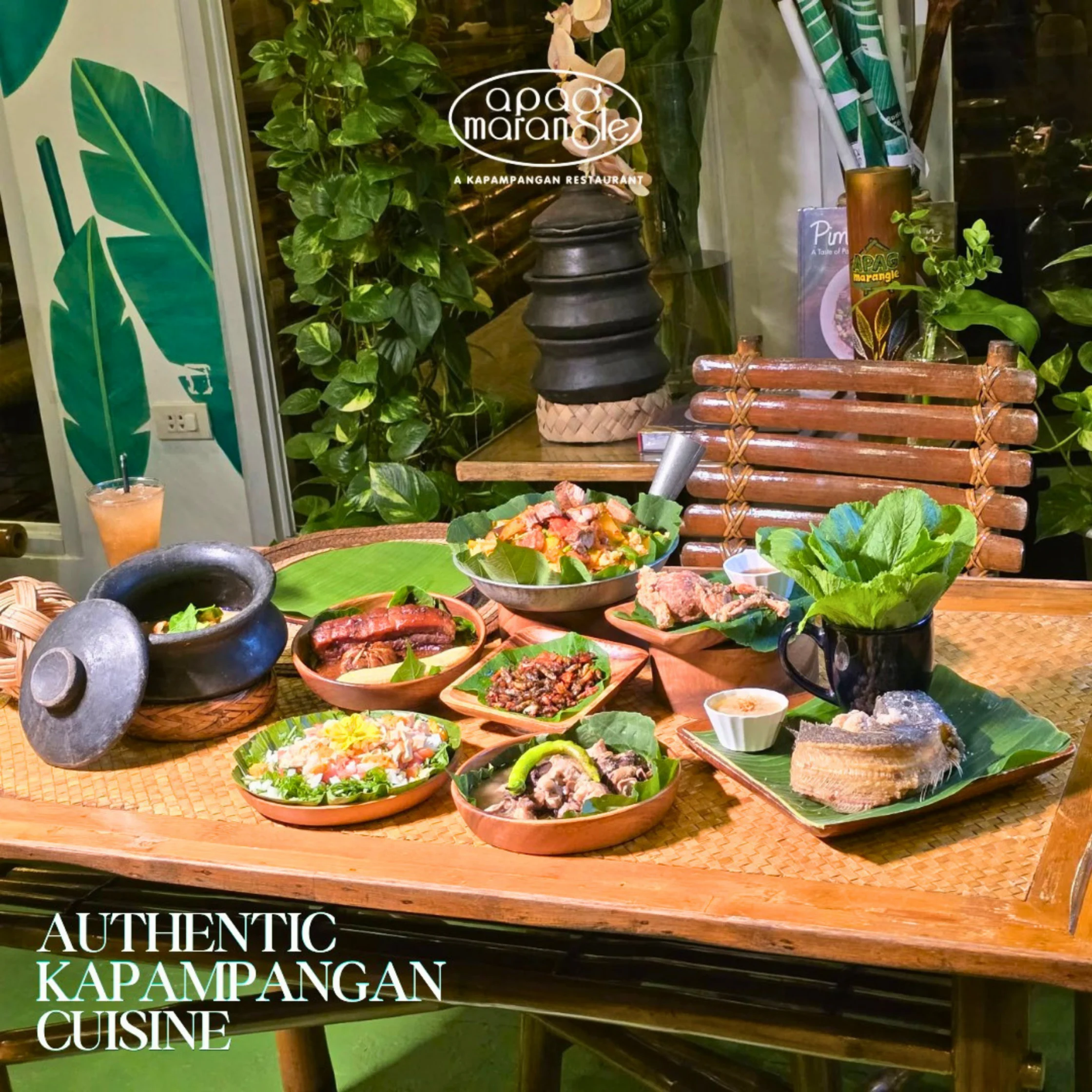
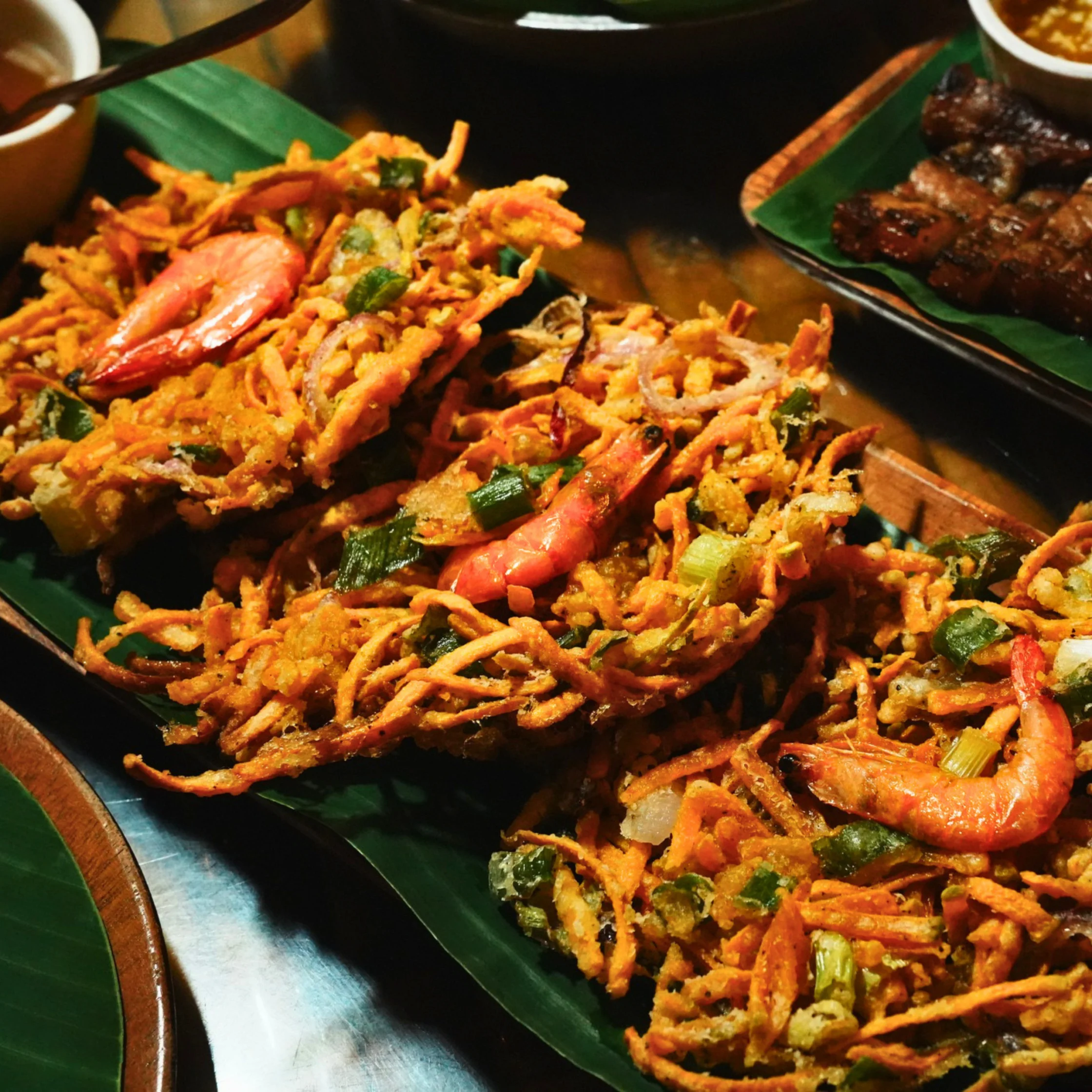
Take their camaru or traditional frog dishes, for example. Made from crickets and frogs respectively, these are ingredients that some might consider unusual or exotic, but in the hands of Kapampangan cooks, they’ve grown to become beloved delicacies.
It’s this ability to make something extraordinary out of what’s available seems to be one of the cuisine’s greatest strengths.
Apag Marangle is Keeping Old Recipes Alive, One Dish at a Time
But keeping these traditions alive takes more than just serving heritage dishes to hungry diners and curious tourists. So at Apag Marangle, they make it a point to share the stories and techniques behind the food through cooking demonstrations, culinary tours, guest immersions, and even media appearances.
“Recipes are meant to be shared, not kept to ourselves. They are meant to be taught, practiced, and passed on,” Pasion-Tan said.
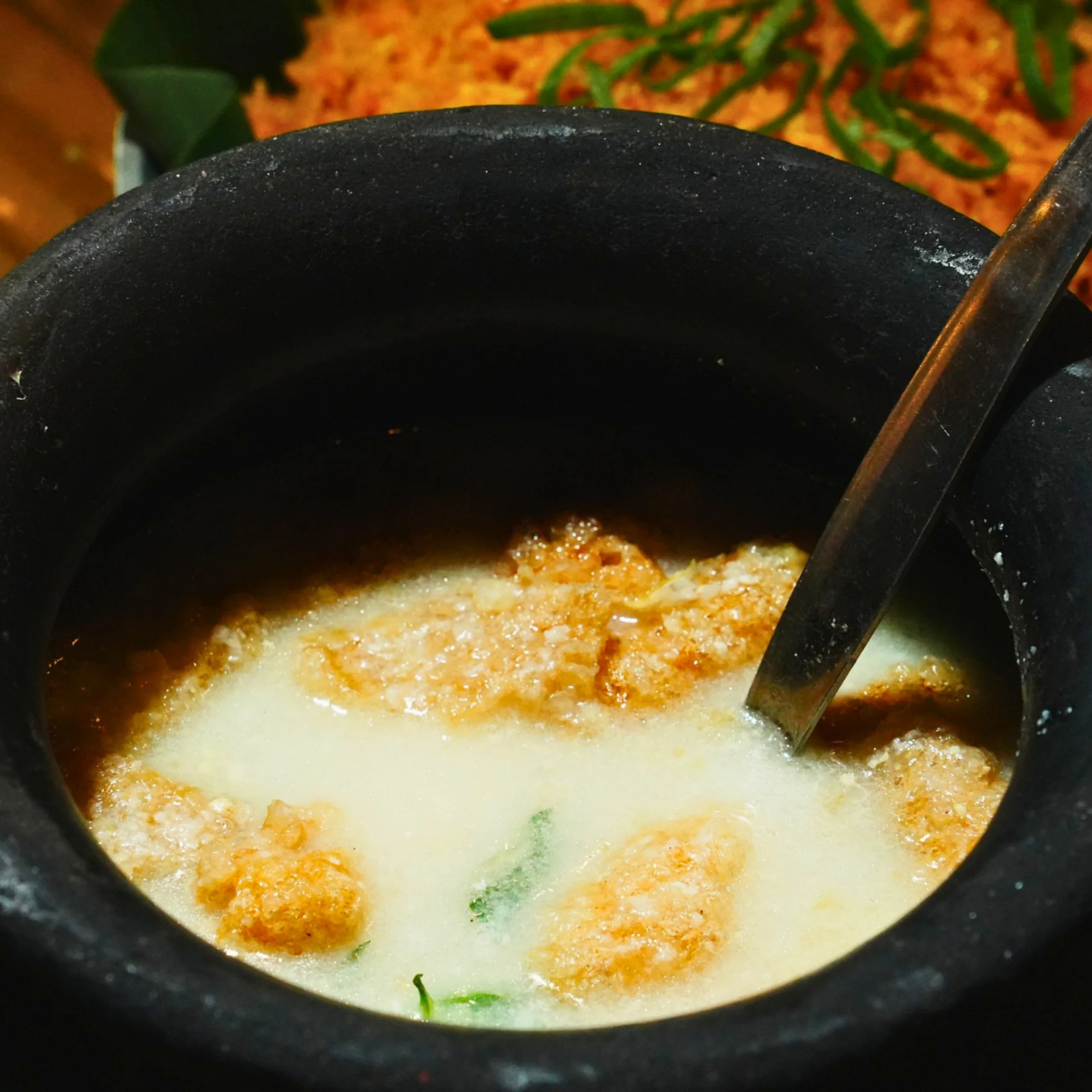
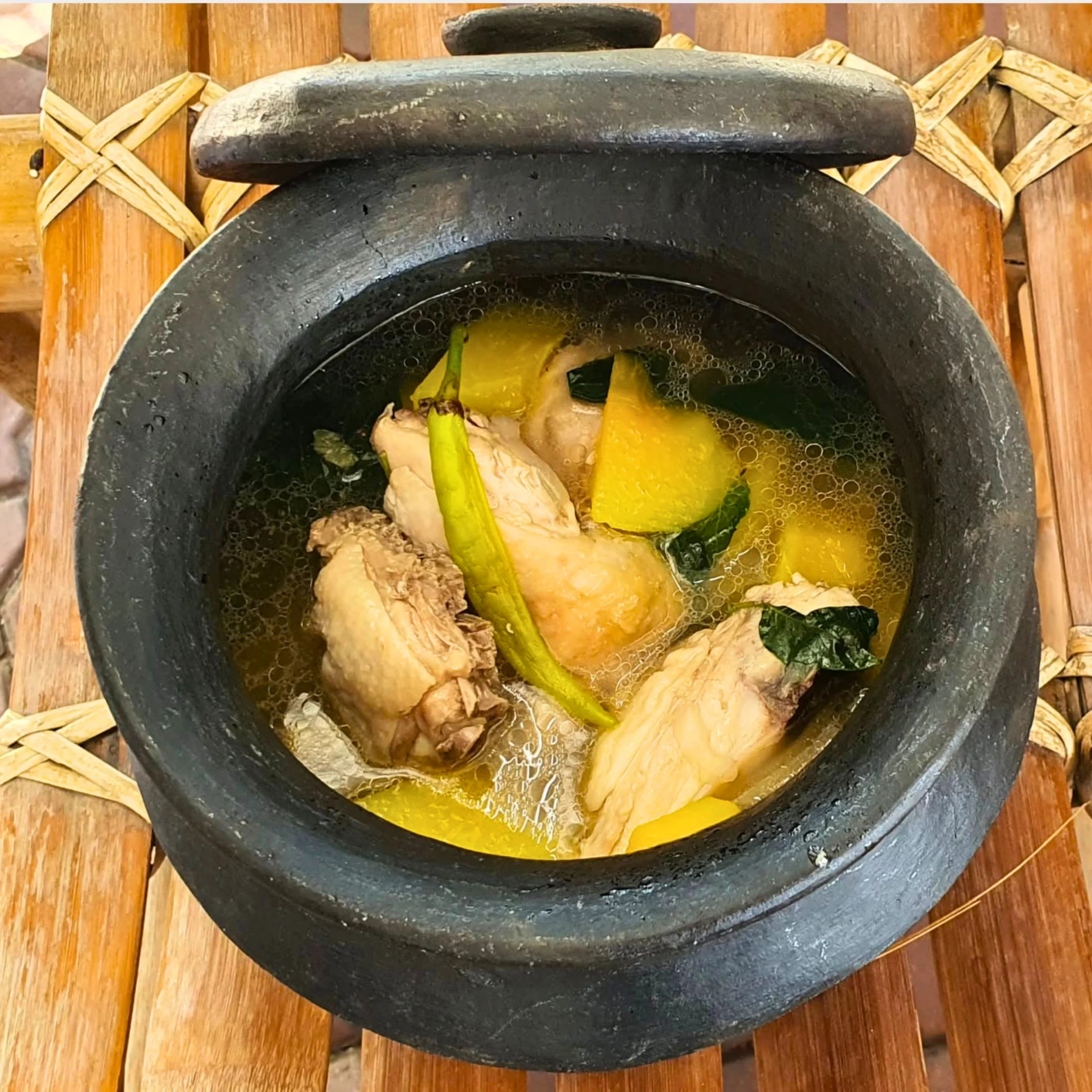
It’s a particularly important mission as some traditional recipes risk disappearing as hard-to-source special ingredients, onerous preparation, and techniques that take years to master push younger generations away. And when fewer families prepare these dishes, what gets lost isn’t just a recipe but also the memories and knowledge attached to it.
That’s why Pasion-Tan encourages younger Kapampangans to spend more time with their elders, visit local markets, learn about traditional ingredients, and get curious about the food they grew up with.
The People Behind Pampanga’s Culinary Legacy
After all, Pampanga’s reputation as the Culinary Capital of the Philippines did not happen overnight, nor did it begin in high-end professional kitchens.
“It started in our homes,” the chef and CEO emphasized.
Behind the province’s celebrated food culture are generations of chefs and home cooks who have perfected recipes through years of practice. Farmers and local producers also play an equally important role, supplying ingredients and knowledge that make cooking these dishes possible.
As a result, Pasion-Tan considers them the unsung culinary heroes of Pampanga, deserving of recognition just as much as the chefs and restaurants bringing their food to the table.
Beyond Apag Marangle‘s Bib Gourmand
Which brings us back to Apag Marangle’s recent MICHELIN Bib Gourmand win. While the distinction celebrates the restaurant’s quality and value, Pasion-Tan sees it as an opportunity to shine a spotlight on the entire Kapampangan food community.
“I think about the mothers and grandmothers who have preserved our recipes, the home cooks who continue to prepare our traditional dishes, the farmers who grow our ingredients, and the many Kapampangan food entrepreneurs who share the same love for our cuisine,” she said.
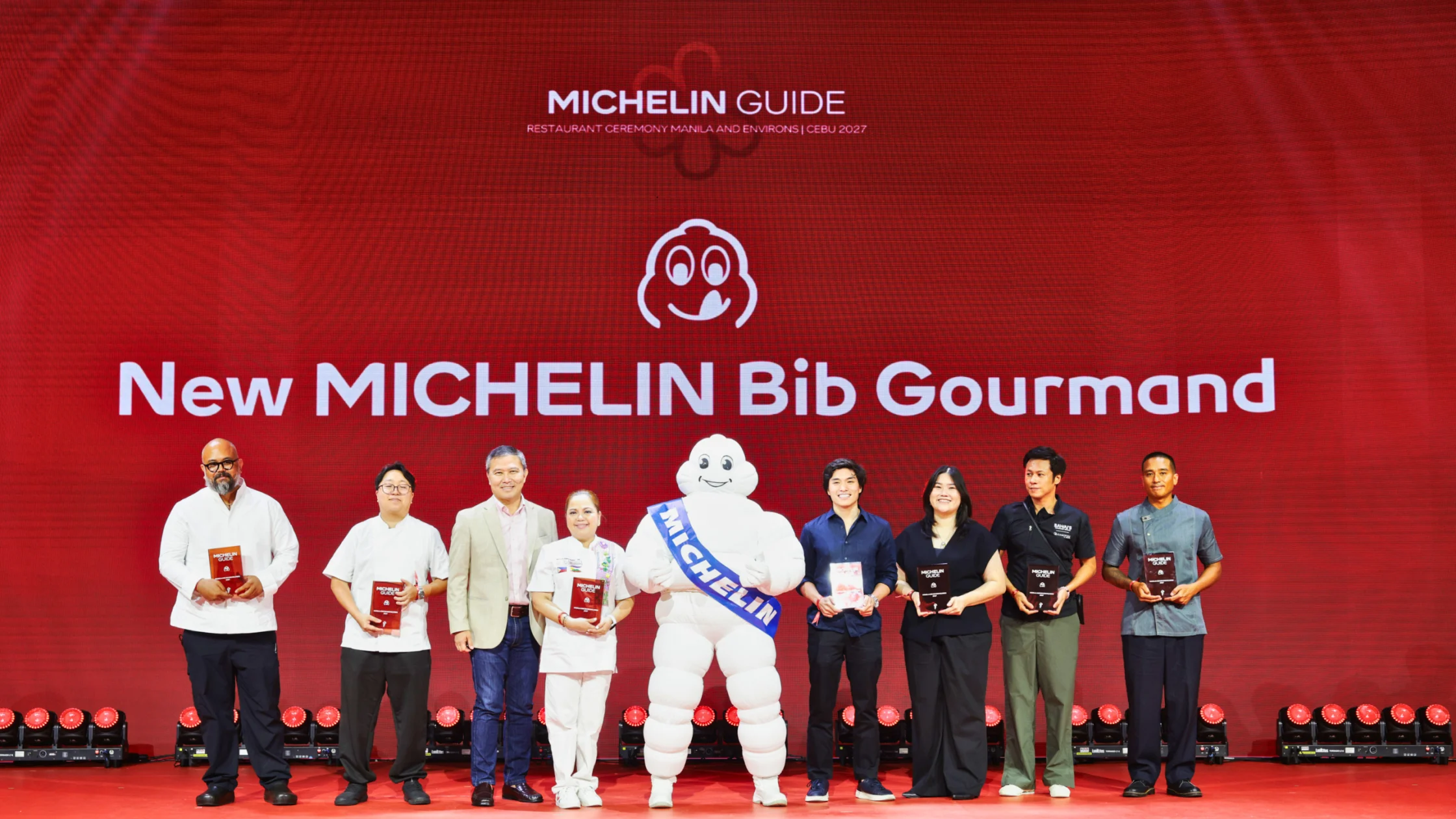
She hopes that the recognition encourages more diners to venture beyond familiar Filipino favorites and discover the country’s rich regional cuisines. It could also bring more visitors to Pampanga, introducing them to local food businesses, and creating greater opportunities for farmers, suppliers, and fellow restaurateurs.
“When one restaurant receives international recognition, it can open people’s eyes to an entire culinary destination,” she expressed. “I want us to grow together.”
A Heritage Worth Passing On
For Pasion-Tan, the Bib Gourmand is a memorable milestone, but certainly not the finish line. Her bigger dream is for Apag Marangle to leave a legacy that goes beyond awards and accolades by inspiring future generations to take pride in their food and continue sharing the stories behind it.
While recognition from MICHELIN may be new, the culinary excellence it celebrates has already been simmering in Kapampangan homes and kitchens for generations.
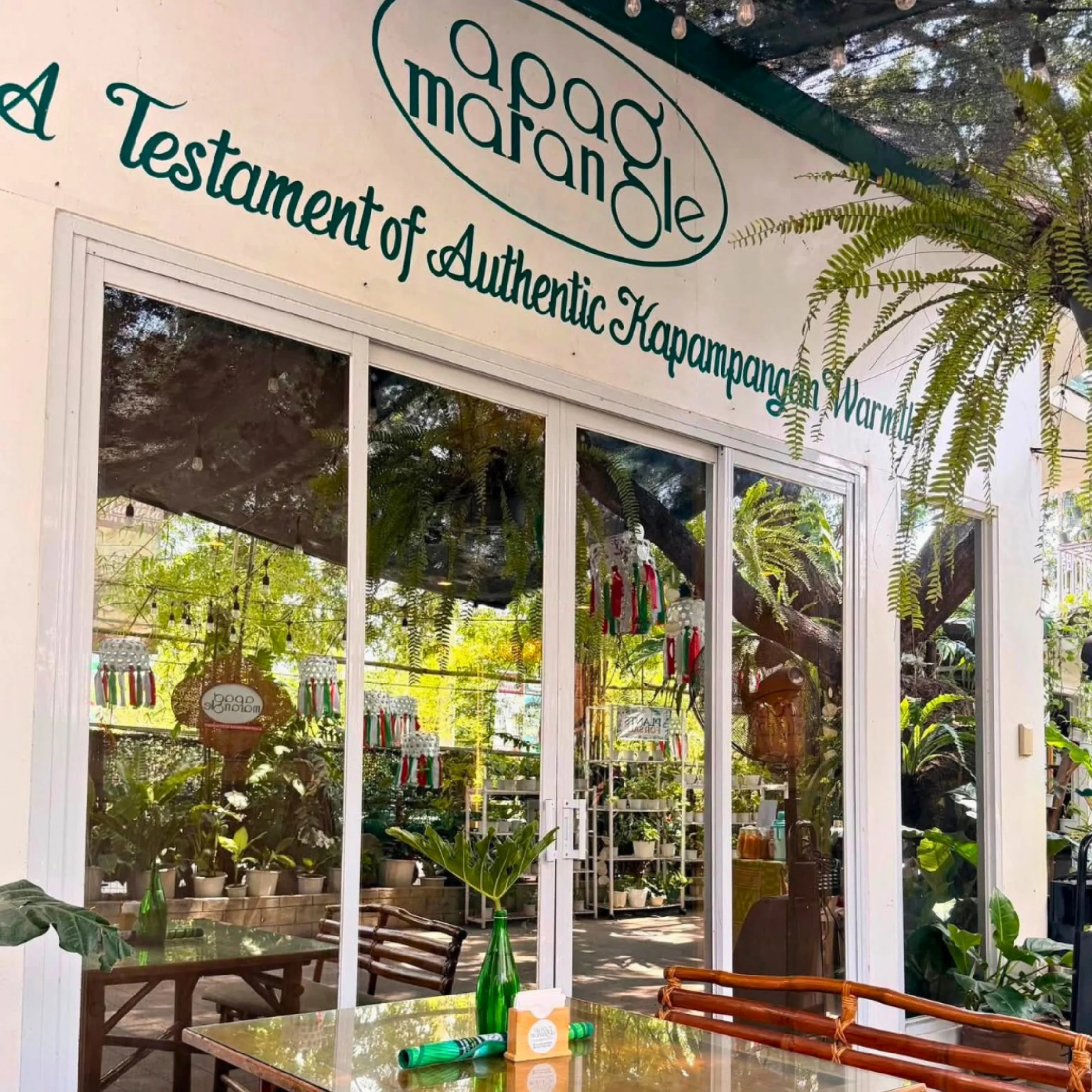
As she puts it, “When we preserve our food, we preserve our identity. When we share our food, we share our culture. And when we pass it on, we make sure that our heritage lives on.”
And If Apag Marangle has anything to do with it, there will be plenty more generations gathering around the table to enjoy it.
Apag Marangle is located at JASA, San Juan Nepomuceno – Dalan Betis, Guagua, Philippines.

Frequently Asked Questions
Apag Marangle is known for celebrating traditional Kapampangan cuisine, showcasing regional dishes, local ingredients, and the food traditions of Pampanga.
Chef Manuela Cherry Pasion-Tan is the co-founder and CEO of Apag Marangle. She advocates for preserving and sharing Kapampangan culinary heritage through traditional dishes, cooking demonstrations, culinary tours, and other educational activities.
Pampanga is widely known as the Culinary Capital of the Philippines because of its rich food traditions, distinctive regional dishes, and generations of skilled home cooks, chefs, farmers, and food producers.
Apag Marangle is located at JASA, San Juan Nepomuceno – Dalan Betis, Guagua, Philippines. They also have a branch at Marquee Mall (Don Juan Nepomuceno Avenue), Angeles City, Pampanga.
Yes. Apag Marangle received a 2027 MICHELIN Bib Gourmand distinction, which recognizes restaurants that offer good-quality food at good value.