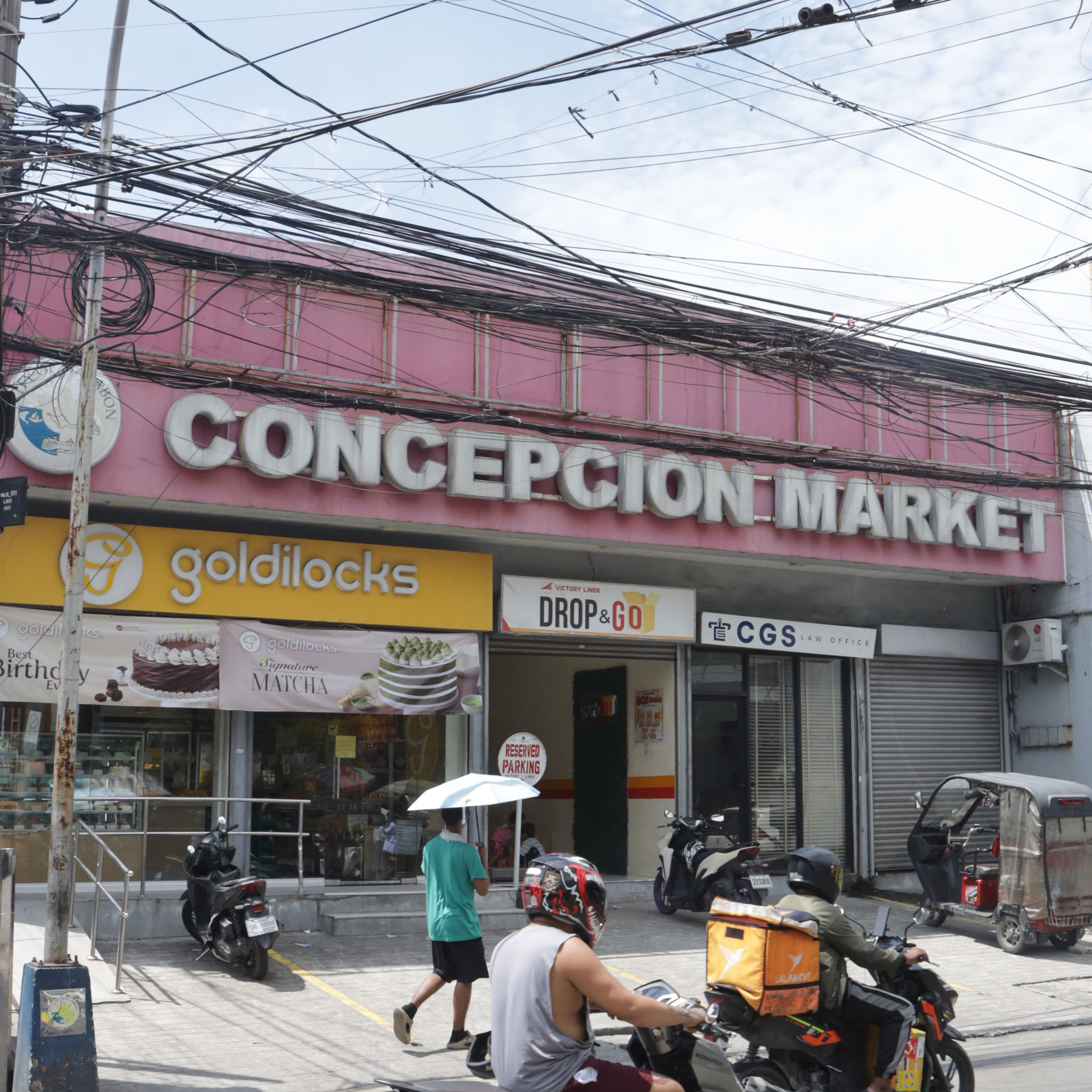
The Concepcion Market in Malabon may not be the biggest the city has to offer in terms of size and scope, yet it has a handful of reasons why people still prefer going to this neighborhood palengke. Located right at the Plaza Concepcion along General Luna Street, the market recently went through a modern makeover through a public-private partnership, making it more organized and a lot cleaner. Apart from that, its close proximity to the coast makes it a great hub for fresh catches of the day. That, and of course, these five amazing food finds.
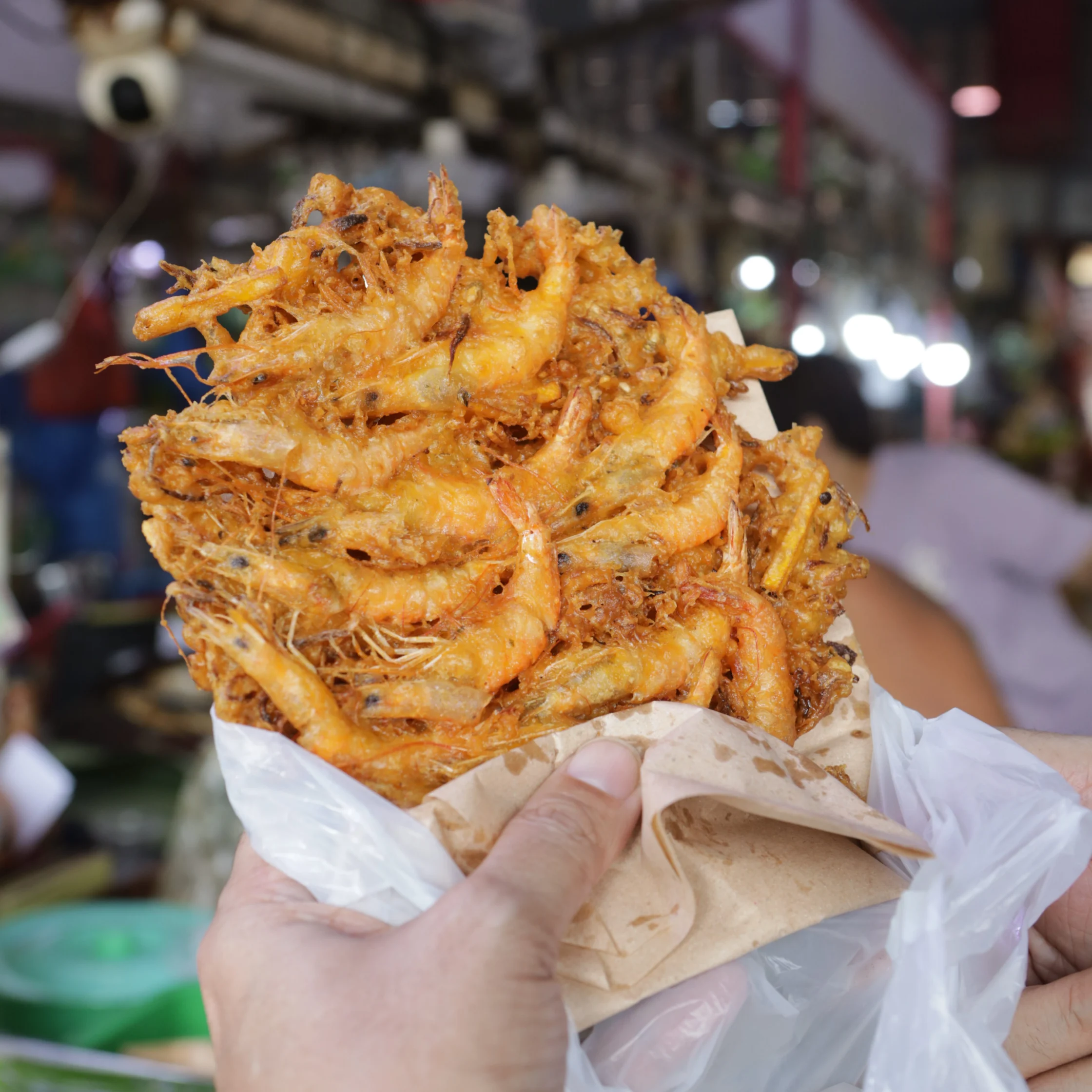
1. Okoy ni Jay-R
Operating since 1999, this stall has been one of the major crowd drawers in the market. Its bait? One thing only—okoyOkoyCrispy Filipino fritters made from small shrimp and shredded vegetables such as sweet potato or bean sprouts, bound in a light batter and deep-fried until golden. Best enjoyed hot withGo to Okoy Glossary, but in different varieties and prices. The regular shrimp okoy costs P60, the same as the vegetarian version made of beansprouts, squash and tofu. All four can be enjoyed in your fritter for an additional P10. What people make a beeline for are the special with double the number of shrimps (P100), and the super special, which has everything plus onion rings. Whatever your choice, you won’t go wrong with their twice-fried crispy okoy.
2. Kikiam ni Nanay Elvie’s
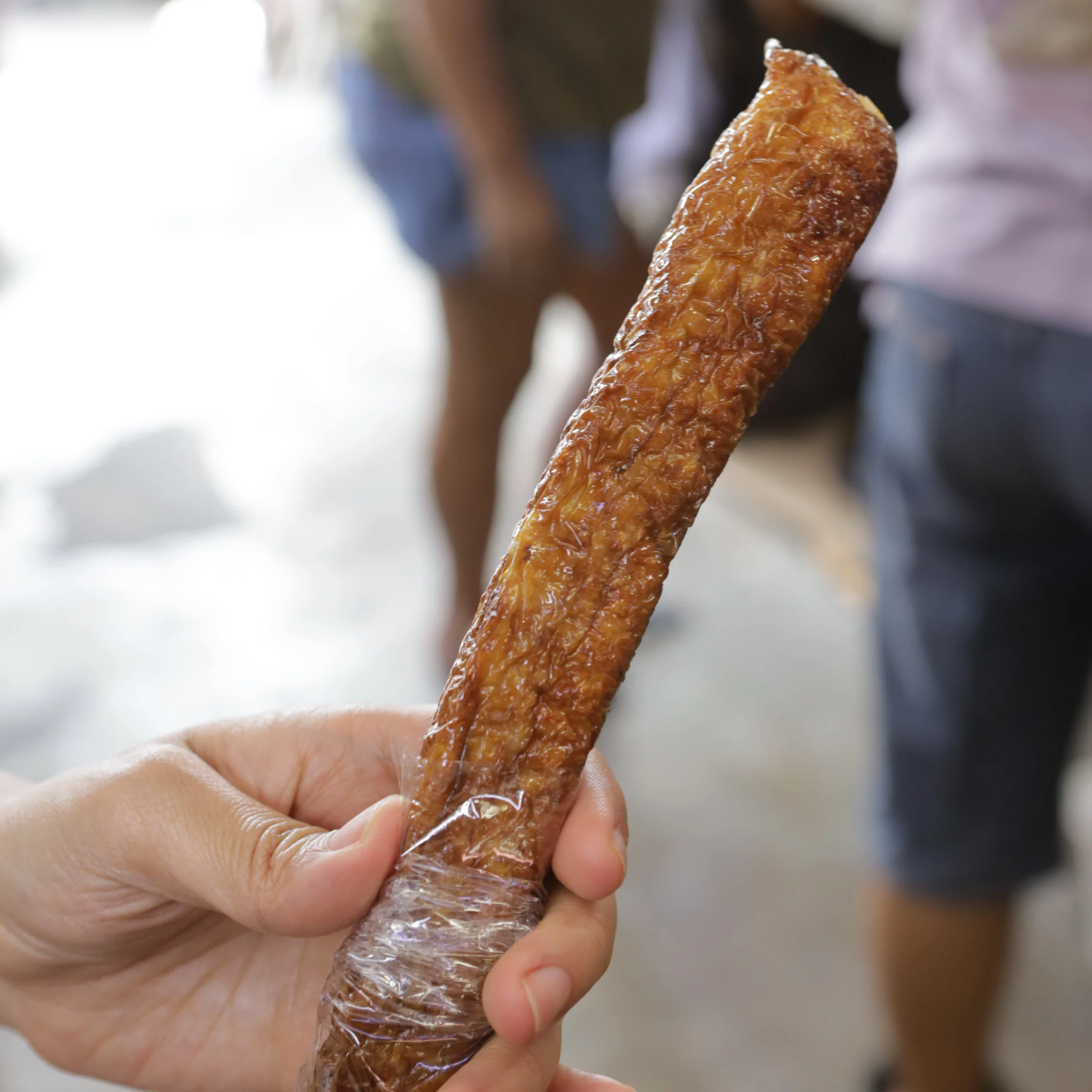
This humble market stall sells a bunch of things, but if there’s one thing you shouldn’t miss, it’s her Malabon Kikiam. A Filipino-Chinese specialty, this fried roll holds a sausage like filling composed of minced pork, vegetables, and seafood seasoned with five-spice powder then wrapped tightly with dry bean curd sheets called tawpe. Something other kikiams don’t have is minced jicama or singkamas; sometimes even water chestnuts. It often comes with a fishball sauce, a sweet and slightly spicy glaze.
3. Rellenong Bangus at Mylene and Grace
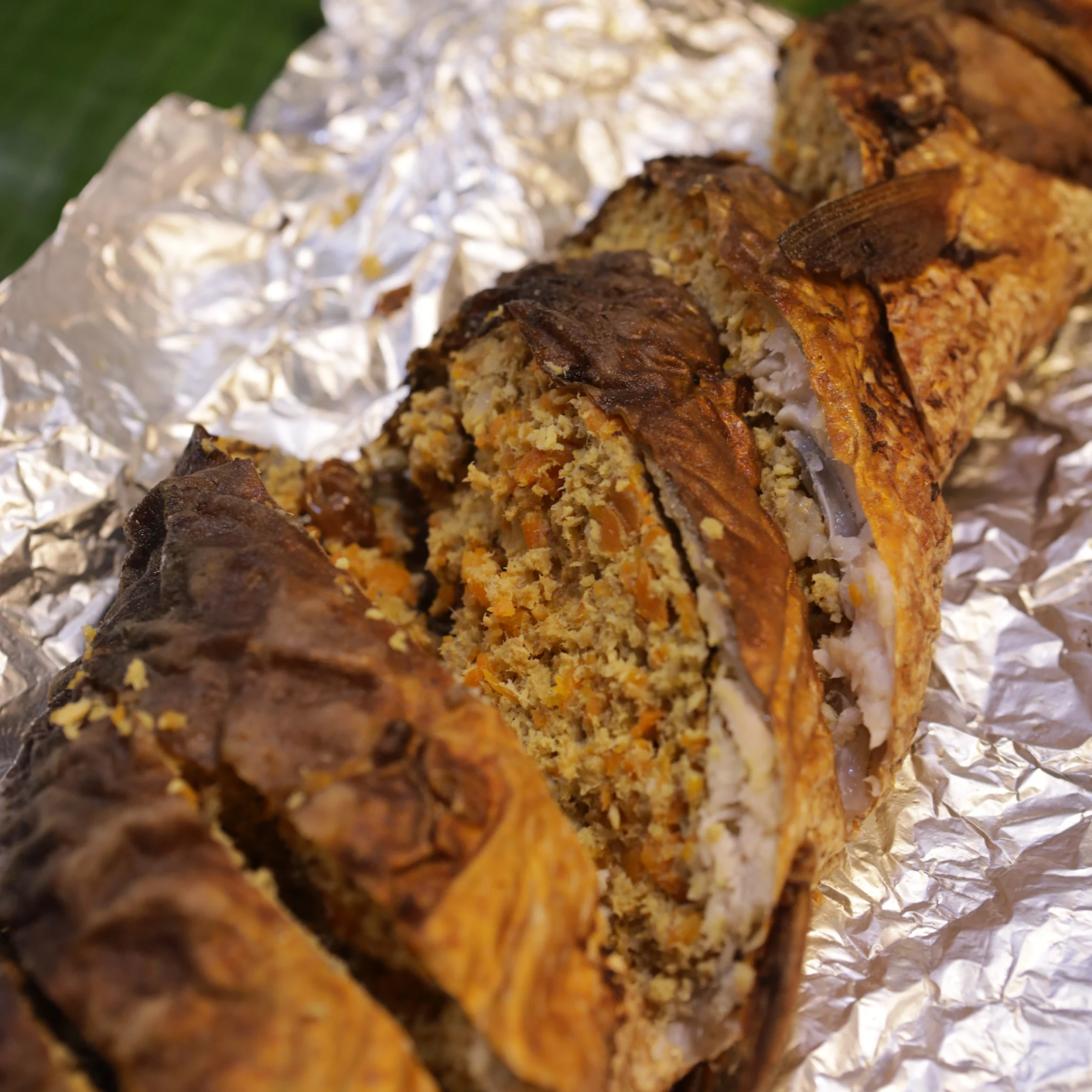
A lot of vendors at the Concepcion Market make it their daily ritual to debone milkfish (carefully separating flesh from skin) and stuffing the steamed and flaked meat back in, wrap it with foil then baking it until golden and the skin becomes crisp. Others deep fry it to guarantee crunchy skin. Authentic Malabon versions pride themselves on using 100% milkfish as filling, no extenders like pork or a potent spice mix. Our local tour guide Erol swears by the rellenong bangus at Mylene and Grace.
4. Patis Puro from Zenaida
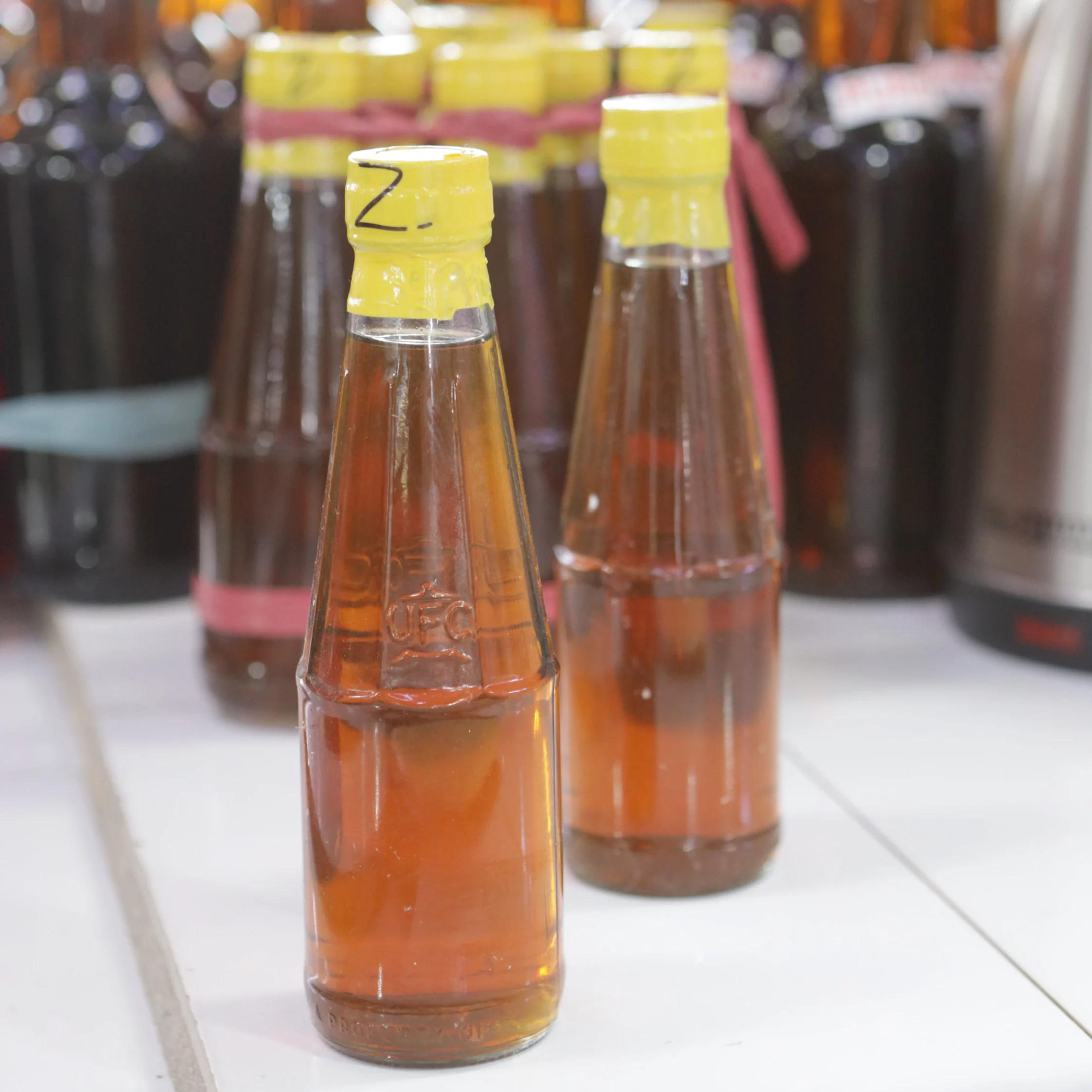
Have you ever checked your bottle of fish sauce to check if what you’ve been using for your dishes is purely patis or a condiment that’s patisPatisFilipino fish sauce, made from fermented fish and salt, with a deep umami character and a briny, savory aroma. Used both in cooking and as a table seasoning, patis roundsGo to Patis Glossary-flavored? To set the records straight, if the bottle writes patis flavor then it’s most likely that it contains the real thing, mixed with water to mimic the taste of fish sauce and make it more affordable. If it’s patis puro, then it’s authentic, a result of naturally fermenting fish and salt, resulting to a deep umami flavored sauce. It’s not an imitation blend. It’s available at Zenaida’s stall. Get the one with the yellow seal.
5. Tapang Kabayo and Tinapa from Grace and Mylene
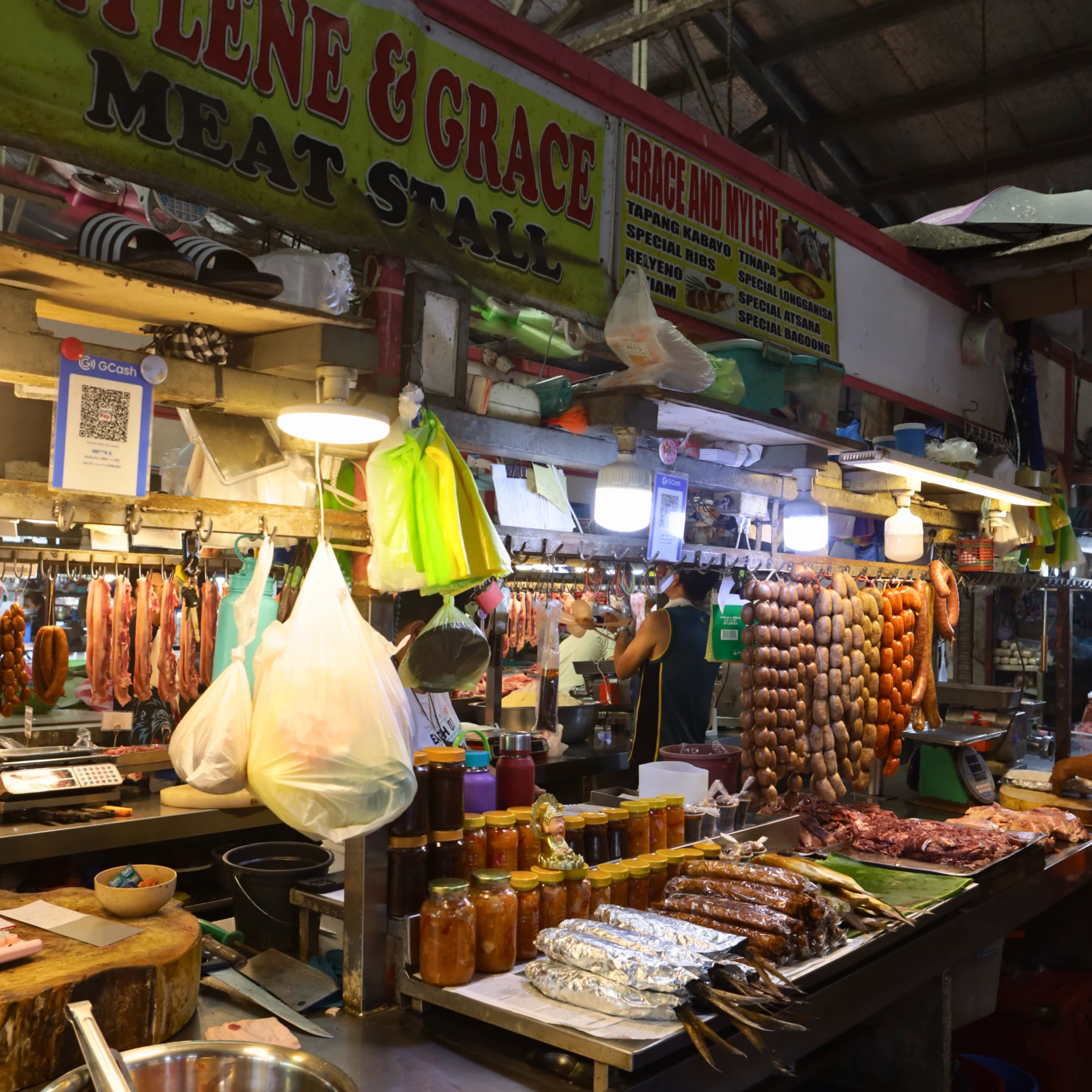
Looking for the perfect Pinoy breakfast? These two delicacies from Grace and Mylene make for a delicious silog. Tapang Kabayo is seasoned and cured lean horse meat with a garlicky and sweet flavor, while the tinapa is fish that’s been cured in a salt solution for hours, dried then smoked to get a golden-brown complexion, a smoky aroma, and a bold flavor. For these, Grace and Mylene has a ton for you to choose from.

Frequently Asked Questions
Concepcion Market is located right at the Plaza Concepcion along General Luna Street in Malabon City.
Crowd favorite Jay-R is famous for their okoy, of which has multiple flavors including the classic shrimp and vegetarian (made with beansprouts, squash, and tofu). Mylene and Grace is also known for their rellenong bangus and tinapa that locals swear by.
Try their Malabon Kikiam. Unlike other kikiams, it had a crunch because of the added minced jicama or singkamas or even water chestnuts.
Available at the Zenaida stall, patis puro stands out amongst the others that are just “patis-flavored” as it is the authentic result of fermenting fish and salt.
The two delicacies that make for a good Malabon silog is tapang kabayo and tinapa from Mylene and Grace.