Advertisement

No Fancy Dining Room, Just Great Cansi at Yoc Cansihan

With its humble garage setup, bubbling pot of beef soup, and steady stream of lunchtime customers, Yoc Cansihan proves that a good bowl of cansi doesn't need a fancy dining room to make an impression.

YOC CANSIHAN SAN JUAN CANSI WITH RICE
When was the last time you saw a Manila-based eatery serving cansi?[PHOTO: JC Galisanao]

When I dropped by Yoc Cansihan in San Juan for lunch, it was already drawing quite a crowd. 

With cars pulling up along the few-stride-wide street, motorcycles rolling in, and a few customers simply walking over, it seemed clear to me that everyone was after the same thing: a steaming bowl of cansi. 

Tucked inside a two-story house’s garage, Yoc Cansihan is easy to miss if you aren’t paying close attention. Its modest setup consists of a few folding tables, plastic chairs, and a makeshift counter, with a big pot of cansi bubbling away behind it. This young, few-month-old neighborhood spot isn’t particularly fancy, but that’s part of its charm. 
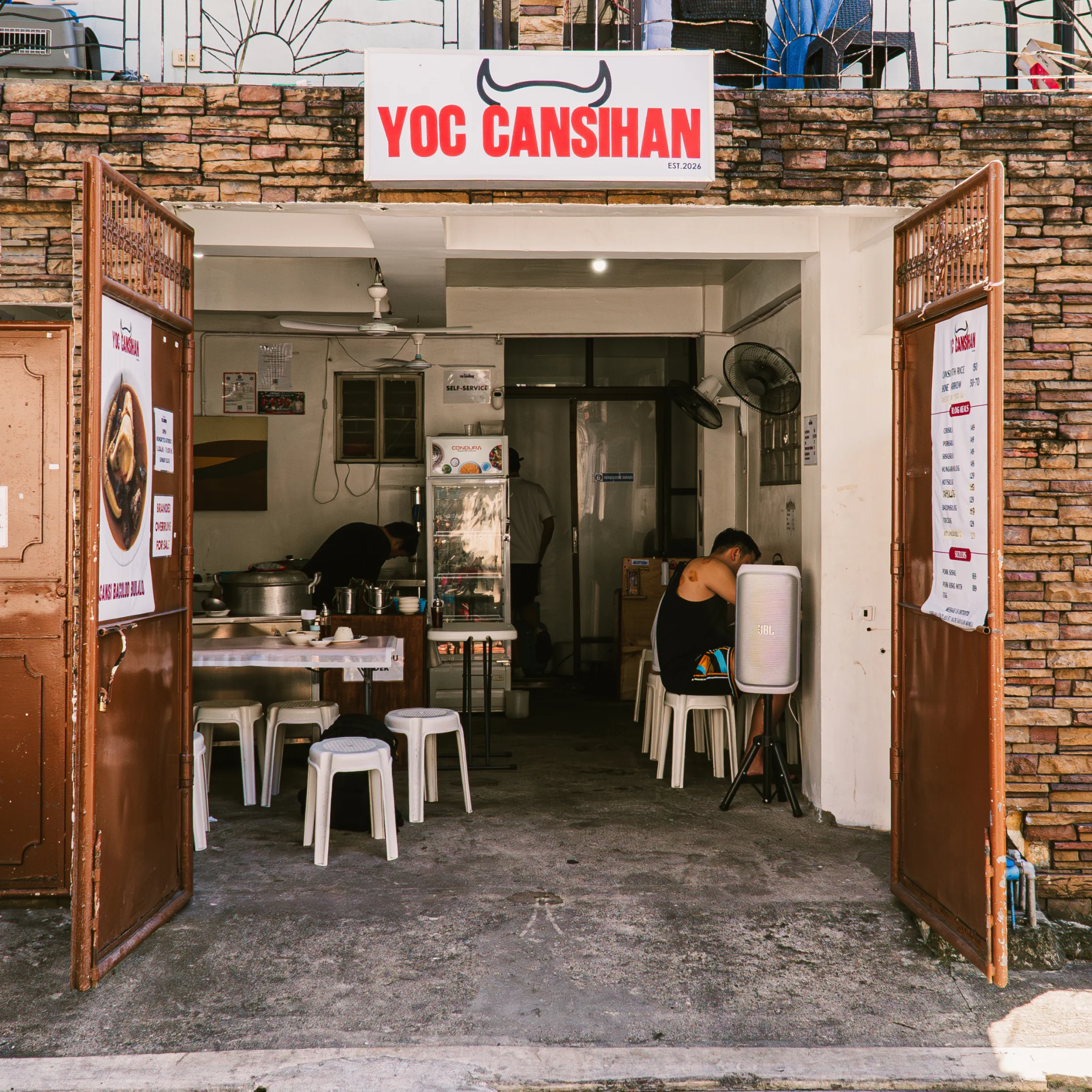
YOC CANSIHAN SAN JUAN FACADE
Don’t let its modest setup fool you because this eatery packs a cansi-filled punch! [PHOTO: JC Galisanao]

There’s no elaborate dining room or flashy storefront trying to draw you in—just good food. And judging by the steady stream of customers, that seems to be more than enough.

A New San Juan Spot for Cansi

For those unfamiliar, cansi (sometimes spelled kansi) is a beloved Western Visayas staple that brings together the hearty nature of and sour profile of sinigang for a comforting beef soup that’s satisfyingly rich. It’s this distinct balance that helps the dish stand out among a sea of other delicious Filipino soup options.

While a beloved staple in places like Bacolod and Iloilo, it’s something you don’t typically come across at eateries in Manila, making Yoc Cansihan a particularly interesting find in San Juan. And plenty of people seem to agree because everyone from influencers to neighborhood locals seem ready to go out of their way for a taste of this regional specialty. 

Naturally, that had me looking forward to trying the cansi for myself.

The Bowl That Makes the Trip Worthwhile

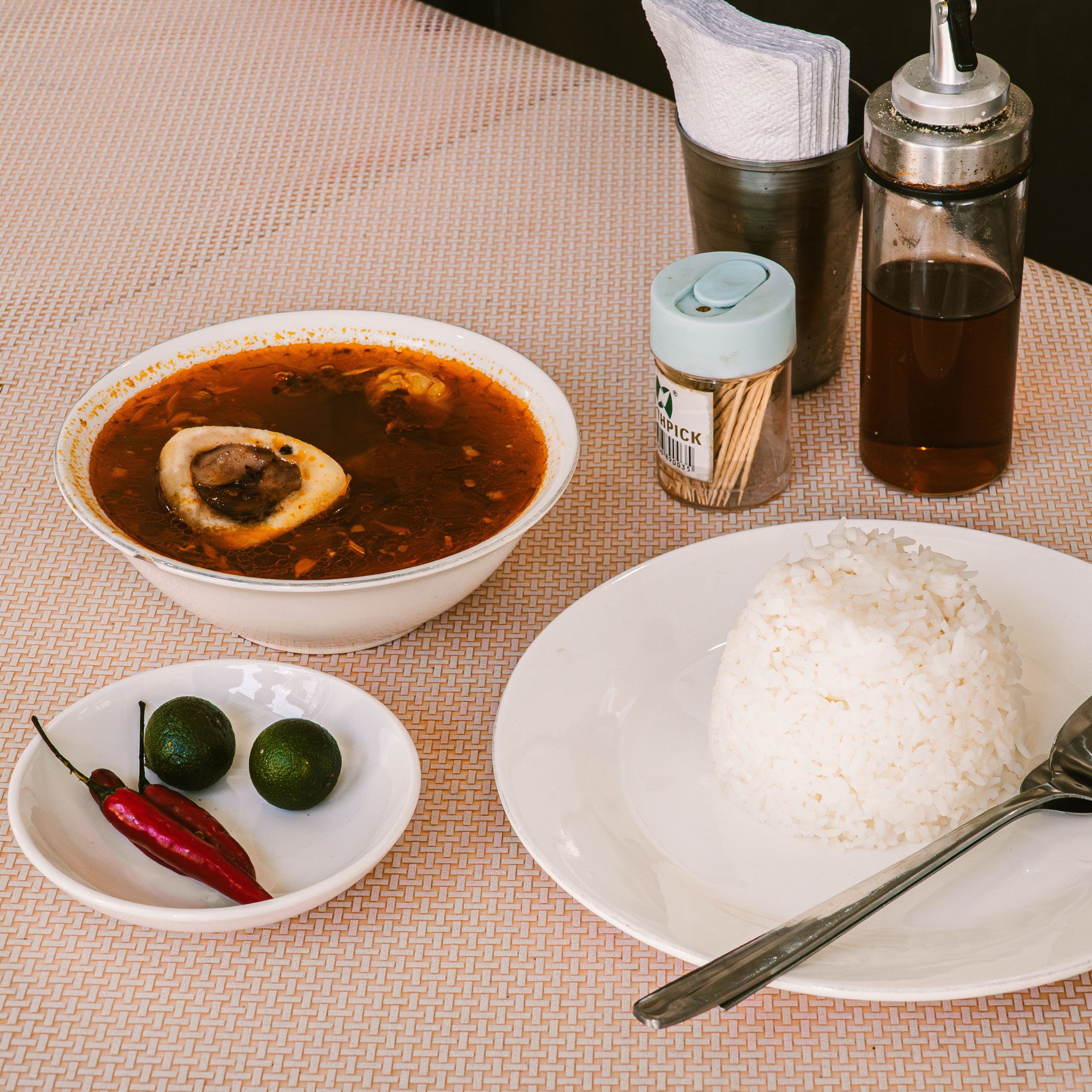
After ordering, it didn’t take long for our steaming bowl to arrive with the signature orange-red broth. Its surface glistened with a slight layer of fat, while small chunks of beef and jackfruit jutted out from under the soup. A hefty piece of bone marrow also sat in the middle, although this is an add-on rather than part of the regular cansi-with-rice serving.

Despite the tempting nature of both the beef and marrow, I found the strength to sample the broth first. Its sourness came through right away, but it wasn’t so sharp for my face to contort into a pucker. It did, however, have enough tang to cut through the fatty richness. 
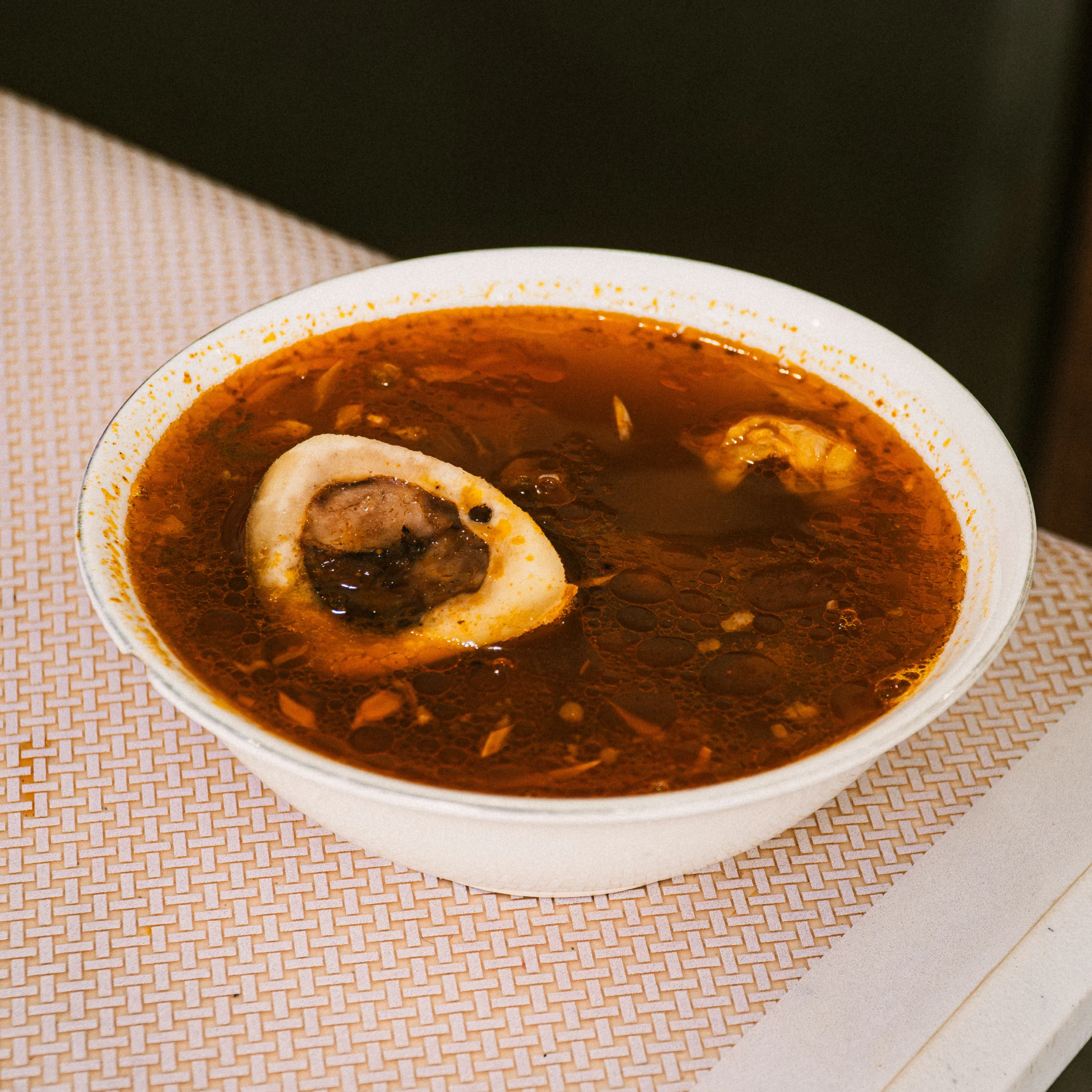
YOC CANSIHAN SAN JUAN CANSI
Cansi from Yoc Cansihan in San Juan [PHOTO: JC Galisanao]

That acidity comes from batwan, the Western Visayas fruit that gives cansi its signature sourness, while annatto is responsible for the broth’s color. Lemongrass, ginger, and garlic also go into the mix, adding a fragrant layer that complements the beefy flavor without overpowering it.

Speaking of beef, our serving came with relatively small chunks. That wasn’t much of an issue, though, because they were melt-in-your-mouth tender. The jackfruit was a little less noticeable, almost disappearing among the beef and marrow swimming in the soup. Still, it added another element to the bowl, soaking up all that tangy, fatty goodness along the way. 
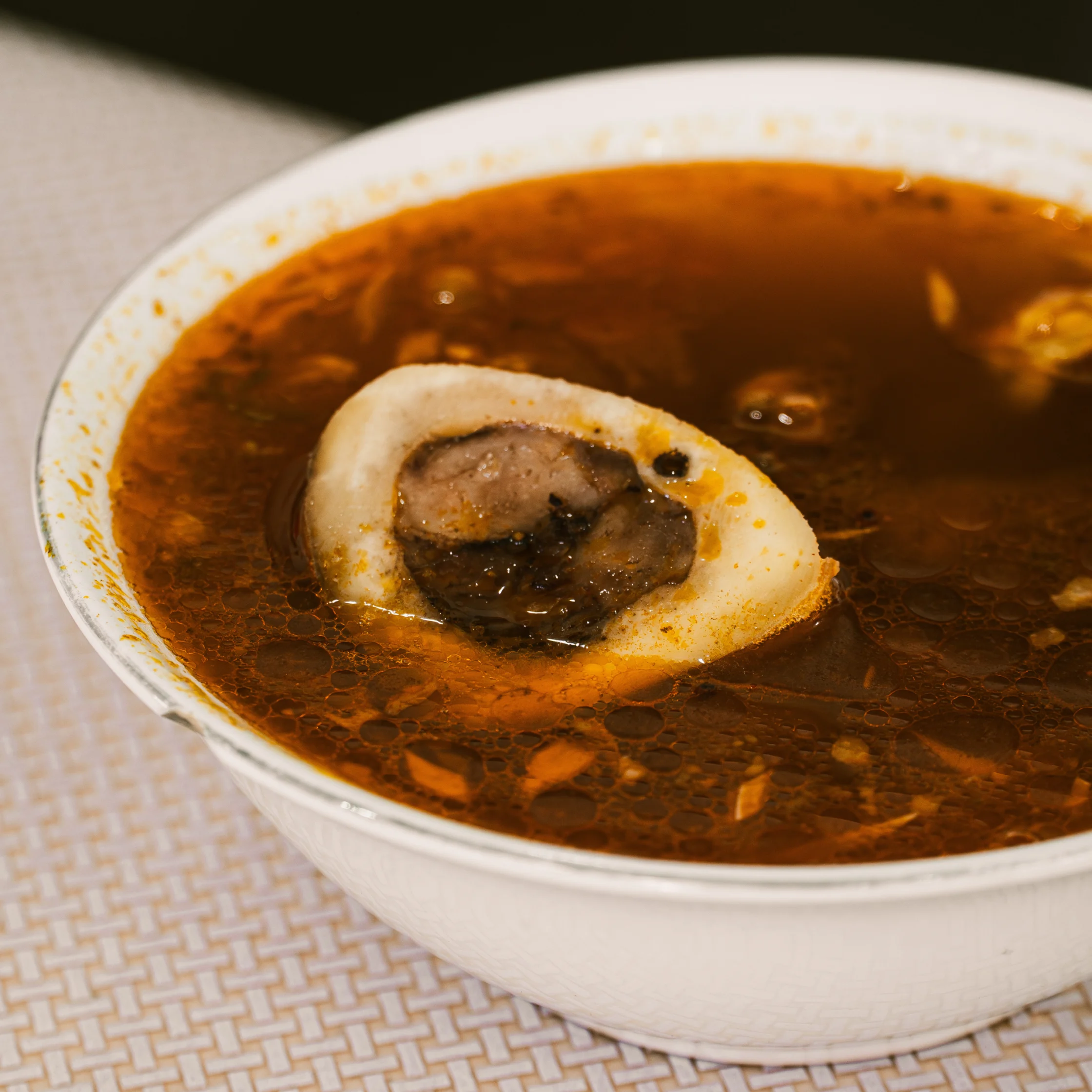
YOC CANSIHAN SAN JUAN CANSI
Order a little bone marrow while you’re there too. [PHOTO: JC Galisanao]

And if you’re particularly fond of bone marrow, that additional 50 to 70 pesos is worth considering. Rich and buttery, it makes an already hearty bowl feel even more indulgent. Paired with plenty of rice, it’s exactly the kind of meal you’d want to take your time with, even when the lunchtime crowd is waiting for their turn.

Cansi isn’t the Only Thing on the Menu

Of course, not everyone comes looking for a bowl of sour beef soup. Thankfully, Yoc also has familiar favorites like silogs and sisig for those who aren’t quite ready to give cansi a try. It’s a nice touch, especially for groups with different cravings, although I’d argue that the house specialty is where your attention and money should go.
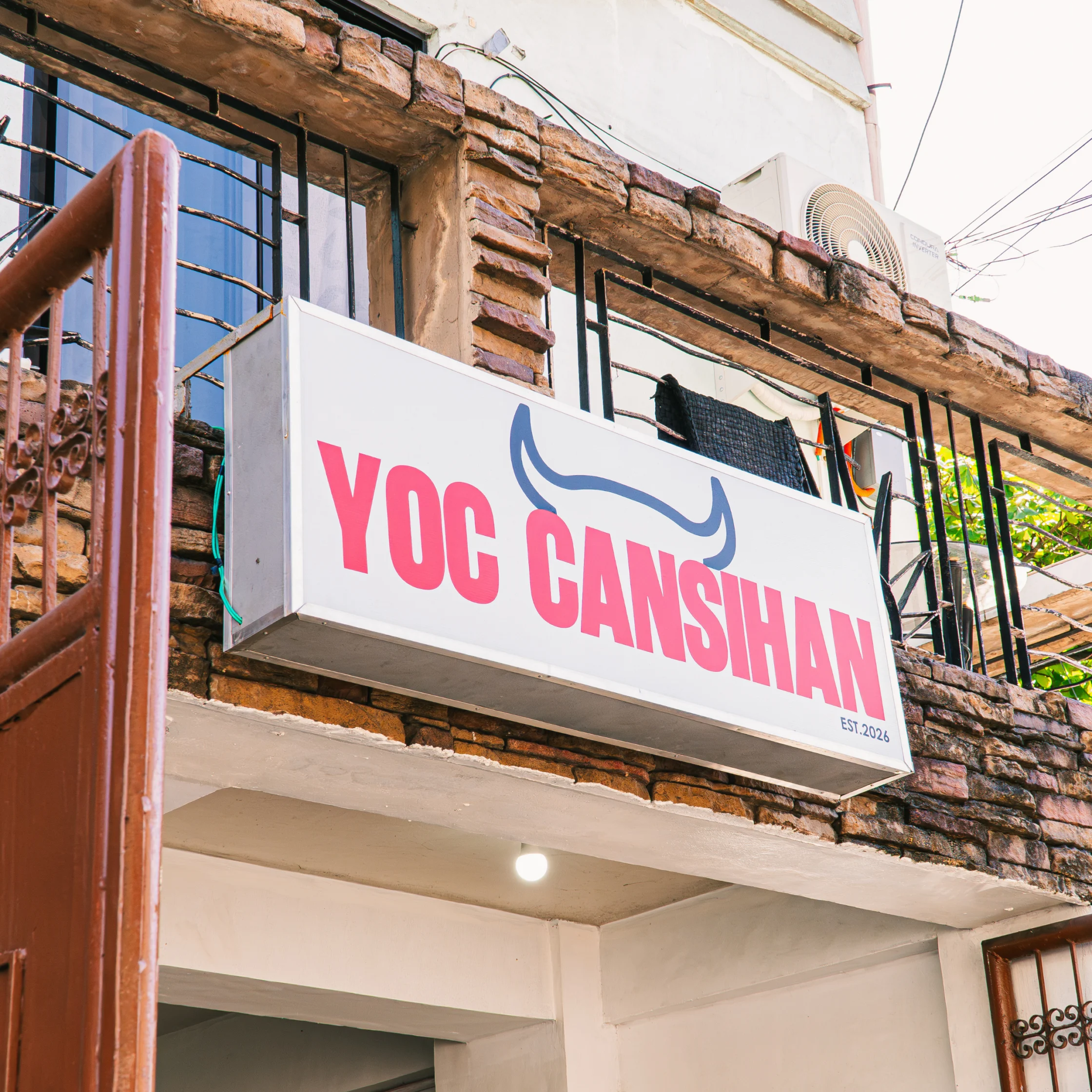
YOC CANSIHAN SAN JUAN SIGN
Keep an eye out for this sign! [PHOTO: JC Galisanao]

Yoc Cansihan may be a small, relatively new addition to San Juan’s food scene, but it offers something a little different from the usual neighborhood fare. For anyone who hasn’t tried cansi before, it’s a chance to discover a regional favorite without having to travel to Bacolod or Iloilo. And for those who already know and love it, there’s now another spot in the city to get a satisfying bowl.

Yoc Cansihan is located at 426b Valenzuela Street, Batis, San Juan.

author avatar
Paolo Elwick
Paolo is a food writer and storyteller exploring the intersections of food, culture, and identity through thoughtful, people-centered storytelling. He believes that, second only to language, food is one of humanity's most powerful expressions of culture—a medium for preserving history, expressing identity, and coming to understand ourselves and connect with others. Drawn to the histories, traditions, and personal experiences behind every dish, his writing combines curiosity with emotional honesty, highlighting diverse voices and celebrating the communities that shape our food landscape. Influenced by writers and artists who embrace vulnerability and introspection, Paolo uses a reflective, metaphor-rich approach to uncover the deeper meanings found in everyday meals and shared tables. He is passionate about creating stories that foster empathy, preserve cultural narratives, and invite readers to see food as more than sustenance—as memory, identity, and belonging. Through his work, Paolo hopes to amplify underrepresented perspectives and spark meaningful conversations that extend far beyond the plate.

Frequently Asked Questions

Cansi, sometimes spelled kansi, is a beef soup from Western Visayas that combines the hearty richness of bulalo with the sour flavor profile of sinigang. It’s especially associated with Bacolod and Iloilo.

author avatar
Paolo Elwick
Paolo is a food writer and storyteller exploring the intersections of food, culture, and identity through thoughtful, people-centered storytelling. He believes that, second only to language, food is one of humanity's most powerful expressions of culture—a medium for preserving history, expressing identity, and coming to understand ourselves and connect with others. Drawn to the histories, traditions, and personal experiences behind every dish, his writing combines curiosity with emotional honesty, highlighting diverse voices and celebrating the communities that shape our food landscape. Influenced by writers and artists who embrace vulnerability and introspection, Paolo uses a reflective, metaphor-rich approach to uncover the deeper meanings found in everyday meals and shared tables. He is passionate about creating stories that foster empathy, preserve cultural narratives, and invite readers to see food as more than sustenance—as memory, identity, and belonging. Through his work, Paolo hopes to amplify underrepresented perspectives and spark meaningful conversations that extend far beyond the plate.

Cansi gets its distinctive sourness from batwan, a fruit commonly used in Western Visayas cooking. Annatto gives the broth its characteristic orange-red color.

author avatar
Paolo Elwick
Paolo is a food writer and storyteller exploring the intersections of food, culture, and identity through thoughtful, people-centered storytelling. He believes that, second only to language, food is one of humanity's most powerful expressions of culture—a medium for preserving history, expressing identity, and coming to understand ourselves and connect with others. Drawn to the histories, traditions, and personal experiences behind every dish, his writing combines curiosity with emotional honesty, highlighting diverse voices and celebrating the communities that shape our food landscape. Influenced by writers and artists who embrace vulnerability and introspection, Paolo uses a reflective, metaphor-rich approach to uncover the deeper meanings found in everyday meals and shared tables. He is passionate about creating stories that foster empathy, preserve cultural narratives, and invite readers to see food as more than sustenance—as memory, identity, and belonging. Through his work, Paolo hopes to amplify underrepresented perspectives and spark meaningful conversations that extend far beyond the plate.

Yes. Aside from cansi, the eatery also offers familiar Filipino favorites like silogs and sisig.

author avatar
Paolo Elwick
Paolo is a food writer and storyteller exploring the intersections of food, culture, and identity through thoughtful, people-centered storytelling. He believes that, second only to language, food is one of humanity's most powerful expressions of culture—a medium for preserving history, expressing identity, and coming to understand ourselves and connect with others. Drawn to the histories, traditions, and personal experiences behind every dish, his writing combines curiosity with emotional honesty, highlighting diverse voices and celebrating the communities that shape our food landscape. Influenced by writers and artists who embrace vulnerability and introspection, Paolo uses a reflective, metaphor-rich approach to uncover the deeper meanings found in everyday meals and shared tables. He is passionate about creating stories that foster empathy, preserve cultural narratives, and invite readers to see food as more than sustenance—as memory, identity, and belonging. Through his work, Paolo hopes to amplify underrepresented perspectives and spark meaningful conversations that extend far beyond the plate.

Yoc Cansihan in San Juan serves cansi in a modest garage-style setup. It’s located at 426b Valenzuela Street, Batis, San Juan.

author avatar
Paolo Elwick
Paolo is a food writer and storyteller exploring the intersections of food, culture, and identity through thoughtful, people-centered storytelling. He believes that, second only to language, food is one of humanity's most powerful expressions of culture—a medium for preserving history, expressing identity, and coming to understand ourselves and connect with others. Drawn to the histories, traditions, and personal experiences behind every dish, his writing combines curiosity with emotional honesty, highlighting diverse voices and celebrating the communities that shape our food landscape. Influenced by writers and artists who embrace vulnerability and introspection, Paolo uses a reflective, metaphor-rich approach to uncover the deeper meanings found in everyday meals and shared tables. He is passionate about creating stories that foster empathy, preserve cultural narratives, and invite readers to see food as more than sustenance—as memory, identity, and belonging. Through his work, Paolo hopes to amplify underrepresented perspectives and spark meaningful conversations that extend far beyond the plate.

Both are beef-based soups, but cansi has a distinct sour broth made with batwan. Bulalo is generally known for its rich beef-and-bone broth without the same signature sourness.


author avatar
Paolo Elwick
Paolo is a food writer and storyteller exploring the intersections of food, culture, and identity through thoughtful, people-centered storytelling. He believes that, second only to language, food is one of humanity's most powerful expressions of culture—a medium for preserving history, expressing identity, and coming to understand ourselves and connect with others. Drawn to the histories, traditions, and personal experiences behind every dish, his writing combines curiosity with emotional honesty, highlighting diverse voices and celebrating the communities that shape our food landscape. Influenced by writers and artists who embrace vulnerability and introspection, Paolo uses a reflective, metaphor-rich approach to uncover the deeper meanings found in everyday meals and shared tables. He is passionate about creating stories that foster empathy, preserve cultural narratives, and invite readers to see food as more than sustenance—as memory, identity, and belonging. Through his work, Paolo hopes to amplify underrepresented perspectives and spark meaningful conversations that extend far beyond the plate.
paolo elwick delish ph food writer

Paolo Elwick

Writer

Paolo is a food writer and storyteller exploring the intersections of food, culture, and identity through thoughtful, people-centered storytelling. He believes that, second only to language, food is one of humanity's most powerful expressions of culture—a medium for preserving history, expressing identity, and coming to understand ourselves and connect with others. Drawn to the histories, traditions, and personal experiences behind every dish, his writing combines curiosity with emotional honesty, highlighting diverse voices and celebrating the communities that shape our food landscape. Influenced by writers and artists who embrace vulnerability and introspection, Paolo uses a reflective, metaphor-rich approach to uncover the deeper meanings found in everyday meals and shared tables. He is passionate about creating stories that foster empathy, preserve cultural narratives, and invite readers to see food as more than sustenance—as memory, identity, and belonging. Through his work, Paolo hopes to amplify underrepresented perspectives and spark meaningful conversations that extend far beyond the plate.

0 0 votes
Total of Ratings
guest
Rating
Ratings for Article
0 Comments
Oldest
Newest Most Voted

To provide a customized ad experience, we need to know if you are of legal age in your region.

By making a selection, you agree to our Terms & Conditions.