

“Would you still eat an animal if you knew that it would feel pain the same way you do?”
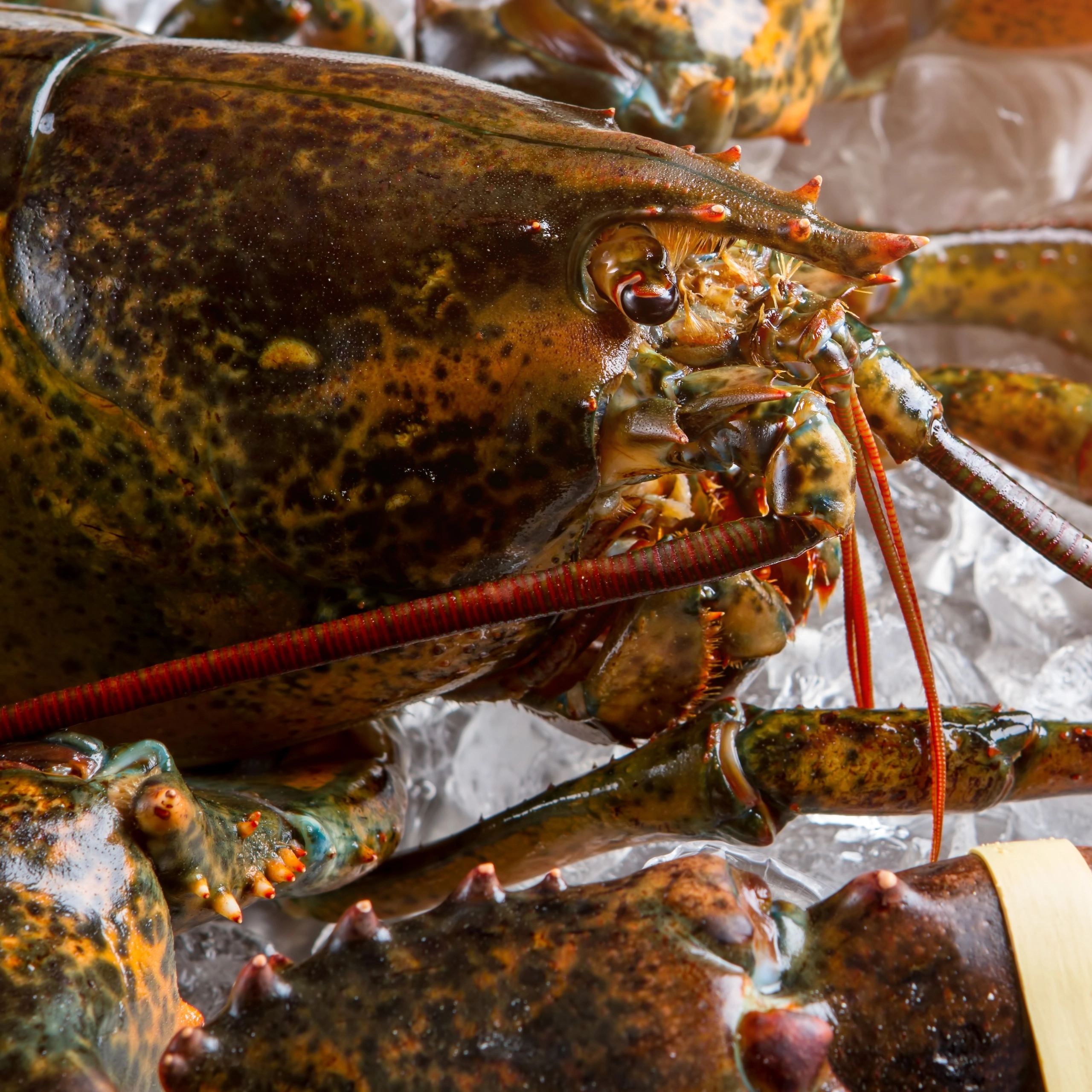
This should be the question you ask yourself before biting into your next crustacean-based meal because a study from the University of Gothenburg in Sweden shows that lobsters actually react to pain in ways that are strikingly similar to humans. For many years, people incorrectly assumed that the lobsters’ premortem responses were purely driven by reflex and instinct, but these recent findings suggest otherwise—sparking global conversations about whether crustaceans such as lobsters, crabs, and even shrimp should be treated more humanely before cooking
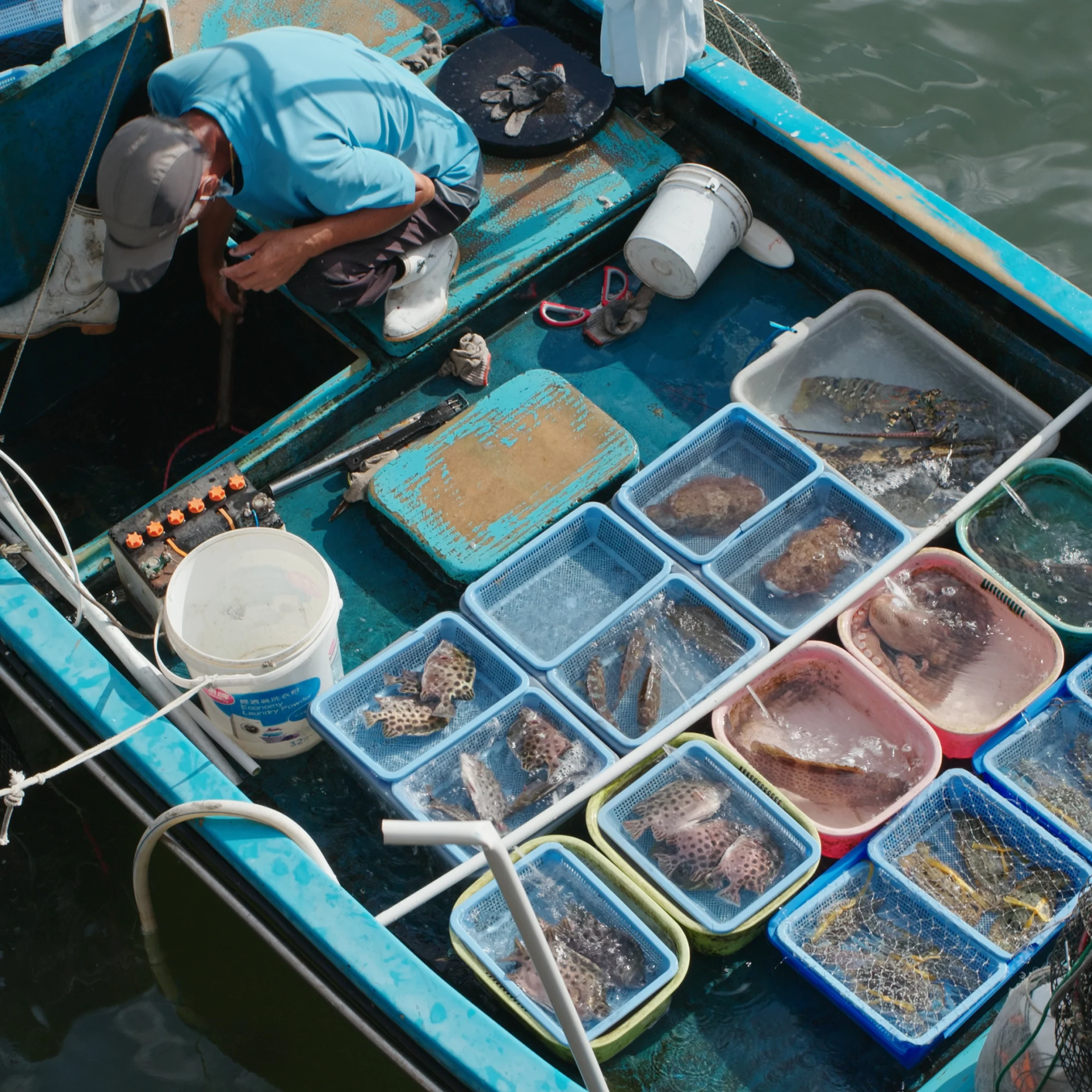
In the Philippines, an archipelago made up of over 7,100 islands, seafood is deeply embedded in both local cuisine and culture. Crabs, prawns, and shrimp are staples in many Filipino households and restaurants, yet traditional preparation methods often involve cooking them alive, making this topic particularly relevant. While these practices have long been accepted as normal, growing research on crustaceans is asking chefs and food experts to reconsider how these animals are killed before they reach the plate.
Finding a more humane way to cook lobster
The most common practice used all over the world at the moment is spiking. Spiking involves damaging the animal’s nervous system by striking the crustacean between the eyes with a sharp knife. This, however, doesn’t kill it right away, because it only impairs part of the nervous system, so cooks still need to split it in half to fully incapacitate the animal. Although the technique may seem violent to watch, it’s still generally considered faster and more humane than immediate exposure to boiling water.
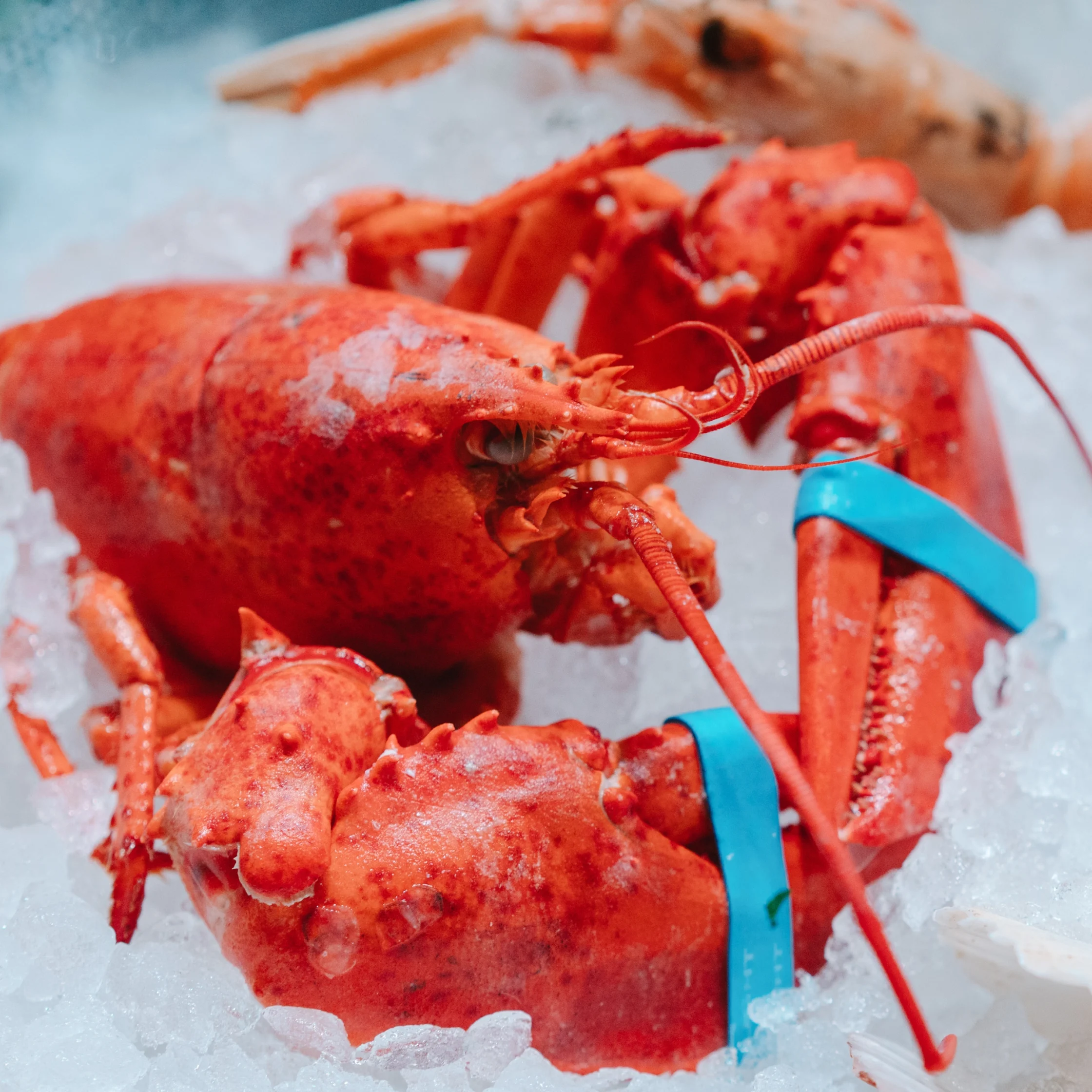
Another method that’s catching up in popularity is electrically stunning the animal. This process uses a specialized tabletop machine that delivers a strong enough electric shock to render the lobster or crab unconscious just before cooking. This is an effective method in making sure the animal doesn’t experience any unnecessary stress before its death, but it’s an expensive one. A cheaper, equally humane, alternative for home cooks is freezing or chilling the animals just before cooking because sudden exposure to extremely cold temperatures is also an effective way to stop the nervous system.
Why are lobsters stilled boiled alive?
With more humane alternatives to live boiling available, what’s stopping chefs all over the world from killing our shelled friends in more ethical ways? Well, for starters, they’re concerned about affecting the quality of the delicate and delicious meat’s texture and flavor. In the Philippines, many small eateries, restaurants, and wet markets might lack the resources and knowledge to gain access to expensive stunning equipment. Traditional cooking practices remain deeply rooted in local culture, too, with techniques passed down for generations—making it difficult to all of a sudden adopt something new.
Still, awareness is growing as more and more Filipinos become exposed to global conversations about sustainability, ethical dining, and responsible food preparation. As consumers become more conscious about where their food comes from and how it’s prepared, questions surrounding the topic may become increasingly difficult for the industry to ignore.
Ultimately, the discussion goes beyond just taste or tradition. It asks whether compassion has a place in the kitchen. As science continues to reshape our understanding of animals, perhaps the way we prepare food deserves just as much attention as the way we season and serve it.

Frequently Asked Questions
Recent scientific studies, including research from the University of Gothenburg in Sweden, suggest that lobsters may experience pain in ways similar to humans. Researchers found that their reactions are not merely reflexes or instinctive responses.
Boiling lobsters alive has become controversial because evidence suggests crustaceans may suffer pain and stress during the process. This has led to ethical concerns among scientists, chefs, and consumers worldwide.
Spiking involves inserting a sharp knife into the lobster’s nervous system, typically between the eyes, to quickly incapacitate it before cooking. While visually intense, it is considered more humane than directly boiling the animal alive.
Electrical stunning uses specialized equipment to deliver an electric shock that renders the crustacean unconscious before cooking. Many experts consider it one of the most humane preparation methods available.
Freezing or chilling lobsters before cooking is often viewed as a more humane alternative because extreme cold slows or stops the nervous system, reducing stress and pain perception.
Some chefs worry that alternative preparation methods could affect the texture or flavor of lobster meat. However, many humane techniques are designed to preserve food quality while minimizing animal suffering.