


A small, tart citrus native to the Philippines, with thin green skin and juicy, sour-sweet flesh. Squeezed into sawsawan, marinades, noodle dishes, and cold drinks, calamansi brightens everything it touches and is a staple of nearly every Filipino kitchen and dining table.
Calamansi
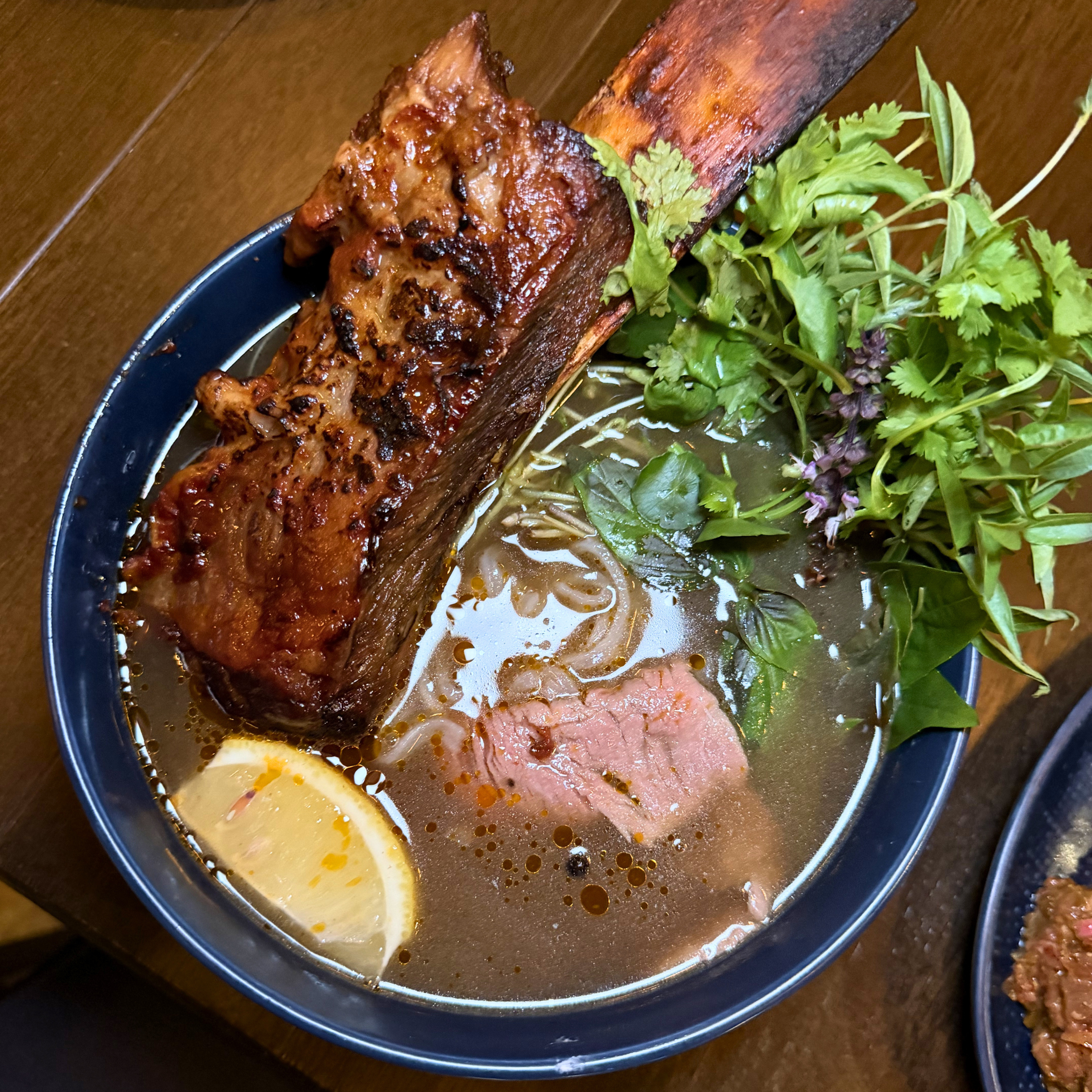
The story behind this noodle soup is one of the most fascinating examples of how migration can shape a region's culinary identity.
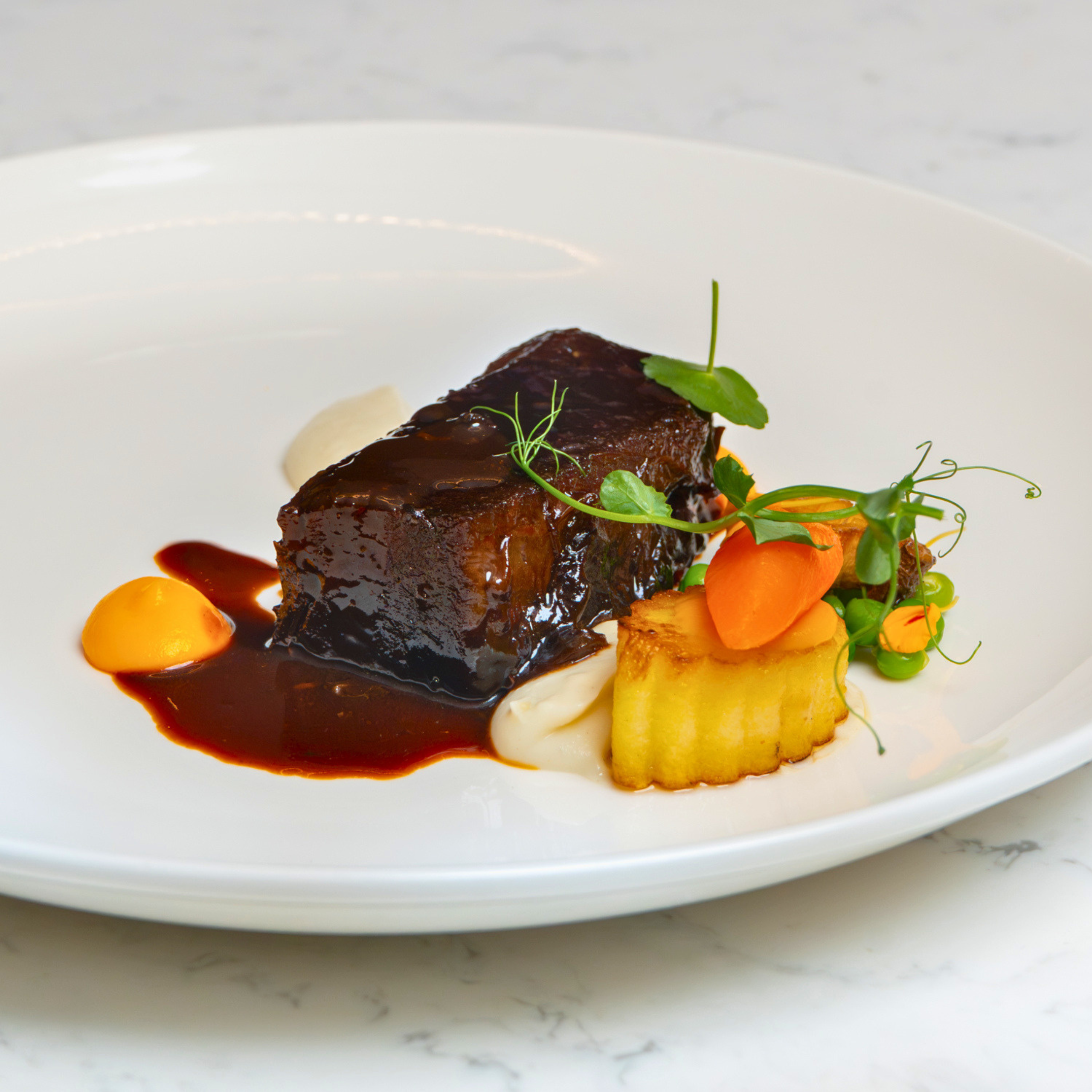
The Westin Manila and Aton Cacao spotlight the journey of Philippine cacao—and the farmers and artisans behind it.
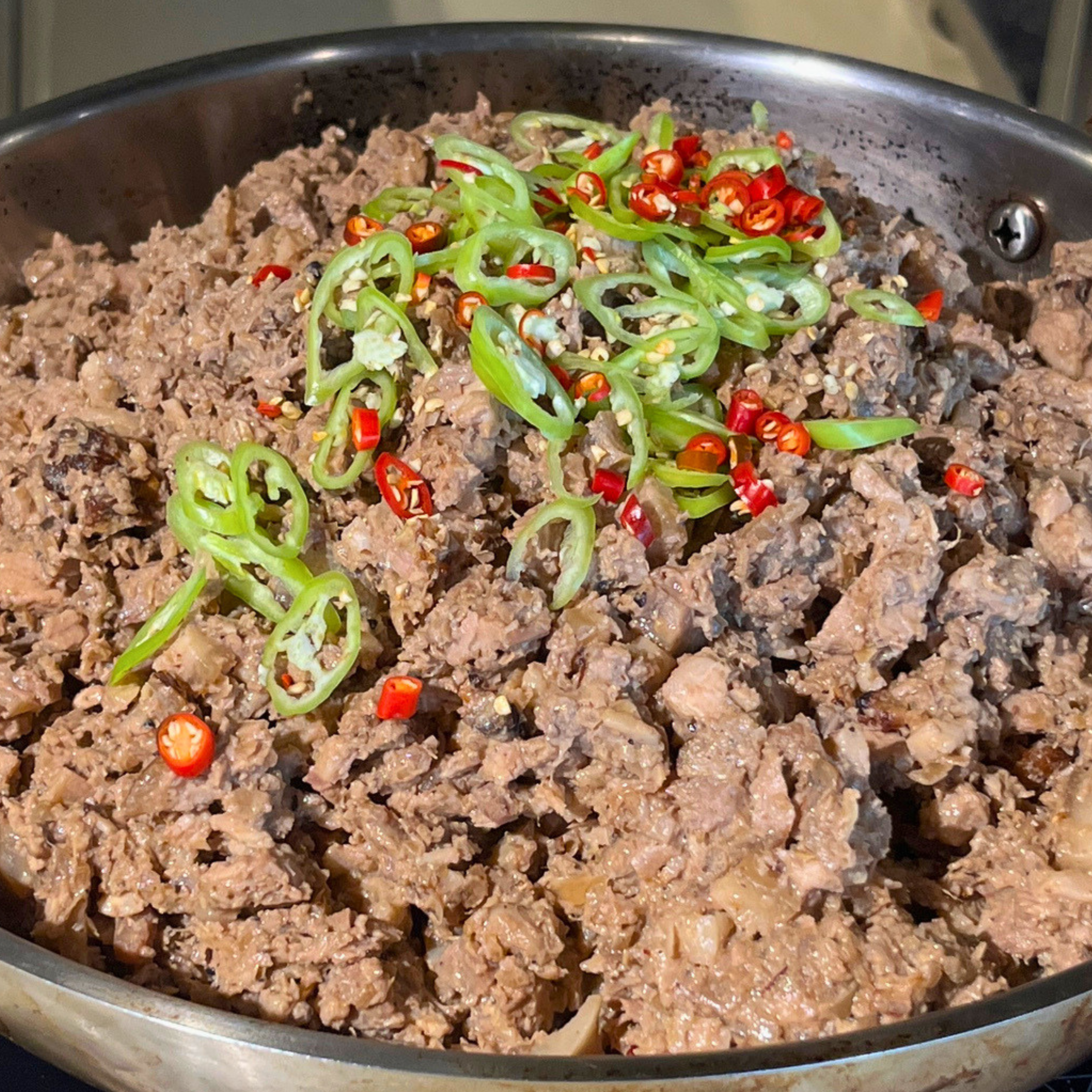
At the Philippine Heritage Kitchen's Sisig Festival, Kapampangan scholar Ruston Banal explains how the beloved dish became more than just comfort food—it became a symbol of Filipino creativity, culture, and community.
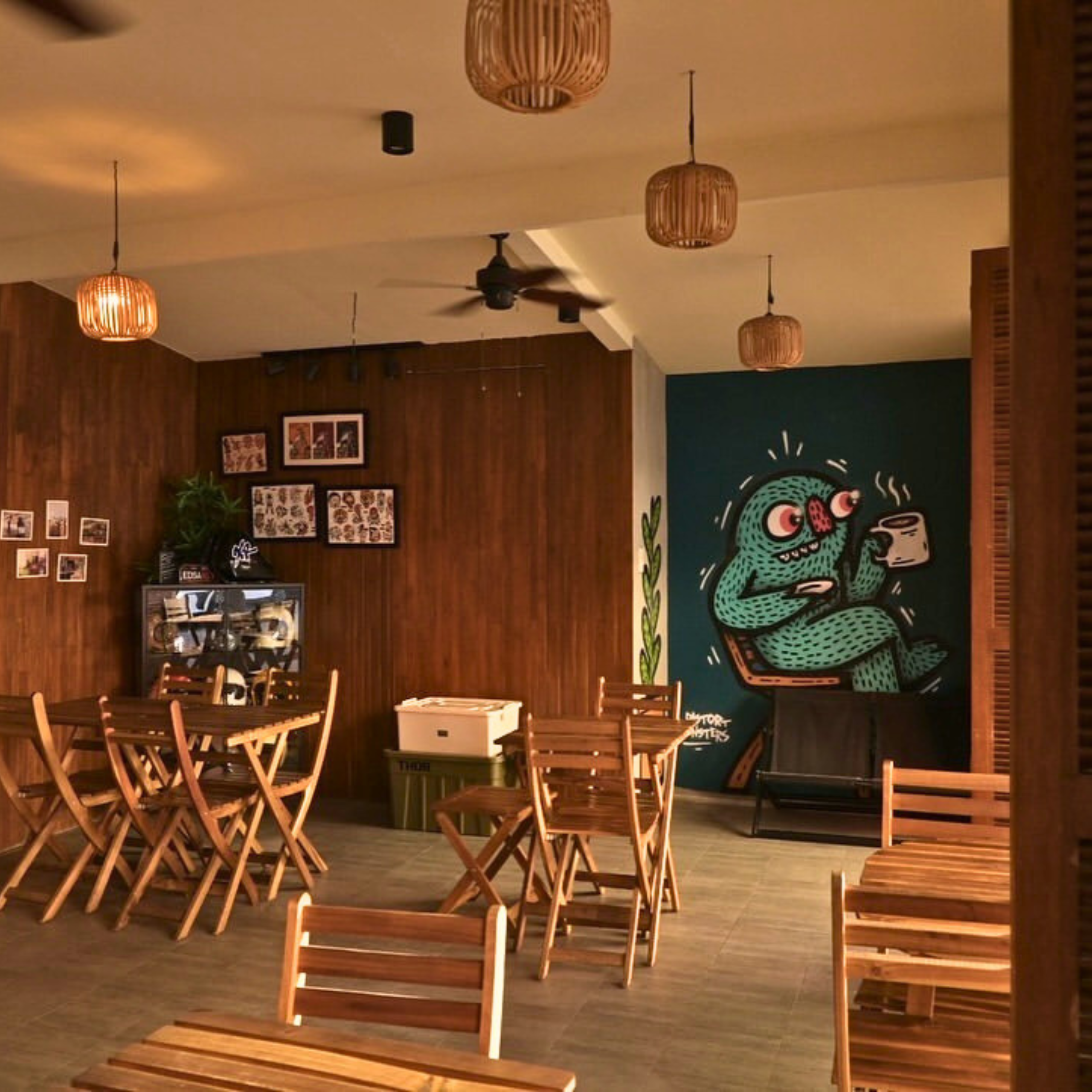
Explore five neighborhood favorites serving specialty coffee, matcha, cocktails, and delicious food in one of Pasig's top dining destinations.
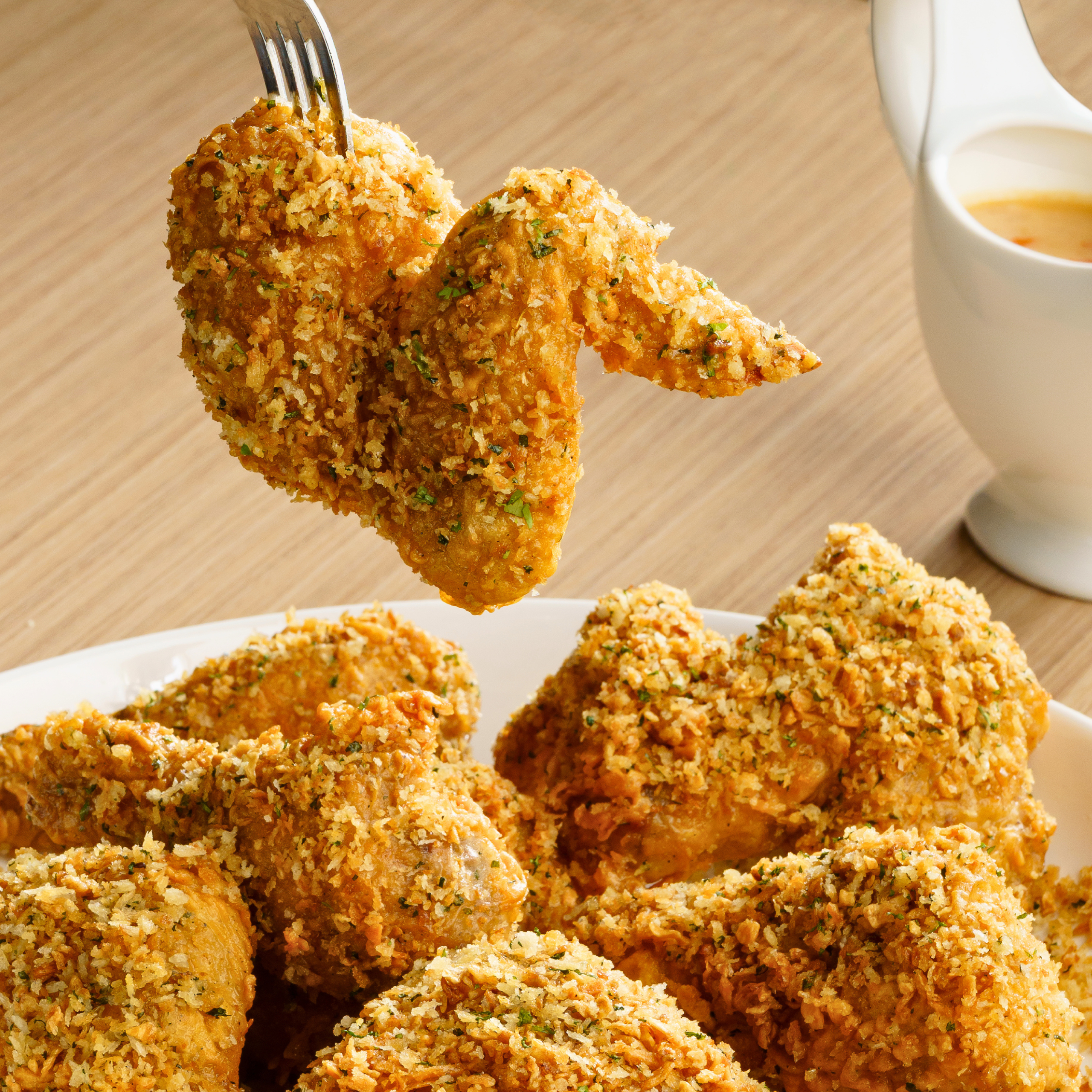
Ever had fried chicken with a little sinigang asim? Manam has got you covered.

For PAPAKAPE founder Manu Reyes, the Legazpi branch is more than an expansion—it's a tribute to the city that shaped his family, childhood, and coffee journey.
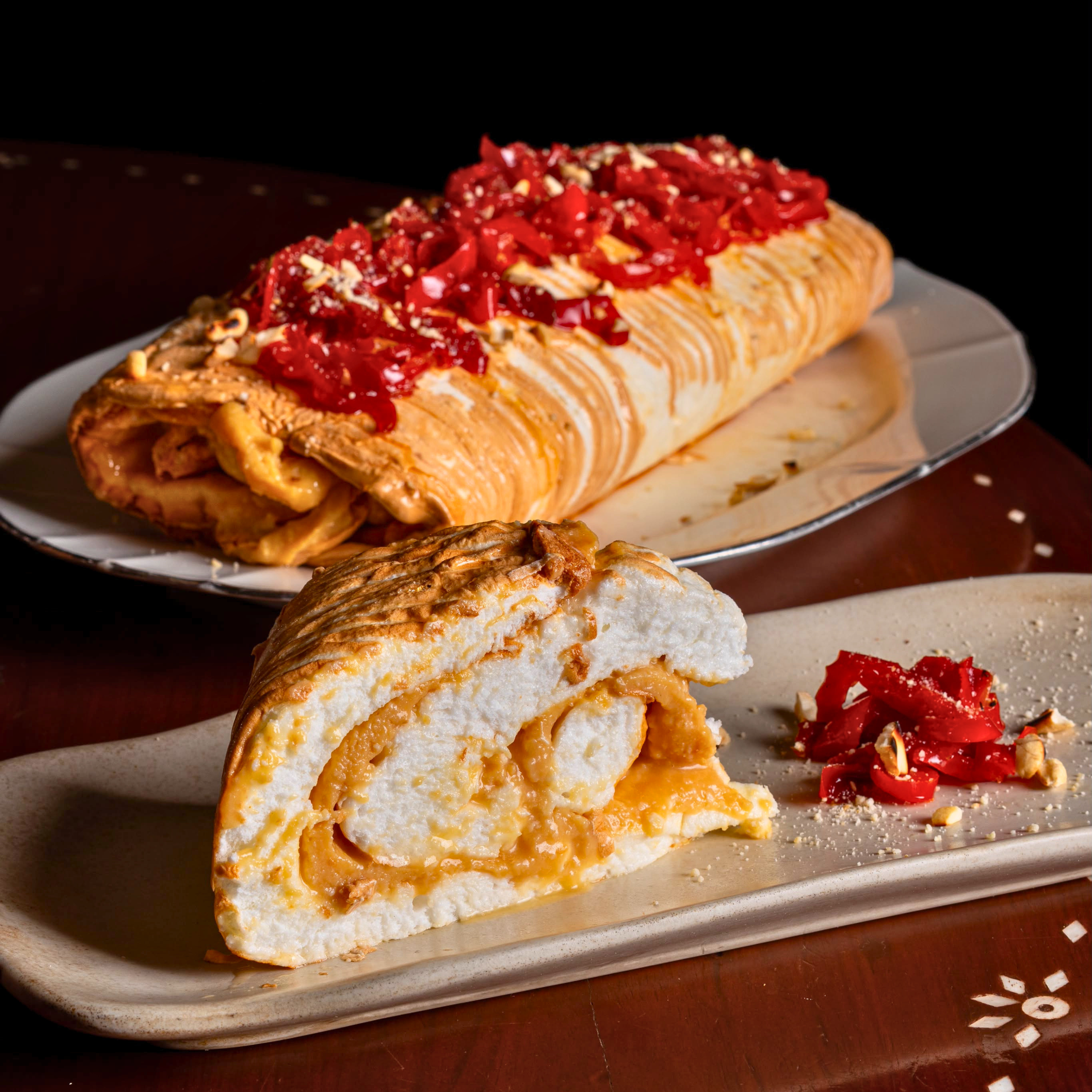
The iconic Filipino dessert has evolved far beyond the traditional roll, inspiring frozen, matcha-infused, sugar-free and contemporary interpretations across Manila.
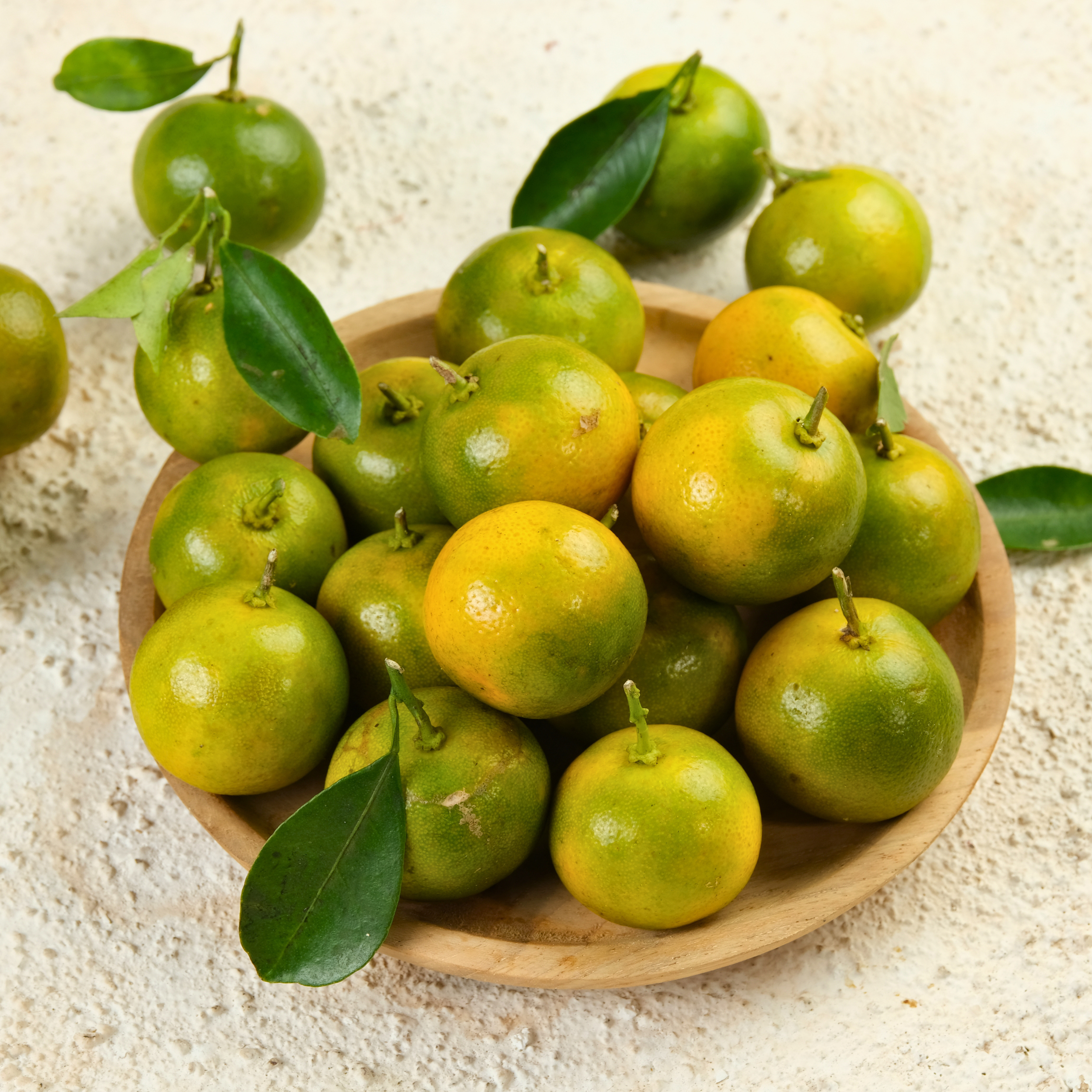
Beloved for its bright, citrusy flavor, this small fruit has quietly shaped Filipino cooking for generations—and it may finally be ready for its moment on the world stage.
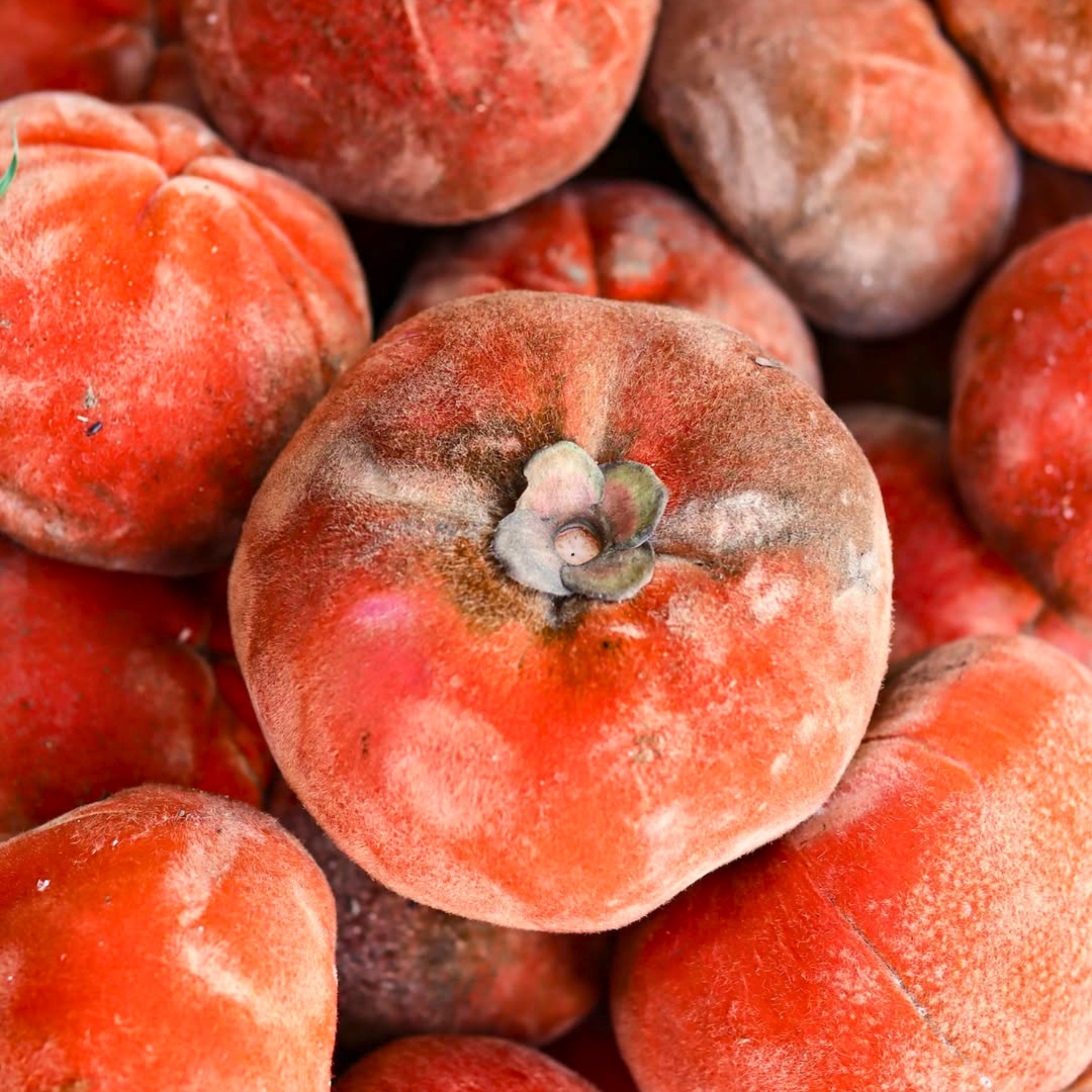
Whether tart, sweet, creamy, or downright funky, these rare Filipino fruits deserve a place on every food lover's bucket list.
Page of 4
You May Also Like

Advertisement