

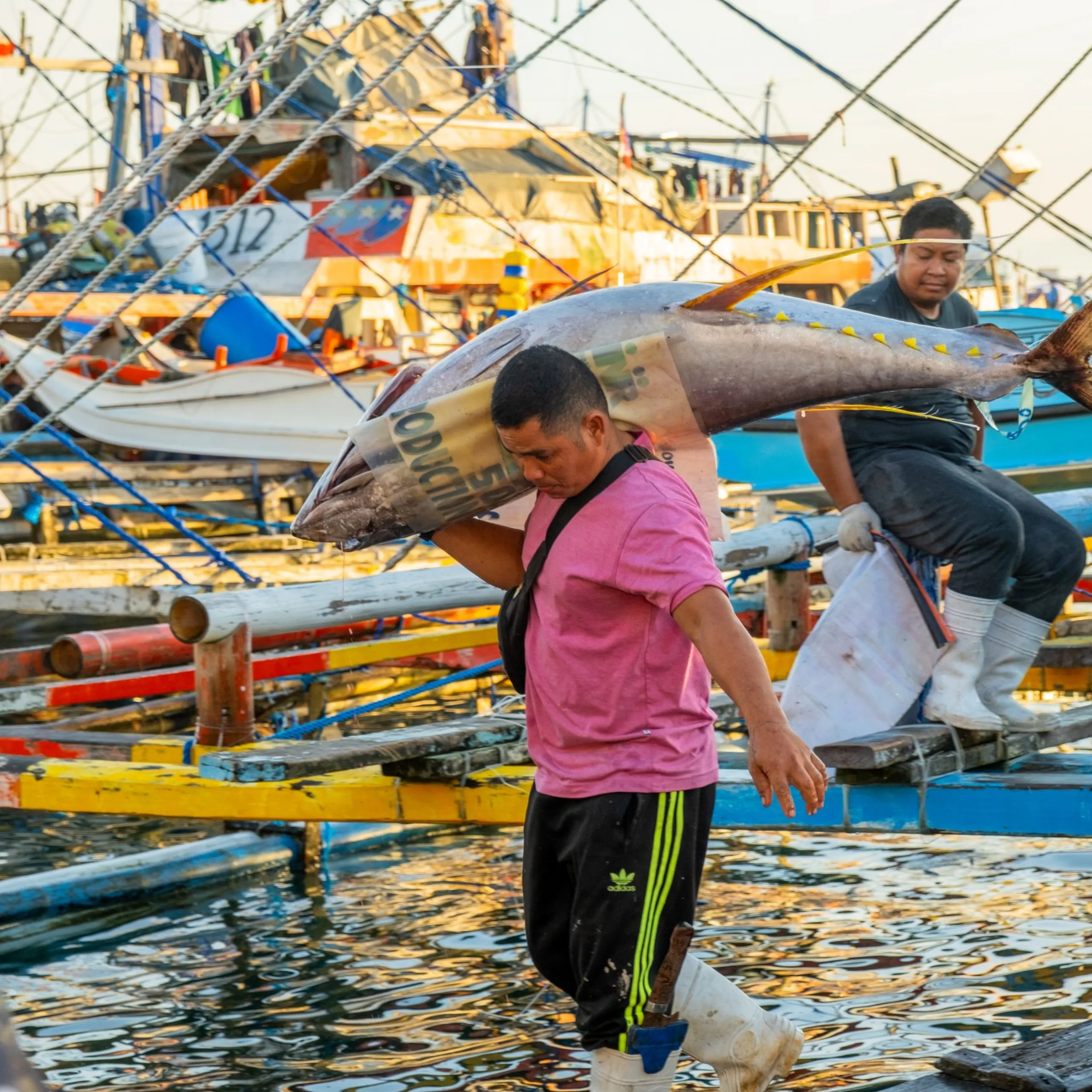
Last Saturday, General Santos concluded its 15-day long festivities for their annual Tuna Festival 2026
Every first week of September, the undisputed Tuna Capital of the Philippines celebrates its annual Tuna Festival alongside its Charter Anniversary. This celebration often extends longer, honoring the city’s multi-million dollar fishing industry and serving as a heartfelt thanksgiving for the hardworking fisherfolk who sustain it.
The festival features a diverse lineup of events, ranging from Bancarera (boat racing) and athletic swim meets to high-stakes culinary cook-offs, tuna-handling skills competitions, job fairs, lively music festivals, and a spectacular grand parade of colorful marine-themed floats.
Established in 1998, the festival marks its 28th year of showcasing the incredible abundance, freshness, and global versatility of GenSan’s world-class yellowfin tuna.
You could make an endless list of local tuna dishes worth trying—tuna kilawin, ginataang tuna, tuna longganisaLongganisaA Filipino sausage with a wide range of regional styles, from the sweet, garlicky hamonado of Pampanga to the tangy, garlicky longganisa of Vigan and Lucban. Usually pan-fried until caramelized,Go to Longganisa Glossary, tuna chicharon, tuna lumpia. But not all tuna dishes use the exact same parts, each one has their own texture, flavor profile, and ideal cooking preparations unique to them and it’s definitely worth exploring.
Here are dishes from General Santos City that highlight the 6 different parts of the tuna!
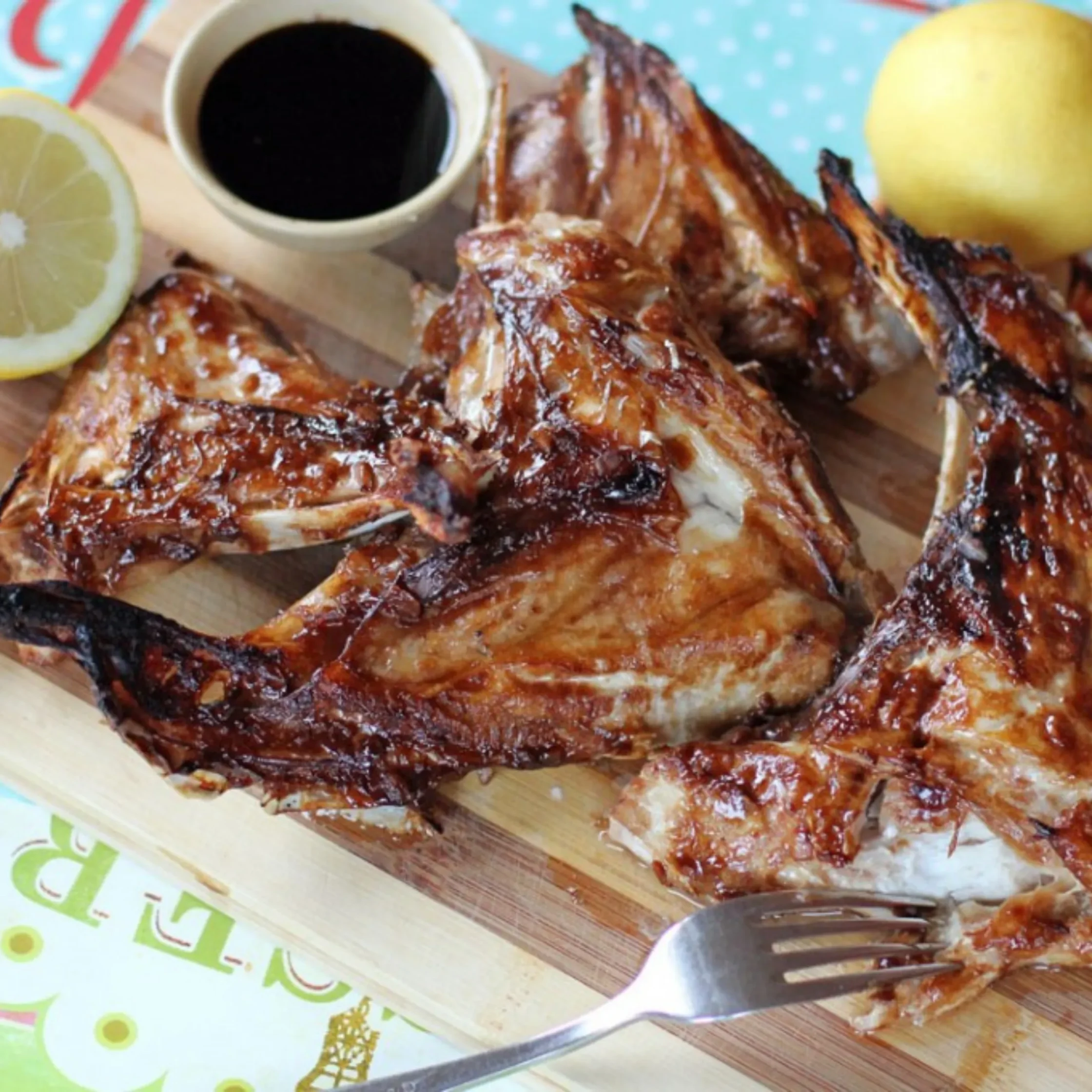
1. The Panga or Tuna Jaw
Tuna panga refers to the lower jaw of the tuna—its collar section is known for its fatty meat, gelatinous connective tissue, and tender flesh. In General Santos City, one of the dishes it is known for is inihaw na panga, as it comes remarkably smoky and juicy when grilled after being marinated.
The panga can also be used in soups like sinigang. If charcoal grilling is inaccessible to you, you can even opt to bake it in an oven or air-frying it.
2. The Belly
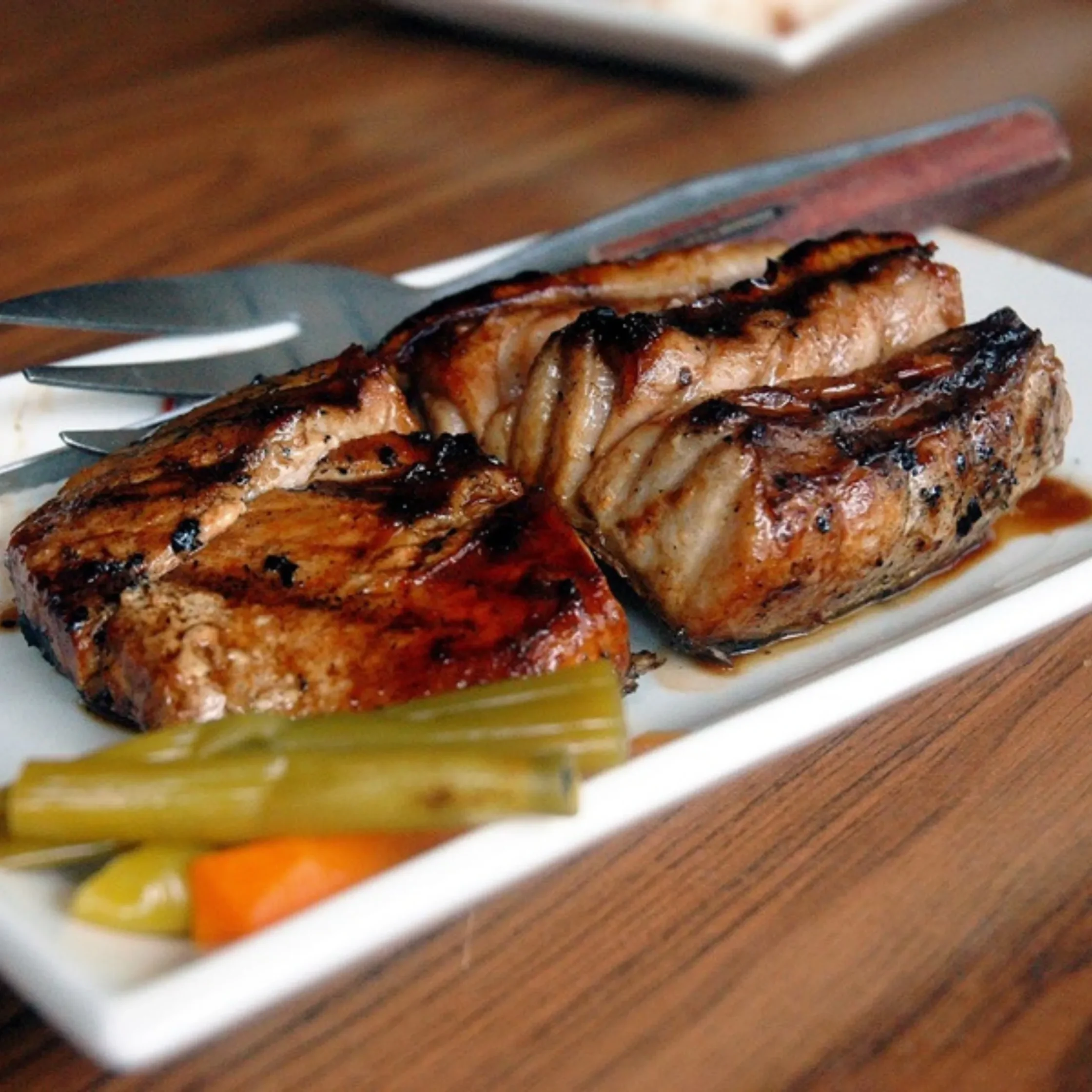
The belly of the tuna is famously known as the softest, most fatty, and delectably buttery part. Coming from the ventral part of the fish, it is known for having a high fat content and healthy Omega-3 fatty acids and loved for its melt-in-your-mouth feel to it.
While it is most popularly grilled over charcoal and marinated in calamansi, soy sauce, garlic, and pepper, tuna belly is suitable for many other ways of cooking it. It can be served raw, pan-seared, cooked in sinigangSinigangA sour, savory Filipino soup soured with tamarind, guava, or calamansi and loaded with pork, shrimp, fish, or beef alongside vegetables like kangkong, radish, and string beans. A national comfortGo to Sinigang Glossary, or even as steak.
3. The Buntot or Tail of the Tuna
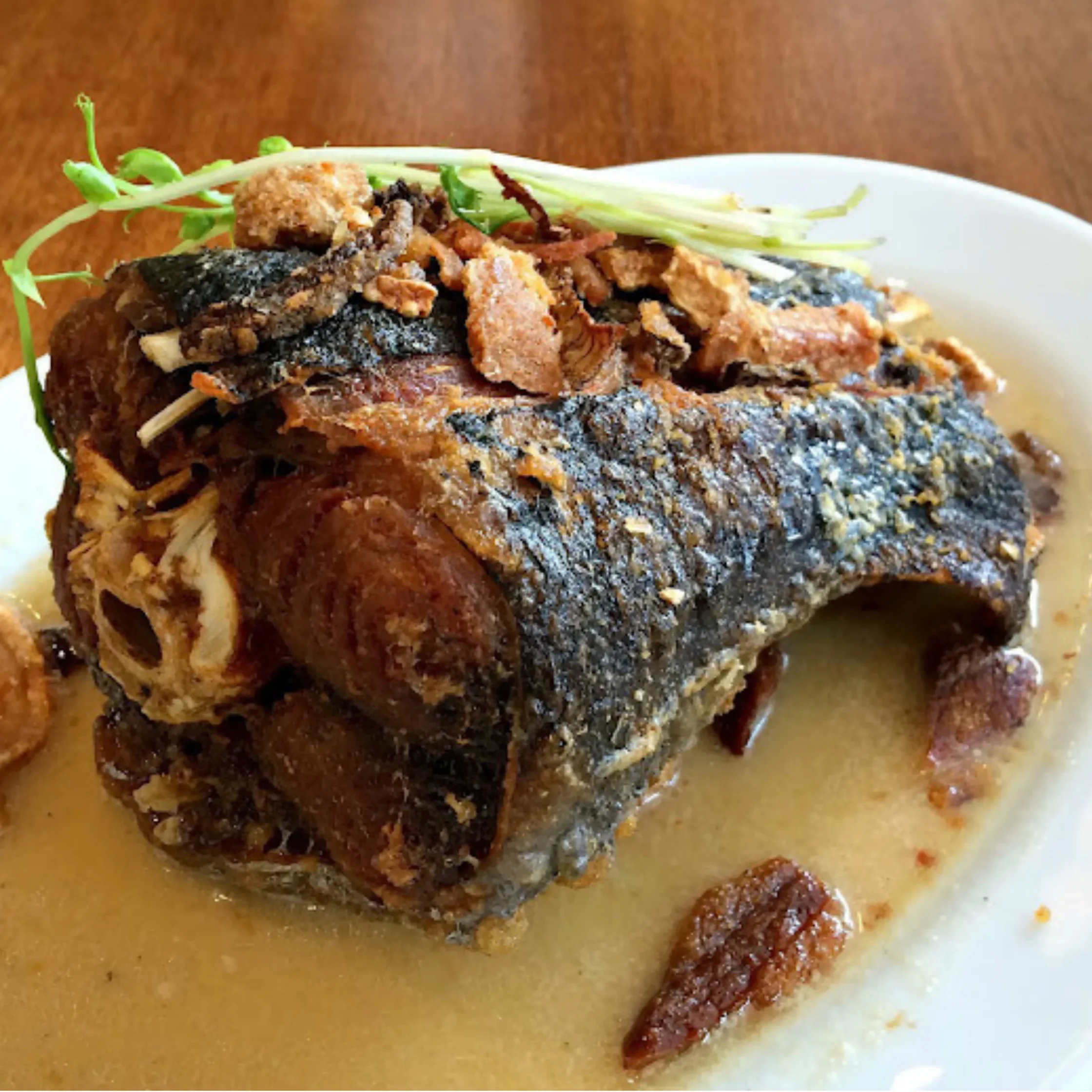
The buntot or tail of the tuna is a very collagen-rich cut of the fish. So when cooked, what stands out is the gelatinous texture and the juicy tuna meat.
Popular preparations for the buntot aside from inihaw include paksiw na buntot, ginataang buntot, adobong tuna buntot, and crispy fried buntot.
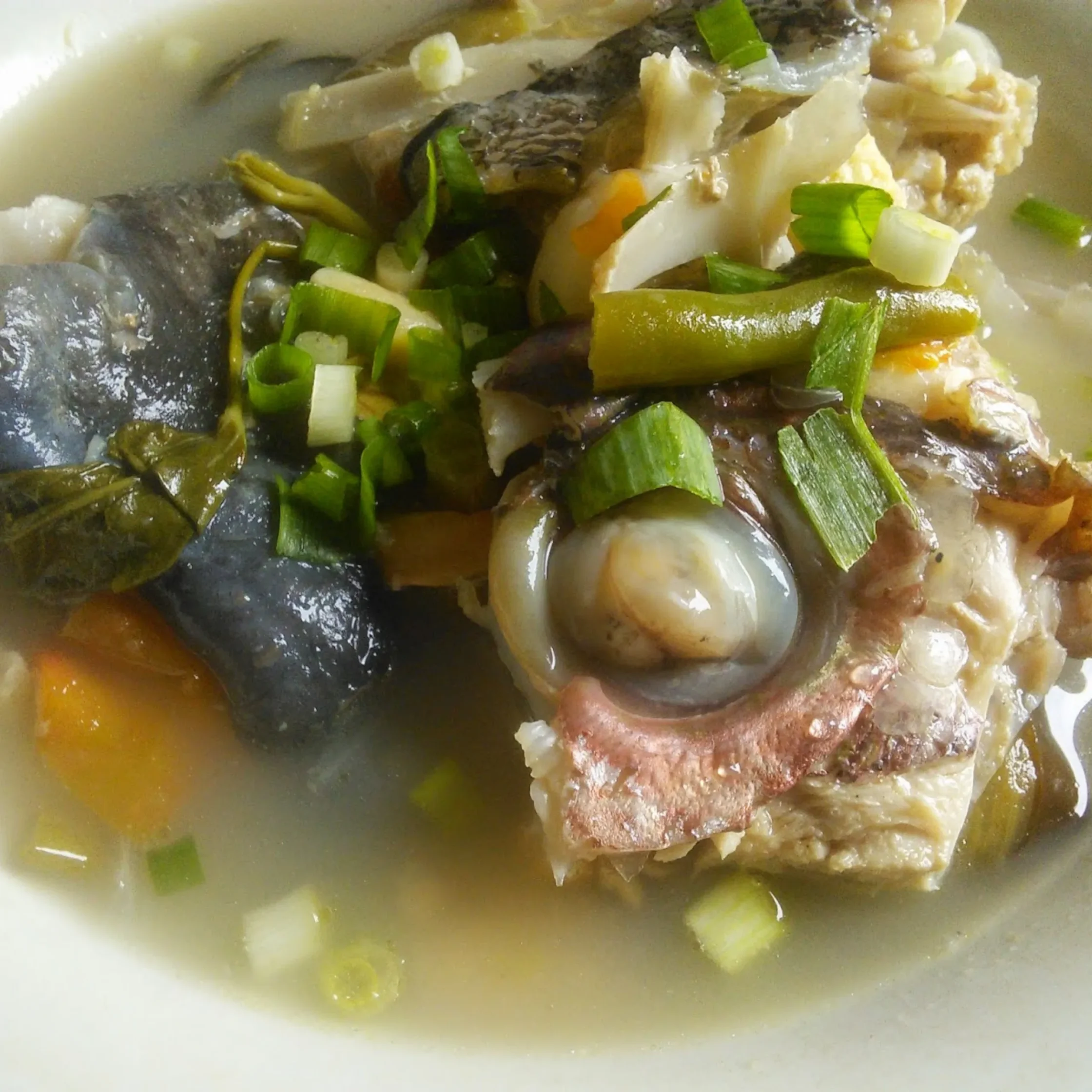
4. The Eyes
Tuna eyes are known for being gelatinous and rich in collagen. In the Philippines, the eyes are best cooked either simmered or braised. This is so that the connective tissues are softened, resulting in a unique texture and a very rich and nourishing broth.
Because of this, tuna eyes are often added to soups or stew to be accompanied by various vegetables and aromatics. As a bonus, eating tuna eyes help with your skin and joint health.
5. The Bihod or Tuna Roe
Bihod ng tuna or itlog ng tuna refers to the fish’s egg sac or tuna roe. It is hailed as a General Santos City delicacy, known for being rich, grainy, and savory when cooked.
In Filipino cuisine, its briny and umami flavors lend itself to being paired with acidic or spicy condiments, being grilled, sautéed, mixed into soups and stews, and made into adobo.
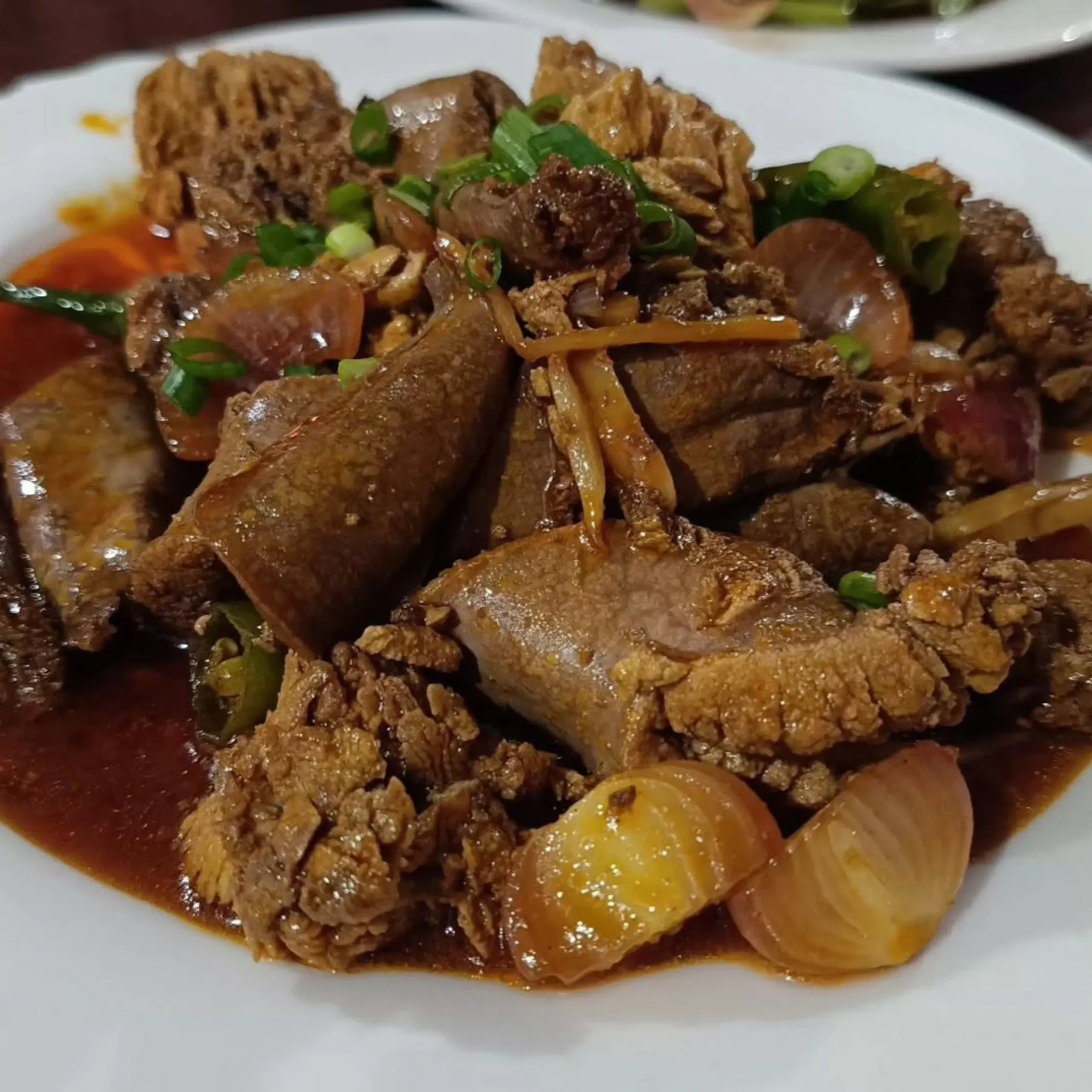
6. Bagaybay or Tuna Milt
Another unique delicacy from this fish is the tuna milt. In other words, this is the sperm sacs of the male tuna fish. While this isn’t grainy or chalky at all like tuna roe, this part of the tuna is more tender, more buttery, softer, and smoother.
It doesn’t taste overtly fishy, but instead it has a very mild and savory flavor in General Santos City and just in the Philippines as a whole, it can prepared by stir-frying it, grilling or sautéing, as sizzling bagaybay, and as adobong bagaybay ng tuna.
I grew up in Manila, meaning my first exposure to tuna was canned tuna flakes in oil and corned tuna. But the importance of tuna in the Philippines goes further than bringing good, lean protein to the table. As one of the top global tuna producers in the Western and Central Pacific Ocean, our local tuna industry has helped employ a countless number of Filipinos and ensure our country’s food security.
It is no wonder that General Santos City dedicated an entire festival to show that they’re proud of being the Tuna Capital of the Philippines. They have that to thank for their continued commercial success, delicious cuisine, and warm community.
Learning about the different parts of the tuna and how to use them in the kitchen just scratches the surface of the deep connection the city, and by extension, the country, has to the sea and its abundant resources.

Frequently Asked Questions
The parts of the tuna that can be found in Filipino cooking include the jaw (panga), belly, tail (buntot), eyes, roe (bihod), and milt (bagaybay).
Celebrated during the first week of September, the Tuna Festival is an annual celebration held in General Santos City in South Cotabato, Mindanao. Some of their events include, cooking competitions, sports fest-esque events, musical festivals, and even a job fair.
This year’s celebration lasted from August 22, 2026 to September 5, 2026.
Being at the head of Sarangani Bay of the Celebes Sea, General Santos City is very close to water, meaning they adopted a very strong fishing industry. Its access to high quality tuna eventually lead to earning the title of the Tuna Capital of the Philippines.
Some notable tune dishes from General Santos City include tuna belly steak, kinilaw na tuna, inihaw na panga, ginataang buntot, and sinigang na tuna.
Other non-tuna dishes they are also known for are balbacua, pastil, and piyanggang manok.