


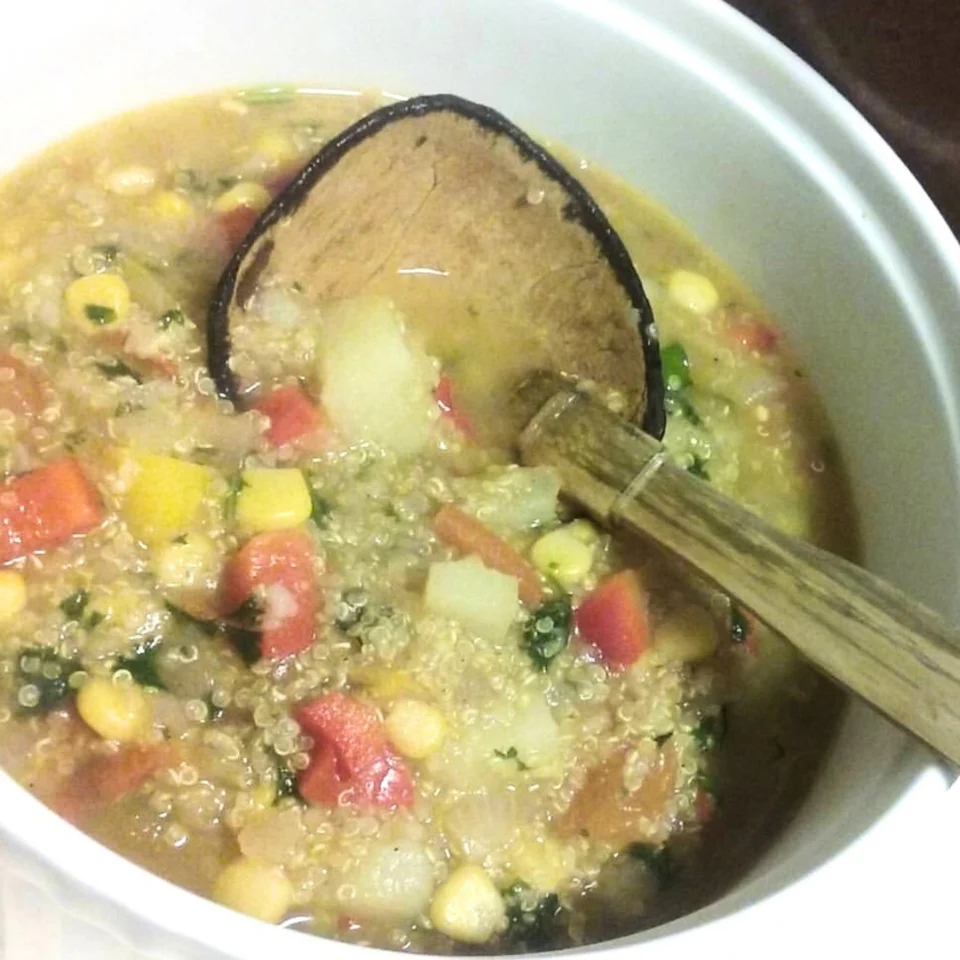
Any Filipino dish cooked in coconut milk, known as gata. It spans savory viands like laing and ginataang manok, and sweet snacks such as ginataang bilo-bilo, made with root crops, sago, and jackfruit, all sharing a creamy, gently sweet richness that is unmistakably Filipino.
Ginataan
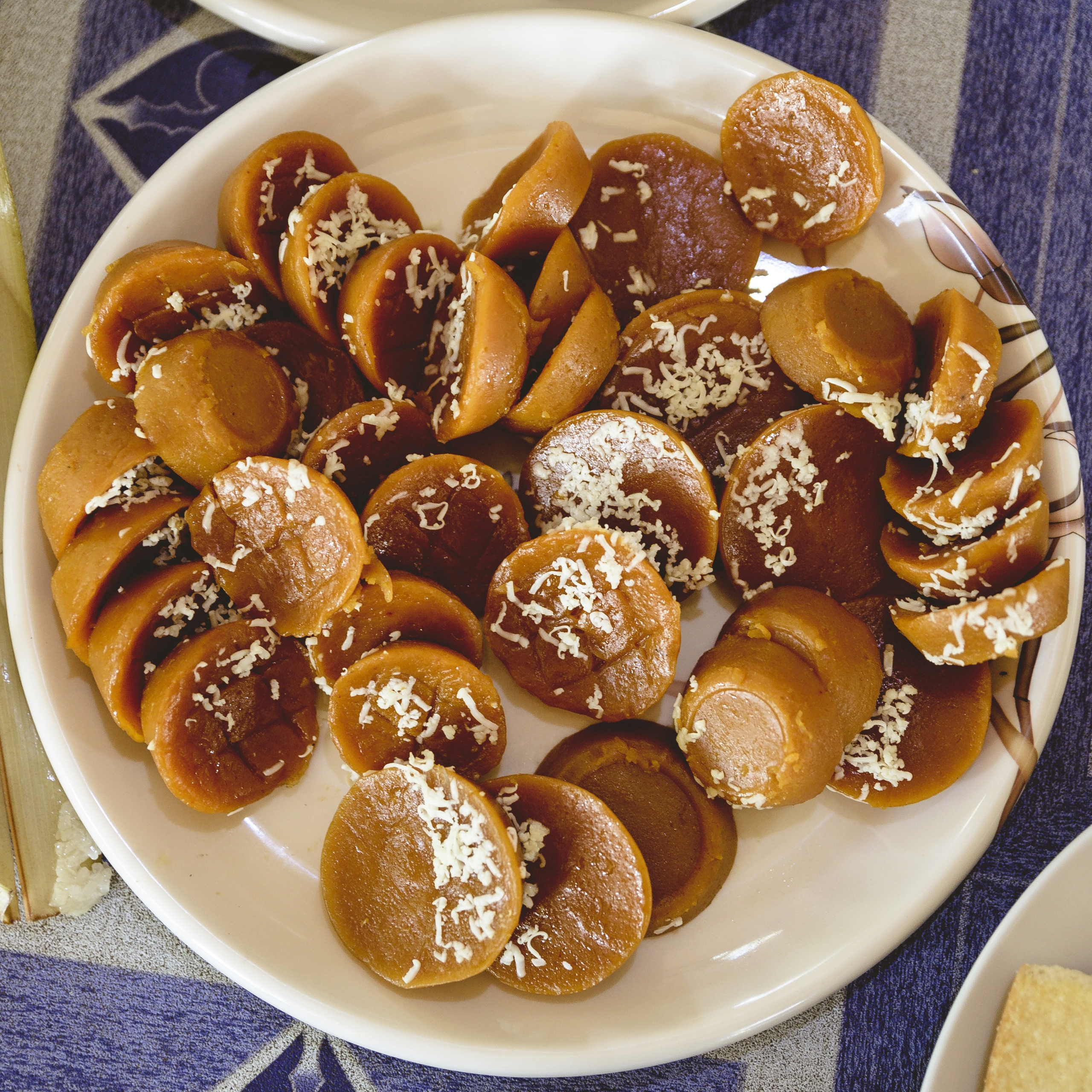
Musings on why we have meryenda between meals.
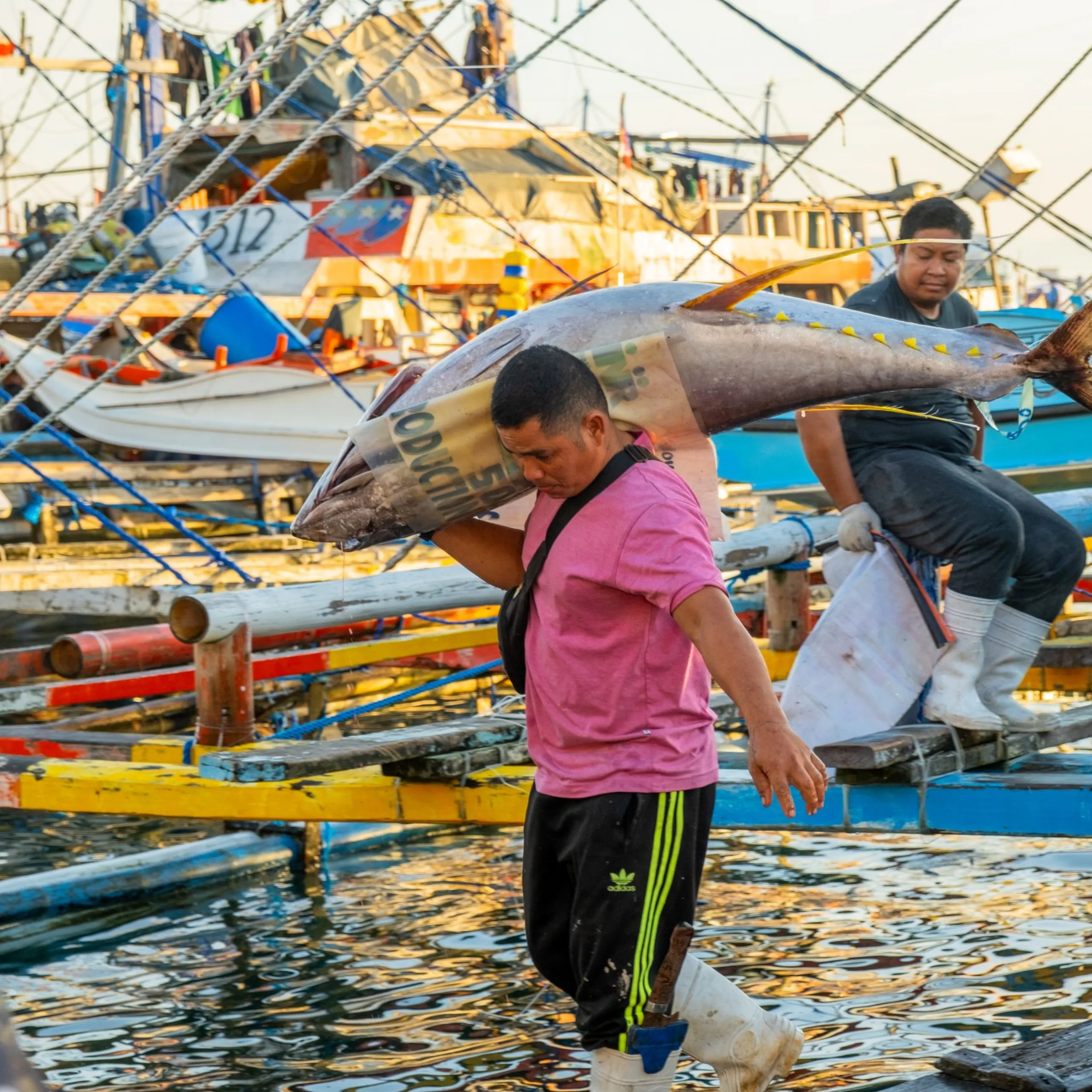
To celebrate this year’s Tuna Festival, why not brush up on your knowledge of tuna and how to cook and enjoy all of its parts!
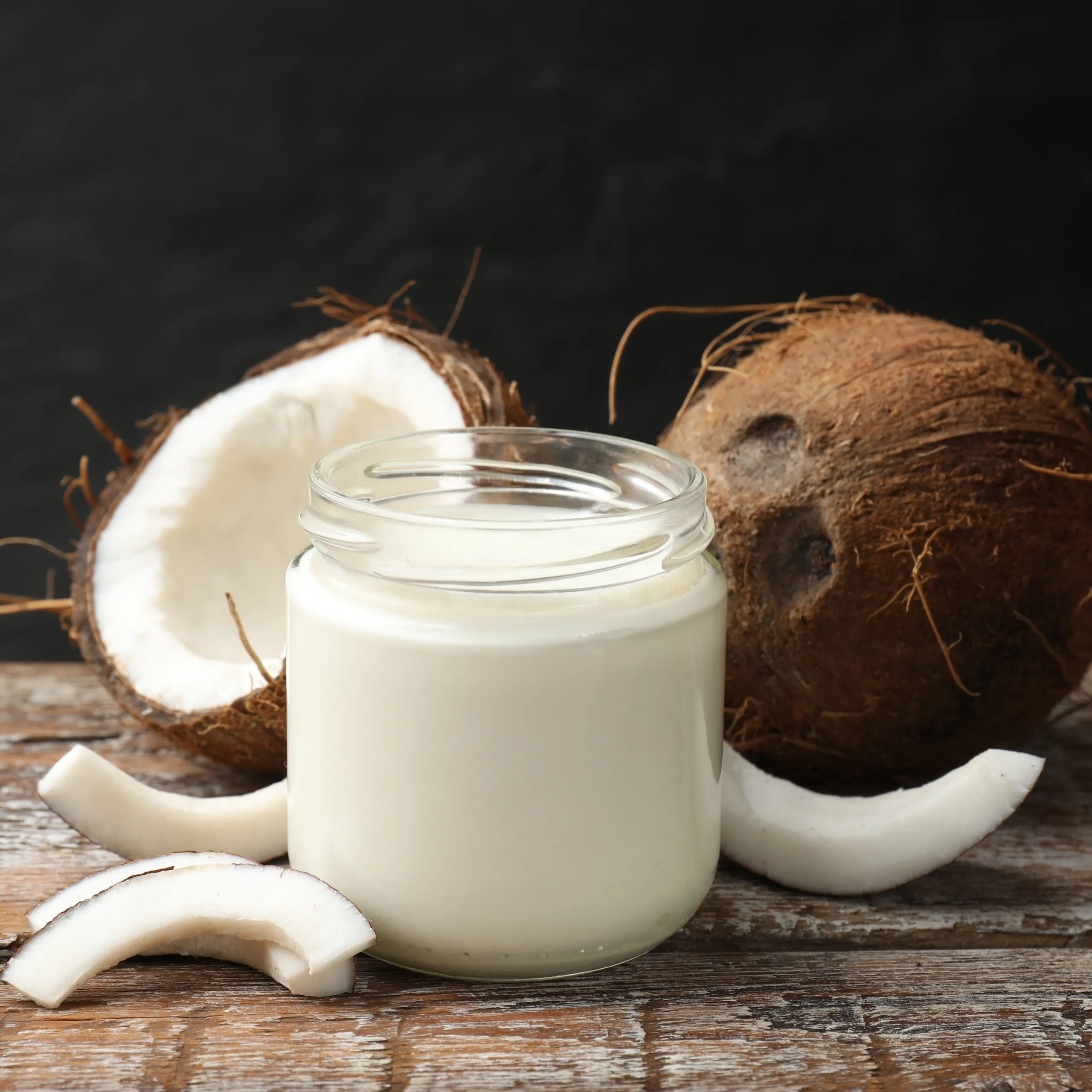
If gata is a staple item in your pantry, you need to learn how to tell if it's still okay to use!
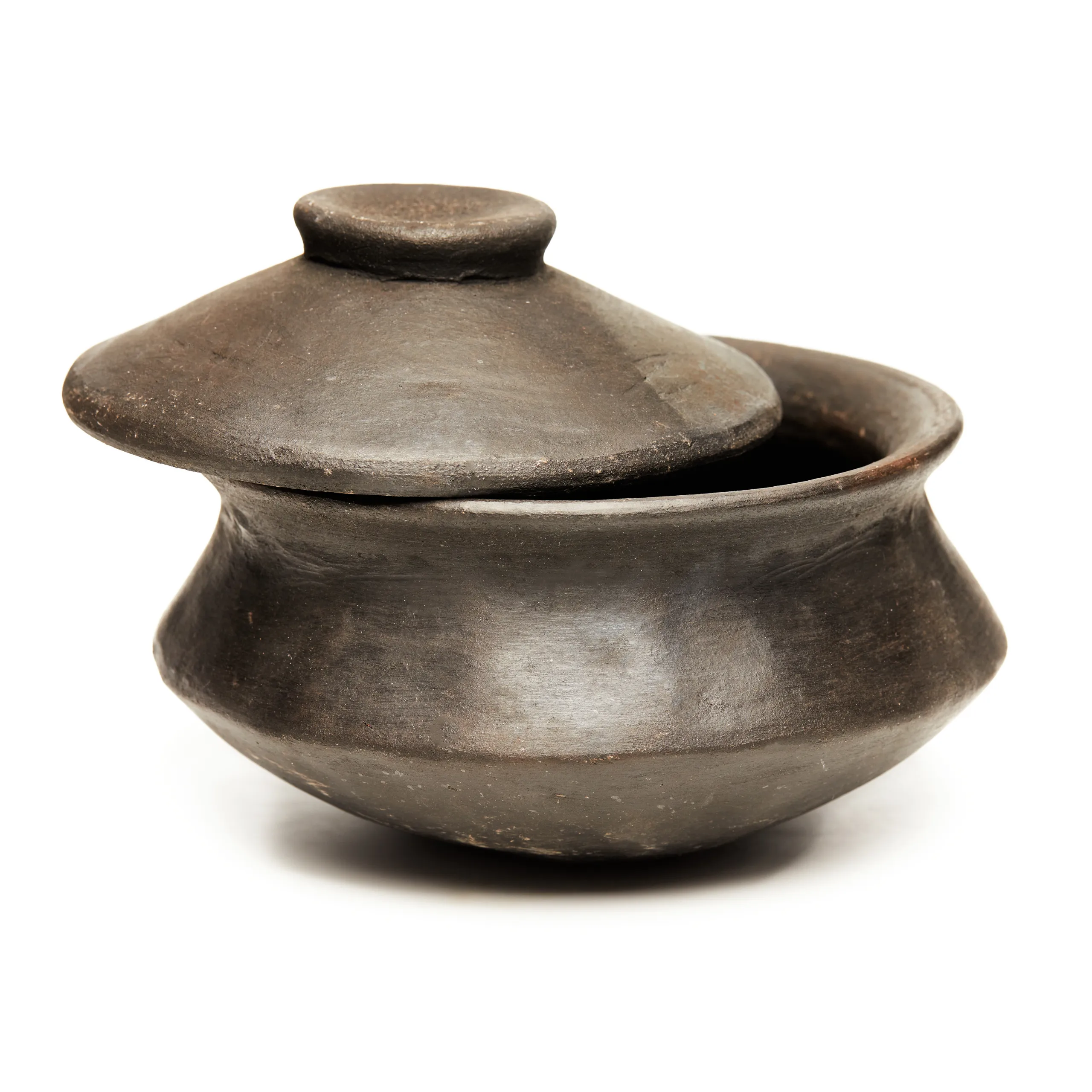
The palayok doesn’t have to be a cooking pot exclusive to the pre-colonial Filipino cook. Learning how to use it today gives you a glimpse of how to make some traditional Filipino dishes the “original way".
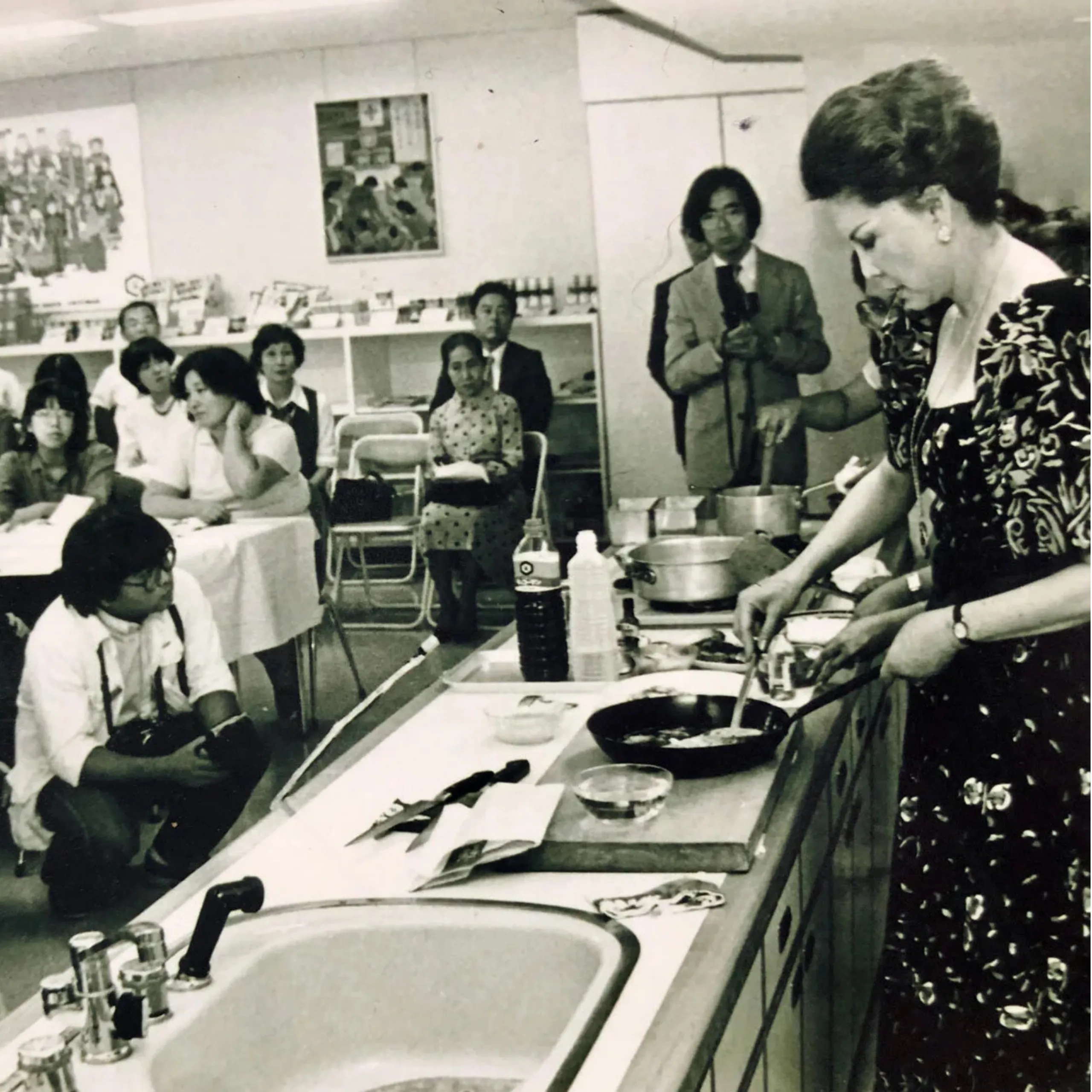
Nina Daza-Puyat looks back on her mother Nora Daza’s pioneering career, from introducing Filipino cuisine to diners in Paris and New York to becoming one of the country’s first television cooking stars.
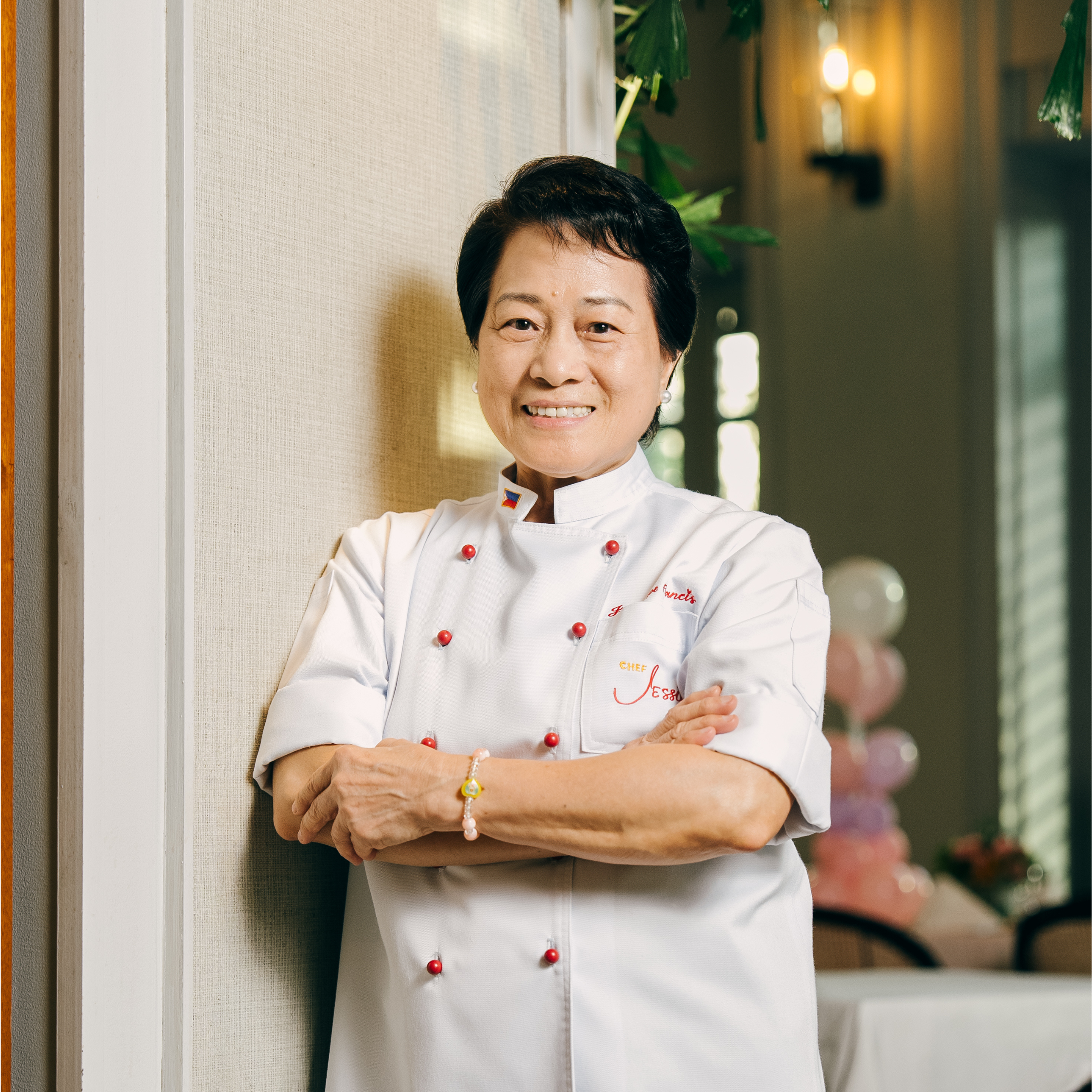
Long before cooking for Pope Francis and becoming one of the Philippines’ most celebrated chefs, Jessie Sincioco was a barrio girl surrounded by farms, fruit trees, fiestas, and family cooking in Angat—flavors and traditions that remain deeply ingrained in her food today.

With its new Barista Coconut Milk, the homegrown brand wants Filipinos to see coconut as more than just a cooking gata—and embrace it as a local alternative to dairy in their everyday routine.
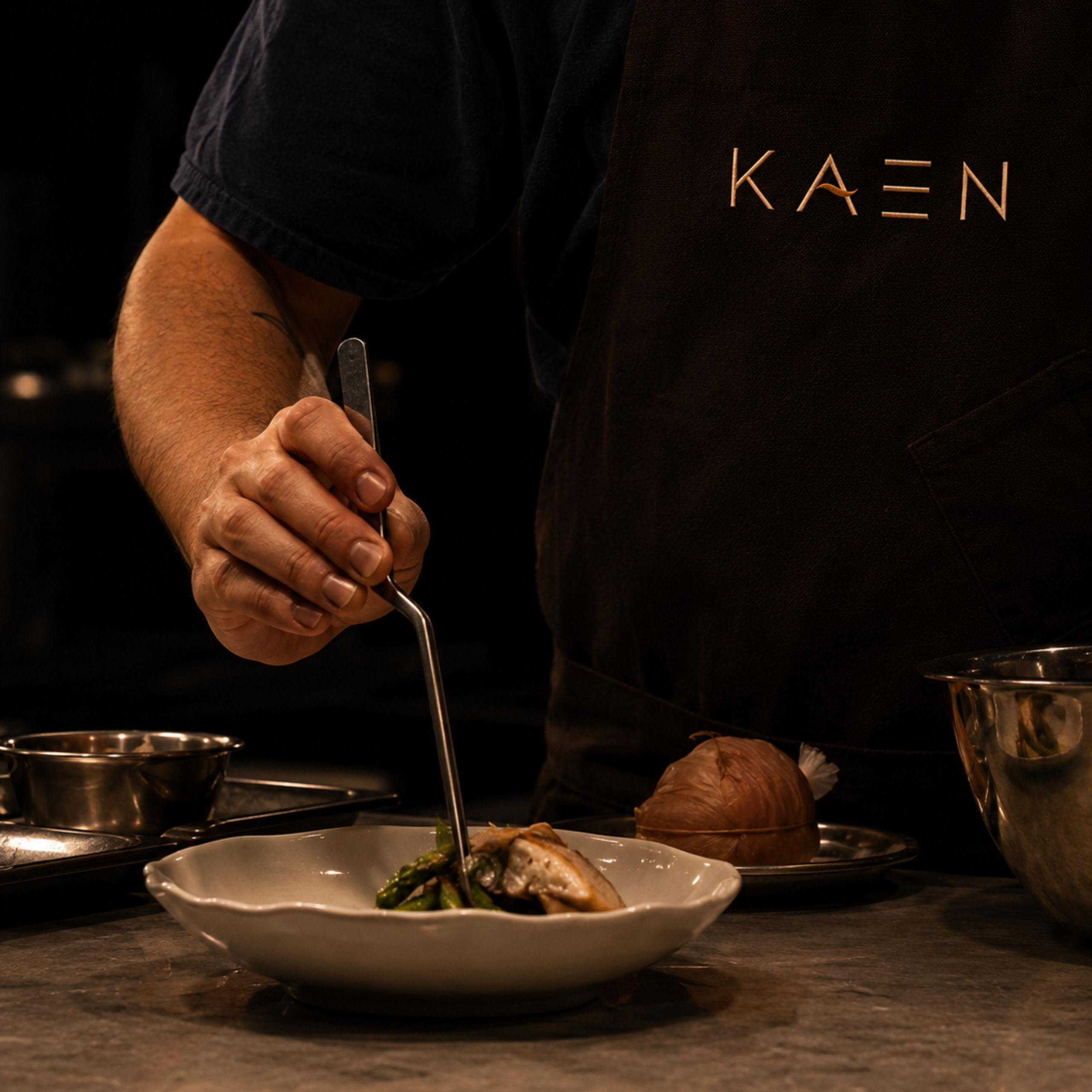
"KAEN came from a desire to simplify," Marvin says.
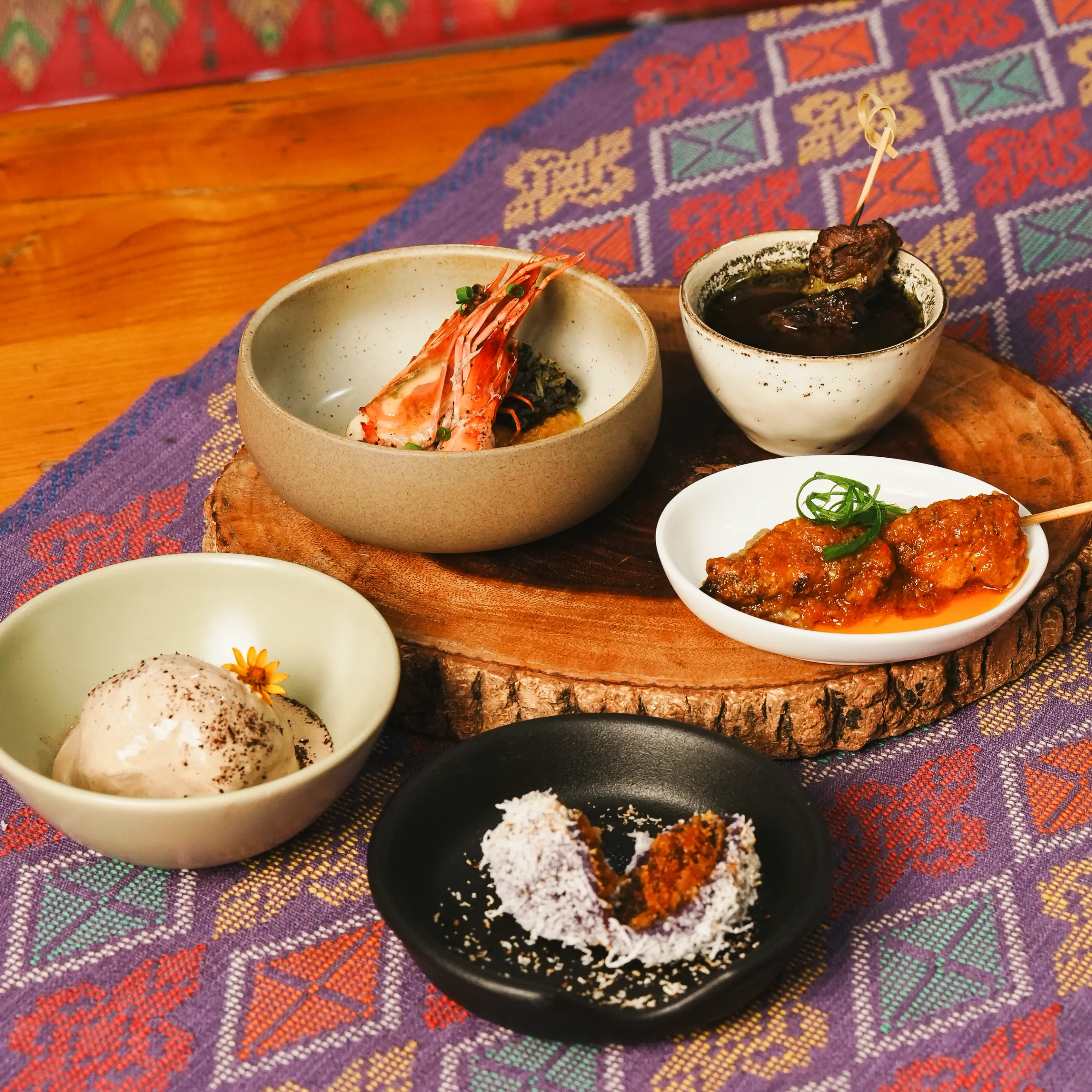
Guests embarked on a flavorful journey across Luzon, Visayas, and Mindanao through a menu crafted by three celebrated chefs.
Page of 2
You May Also Like
Advertisement