Advertisement

How Do Carinderias Decide What Goes on the Menu Each Day?

Many of these humble eateries offer an assortment of home-style dishes that change up regularly, alongside mainstays.

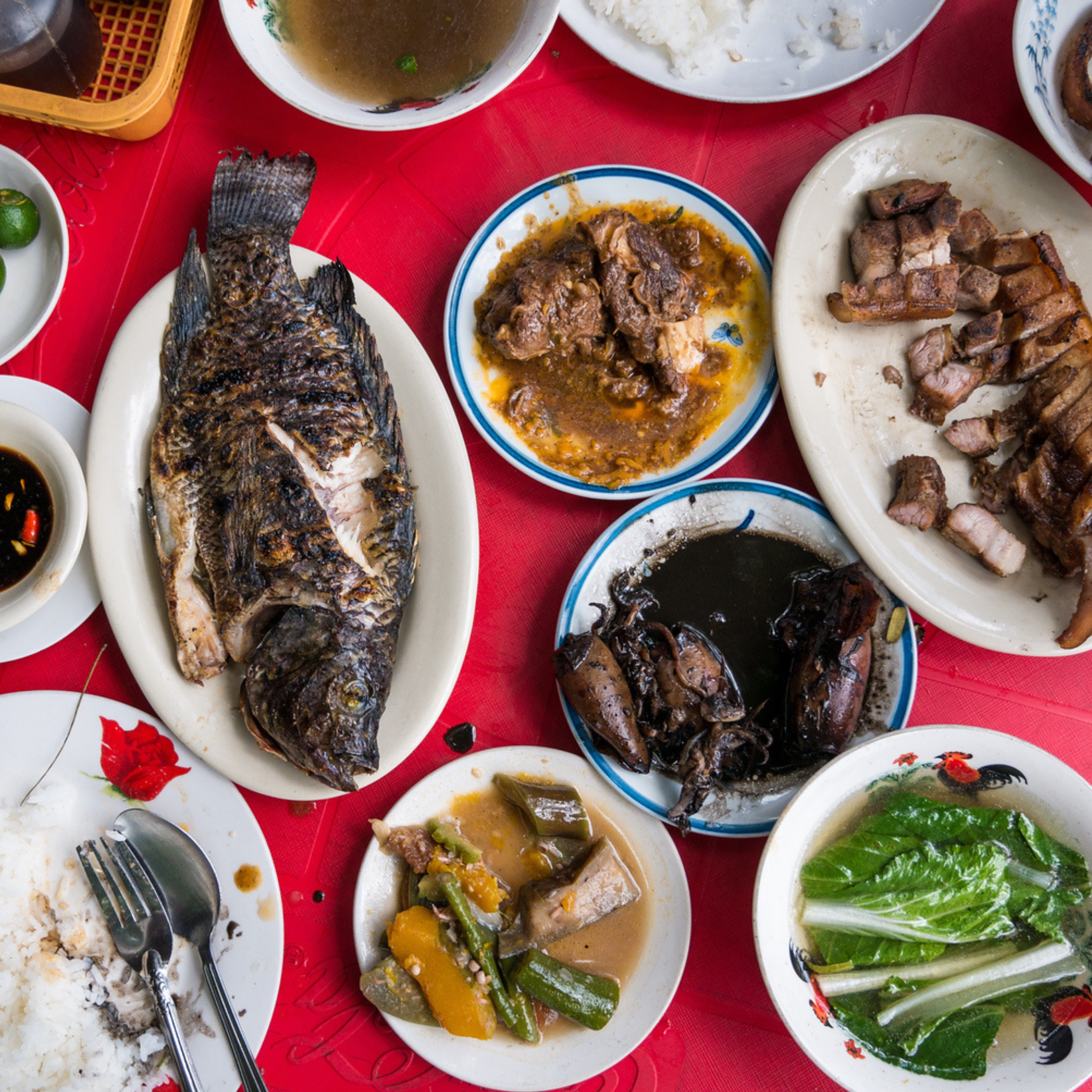
Overhead view of a festive Vietnamese meal on a bright red tablecloth, with grilled fish, braised meats, vegetables, soup, rice, and dipping sauces arranged family-style.
Multiple factors determine a carinderia’s daily menu. [PHOTO COURTESY OF Migrationology]

Carinderias play an indispensable role in the Philippine dining scene, as these locally loved eateries offer home-style dishes at prices accessible to the everyday Filipino.

And for many carinderias, one of the things that keeps people coming back is the changing selection of viands available daily.

The Art Of Turo-Turo and a Rotating Menu

The ordering style many carinderias operate by is called , named so as it entails customers pointing to their desired dish from the day’s roster. One can expect to find a colorful array of freshly prepared, ready-to-eat viands for customers to choose from, typically on a counter that’s open-faced or stationed behind a glass window.
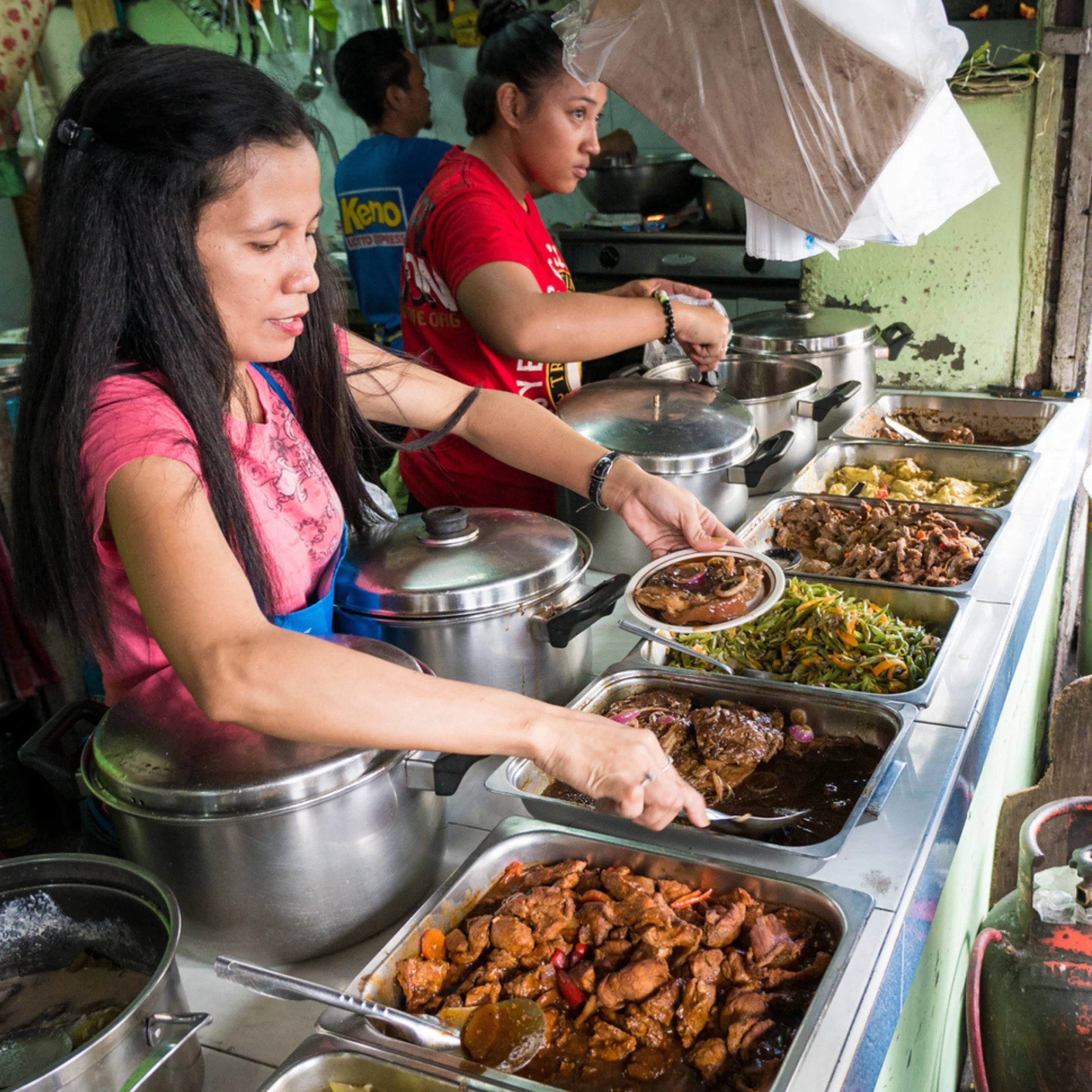
Two women serve hot dishes from metal trays at a busy Filipino street-food stall, with pots and a gas burner nearby; the scene feels lively and hardworking.
Customers point to a daily mix of mainstay and rotating dishes. [PHOTO COURTESY OF Migrationology]

The selection of viands in a day will usually be a mix of mainstays (often the eatery’s bestsellers or best-known dishes), and specials that change or rotate daily. There will almost always be a few meat, seafood, and vegetable options from which visitors would choose one or two (or more) to be paired with rice, hot sabaw (soup), and water or soft drinks. Outside these prepared offerings, a selection of à la carte dishes to be ordered on demand may also be available, titled “short orders.”

How Neighborhood Institutions Manage Daily Rotations

At the Makati institution that is Sosing’s Carinderia, you can always expect to find the bestsellers like their inihaw na liempo (all of their inihaw are available daily), tilapia, pusit, and BBQ; as well as popular carinderia fare like beef caldereta, beef nilaga, dinakdakan, adobo, and so on. But there are also certain dishes that make their appearance only on certain days—the menudo, igado, dinuguan, kare-kare, and chicken curry.
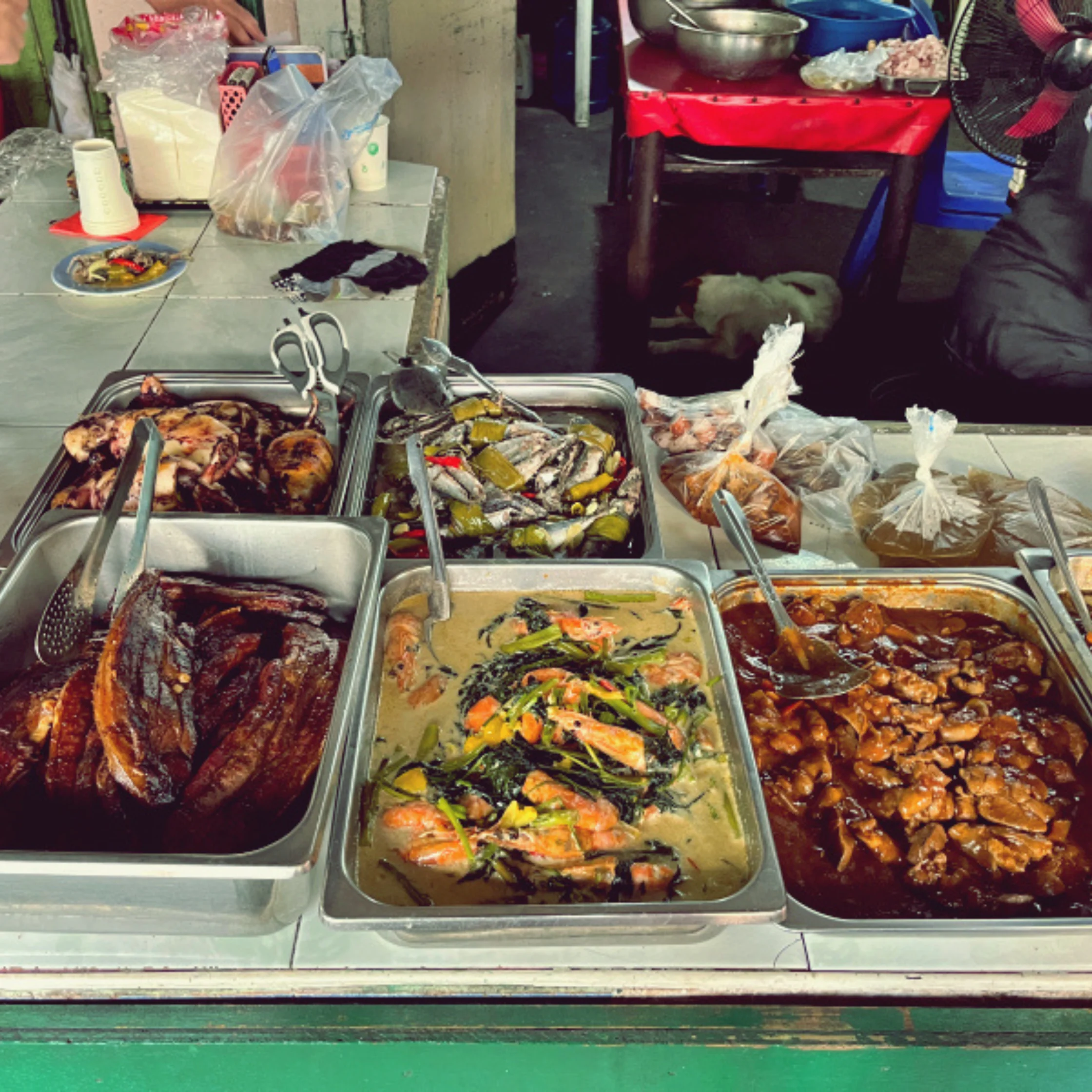
A busy market stall displays trays of roasted meat, fish in curry, and saucy braised dishes, with utensils and ingredient bags nearby; warm, bustling food-market atmosphere.
Sosing’s Carinderia balances daily bestsellers with a rotating weekly schedule that adapts to shifting market prices. [PHOTO COURTESY OF Zoy To The World]

In Sosing’s case, they follow a weekly schedule more or less, but they keep an eye on market prices and adjust their plans accordingly. “Halimbawa ‘pag masyadong mahal ang , pinapalitan ito ng ibang gulay,” they tell Delish Philippines.

It’s a similar setup for Aling Mely’s in Malabon, where fan favorites like their , bola-bola, and tortang alimasag are constants on the menu. But they would typically vary up their vegetable dishes and soups, also following a set schedule; for example, lumpiang sariwa is available every Mondays, Wednesdays, and Fridays, while sinigang na baboy sa bayabas would be available on other days.
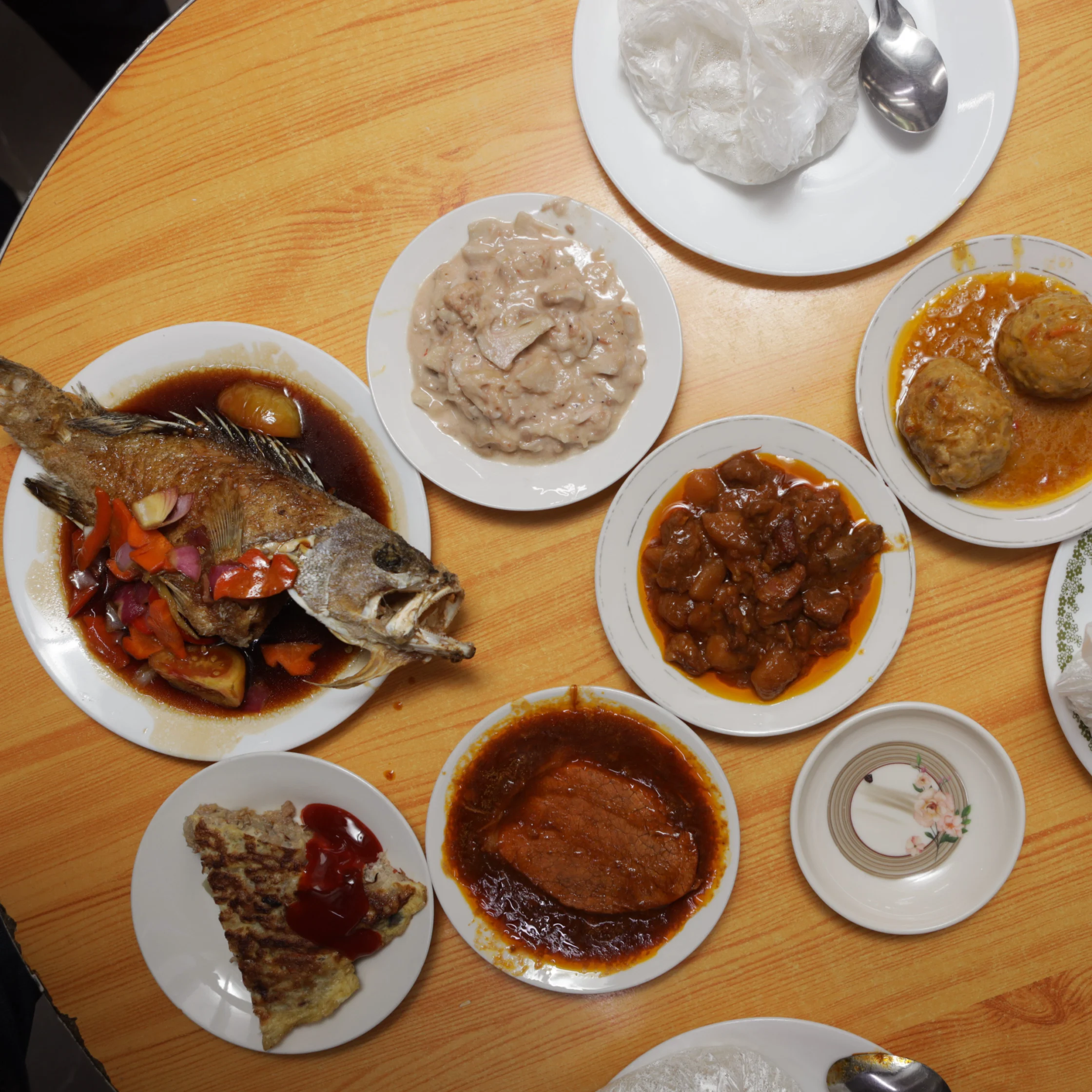
Overhead view of a wooden table covered with Filipino-style dishes: whole sauced fish, stewed meat, vegetables, rice, and small plates, suggesting a shared family meal.
Aling Mely’s maintains signature constants while rotating soups and vegetable dishes on a schedule. [PHOTO: Pat Mateo]

Meanwhile, Kapampangan food Clays Kitchenette in Mandaluyong (per an report uploaded online) would serve different viands on different days—e.g. ginisang munggo on Fridays—alongside the daily available goto and lugaw.

Perks of Having Variety

Offering a changing variety has its benefits. It gives customers reasons to keep coming back regularly—on a daily basis, even—because there’s almost always something new (or that hasn’t been on the menu in a while) to look forward to. “Kailangan po merong iba-ibahin na mga para hindi po magsawa ang mga customer,” says Sosing’s Carinderia. 

Having a set schedule makes things easy operationally on the part of the , especially when it comes to shopping for stocks. It also gives their diners an idea of when they can expect their favorites. “Kaya po merong schedule bawat putahe, para alam din ng customer kung ano ang ulam sa araw-araw,” Sosing’s continues.
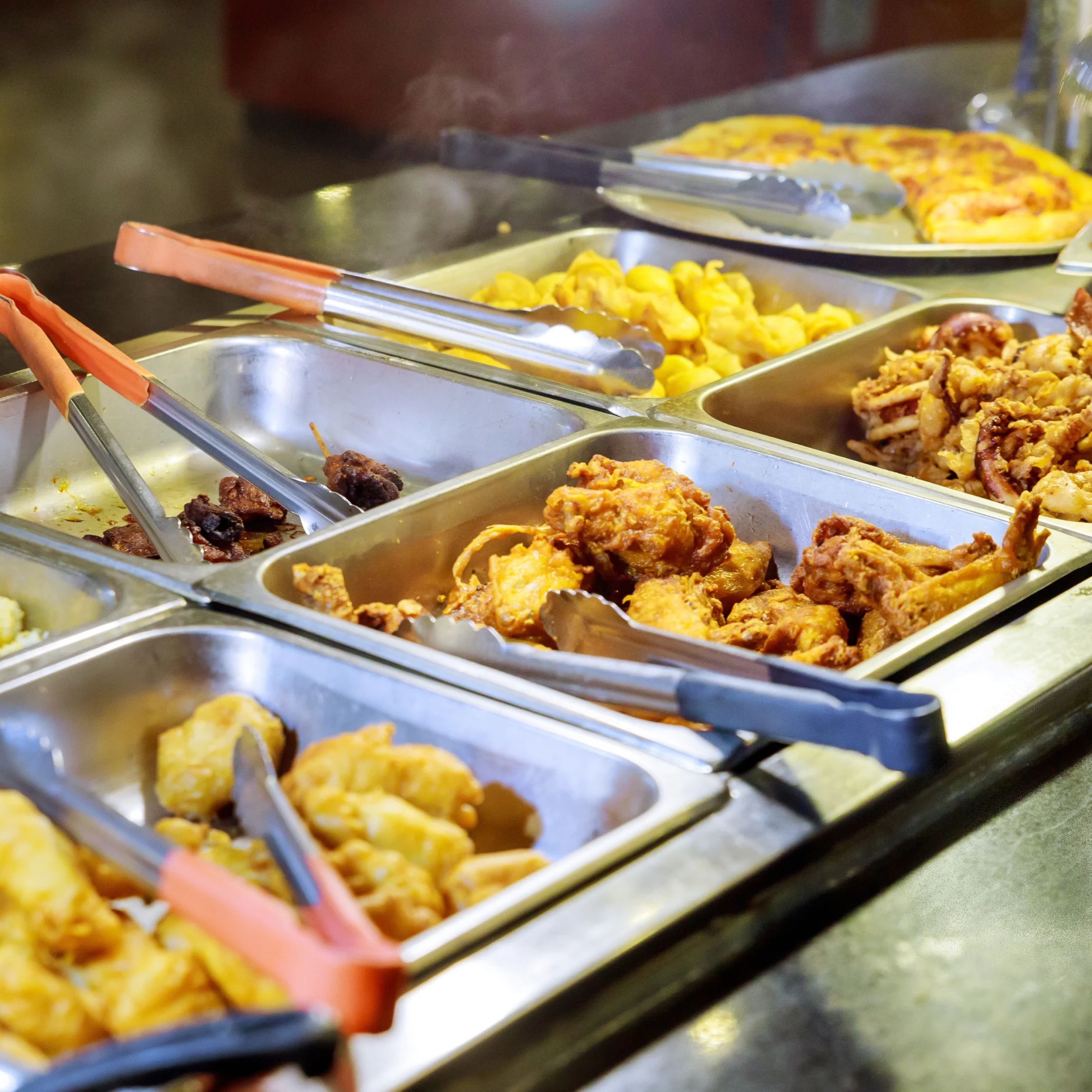
Steam rises from a buffet line of stainless-steel trays filled with fried chicken, scrambled eggs, and other hot foods, with serving tongs ready.
Rotating menus prevent boredom and ease stocking, while keeping mainstays ensures crowd favorites are always available.

At the same time, having certain other dishes regularly available, especially those that visitors constantly clamor for, makes it so that both regulars and newcomers can try what the is best known for.

Whichever viand/s diners end up choosing, the meal they’re bound to get is one that’s hearty, home-cooked, filling, and friendly in price point—in a space where folks of all walks of life are welcomed with open arms.

author avatar
Patricia Baes
Trish thinks too much about everything—truth, existence, and what to have for dinner. Her early love of experimenting in the kitchen, coupled with a desire to better her relationship with food, led her down the rabbit hole of food media and writing. After graduating with a Psychology degree from UP Diliman, she sharpened her writing skills (and expanded her appetite) at a couple of food websites, where she covered cooking, restaurants, food history, and culture, and ate her way through Manila’s pulsating dining scene as staff writer and eventually as the publication’s food editor. Food, for Trish, is as much a source of pleasure and fuel as it is an outlet for creativity; a medium through which stories can be passed on; and a way to connect with others. And putting her musings into words lets her narrow the gap between her food geekery and background in the social sciences.

Frequently Asked Questions

Carinderias are locally loved, humble eateries that offer home-style dishes at prices accessible to everyday Filipinos. They play an indispensable role by providing hearty, budget-friendly meals in a welcoming space for people from all walks of life.

author avatar
Patricia Baes
Trish thinks too much about everything—truth, existence, and what to have for dinner. Her early love of experimenting in the kitchen, coupled with a desire to better her relationship with food, led her down the rabbit hole of food media and writing. After graduating with a Psychology degree from UP Diliman, she sharpened her writing skills (and expanded her appetite) at a couple of food websites, where she covered cooking, restaurants, food history, and culture, and ate her way through Manila’s pulsating dining scene as staff writer and eventually as the publication’s food editor. Food, for Trish, is as much a source of pleasure and fuel as it is an outlet for creativity; a medium through which stories can be passed on; and a way to connect with others. And putting her musings into words lets her narrow the gap between her food geekery and background in the social sciences.

Turo-turo is the ordering style many carinderias operate by, named because it entails customers pointing to their desired dish from the day’s available roster displayed on an open-faced counter or behind a glass window.

author avatar
Patricia Baes
Trish thinks too much about everything—truth, existence, and what to have for dinner. Her early love of experimenting in the kitchen, coupled with a desire to better her relationship with food, led her down the rabbit hole of food media and writing. After graduating with a Psychology degree from UP Diliman, she sharpened her writing skills (and expanded her appetite) at a couple of food websites, where she covered cooking, restaurants, food history, and culture, and ate her way through Manila’s pulsating dining scene as staff writer and eventually as the publication’s food editor. Food, for Trish, is as much a source of pleasure and fuel as it is an outlet for creativity; a medium through which stories can be passed on; and a way to connect with others. And putting her musings into words lets her narrow the gap between her food geekery and background in the social sciences.

The daily selection usually consists of a mix of mainstays or their best sellers, as well as specials that change or rotate daily. Visitors can typically choose from a variety of meat, seafood, and vegetable options to be paired with rice, sabaw, and drinks.

author avatar
Patricia Baes
Trish thinks too much about everything—truth, existence, and what to have for dinner. Her early love of experimenting in the kitchen, coupled with a desire to better her relationship with food, led her down the rabbit hole of food media and writing. After graduating with a Psychology degree from UP Diliman, she sharpened her writing skills (and expanded her appetite) at a couple of food websites, where she covered cooking, restaurants, food history, and culture, and ate her way through Manila’s pulsating dining scene as staff writer and eventually as the publication’s food editor. Food, for Trish, is as much a source of pleasure and fuel as it is an outlet for creativity; a medium through which stories can be passed on; and a way to connect with others. And putting her musings into words lets her narrow the gap between her food geekery and background in the social sciences.

Yes, many carinderias follow a set weekly schedule, which helps them easily manage stock shopping and allows regular diners to know when they can expect their favorite dishes.

author avatar
Patricia Baes
Trish thinks too much about everything—truth, existence, and what to have for dinner. Her early love of experimenting in the kitchen, coupled with a desire to better her relationship with food, led her down the rabbit hole of food media and writing. After graduating with a Psychology degree from UP Diliman, she sharpened her writing skills (and expanded her appetite) at a couple of food websites, where she covered cooking, restaurants, food history, and culture, and ate her way through Manila’s pulsating dining scene as staff writer and eventually as the publication’s food editor. Food, for Trish, is as much a source of pleasure and fuel as it is an outlet for creativity; a medium through which stories can be passed on; and a way to connect with others. And putting her musings into words lets her narrow the gap between her food geekery and background in the social sciences.

Offering a changing variety prevents customers from getting tired of the same food. It gives people a reason to keep coming back regularly because there is almost always something new or long-absent to look forward to


author avatar
Patricia Baes
Trish thinks too much about everything—truth, existence, and what to have for dinner. Her early love of experimenting in the kitchen, coupled with a desire to better her relationship with food, led her down the rabbit hole of food media and writing. After graduating with a Psychology degree from UP Diliman, she sharpened her writing skills (and expanded her appetite) at a couple of food websites, where she covered cooking, restaurants, food history, and culture, and ate her way through Manila’s pulsating dining scene as staff writer and eventually as the publication’s food editor. Food, for Trish, is as much a source of pleasure and fuel as it is an outlet for creativity; a medium through which stories can be passed on; and a way to connect with others. And putting her musings into words lets her narrow the gap between her food geekery and background in the social sciences.
patricia baes delish contributing writer

Patricia Baes

Author

Trish thinks too much about everything—truth, existence, and what to have for dinner. Her early love of experimenting in the kitchen, coupled with a desire to better her relationship with food, led her down the rabbit hole of food media and writing. After graduating with a Psychology degree from UP Diliman, she sharpened her writing skills (and expanded her appetite) at a couple of food websites, where she covered cooking, restaurants, food history, and culture, and ate her way through Manila’s pulsating dining scene as staff writer and eventually as the publication’s food editor. Food, for Trish, is as much a source of pleasure and fuel as it is an outlet for creativity; a medium through which stories can be passed on; and a way to connect with others. And putting her musings into words lets her narrow the gap between her food geekery and background in the social sciences.

0 0 votes
Total of Ratings
guest
Rating
Ratings for Article
0 Comments
Oldest
Newest Most Voted

To provide a customized ad experience, we need to know if you are of legal age in your region.

By making a selection, you agree to our Terms & Conditions.