Advertisement

Is Your Leftover Rice Still Safe to Eat? 5 Simple Ways to Check

Sometimes, you're not sure if your old rice was still okay to eat or if you just don’t want to wait to make a new batch.

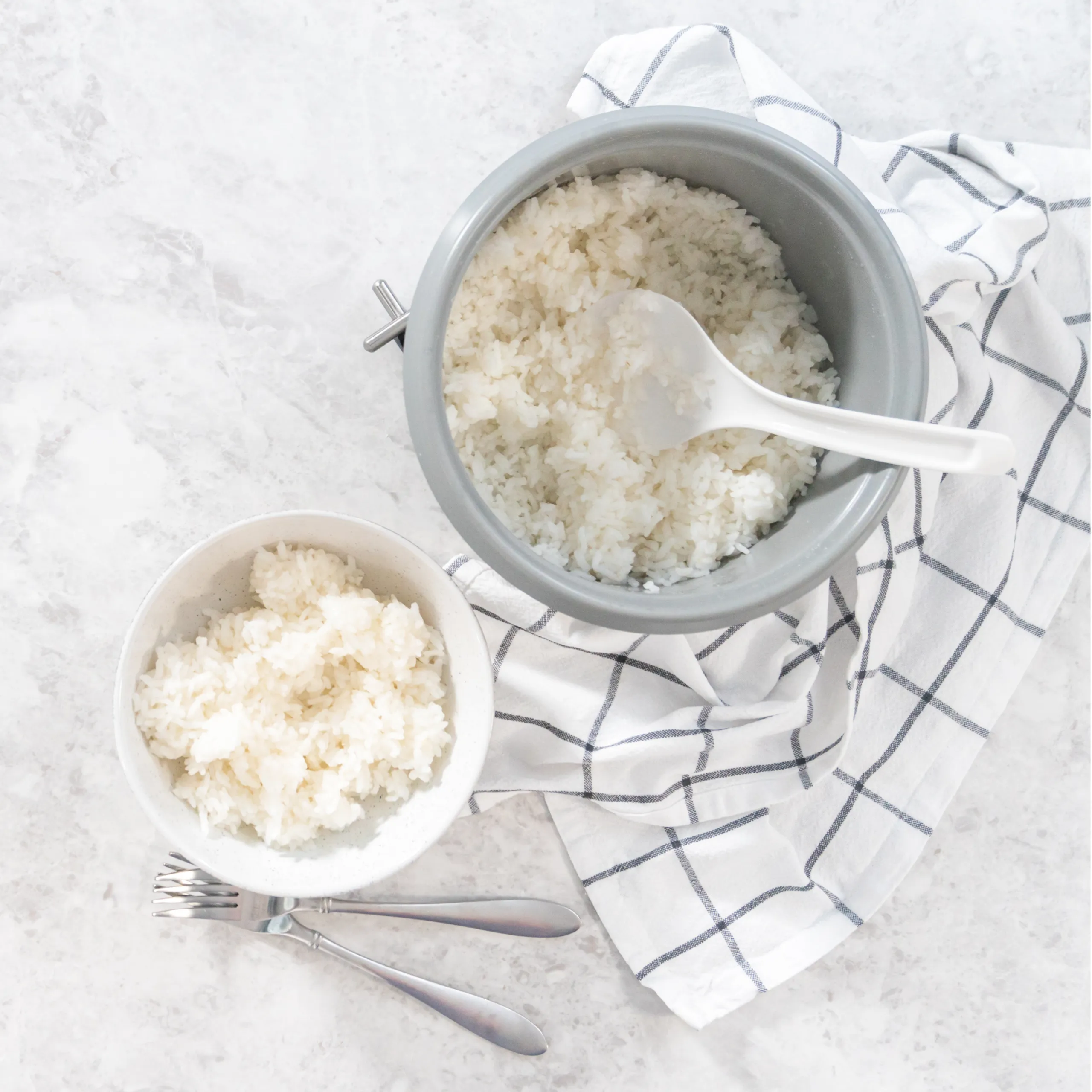
Two bowls of cooked white rice on a marble surface, with a white serving spoon and a striped cloth nearby.
So long as you use these tips, you will be able to know if your rice is truly no longer safe to consume or if it is indeed salvageable.

There is always one thing my family and so many others make sure of before any meal: Pwede pa ba ‘yung kanin?

Reaching a consensus on whether it is still edible or not is always a joint effort. But even when we have different opinions or we aren’t confident enough to commit to our individual assessments, we are always looking out for the same things.

How did you serve your rice? How long did it stay out for? What were the conditions of the environment it was left in? These are just some of the factors that come into play before you can give your old rice a second chance.

To safely satiate the innate Filipino need to eat rice with their ulam, here are four questions you have to ask yourself the next time you are deciding whether it is still edible or if it’s time to say goodbye. 

1. Does it smell?

The very first thing I usually do when determining if cooked rice is still okay to eat is to smell it. I would take a whiff, and then ask whoever else was home that day to do the same.

Rice has almost no smell, whether it be freshly cooked or sitting out in a bowl. An unpleasant, funky smell is a good indication that your rice is no longer safe to eat, irreversibly so. Spoiled rice will smell distinctly sour and almost fermented. Placing it inside the fridge or heating it up in the microwave will not change this fact.
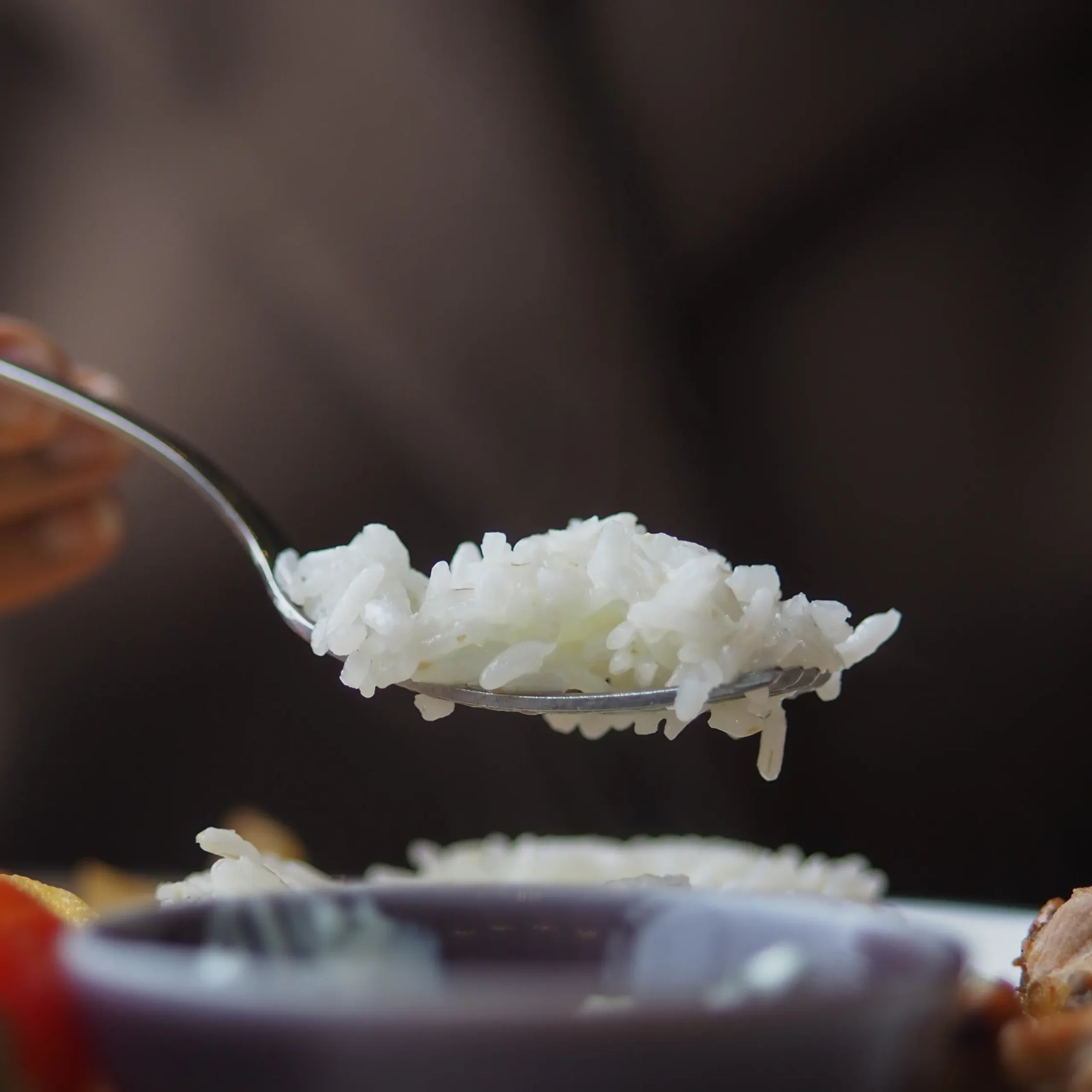
Close-up of white rice on a spoon against a dark, blurred background.
Rice that has gone bad smells potently sour and funky.

2. Is it slimy?

There’s nothing wrong with old rice that is a bit hard and dry. This kind of rice is actually ideal for making sinangag. Another hack my family does is that we put the rice back into the rice cooker and add some water proportional to the amount of rice before turning it on. 

But if your rice appears to be unusually glossy, wet, and slimy, it’s best to throw it away immediately. If the texture is excessively mushy and even sticky, there is nothing you can do to reverse this. This is your sign that bacteria has already taken over your rice, making it inedible.
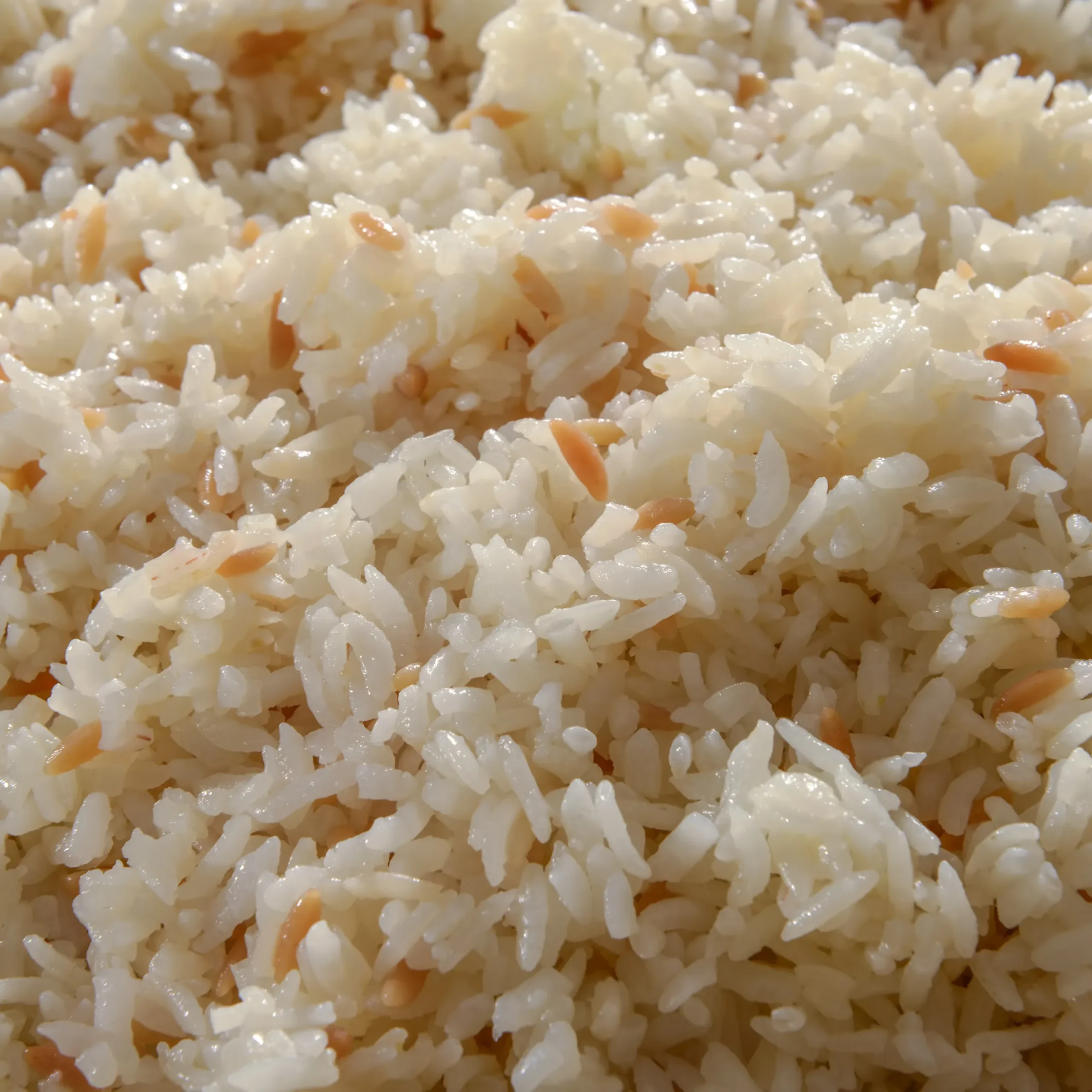
Close-up of fluffy cooked white rice with small orange bits mixed in.
It’s best to throw out leftover rice that is excessively wet and mushy.

3. Is it discolored?

Another good signal if your rice has already gone bad is if there are significant changes to its appearance. Freshly made rice and old rice do not look dissimilar to one another. If it’s white rice, it should still look white. If it’s brown rice, it should still look brown. 

But if there are visible spots of fuzz or if you can clearly see strange patches of rice that look too yellow, green, blue or black, then there’s no hope of you eating it. Don’t try to separate the moldy rice from the portion that you think still looks okay. If they were in the same container, the entire batch is already contaminated. It is safer to dispose of the entire batch.
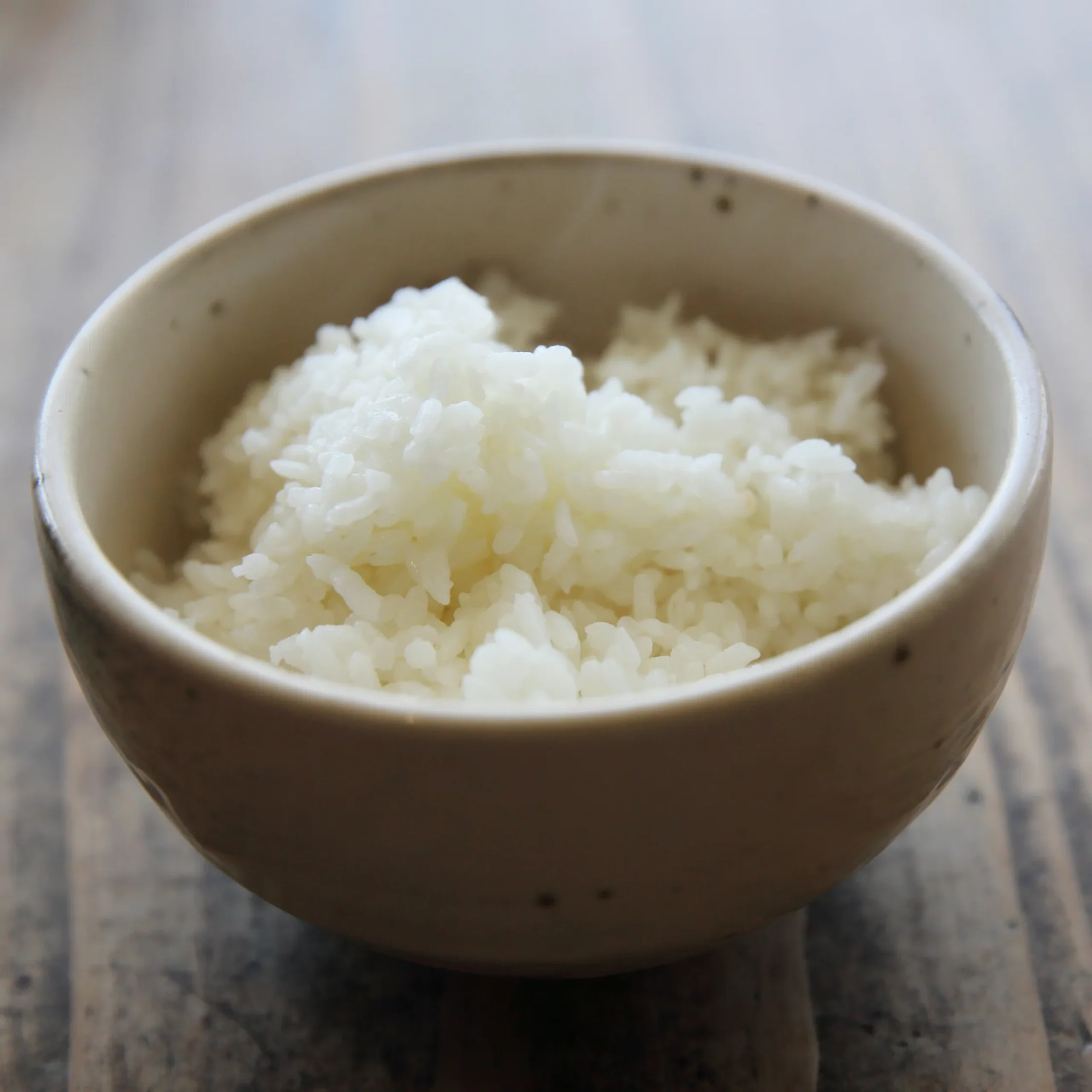
Close-up of a ceramic bowl filled with white rice on a wooden table, viewed from above.
When checking if your rice is still okay, watch out for any mold or obvious discoloration!

4. Does it taste sour?

It is important to emphasize that tasting your rice to check if it is still okay or not is the furthest from the recommended way to do so and must be avoided at all costs. 

But even if your rice looks okay, if it tastes a bit off to you, do not proceed to eat it. Aside from some textural differences, old rice shouldn’t taste any different than when it was made fresh. Similar to how it smells, rice that is no longer edible tastes very fermented and musty.
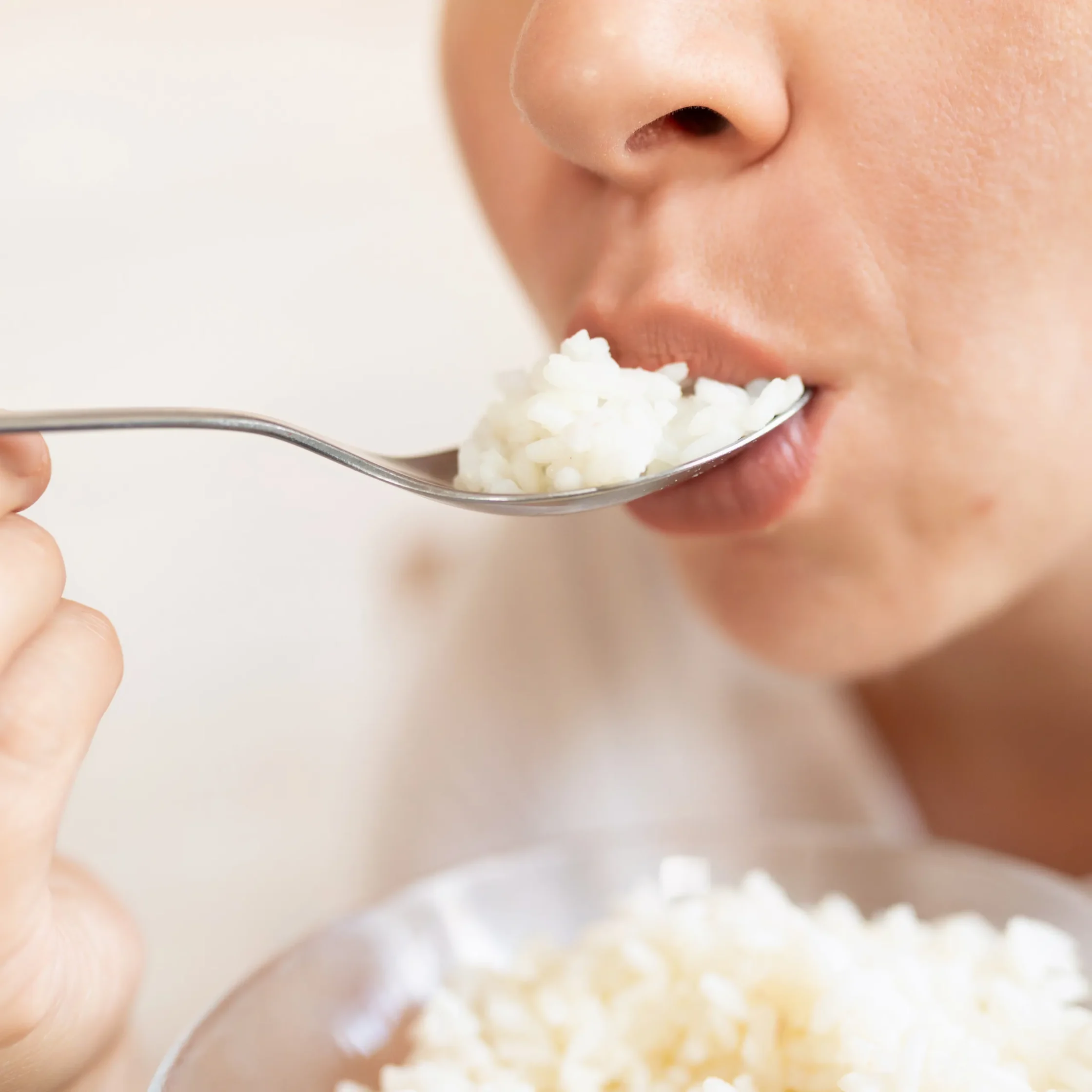
Close-up of a person bringing a spoonful of white rice toward their mouth for a bite.
Avoid tasting if your rice is still okay to eat at the risk of it not being okay anymore.

5. How was it stored?

Rice that has been sitting out should still be okay to consume so long as it was served or stored the proper way. The biggest no-no when it comes to storing rice in the refrigerator is to put it in while it is still hot. That is a recipe for disaster. If your rice is still steaming, it’s best to let it cool down first. But if you leave hot rice in the fridge, regardless if it was covered or not, it becomes extremely susceptible to bacteria growth, causing it to spoil even faster.
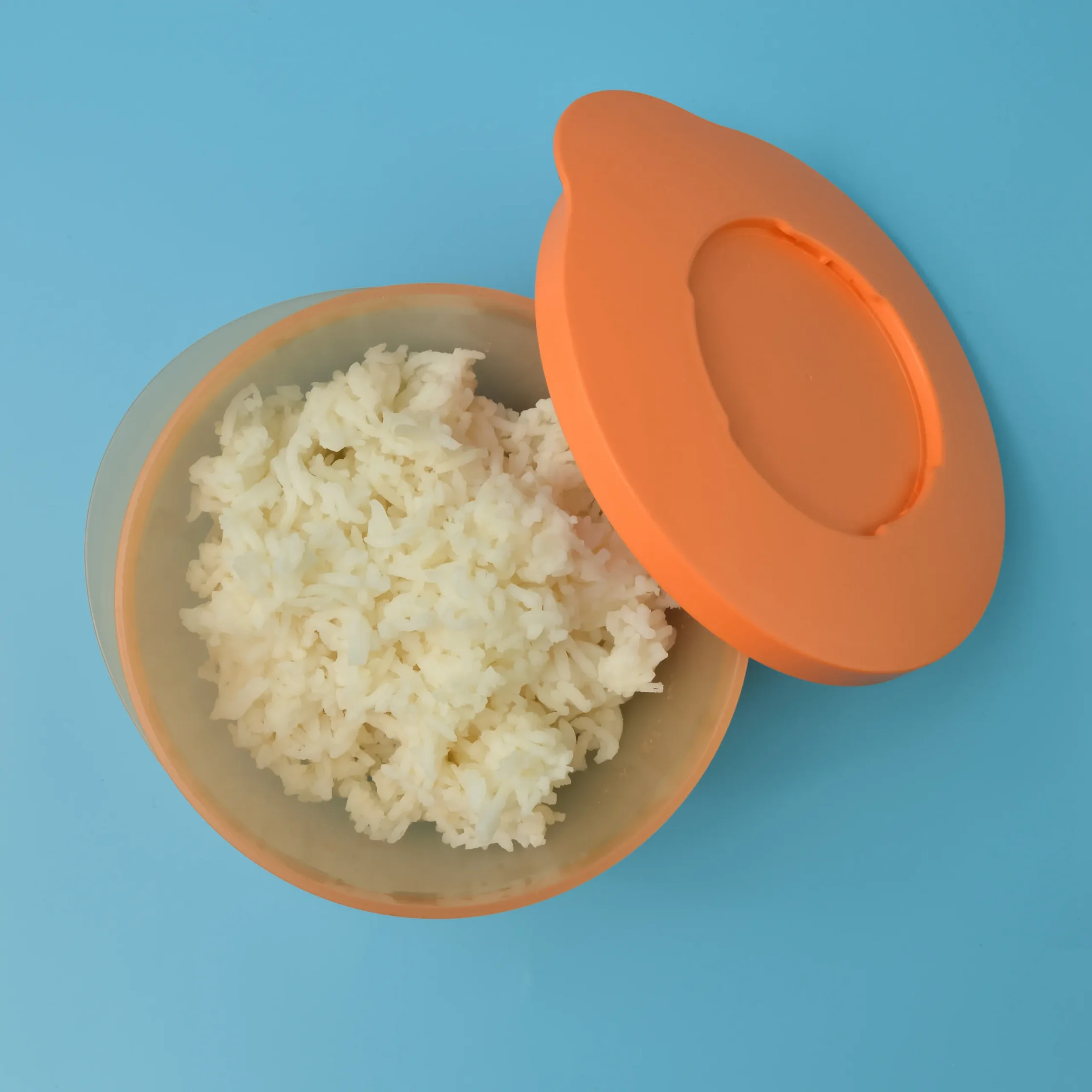
Wait for your rice to cool down before properly storing it in your refrigerator.

For many Filipinos, no meal is complete without a cup of rice. Take this from someone who has always felt a certain level of guilt whenever they are left with no other choice but to throw any kind of food away, regardless of its actual edibility. 

As much as I don’t want to waste any food, I also don’t want to inadvertently risk my own or anyone else’s health. It’s better to err on the side of caution when deciding if your leftover rice is still okay to eat or if it’s better to just toss it in the can.

author avatar
Laura Mendoza Writer
Laura admits that she is a slow eater. She prefers to take her time with the food she likes to eat and the stories she wishes to write. Having graduated with a Creative Writing degree, she comes from a background in writing fiction and poetry. Because of this, she has set herself on a creative mission to explore and delve into what other modes and channels exist for stories and narratives to be told, expressed, and shared with others. For Laura, food as a medium is an exciting proposition. Behind every dish, every ingredient, and every cooking technique, there lies a history worth discussing, a human being worth listening to, a lived experience worth gleaning from. As a means to satiate her appetite for learning about and understanding new and known things, she aims to be the kind of food writer who is approachable, reliable, and personable to readers.

Frequently Asked Questions

Yes! Old rice can still be okay to consume, so long as it still looks, smells, and tastes mostly the same from when it was made fresh.

author avatar
Laura Mendoza Writer
Laura admits that she is a slow eater. She prefers to take her time with the food she likes to eat and the stories she wishes to write. Having graduated with a Creative Writing degree, she comes from a background in writing fiction and poetry. Because of this, she has set herself on a creative mission to explore and delve into what other modes and channels exist for stories and narratives to be told, expressed, and shared with others. For Laura, food as a medium is an exciting proposition. Behind every dish, every ingredient, and every cooking technique, there lies a history worth discussing, a human being worth listening to, a lived experience worth gleaning from. As a means to satiate her appetite for learning about and understanding new and known things, she aims to be the kind of food writer who is approachable, reliable, and personable to readers.

It depends on how it was served or stored and for how long it had been sitting out. If done correctly, old rice can last for at least one day and at most up to six days.

author avatar
Laura Mendoza Writer
Laura admits that she is a slow eater. She prefers to take her time with the food she likes to eat and the stories she wishes to write. Having graduated with a Creative Writing degree, she comes from a background in writing fiction and poetry. Because of this, she has set herself on a creative mission to explore and delve into what other modes and channels exist for stories and narratives to be told, expressed, and shared with others. For Laura, food as a medium is an exciting proposition. Behind every dish, every ingredient, and every cooking technique, there lies a history worth discussing, a human being worth listening to, a lived experience worth gleaning from. As a means to satiate her appetite for learning about and understanding new and known things, she aims to be the kind of food writer who is approachable, reliable, and personable to readers.

You can easily tell if rice is no longer safe to eat if it smells funny, looks excessively wet or slimy, or has any visible mold or discoloration.

author avatar
Laura Mendoza Writer
Laura admits that she is a slow eater. She prefers to take her time with the food she likes to eat and the stories she wishes to write. Having graduated with a Creative Writing degree, she comes from a background in writing fiction and poetry. Because of this, she has set herself on a creative mission to explore and delve into what other modes and channels exist for stories and narratives to be told, expressed, and shared with others. For Laura, food as a medium is an exciting proposition. Behind every dish, every ingredient, and every cooking technique, there lies a history worth discussing, a human being worth listening to, a lived experience worth gleaning from. As a means to satiate her appetite for learning about and understanding new and known things, she aims to be the kind of food writer who is approachable, reliable, and personable to readers.
Smiling woman with glasses tilted at an angle, wearing a blue top, against a light background.

Laura Mendoza

Writer

Laura admits that she is a slow eater. She prefers to take her time with the food she likes to eat and the stories she wishes to write. Having graduated with a Creative Writing degree, she comes from a background in writing fiction and poetry. Because of this, she has set herself on a creative mission to explore and delve into what other modes and channels exist for stories and narratives to be told, expressed, and shared with others. For Laura, food as a medium is an exciting proposition. Behind every dish, every ingredient, and every cooking technique, there lies a history worth discussing, a human being worth listening to, a lived experience worth gleaning from. As a means to satiate her appetite for learning about and understanding new and known things, she aims to be the kind of food writer who is approachable, reliable, and personable to readers.

0 0 votes
Total of Ratings
guest
Rating
Ratings for Article
0 Comments
Oldest
Newest Most Voted

To provide a customized ad experience, we need to know if you are of legal age in your region.

By making a selection, you agree to our Terms & Conditions.