


Bloating is that uncomfortable, overly full feeling in your stomach that can make your clothes feel tighter than usual—something most people have experienced at some point in their lives, but especially after big meals, family gatherings, or even simple snacks throughout the day.
While common, certain foods are more likely to trigger bloating. Knowing what these items are can help you enjoy your meals without being afraid of the discomfort caused by bloating.
Bread
Bread is a staple in different parts of the world because it’s versatile and tasty. It’s no different in the Philippines. Whether it’s pandesal paired with coffee in the morning or Spanish bread and pan de coco from your favorite panaderia in the afternoon, Filipinos always have space for bread.
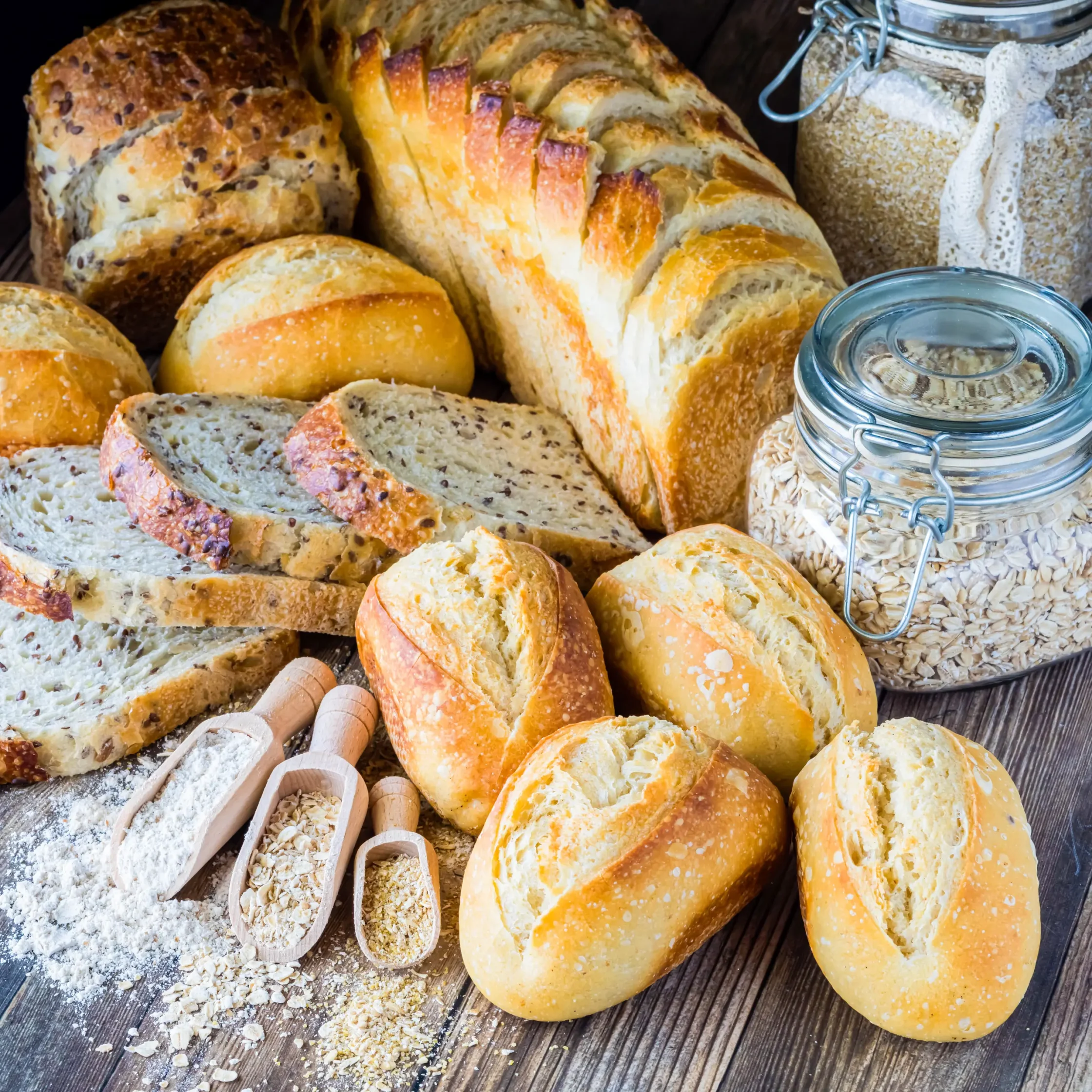
Unfortunately, bread can cause bloating because it has gluten, a protein found in wheat that some people find hard to digest. When the body can’t break it down, it leads to gas and that heavy feeling in the stomach. Bread also has yeast and carbohydrates, which create even more gas. If you often feel bloated after eating bread, you can try eating less or choose options that are gluten-free.
Alcohol
Social gatherings can be more enjoyable when there’s alcohol—which can sometimes be beer at casual get-togethers, cocktails with friends, or even wine during big celebrations. But the bloating that comes with it is far from fun. By slowing down digestion, alcohol makes everything sit a little longer in the stomach. When this happens, gas builds up, leaving you feeling puffy and uncomfortable.

Beer, in particular, can make bloating worse because it’s also carbonated, adding even more gas to your stomach. If you feel bloated after drinking, it helps to drink responsibly or you can try drinking water in between shots.
Chips
Chips are an easy snack, especially during movie nights or even during quick breaks throughout the day. While they’re convenient and hard to resist, they also leave you feeling bloated because they contain lots of salt. More salt means that your body holds on to more water, making it a possible culprit behind bloating.
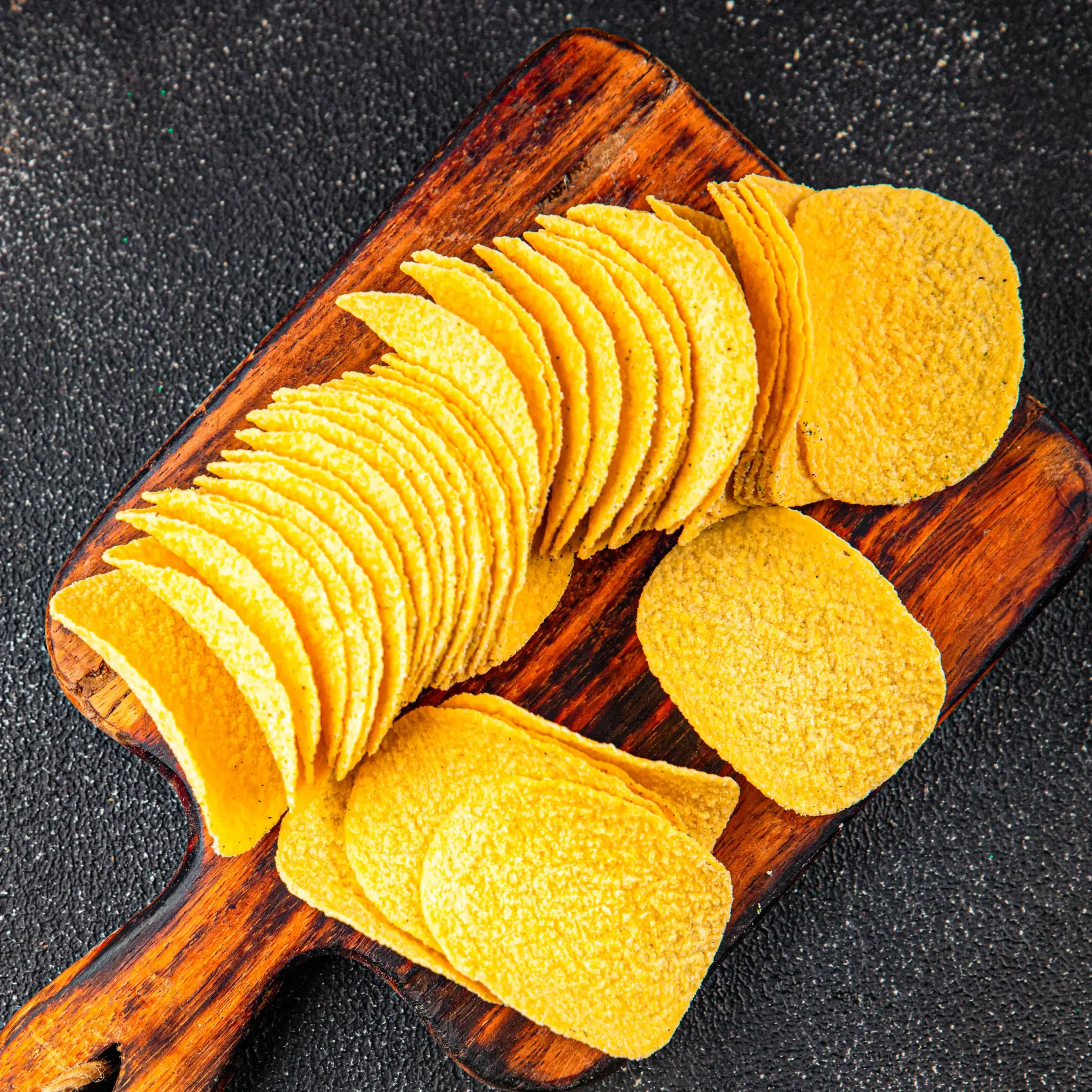
Another thing to watch out for is how easy it is to keep reaching for more. Eating large amounts in one sitting can make that heavy, uncomfortable feeling even worse. If this sounds too familiar, try having smaller portions or choosing options with less salt.
Apples
Best encapsulated by the saying “an apple a day keeps the doctor away,” apples are typically seen as a healthy, easy snack you can have anytime. While it’s true that they’re jam-packed with nutrients, they can still sometimes leave you bloated. This is because apples contain fructose, a natural sugar, and fiber that can be difficult for the body to digest.
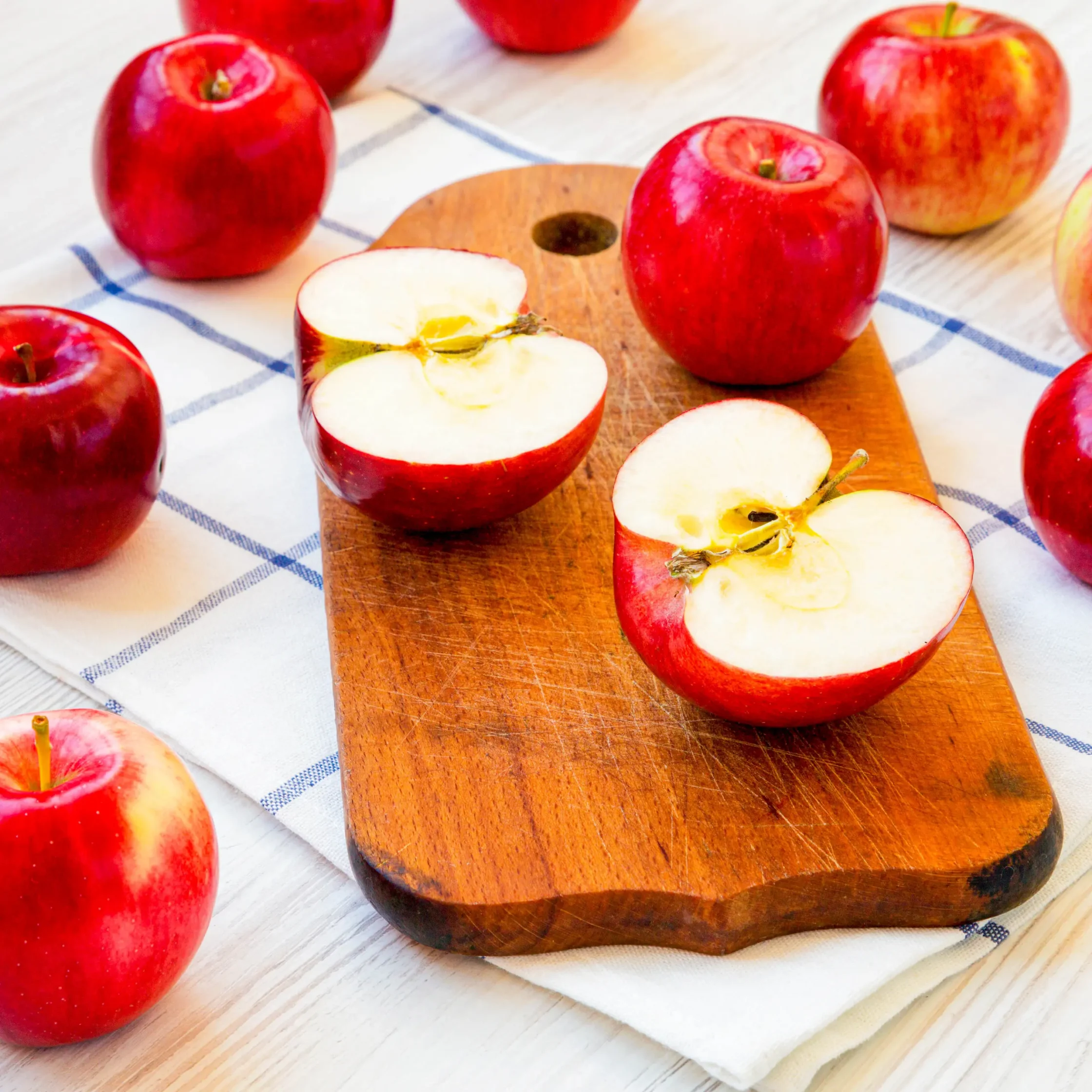
For some people, this leads to gas build up in the stomach, which then causes that uncomfortable, overly full feeling. If this often happens to you, try eating smaller portions or pairing apples with other foods to make them easier to digest.
Broccoli
Broccoli is a natural source of vitamins, fiber, and antioxidants so it’s a popular choice for making meals healthier. However, it’s also known to cause “ballooning” in some people. One reason for this is that it contains raffinose, a type of sugar that the body has a harder time breaking down.
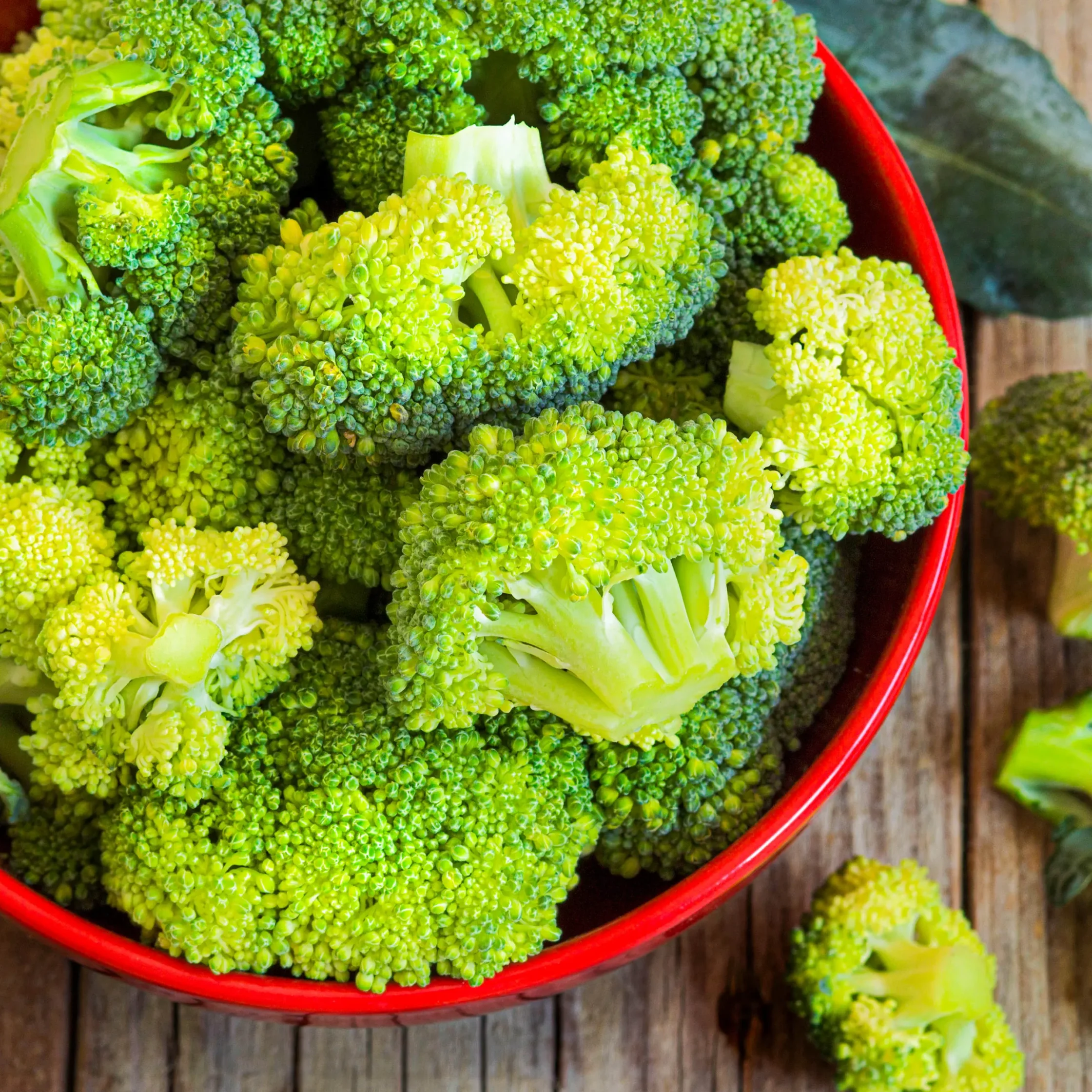
When raffinose isn’t fully digested, it moves into the gut where it creates gas. Cooking broccoli thoroughly can help make it easier on your stomach and reduce these effects.
Soda/Carbonated Drinks
Soda and other carbonated drinks are many people’s choice to pair with meals during celebrations, or even hot days when something cold and fizzy feels extra refreshing. But, they are a common cause of bloating because they contain carbon dioxide, which is what creates the bubbles.

When you drink them, the gas builds up in your stomach instead of escaping right away, leading to a swollen and uncomfortable feeling. If you often feel bloated after drinking soda, switching to still options like water or juice can help ease the discomfort.
Chewing Gum
Chewing gum might seem harmless and is often used to freshen breath or pass the time. However, it also leads to bloating since the act of chewing can make you swallow extra air without realizing.
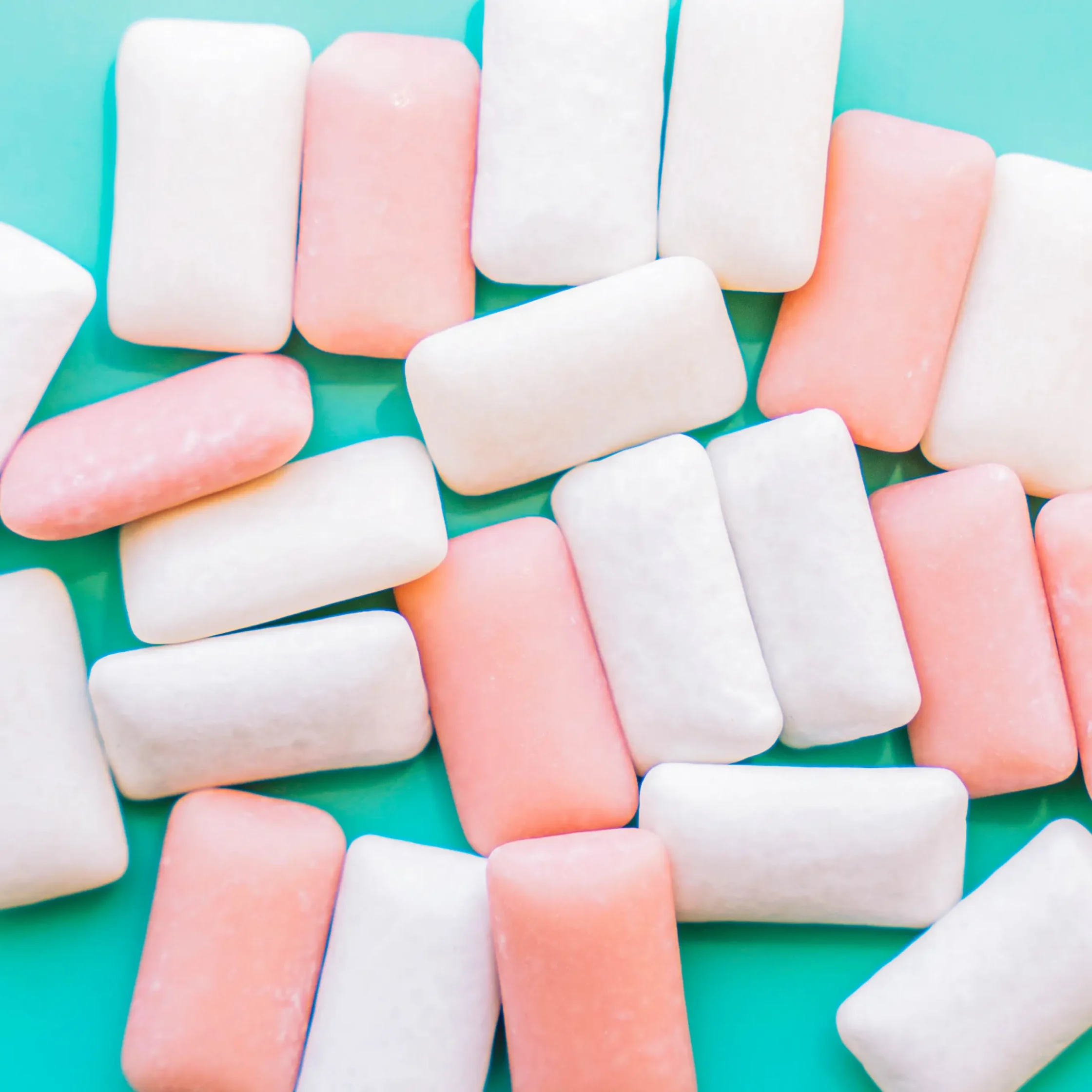
That air builds up quickly in your stomach, leading to that gassy and uncomfortable feeling. Some gums also contain sugar alcohols, which can also be hard to digest and may add to the bloating. If this happens often, cutting back on gum can help.
Dairy
Dairy products like milk, cheese, and ice cream are everyday favorites, whether it’s in drinks, desserts, or meals. However, they can sometimes cause bloating, especially for people who are sensitive to lactose, the natural sugar found in dairy.
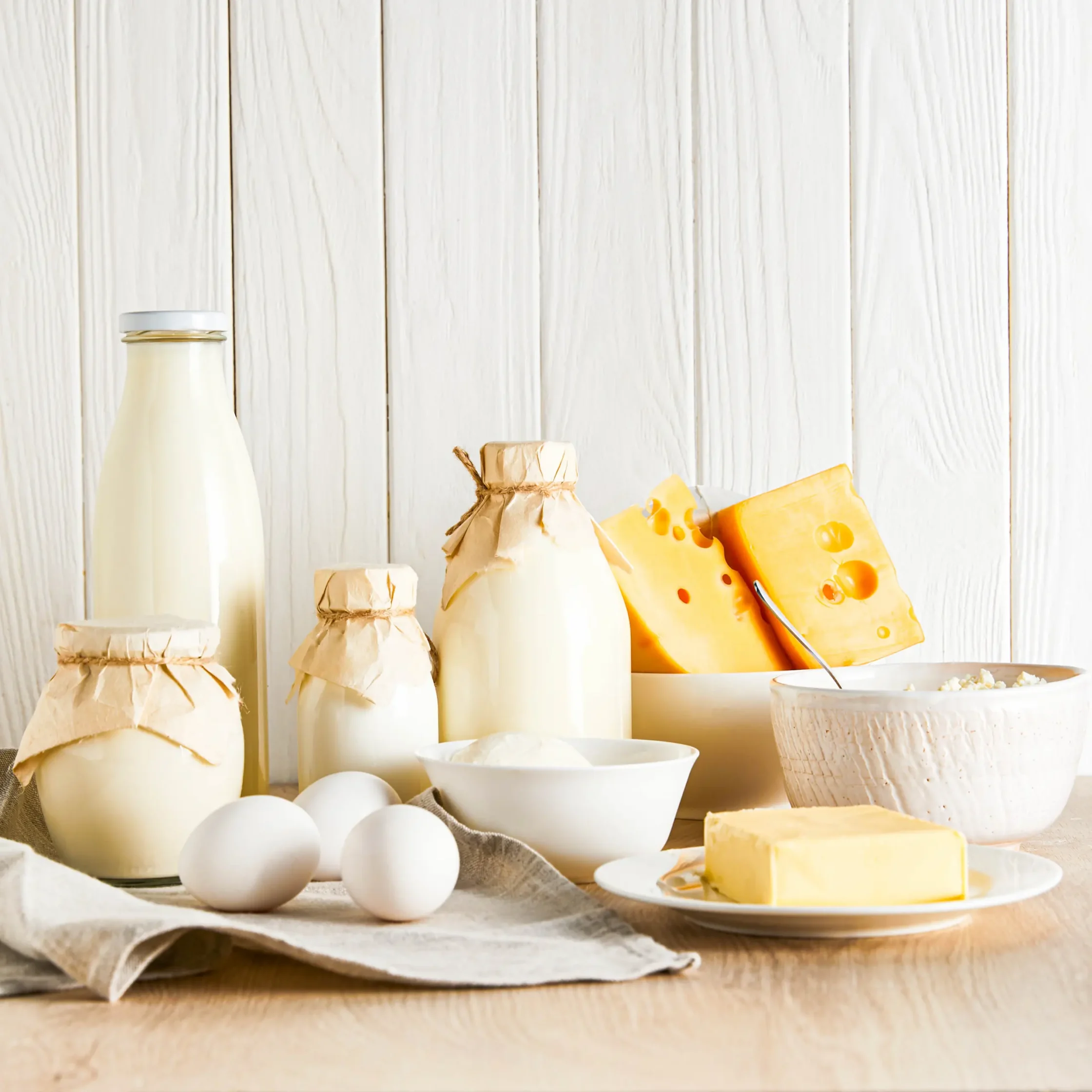
When the body has trouble breaking down lactose, it can lead to gas buildup in the stomach, causing discomfort and that overly full feeling. If you notice this after having dairy, try lactose-free or plant-based alternatives.
Say Bye to Bloating
It’s important to remember that bloating is caused by an excess of either gas or water so if you’re regularly bloated, it might help to be more mindful of what you consume, how much you consume, and how these foods interact with your body.
It’s less about completely avoiding your favorite meals or foods, but more about finding the right balance. Simple habits like eating at a steady pace, staying hydrated, and being mindful of portions can go a long way in keeping that uncomfortable, bloated feeling in check.

Frequently Asked Questions
That “busog but uncomfortable” feeling usually comes from gas buildup in your stomach. Some foods are just harder to digest, so they ferment in your gut and cause that bloated feeling.
Some usual suspects: dairy, beans, cruciferous veggies (like broccoli and cabbage), fizzy drinks, and even salty or processed snacks. Yes, even the “healthy” ones can be sneaky.
Try eating slower, watching your portions, and taking note of which foods trigger it. Sometimes, it’s not just what you eat—but how you eat.
Good news: you don’t always have to give up good food to avoid bloating. You can still enjoy them—just in moderation or with a few tweaks (like switching to lactose-free दूध or cooking veggies differently).
Unfortunately, yes. Fiber-rich foods and veggies are great for you—but they can also produce gas while your body breaks them down. It’s a love-hate relationship.