

Way before Ado’s Panciteria became a Pasig food institution, founder Librado “Ado” Castillo ran a barber shop. Right next door was a small panciteria owned by a Chinese friend, and between tending to customers, Castillo would watch his neighbor cook. Eventually, those observations got him very curious in noodles. And so when his friend’s panciteria failed to take off, Castillo decided to try his hand at the business himself.
In 1952, Ado’s Panciteria was born.
From Barber Shop to Panciteria
This was the pancit of my childhood. As far as I remember, sweet spaghetti wasn’t the default dish in my birthday parties. It was the wet noodles from Ado’s, a longtime staple in many Pasigueño households.
Castillo started the panciteria with the help of his wife and 11 children, initially operating it alongside his barber shop. But as demand increased and more customers came for the food, the family was forced to decide, which between the two they had to focus all their efforts on. They ended up shelving the scissors down and focusing on the noodles.
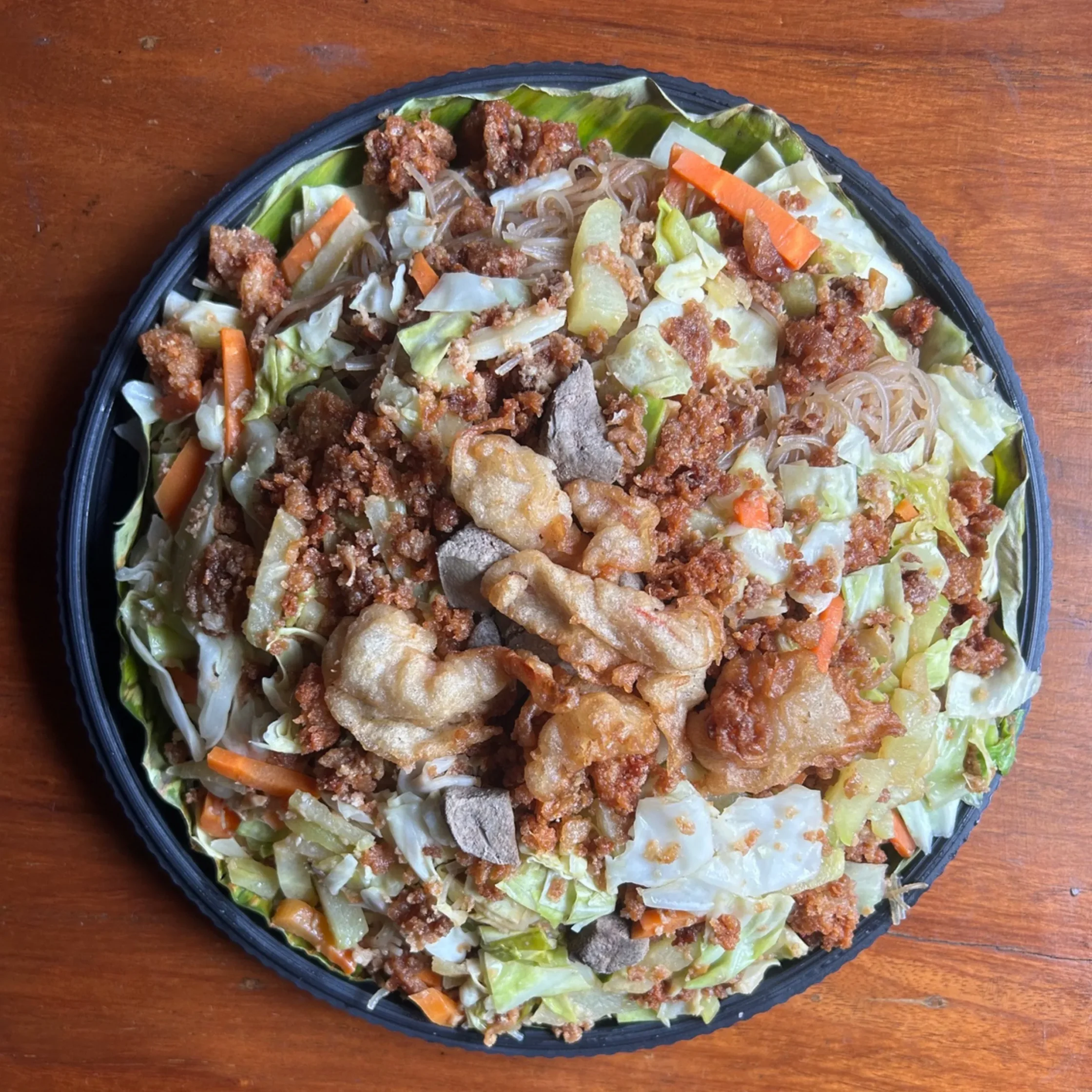
At first, bihon was the lone star. But as time passed, more types were added to the menu. But one thing that remained the same across all their pancit is the generous portion of chicharon.
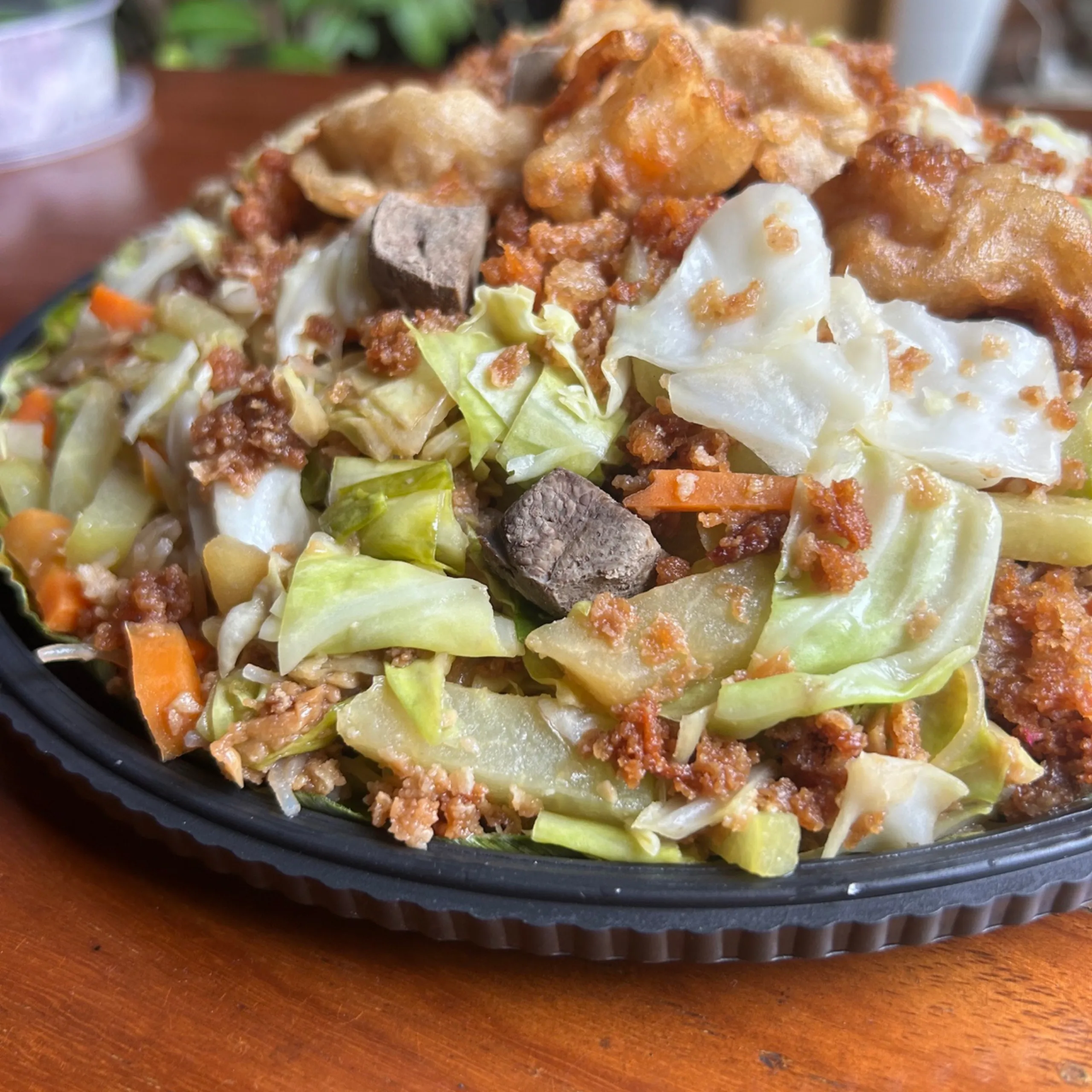
Ado’s would become known as “The Original Pancit With Chicharon,” serving its noodles topped with pieces of crispy pork crackling. The combination gave every forkful an extra hit of richness, salinity and crunch—and helped distinguish the family’s pancit from the many others being served around the city.
But Castillo wasn’t only passing down a recipe. As his children became involved in the business, he taught them to pay just as much attention to good service and consistency, principles that would help carry the panciteria through the decades.
From Bihon to Sariwa: What to Order at Ado’s Panciteria
Over time, their menu expanded to include super sulit combo meals. Two pieces of lumping Shanghai, rice and pancit bihon for P85; chicken fingers in place of the spring rolls for P110; and two slabs of grilled liempo for P140. Though these combo meals are a bang for the buck, the appeal of what it has become known for is hard to resist.
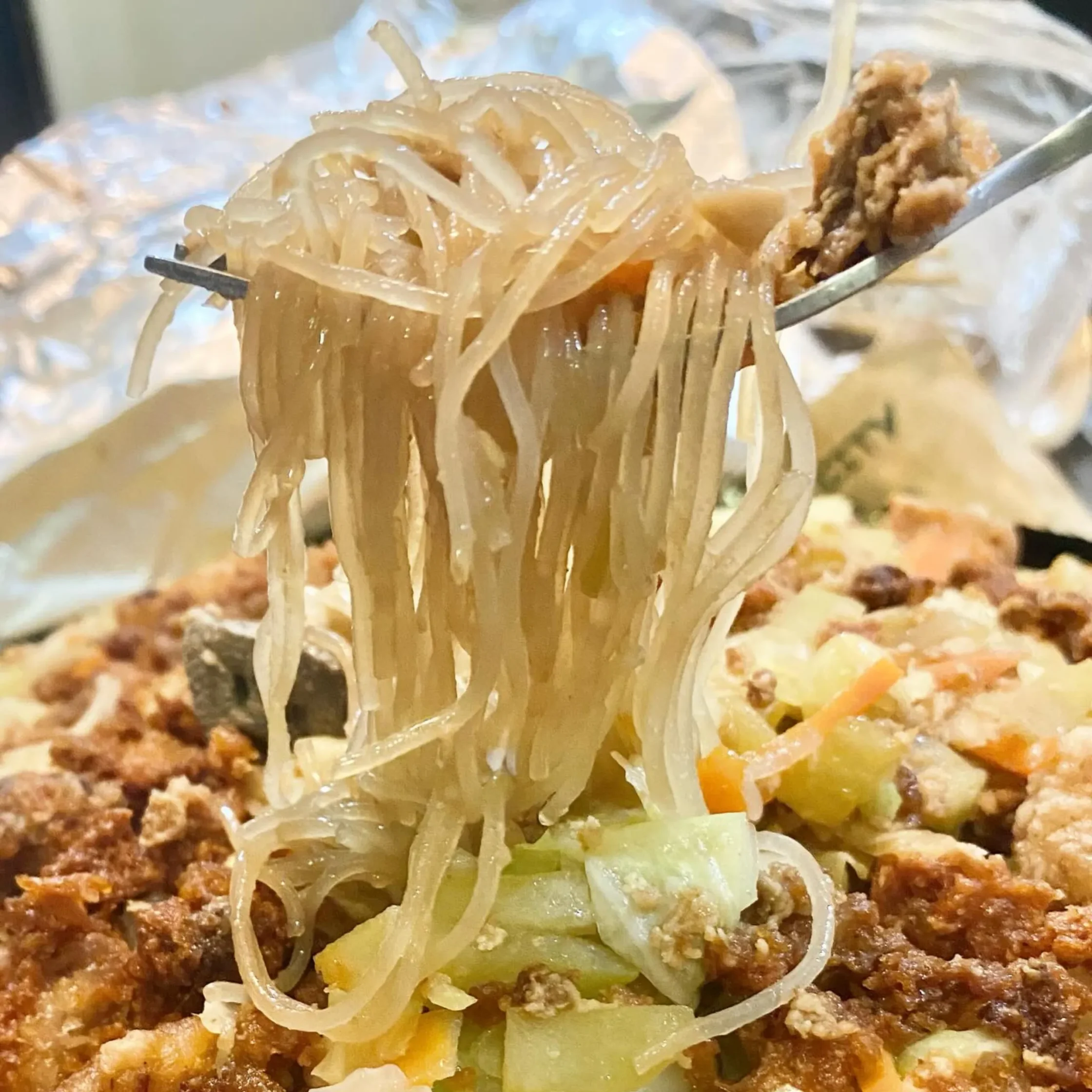
Eating at Ado’s is a choose-your-own-adventure kind of dining experience. First, you pick the noodles from an array of options—pancit bihon (thin ricer vermicelli noodles), pancit canton (thick wheat egg noodles), bihon canton (a mix of both), and lomi (thick fresh egg noodles), among others.
And then you choose the style of sauce: sabaw (in a hot rich broth), guisado (stir-fried), special (with add-ons), and my favorite of the lot, sariwa, which is topped with a thick, starchy sauce. The last is practically the ideal balance between soupy and dry—it’s generously drenched, which is how pancits should be in the first place (in my ideal world).
More Than 70 Years Later, Ado’s Panciteria Is Still a Pasig Favorite
It has been more than seven decades after Castillo opened his panciteria and Ado’s remains in business, still serving the noodles that made its name, the very noodles I enjoyed throughout my childhood.
The surroundings may have changed and the business may look different from the one Castillo started in 1952, but the family continues to hold on to the same dishes that has made the brand withstand the test of time.
Turns out, Mang Ado knew his way around more than one kind of cut.
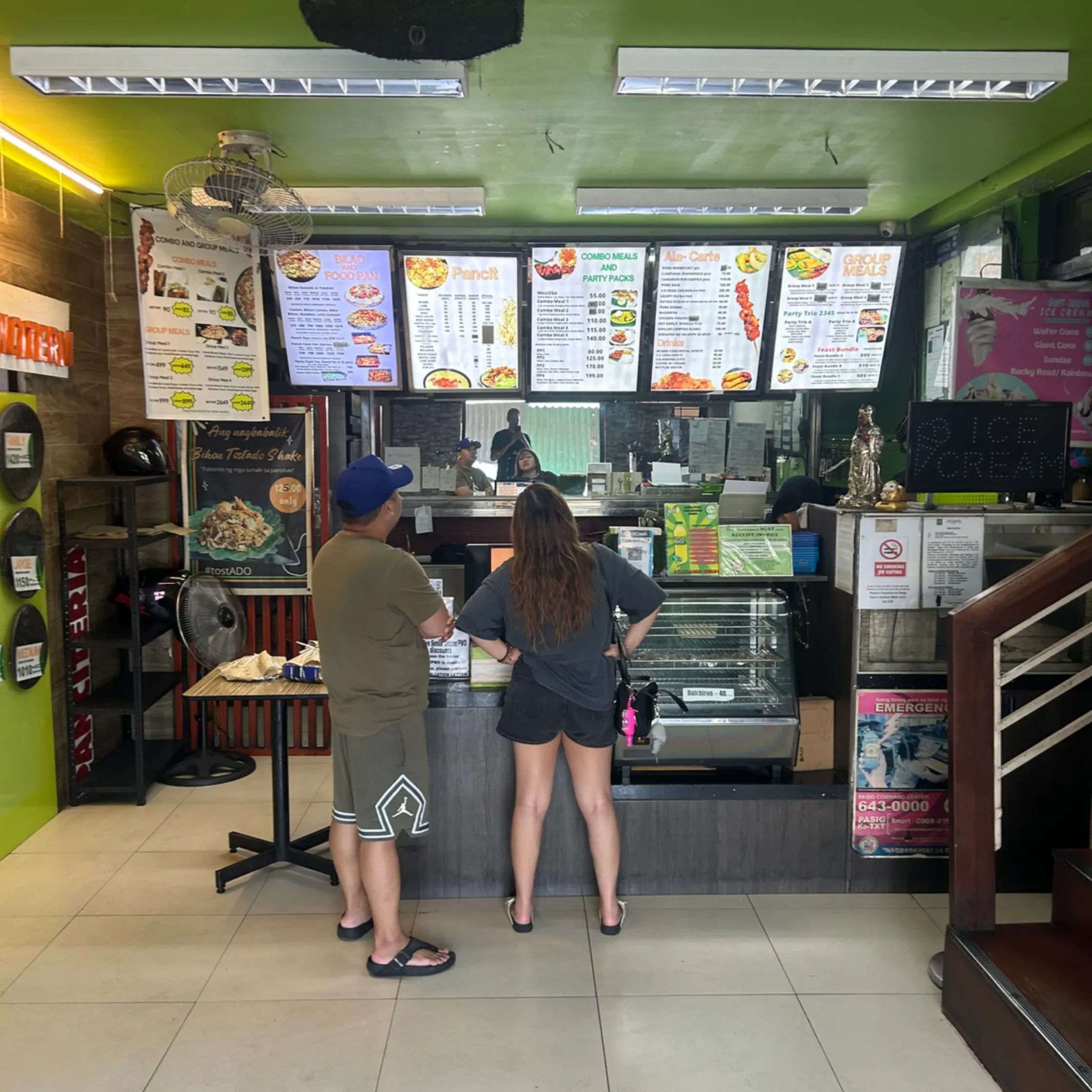
Ado’s Panciteria is located at 126, A. Luna Street, Pasig City.

Frequently Asked Questions
Ado’s Panciteria is a Filipino eatery founded by barber-turned-restaurant owner Librado “Ado” Castillo in 1952 that has become an food institution based in Pasig.
Ado’s Panciteria is located at 126, A. Luna Street, Pasig City.
At Ado’ Panciteria, you can choose what type of noodles (bihon, canton, bihon canton, and lomi) and what style of sauce (sabaw, guisado, special with add ons, and sariwa).
They are also super sulit combo means that offer other foods alongside your pancit like lumping Shanghai, spring rools, chicken fingers, and grilled liempo for more affordable deals.