One would think that choosing the next region to spotlight after the success of its western Mindanao menu would prove to be difficult. Apparently, that wasn’t the case.
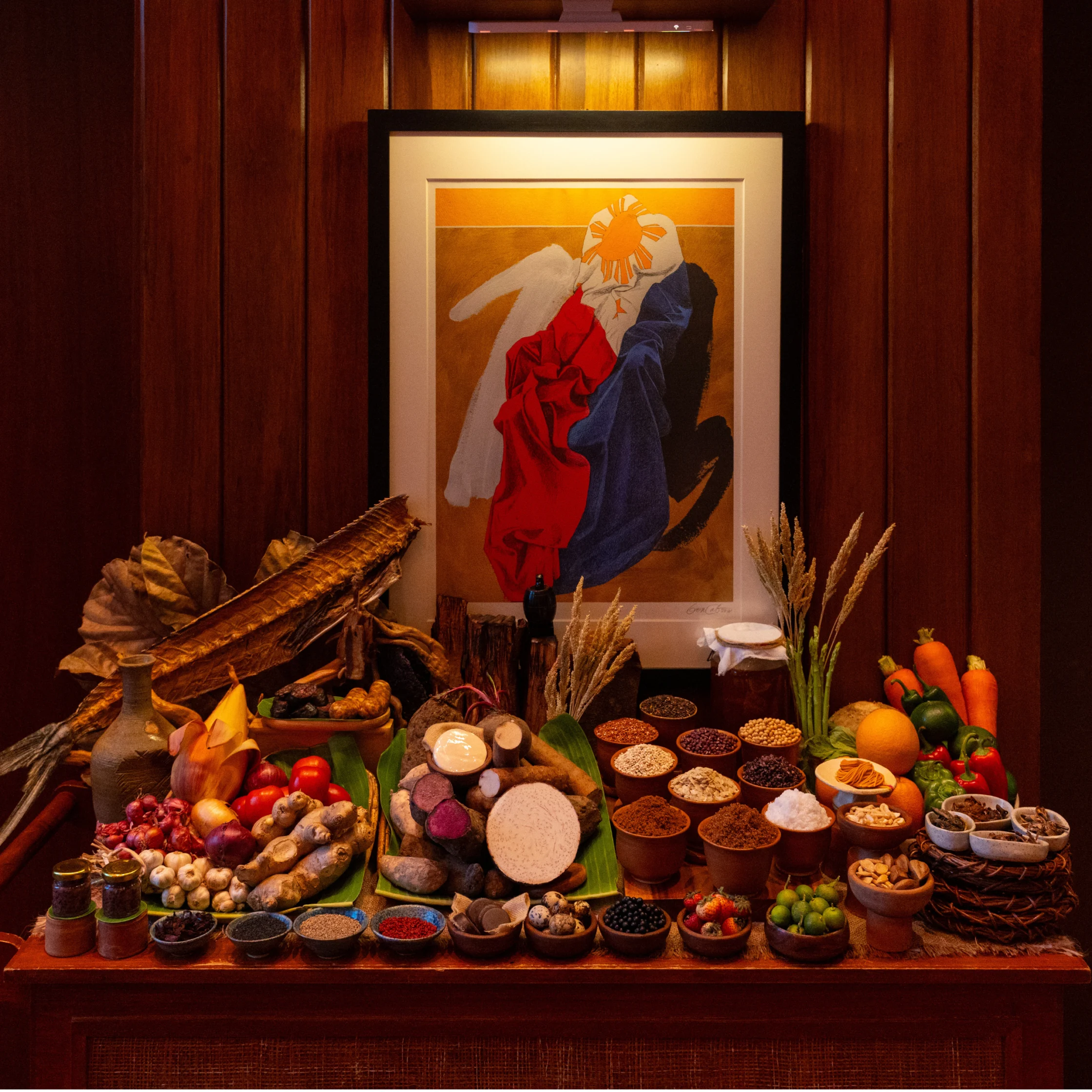
“We have always been curious about what the Cordillera Administrative Region has to offer,” says Thirdy Dolatre, chef and co-owner of Michelin-starred Hapag. “Personally, before our research trip, my exposure was mostly limited to Baguio City. When it came to my understanding of Cordilleran cuisine, I would say it was still very surface-level, mostly based on what I had seen online or heard from others. I knew about the Banaue Rice Terraces and the region’s close relationship to rice, but I also felt that there was so much more beyond what we already knew.”
Kevin Navoa adds, “Cordillera has always been one of those places we knew very little about, but have heard certain things that really caught our interest. The lifestyle, culture, and techniques for preserving food have always been among the factors that have drawn us in. Another thing is simply the idea of what life is like around these areas.”
How a Journey Through the Cordilleras Inspired Hapag’s New Tasting Menu
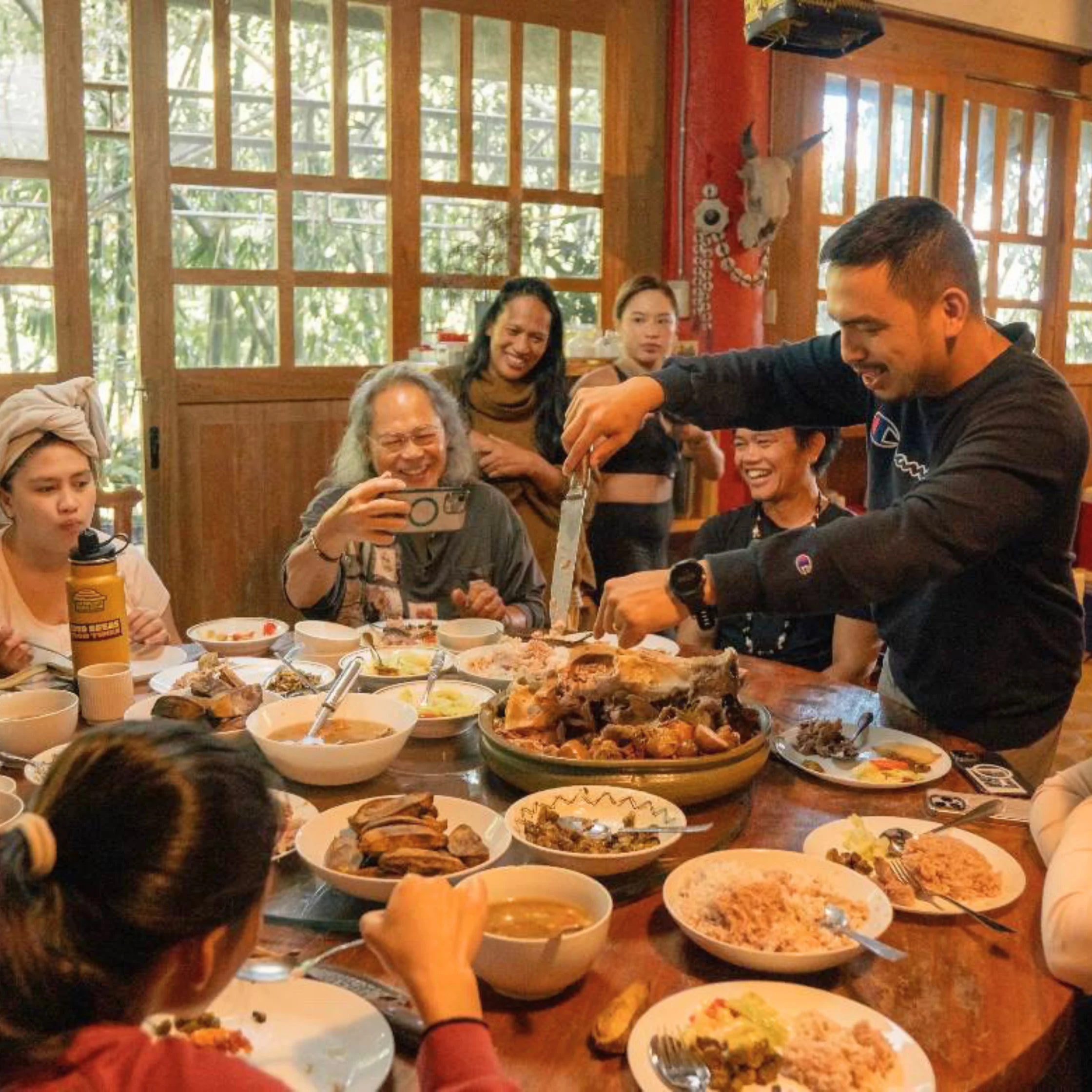
It’s this natural curiosity that consequently fueled them to visit several parts of the Cordillera, specifically Ifugao, Mountain Province, Kalinga, Benguet, and Baguio, and look for inspiration that would shape their new tasting menu.
Discovering ingredients, unfamiliar dishes and cooking processes have always been part of their research but they never thought that even the journey, though tough, would be enlightening.
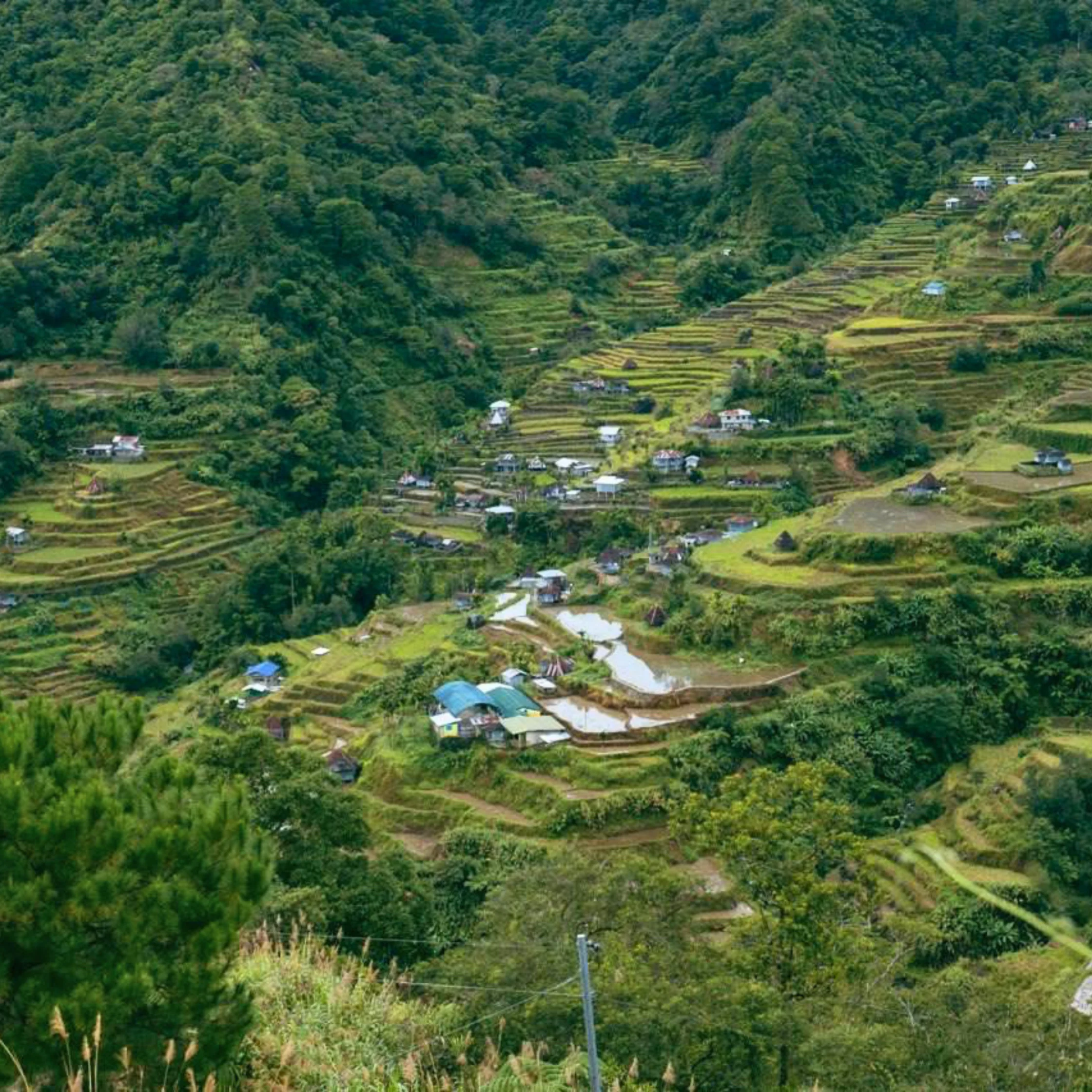
“The trip was physically challenging because most of the provinces were two to three hours apart by land. The terrain and roads were unfamiliar, so the journey alone became part of the experience,” claims Dolatre.
“In my opinion, this is also one reason many areas beyond Ifugao were untouched by Spanish colonization and Japanese occupation. The distance, the mountains, and the difficulty of entering these communities helped preserve many of their traditions, food, and way of life. It gave us a stronger appreciation of how geography shapes the region’s food, lifestyle, and culture. Some dishes even felt like they were born out of survival and sustenance, making use of what was available and what the land could provide,” he says.
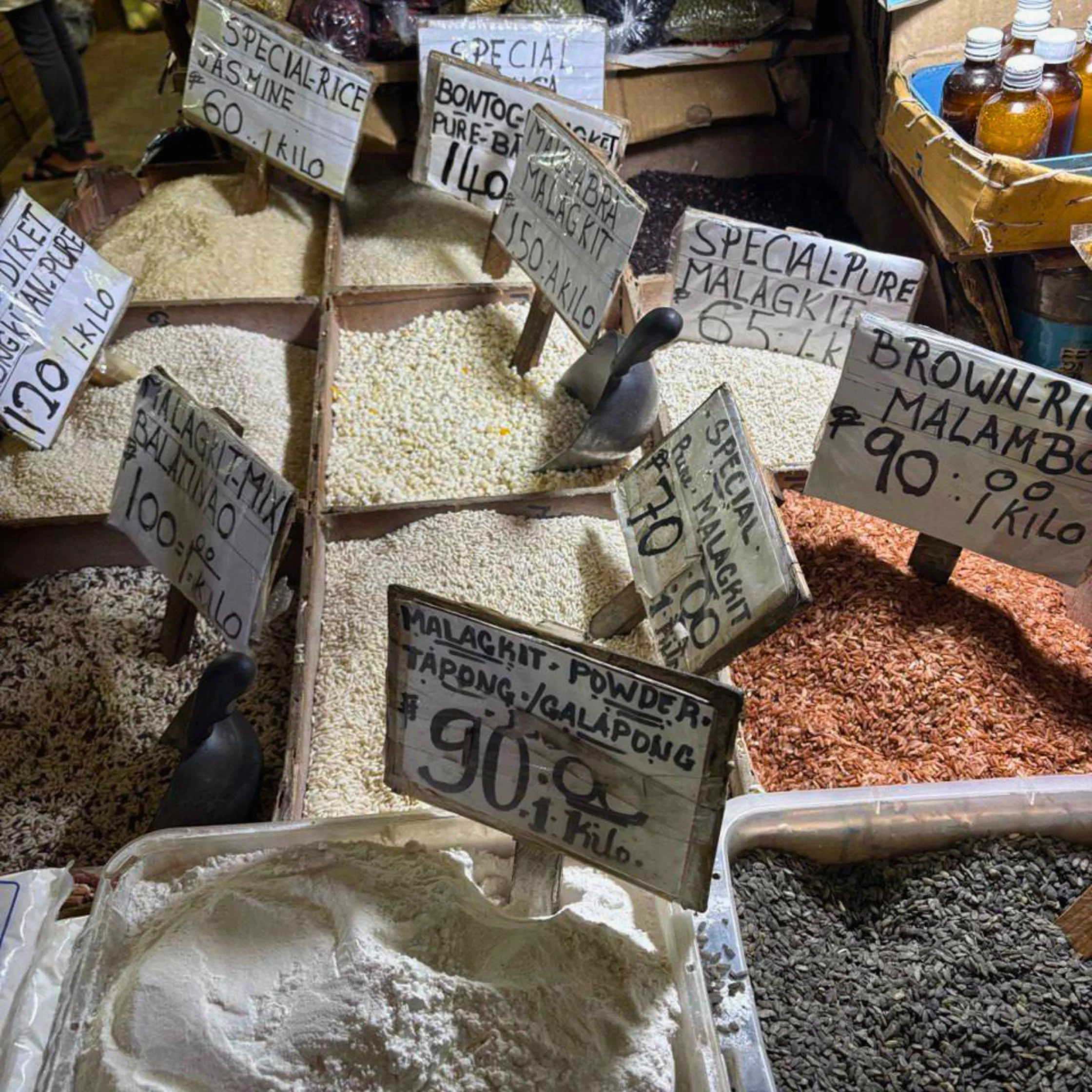
“It was honestly one of the toughest drives I’ve ever had to do. But through that, I slowly started to understand why the food is the way it is. It made sense why preservation, smoking, and curing became such important techniques in the region,” says Navoa.
From Lini’ku to Etaglaw: Inside Hapag’s New ‘Cordilleras’ Tasting Menu
As has always been the case, they use their discoveries as the backbone of their tasting menu. Take the first course, for example. The lini’ku is something they came across in Kiangan, Ifugao.
It uses chicken in a way similar in spirit to pinikpikan, but without the blood-clotting technique.
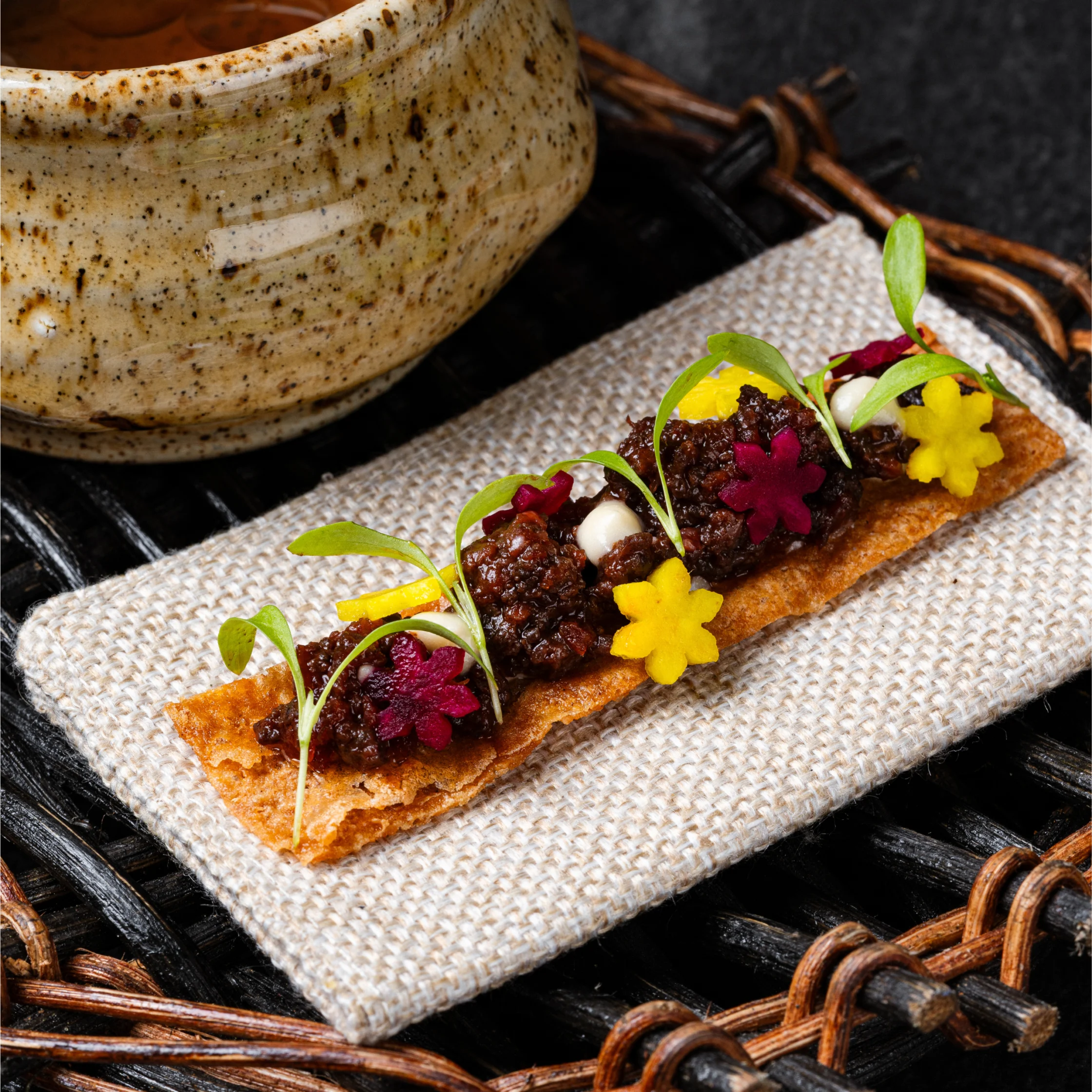
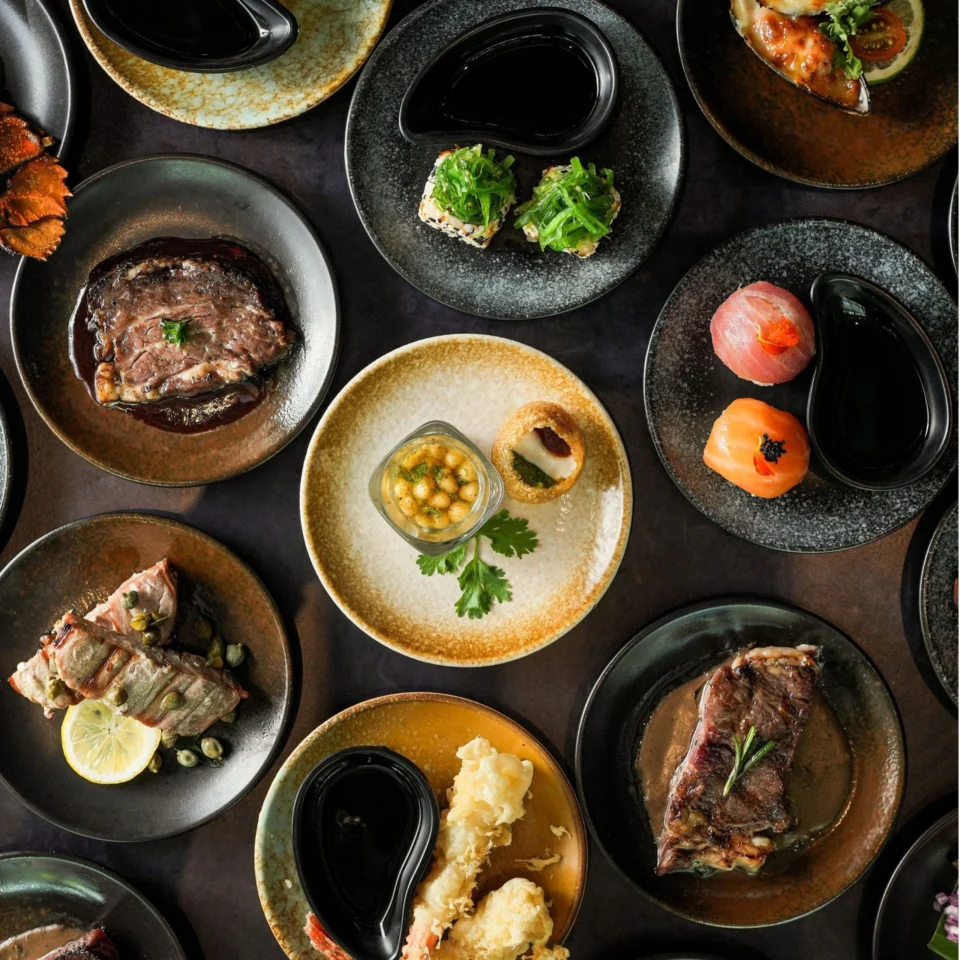
Hapag’s interpretation is composed of a clear duck consommé seasoned with a citrus oil then served alongside a duck pinunog tart with chicken skin tuile, pickled beetroot, pickled singkamas, and roasted garlic mousse.
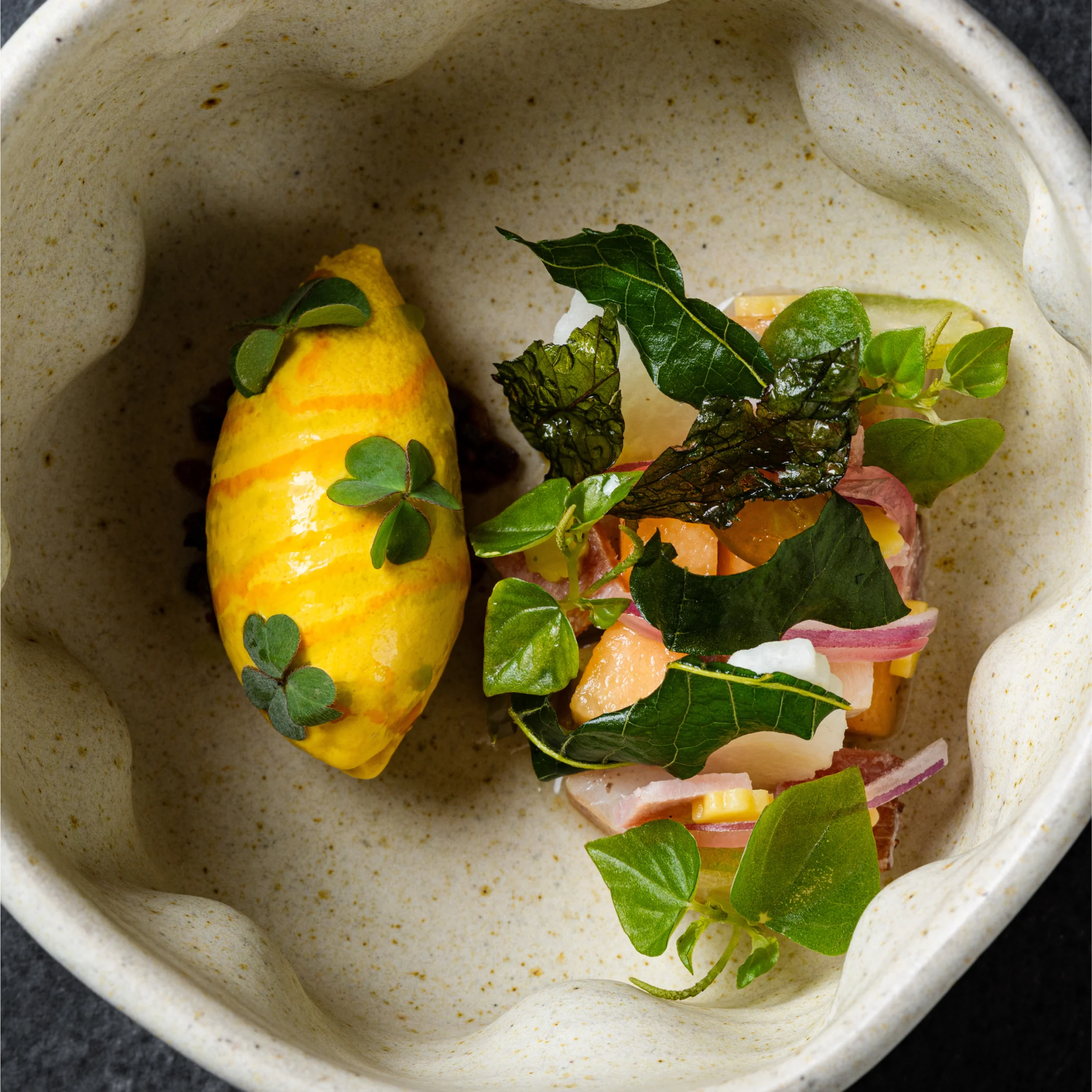
Their kinilawKinilawA Filipino dish of raw fish or seafood cured in vinegar and citrus, mixed with ginger, onions, and chilies. Often compared to ceviche, kinilaw predates Spanish colonization and is prizedGo to Kinilaw Glossary course, a mainstay in their menu albeit in ever changing clothes, prominently features the cured meat of the Cordilleras—etag. “I wanted to turn the kinilaw on its head by using a technique we learned in the region and applying it our way,” says Navoa. “It took me a while to figure out this course because it did not really exist in the region. We had to take our time with it and let the idea sit and brew. In a way, the Etaglaw represents the restaurant’s never-ending eagerness to challenge what we know about food. How an unlikely pairing can actually work.” Cured mahi-mahi is paired with fresh melon, kamias, pickled vegetables, and gamet dressing, while a savory pork belly etag ice cream acts as the bridge between the dish’s smoky and sour elements.
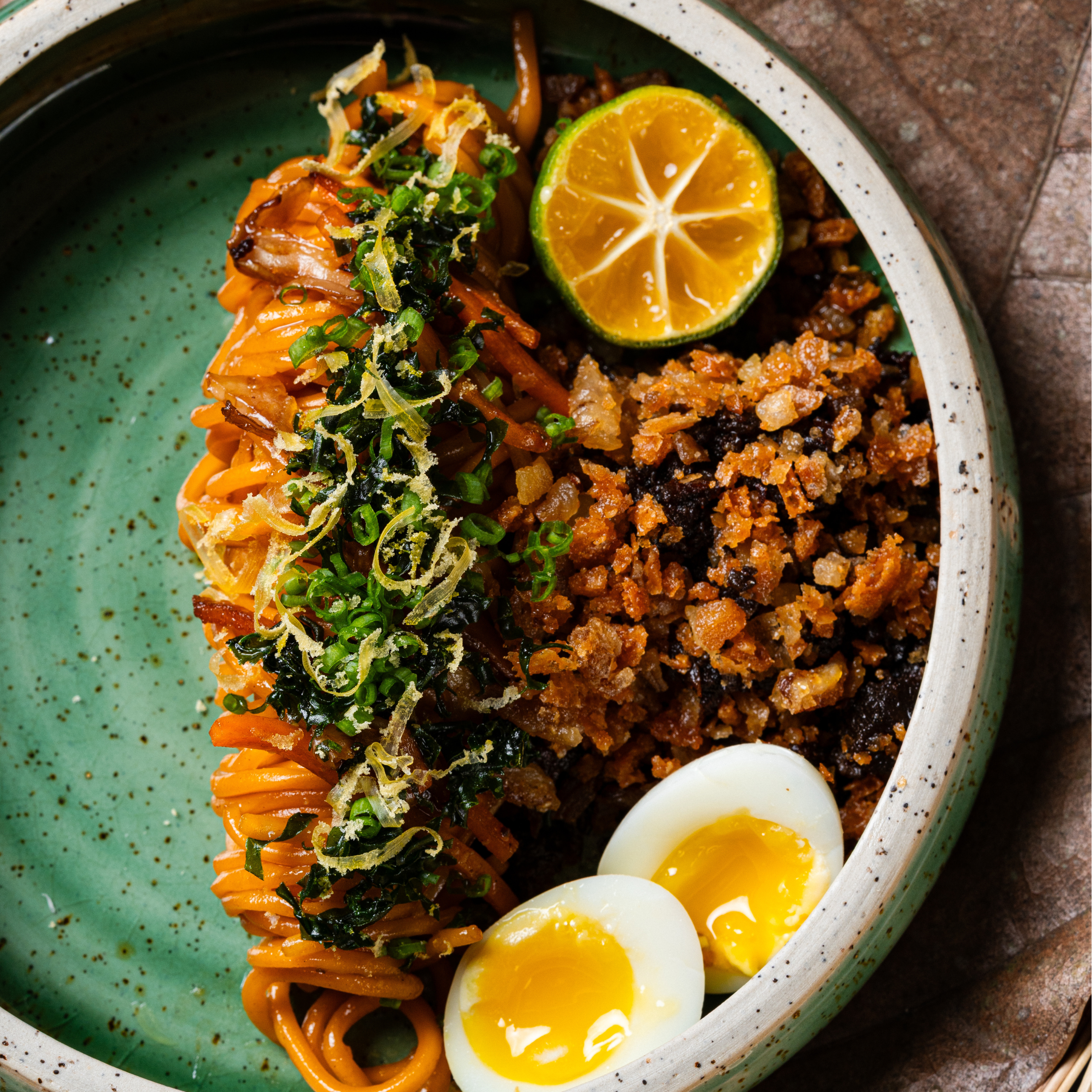
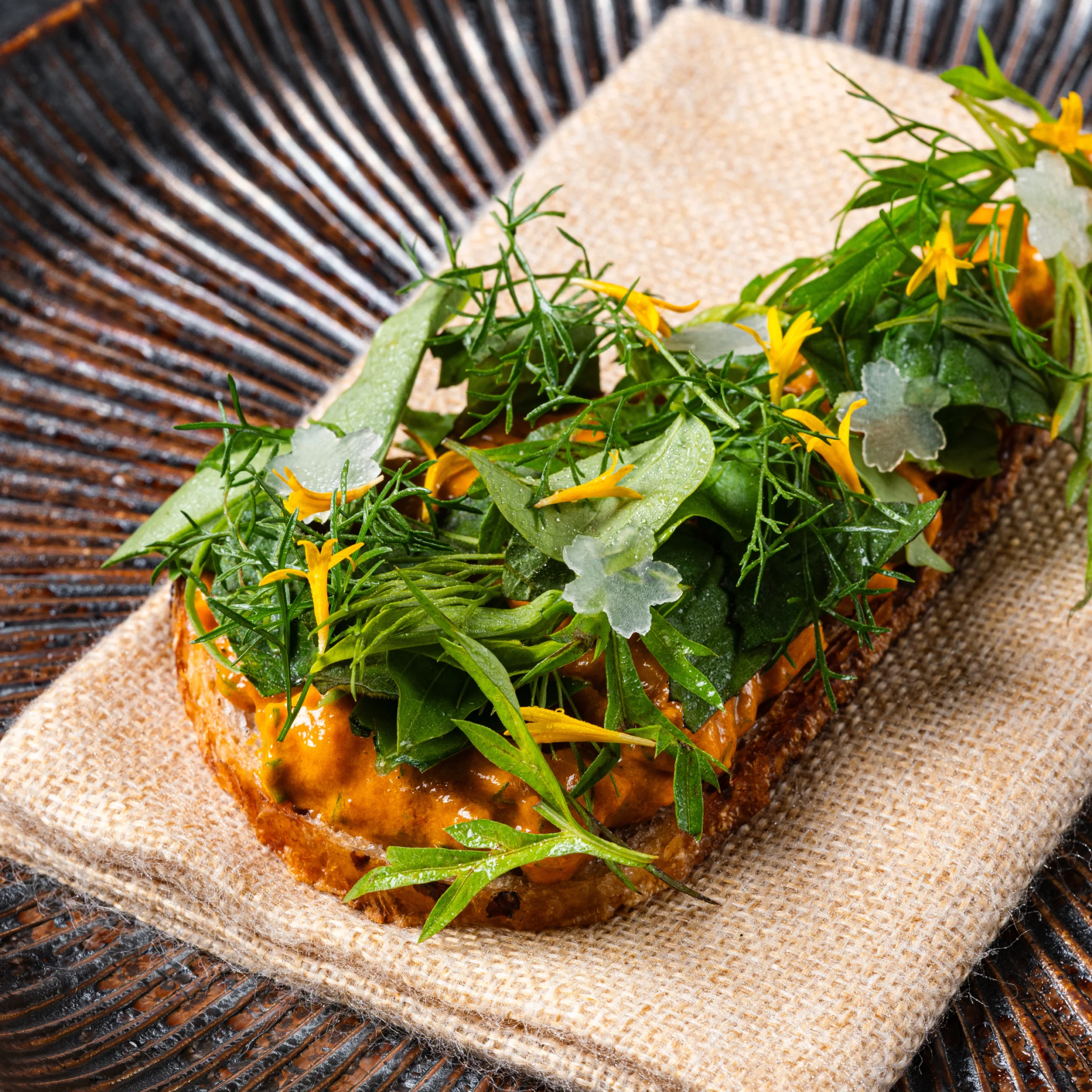
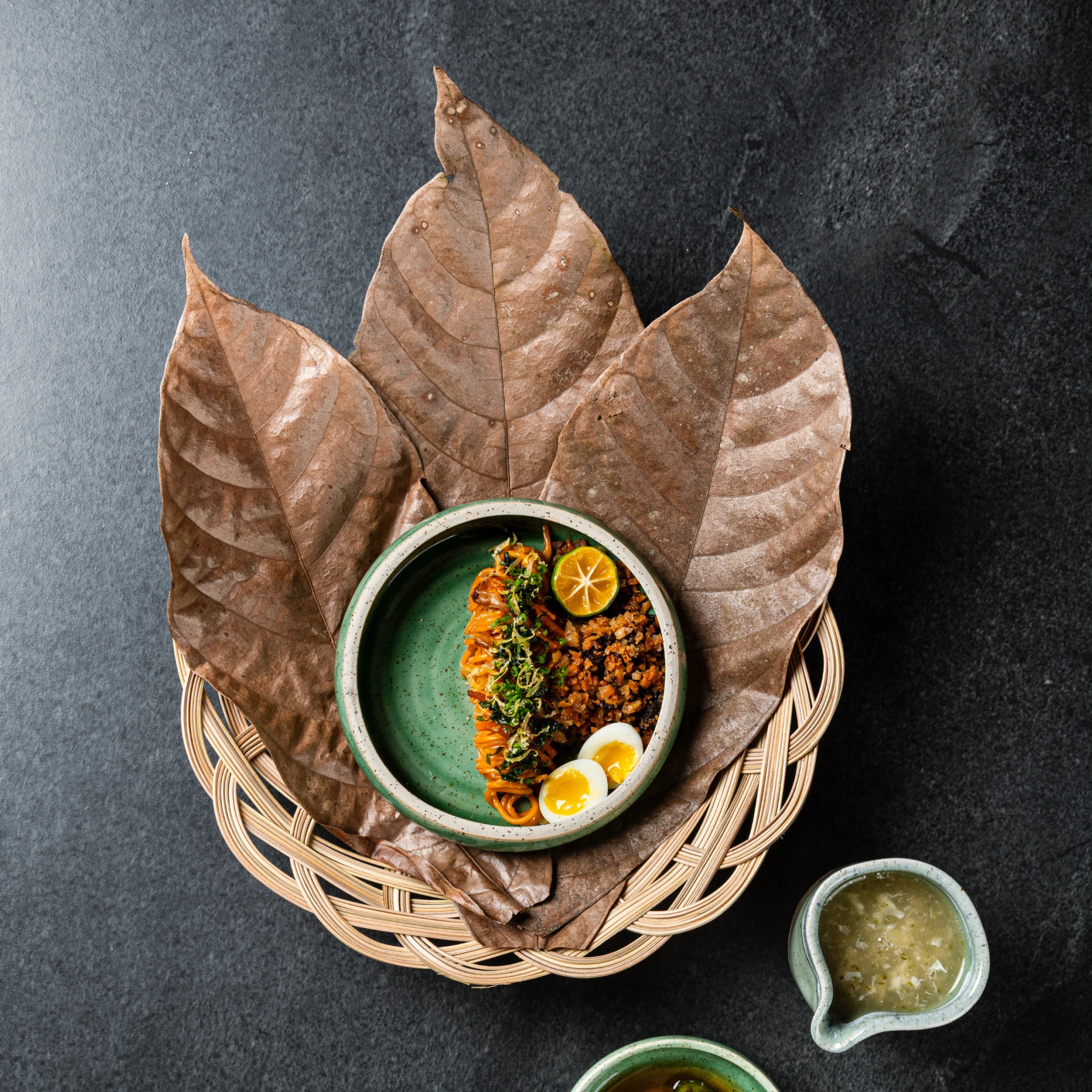
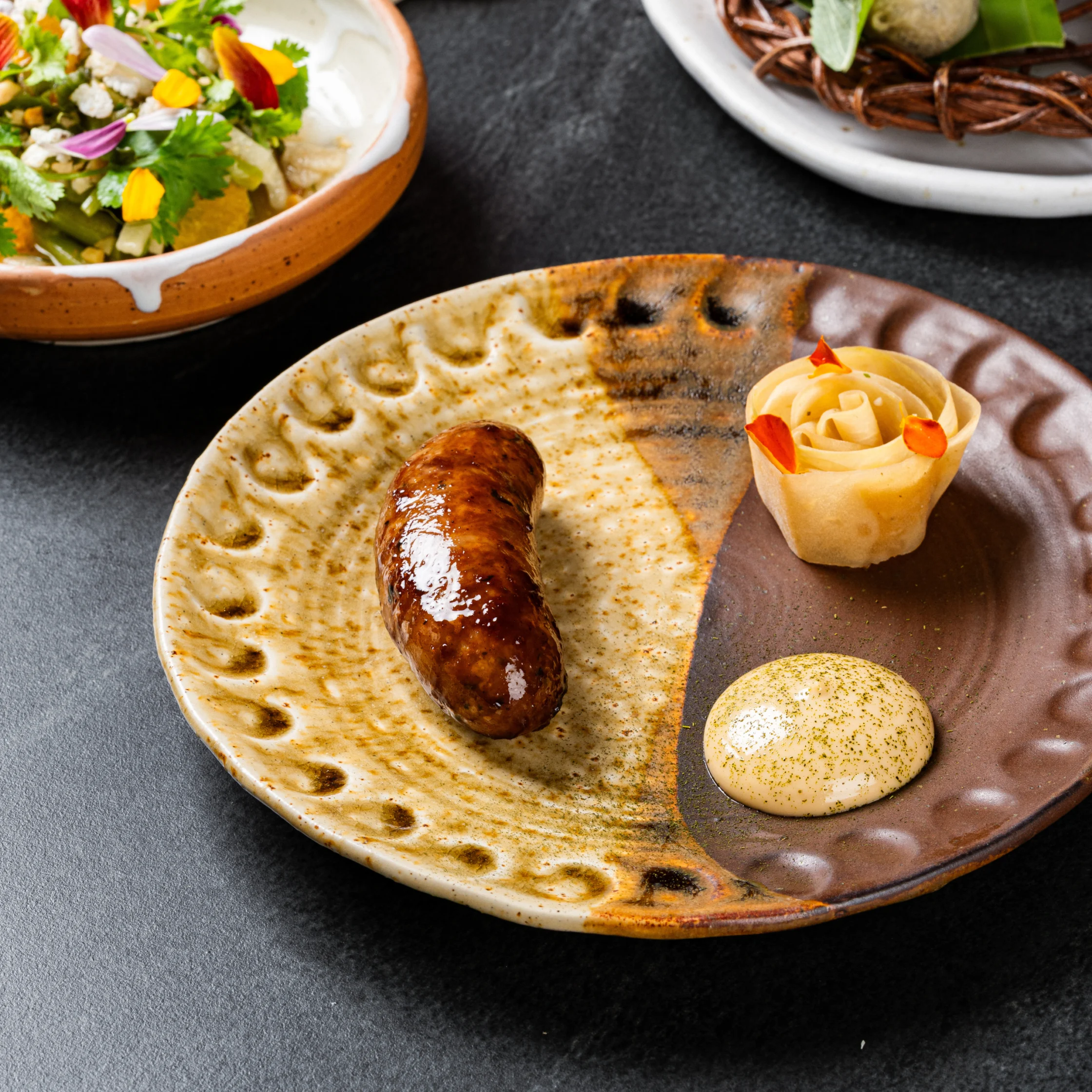
There’s Pansit à la Pogi inspired by Pancit Batil Patung from nearby Tuguegarao (we won’t spoil the story behind the name); buro in the guise of Pan de Kalinga, Hapag’s original sourdough bread infused with fermented black rice from Kalinga and served with sugpo, taba ng talangka cream, local dill, and marigold; and for Salu-Salo, beef tongue kiniing, pork longganisaLongganisaA Filipino sausage with a wide range of regional styles, from the sweet, garlicky hamonado of Pampanga to the tangy, garlicky longganisa of Vigan and Lucban. Usually pan-fried until caramelized,Go to Longganisa Glossary, prawn pinuneg with duck and chicken liver sauce, a light fruit salad, and heirloom black and red rice cooked in mushroom stock.
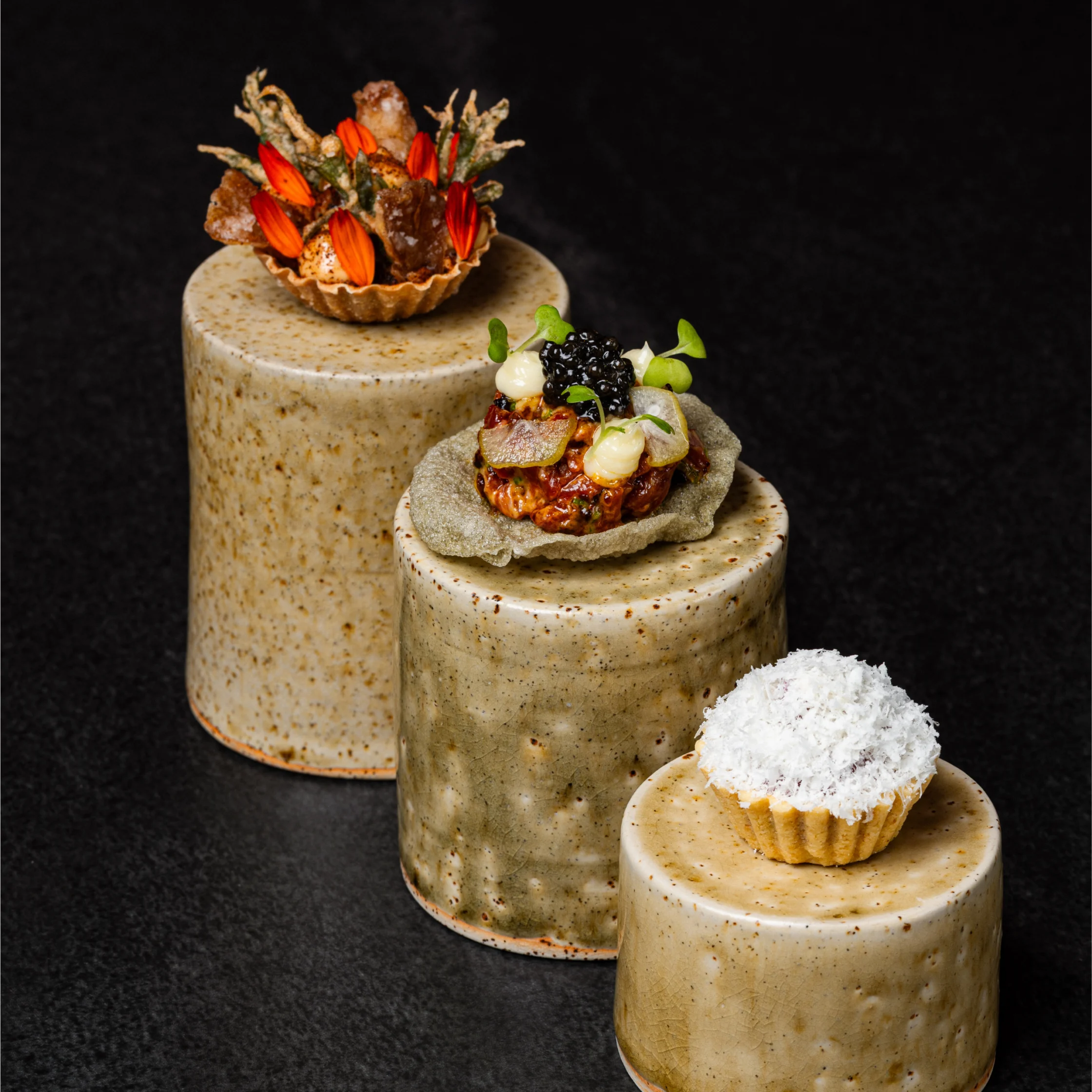
They cap off the meal with an array of sweet treats that feature kakanin and local delicacies— toasted brown rice ice cream with black sesame and puffed black rice crumble, puto bumbong sweetened with caramelized white chocolate, traditional Kalinga inandila with latik, a blueberry tart made with local Baguio blueberries, and a taro puff strawberry donut. This comes with a cup of warm tsokolate de batirol crowned with a seven-year-old cacao miso espuma.
The beverage program mirrors the same thoughtful approach. A predominantly French wine pairing is designed to complement the menu without overpowering its flavors, while a non-alcoholic pairing features roasted teas and house ferments that echo the smokiness and fermentation found throughout the courses.
Why Hapag Keeps Traveling the Philippines for Inspiration
Thirdy Dolatre, Kevin Navoa and Erin Recto have done the homework for everyone. They’ve gone on a trip and brought home sources of inspiration, which they narrate using their own contemporary culinary language.
“This menu feels more intentional,” says Navoa. “Rather than recreating traditional dishes, we’re expressing our own cooking through the lens of the Cordilleras. It reflects what we learned there and how our cooking has evolved over the years.”

It’s in line with Hapag’s broader mission of documenting and celebrating the diversity of Filipino regional cuisine through research, travel, and storytelling.
“The more we explore regional Filipino cuisine, the more we realize how diverse it truly is,” says Dolatre. “We’re still only scratching the surface. If this menu inspires people to learn more about these regions, visit them, and appreciate their food cultures, then we’ve succeeded.”
Hapag is located at 7th Floor of The Balmori Suites, Hidalgo Drive, Rockwell Center, Makati.

Frequently Asked Questions
It is Hapag’s latest seasonal tasting menu inspired by the indigenous ingredients, food traditions, and preservation techniques of Northern Luzon.
The menu draws inspiration from Ifugao, Kalinga, Mountain Province, Benguet, and Baguio.
Etag is a traditional Cordilleran cured pork commonly used in indigenous cooking and featured in Hapag’s “Etaglaw” course.
Lini’ku is a traditional Ifugao chicken preparation that inspired the opening course of the tasting menu.
No. The restaurant interprets regional ingredients and techniques through its own contemporary culinary style.
Hapag is located on the 7th Floor of The Balmori Suites, Rockwell Center, Makati.