


A rich, savory Filipino stew of pork simmered in seasoned pork blood, vinegar, garlic, and long green chilies. Sometimes nicknamed chocolate meat for its dark color, dinuguan is best paired with steamed rice or soft white puto, which balance its bold, tangy depth.
Dinuguan
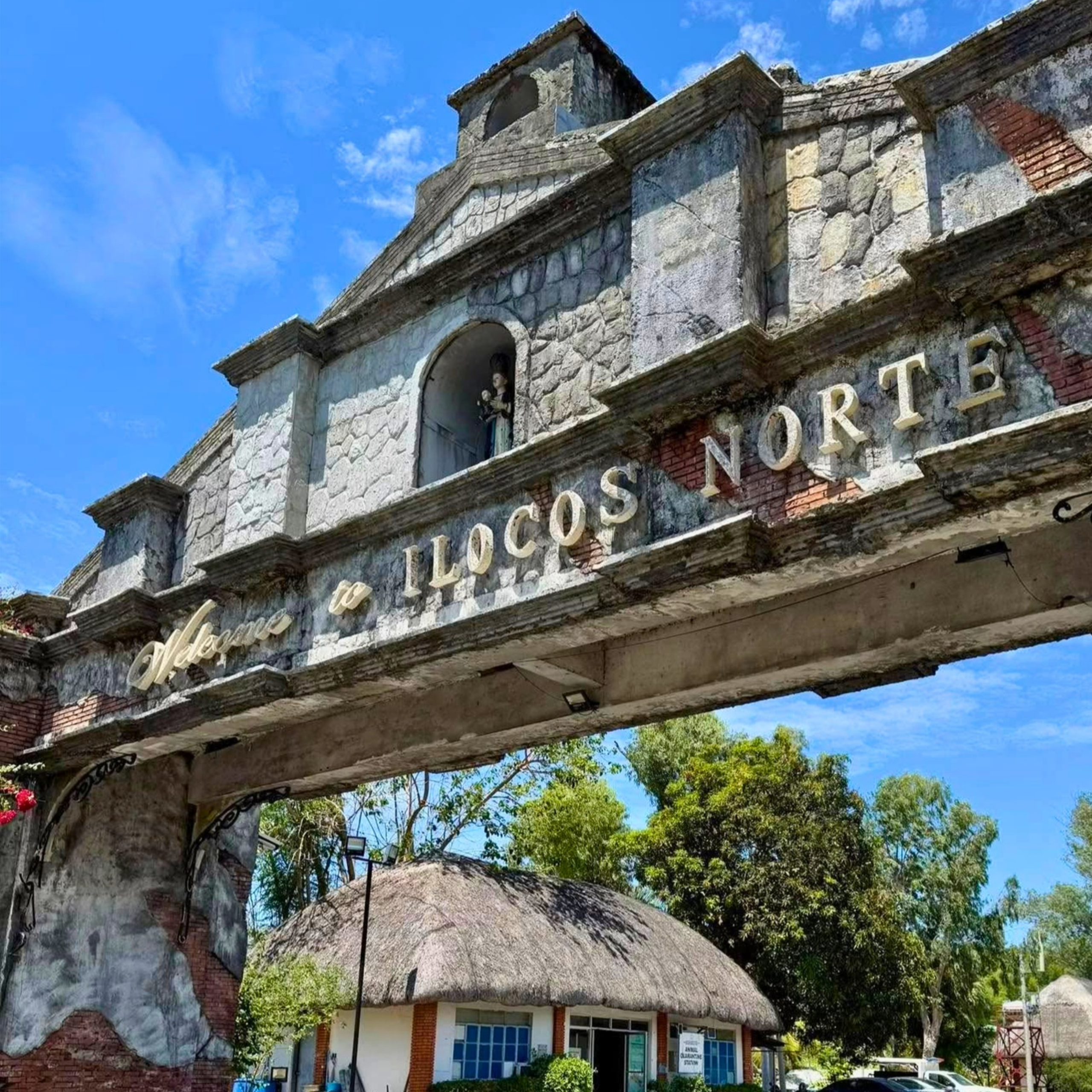
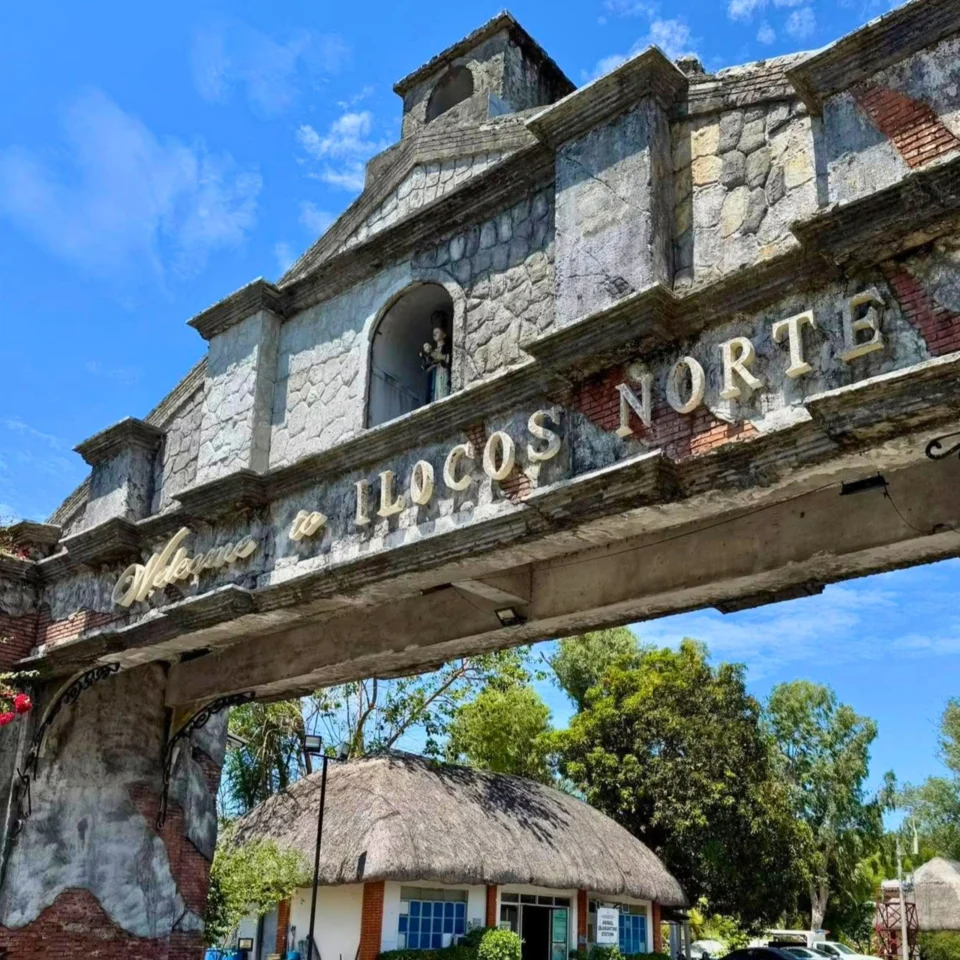
Beyond empanada and bagnet, Ilocos Norte has plenty more to serve, from rustic vegetable stews and savory pancit to traditional kakanin and bold, vinegar-forward pulutan. Discover five local dishes that offer a taste of Ilocano culinary heritage.
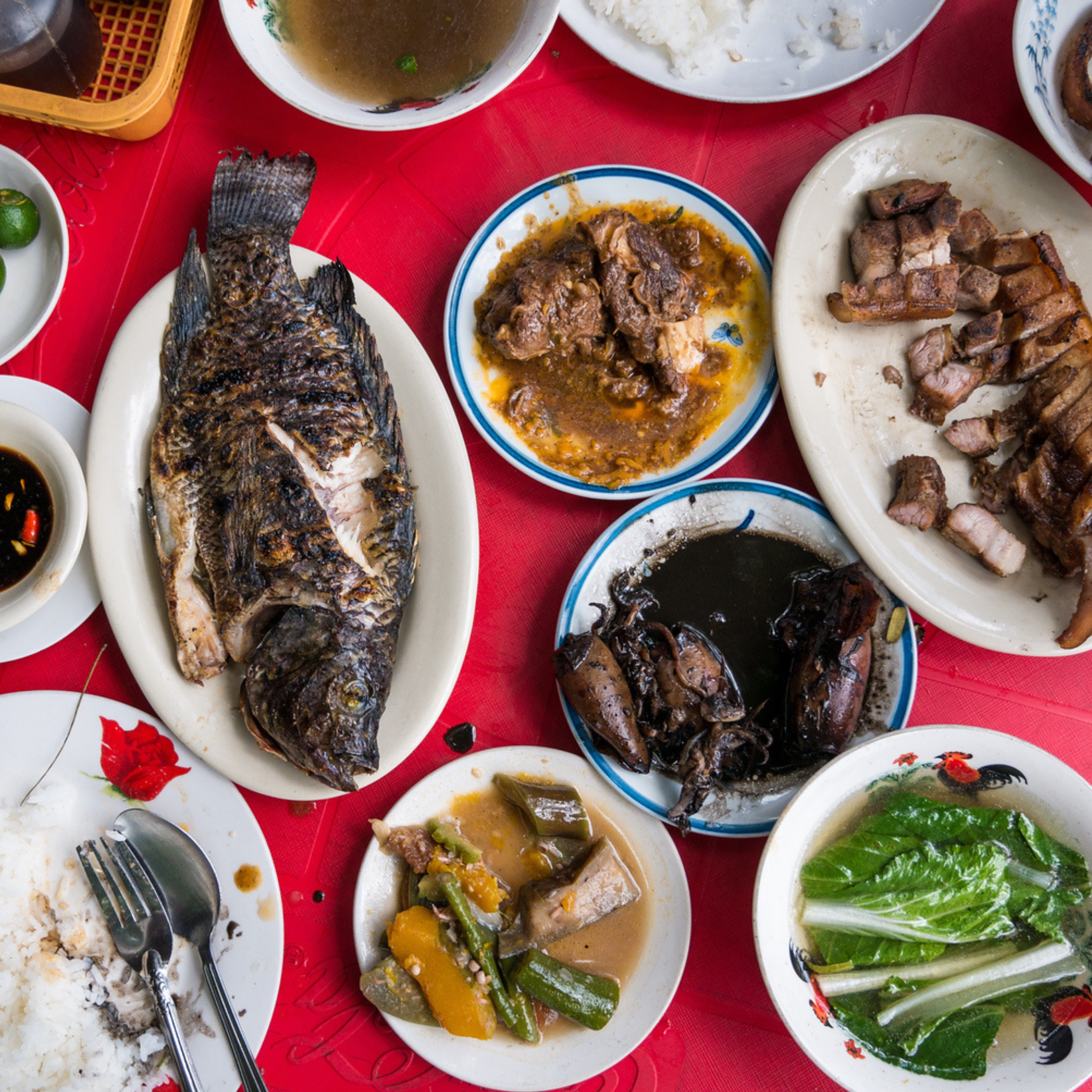
Many of these humble eateries offer an assortment of home-style dishes that change up regularly, alongside mainstays.
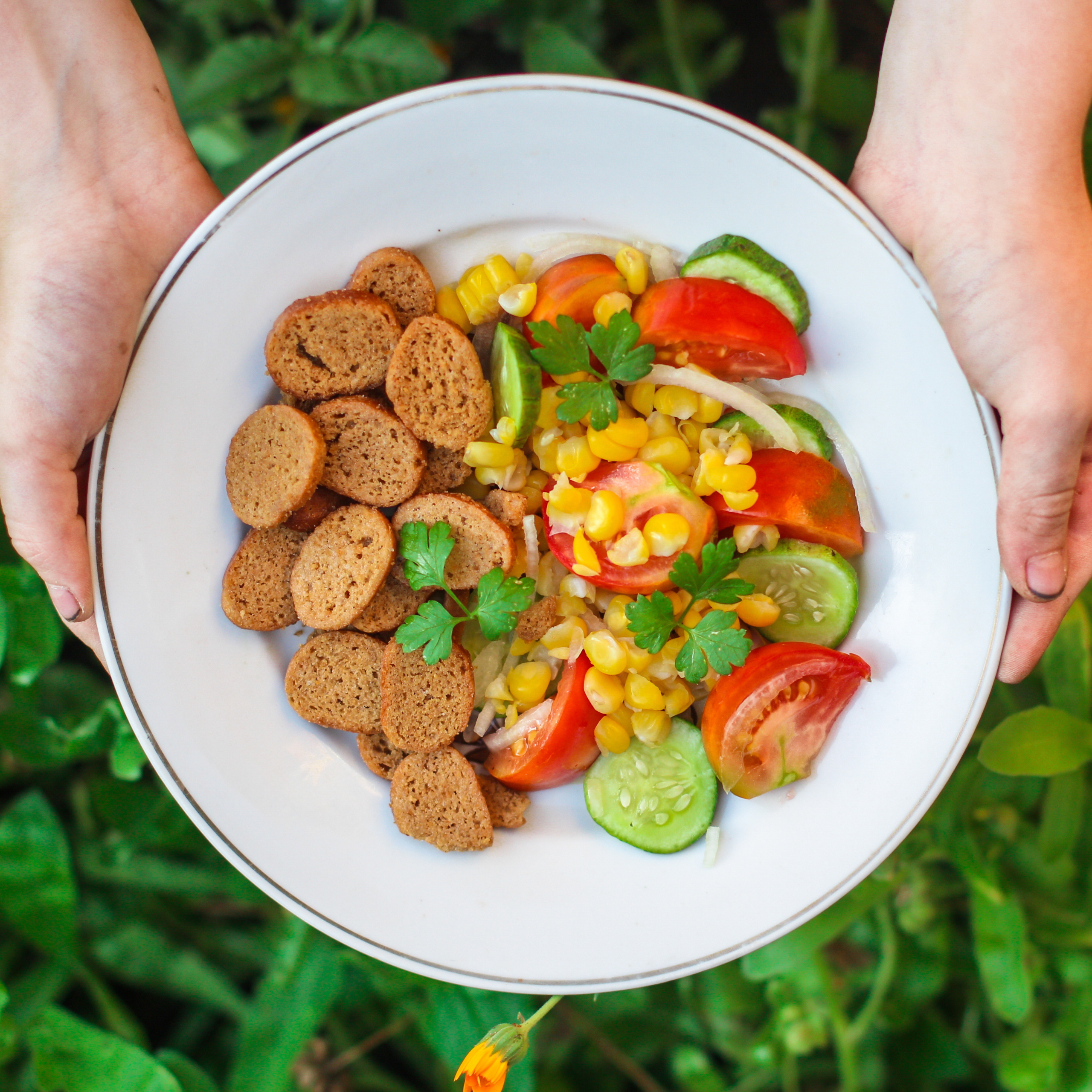
From plant-based sisig to vegan dinuguan, here is where to find delicious meatless versions of Filipino classics.
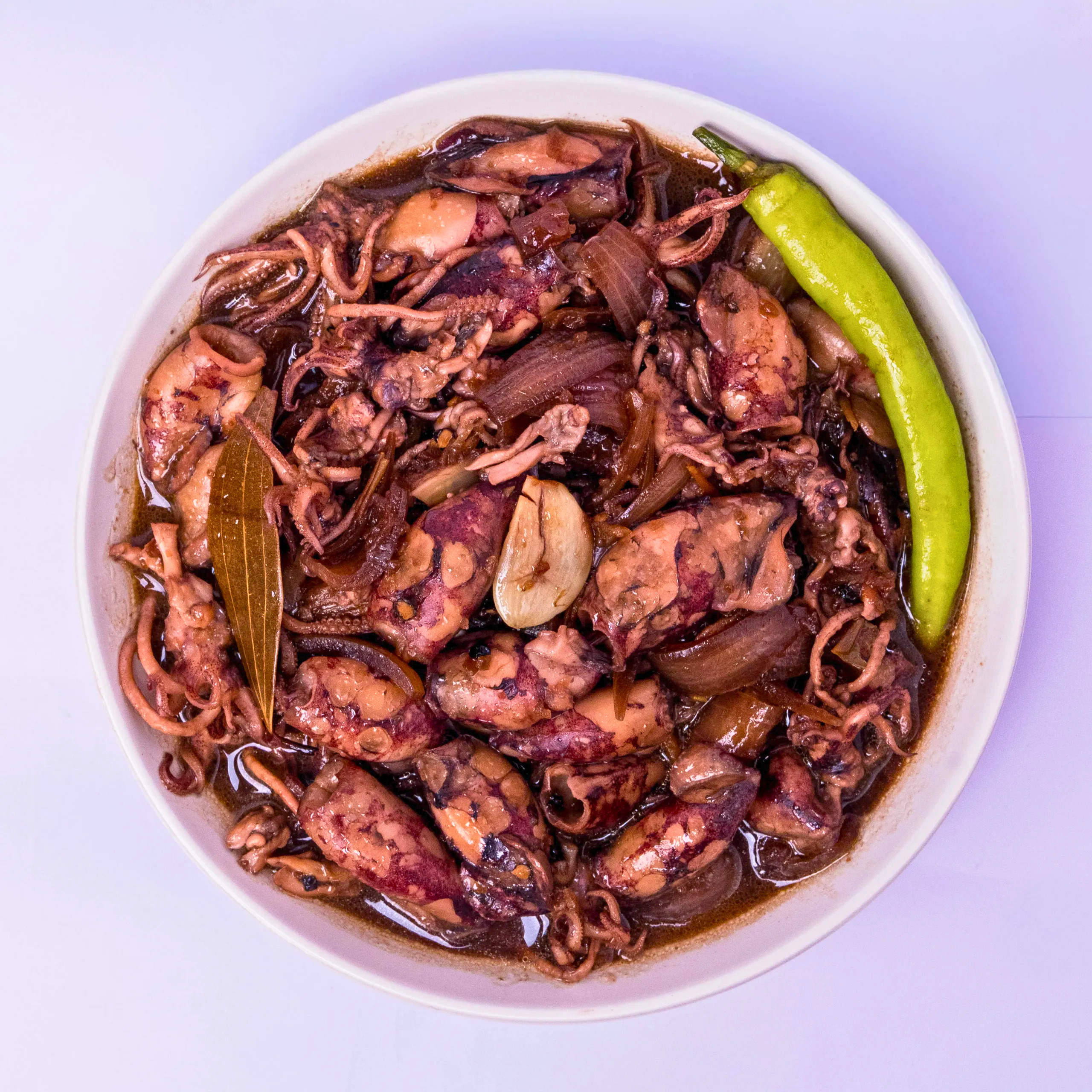
From jet-black chicken to inky squid and blood-rich stew, these Filipino heritage dishes bring bold flavors, rich traditions, and a little delicious darkness to the table.
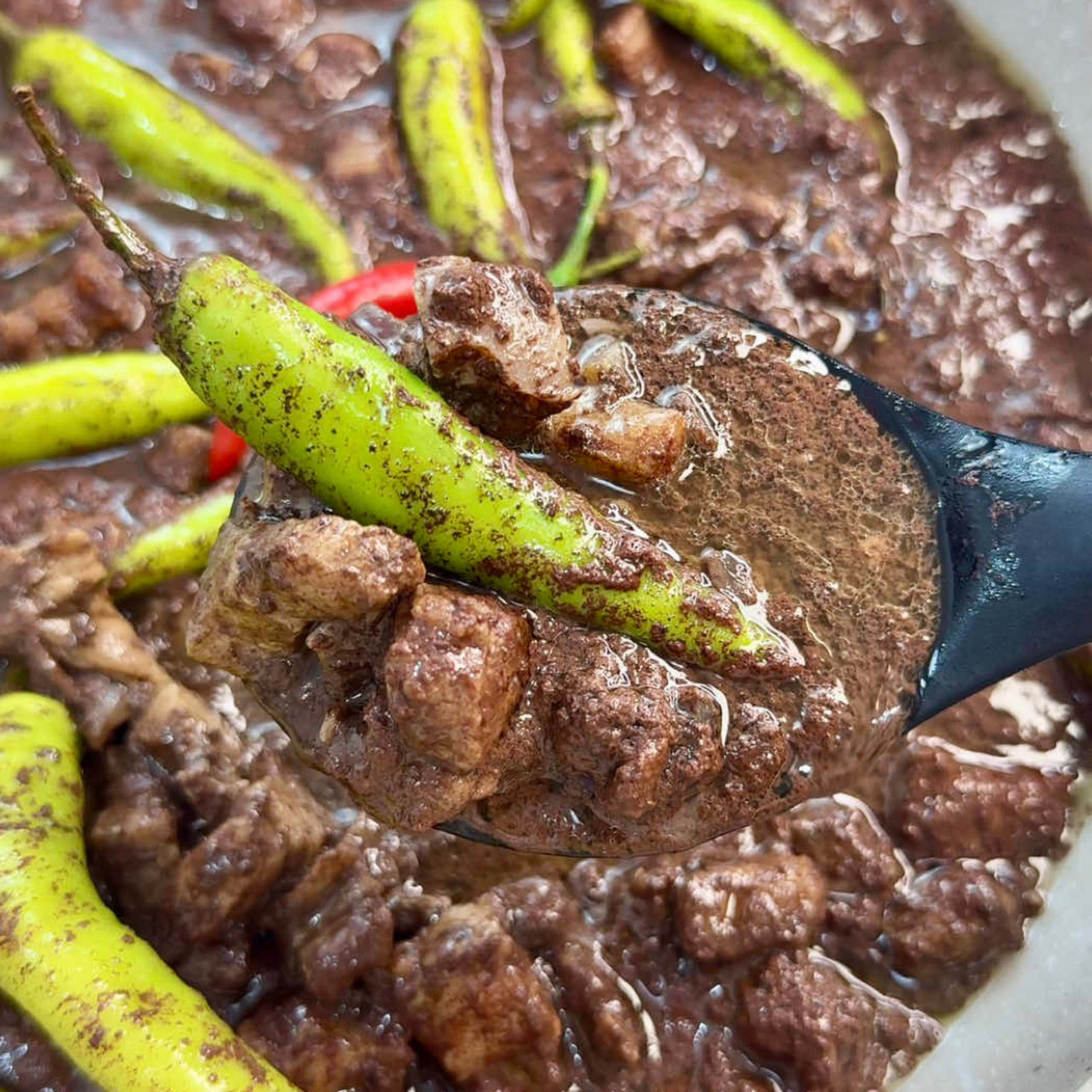
No bad blood among these regional cousins—just plenty of pork, bold flavors, and delicious differences.
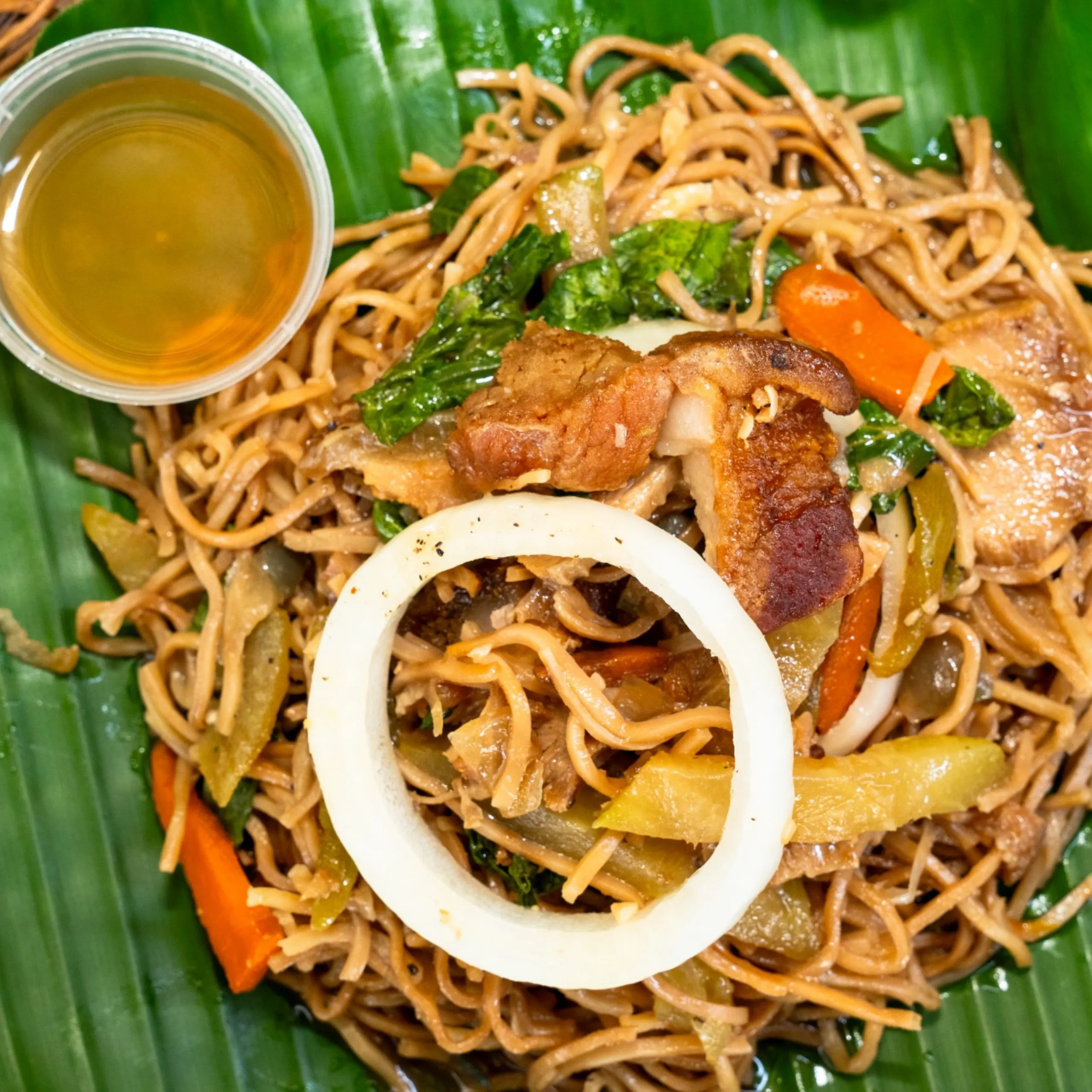
To truly understand a province, one must begin at the table—because its local food often tells the story of its land, history, traditions, and the people who call it home.
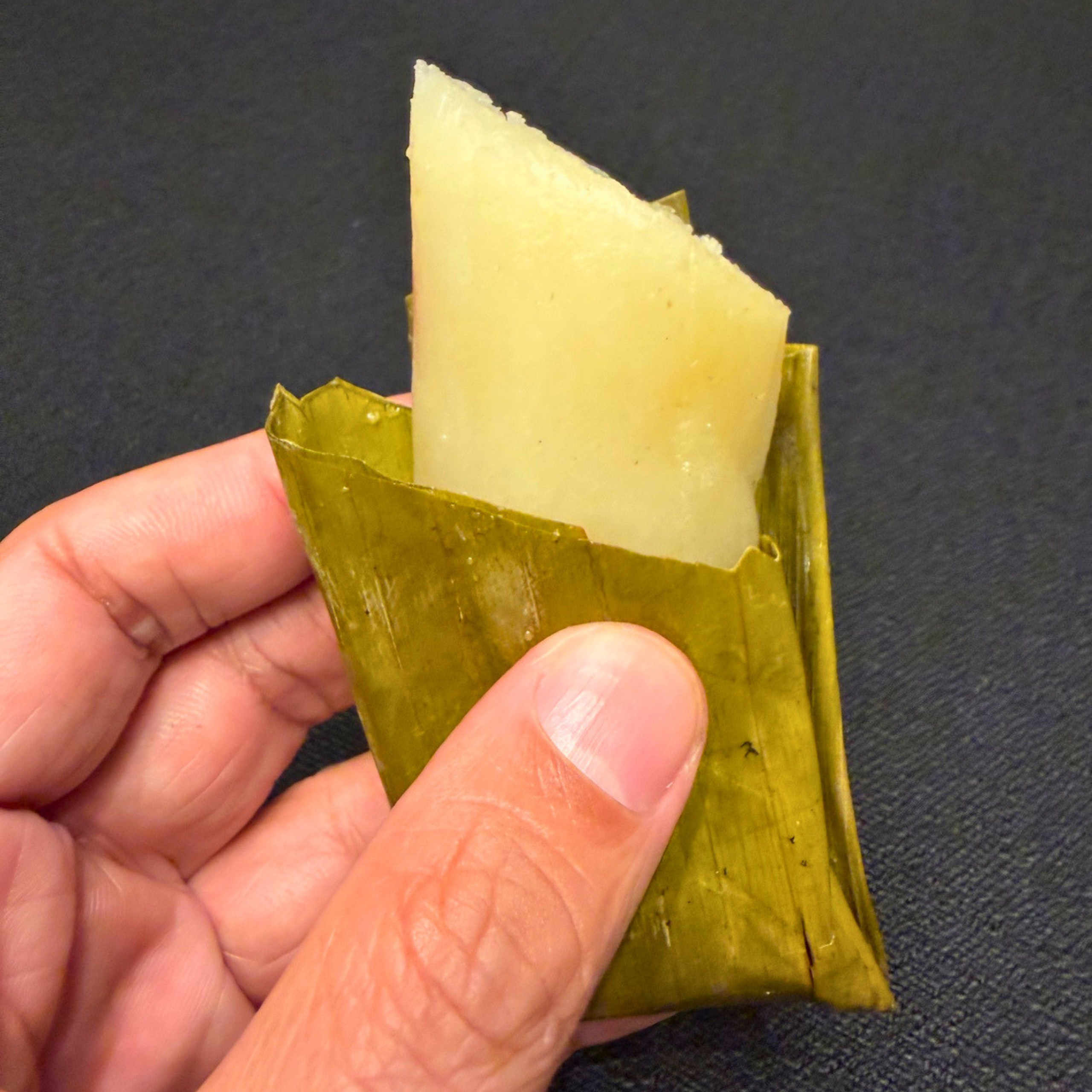
Inside "Kakanin…Kain!," a celebration of Filipino kakanin and the artisans behind them.
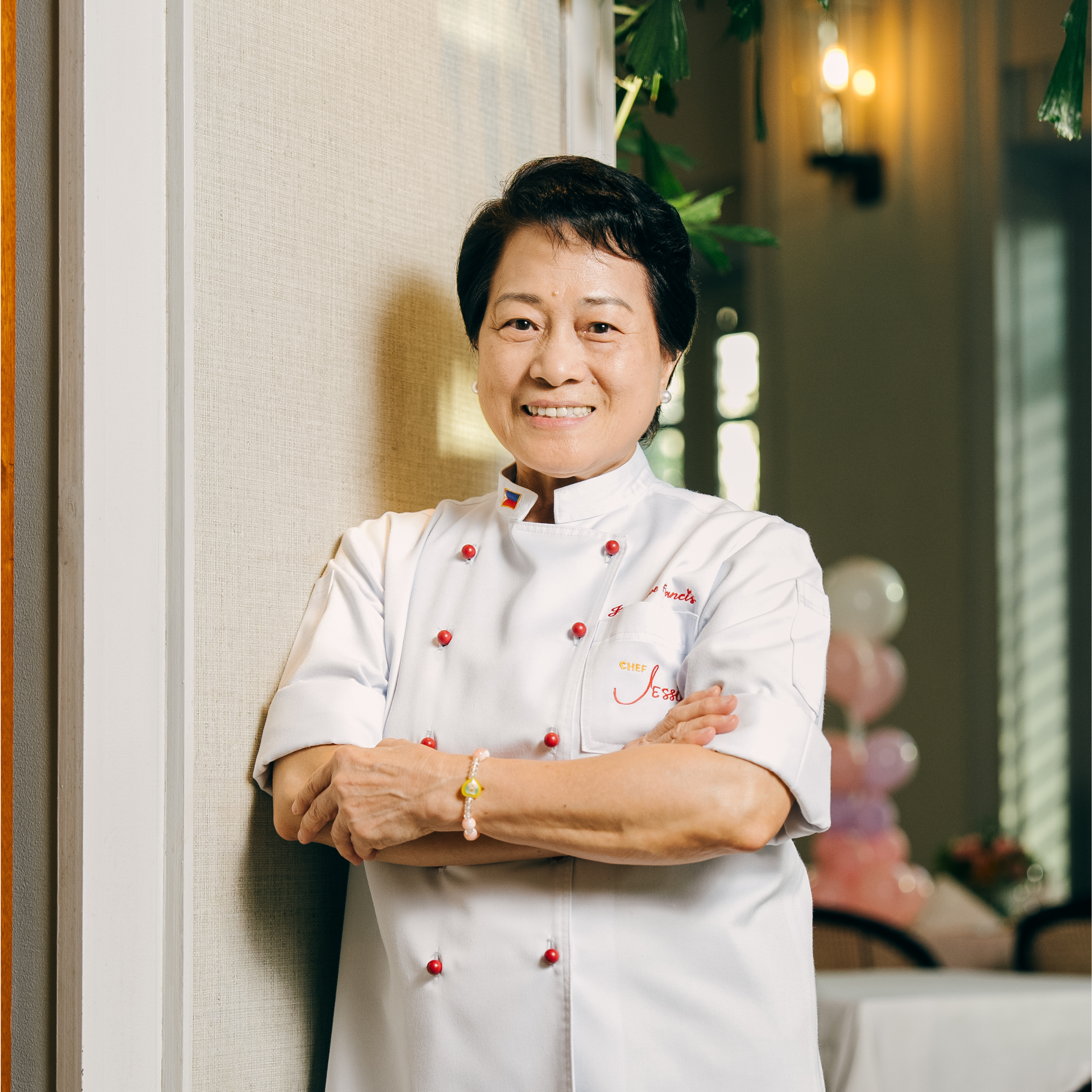
Long before cooking for Pope Francis and becoming one of the Philippines’ most celebrated chefs, Jessie Sincioco was a barrio girl surrounded by farms, fruit trees, fiestas, and family cooking in Angat—flavors and traditions that remain deeply ingrained in her food today.
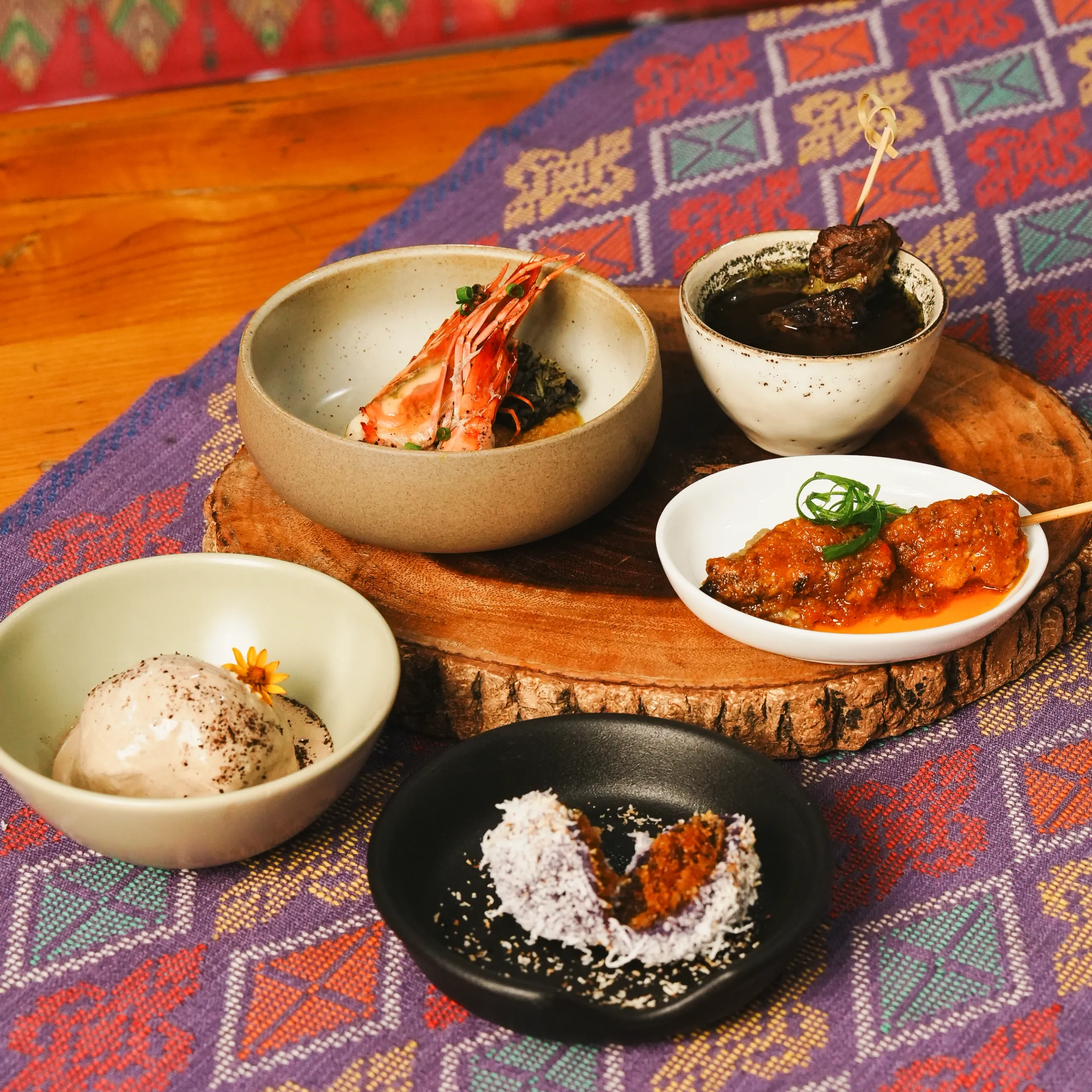
Guests embarked on a flavorful journey across Luzon, Visayas, and Mindanao through a menu crafted by three celebrated chefs.
You May Also Like
Advertisement