Advertisement

Finding Great Neapolitan Pizza is Easy as Pie with These Spots

You don’t have to fly to Naples for a taste of the real deal. These seven spots serve up wood-fired pies with pillowy centers, charred crusts, and toppings worth coming back for.

NEAPOLITAN PIZZA
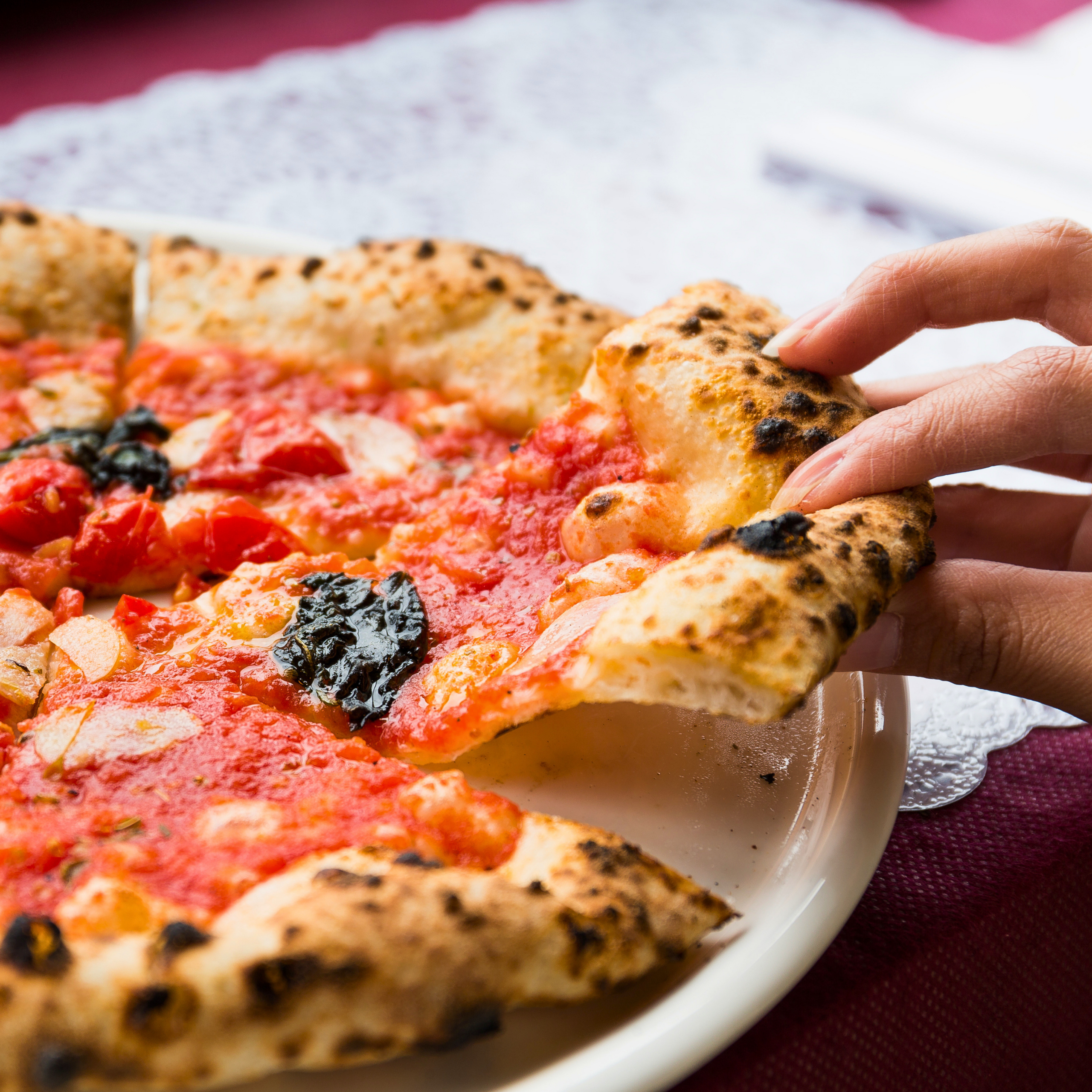
Neapolitan pizzas may have come from Italy, but there’s no need to fly halfway across the world for one!

Pizza is always a good idea, but Neapolitan pizza? Now, that’s a whole different slice of happiness! 

We’re talking puffy, charred edges, a soft and chewy center, and toppings that prioritize quality over anything else. And while its origins trace back to the opposite side of the world in Naples, Italy, you don’t actually need to fly to Naples to get your fix. 

From Manila pizza OGs to pizzerias committed to the old-school craft, these seven spots are worth checking out whenever the craving hits—just be sure to bring your appetite, and maybe a friend who’s willing to share one too many slices.

1. Gino’s Brick Oven Pizza

Gino’s has been serving Neapolitan-style pies since 2012, making them of the early Filipino-owned pizzerias bringing the rich tradition to Manila. But while their blueprint comes from Naples, some of their ingredients are proudly homegrown—proof that you can honor an Italian classic while giving it a distinctly Filipino touch.
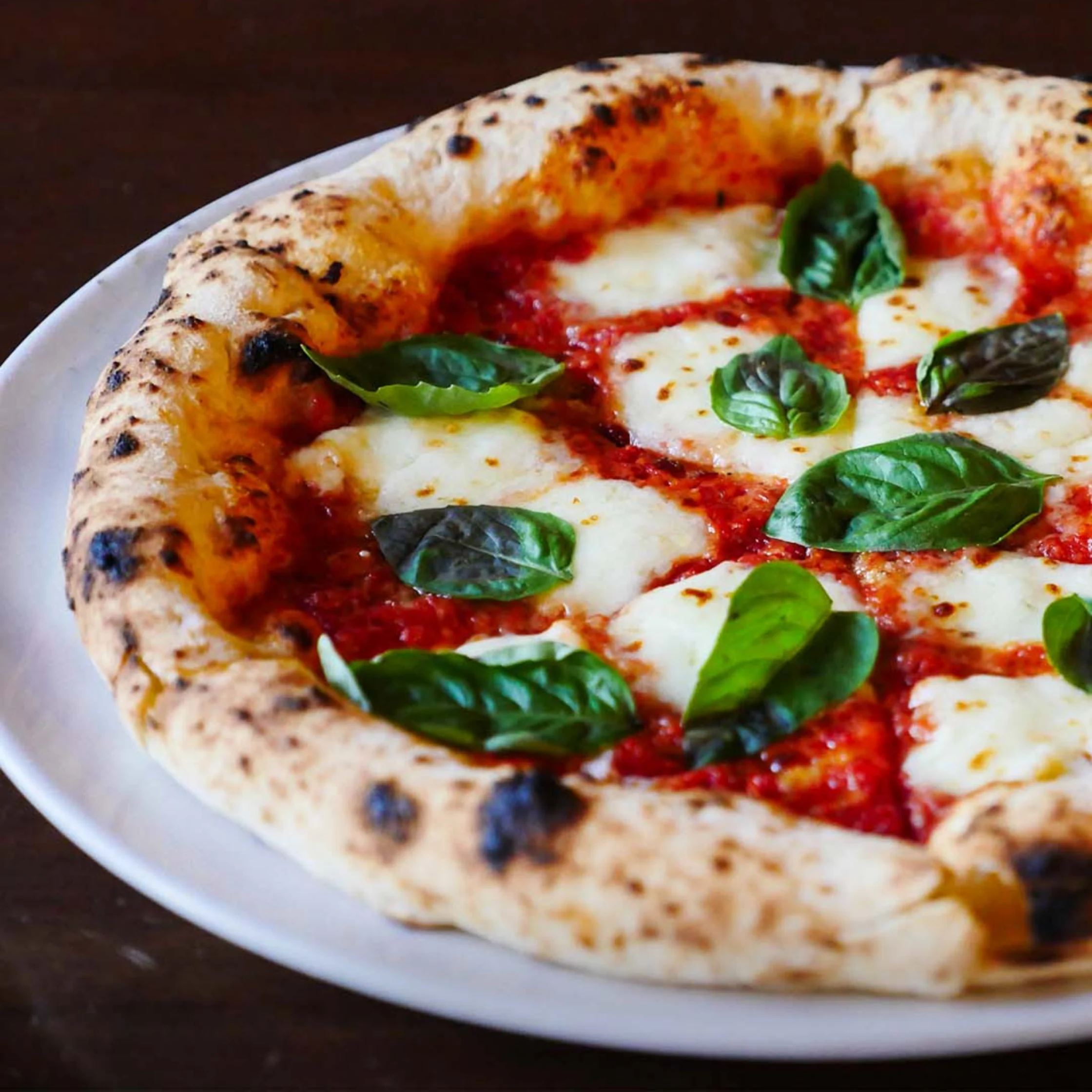
Margherita Pizza PHOTO COURTESY OF Ginos Official Instagram
Margherita Pizza [PHOTO COURTESY OF Gino’s Official Instagram]

This approach probably comes out best through their house-made cheese, produced fresh daily using carabao milk from local farmers. Add homemade sausages, bacon, and pesto, and you get pizza with plenty of Pinoy personality. And don’t forget the chili honey, their signature sweet-and-spicy drizzle that’s as sticky as it is hot.

Gino’s Brick Oven Pizza has branches in Quezon City, Makati, Taguig, Mandaluyong, and Muntinlupa.

2. Pizzeria Pocofino

There’s a reason Neapolitan pizza has stood the test of time, and Pizzeria Pocofino is here to make the case. Proudly recognized by the Associazione Verace Pizza Napoletana (AVPN), it combines the tried-and-true methods of tradition with authentic ingredients to honor the centuries-old craft of making pizza the Neapolitan way.
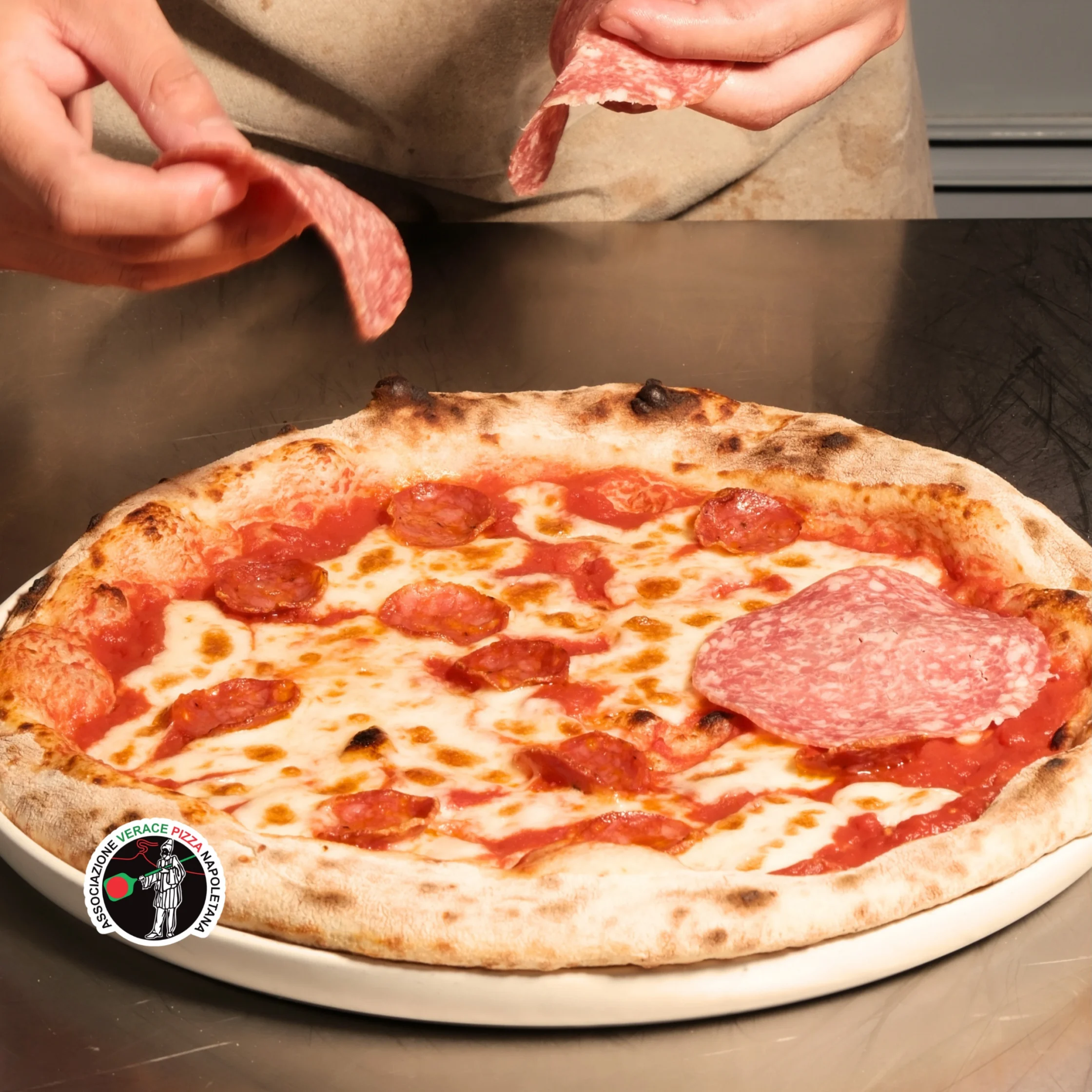
AVPN-certified pizza PHOTO COURTESY OF Pocofino Official Instagram
Pocofino is one of the few AVPN-certified pizzerias in the world! [PHOTO COURTESY OF Pocofino Official Instagram]

And with their fundamentals dialed down to the tee, Pocofino reminds that a great pizza doesn’t need to reinvent the wheel with an assortment of bells and whistles when centuries of tradition can speak for itself.

Pizzeria Pocofino is located at GF, GH Mall (Eisenhower St. Entrance), San Juan City.

3. Raffaele Woodfired Pizza

Intramuros is full of stories, but here’s one best enjoyed with a fork and knife—or just your hands. Perched on the third floor of The Bayleaf in Intramuros, Raffaele Woodfired Pizza gives you a delicious reason to visit the world-famous Walled City, pairing views of its historic walls with pizzas straight from a wood-fired oven.
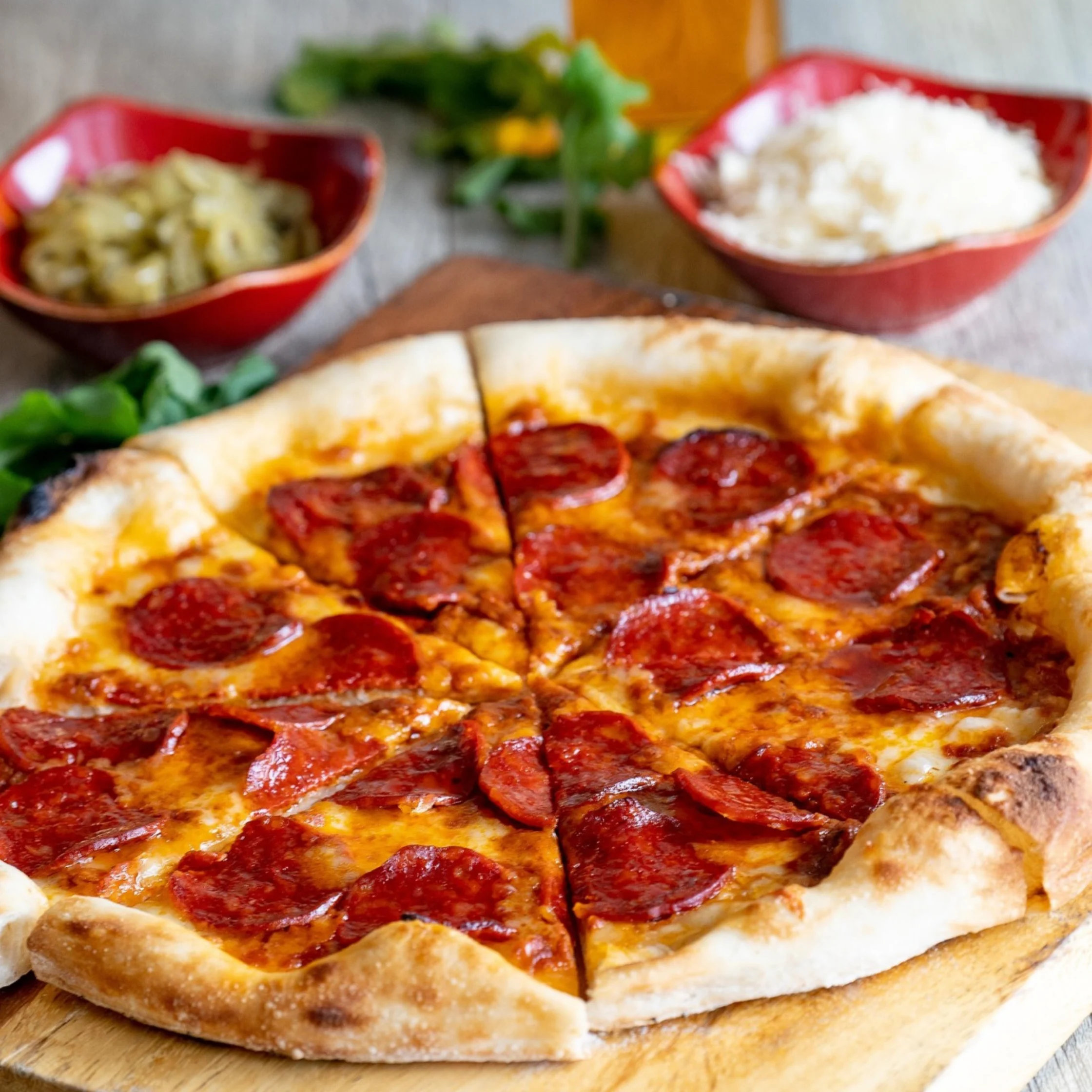
Pepperoni Pizza PHOTO COURTESY OF The Bayleaf Hotel Intramuros Official Instagram
If Neapolitan isn’t your jam, then Rafaelle also has the classics like Pepperoni. [PHOTO COURTESY OF The Bayleaf Hotel Intramuros Official Instagram]

Go for the Chili Pepperoni if you like a little heat, or try the Truffle & Four Cheese when you’re feeling indulgent. With its glass ceiling and walls, the restaurant feels bright and airy during the day, then cozy as evening rolls in. Consider it a delicious way to add a little flavor to your history tour.

Raffaele Woodfired Pizza is located at The Bayleaf Intramuros, 1002 Muralla St, Intramuros, Manila.

4. Neo Pizzeria

With a name that means ‘new’, Neo Pizzeria is the Maginhawa newcomer that isn’t afraid to do Neapolitan pizza a little differently. The dough still gets the proper treatment—fermented for 48 hours, hand-stretched, and baked in a brick oven for a charred crust—but the toppings are where things get interesting. The Rogue Muse combines cold cuts, burrata, and pistachio, while the Crimson Orchard throws apples into the mix for slices that are sweet and smoky. Naples purists might want to look away, but adventurous eaters should be in for a treat!
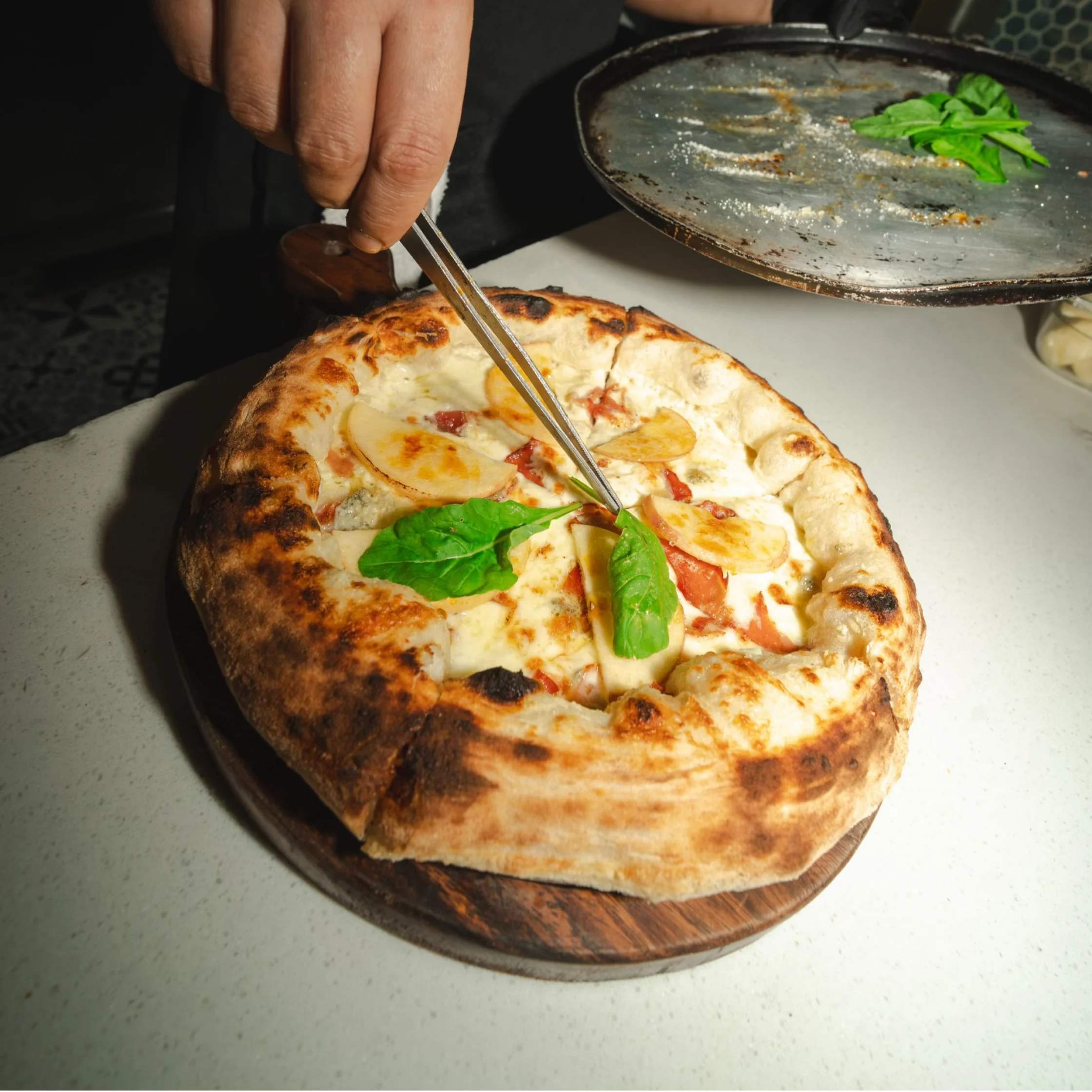
Crimson Orchard PHOTO COURTESY OF Neo Pizzeria Official Instagam
Crimson Orchard [PHOTO COURTESY OF Neo Pizzeria Official Instagram]

But if fruit on pizza isn’t your thing, they also offer familiar favorites like Truffle Mushroom, Four Cheese, and Pepperoni Overload. And since every good pizza adventure deserves a sweet ending, save room for their zeppole, sugar-dusted donut bites. 

Neo Pizzeria is located at 61 Maginhawa, Diliman, Quezon City.

5. Pizza Studio Tamaki

Japan has perfected plenty of things, from sushi to ramen. And apparently, pizza deserves a spot on that list too! Hailing from Tokyo, Pizza Studio Tamaki brings their take on Neapolitan-style pies to the buffet-ish Ayala Triangle Gardens. Here they pair Italian tradition with Japanese precision, so expect smoky, wood-fired crusts with beautifully blistered edges and crisp-chewy bites that hold up under a bevy of delicious toppings.
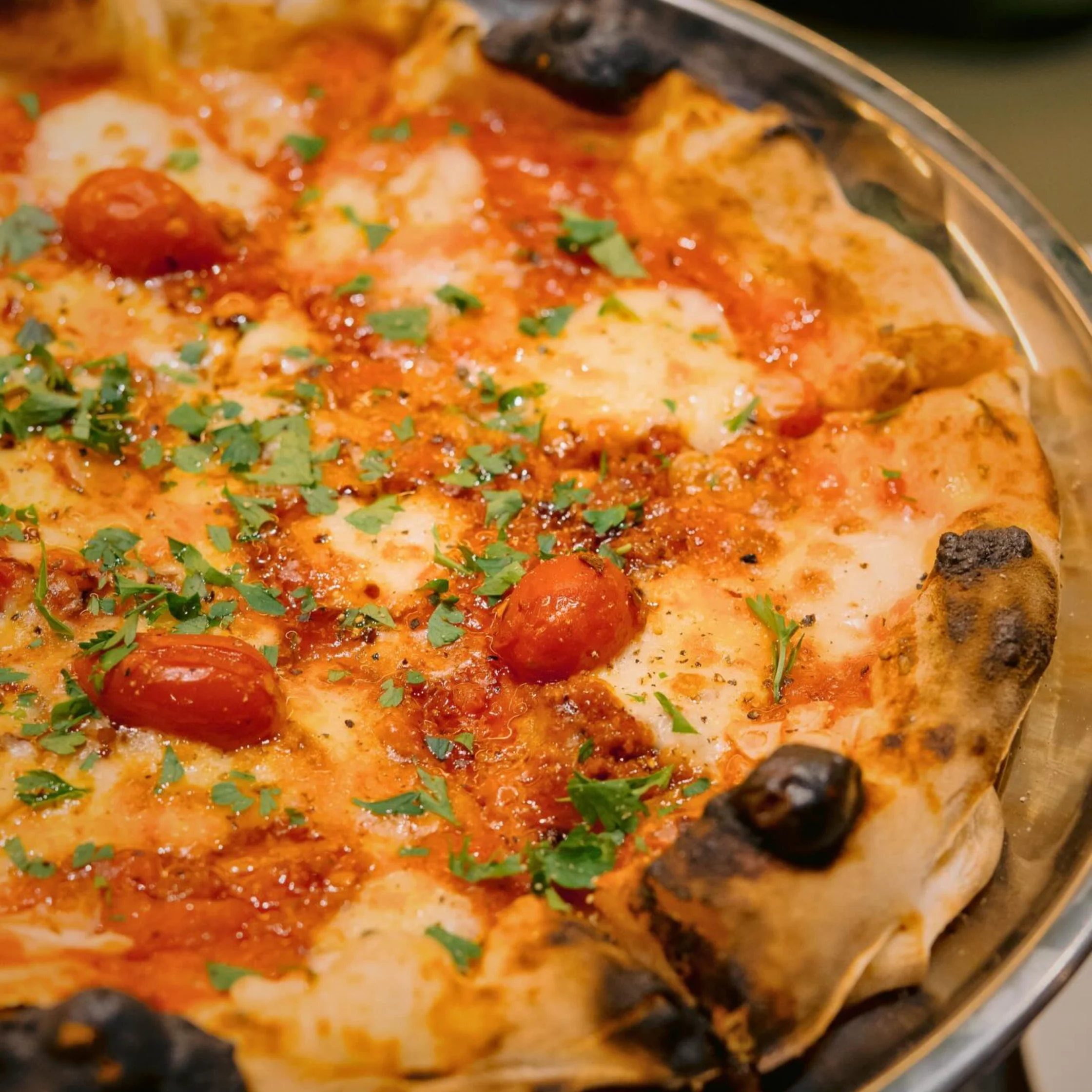
PSTs signature 𝗔𝗿𝗿𝗮𝗯𝗯𝗶𝗮𝘁 PHOTO COURTESY OF 𝗣𝗶𝘇𝘇𝗮 𝗦𝘁𝘂𝗱𝗶𝗼 𝗧𝗮𝗺𝗮𝗸𝗶 𝗣𝗛 Official Instagram
PST is bringing the the flavors of Italy and the precision of Japan together for every pie! [PHOTO COURTESY OF Pizza Studio Tamaki Official Instagram]

The signature Tamaki puts a twist on the classic Margherita with smoked mozzarella and Pecorino Romano, while the Five Cheese is a dream for devout disciples of dairy. But if those delicious pies aren’t sweet enough, ask for some honey to drizzle over your slice. It’s a small finishing touch, but one that strengthens Japan’s case for being a pizza powerhouse too.

Pizza Studio Tamaki is located at the Restaurant Arcade, Ayala Triangle Walkways (Paseo de Roxas corner Makati Avenue), Ayala Triangle Gardens, Makati City.

6. Amare La Cucina

If the best way to the heart is through the stomach, then Amare La Cucina is already halfway there! This homegrown Italian restaurant serves Neapolitan-style pizzas fresh from its wood-fired brick oven, complete with hand-stretched dough, pillowy centers, and beautifully blistered crusts. With fresh ingredients and sauces made from scratch, these pretty pies prove that good things really do come to those who dough.
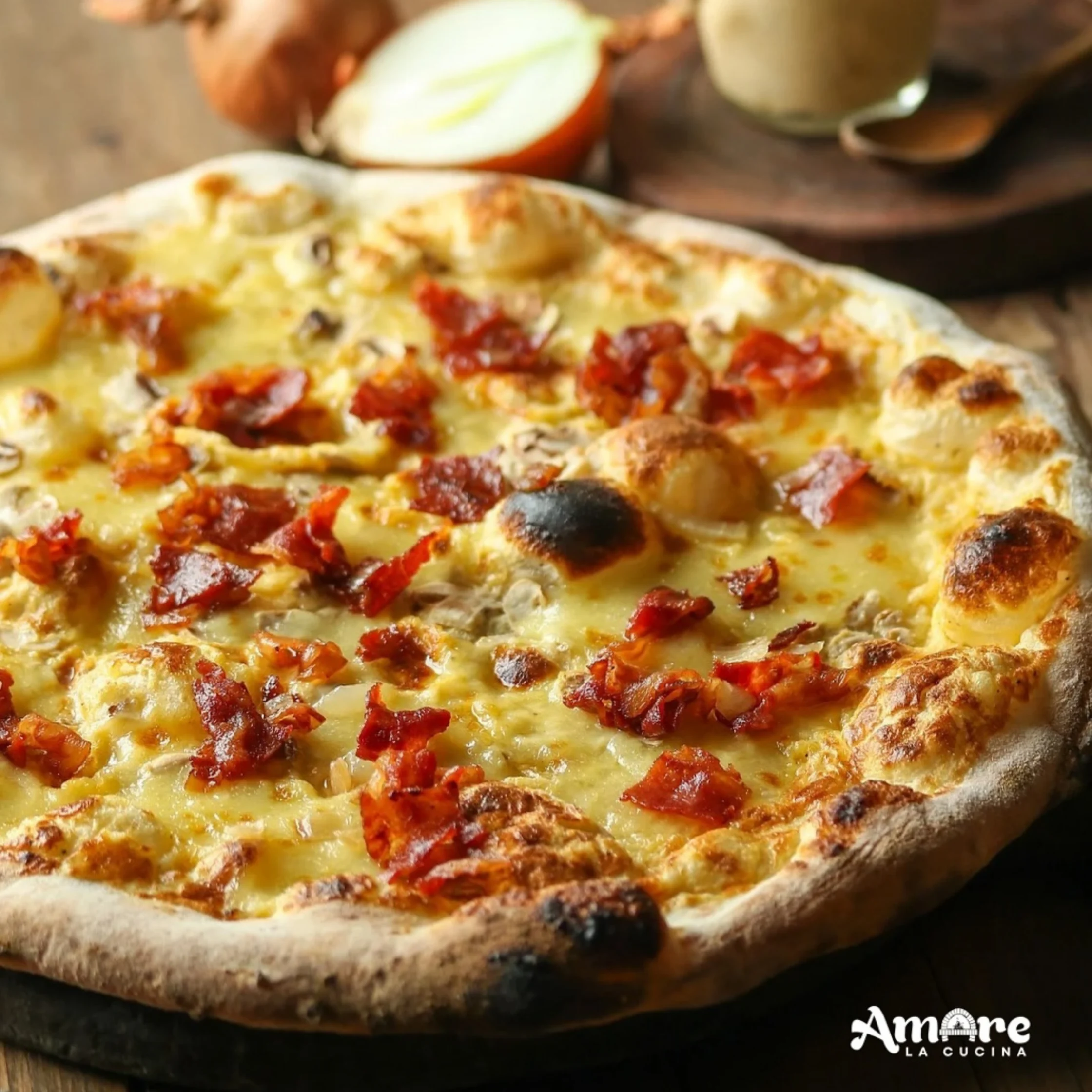
PHOTO COURTESY OF Amare La Cucina Official Instagram
No matter where you might be, there’s a good chance that there’s an Amare La Cucina branch nearby! [PHOTO COURTESY OF Amare La Cucina Official Instagram]

But pizza isn’t the only thing Amare has up its sleeve. Handmade pastas and other Italian favorites round out the menu, making it a solid choice whether you’re planning a family meal or catching up with friends. After all, amare means ‘love’ in Italian—and with food like this, falling for the place is easy as pie.

Amare La Cucina has branches in Baguio, La Union, Ilocos Sur, Pangasinan, Pasig, Makati, Mandaluyong, Las Pinas, Cavite, Tagaytay, and Laguna.

7. Sicilian Roast

Can’t decide between New York-style and Neapolitan pizza? Sicilian Roast gives you a little bit of both! Its brick-oven pies combine the slow-fermented dough and charred edges of Neapolitan pizza with the generous toppings and hearty bite of pies from the Big Apple—so think of it as a pizza passport, but there’s no need to book a transatlantic flight.
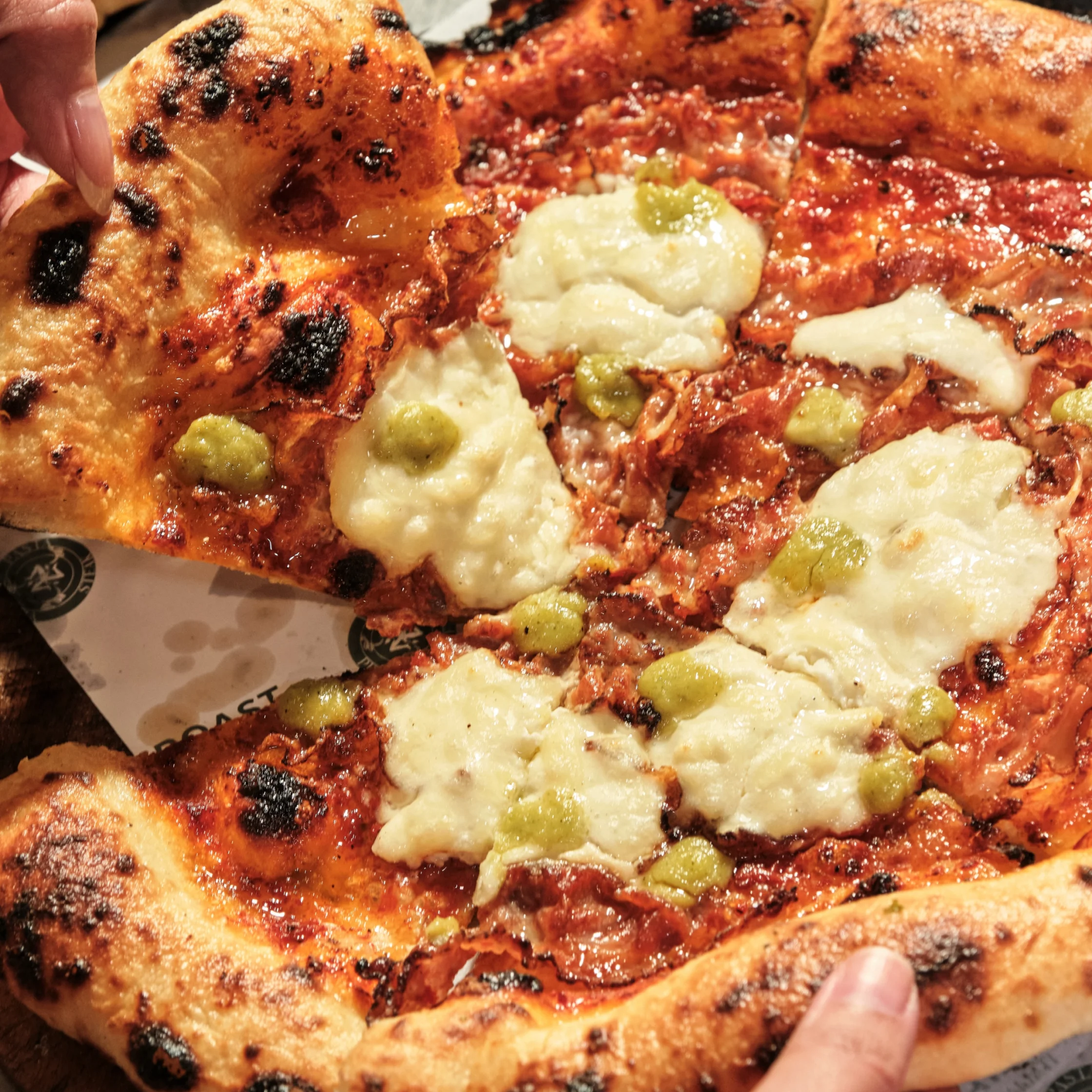
Guanciale Pea Puree Pizza PHOTO COURTESY OF Sicilian Roast Official Instagram
Guanciale Pea Puree Pizza [PHOTO COURTESY OF Sicilian Roast Official Instagram]

Buried under generous heaps of meats, marinara, melted mozzarella, chili flakes for a little kick, and honey on the side for something sweet, their must-try The Mateo is the kind of pie that brings plenty to the table—literally. And with a menu bolstered by pastas and steaks, Sicilian Roast makes a strong case for turning a simple pizza night into a full-blown feast.

Sicilian Roast has branches in Makati, San Juan, Quezon City, and Muntinlupa.

The Last Slice

Whether you’re a Neapolitan traditionalist, a fan of creative toppings, or someone who believes there’s no such thing as too much cheese, there’s a pie in Metro Manila with your name on it. From time-tested Italian techniques to Japanese precision and New York-inspired twists, these spots prove that great pizza can take on any form—as long as the crust is good and the toppings deliver.

So go ahead, follow the aroma of that wood-fired oven and order another slice. Just remember: pizza is always better shared, but nobody’s going to judge you for keeping the last slice all for yourself.

author avatar
Paolo Elwick
Paolo is a food writer and storyteller exploring the intersections of food, culture, and identity through thoughtful, people-centered storytelling. He believes that, second only to language, food is one of humanity's most powerful expressions of culture—a medium for preserving history, expressing identity, and coming to understand ourselves and connect with others. Drawn to the histories, traditions, and personal experiences behind every dish, his writing combines curiosity with emotional honesty, highlighting diverse voices and celebrating the communities that shape our food landscape. Influenced by writers and artists who embrace vulnerability and introspection, Paolo uses a reflective, metaphor-rich approach to uncover the deeper meanings found in everyday meals and shared tables. He is passionate about creating stories that foster empathy, preserve cultural narratives, and invite readers to see food as more than sustenance—as memory, identity, and belonging. Through his work, Paolo hopes to amplify underrepresented perspectives and spark meaningful conversations that extend far beyond the plate.

Frequently Asked Questions

Neapolitan pizza is a traditional Italian pizza that originated in Naples. It’s known for its soft, chewy dough, puffy edges, lightly charred crust, and simple toppings made with quality ingredients. It’s typically baked at very high temperatures in a wood-fired or other suitable high-heat oven.

author avatar
Paolo Elwick
Paolo is a food writer and storyteller exploring the intersections of food, culture, and identity through thoughtful, people-centered storytelling. He believes that, second only to language, food is one of humanity's most powerful expressions of culture—a medium for preserving history, expressing identity, and coming to understand ourselves and connect with others. Drawn to the histories, traditions, and personal experiences behind every dish, his writing combines curiosity with emotional honesty, highlighting diverse voices and celebrating the communities that shape our food landscape. Influenced by writers and artists who embrace vulnerability and introspection, Paolo uses a reflective, metaphor-rich approach to uncover the deeper meanings found in everyday meals and shared tables. He is passionate about creating stories that foster empathy, preserve cultural narratives, and invite readers to see food as more than sustenance—as memory, identity, and belonging. Through his work, Paolo hopes to amplify underrepresented perspectives and spark meaningful conversations that extend far beyond the plate.

Neapolitan pizza usually has a thinner, softer centre and an airy, puffed-up crust with characteristic charred spots. Compared with many American-style pizzas, it tends to use fewer toppings, letting the dough, sauce, cheese, and other ingredients shine.

author avatar
Paolo Elwick
Paolo is a food writer and storyteller exploring the intersections of food, culture, and identity through thoughtful, people-centered storytelling. He believes that, second only to language, food is one of humanity's most powerful expressions of culture—a medium for preserving history, expressing identity, and coming to understand ourselves and connect with others. Drawn to the histories, traditions, and personal experiences behind every dish, his writing combines curiosity with emotional honesty, highlighting diverse voices and celebrating the communities that shape our food landscape. Influenced by writers and artists who embrace vulnerability and introspection, Paolo uses a reflective, metaphor-rich approach to uncover the deeper meanings found in everyday meals and shared tables. He is passionate about creating stories that foster empathy, preserve cultural narratives, and invite readers to see food as more than sustenance—as memory, identity, and belonging. Through his work, Paolo hopes to amplify underrepresented perspectives and spark meaningful conversations that extend far beyond the plate.

No. Traditional Neapolitan pizza is associated with high-temperature oven baking, commonly in a wood-fired oven, but the cooking method can vary. What matters is how the dough is prepared and baked, along with the pizza’s characteristic texture and appearance.

author avatar
Paolo Elwick
Paolo is a food writer and storyteller exploring the intersections of food, culture, and identity through thoughtful, people-centered storytelling. He believes that, second only to language, food is one of humanity's most powerful expressions of culture—a medium for preserving history, expressing identity, and coming to understand ourselves and connect with others. Drawn to the histories, traditions, and personal experiences behind every dish, his writing combines curiosity with emotional honesty, highlighting diverse voices and celebrating the communities that shape our food landscape. Influenced by writers and artists who embrace vulnerability and introspection, Paolo uses a reflective, metaphor-rich approach to uncover the deeper meanings found in everyday meals and shared tables. He is passionate about creating stories that foster empathy, preserve cultural narratives, and invite readers to see food as more than sustenance—as memory, identity, and belonging. Through his work, Paolo hopes to amplify underrepresented perspectives and spark meaningful conversations that extend far beyond the plate.

You can find Neapolitan and Neapolitan-style pizza at several spots around Metro Manila, including Gino’s Brick Oven Pizza, Pizzeria Pocofino in San Juan, Raffaele Woodfired Pizza in Intramuros, Neo Pizzeria in Quezon City, Pizza Studio Tamaki in Makati, Amare La Cucina, and Sicilian Roast. Each offers its own take on wood-fired pizza, from traditional flavours to more creative toppings.

author avatar
Paolo Elwick
Paolo is a food writer and storyteller exploring the intersections of food, culture, and identity through thoughtful, people-centered storytelling. He believes that, second only to language, food is one of humanity's most powerful expressions of culture—a medium for preserving history, expressing identity, and coming to understand ourselves and connect with others. Drawn to the histories, traditions, and personal experiences behind every dish, his writing combines curiosity with emotional honesty, highlighting diverse voices and celebrating the communities that shape our food landscape. Influenced by writers and artists who embrace vulnerability and introspection, Paolo uses a reflective, metaphor-rich approach to uncover the deeper meanings found in everyday meals and shared tables. He is passionate about creating stories that foster empathy, preserve cultural narratives, and invite readers to see food as more than sustenance—as memory, identity, and belonging. Through his work, Paolo hopes to amplify underrepresented perspectives and spark meaningful conversations that extend far beyond the plate.

Yes. Several restaurants in this roundup have branches beyond Manila proper. Amare La Cucina lists locations in destinations including Baguio, La Union, Pangasinan, Tagaytay, and parts of Metro Manila and nearby provinces. Check their official channels for the latest branch locations and operating hours.


author avatar
Paolo Elwick
Paolo is a food writer and storyteller exploring the intersections of food, culture, and identity through thoughtful, people-centered storytelling. He believes that, second only to language, food is one of humanity's most powerful expressions of culture—a medium for preserving history, expressing identity, and coming to understand ourselves and connect with others. Drawn to the histories, traditions, and personal experiences behind every dish, his writing combines curiosity with emotional honesty, highlighting diverse voices and celebrating the communities that shape our food landscape. Influenced by writers and artists who embrace vulnerability and introspection, Paolo uses a reflective, metaphor-rich approach to uncover the deeper meanings found in everyday meals and shared tables. He is passionate about creating stories that foster empathy, preserve cultural narratives, and invite readers to see food as more than sustenance—as memory, identity, and belonging. Through his work, Paolo hopes to amplify underrepresented perspectives and spark meaningful conversations that extend far beyond the plate.
paolo elwick delish ph food writer

Paolo Elwick

Writer

Paolo is a food writer and storyteller exploring the intersections of food, culture, and identity through thoughtful, people-centered storytelling. He believes that, second only to language, food is one of humanity's most powerful expressions of culture—a medium for preserving history, expressing identity, and coming to understand ourselves and connect with others. Drawn to the histories, traditions, and personal experiences behind every dish, his writing combines curiosity with emotional honesty, highlighting diverse voices and celebrating the communities that shape our food landscape. Influenced by writers and artists who embrace vulnerability and introspection, Paolo uses a reflective, metaphor-rich approach to uncover the deeper meanings found in everyday meals and shared tables. He is passionate about creating stories that foster empathy, preserve cultural narratives, and invite readers to see food as more than sustenance—as memory, identity, and belonging. Through his work, Paolo hopes to amplify underrepresented perspectives and spark meaningful conversations that extend far beyond the plate.

0 0 votes
Total of Ratings
guest
Rating
Ratings for Article
0 Comments
Oldest
Newest Most Voted

To provide a customized ad experience, we need to know if you are of legal age in your region.

By making a selection, you agree to our Terms & Conditions.