Advertisement

Fruits and Vegetables You Should (and Shouldn’t) Refrigerate

Refrigeration can be a blessing for some produce and a curse for others.

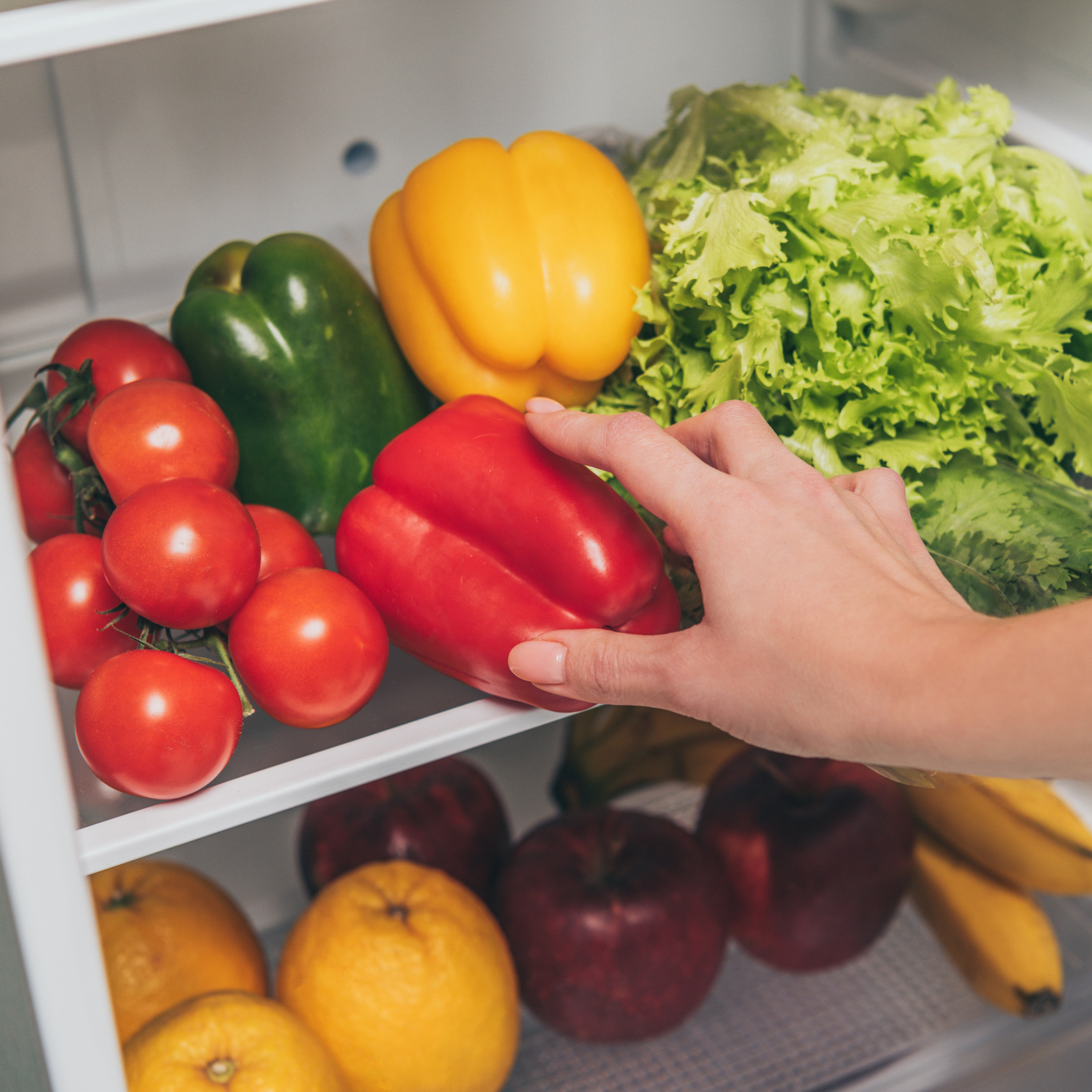
A hand selects a red bell pepper from a refrigerator filled with tomatoes, green and yellow peppers, leafy lettuce, and fruit; the scene feels fresh and inviting.
To refrigerate or not to refrigerate, that is the question.

Knowing where to store your fruits and vegetables isn’t just about kitchen organization. 

It directly impacts flavor, texture, and shelf life. Cold temperatures slow down natural ripening and decay. But for certain produce, refrigeration destroys texture, dulls flavor compounds, or traps excess moisture that speeds up spoilage.

1. Leafy Greens: Refrigerate

To keep leafy greens like kang kong, pechay, talbos ng kamote, alugbati, malunggay, and lettuce crisp for up to a week, store them unwashed in the crisper drawer of your refrigerator. Avoid using sealed or airtight plastic bags as it will trap the moisture that is naturally released by the greens. This kind of wet environment will make them go bad very quickly. Instead, you can place them in regular plastic bags wrapped in paper towels to absorb the excess condensation.
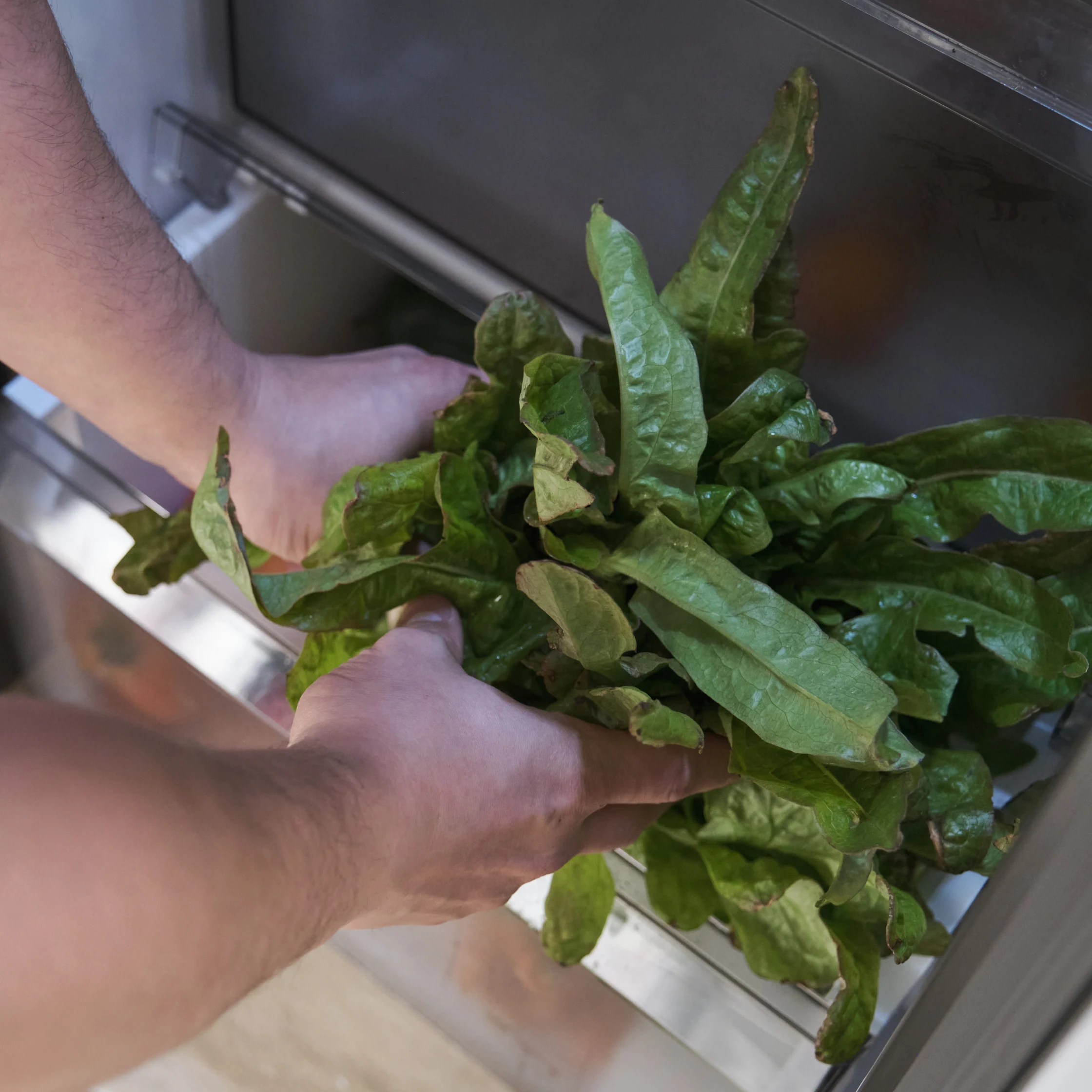
Hands hold a large bunch of freshly harvested leafy greens over an open metal sink, suggesting produce being rinsed or prepared; the scene feels natural and practical.
Store unwashed greens wrapped in paper towels in a loose bag for maximum crispness.

2. Potatoes and Sweet Potatoes: Don’t Refrigerate

Admittedly, my household is guilty of placing our potatoes and sweet potatoes or kamote in our fridge. The cold environment will turn the potatoes’ starches into sugars, compromising their flavor and texture all together. 

Both potatoes and sweet potatoes will last just as long when stored in a cool, dark, well-ventilated space. This can look like being stored in a paper bag or even left in your counter or pantry.
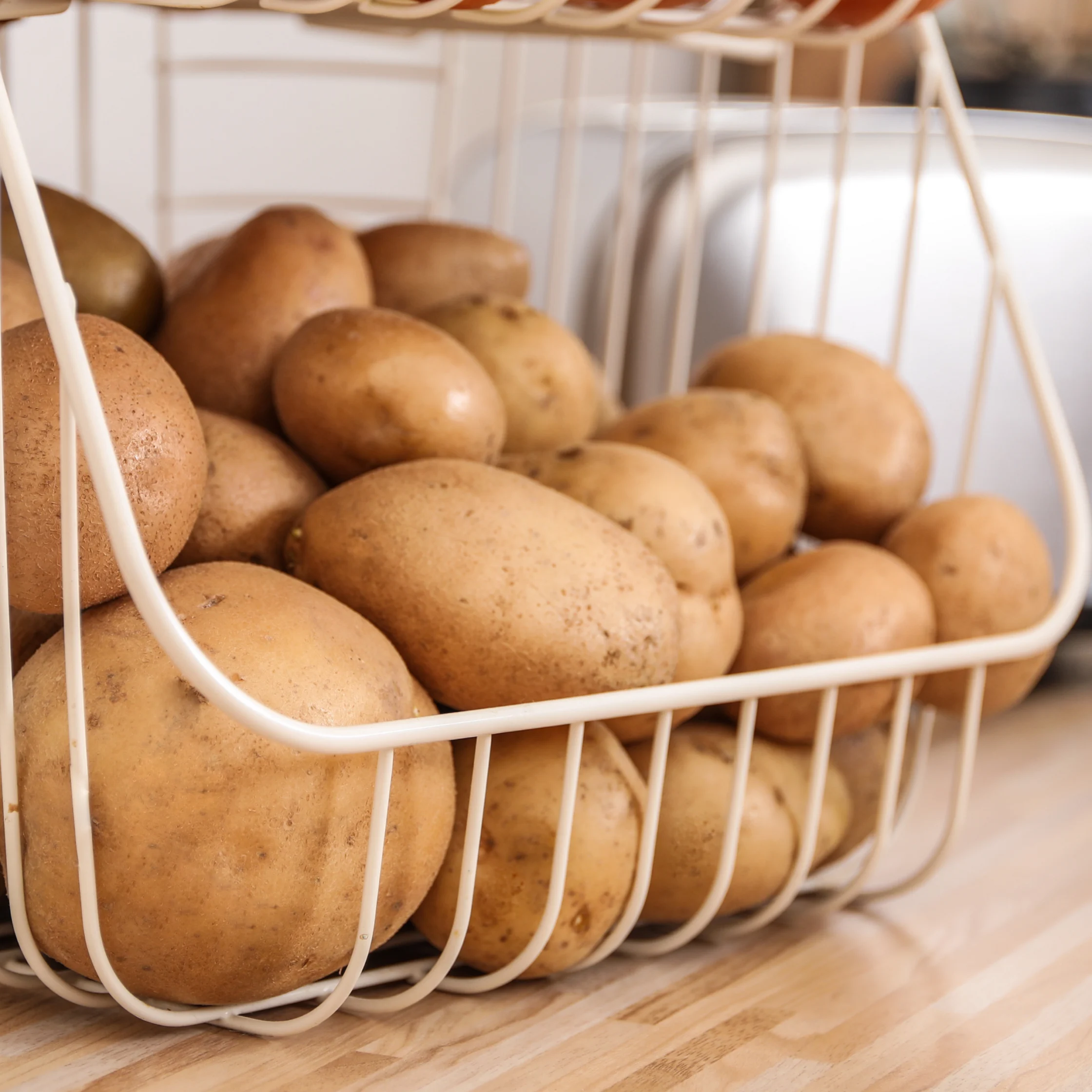
A white wire basket overflows with freshly harvested brown potatoes on a wooden countertop, creating a warm, rustic kitchen feel.
Store potatoes in a cool, dark place like a pantry or paper bag.

3. Strawberries, Blueberries, Raspberries: Refrigerate

Refrigerating berries is the best way to keep them fresh for longer. It’s recommended to keep them cold and dry in any container (it doesn’t have to be airtight) or the packaging they came in, and to wash them only when you are about to eat them to prevent mold from growing.
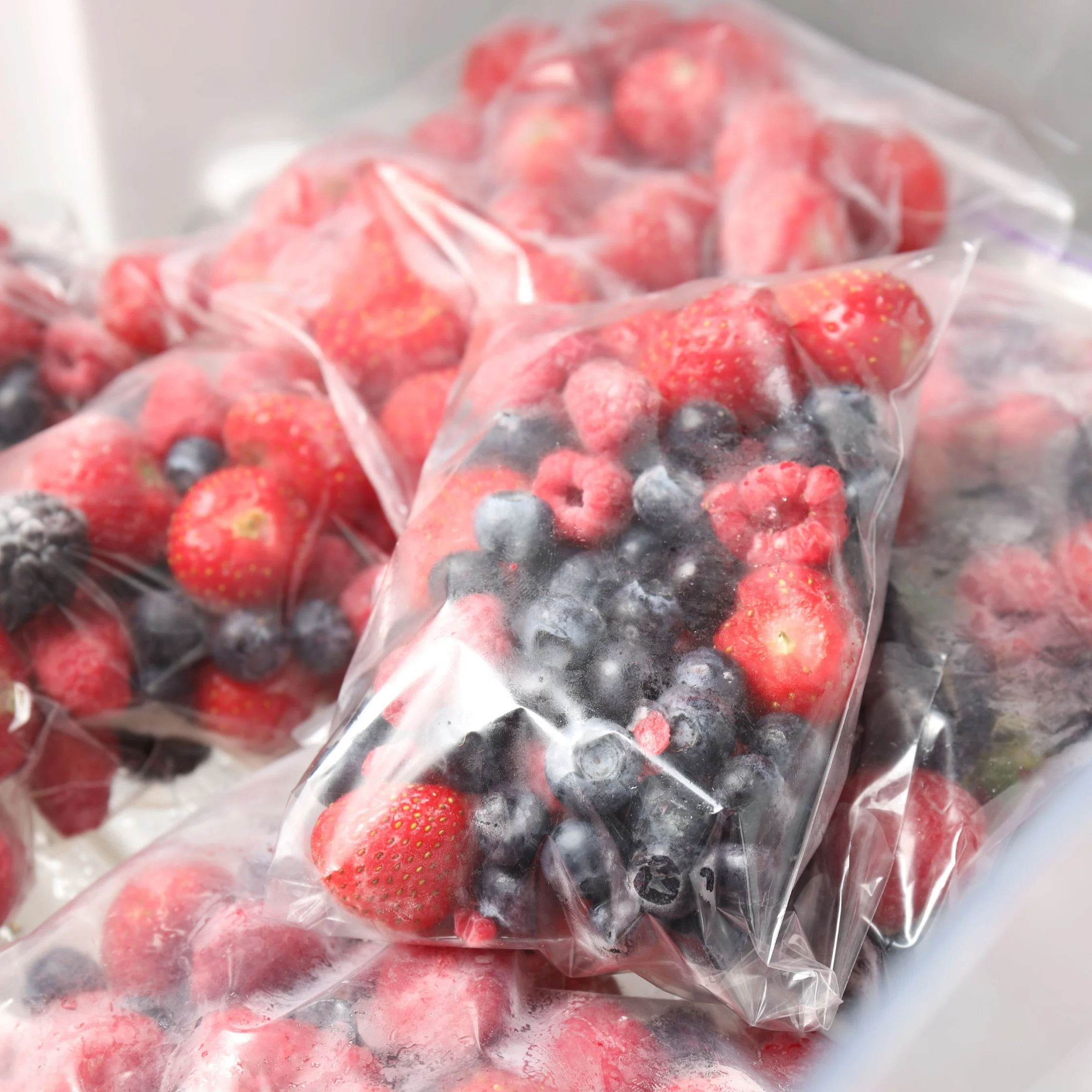
Clear plastic bags filled with frozen strawberries, raspberries, blueberries, and blackberries sit together, suggesting a colorful stash of fruit ready to use.
Keep berries cold, dry, and unwashed until ready to eat to prevent mold and extend freshness.

4. Onions, Shallots, & Garlic: Don’t Refrigerate

Placing your onions, shallots, and garlic in the refrigerator will do them no good. Either the humidity ruins their structural integrity or causes mold or sprouting. It’s often recommended to store them in a dark, cool, and well-ventilated area away from the potatoes (which I will discuss towards the end of this article).
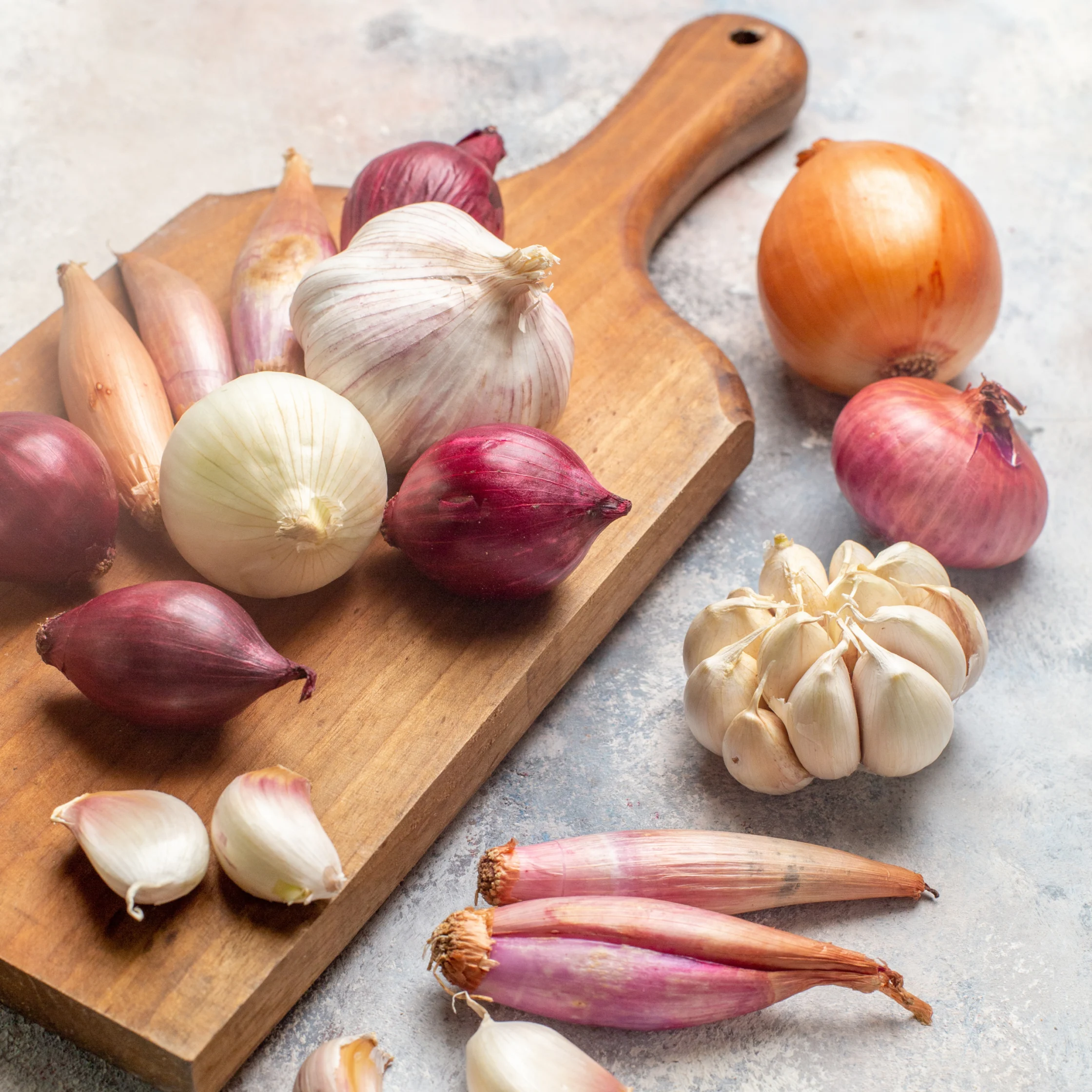
A wooden cutting board holds red and white onions and shallots, with a whole onion, garlic bulb, and peeled cloves on a pale stone surface; fresh, rustic kitchen mood.
Store whole onions and garlic in a cool, dark, well-ventilated space.

5. Carrots, Celery, Radishes, & Singkamas: Refrigerate

What these vegetables have in common is that they come with green leafy tops. To store them properly in the fridge, make sure to remove those leafy tops first, as they will draw moisture away from the root. Once trimmed, they will stay crisp and fresh for weeks.
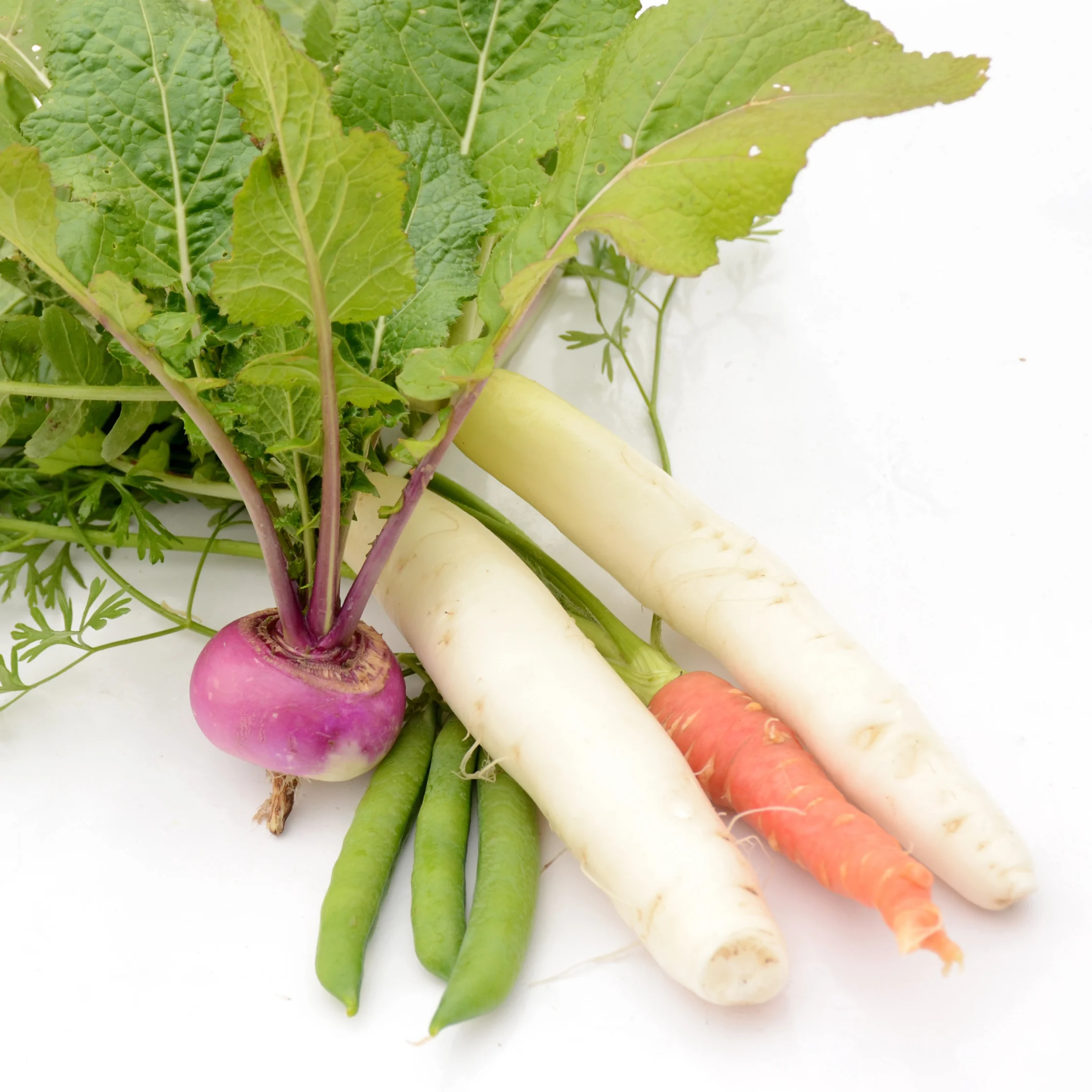
Fresh root vegetables—purple turnip, white daikon radishes, orange carrot, and green beans—with leafy greens arranged on a white background, suggesting a wholesome harvest.
Trim the leafy green tops off root crops before refrigerating.

6. Tomatoes: Don’t Refrigerate (most of the time)

When it comes to preserving fresh tomatoes, the fridge is usually off-limits.

Because the chilling actually breaks down the cell walls and stops the ripening process, your tomato would end up mealy, mushy, and more dull in both aroma and taste. The best way to store unripe or just-ripe tomatoes is stem-side down on the counter away from direct light.

You should only move tomatoes to the fridge in two scenarios: if they are already fully overripe and about to spoil, or if you’ve already sliced them and won’t be using them immediately.
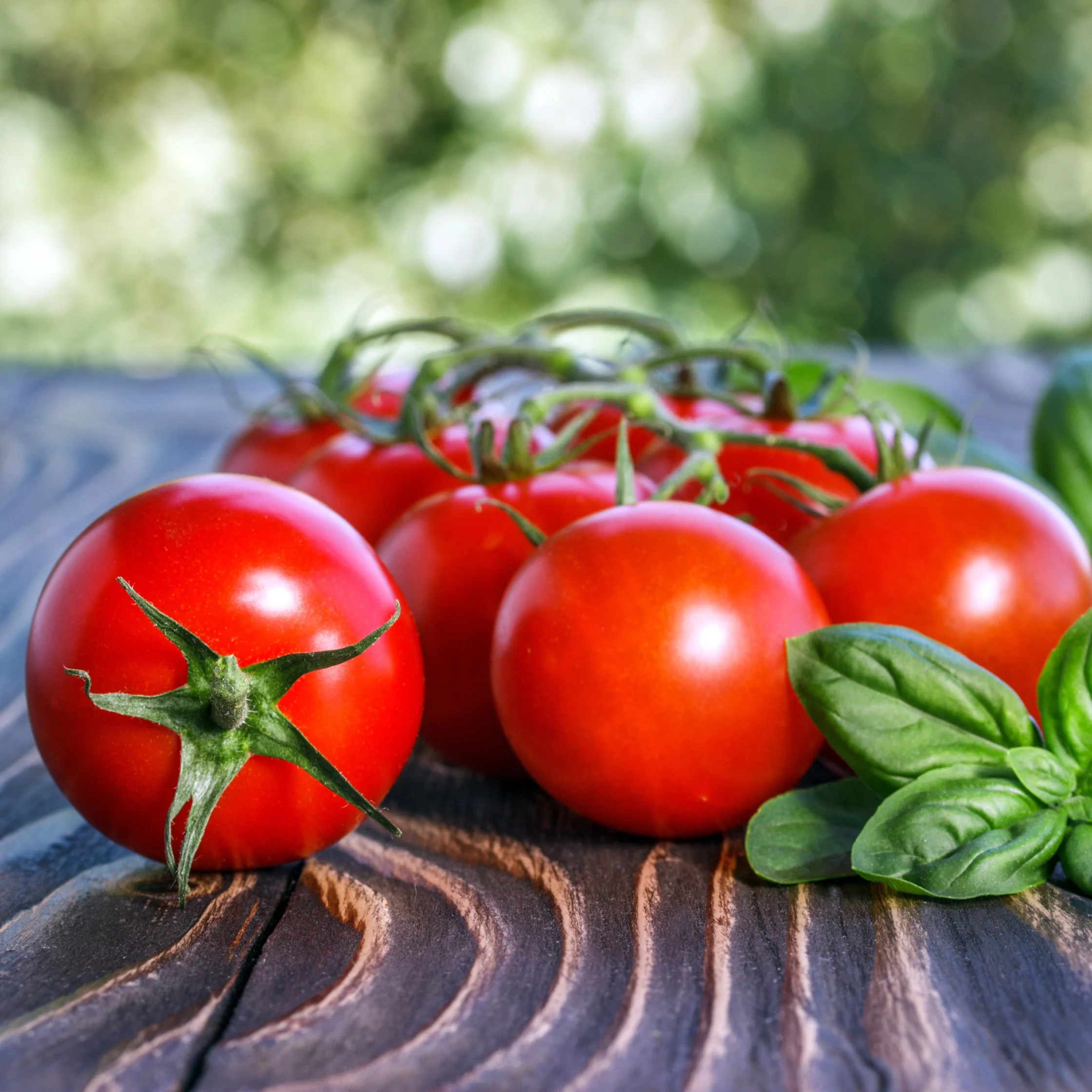
Fresh red tomatoes, some still on the vine, and green basil leaves sit on a rustic wooden table, bathed in sunlight with a calm, garden-fresh feel.
Store whole tomatoes stem-side down on the counter to protect their texture and flavor.

7. Broccoli, Cabbage, & Pechay: Refrigerate

Cruciferous vegetables fare extremely well in the refrigerator. While airtight plastic bags often seem like the standard, veggies like broccoli, cabbage, pechay, brussels sprouts, and cauliflower actually need room to breathe. This makes loose, perforated bags the way to go. Just like berries, only wash them when you are about to use or cook them.
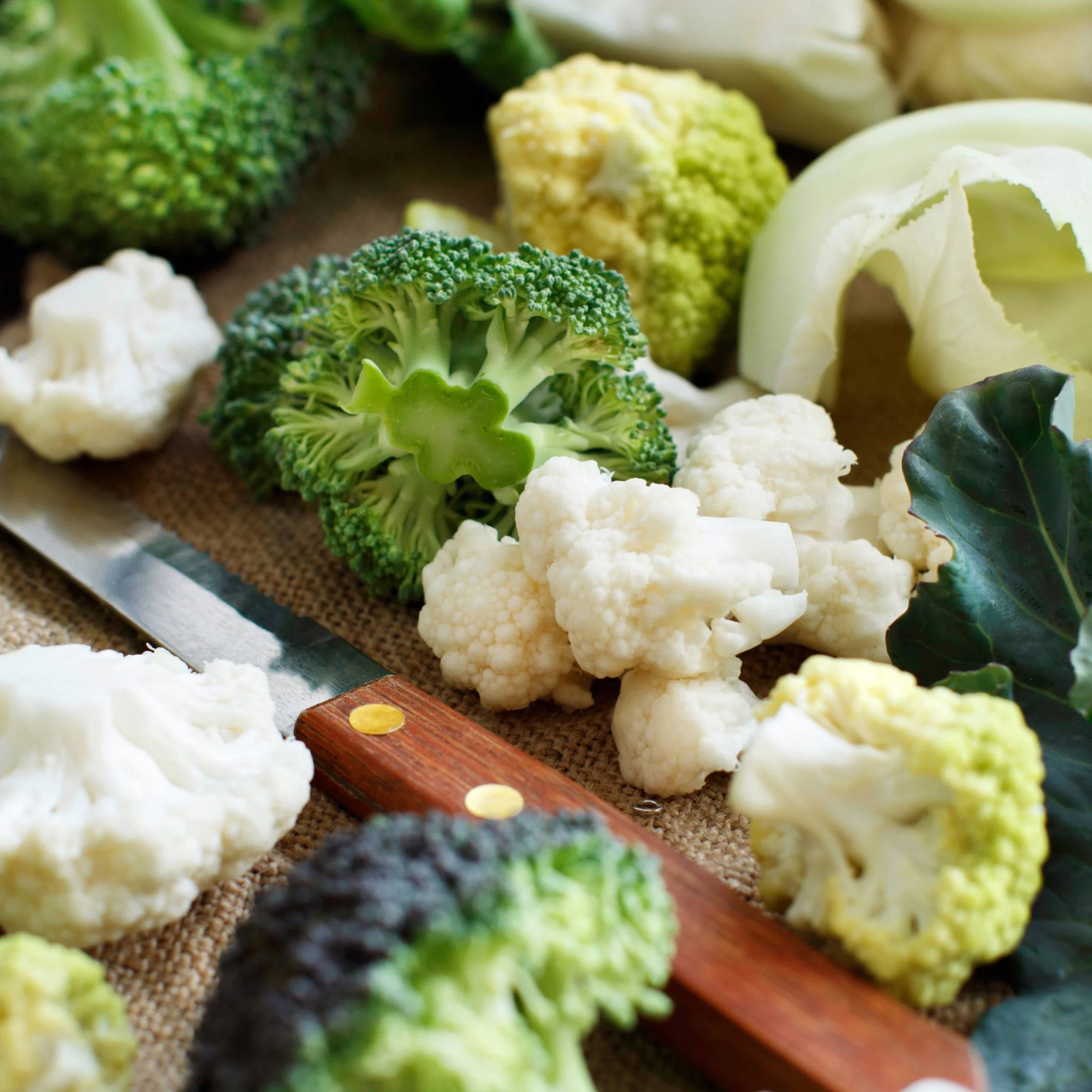
Store unwashed cruciferous veggies in loose, perforated bags so they can breathe.

8. Other Fruits: It Depends on the Ripeness

There is a fairly large category of fruits whose fridge compatibility depends entirely on their ripeness. This includes mangoes, atis, guyabano, avocados, bananas, and many more. They require room temperature to ripen properly, but once ripe, cold storage acts as a pause button to extend their shelf life by a few extra days.

As a general rule, leave them on your counter while they are still firm or unripe, then move them to the fridge once they reach peak ripeness to prevent them from going bad.
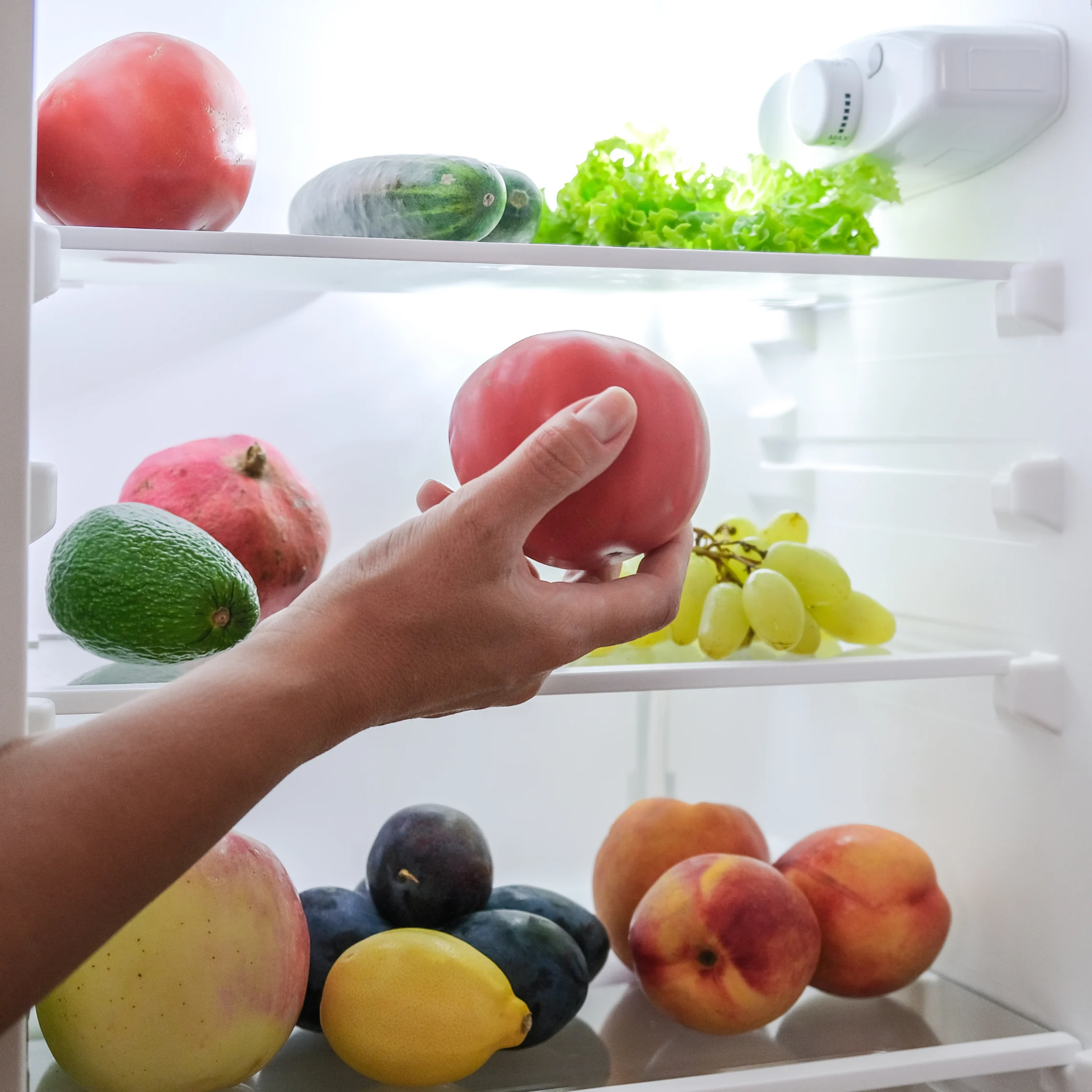
A hand selects a ripe red tomato from a bright refrigerator stocked with grapes, avocado, melon, lemons, peaches, and leafy greens; fresh and inviting.
Only move these fruits to the fridge once fully ripe to “pause” the ripening process and extend their shelf life.

One Last Thing: Consider the Ethylene 

Just because certain fruits and vegetables are safe to put in the fridge doesn’t mean they should all be stored right next to each other. I know this sounds a bit science-y, but trust me, it’s worth keeping in mind so you can use the produce you buy to its fullest potential.

Ethylene is a natural plant hormone that accelerates ripening. Certain fruits produce high levels of ethylene gas, while other fruits and vegetables are exceptionally ethylene-sensitive. Placing them together causes the sensitive items to rot or decay prematurely.
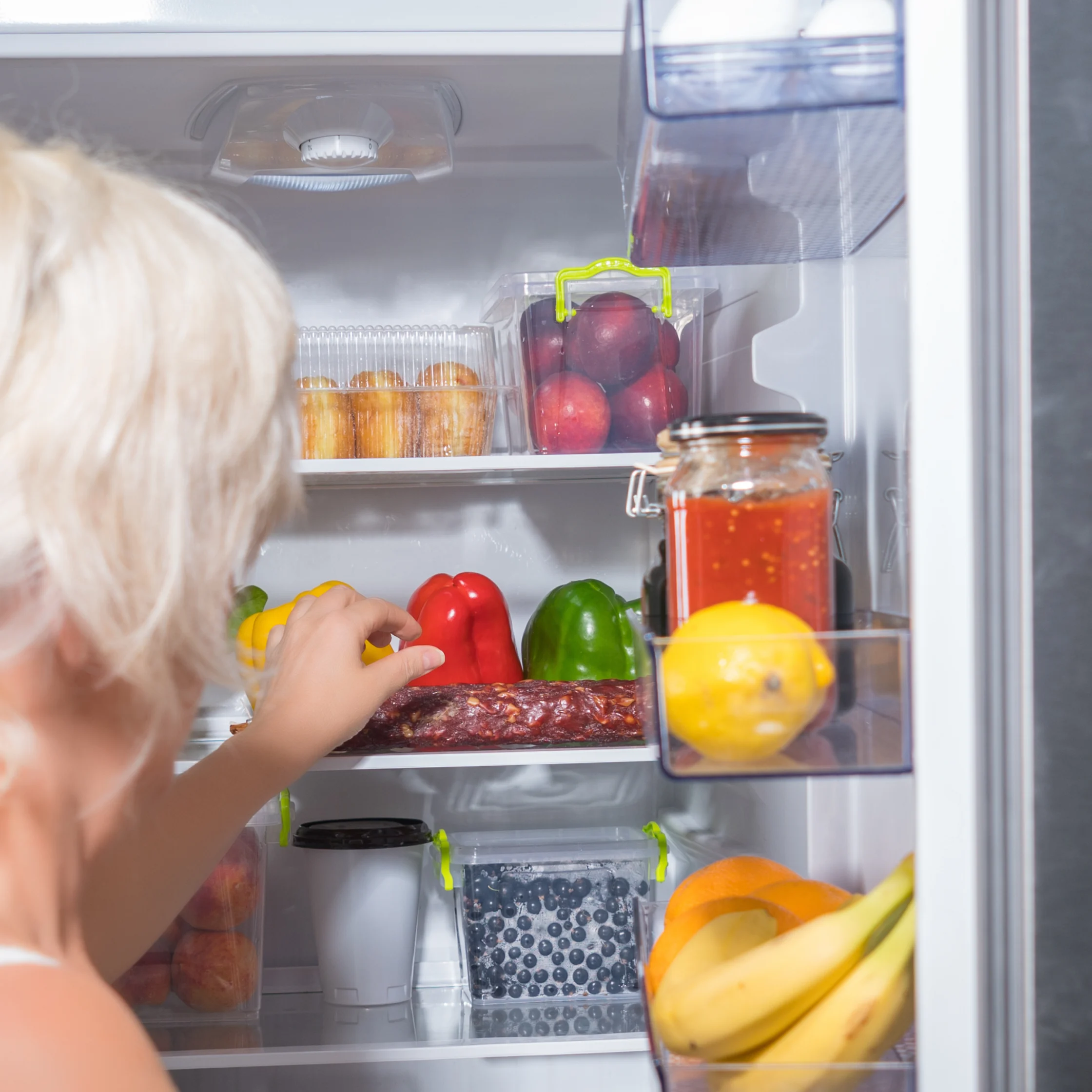
An older woman reaches into an open refrigerator for a red bell pepper, surrounded by fresh vegetables, fruit, berries, and jars; the scene feels bright and homely.
Keep high-ethylene producers away from ethylene-sensitive items to prevent premature spoilage.

High-ethylene producers include bananas, apples, tomatoes, avocados, mangoes, honeydew, pears, and papayas. Make sure to keep these separated from ethylene-sensitive produce like leafy greens, broccoli, carrots, cucumbers, and potatoes.

author avatar
Laura Mendoza Writer
Laura admits that she is a slow eater. She prefers to take her time with the food she likes to eat and the stories she wishes to write. Having graduated with a Creative Writing degree, she comes from a background in writing fiction and poetry. Because of this, she has set herself on a creative mission to explore and delve into what other modes and channels exist for stories and narratives to be told, expressed, and shared with others. For Laura, food as a medium is an exciting proposition. Behind every dish, every ingredient, and every cooking technique, there lies a history worth discussing, a human being worth listening to, a lived experience worth gleaning from. As a means to satiate her appetite for learning about and understanding new and known things, she aims to be the kind of food writer who is approachable, reliable, and personable to readers.

Frequently Asked Questions

No, keep them dry until use. Washing produce before storage introduces excess moisture, which creates an ideal environment for mold, bacteria, and rapid decay.

For delicate items like berries, leafy greens, and cruciferous veggies like pechay, broccoli, cabbage, only wash them right before you are ready to prep or eat them.

author avatar
Laura Mendoza Writer
Laura admits that she is a slow eater. She prefers to take her time with the food she likes to eat and the stories she wishes to write. Having graduated with a Creative Writing degree, she comes from a background in writing fiction and poetry. Because of this, she has set herself on a creative mission to explore and delve into what other modes and channels exist for stories and narratives to be told, expressed, and shared with others. For Laura, food as a medium is an exciting proposition. Behind every dish, every ingredient, and every cooking technique, there lies a history worth discussing, a human being worth listening to, a lived experience worth gleaning from. As a means to satiate her appetite for learning about and understanding new and known things, she aims to be the kind of food writer who is approachable, reliable, and personable to readers.

Cold temperatures break down the cell walls of tomatoes and shut down the enzymes responsible for flavor development. This results in a mealy, mushy texture and a dull aroma.

The only exception is if a tomato is already fully overripe or has already been sliced—cut tomatoes must be refrigerated in an airtight container.

author avatar
Laura Mendoza Writer
Laura admits that she is a slow eater. She prefers to take her time with the food she likes to eat and the stories she wishes to write. Having graduated with a Creative Writing degree, she comes from a background in writing fiction and poetry. Because of this, she has set herself on a creative mission to explore and delve into what other modes and channels exist for stories and narratives to be told, expressed, and shared with others. For Laura, food as a medium is an exciting proposition. Behind every dish, every ingredient, and every cooking technique, there lies a history worth discussing, a human being worth listening to, a lived experience worth gleaning from. As a means to satiate her appetite for learning about and understanding new and known things, she aims to be the kind of food writer who is approachable, reliable, and personable to readers.

Leave them on the counter while firm or unripe. Once they are on their way to become overripe, transfer them to the fridge to “pause” the ripening process and extend their usability for an extra 2 to 5 days.

author avatar
Laura Mendoza Writer
Laura admits that she is a slow eater. She prefers to take her time with the food she likes to eat and the stories she wishes to write. Having graduated with a Creative Writing degree, she comes from a background in writing fiction and poetry. Because of this, she has set herself on a creative mission to explore and delve into what other modes and channels exist for stories and narratives to be told, expressed, and shared with others. For Laura, food as a medium is an exciting proposition. Behind every dish, every ingredient, and every cooking technique, there lies a history worth discussing, a human being worth listening to, a lived experience worth gleaning from. As a means to satiate her appetite for learning about and understanding new and known things, she aims to be the kind of food writer who is approachable, reliable, and personable to readers.

Leafy greens like kang kong, pechay, talbos ng kamote, alugbati, and lettuce naturally release moisture through respiration. Storing them in a sealed, airtight bag traps that condensation inside, creating a wet environment that causes the leaves to turn slimy and rot quickly.

author avatar
Laura Mendoza Writer
Laura admits that she is a slow eater. She prefers to take her time with the food she likes to eat and the stories she wishes to write. Having graduated with a Creative Writing degree, she comes from a background in writing fiction and poetry. Because of this, she has set herself on a creative mission to explore and delve into what other modes and channels exist for stories and narratives to be told, expressed, and shared with others. For Laura, food as a medium is an exciting proposition. Behind every dish, every ingredient, and every cooking technique, there lies a history worth discussing, a human being worth listening to, a lived experience worth gleaning from. As a means to satiate her appetite for learning about and understanding new and known things, she aims to be the kind of food writer who is approachable, reliable, and personable to readers.

Ethylene is a natural plant hormone emitted as gas by ripening produce. High-ethylene producers (such as bananas, apples, avocados, mangoes, and tomatoes) accelerate the aging process of neighboring fruits and vegetables. Keeping ethylene-sensitive items (like leafy greens, cucumbers, carrots, and potatoes) next to heavy producers will cause the sensitive items to rot, yellow, or sprout prematurely. Keep these two groups separated in your kitchen and fridge!

author avatar
Laura Mendoza Writer
Laura admits that she is a slow eater. She prefers to take her time with the food she likes to eat and the stories she wishes to write. Having graduated with a Creative Writing degree, she comes from a background in writing fiction and poetry. Because of this, she has set herself on a creative mission to explore and delve into what other modes and channels exist for stories and narratives to be told, expressed, and shared with others. For Laura, food as a medium is an exciting proposition. Behind every dish, every ingredient, and every cooking technique, there lies a history worth discussing, a human being worth listening to, a lived experience worth gleaning from. As a means to satiate her appetite for learning about and understanding new and known things, she aims to be the kind of food writer who is approachable, reliable, and personable to readers.
Smiling woman with glasses tilted at an angle, wearing a blue top, against a light background.

Laura Mendoza

Writer

Laura admits that she is a slow eater. She prefers to take her time with the food she likes to eat and the stories she wishes to write. Having graduated with a Creative Writing degree, she comes from a background in writing fiction and poetry. Because of this, she has set herself on a creative mission to explore and delve into what other modes and channels exist for stories and narratives to be told, expressed, and shared with others. For Laura, food as a medium is an exciting proposition. Behind every dish, every ingredient, and every cooking technique, there lies a history worth discussing, a human being worth listening to, a lived experience worth gleaning from. As a means to satiate her appetite for learning about and understanding new and known things, she aims to be the kind of food writer who is approachable, reliable, and personable to readers.

0 0 votes
Total of Ratings
guest
Rating
Ratings for Article
0 Comments
Oldest
Newest Most Voted

To provide a customized ad experience, we need to know if you are of legal age in your region.

By making a selection, you agree to our Terms & Conditions.