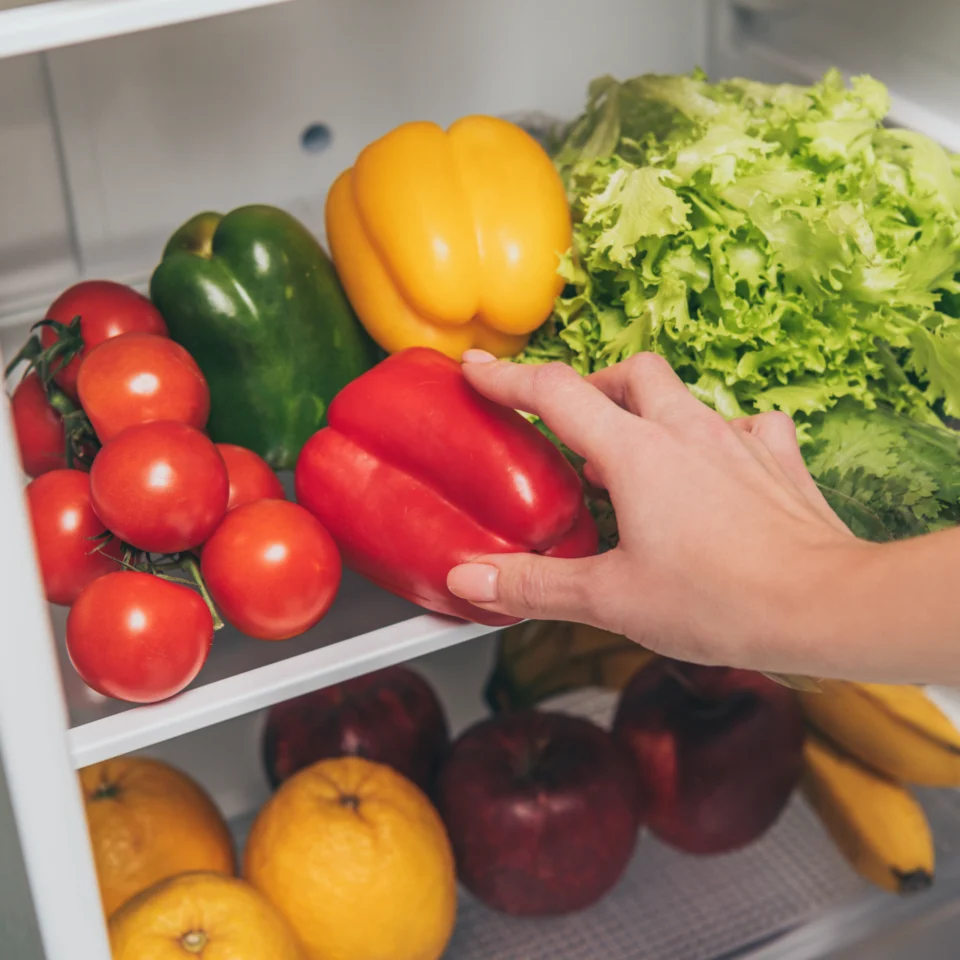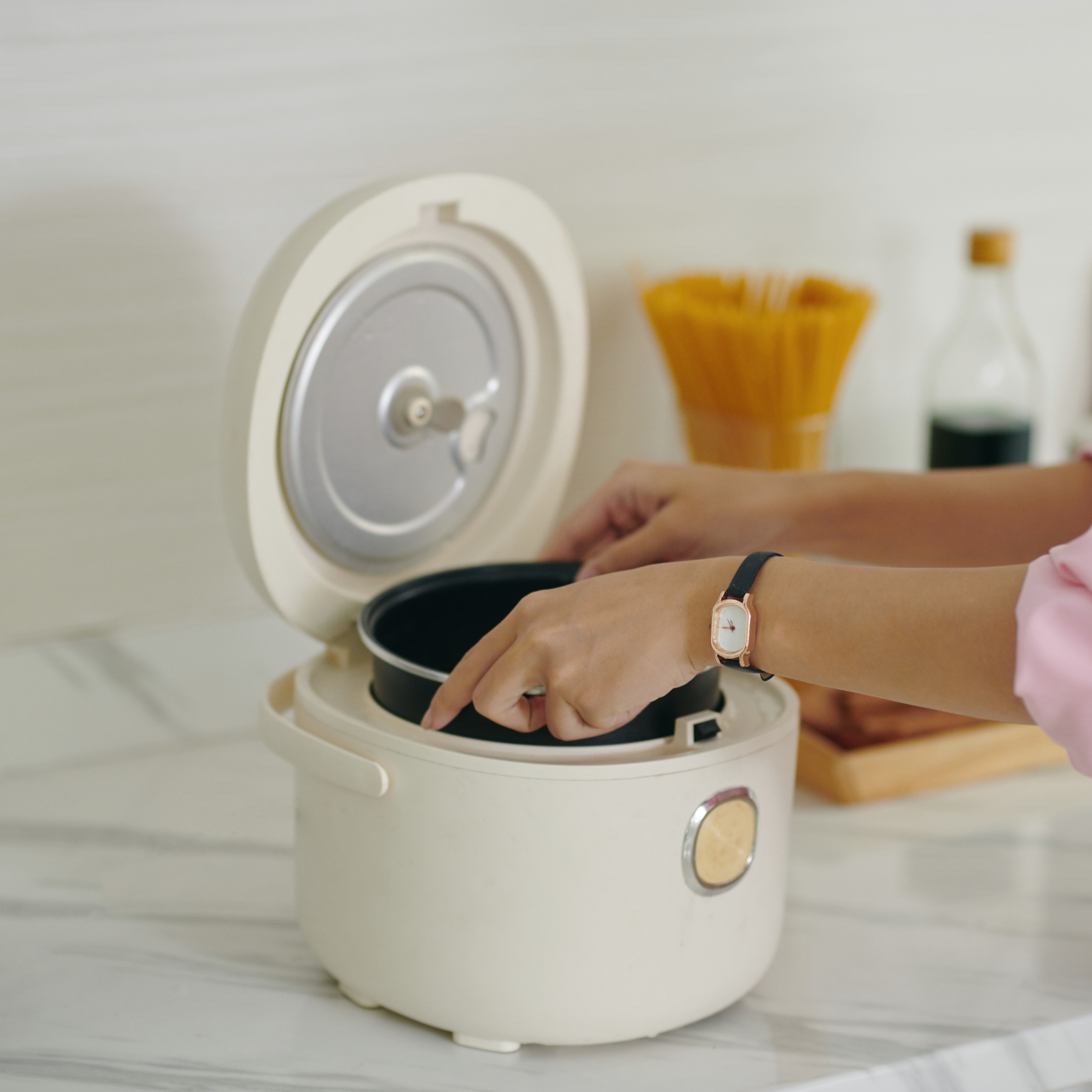
The rice cooker is one of the most quietly versatile cooking appliances the modern Filipino kitchen has to offer.
Although often treated and used like it only has a singular use, don’t let the simple “Warm/Cook” switch fool you. In reality, it acts as more than just a source of heat. It can function like a compact slow cooker, steamer, hot pot, and mini-oven all rolled into one.
Are you using your rice cooker to the fullest? If not, here’s how you can push your rice cooker far beyond cooking plain grains and unlock its full home cooking potential.
1. Stocks, Soups, and Porridges
Because the “Warm” setting keeps liquids right below a boiling point, rice cookers excel at low-and-slow cooking without risking scorched bottoms. This makes them great for making all kinds of soups, stews, and porridges without having to leave your stove on for so long.
If you want to make rice porridge like lugaw or arroz caldo, all you have to do is change the ratio of rice and liquid (which can be water, bouillon cubes, or any stock) and add aromatics like garlic, onion, and ginger, and optionally add any protein of your choice.
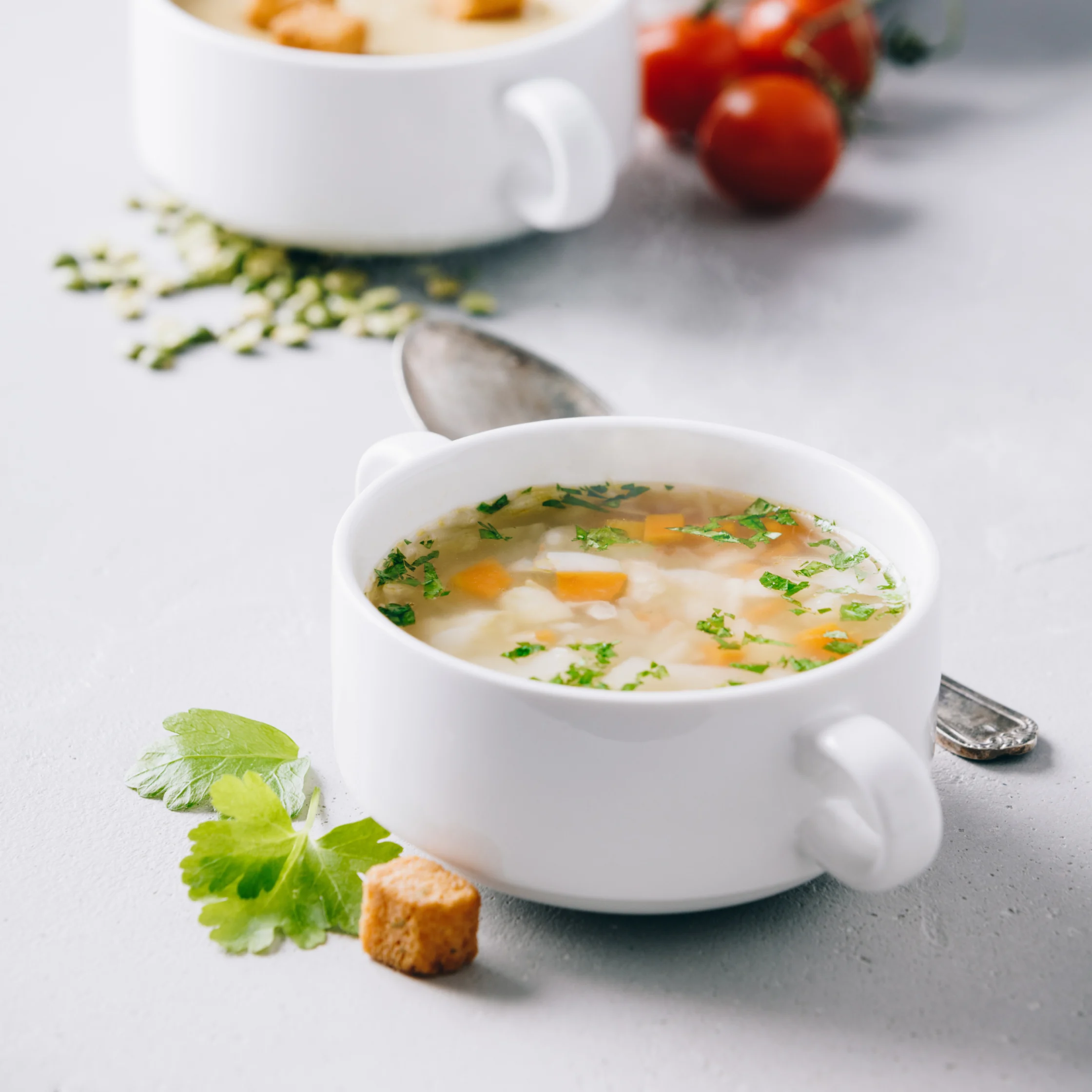
Filipino soups like sinigang, tinola, nilagaNilagaA clear, comforting Filipino soup of boiled beef or pork simmered slowly with potatoes, cabbage, corn, and pechay in a light, peppery broth. Served hot with rice and a fishGo to Nilaga Glossary, and sopas are also very doable in a rice cooker. The most labor intensive part would be chopping up certain ingredients and adding all of them into the pot. But once you flip that switch, you’ll have a hot, comforting bowl of soup in a matter of minutes.
You can even make your own stocks at home. Just throw in whatever bones, meat trimmings, vegetable scraps you have with a lot of water and let the rice cooker do its thing. You’ll end up with extra rich broth you can save for future recipes.
2. Breakfast: Oatmeal, Steamed Eggs, and Fritatta
Besides arriving home after a long day of work, the other time of the day you are most likely to have little to no energy to cook or even think about what you want to eat is in the morning, after waking up.
There are a good number of rice cooker breakfast options you can choose from for those early mornings you just want to whip up something quick but still filling.
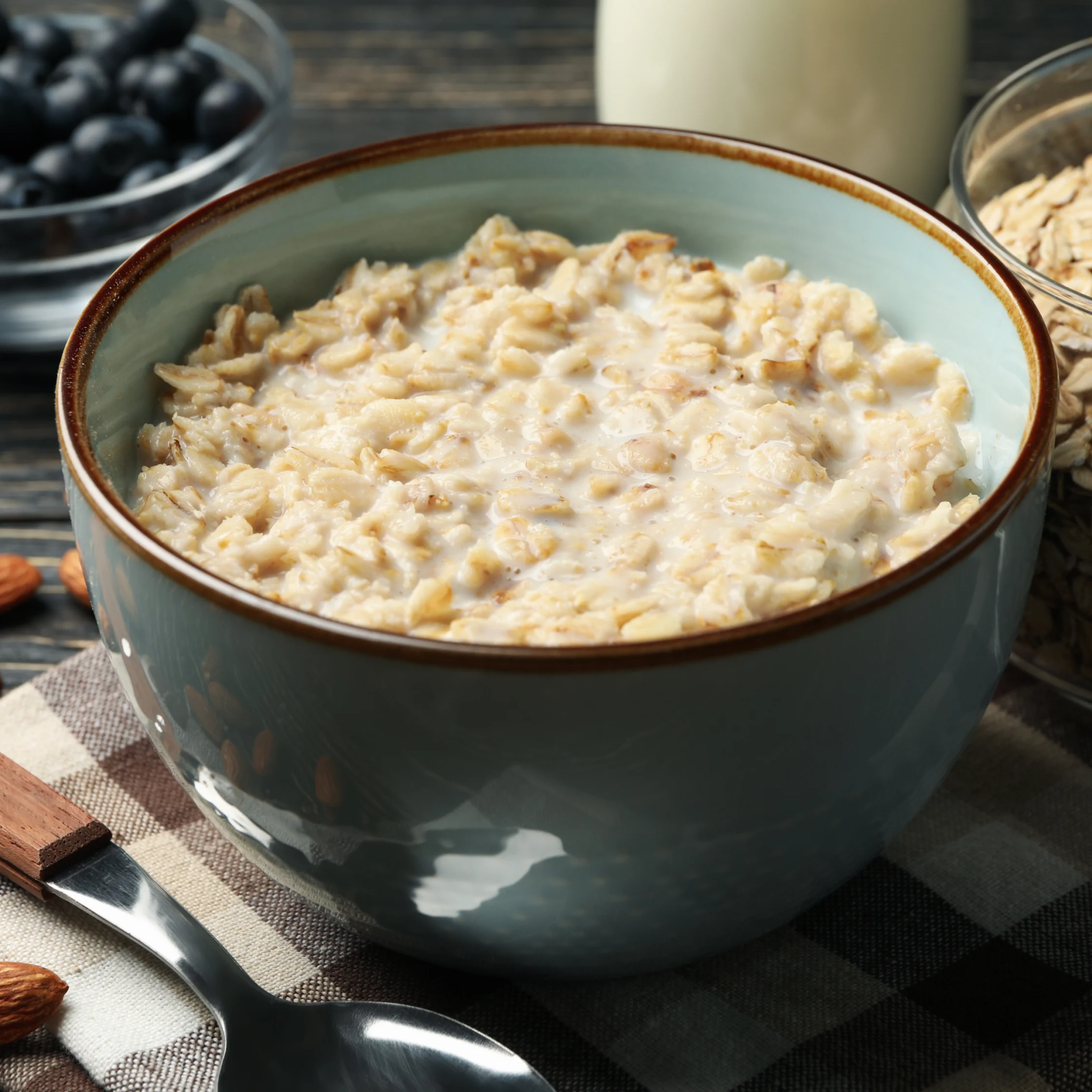
Although this does take a bit of trial and error to account for perfecting your desired consistency depending on the type of oats you use, making oatmeal in the rice cooker is a great way to meet your dietary fiber goals without much effort.
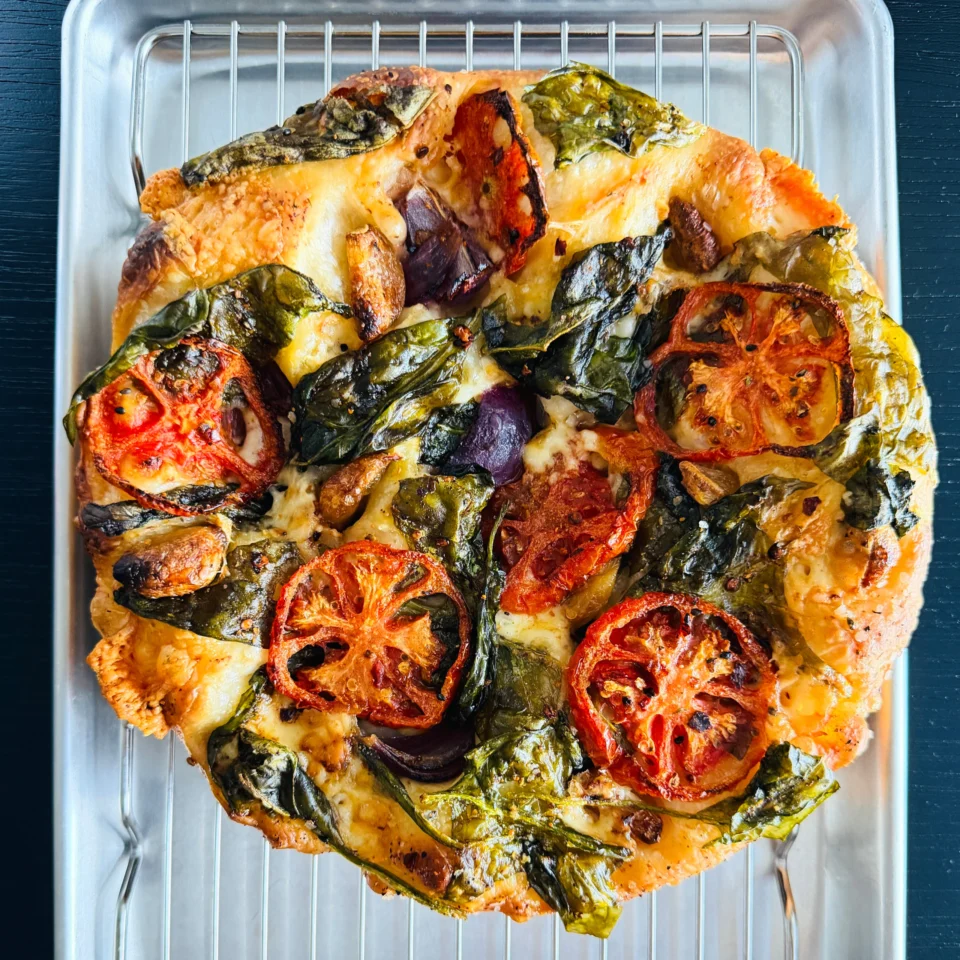
If you whisk some eggs, add a bit of water or broth, place them in a heat-safe container small enough to fit inside your rice cooker, you can easily make steamed eggs you can eat on its own or with rice. Alternatively, if you add some chopped vegetables and cheese, you can make your own breakfast fritatta.
3. Vegetables, mushrooms, beans, and other grains
Sometimes it isn’t necessary about what else to cook besides rice but more of what you can add to the rice as it cooks.
The obvious option would be to mix your rice with different, more nutritious types of carbs like brown rice, red rice, black or purple rice, quinoa, lentils, black beans, edamame, just to name a few.
You can even add vegetables and mushrooms to the uncooked rice so that it steams all of them all at once. When it’s done cooking, whatever you add will just sit on top of the hot and fluffy rice. This is a great way to add more veggies into your meals without it feeling so overwhelming or daunting.
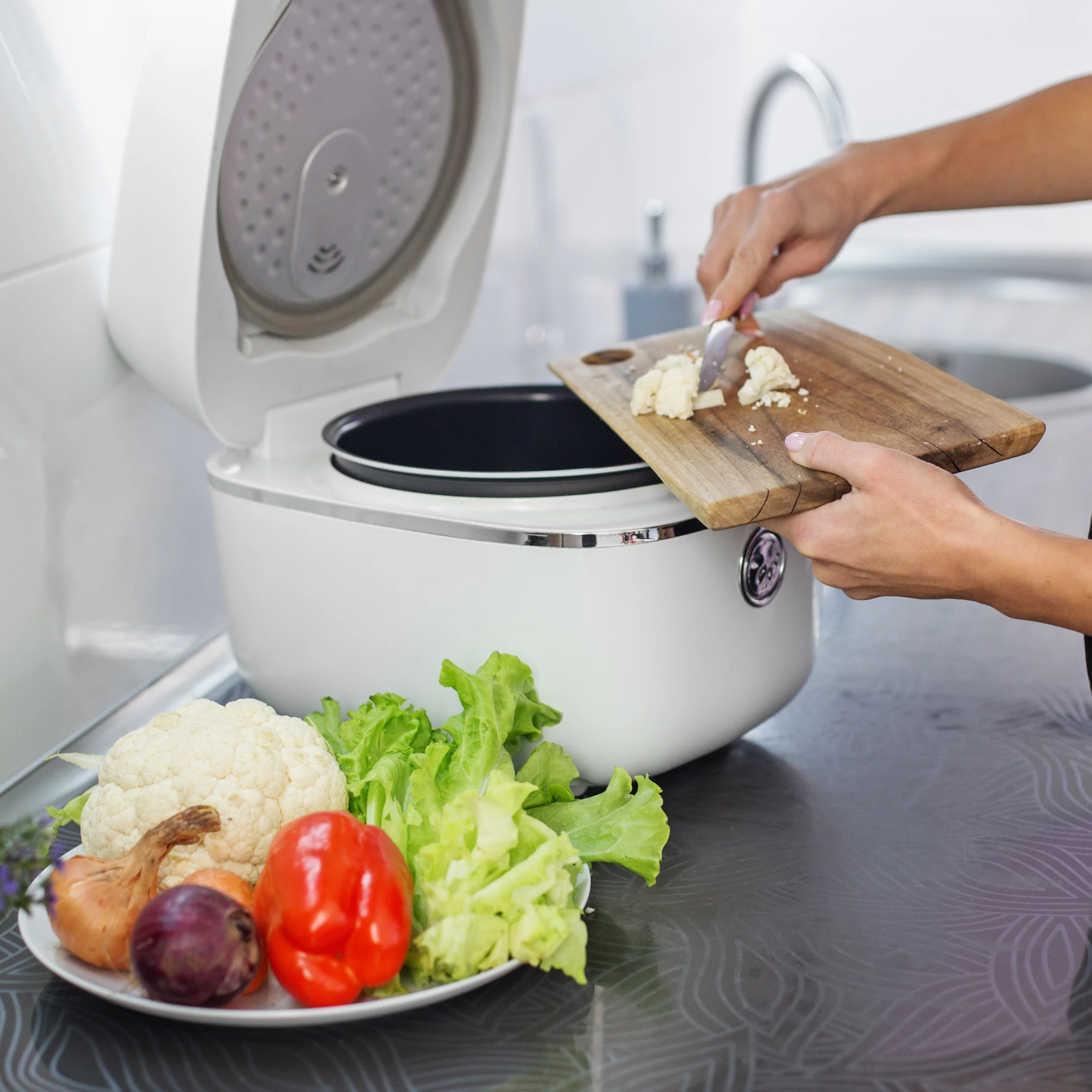
In my household, we always mix white rice with brown rice and we sometimes add okra or chopped eggplant to steam with the uncooked rice. But really, you can do with any chopped vegetables (carrots, beets, etc.), leafy greens (spinach, lettuce, cabbage, etc.), soft vegetables (broccoli, green beans, bell pepper, etc.), and legumes (chickpeas, kidney beans, etc.) you want to add to your diet.
4. Proteins
If you are skeptical if your fish, meat, or poultry can be fully cooked in your rice cooker, you can put those worries to rest.
The enclosed steam is able to lock in the moisture, preventing lean cuts from drying out while still rendering the fat in richer cuts.
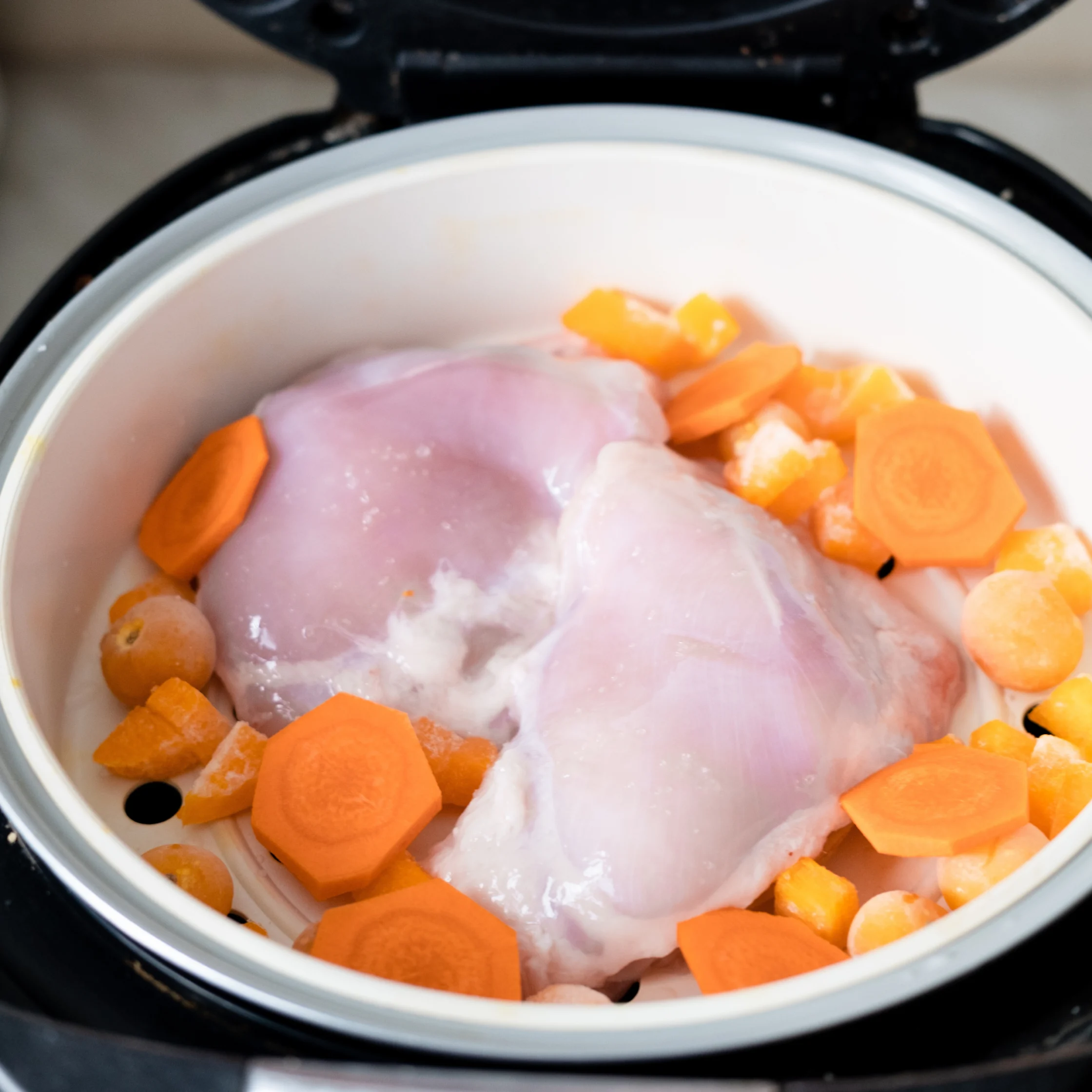
Nutritionist and food content creator Kylie Sakaida has shared countless rice cooker meals that include salmon, sliced beef, and tofu, all of which were fully cooked. Plus, there are existing recipes of people perfectly cooking bangus, sliced pork belly, and certain cuts of chicken in the rice cooker.
Something you could do to whatever protein you are trying to cook is either cover in some kind of sauce or cook it entirely in a liquid like water or broth.
5. One pot meals
Along the same lines, why not combine everything for an effortless, complete meal?
Next to rice, one pot meals are easily the most popular way to use the appliance. You can avoid dirtying multiple pots and pans altogether. By layering proteins, aromatics, and liquids directly over rice or grains, the rice cooker infuses flavor deep into every bite as it steams. Think of dishes like Hainanese chicken rice, bibimbap, or faux-clay pot rice.
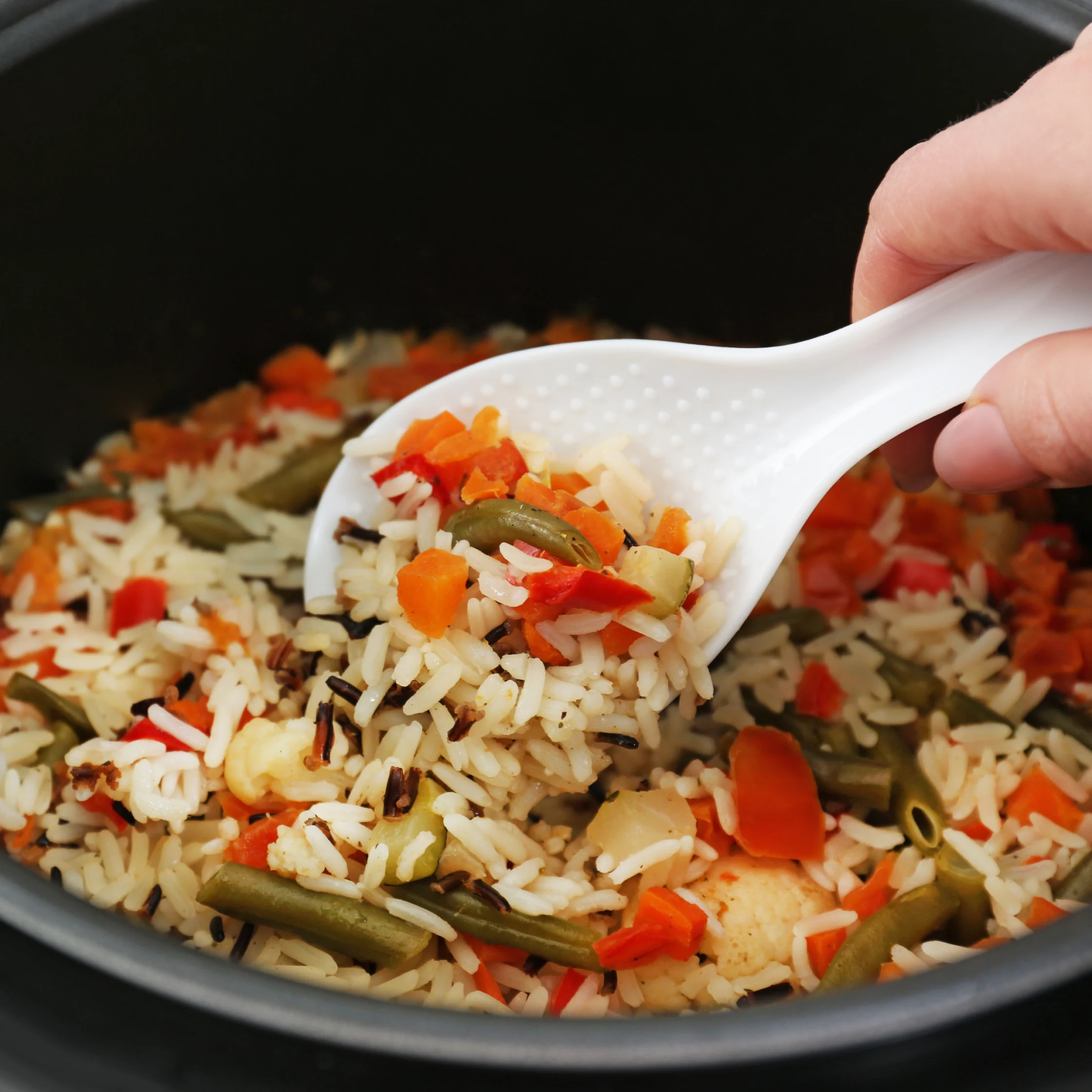
You can add virtually any combination of rice or grain, stock, vegetables, sauce, and protein depending on what you’re craving and what you have available in your pantry.
There are even rice cooker recipes to make classic Filipino viands like adoboAdoboThe Filipino dish of meat or seafood braised in vinegar, soy sauce, garlic, bay leaves, and peppercorns. Widely regarded as the national dish, adobo varies from home to home andGo to Adobo Glossary, kare-kare, and bistek tagalog.
6. Desserts: Champorado and Kakanin
Yes! Believe it or not, but there are some classic Filipino desserts you can absolutely make with your rice cooker.
Champorado immediately comes to mind. You can just put all of its ingredients (rice, water, cocoa powder, tablea, brown sugar, and a pinch of salt) straight into the pot and let it cook, occasionally stirring if possible.
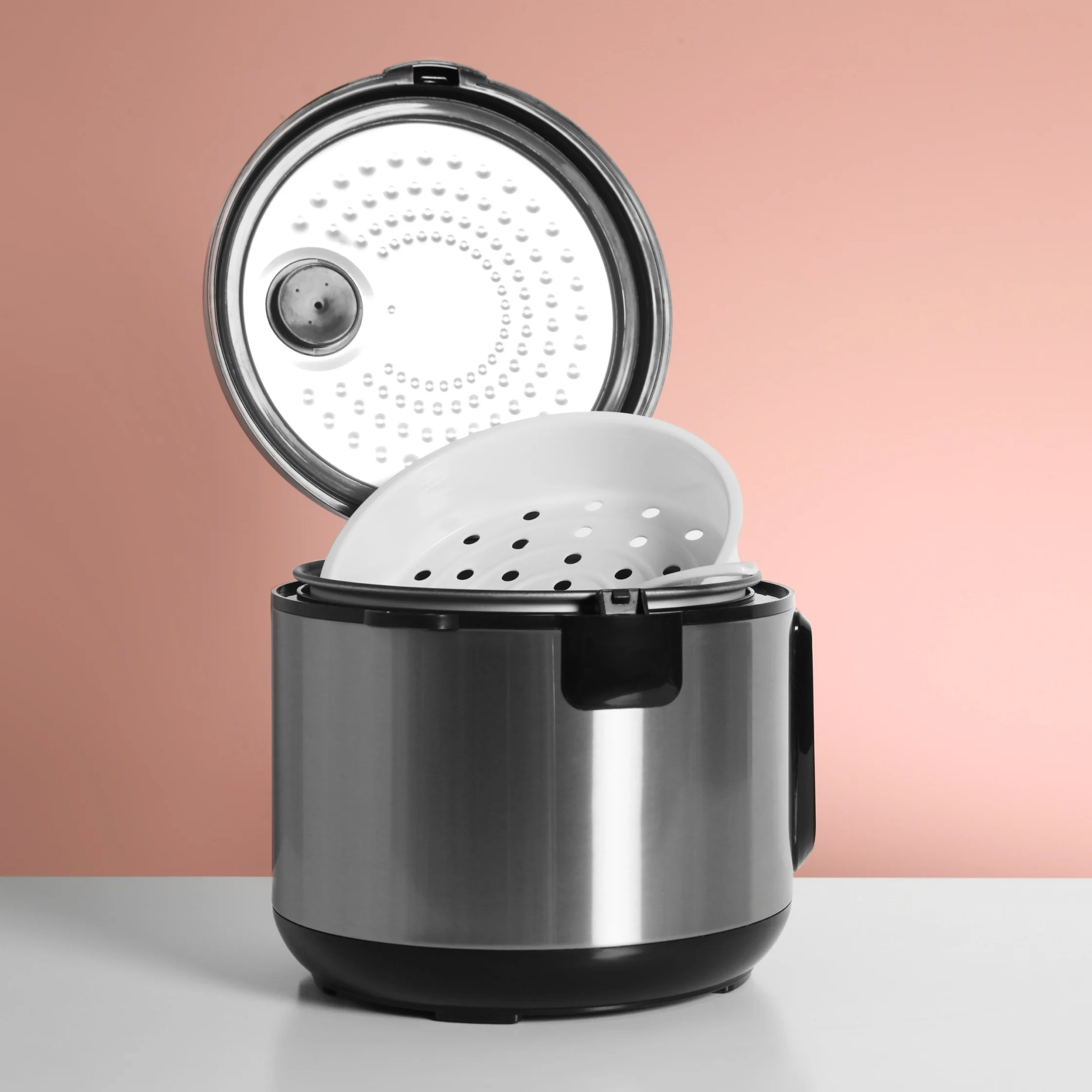
You can even make different types of kakanin. SumanSumanSuman is a Filipino rice cake made from glutinous rice steamed in coconut milk and wrapped in banana or buri leaves, often eaten with sugar. Regional versions vary in shape,Go to Suman Glossary, biko, bibingka, sapin-sapin, kutsinta, pichi-pichi, you name it! It all comes down to using the rice cooker as a makeshift steamer.
More Than A Shortcut
Cooking with a rice cooker goes beyond simply maxing out a single gadget.
For many home cooks, limited kitchen space means picking tools that can do it all. Other times, it’s about brain power, or the lack of it. When you’re running on empty, cooking can feel overwhelming rather than relaxing.
Unlocking your rice cooker makes feeding yourself far more manageable by offering low-effort methods that still yield nourishing, flavorful meals. While this guide covers a lot of ground, there are countless other dishes waiting to be tried. All it takes is closing the lid and pushing the switch.

Frequently Asked Questions
Yes. The rice cooker’s Warm setting keeps liquids just below boiling, allowing low-and-slow cooking without scorching the bottom. It can handle Filipino soups such as sinigang, tinola, nilaga, and sopas, as well as stock made from bones, meat trimmings, and vegetable scraps.
Making lugaw or arroz caldo in a rice cooker mostly means changing the ratio of rice to liquid, which can be water, bouillon cubes, or any stock, then adding aromatics like garlic, onion, and ginger. Protein of your choice is optional.
Yes. The enclosed steam locks in moisture, preventing lean cuts from drying out while rendering fat in richer cuts. Salmon, sliced beef, tofu, bangus, sliced pork belly, and certain chicken cuts have been cooked this way, best covered in sauce or cooked entirely in liquid such as water or broth.
Beyond plain rice, rice cooker recipes exist for Filipino viands such as adobo, kare-kare, and bistek tagalog, as well as champorado and kakanin like suman, biko, bibingka, sapin-sapin, kutsinta, and pichi-pichi, which rely on the rice cooker as a makeshift steamer.
Mix the uncooked rice with grains such as brown rice, red rice, quinoa, lentils, or beans, and add chopped vegetables or mushrooms. They steam with the rice as it cooks and sit on top of the finished rice. Okra and chopped eggplant are two examples.