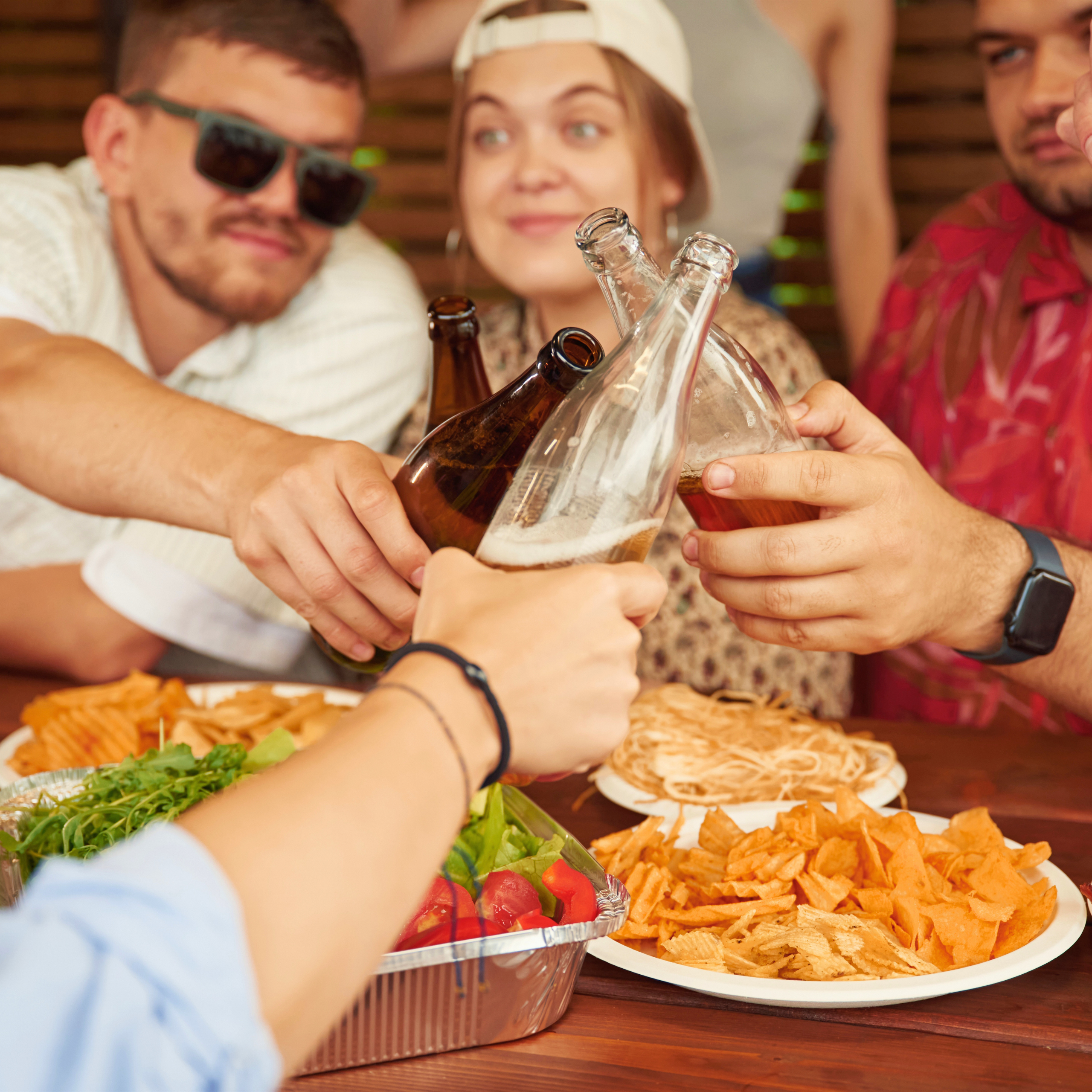
Gathering the family or barkada to drink is one of the best ways to bring people together. Add pulutan to the mix and the inuman session becomes even more memorable.
The Philippines is far from the only nation that loves a good snack when they drink; the U.K. has their pub grub, Spain has its tapas, Korea has its anju, and Japan has its otsumami. Pinoy pulutanPulutanPulutan refers to Filipino bar food, savory snacks and small dishes meant to be eaten alongside alcohol, usually beer. Sisig, crispy pata, and chicharon are classic examples, chosen for saltiness,Go to Pulutan Glossary, of course, takes into stronger consideration the Filipino love of all things malinamnam (tasty) and is designed to pair with popular alcoholic beverages like pale pilsner, gin bilog, lambanog, and so on. It veers toward the sour, salty, and/or spicy side and uses ingredients easily found in local supermarkets.
Having munchies before or while downing booze can keep both you and your rackety uncle from getting drunk too easily, as food helps slow down alcohol absorption into the bloodstream. (It won’t keep you from getting drunk entirely—but it does help keep the alcohol down!)
The right plates paired with the right sips also enhances the experience of both. Anyone who’s had bites of fatty, crunchy, piquant sisig alternated with sips of ice-cold, malty beer would understand how each part brings out the best of the other—apart from being individually delish.
PulutanPulutanPulutan refers to Filipino bar food, savory snacks and small dishes meant to be eaten alongside alcohol, usually beer. Sisig, crispy pata, and chicharon are classic examples, chosen for saltiness,Go to Pulutan Glossary also has a social and cultural function. Because they’re typically served in large portions, placed in the middle of the table, and designed to be shared, pulutan fits right in with the communal theme that runs through most other facets of Filipino dining culture.
1. Packaged Snacks
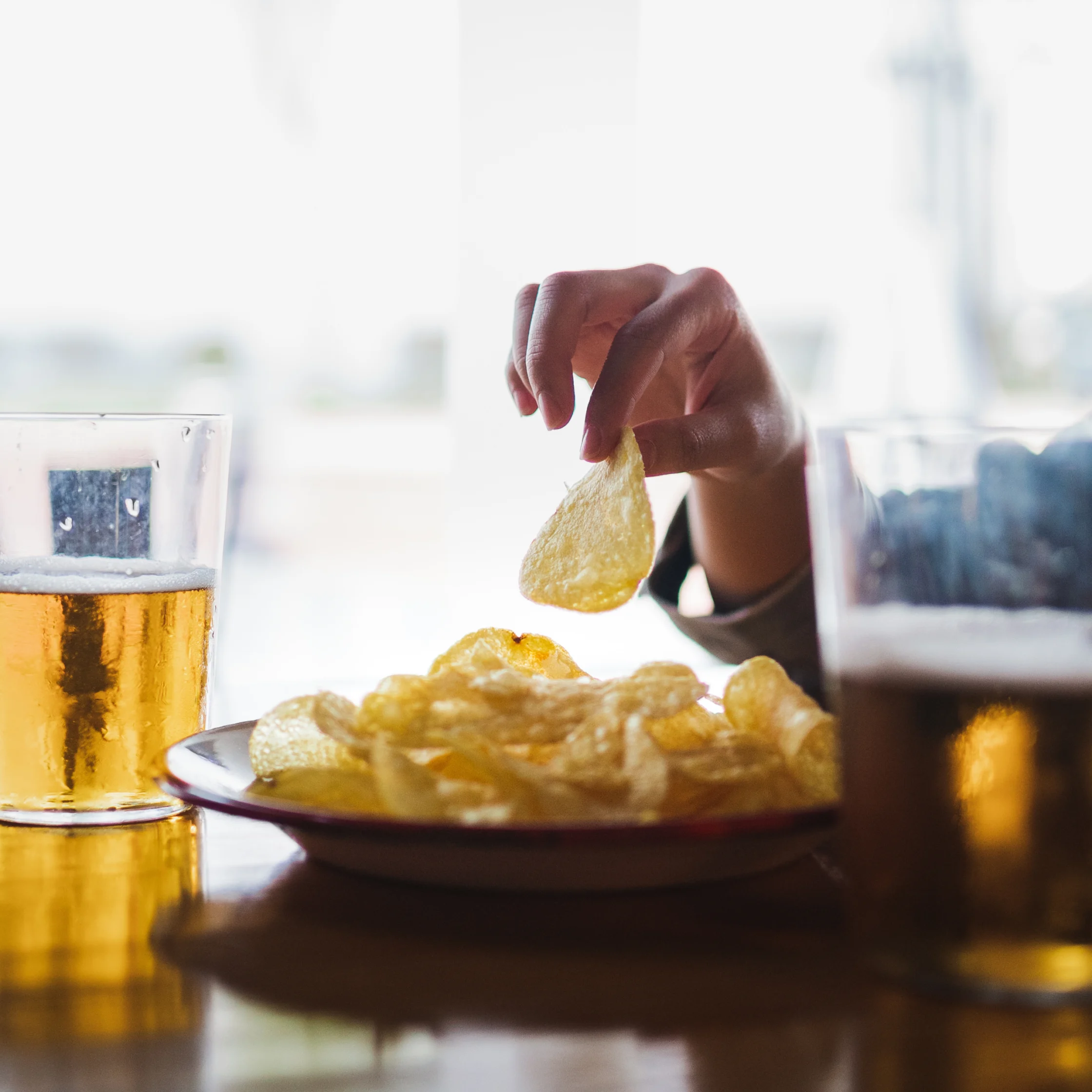
Some easy pulutanPulutanPulutan refers to Filipino bar food, savory snacks and small dishes meant to be eaten alongside alcohol, usually beer. Sisig, crispy pata, and chicharon are classic examples, chosen for saltiness,Go to Pulutan Glossary barely require cooking: pre-packaged chips, adobong mani, green peas, and cornick work wonderfully as pulutan. They’re crisp, salty, and easy to keep going back for second or third handfuls of without it filling you up too quickly.
2. Kinilaw and Kilawin
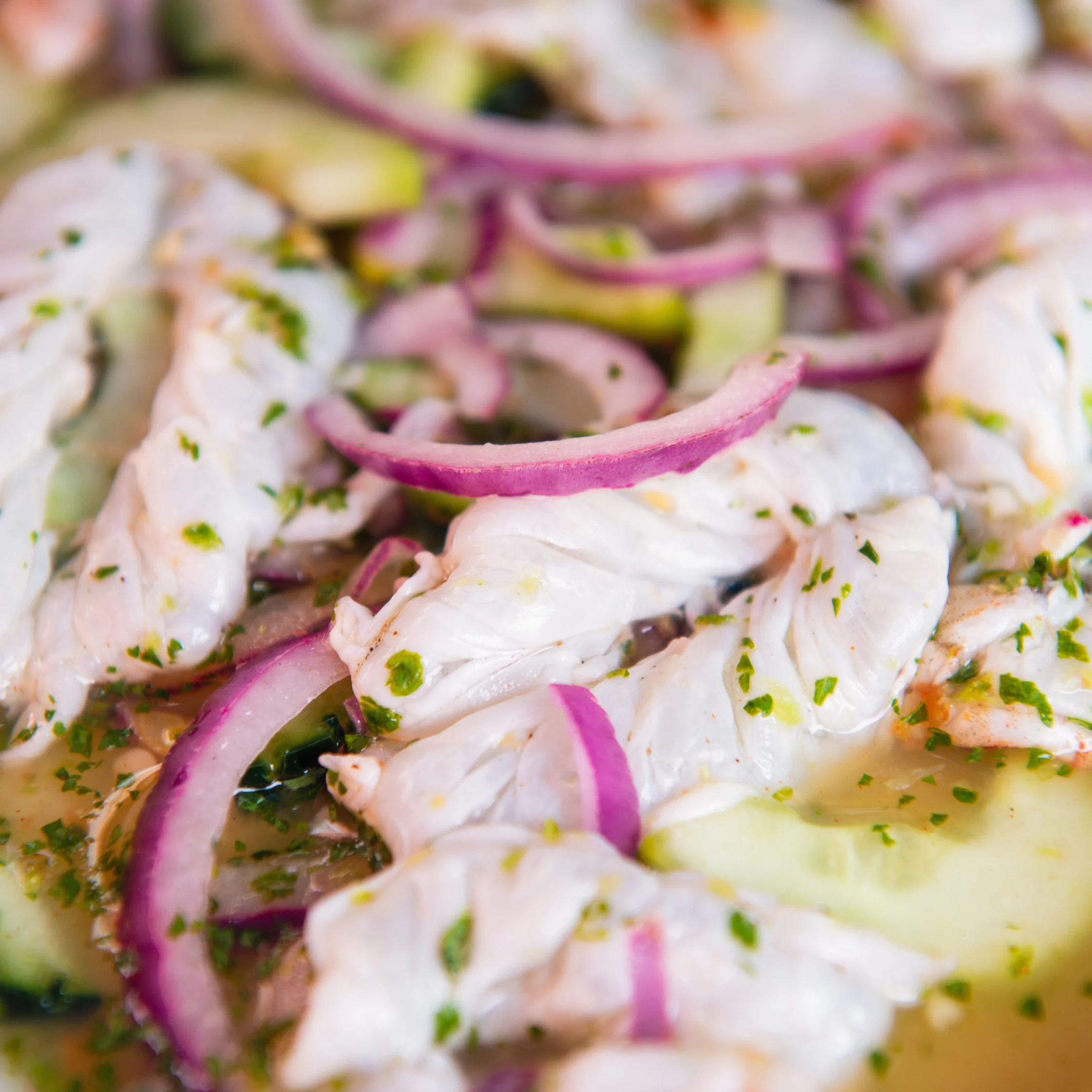
KinilawKinilawA Filipino dish of raw fish or seafood cured in vinegar and citrus, mixed with ginger, onions, and chilies. Often compared to ceviche, kinilaw predates Spanish colonization and is prizedGo to Kinilaw Glossary (raw fish or other seafoods, cured in acids like vinegar and citrus) and its cousin, kilawin (cooked meats like grilled pork, and blanched pork ears and goat skin) have a generally bright, sharp, acidic flavor profile that’s great with crisper, lighter beers. The traditional sisig would fall under this category, too.
3. Fried Foods
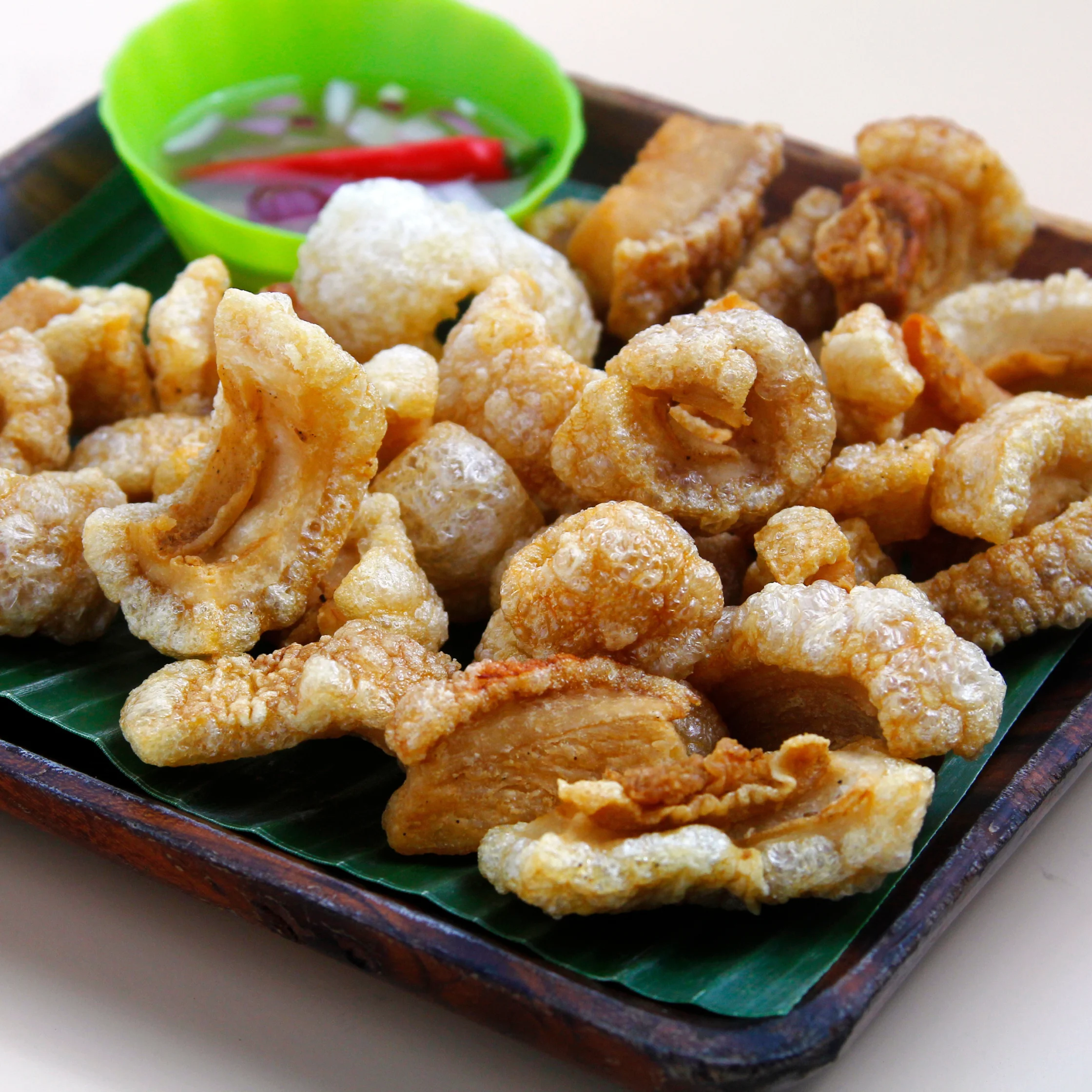
Calamares, fried tokwa, chicharonChicharonChicharon is Filipino deep-fried pork rind, puffed and crisp, eaten as a snack on its own or used as a topping for lugaw, goto, and other dishes. Regional varieties includeGo to Chicharon Glossary or chicharon bulaklak, fried pork ears, crispy pata, and lechon kawali all have a crispy, salty profile (paired with rich and fatty interior, in the case of crispy pata) that are perfect washed down with beers of all sorts—whether it’s lighter, yeastier wheat beers or stronger, more bitter ales.
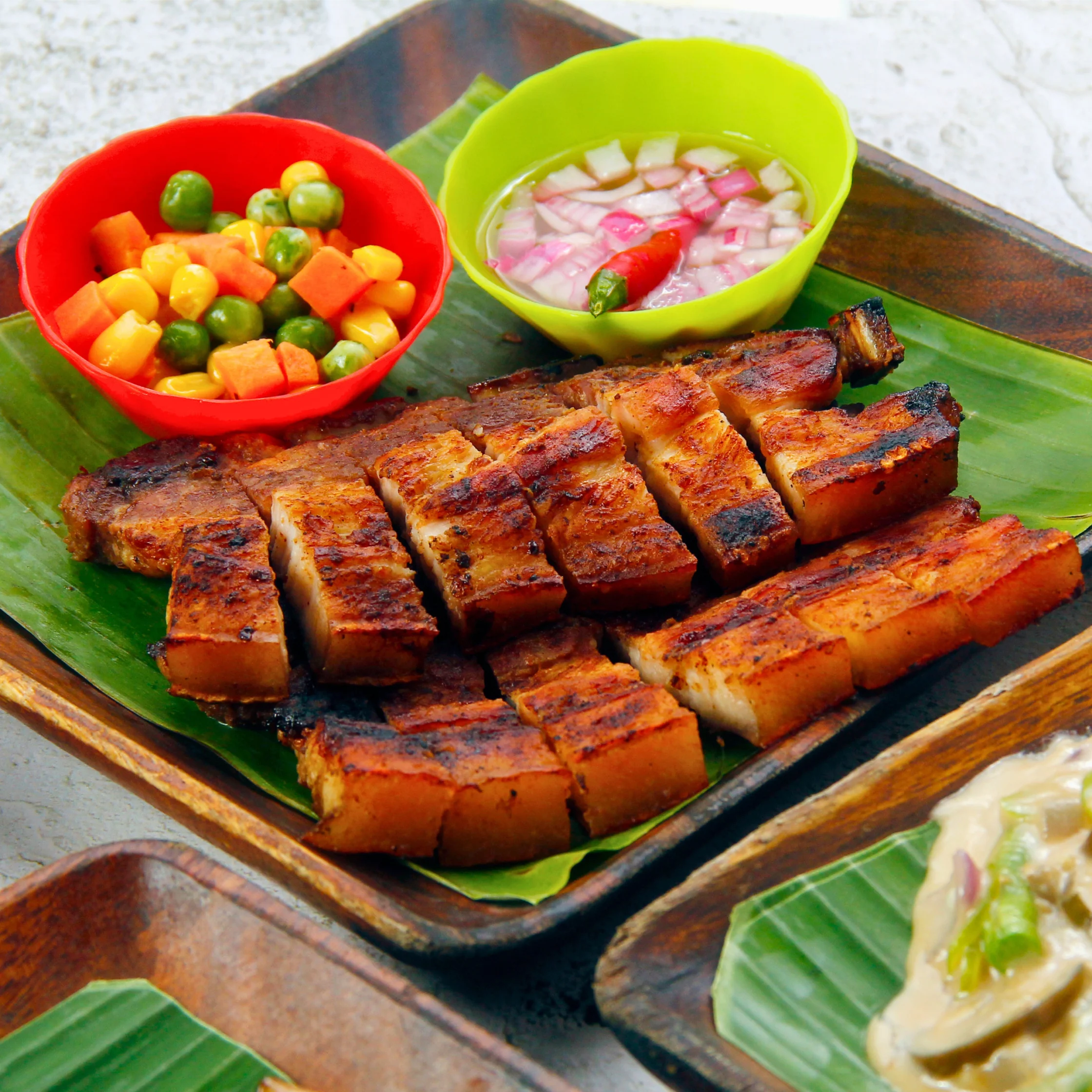
4. Inihaw
Isaw, pork BBQ, inihaw na baboy, inihawInihawInihaw refers to grilling over charcoal, a cooking method central to Filipino street food and home celebrations alike, applied to everything from pork barbecue to whole fish. The smoky charGo to Inihaw Glossary na tilapia, binusog na pusit—these smoky grilled dishes are all fantastic as pulutan fare. The meats, in particular, pair beautifully with bold, hop-forward beers and IPAs.
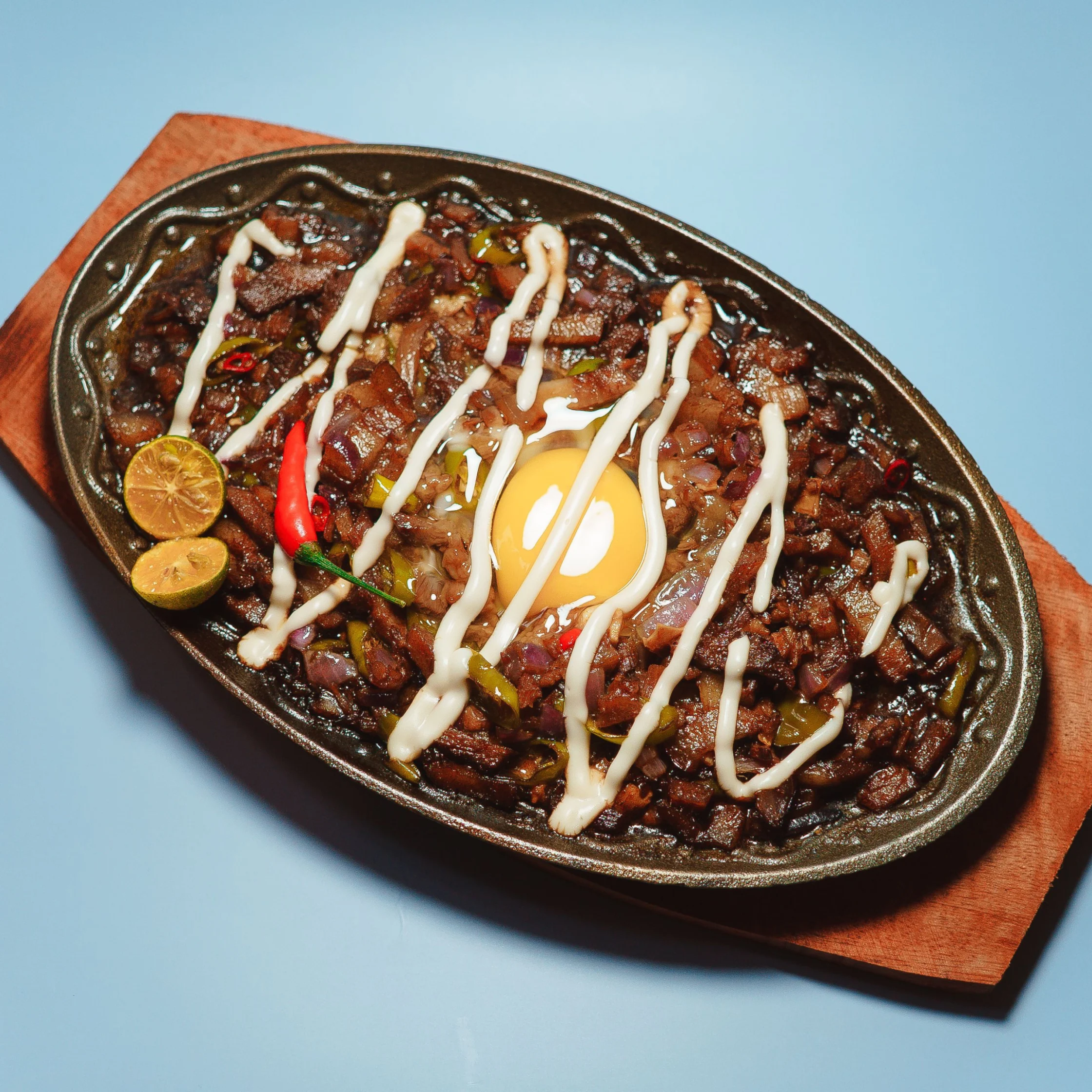
5. Sizzling Dishes
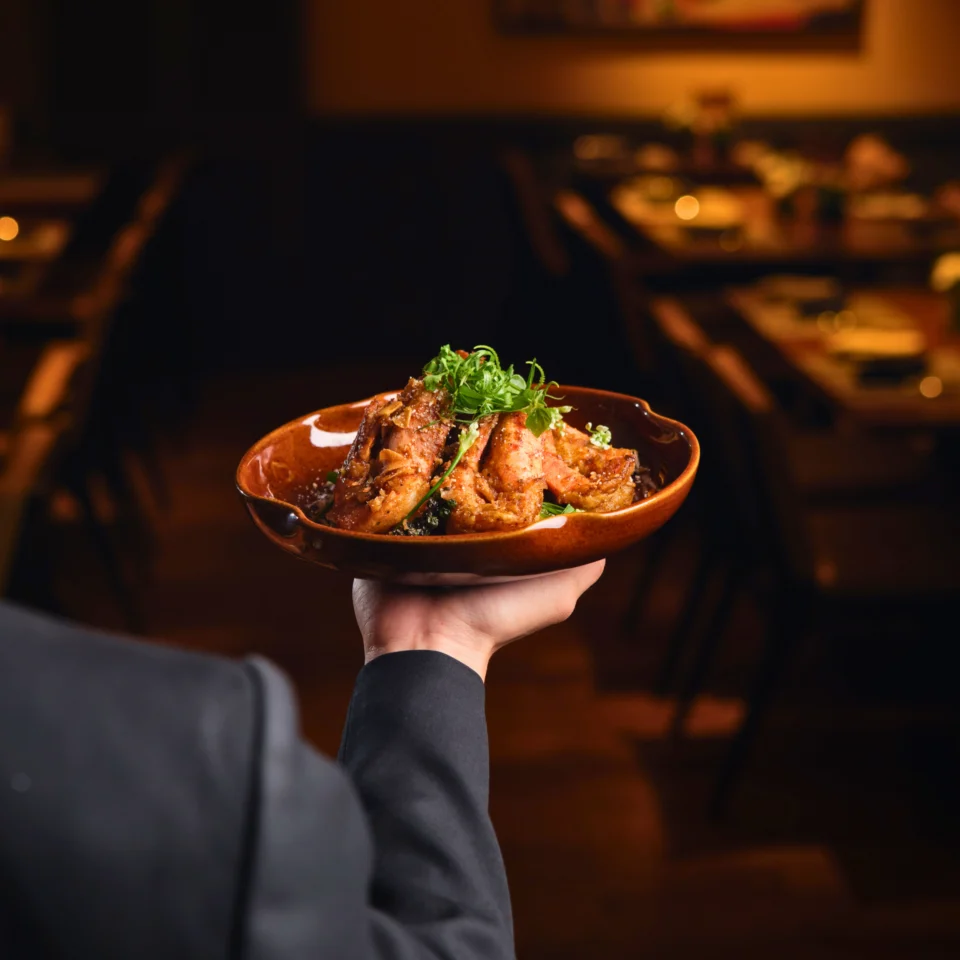
There’s something especially alluring about dishes served sizzling on a hot plate, whether it’s sisig (the modern version, with or without egg), squid, oyster, tuna, or whatever else. It sure doesn’t hurt that they go great with beer, especially the crisp, fizzy types that cleanse the palate in between bites.
6. Miscellaneous Viands
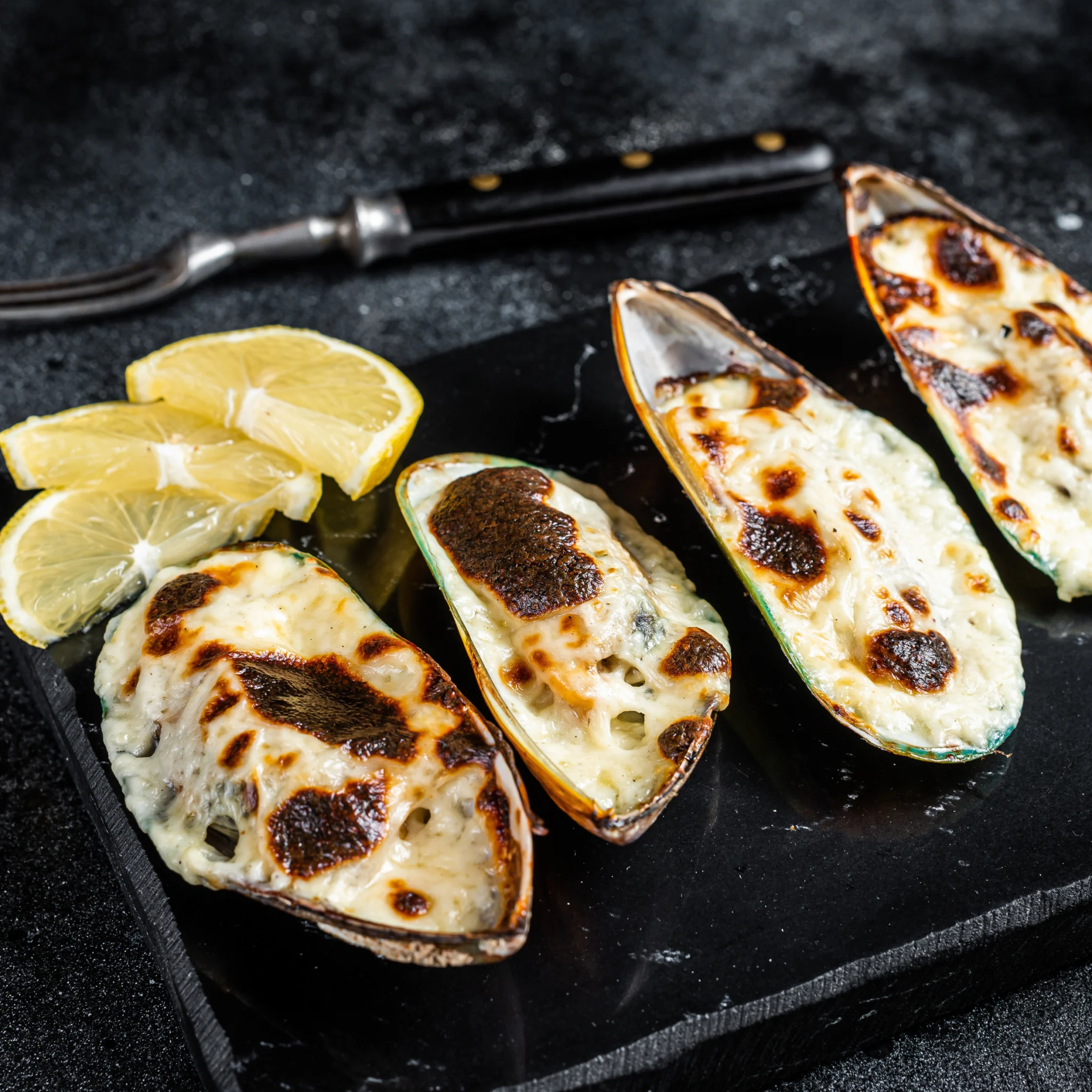
Baked tahong, with its cheesy topping, is a classic with a good pale pilsner. Tokwa’t baboy gives you the best of three worlds: crispy fried tofu cubes; smoky, juicy chunks of pork; and a punchy soy-vinegar sauce to tie them together. Bopis, with chunks of pork lung and heart sauteed in chili and other seasonings, offers a meaty bite. And adobo-fied pork, isaw, chicken feet, and other meats and proteins as a deeply savory and sour counterpoint to beer.
7. More ‘Unusual’ Proteins
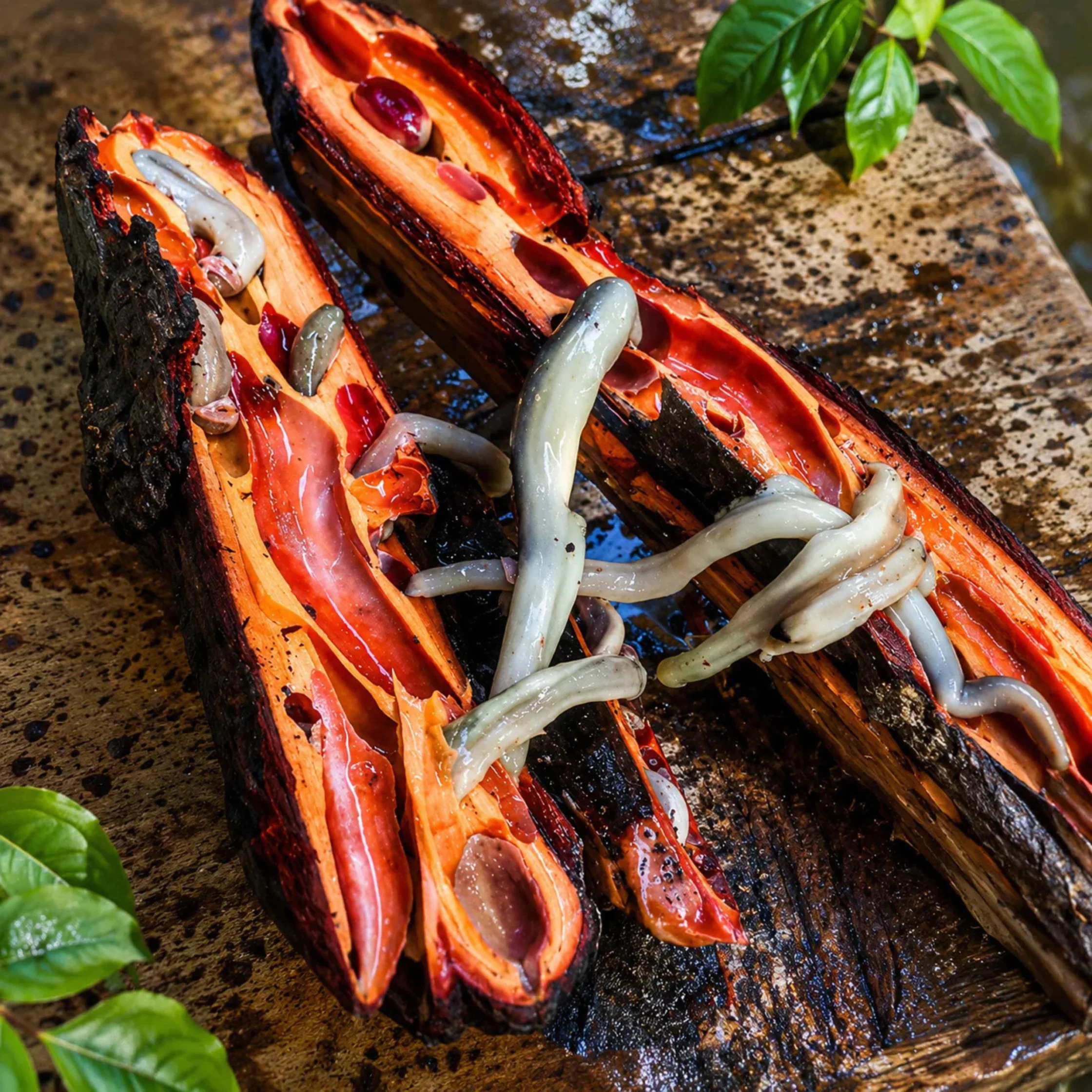
For the open-minded, there are pulutanPulutanPulutan refers to Filipino bar food, savory snacks and small dishes meant to be eaten alongside alcohol, usually beer. Sisig, crispy pata, and chicharon are classic examples, chosen for saltiness,Go to Pulutan Glossary using less-conventional ingredients and proteins—think Pampanga’s kamaru (mole crickets), Ilocos’ abuos (edible ants of hantik or weaver ants), Bicol’s kuhol (snails), even Palawan’s tamilok (a form of woodworm). Their appeal might lie in the fear factor, crossed with how alcohol lowers inhibition—but there, too, are folks who’ve acquired the taste for these less-conventional ingredients, and might argue they actually taste good in their own right.

Frequently Asked Questions
Pinoy pulutan leans into the Filipino love for malinamnam flavors. It typically favors sour, salty, and/or spicy profiles using easily accessible local supermarket ingredients, and is crafted to pair with drinks like pale pilsner beer, gin bilog, and lambanog.
Having snacks before or while drinking helps slow down alcohol absorption into the bloodstream, keeping people from getting drunk too easily (though it won’t prevent getting drunk completely).
Pre-packaged chips, adobong mani, green peas, and cornick are easy options that require minimal to no cooking. They are crisp and salty, making them easy to keep snacking on without filling people up too quickly.
Beyond grilled and fried staples, popular viands include cheesy baked tahong, tokwa’t baboy, bopis, and adobo-style dishes like adobo pork, isaw, or chicken feet.
Less-conventional options include Pampanga’s kamaru, Ilocos’ abuos, Bicol’s kuhol, and Palawan’s tamilok. Their appeal can come from novelty or lowered inhibitions while drinking, though many people genuinely enjoy their taste.