

For Jacque, matcha was never just a fad.
Growing up, she was already exposed to a variety of drinks. Her fascination traces back to her childhood, thanks to her mom’s food and beverage profession. But it wasn’t until the pandemic when she went mad over matcha, turning her interest into obsession.
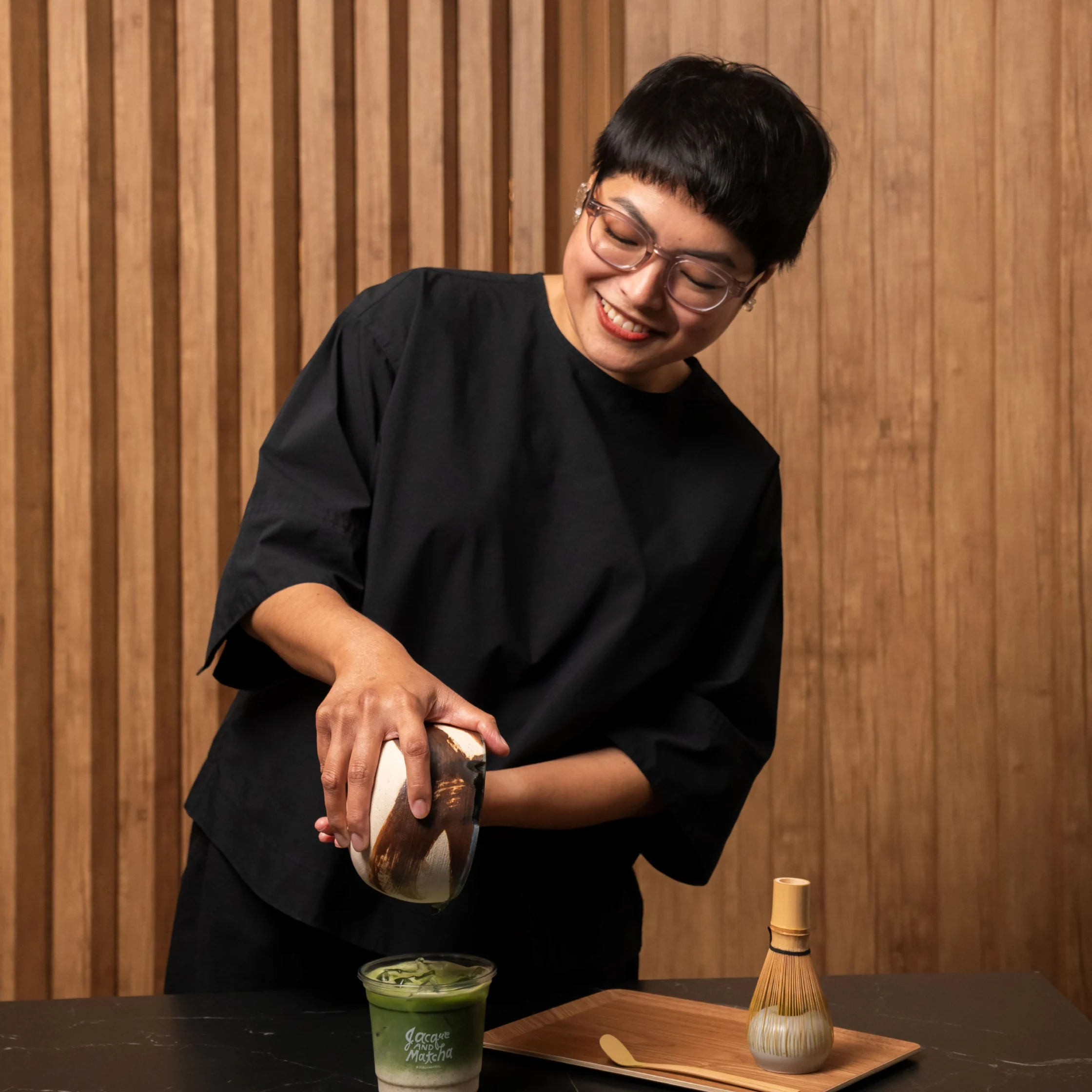
From Daily Matcha Lattes to Tea Mastery: The Journey of a Filipina Matcha Entrepreneur
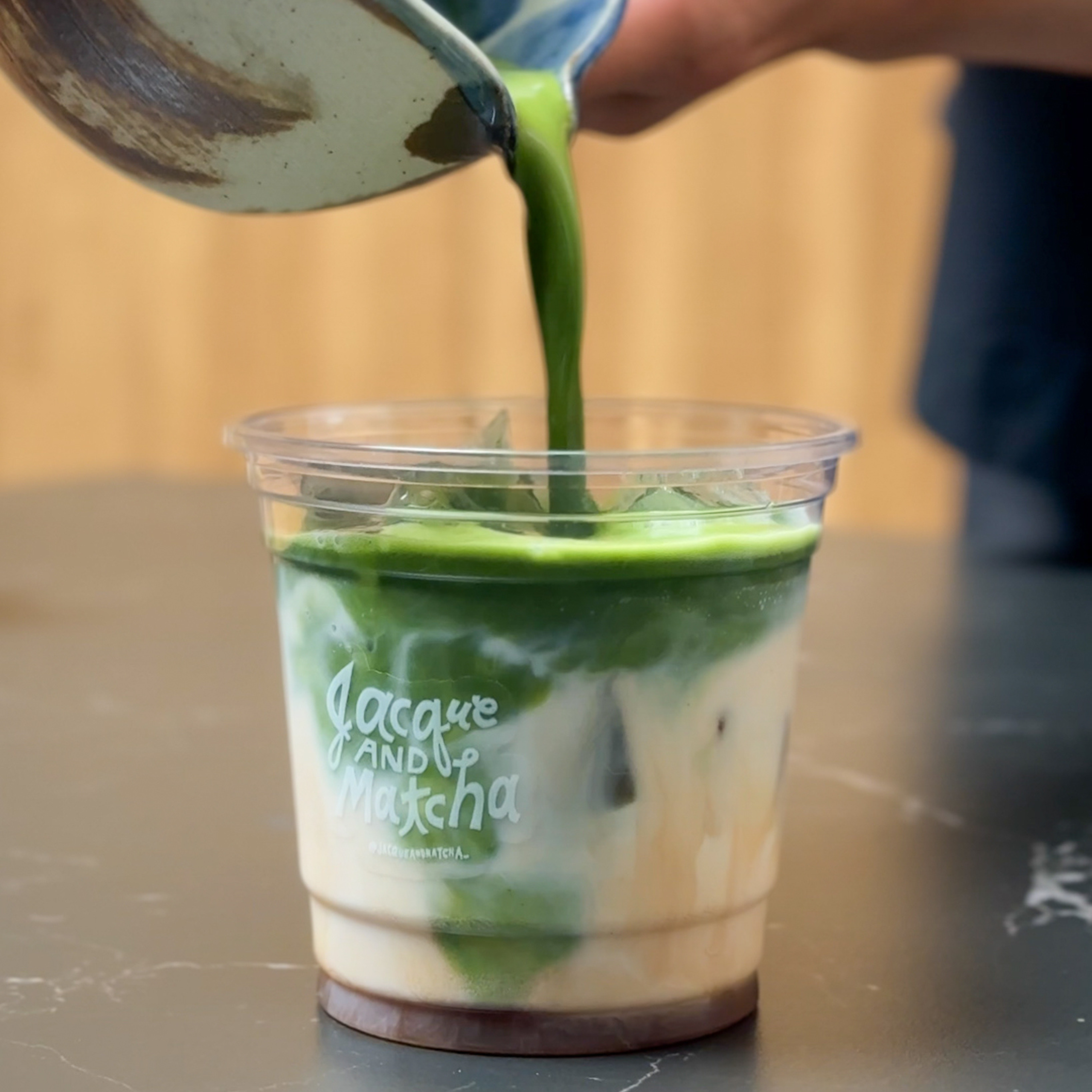
Matcha had always been her drink of choice whenever she found herself in a cafe, but the lockdown eventually forced her make her own tea drinks and indulge on them indoors. At the time, she developed a particular fascination for the Starbucks’ matcha espresso fusion. “I did it at home almost everyday. I even posted in social media that I was 80% made of that drink already because that’s what I consumed daily.”
What began as a habit soon evolved into a deep curiosity. Wanting to start a simple business around matcha, she began reaching out to suppliers in Japan and selling good quality packs in Manila. But she realized, it required more than just enthusiasm. “I needed credibility,” she says. “Who would buy from someone who knew nothing about the product he’s selling?”
And so she enrolled in an online course through the Global Japanese Tea Association, and met a Filipina tea sommelier who introduced her to chado, the spiritual discipline of preparing and serving matcha.
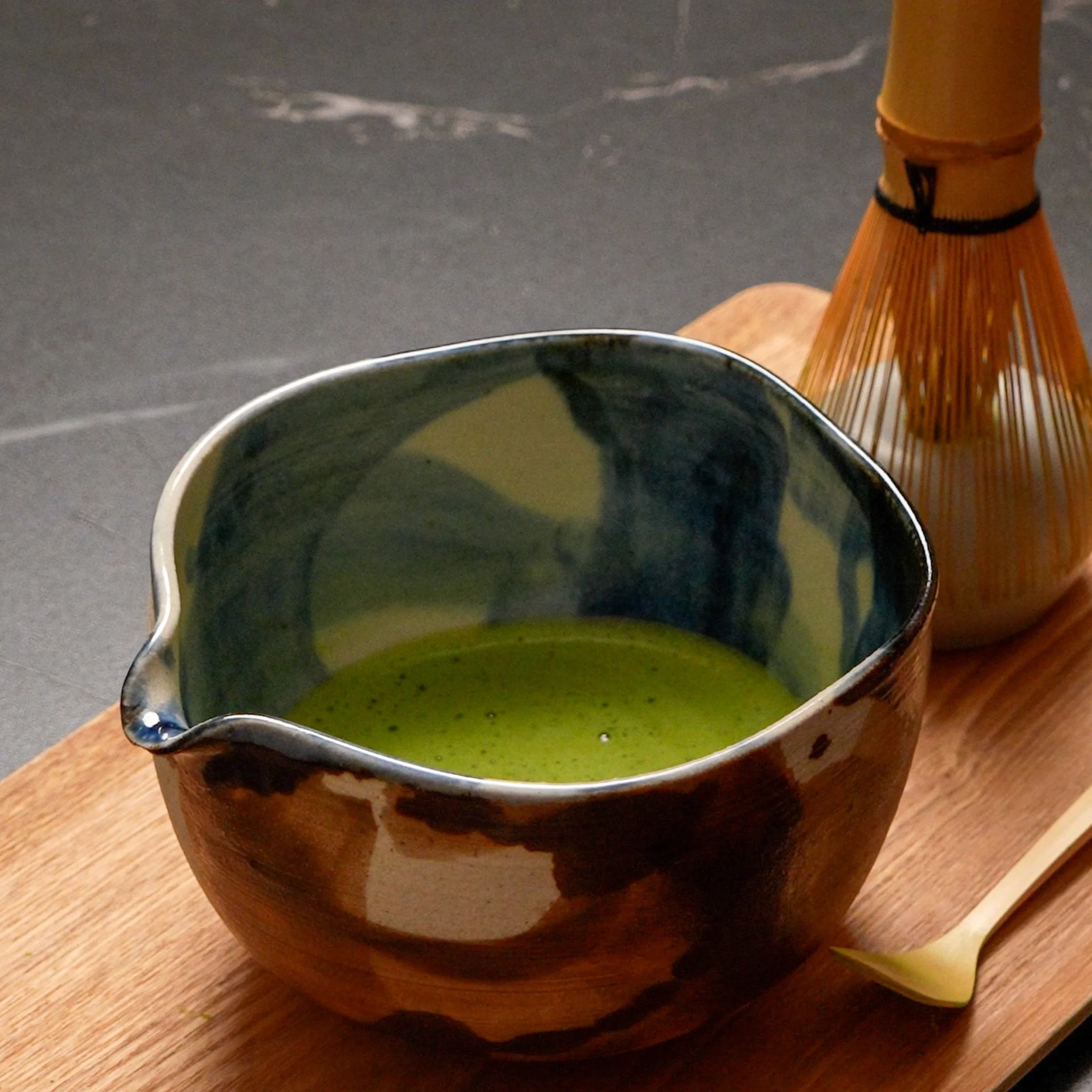
“I was only gonna try it once but I fell in love with it,” she recalls. “Everything has intention, every movement has a reason. I appreciated that so I learned both sides of tea—the application as well as the culture. I’m obsessed with learning.”
Her yearning eventually brought her closer to the source, visiting tea farms in Japan and learning the production process directly from the farmers despite the language barrier. Discovering the laborious process gave her a deeper appreciation of what goes in every cup.
From China to TikTok: How Matcha Became a Worldwide Obsession
Tea may have originated in China but it didn’t take long before it spread beyond its domain. In the 9th century, Buddhist monks brought tea seeds to Japan, which laid the foundation to Japanese tea ceremonies. Years later, Portuguese and Dutch traders introduced tea to Europe, consequently turning it into an international commodity.
Unlike other teas, matcha had a more commercial path to international fame. It became more mainstream when Haagen Dazs churned it into ice cream, followed by Starbucks converting it into latte. While these big brands boosted its awareness, it was inevitably social media that made it so viral major cities around the world saw a surge in matcha cafes.
“When I visited New York in 2019, they already had cafes that specifically offered just matcha. Like Chacha Matcha, Kettl. Ang dami,” recalls Jacque. “After the pandemic, they were still booming. Then TikTok and IG happened and a lot of people would show the drinks they’d make at home. It blew up. Now everyone wants to drink it.”
How Matcha Is Made: The Process Behind Japan’s Green Tea Powder
It takes a meticulous production process to turn the leaves into a finely ground powder. Weeks before harvest, tea plants are shaded—the materials vary from rice straw and bamboo to plastic tarpaulin and polyethylene shade cloth—for 20 to 30 days to regulate their chlorophyll and amino acid levels, which are responsible for the tea’s earthy taste and vibrant green hue.
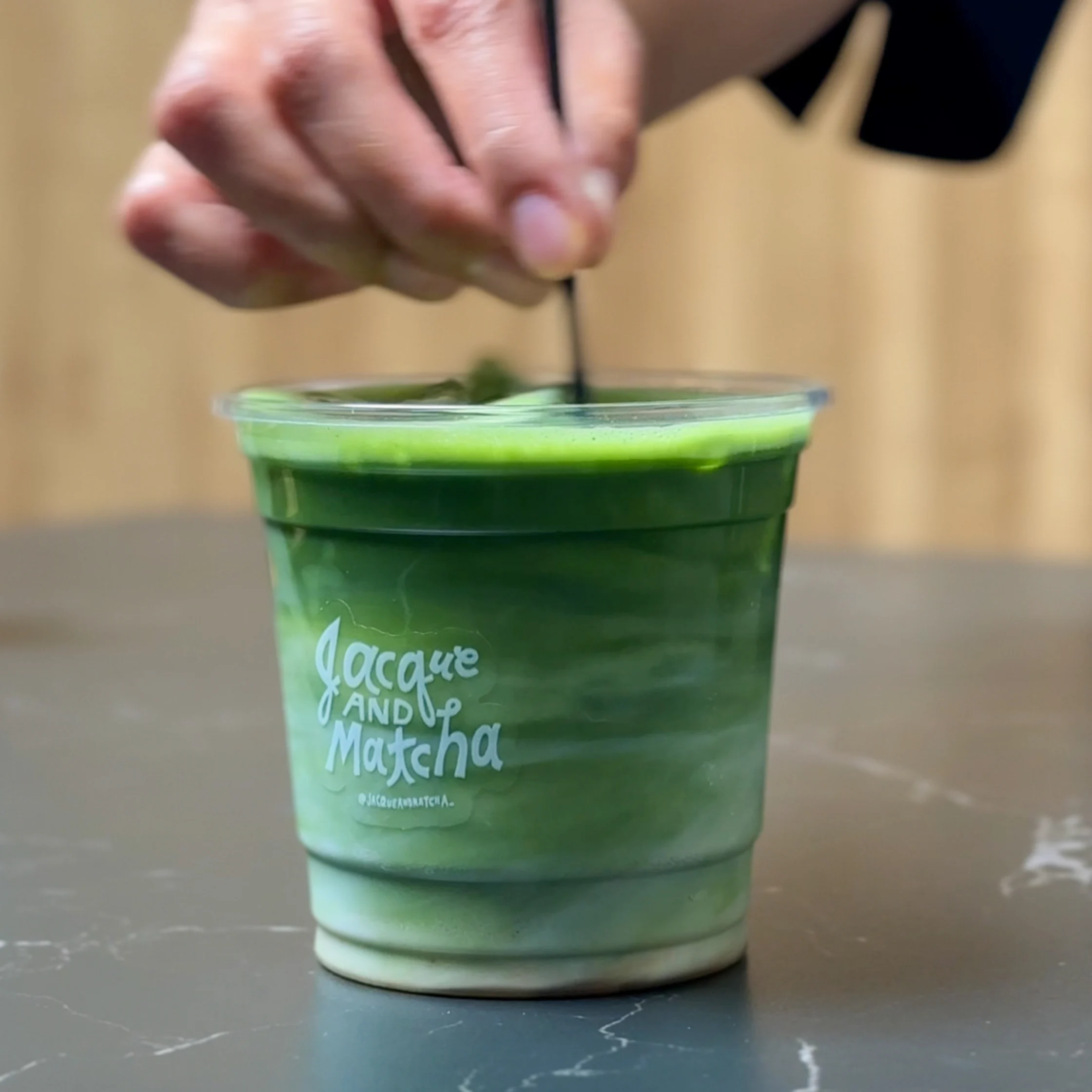
The leaves are carefully hand-picked or machine-harvested then steamed for several seconds (bigger leaves might need more time; each farmer has his own calibration) to retain their color and flavor. After which, they are dried in an oven (brick oven for many traditionalists, and stainless steel for big scale companies) to lower their water content to 5% before removing their steams and veins, leaving only the most tender part of the leaf. They are then stone- or mechanically milled to achieve an ultra fine powder. It’s a process made more rigorous by patience and precision, but the result is high-quality matcha with remarkable color and aroma.
Premium Matcha Tasting in Manila: Comparing Teas From Kyoto and Fukuoka
In an intimate class held at The Westin Manila one Saturday afternoon, Jacque introduced our eager party of 15 to a curated tasting of different matchas, from a stone-milled Asahi from Kumiyama, Kyoto to a machine-milled Yamabuki from Yame, Fukuoka. We even sampled medium roast hojicha and a sampling of milks, from oat, soy and almond to full cream and coconut milks. These were paired with afternoon tea bites like sandwiches and scones from the hotel.
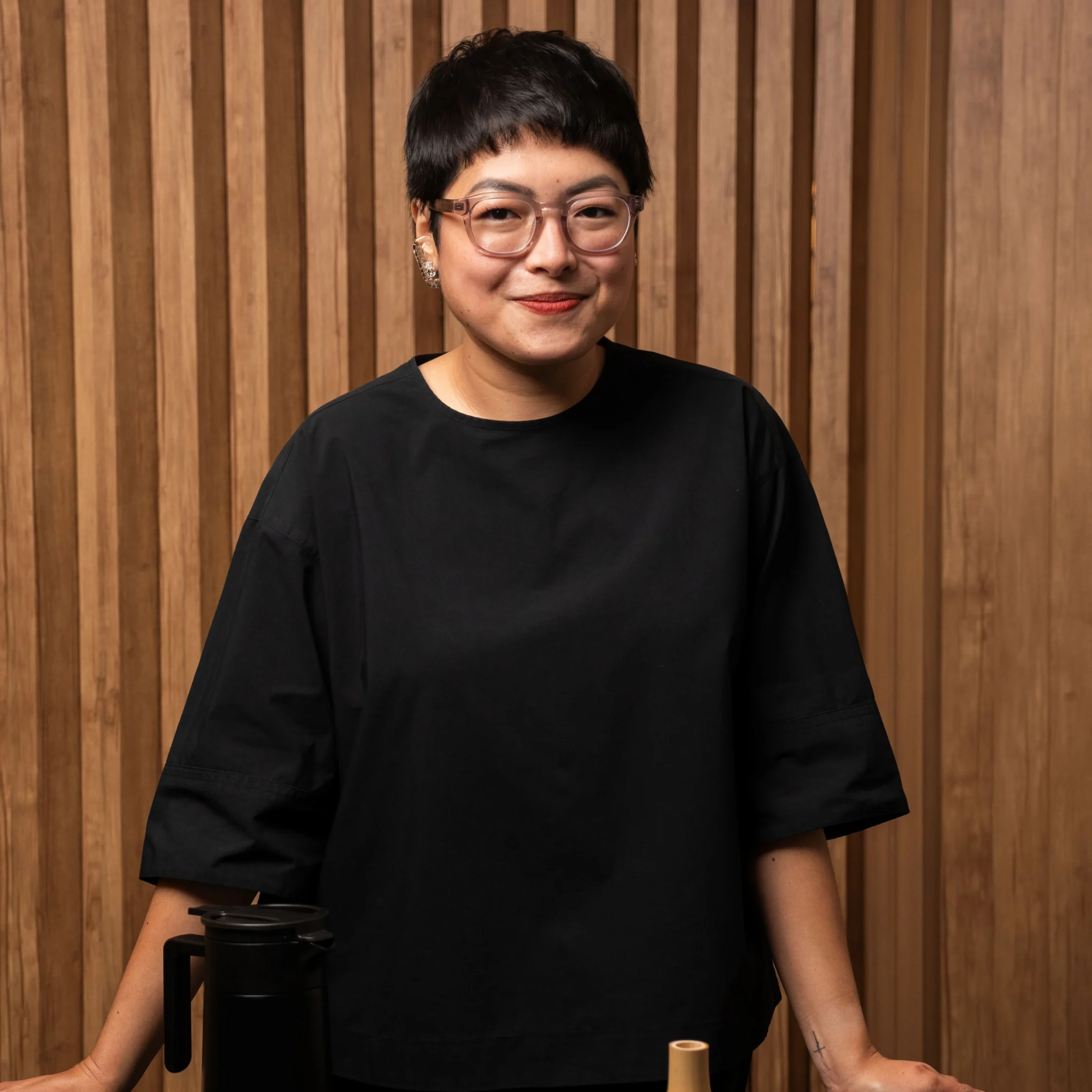
Matcha, it feels, has gone beyond being just a passing trend. “I think it’s here to stay,” says Jacque. “Coffee was like this too—[started] with home brewers then people geeked out over it. Matcha is going to be a part of our staple beverage options.”

Frequently Asked Questions
Jacque de Borja-Medestomas is a Filipina matcha enthusiast, tea educator, and entrepreneur who studies and promotes Japanese tea culture and premium matcha.
Matcha is a finely ground green tea powder made from specially shaded tea leaves that are steamed, dried, and milled.
Producing matcha requires weeks of shading, careful harvesting, processing, and milling, making it one of the most labor-intensive tea products.
Many tea experts believe matcha has moved beyond trend status and is becoming a staple beverage alongside coffee.